Domaine Saint-Paul

Domaine Saint-Paul is a quiet Châteauneuf-du-Pape wine estate shaped around still red wines, vineyard identity, and a traditional production setting rather than staged hospitality. Its appeal sits in the appellation fundamentals: Grenache, Syrah, Mourvèdre, estate-grounded tastings, and a calm Route de Sorgues atmosphere for travelers who want the wine region without performance.
Pearl is the En Primeur Club membership app — saves, bookings, and concierge access live there. Same editors, same standards.
- Address
- Châteauneuf-du-Pape, Vaucluse, Frankreich
 Saves & bookings on Pearl
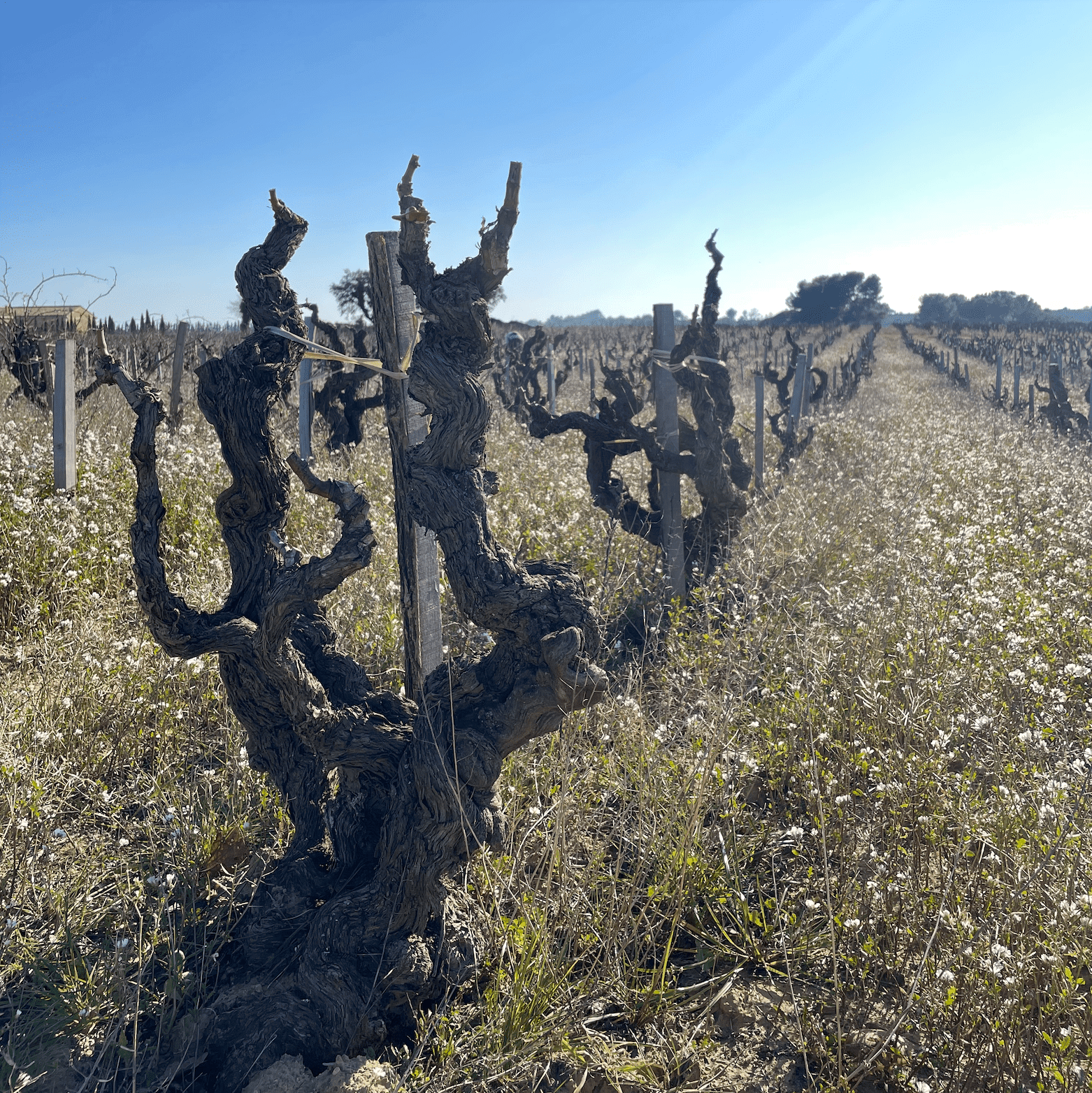
Approaching Domaine Saint-Paul in Châteauneuf-du-Pape, the picture is simple: this is a traditional winery setting with a direct estate presence focused on wine production rather than hospitality theatrics. The tone is classic, quiet, rustic, and sophisticated, which places the domaine closer to a working wine estate than to a staged visitor attraction. That distinction is important, because the appeal here is not built from a long list of confirmed visitor features, but from the more understated character of the place itself.
Because only limited details are available, one honest way to read Domaine Saint-Paul is through its setting and price level rather than through unconfirmed claims about grapes, tasting formats, amenities, or service. The listed price category is $$, and the confirmed appeal is the estate’s restrained Châteauneuf-du-Pape character. In practical terms, this means treating the domaine as a wine-centered address where atmosphere and context do much of the work, rather than as a venue whose value can be measured by extras, programming, or a heavily packaged experience.
Châteauneuf-du-Pape through a working-estate lens
The domaine’s appeal is not described through spectacle or elaborate hospitality. Its confirmed identity is a classic, quiet, rustic, and sophisticated winery presence in Châteauneuf-du-Pape, with an emphasis on wine production. That matters for visitors trying to understand the estate on its own terms rather than through assumptions about services or programming. A working-estate lens keeps expectations grounded: the point is the directness of the winery setting, the sense of a domaine connected to production, and the understated mood that comes with that.
For planning purposes, Domaine Saint-Paul is best treated as a wine-focused stop whose strengths are atmosphere, setting, and direct estate character. It is the kind of listing that should be approached with a clear understanding of what is confirmed and what is not. The confirmed picture is appealing precisely because it is restrained: a traditional winery presence in a well-known wine town, without the need to inflate the description with unsupported details.
The broader town can still be approached as part of a Châteauneuf-du-Pape visit, with other dining in Châteauneuf-du-Pape considered generically around a stop at the domaine. The winery’s role in that plan is clearest when framed as a quiet, production-minded estate rather than as a venue built around extended leisure programming. That makes it useful as one element in a wider day in the area, provided visitors do not assume that the estate functions like a restaurant, event venue, or comprehensive visitor center.
Châteauneuf-du-Pape context
Châteauneuf-du-Pape has a strong wine identity, but the information for the winery does not support detailed claims about specific grapes, cuvées, cellar methods, awards, or tasting structure. What can be said is narrower and more reliable: this is a Châteauneuf-du-Pape winery with a traditional estate feel and a focus on wine production. That narrower description is still meaningful, because it places the domaine within the broader wine context of the village while avoiding details that have not been confirmed.
That restraint can be useful for travelers who prefer a grounded sense of place. Rather than presenting the winery as a destination with confirmed amenities or elaborate programming, it is better understood as a classic, quiet, rustic, and sophisticated estate presence. The price level is $$, though exact costs should be confirmed directly. The price category gives a general planning cue, but it should not be stretched into a promise about what is included, how a visit is structured, or what level of service will be provided.
For contrast, travelers can compare the winery with other dining and wine options in Châteauneuf-du-Pape in a general way, without assuming identical formats or services. The important distinction is that winery’s profile is centered on its working-estate character. In that sense, it serves a different role from places that are primarily framed around meals, formal hospitality, or leisure amenities. Its value is clearest when the comparison stays broad and the domaine is allowed to remain what the available information supports: a traditional winery presence with a quiet, production-focused identity.
Who should put it on a Châteauneuf-du-Pape itinerary
The winery is most likely to interest travelers who value a quiet, traditional winery atmosphere over a highly produced hospitality experience. The confirmed setting is rustic and sophisticated, with the emphasis on wine production rather than theatrical presentation. Visitors who appreciate a restrained estate mood, and who are comfortable with a less embellished description, will have the clearest reason to consider it within a Châteauneuf-du-Pape itinerary.
Visitors should avoid relying on assumptions about appointment requirements, food, seating, tasting structure, group capacity, grape varieties, or special services. Those details should be checked directly if they matter to the visit. Based on the confirmed information alone, the safest expectation is a classic Châteauneuf-du-Pape winery setting at a $$ price level, best approached for its estate character and wine-production focus rather than for hospitality features.
Recognition history
Dated appearances from independent guides and award organizations, with the underlying list record or original source where available.
Falstaff Winery - Listed
Falstaff
Continue exploring
More in Châteauneuf-du-Pape
Wineries in Châteauneuf-du-Pape
Browse all →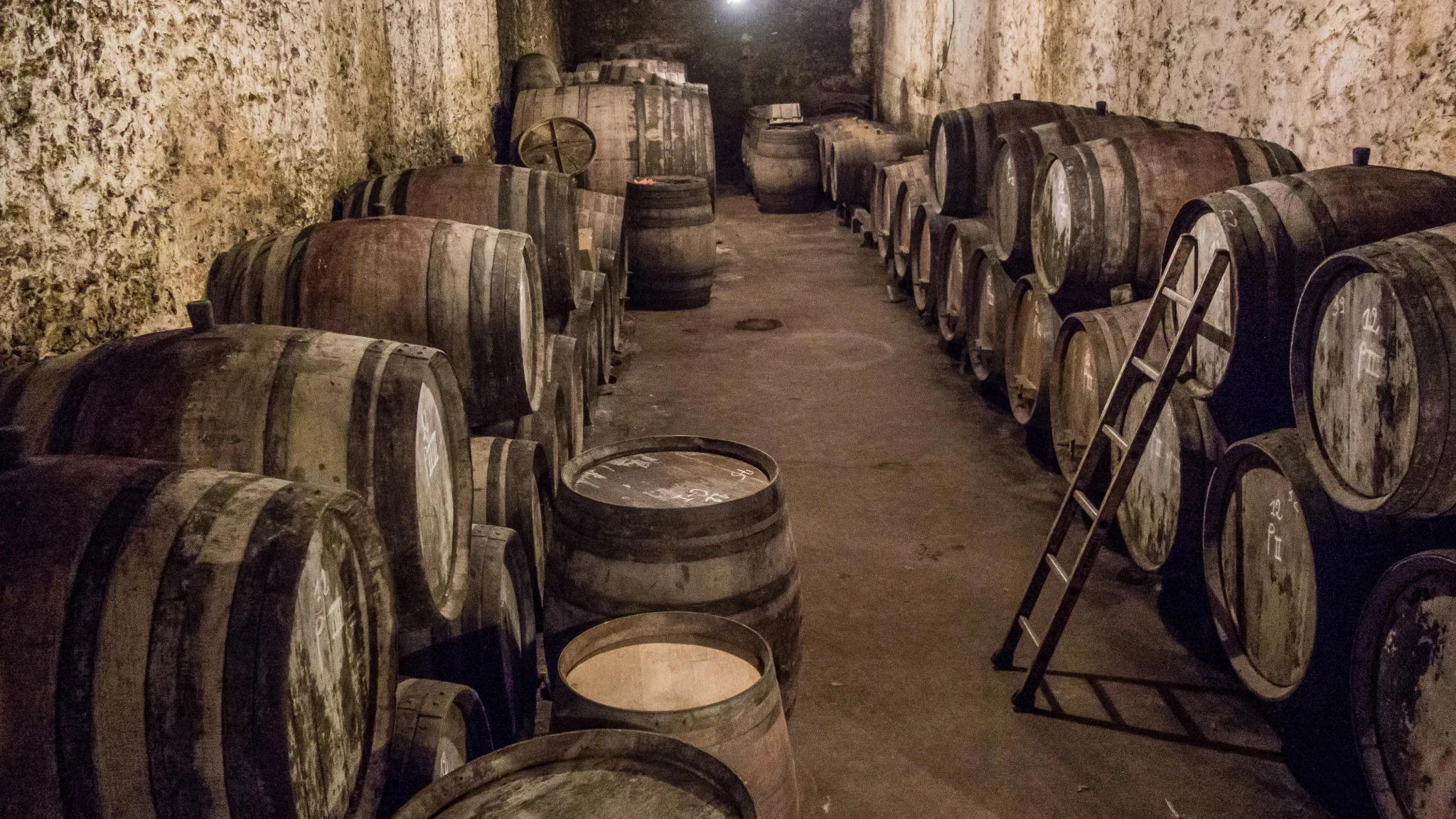
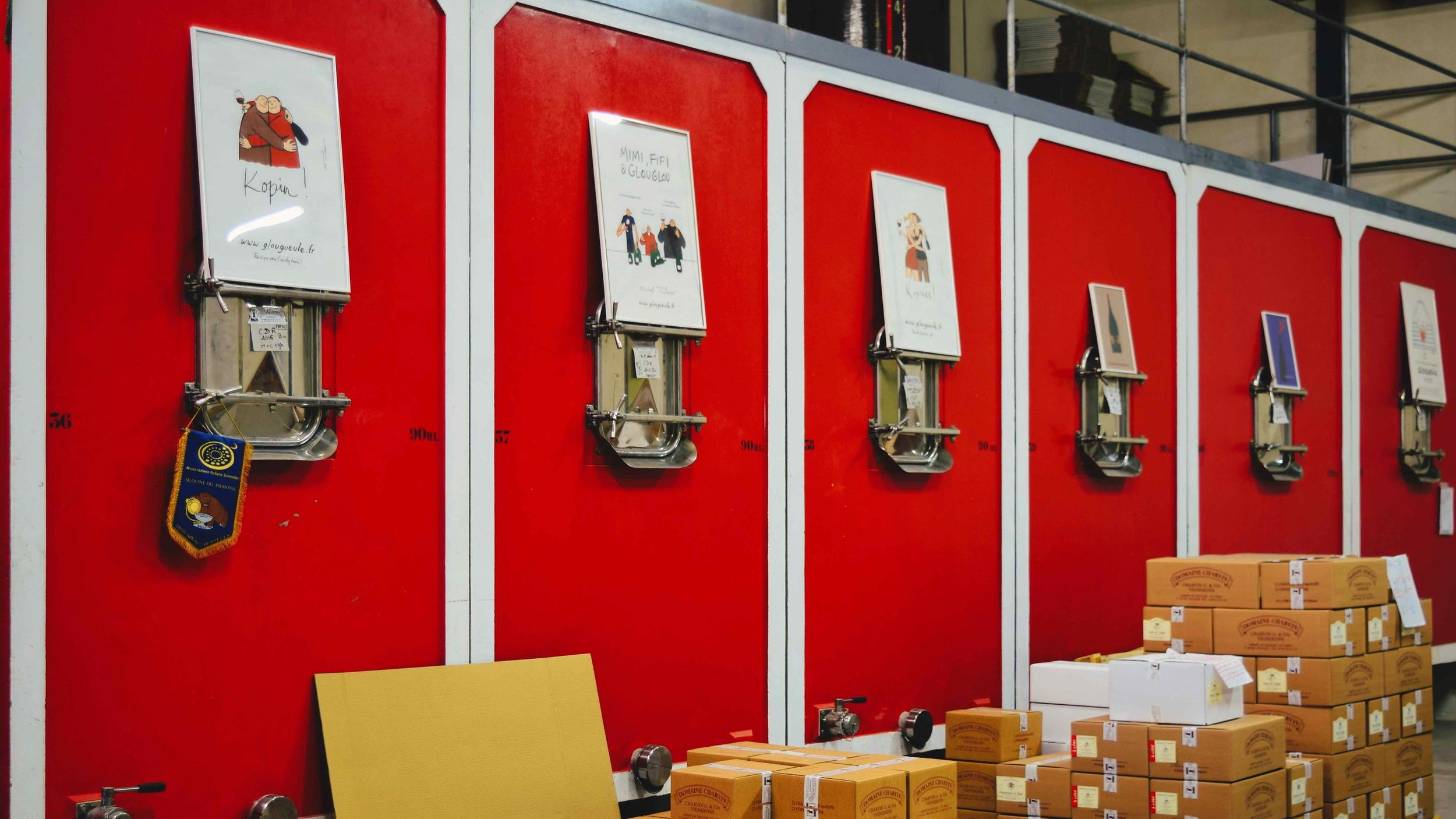
Restaurants in Châteauneuf-du-Pape
Browse all →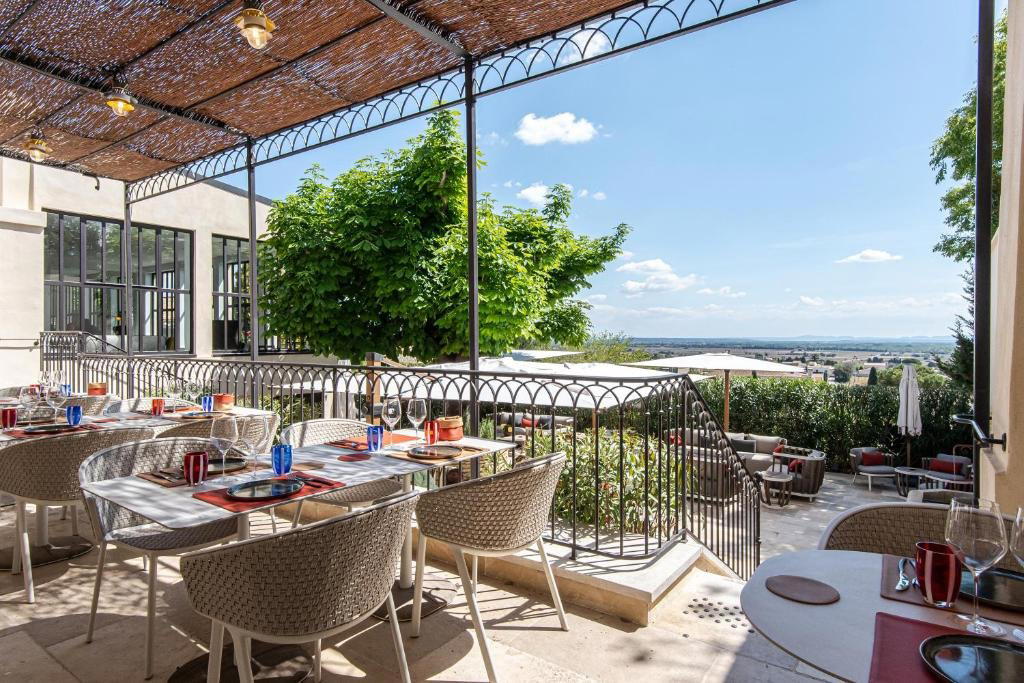
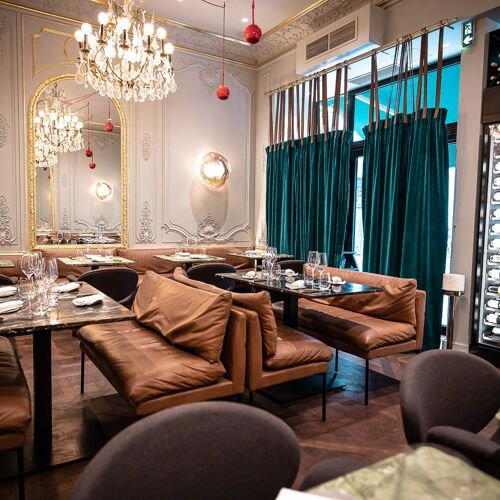
Hotels in Châteauneuf-du-Pape
Browse all →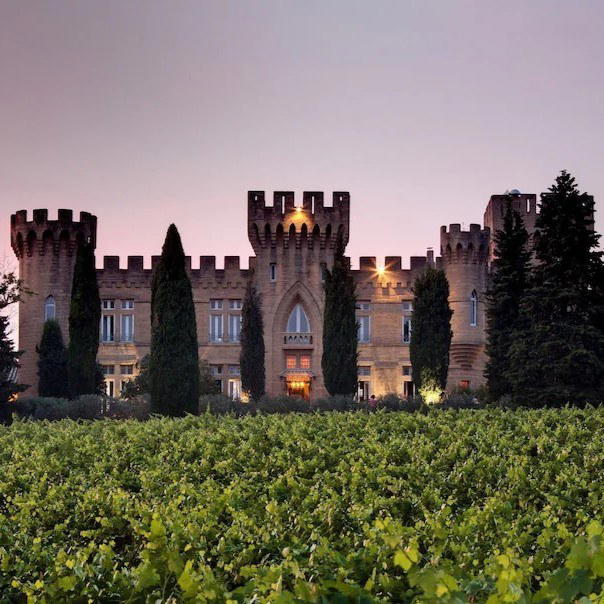
At a Glance
- Classic
- Quiet
- Rustic
- Sophisticated
- Wine Education
- Special Occasion
- Solo Exploration
- Group Outing
- Estate Grounds
- Private Tasting
- Vineyard
- Châteauneuf Du Pape AOC
- Grenache
- Syrah
- Mourvèdre
- Still Red
- Tasting Room
- Private Tasting
A traditional Châteauneuf-du-Pape winery setting on Route de Sorgues, with a direct estate presence focused on wine production rather than hospitality theatrics.