
Domaine René Rostaing is a serious Ampuis address for readers who care about Côte-Rôtie as a study in slope, parcel and restraint. Founded in 1971 and now led by Pierre Rostaing, the domaine works Syrah and Viognier across a small northern Rhône footprint, with La Landonne, Côte Blonde and Ampodium framing its reputation for ageworthy, terroir-led wines.
Pearl is the En Primeur Club membership app — saves, bookings, and concierge access live there. Same editors, same standards.
- Address
- Ampuis, Auvergne-Rhône-Alpes, Frankreich
- Directions
- Get directions
 Saves & bookings on Pearl
Approaching Ampuis, the first argument is made by the hillside rather than by a hospitality promise. Domaine René Rostaing is best understood as a traditional northern Rhône family domaine, focused on serious, ageworthy Côte-Rôtie and Condrieu. The draw is not a tourism-oriented format, but a classic, scenic expression of place. In that sense, the appeal begins before any practical planning details: it is rooted in the landscape, in the reputation of the village, and in the idea that these wines are inseparable from the slopes that give them their character. For travelers coming to Ampuis with wine in mind, the domaine reads less like a conventional venue and more like a reference point within the local wine culture.
Côte-Rôtie seen through terroir, not polish
The central story here is terroir expression. Domaine René Rostaing belongs to the Ampuis wine landscape because of its emphasis on Côte-Rôtie and Condrieu, and because its identity is tied to restrained, classical winemaking rather than spectacle. That distinction matters: the domaine’s relevance is not built around gloss, novelty or a broad hospitality concept, but around the quieter values that make northern Rhône wine compelling in the first place. The point is to look at the estate through the lens of site, tradition and seriousness, rather than through the expectations one might bring to a more visitor-driven destination.
For readers mapping Ampuis, this is not a simple ranking exercise. The useful frame is to understand the domaine as part of a village and hillside culture where place, local tradition and ageworthy wines matter more than broad visitor amenities. Ampuis is best approached with that hierarchy in mind. The scenery is not just background, and the wine is not just an activity to fit between other stops; here, the landscape and the bottles are part of the same conversation. Domaine René Rostaing fits that conversation because it represents a family-domaine model in which reputation comes from seriousness and continuity rather than from a packaged experience.
Other dining and travel planning in Ampuis can be considered separately, but the reason to focus on the winery is the domaine itself: a serious family estate with an well-known reputation for northern Rhône wines. That makes it worth separating the wine question from the rest of the itinerary. Meals, lodging and evening plans may shape the rhythm of a trip, but they are not the core reason this name belongs on an Ampuis map. The core reason is the estate’s association with Côte-Rôtie and Condrieu, and the way it stands for a more classical reading of what the northern Rhône can be.
Classical northern Rhône character
Rostaing’s appeal rests on a classical reading of Côte-Rôtie and Condrieu. The picture is of a domaine concerned with terroir expression, restraint and ageworthy wines, rather than with a heavily packaged hospitality experience. That does not make it less interesting; for the right traveler, it makes it more interesting. The attraction is in the seriousness of the place and in the expectation that the wines are meant to be understood with time, attention and context. The value lies in depth rather than display, and in a sense of continuity rather than in an obvious performance of luxury.
That makes the estate especially relevant for travelers who already care about the distinction between a scenic wine region and a venue built primarily for tourism. Here, the emphasis remains on the wines, the place and the traditional family-domaine identity. Visitors who respond to that emphasis will likely appreciate the understated nature of the appeal. The experience to imagine is not one defined by a checklist of amenities, but by an encounter with a serious name in a serious village. In Ampuis, that is often the more useful way to think: the landscape is dramatic, but the interpretation of it can be quiet, focused and wine-led.
For a wider Ampuis itinerary, keep expectations grounded: this is a wine-focused stop in a serious northern Rhône village, not a venue to assess by restaurant-style service details, tasting-room amenities or entertainment programming. That grounding is important because it protects the visit from the wrong comparison set. The winery should not be judged as though it were competing with destination dining rooms or leisure complexes. It belongs in a category where the central questions are about Côte-Rôtie, Condrieu, terroir and classical style. For travelers who understand that, the lack of emphasis on spectacle is not a drawback but part of the character.
Who should make the detour
This is a fit for travelers who know that Côte-Rôtie and Condrieu reward attention and patience. The winery is most compelling for serious wine enthusiasts who value classical style, terroir and ageworthy northern Rhône wines. It is also well suited to people who find meaning in the relationship between a village, its hillsides and the traditions that have shaped its wines. If the appeal of Ampuis is simply scenery, there are many ways to enjoy the landscape; if the appeal is understanding why the landscape matters in the glass, this domaine becomes much more central.
The broader trip planning belongs around Ampuis rather than around an assumed visitor format. Pair the wine route with other Ampuis dining, lodging and evening plans as needed, while treating the winery as a focused, traditional domaine rather than a general tourism attraction. That approach keeps the visit in proportion. Build the day with practical comforts elsewhere, then allow this stop to occupy its proper role: not as a complete hospitality package, but as a concentrated expression of a northern Rhône family estate. For the right traveler, that restraint is precisely the reason to make the detour.
Recognition history
Dated appearances from independent guides and award organizations, with the underlying list record or original source where available.
Falstaff Winery - Listed
Falstaff
Continue exploring
More in Ampuis
Wineries in Ampuis
Browse all →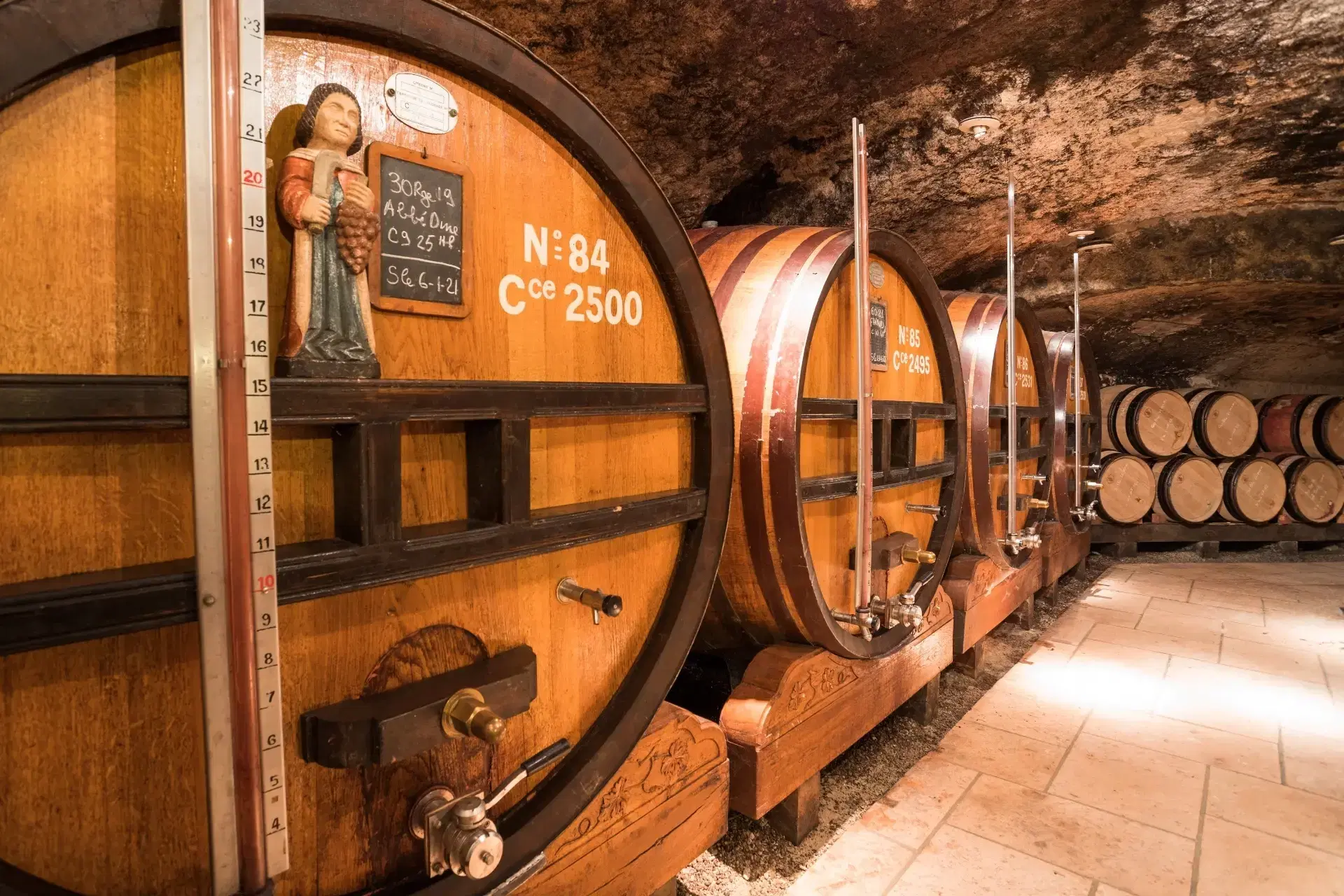
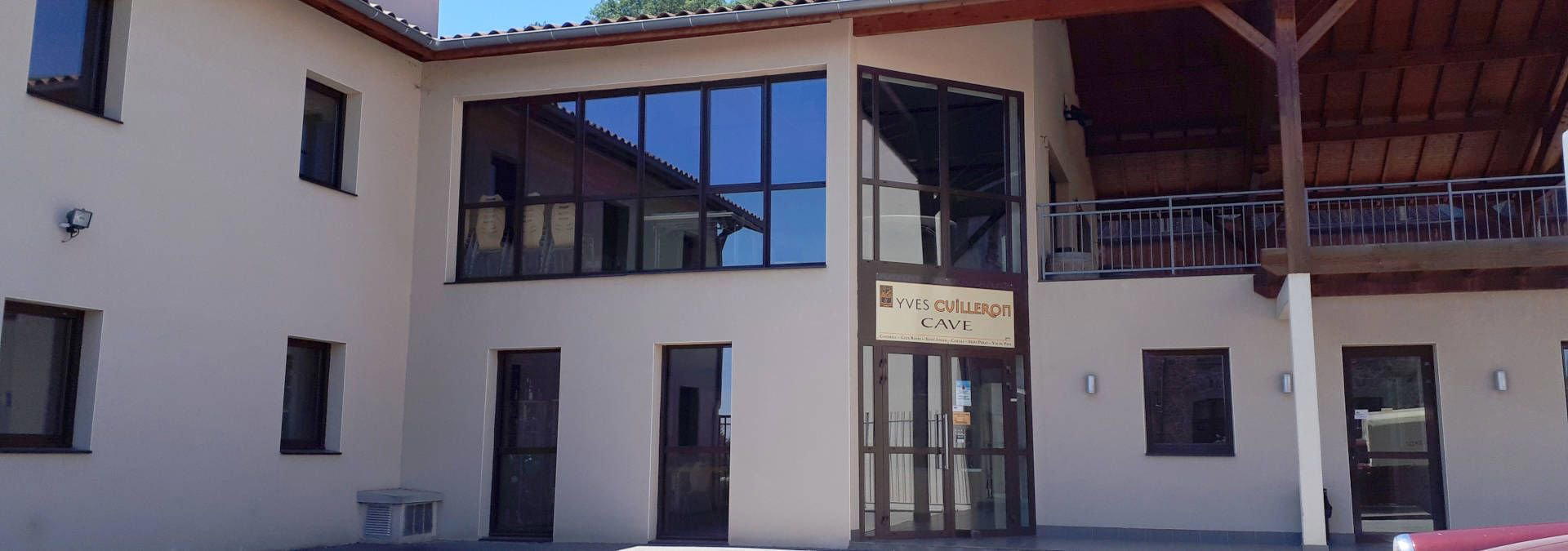
Bars in Ampuis
Browse all →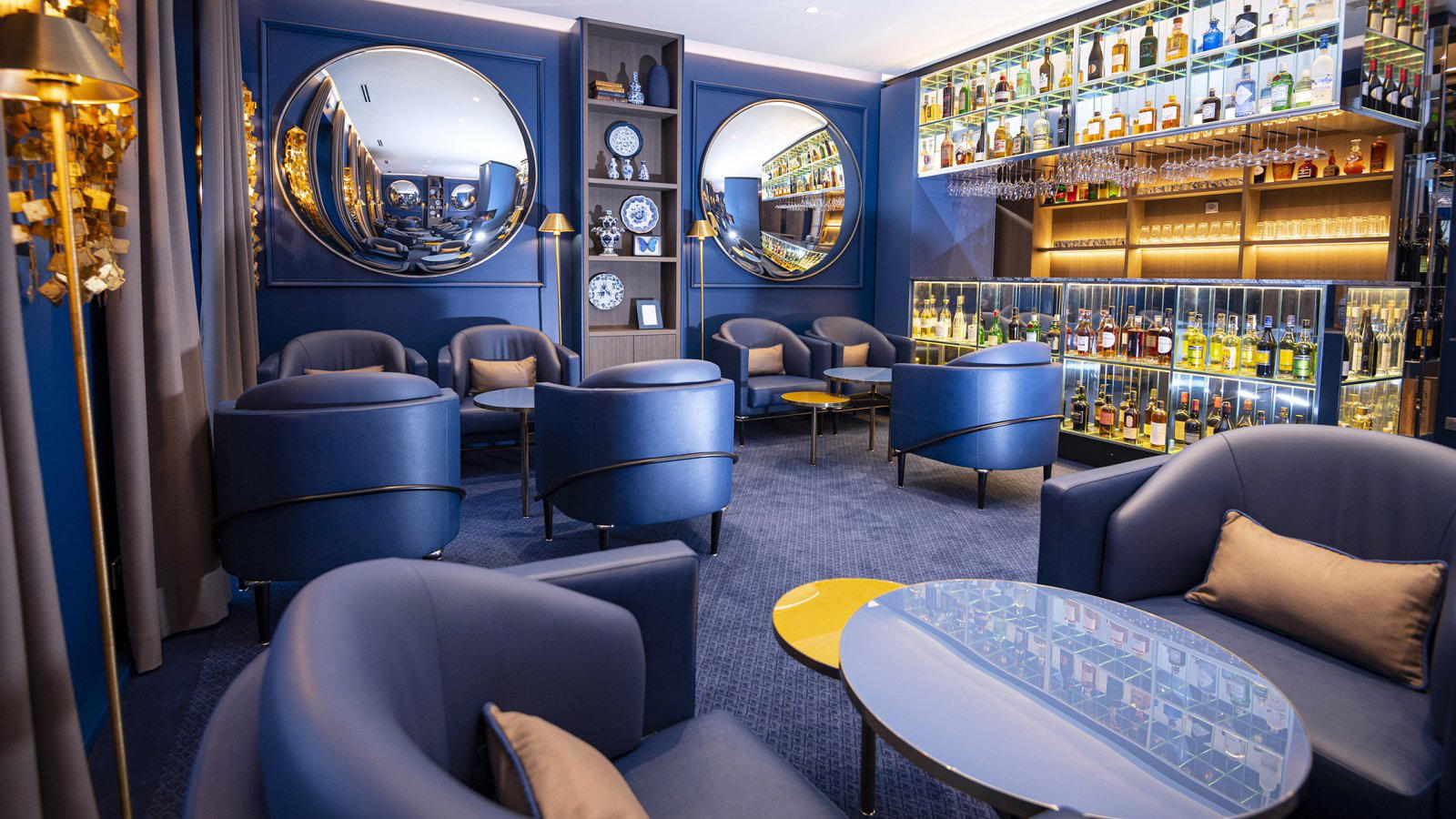
Restaurants in Ampuis
Browse all →
At a Glance
- Well Known
- Classic
- Scenic
- Sophisticated
- Rustic
- Wine Education
- Solo Exploration
- Group Outing
- Special Occasion
- Estate Grounds
- Historic Building
- Private Tasting
- Sustainable
- Vineyard
- Mountain
- Côte Rôtie AOC
- Syrah
- Viognier
- Still Red
- Still White
- Private Tasting
- Cellar Tasting
Traditional northern Rhône family domaine focused on serious, ageworthy Côte-Rôtie and Condrieu, with an emphasis on terroir expression and restrained, classical winemaking rather than tourism-oriented hospitality.