Domaine Perrot-Minot

Domaine Perrot-Minot sits along the Route des Grands Crus in Morey-Saint-Denis, one of the Côte de Nuits communes where the density of premier and grand cru vineyards per kilometre is higher than almost anywhere else in Burgundy. Awarded Pearl 3 Star Prestige recognition in 2025, the domaine operates in a peer set defined by precision viticulture and cellar programmes built around extended aging and careful barrel selection.
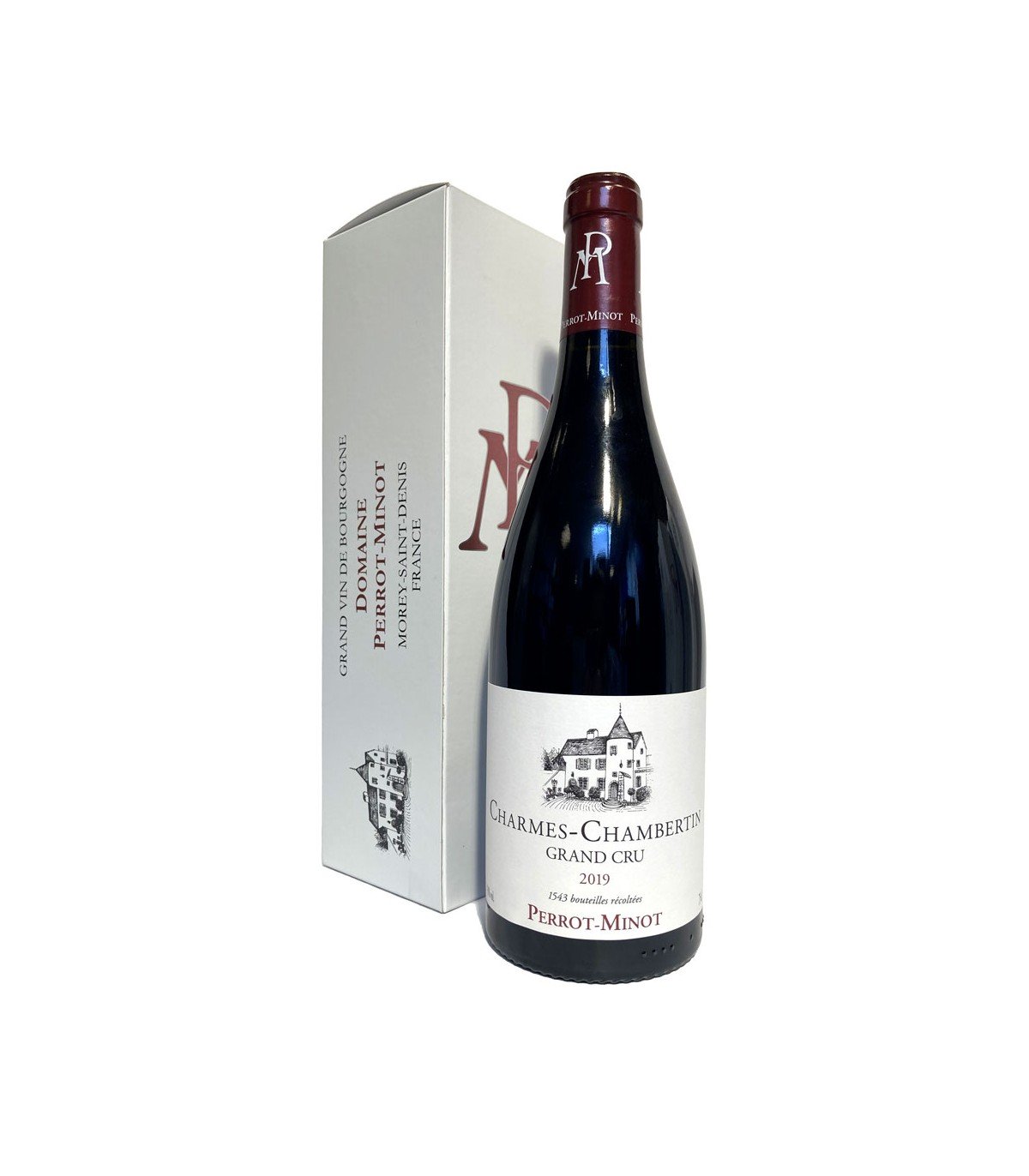
Morey-Saint-Denis and the Weight of the Route des Grands Crus
The Route des Grands Crus runs through the Côte de Nuits like a spine, connecting villages whose names carry more vinous authority per square metre than perhaps any other agricultural corridor in France. Morey-Saint-Denis sits between Gevrey-Chambertin to the north and Chambolle-Musigny to the south, and for a long time that geography worked against it: the village was overshadowed by its neighbours in reputation, even when its vineyards were producing wines of comparable depth. That calculus has shifted significantly over the past two decades, and today the commune's five grands crus — Clos Saint-Denis, Clos de la Roche, Clos des Lambrays, Clos de Tart, and the small parcel of Bonnes-Mares that spills in from Chambolle — attract serious attention from collectors who have moved past the obvious appellations.
Domaine Perrot-Minot's address on the Route des Grands Crus places it in the physical and symbolic centre of this reassessment. The cellar door opens onto the same narrow road that has carried merchants, négociants, and wine travellers through the Côte for centuries. Approaching the domaine, the rhythm of the village reasserts itself: low stone walls, vine rows that press right to the tarmac edge, the particular quiet of a working agricultural community that happens to sit on some of the most contested and celebrated terroir in the world. It is not a theatrical setting in the way that some larger Burgundy estates perform their heritage. The drama here is geological and cumulative, expressed over decades of bottles rather than in architectural statements.
A Peer Set Defined by Cellar Discipline
Morey-Saint-Denis has a concentration of serious domaines that rewards careful navigation. Domaine Dujac established its reputation for whole-cluster fermentation and a lighter-extraction style that influenced a generation of Burgundy winemakers. Domaine Arlaud has built a following for wines that balance energy with texture. Domaine Hubert Lignier produces Clos de la Roche that consistently appears in serious cellar collections. Domaine des Lambrays and Domaine du Clos de Tart each hold monopole grand cru status, which places them in a distinct tier for collectors focused on single-vineyard purity.
Within this peer group, the differentiating factor is rarely the raw material , the vineyard sites in Morey are too well-established for that to be in question , but rather what happens between harvest and bottling. The decisions made in the cellar: how long the wine spends on its lees, what proportion of new oak is deployed, whether to fine or filter, at what point blending across barrel selections occurs. These are the choices that separate a domaine operating at the level that earns sustained critical attention from one that is merely sitting on good land. Perrot-Minot's 2025 Pearl 3 Star Prestige recognition signals that its cellar programme is being assessed at the higher end of this spectrum.
The Aging Programme as Editorial Statement
In Burgundy's most scrutinised appellations, a domaine's approach to aging is essentially a philosophical declaration. The choice between a shorter élevage that preserves aromatic freshness and a longer barrel program that integrates tannin and builds complexity is not merely technical; it reflects a reading of what the terroir needs and what the intended drinker expects. Morey's grands crus, particularly Clos de la Roche with its iron-rich soils and Clos Saint-Denis with its more feminine structure, respond differently to extended time in wood, and the most attentive cellars in the village calibrate their approach vineyard by vineyard.
The proportion of new oak deployed is one of the more visible signals of a domaine's positioning. Through much of the 1990s and early 2000s, high new-oak percentages were read as a mark of seriousness in Burgundy; the pendulum has since swung toward restraint, with many respected producers now working at lower rates to allow the wine's own character to carry the élevage. Where Perrot-Minot positions itself within that conversation is part of what the 2025 recognition implicitly endorses. The award structure used by EP Club at the Pearl 3 Star Prestige level is not handed to cellars that are simply coasting on good appellations; it reflects a considered assessment of the full program.
Collectors visiting the Côte de Nuits during harvest or in the months immediately following will find the cellar environment at its most instructive. Barrel samples taken during this period offer a raw, incomplete, but revealing read on the vintage's character before the wine has finished its transformation. The domaine's position on the Route des Grands Crus makes it accessible as part of a structured tasting itinerary through Morey, and the village's compact geography means it is possible to visit several producers in a single day without covering significant distances.
Visiting Morey-Saint-Denis: Timing and Planning
The Côte de Nuits is busiest between late September and early November, when harvest draws visitors who want to see vineyards in active use and cellars at their most animated. Spring, particularly April and May, offers a quieter alternative: the vines are in early growth, the tourist pressure is lower, and many domaines are more available for extended conversation about the wines in barrel. Summer visits are possible but the village can feel somewhat static, with winemakers often in the vineyard rather than the cellar.
Morey-Saint-Denis itself is a small commune, and accommodation within the village is limited. Most visitors base themselves in Beaune, which sits about 25 kilometres to the south along the Route des Grands Crus, or in Dijon, approximately 15 kilometres to the north. Both cities offer a fuller range of hotels and restaurants, and the drive along the D974 through the Côte is itself an orientation in Burgundy's wine geography. For accommodation recommendations specific to the area, our full Morey-Saint-Denis hotels guide maps the options closest to the village. For dining in and around the commune, our full Morey-Saint-Denis restaurants guide covers the range from village bistros to destination tables that attract a wine-focused clientele.
Visits to domaines along this corridor typically require advance arrangement. Walking in unannounced is rarely productive; most serious producers work by appointment, and the smaller the cellar, the more this applies. Contacting the domaine directly before travel is the standard protocol. Our full Morey-Saint-Denis bars guide and our full Morey-Saint-Denis experiences guide offer additional ways to extend a visit beyond the cellar itself.
Burgundy in Broader Context
The interest in Morey-Saint-Denis is part of a wider reorientation in how collectors and enthusiasts are approaching Burgundy. As the most prominent village appellations in Gevrey and Vosne-Romanée have seen allocation prices that put many wines beyond reach for all but the most connected buyers, attention has moved to villages that were historically in the second tier of recognition but never in the second tier of quality. Morey is the clearest example of this shift in the Côte de Nuits. Domaines here are operating with peer-level ambition and, in several cases, peer-level critical recognition.
That same dynamic of reassessment plays out across French wine geography more broadly. In Alsace, producers like Albert Boxler in Niedermorschwihr have long operated beneath the radar of casual buyers while building reputations among collectors who pay close attention. In the Loire and Rhône, similar patterns obtain. Even outside France, the same logic applies: Abadía Retuerta in Sardón de Duero and Château Bastor-Lamontagne in Preignac each represent the kind of serious, cellar-focused production that rewards buyers who look slightly sideways from the most obvious names. For those whose interests range beyond wine entirely, Chartreuse in Voiron and Aberlour in Aberlour illustrate how the same principles of time, patience, and cellar precision translate into entirely different categories of aged spirit. For a full picture of what Morey-Saint-Denis offers across categories, our full Morey-Saint-Denis wineries guide maps the complete field.
Frequently Asked Questions
- What wines should I try at Domaine Perrot-Minot?
- Morey-Saint-Denis is the home of five grands crus, and any serious visit to the domaine should focus on how its cellar programme interprets the village's major appellations, particularly Clos de la Roche and Clos Saint-Denis where the terroir differences are most pronounced. The domaine carries EP Club Pearl 3 Star Prestige recognition for 2025, which places its overall range in the upper tier of the Morey peer set. Wines from the premier cru vineyards also offer a useful entry point into the house style at a different price level than the grands crus.
- What makes Domaine Perrot-Minot worth visiting?
- Morey-Saint-Denis is one of the Côte de Nuits communes where the gap between grand cru quality and public profile has historically been widest, and visiting a domaine with 2025 Pearl 3 Star Prestige recognition gives serious wine travellers access to a cellar that is being assessed at a high level within that already competitive village. The physical address on the Route des Grands Crus means the visit sits naturally inside a broader itinerary through the Côte. For buyers interested in building a cellar around Burgundy, the domaine's position in Morey makes it a reference point for understanding how the village's terroir expresses itself under disciplined élevage.
- Is Domaine Perrot-Minot reservation-only?
- As with most serious domaines along the Route des Grands Crus, visits almost certainly require advance arrangement rather than walk-in access , this is standard practice across Morey-Saint-Denis and the wider Côte de Nuits. The domaine's website and direct contact details should be confirmed before travel; current booking information is not published in this listing. Planning around the village's quieter seasons, particularly spring, tends to make scheduling easier than attempting to visit during the harvest period when producers are at their most occupied.
- What's the leading use case for Domaine Perrot-Minot?
- If you are building a focused Burgundy cellar and want to establish positions in Morey-Saint-Denis before the village's broader recognition catches up with its quality, a visit to a Pearl 3 Star Prestige domaine in this commune makes direct sense. If you are on a first visit to the Côte de Nuits and want a single village to anchor the trip, Morey's combination of five grands crus, a compact geography, and a peer set that includes several other serious producers makes it among the most instructive stops on the Route. For casual visitors without a specific collecting agenda, the village is less destination-ready than Beaune or Gevrey, and the experience rewards those who arrive with a clear sense of what they want to taste and learn.
- How does Domaine Perrot-Minot's 2025 Pearl 3 Star Prestige recognition situate it within Morey-Saint-Denis's broader producer hierarchy?
- The Pearl 3 Star Prestige award, as applied by EP Club in 2025, positions Domaine Perrot-Minot within the upper tier of Morey-Saint-Denis producers, a commune that already contains several estates with strong critical standing and, in the cases of Domaine des Lambrays and Domaine du Clos de Tart, monopole grand cru holdings. Recognition at this level reflects assessment of the full cellar programme rather than a single vintage, making it a meaningful reference point for collectors evaluating which Morey domaines merit sustained allocation attention. Within the context of Burgundy's wider reassessment, the award adds a verifiable credential to the domaine's place in the village's competitive conversation.
Pricing, Compared
A compact comparison to help you place this venue among nearby peers.
| Venue | Classification | Awards | First Vintage | Notes |
|---|---|---|---|---|
| Domaine Perrot-Minot | 1 awards | This venue | ||
| Domaine des Lambrays | 1 awards | 1774 | ||
| Domaine du Clos de Tart | 1 awards | |||
| Domaine Dujac | 1 awards | |||
| Domaine Hubert Lignier | 1 awards | 1943 | ||
| Domaine Ponsot | 1 awards | 1934 |
Access the Cellar?
Our members enjoy exclusive access to private tastings and priority allocations from the world's most sought-after producers.
Access the Concierge