Domaine du Comte Christophe de Courten

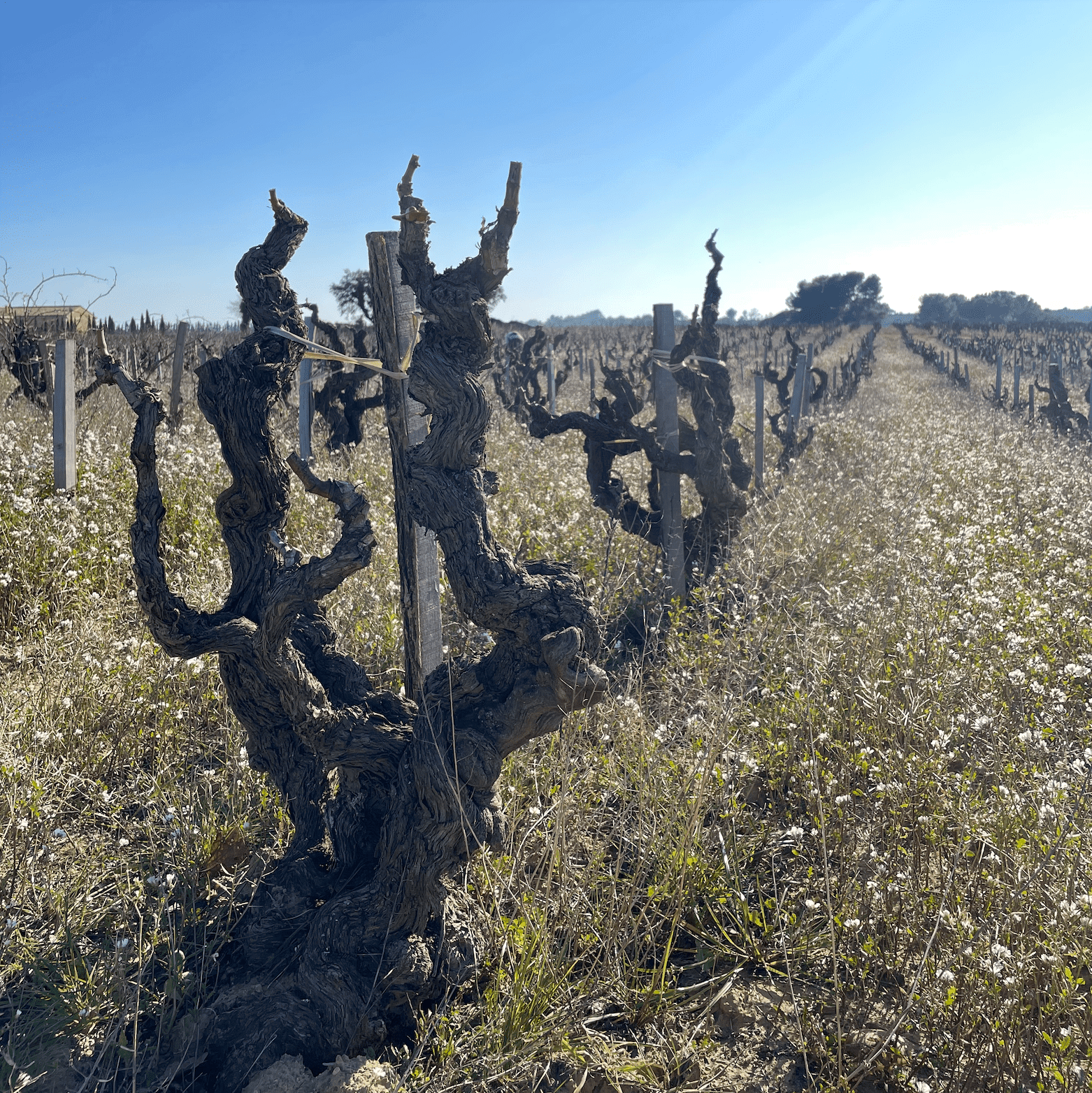
A small Châteauneuf-du-Pape family estate for drinkers who care more about old vines, authorized varieties and village-cellar intimacy than spectacle. Domaine du Comte Christophe de Courten works a 6-hectare holding, grows all 13 permitted grapes and bottles only a selected share of production, making the tasting feel closely tied to the appellation’s traditional grammar.
Pearl is the En Primeur Club membership app — saves, bookings, and concierge access live there. Same editors, same standards.
- Address
- Châteauneuf-du-Pape, Vaucluse, Frankreich
 Saves & bookings on Pearl
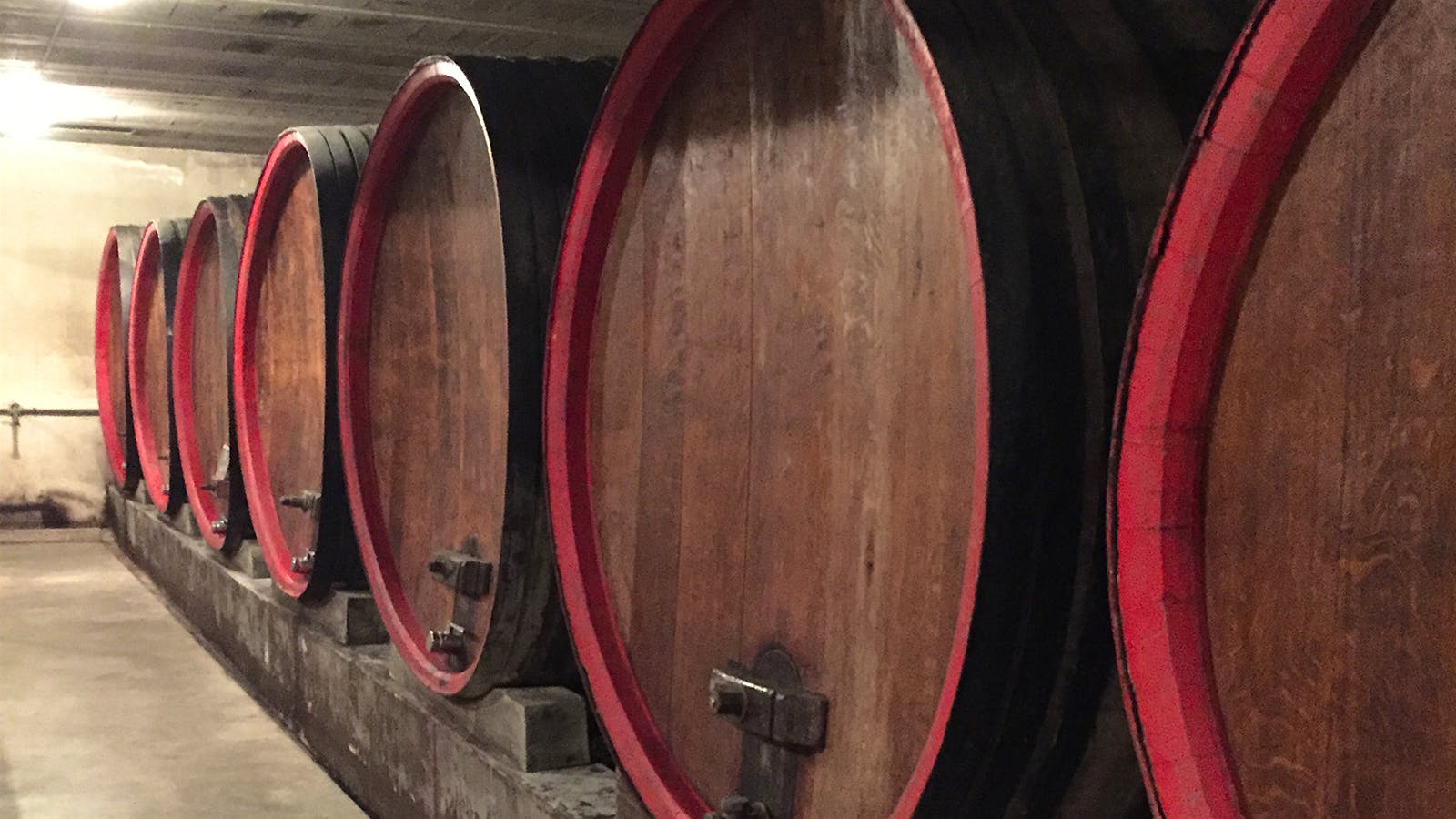
The approach here is village-scale rather than theatrical: a quiet tasting cellar in Châteauneuf-du-Pape, ancestral winemaking tools in view, and an atmosphere built around the estate’s traditional character. Domaine du Comte Christophe de Courten is best understood as a small family estate in the historic village center, focused on terroir-driven wines rather than polished spectacle. Its appeal is not in a grand production or a highly staged visitor circuit, but in the feeling of being close to the older rhythms of the village and its wine culture. For travelers who respond to modest scale, rustic detail, and a sense of continuity, that restraint is the point.
A traditional Châteauneuf-du-Pape estate with a cellar focus
Domaine du Comte Christophe de Courten presents Châteauneuf-du-Pape through a compact, rustic lens. The appeal is a small family estate with a tasting cellar in the village center, where the emphasis sits squarely on the wines, the place, and the estate’s traditional identity. Rather than positioning itself as a destination built around architectural drama or hospitality gloss, it reads as a quieter address rooted in the historic village setting.
The setting matters because it keeps the visit close to the historic fabric of Châteauneuf-du-Pape. Ancestral winemaking tools and a classic, rustic atmosphere support the sense of continuity, while the quiet scale suits visitors who want a more intimate stop. Those details help frame the cellar not merely as a place to taste, but as a small window onto a long-established way of presenting wine: grounded, practical, and closely tied to the village itself.
Because only limited details are available, the safest way to frame the estate is direct: expect a traditional Châteauneuf-du-Pape family domaine, a cellar setting, and a focus on terroir-driven wines. The word “traditional” does important work here. It signals a visit where the mood is likely to be more restrained than performative, and where the interest lies in how the estate expresses its local identity. For broader planning, pair it with other dining, hotel, bar, winery, and experience research in Châteauneuf-du-Pape, especially if you are building a day around several different ways of understanding the village.
A cellar visit that favors quiet context over spectacle
The experience is strongest as a low-key look at place. The tasting cellar, historic village-center setting, and traditional tools point toward continuity rather than reinvention. This is the kind of context that can make a short visit feel anchored: the physical setting, the older equipment, and the modest scale all reinforce the idea of wine as part of the village’s inherited landscape rather than as a detached luxury performance.
That makes Domaine du Comte Christophe de Courten a fit for travelers who prefer a quieter, more intimate atmosphere. The character is classic and rustic, with the estate’s identity tied to Châteauneuf-du-Pape terroir and family-scale winemaking. Visitors looking for sleek design statements, elaborate staging, or a heavily produced tasting may find the appeal understated. Visitors who enjoy the texture of small domaines, however, may appreciate the directness: a cellar, a traditional setting, and a clear connection to the surrounding appellation.
The key is to approach it on its own terms. A quiet cellar can be especially rewarding when it is treated as part of a broader reading of Châteauneuf-du-Pape, rather than as a standalone spectacle. The ancestral tools and rustic atmosphere are not decorative in the glossy sense; they help describe the estate’s relationship to continuity. In that way, the visit can offer a useful counterpoint to more polished or expansive stops elsewhere, keeping the focus on the village center and the traditional domaine format.
How to place it within a Châteauneuf-du-Pape itinerary
The winery is better suited to travelers building a focused Châteauneuf-du-Pape day than to visitors chasing spectacle. The price level is listed as $$$, but the value proposition is not luxury staging; it is a small, traditional family-estate atmosphere in the historic village center. That distinction matters when deciding how to use the stop. It belongs in an itinerary that values context, terroir, and the texture of local tradition, rather than one organized solely around high-impact experiences.
For a wider Châteauneuf-du-Pape plan, use the estate as one anchor and compare it with other local winery, dining, hotel, bar, and experience options generically. Its compact nature makes it conceptually easy to pair with other parts of the village, particularly for travelers who want their day to move between tasting, walking, eating, and general exploration rather than centering on a single large-format visit. Keep plans flexible unless current visiting details are confirmed directly, since the available information is deliberately limited and should not be stretched beyond what is known.
The editorial case is simple: come for a compact, tradition-led reading of Châteauneuf-du-Pape, with a quiet tasting cellar, ancestral winemaking tools, and a terroir-focused identity. The estate’s strength lies in that clarity. It does not need to be framed as grand, luxurious, or comprehensive to make sense; it makes sense as a small village-center domaine where rustic atmosphere and family-scale winemaking remain central to the experience.
Recognition history
Dated appearances from independent guides and award organizations, with the underlying list record or original source where available.
Falstaff Winery - Listed
Falstaff
Continue exploring
More in Châteauneuf-du-Pape
Wineries in Châteauneuf-du-Pape
Browse all →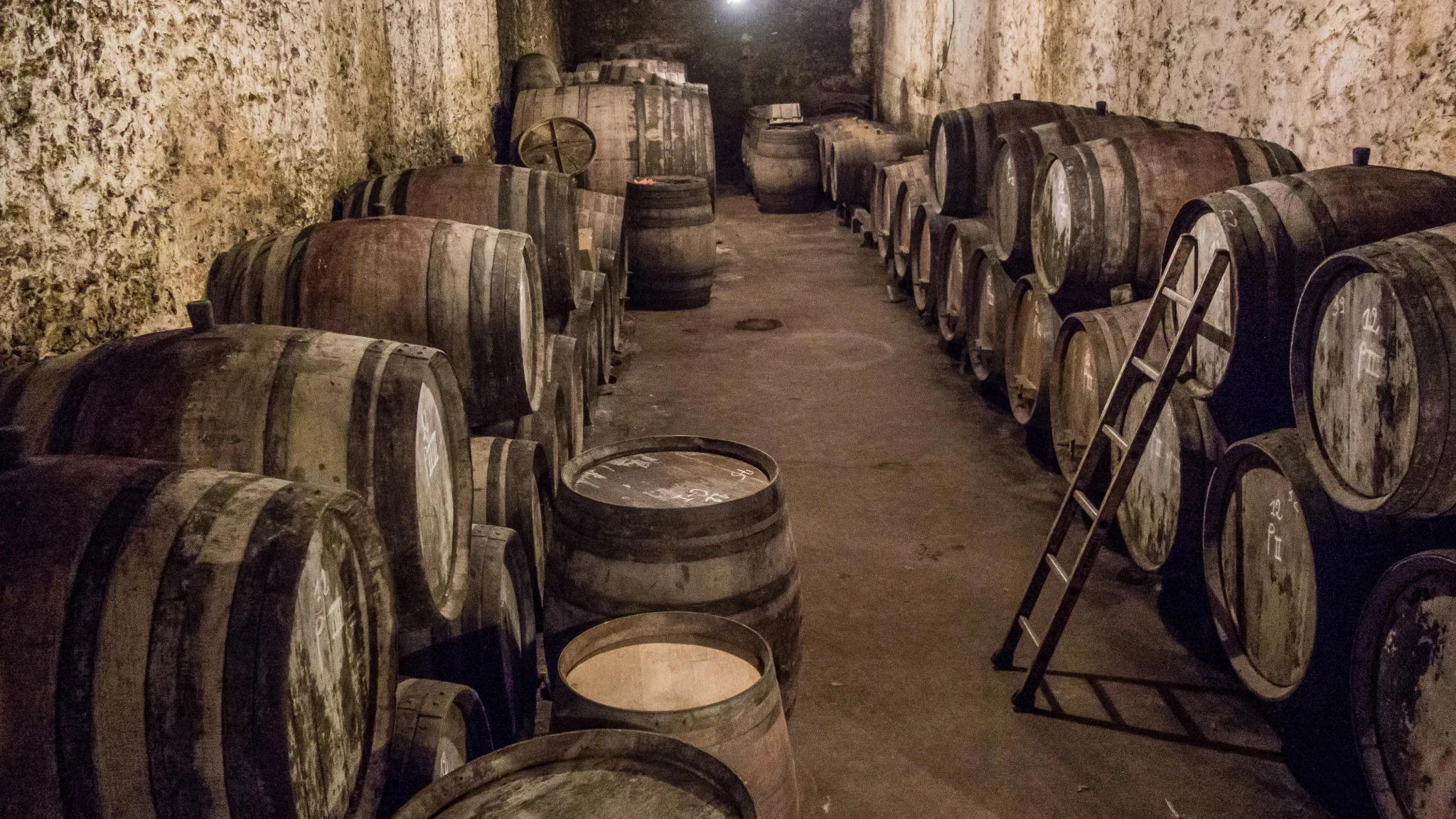
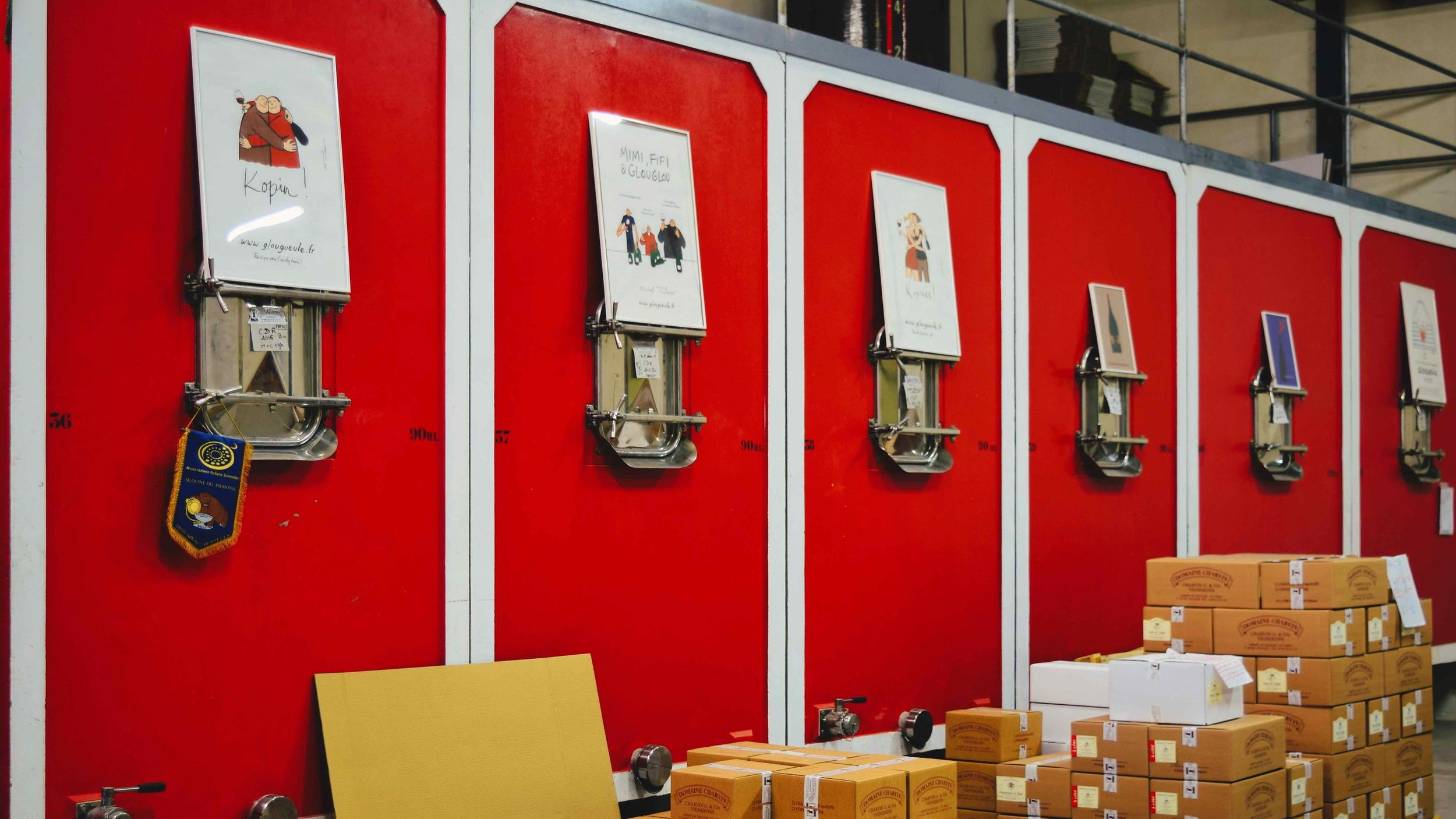
Restaurants in Châteauneuf-du-Pape
Browse all →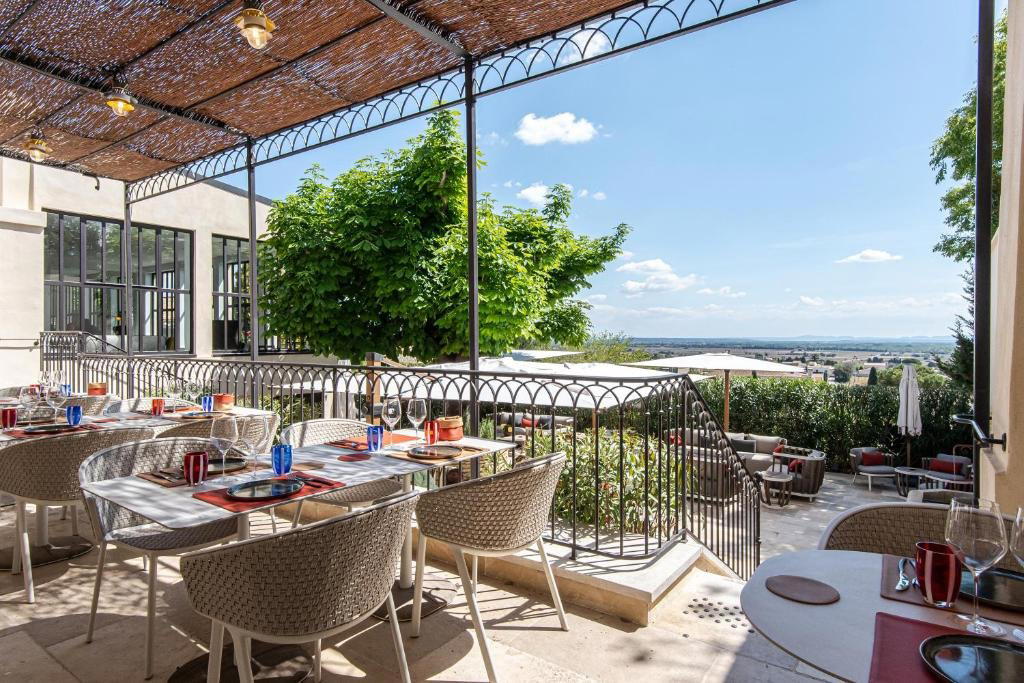
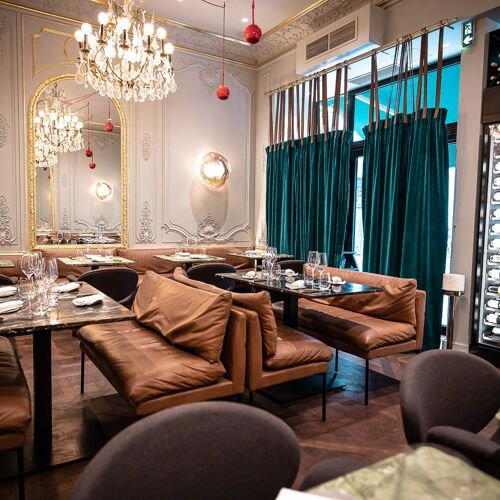
Hotels in Châteauneuf-du-Pape
Browse all →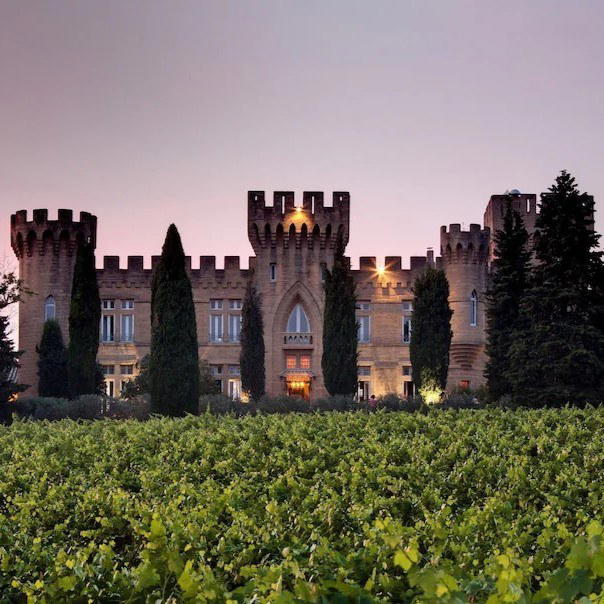
At a Glance
- Classic
- Rustic
- Intimate
- Romantic Getaway
- Group Outing
- Solo Exploration
- Wine Education
- Corporate Event
- Historic Building
- Private Tasting
- Organic
- Vineyard
- Châteauneuf Du Pape AOC
- Grenache
- Syrah
- Mourvèdre
- Cinsault
- Counoise
- Grenache Blanc
- Clairette
- Roussanne
- Bourboulenc
- Picpoul
- Picardan
- Vaccarèse
- Terret Noir
- Still Red
- Still White
- Bar Tasting
- Cellar Tasting
- Guided Tasting
Small, traditional Châteauneuf-du-Pape family estate with a tasting cellar in the historic village center, offering a quiet, intimate atmosphere focused on terroir-driven wines and showcasing ancestral winemaking tools.