Domaine Dominique Gallois

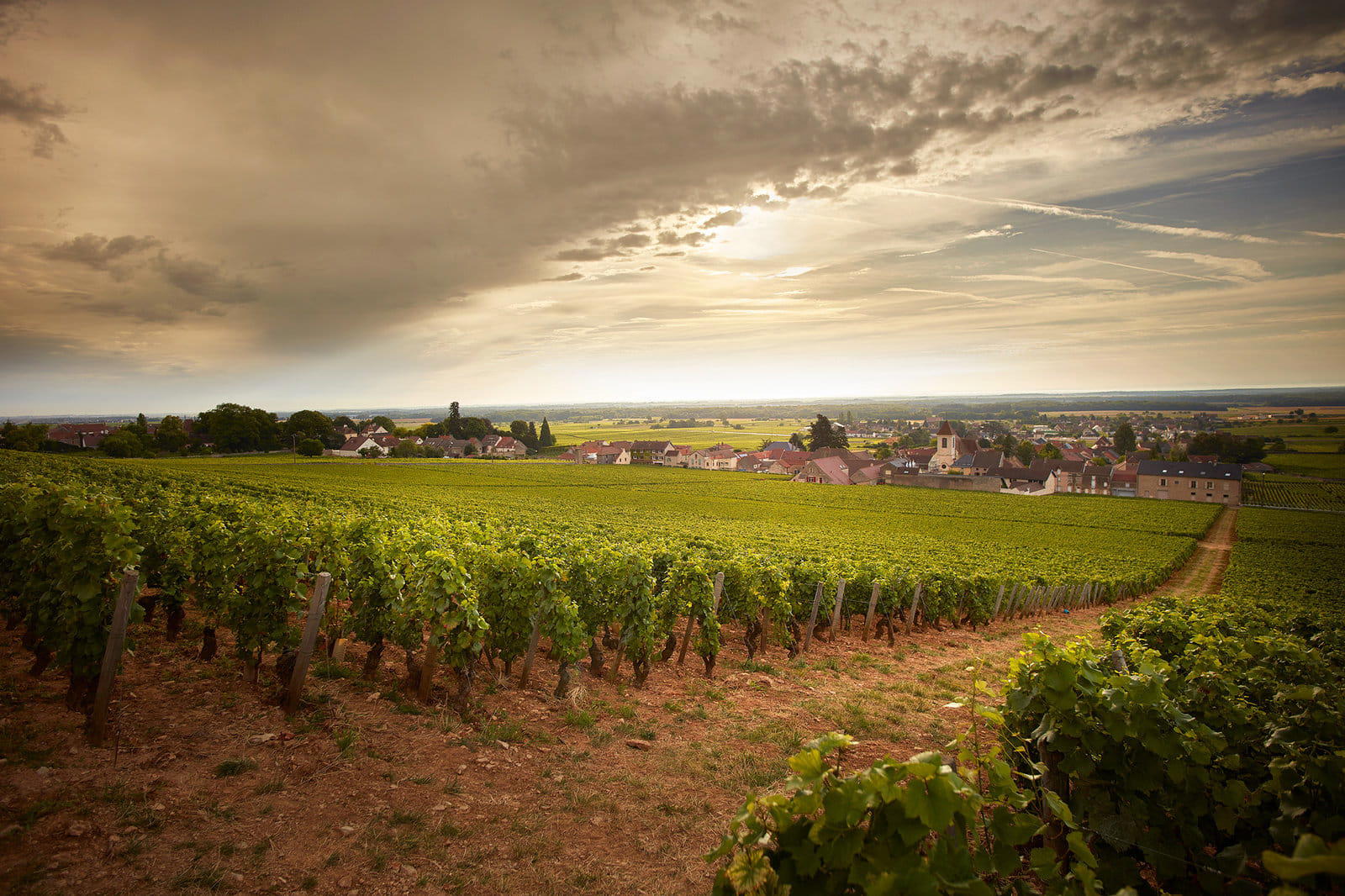
Domaine Dominique Gallois is a small Gevrey-Chambertin estate shaped by old vines, compact holdings, and a terroir-first reading of Pinot Noir. The interest here is not scale or spectacle, but the way village, Premier Cru, and Charmes-Chambertin Grand Cru parcels show Côte de Nuits nuance through restrained cellar work.
Pearl is the En Primeur Club membership app — saves, bookings, and concierge access live there. Same editors, same standards.
- Address
- 9 Rue Mal de Lattre de Tassigny, 21220 Gevrey-Chambertin, France
- Phone
- +33 3 80 34 11 99
- Website
- domaine-gallois.com
- Directions
- Get directions
 Saves & bookings on Pearl
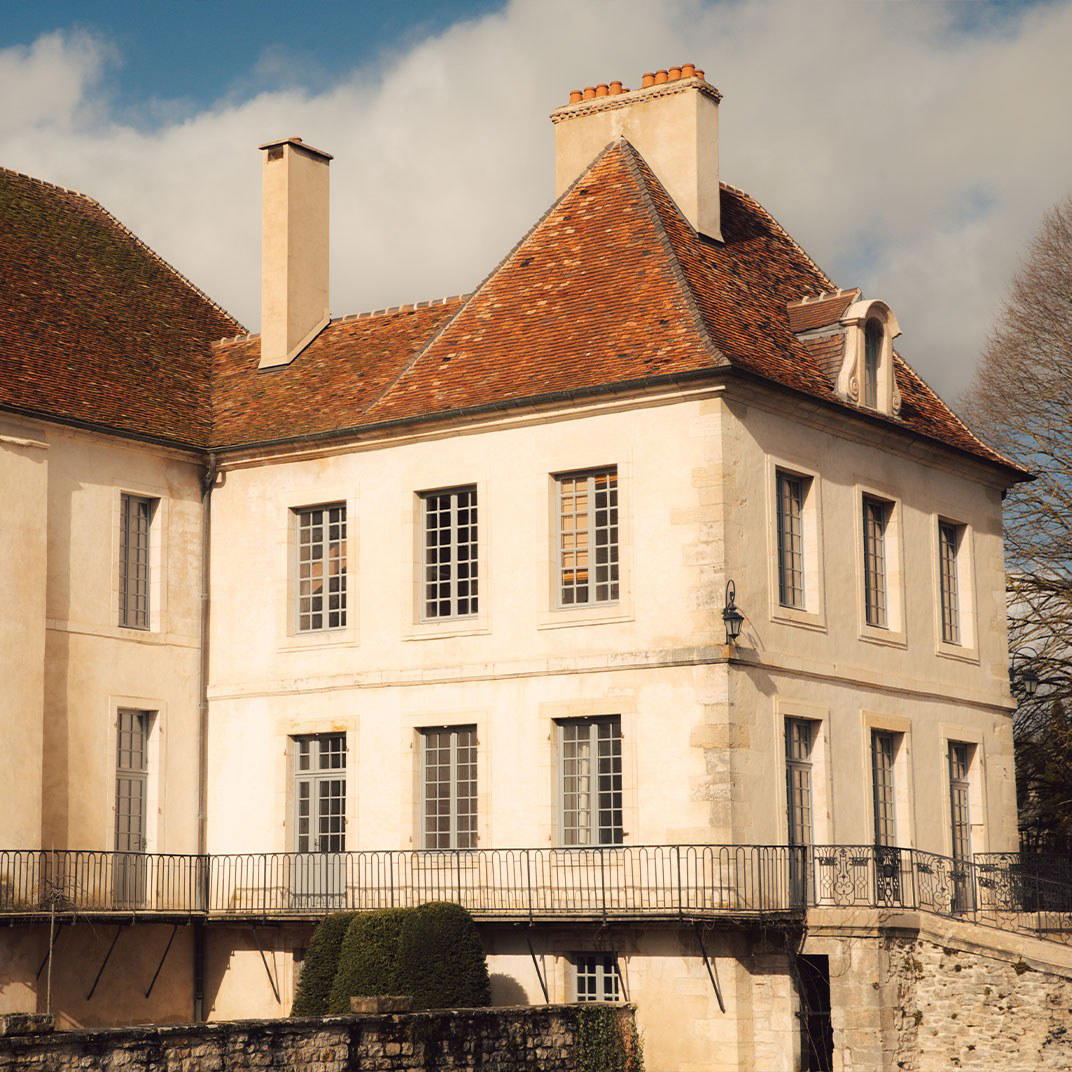
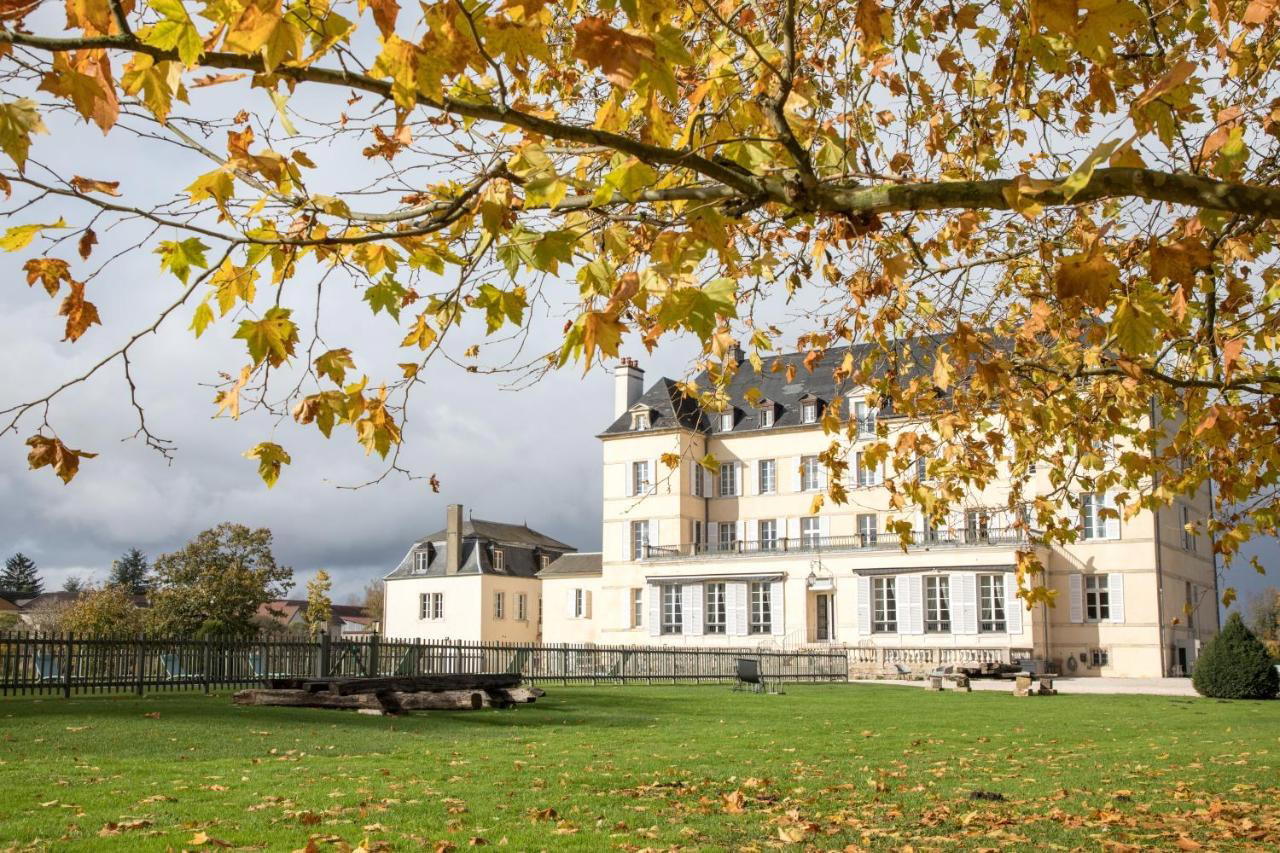
Domaine Dominique Gallois is a historic family-run Burgundy domaine in Gevrey-Chambertin. The character of the venue is quiet and traditional, with a cellar atmosphere focused on expressing Gevrey-Chambertin terroir through minimal-intervention, laissez-faire viticulture and contemplative, age-worthy Pinot Noir. In EP Club terms, this is not a venue to read through the lens of entertainment or hospitality polish. It is better approached as a Burgundy address defined by lineage, place and a restrained understanding of what the cellar is there to do: keep attention on the wines and on the village identity behind them.
Gevrey-Chambertin through a traditional domaine lens
The clearest way to frame Domaine Dominique Gallois is through its connection to Gevrey-Chambertin and to a classic Burgundy sense of place. Rather than relying on spectacle, the domaine is described by its restrained, family-run atmosphere and its focus on Pinot Noir shaped by local terroir. That framing matters, because Gevrey-Chambertin is often understood through nuance: site, patience, texture, structure and the gradual unfolding of Pinot Noir over time. Domaine Dominique Gallois sits within that vocabulary rather than trying to step outside it.
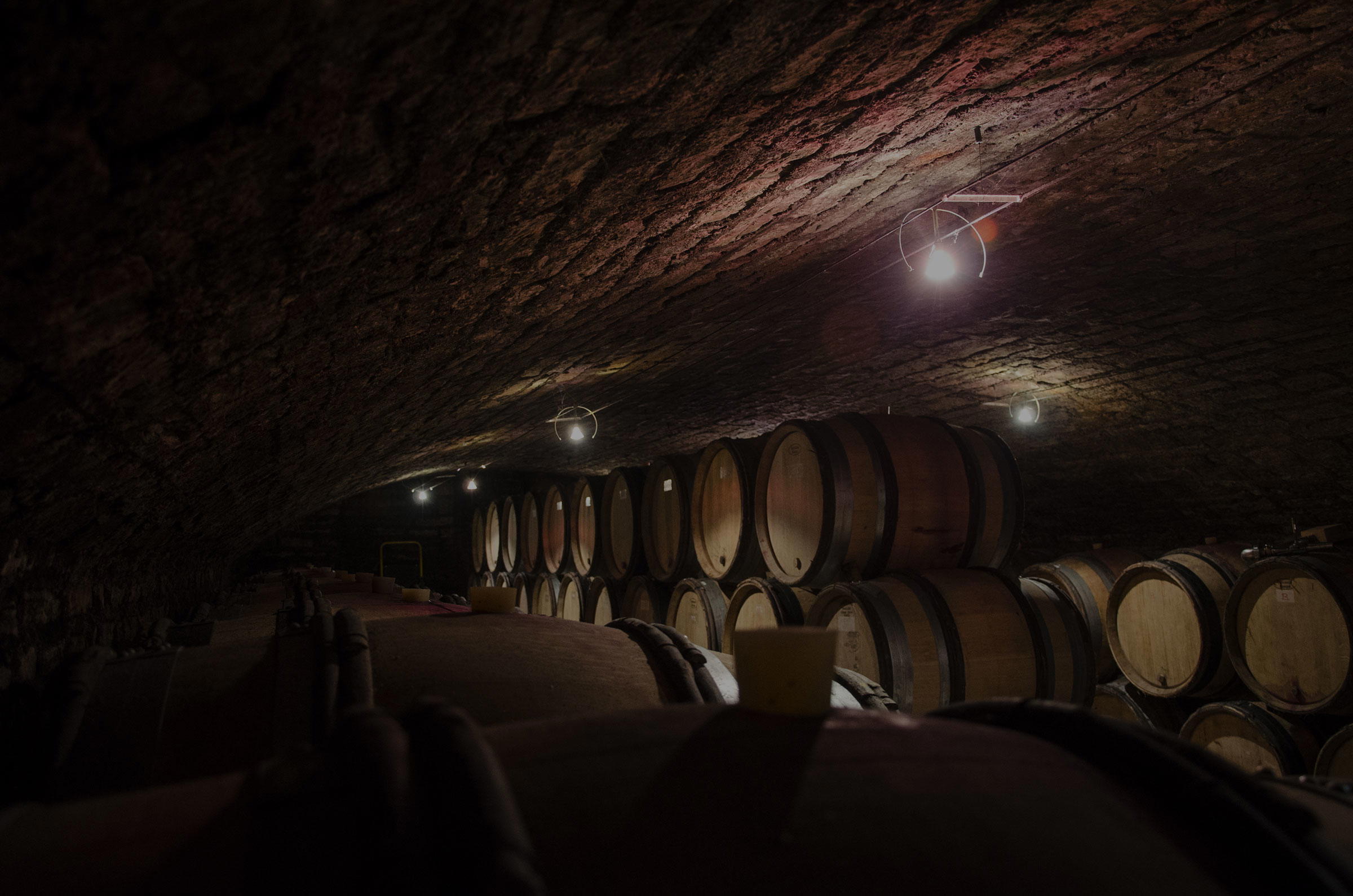
What is most useful here is the overall profile: a historic Burgundy domaine with a quiet cellar setting and a traditional approach. The information available points less toward a visitor experience built around display and more toward a producer identity built around continuity. The word “traditional” is doing important work: it suggests a domaine where the sense of place is not treated as decoration, but as the main subject. The cellar mood, as described, supports that reading. It is calm, focused and closely aligned with the wines rather than with a broader lifestyle concept.
The emphasis is on age-worthy Pinot Noir rather than a broad hospitality concept. For visitors or collectors, that means the winery is best understood as a Gevrey-Chambertin address for people interested in terroir, restraint and a more contemplative Burgundy register. It will work well to those who enjoy the quieter side of Burgundy: the side where a bottle is valued not for immediate drama, but for the way it can carry the imprint of a place and reward attention over time.
A restrained cellar reading of Gevrey-Chambertin terroir
The winery is associated with minimal-intervention, laissez-faire viticulture. In practical terms, the framing is not a technical recipe but a philosophy: the wines are presented as expressions of Gevrey-Chambertin rather than as products of a highly staged or showy experience. The point is not to turn that phrase into a set of cellar details, but to understand the attitude it conveys. The domaine is positioned around allowing the site and the Pinot Noir to remain central, with the human role described in restrained rather than performative terms.
The domaine’s appeal lies in that traditional Burgundy mood. The cellar atmosphere is quiet, the focus is on the wines, and the language around the estate points toward patience, terroir and Pinot Noir with an age-worthy character. Those elements belong together. A quiet cellar setting naturally suits wines that are being discussed in terms of contemplation and longevity, because the whole experience is less about instant effect and more about listening closely to what the wine is saying. This is the kind of Burgundy profile where subtlety is not a lack of personality; it is the personality.
Readers should confirm those directly before building an itinerary or purchase decision around them. That caution is especially important for a domaine whose public-facing identity is not being described here as a broad, hospitality-led operation.
What can be stated with confidence is the tone of the address: historic, family-run, traditional and centered on Gevrey-Chambertin Pinot Noir. That tone gives the domaine a clear place in the village landscape. It is not being presented as an all-purpose stop for every traveler, but as a focused Burgundy reference point for those drawn to cellar quiet, local specificity and Pinot Noir with a serious, age-worthy register.
How to place the visit within Gevrey-Chambertin
Within Gevrey-Chambertin, the winery fits the image of a quieter Burgundy domaine rather than a high-energy hospitality venue. It is most relevant for travelers or wine drinkers who want a traditional cellar atmosphere and a focused sense of local terroir. The distinction is useful when planning time in the village. Some addresses are chosen for immediacy, service format or a more social rhythm; this one, as described, belongs to a more reflective category, where the value lies in the connection between producer, place and Pinot Noir.
For readers planning the wider village, EP Club’s Gevrey pages can help separate wine time from the rest of the trip: the Gevrey-Chambertin wineries guide, Gevrey-Chambertin restaurants guide, Gevrey-Chambertin hotels guide, Gevrey-Chambertin bars guide and Gevrey-Chambertin experiences guide. For broader local context, compare the winery with other dining and wine options in Gevrey-Chambertin generically rather than assuming the same format or level of public access. That comparison should be made carefully, because a traditional domaine and a more openly hospitality-driven venue may serve different purposes within the same itinerary.
The safest way to approach the winery is therefore with clear expectations: this is a historic, family-run Gevrey-Chambertin domaine framed by restraint, terroir and age-worthy Pinot Noir, well suited to readers who appreciate Burgundy when it speaks quietly rather than loudly.
Recognition history
Dated appearances from independent guides and award organizations, with the underlying list record or original source where available.
Falstaff Winery - Listed
Falstaff
Continue exploring
More in Gevrey-Chambertin
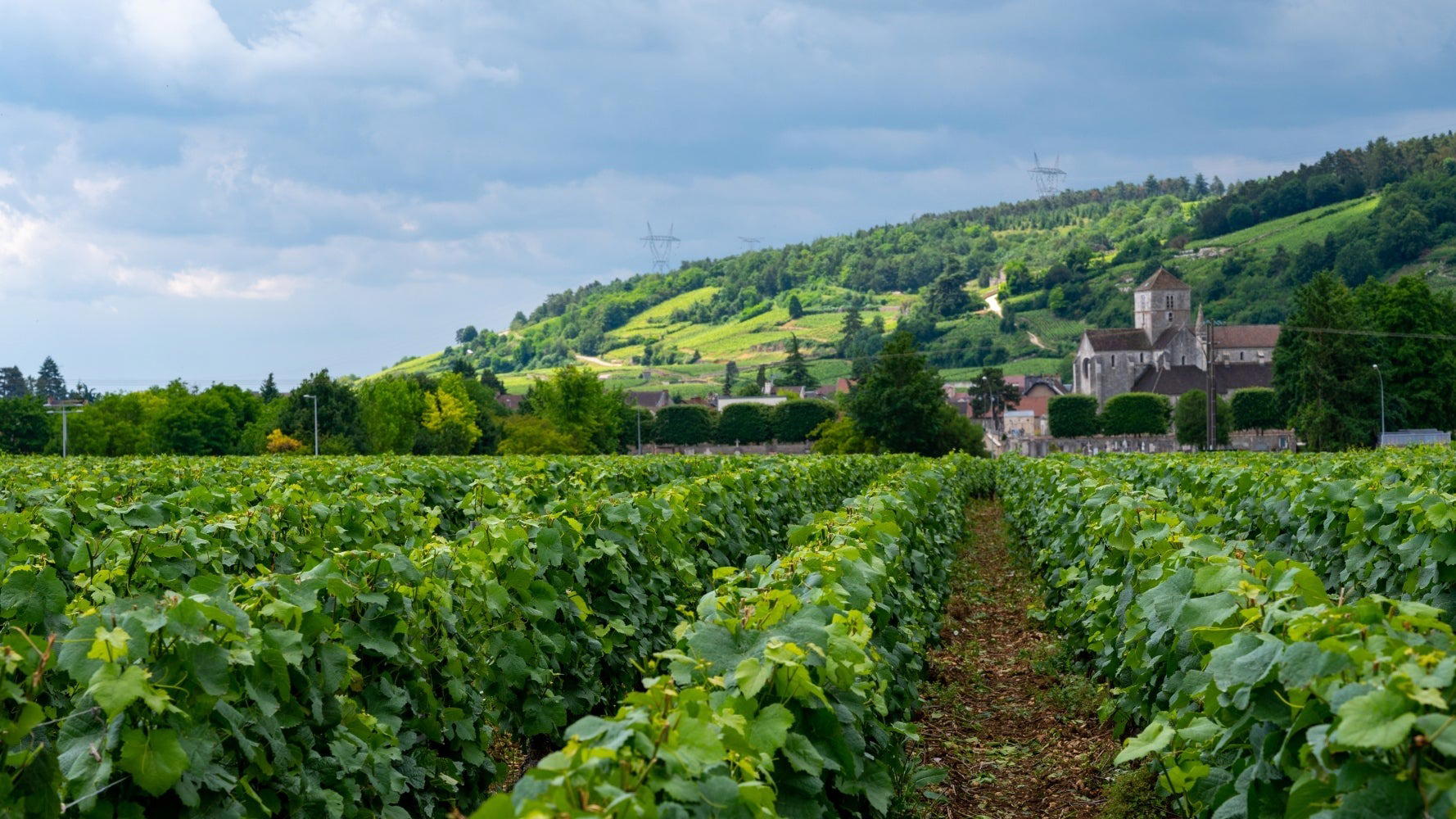
Wineries in Gevrey-Chambertin
Browse all →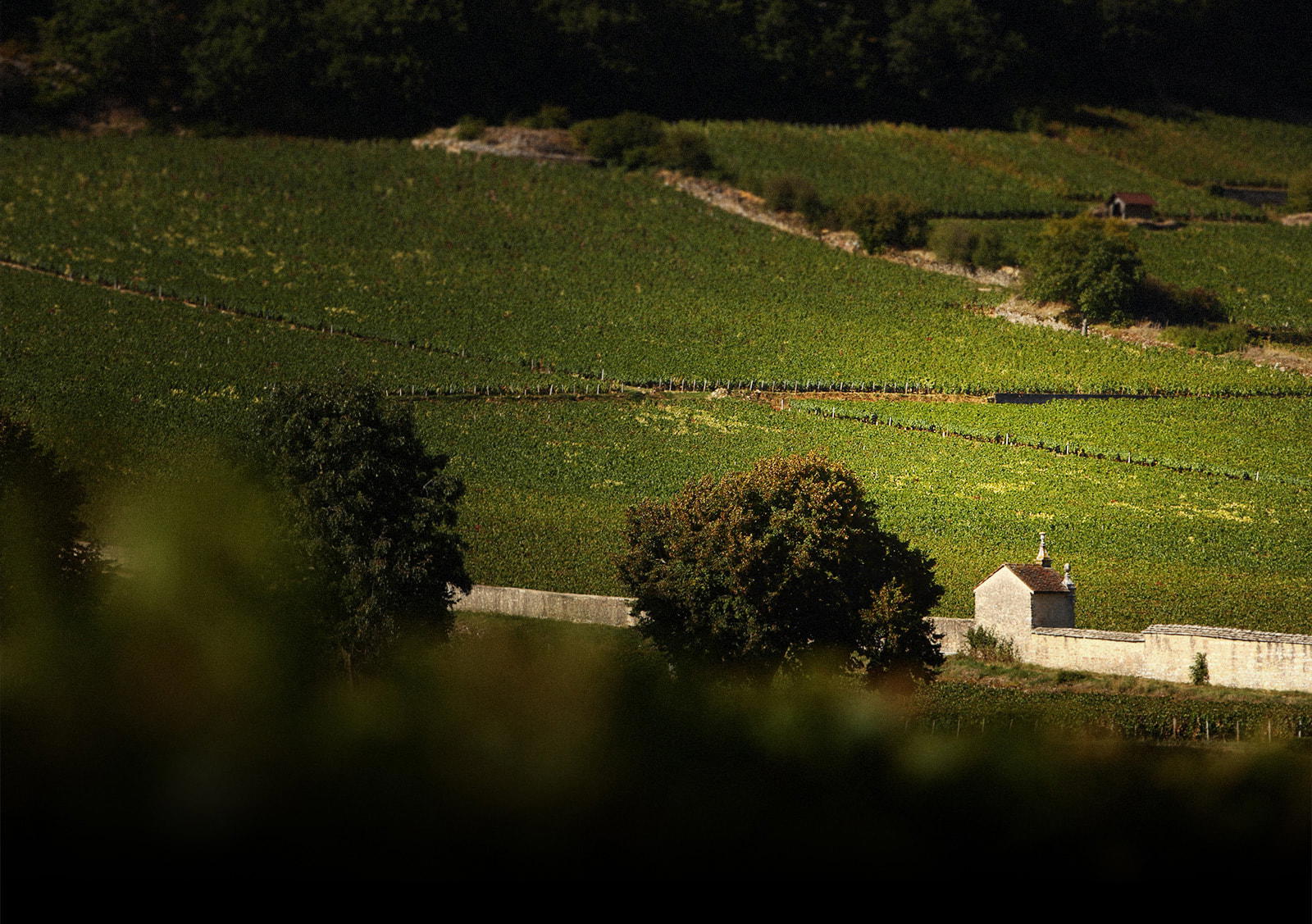
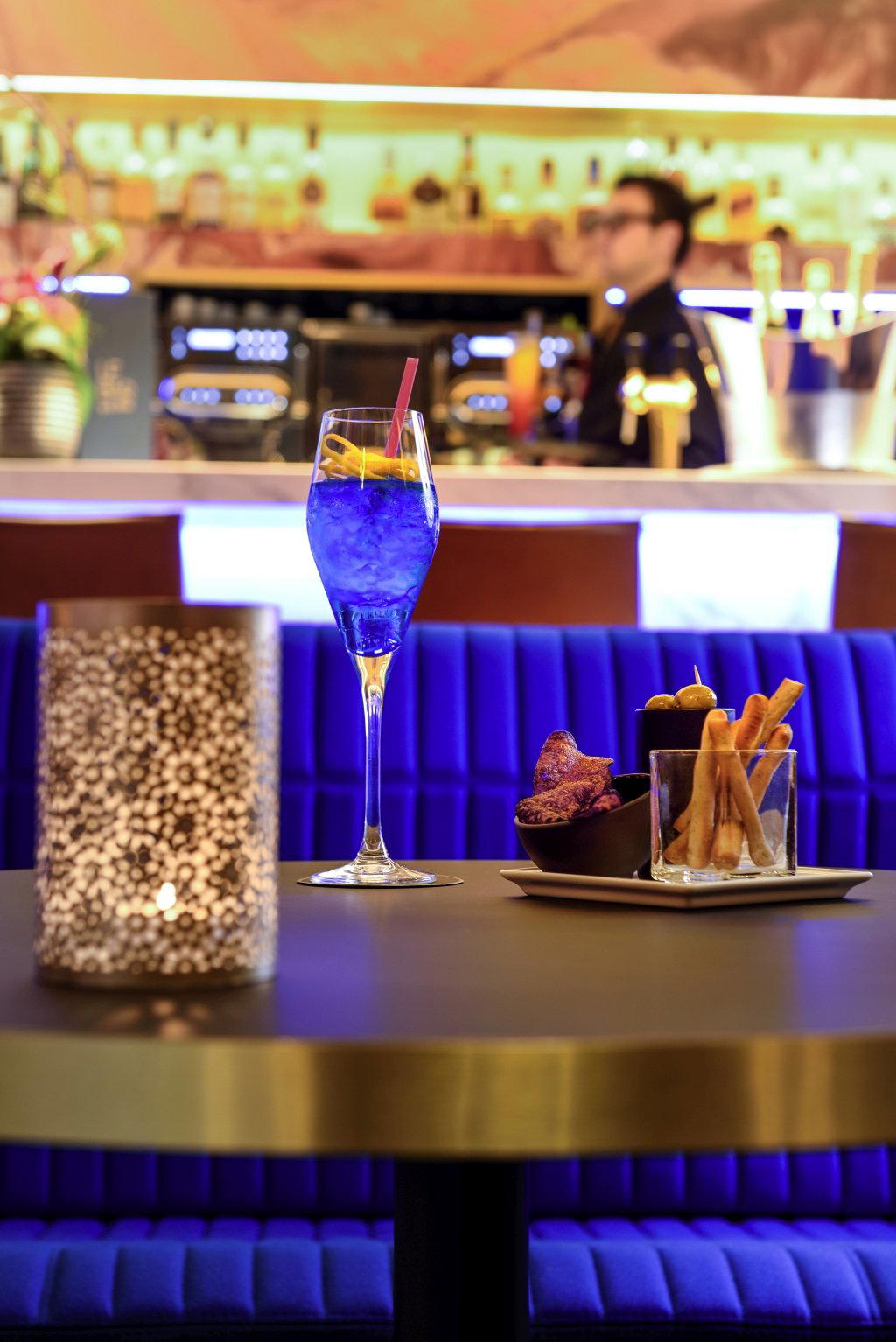
Bars in Gevrey-Chambertin
Browse all →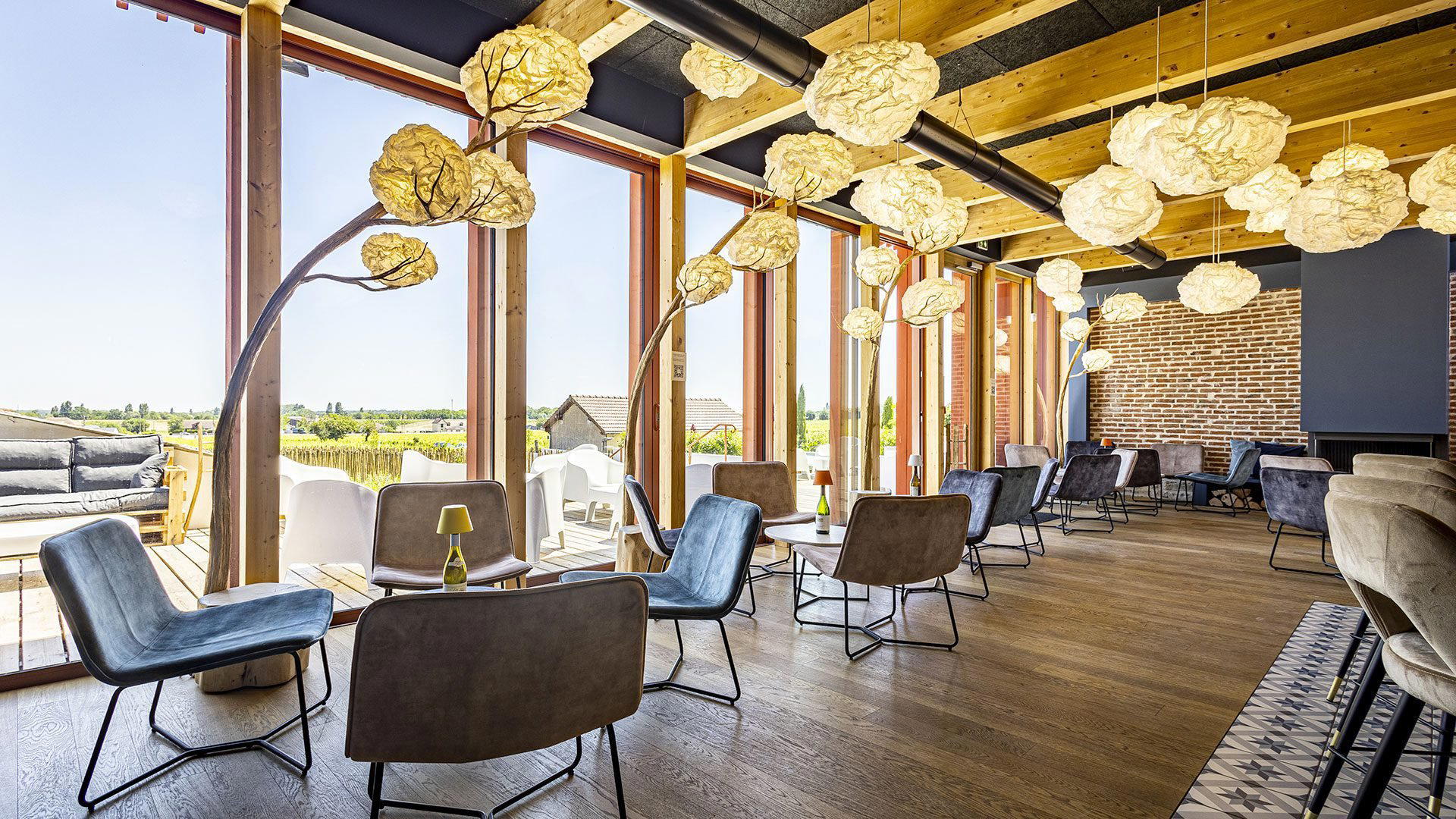
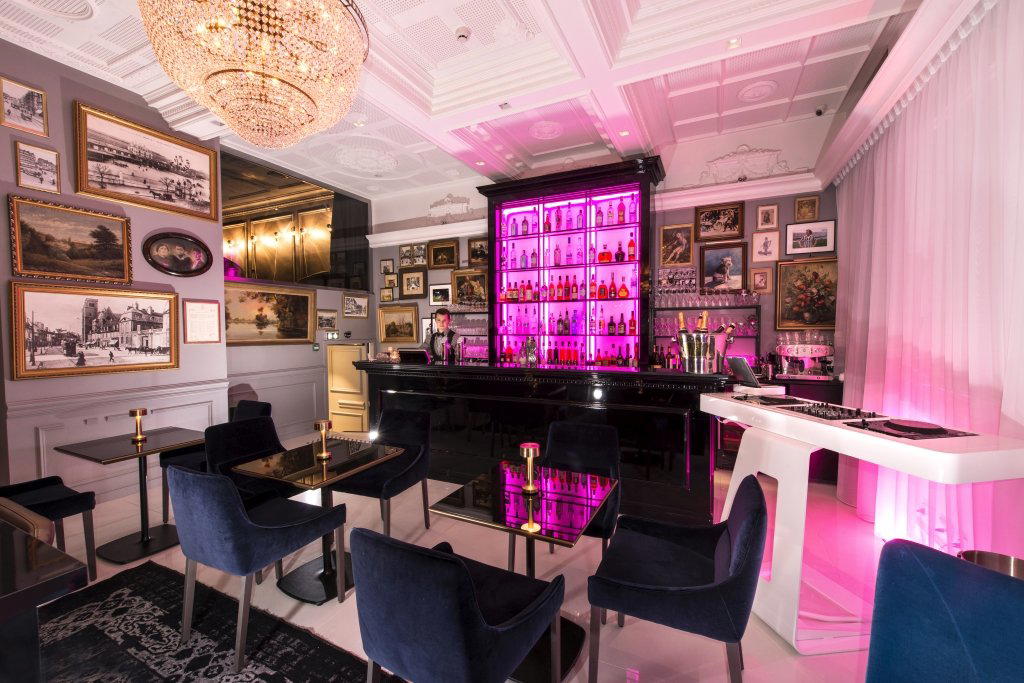
Restaurants in Gevrey-Chambertin
Browse all →
At a Glance
- Classic
- Intimate
- Rustic
- Romantic Getaway
- Wine Education
- Special Occasion
- Solo Exploration
- Estate Grounds
- Historic Building
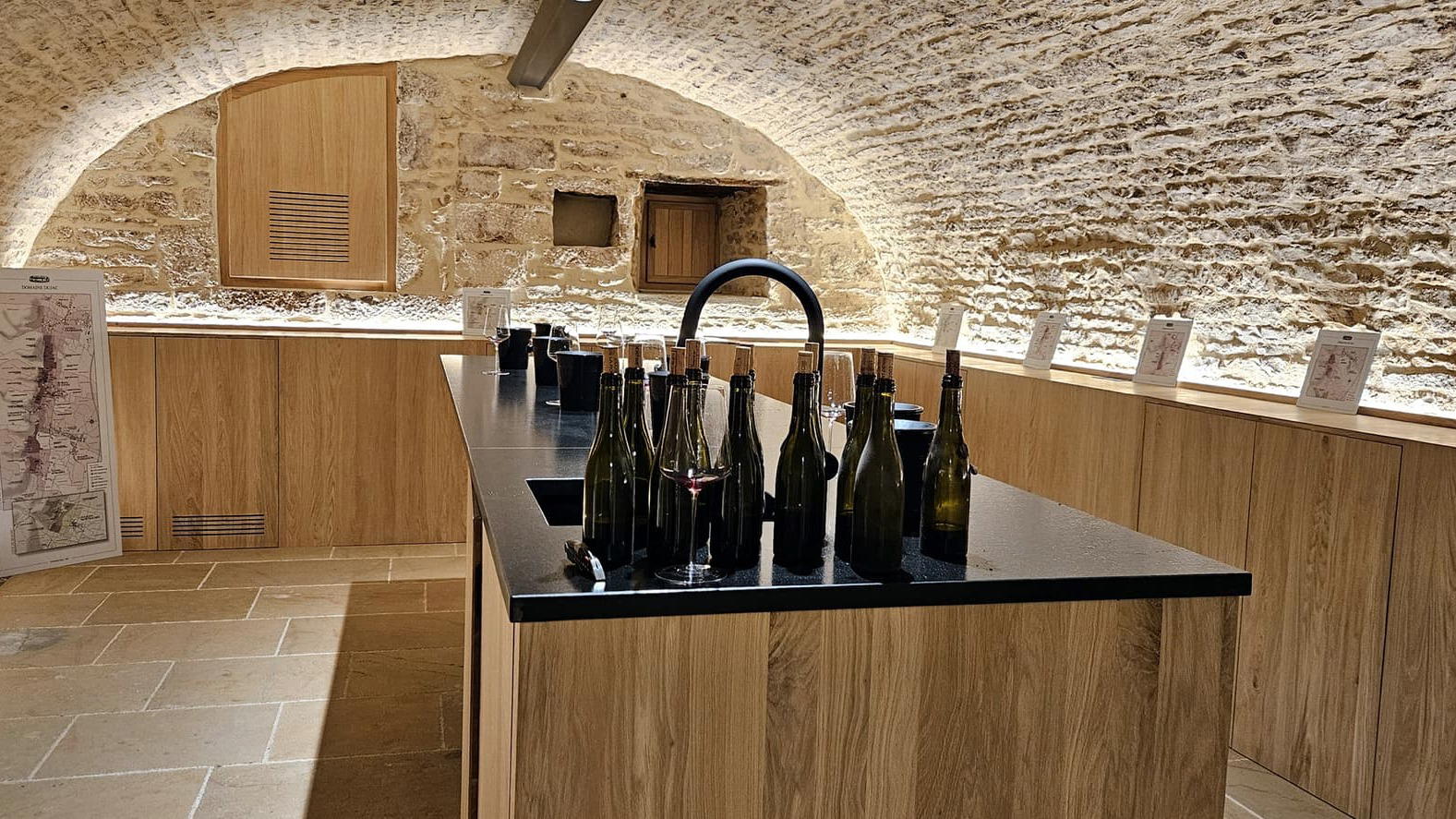
- Private Tasting
- Sustainable
- Vineyard
Current opening hours
- Monday
- 9 AM–5 PM
- Tuesday
- 9 AM–5 PM
- Wednesday
- 9 AM–5 PM
- Thursday
- 9 AM–5 PM
- Friday
- 9 AM–5 PM
- Saturday
- 9 AM–5 PM
- Sunday
- 9 AM–5 PM
Hours can change for holidays and private events. Last verified .
Historic family-run Burgundy domaine with a quiet, traditional cellar atmosphere focused on expressing Gevrey-Chambertin terroir through minimal-intervention, ‘laissez-faire’ viticulture and contemplative, age-worthy Pinot Noir.