
Domaine de Fa brings the Graillot family’s Rhône discipline to Beaujolais Gamay, with biodynamic farming and a site-led focus on granite and schist parcels in Fleurie and Saint-Amour. The mood is quiet and cellar-minded rather than hospitality-driven, suited to drinkers who care about altitude, soil, whole-cluster structure, and the changing reputation of serious Beaujolais.
Pearl is the En Primeur Club membership app — saves, bookings, and concierge access live there. Same editors, same standards.
- Address
- Boyer, Fleurie, Bourgogne-Franche-Comté, Frankreich
- Directions
- Get directions
 Saves & bookings on Pearl
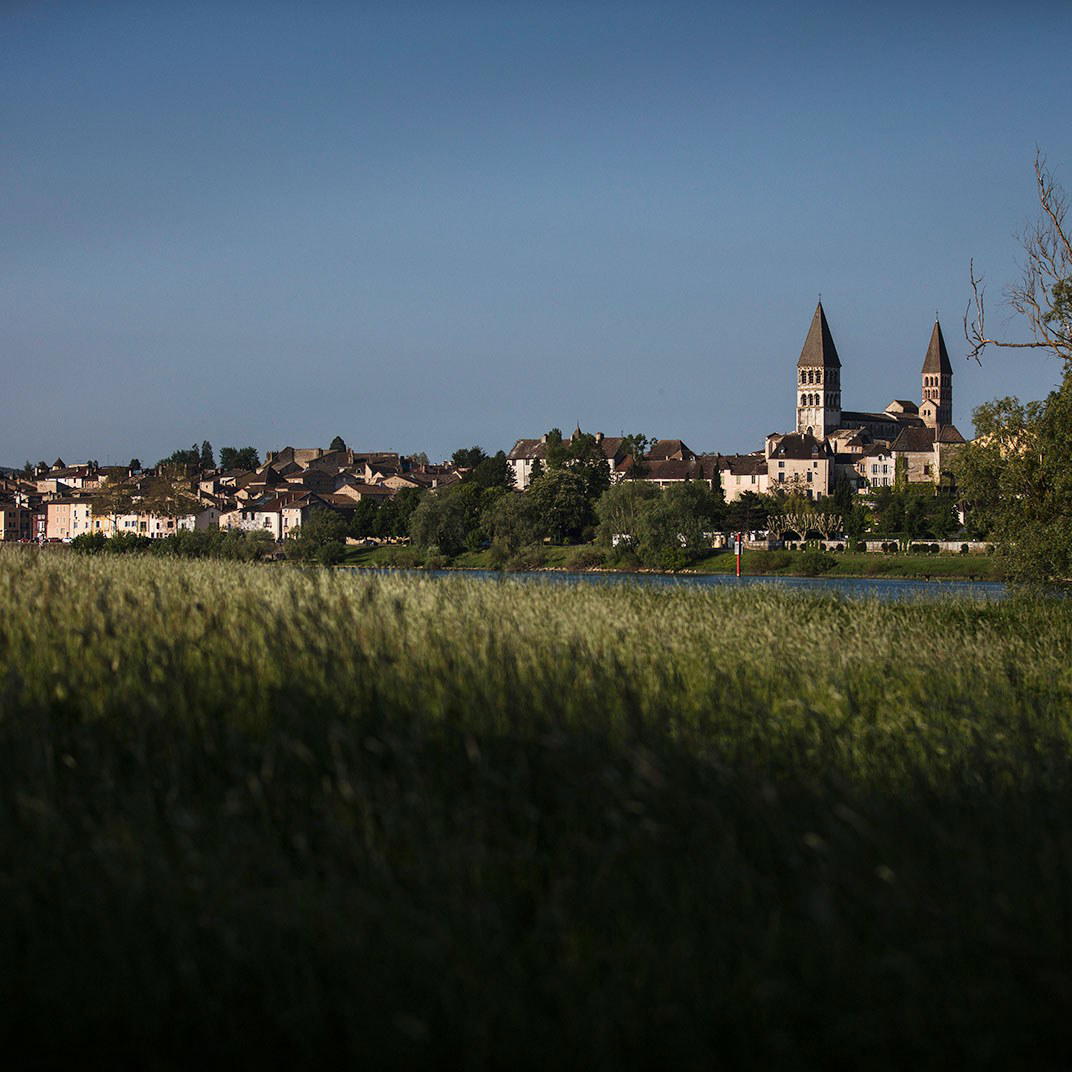
Domaine de Fa is in Boyer and is best understood through its essentials: a biodynamic Beaujolais estate with granite-and-schist terroir and a family-run, highly site-specific winemaking focus. That is a compact description, but it carries most of what matters here. Rather than relying on a long list of ancillary details, the profile points toward a domaine whose identity is shaped by farming, geology, and a close reading of place. For readers looking at Beaujolais not simply as a regional name but as a range of distinct soils and expressions, Domaine de Fa belongs in that conversation.
Granite, schist, and a site-specific Beaujolais focus
Domaine de Fa’s profile emphasizes terroir, especially granite and schist. That geological focus is central to how the estate is presented and to why it is relevant for readers interested in Beaujolais through the lens of place. Granite and schist are not incidental details in this description; they are the framework through which the domaine is being understood. The point is not to overstate what is known, but to recognize that the estate’s confirmed identity is tied directly to the ground beneath it.
That site-specific emphasis gives the venue page its shape. Beaujolais can be approached in many ways, but this estate is framed around the relationship between wine and origin. The language around the winery is therefore less about spectacle and more about precision: a place where the vineyard setting, the soils, and the family’s focus form the core of the story. For an EP Club reader, that makes the domaine especially useful as a reference point when thinking about Beaujolais through terrain rather than through broad category alone.
The biodynamic identity also matters. It places the winery among estates for whom farming is part of the core character. On a thin-data page, one honest way to frame the domaine is not through cellar details, parcel names, or production figures, but through the confirmed essentials: biodynamic Beaujolais, granite-and-schist terroir, and a family-run approach. Those points are enough to establish a clear personality without pretending that more is known than has been confirmed.
That restraint is useful. It keeps the focus on what can be said with confidence: the winery is not presented as a flashy destination, but as a quiet, rustic, hidden-gem estate with a sophisticated, site-specific point of view. The appeal is in the clarity of that positioning. It suggests a domaine whose interest lies in nuance, in the character of its place, and in the way a family-run estate can communicate that character without needing a more elaborate public narrative.
A family-run Beaujolais estate in Boyer
The winery’s family-run character is one of its clearest attributes. The confirmed description emphasizes a highly site-specific winemaking focus, which makes the estate especially relevant for readers interested in how Beaujolais can express differences in soil and place. The family-run element adds an important layer to that identity: this is not just an abstract terroir profile, but a domaine presented through stewardship, continuity, and attention to a specific landscape.
What remains is still a useful profile: a biodynamic Beaujolais estate in Boyer, grounded in granite-and-schist terroir and a quieter, more considered identity. The absence of additional detail should not be treated as a weakness. In fact, it helps keep the emphasis where it belongs, on the confirmed features that define the domaine most clearly. Boyer provides the setting, Beaujolais provides the regional frame, and the estate’s biodynamic, site-focused approach supplies the reason to pay attention.
The price level is listed as $$, placing the winery in an approachable range. The stronger reason to pay attention, however, is not price alone; it is the combination of biodynamic farming, family stewardship, and a clear emphasis on site. That combination gives the estate a distinct role for readers who are drawn to wine places with an agricultural and geological center of gravity. The price signal may make the domaine feel accessible, but the deeper interest is in its quiet seriousness and its defined sense of place.
How to place it in a Boyer wine itinerary
The winery is best positioned as a focused Boyer wine stop for those who value quiet settings, rustic character, and terroir-led estates. It fits best into an itinerary where the point is not merely to collect stops, but to understand how a particular corner of Beaujolais presents itself through farming and soil. In that sense, the domaine is a compact but meaningful anchor: biodynamic in identity, family-run in character, and closely associated with granite-and-schist terroir.
For broader planning around Boyer, consider the winery alongside other local dining, lodging, bar, and experience options in a general itinerary. The estate’s role in that plan is clear: a biodynamic Beaujolais reference point in Boyer, with granite-and-schist terroir and a family-run, site-specific identity. It is the kind of stop that can give shape to a day by adding a quieter, more grounded wine perspective. For travelers and readers who care about the link between place and bottle, that is one useful way to understand the winery.
Recognition history
Dated appearances from independent guides and award organizations, with the underlying list record or original source where available.
Falstaff Winery - Listed
Falstaff
Continue exploring
More in Boyer
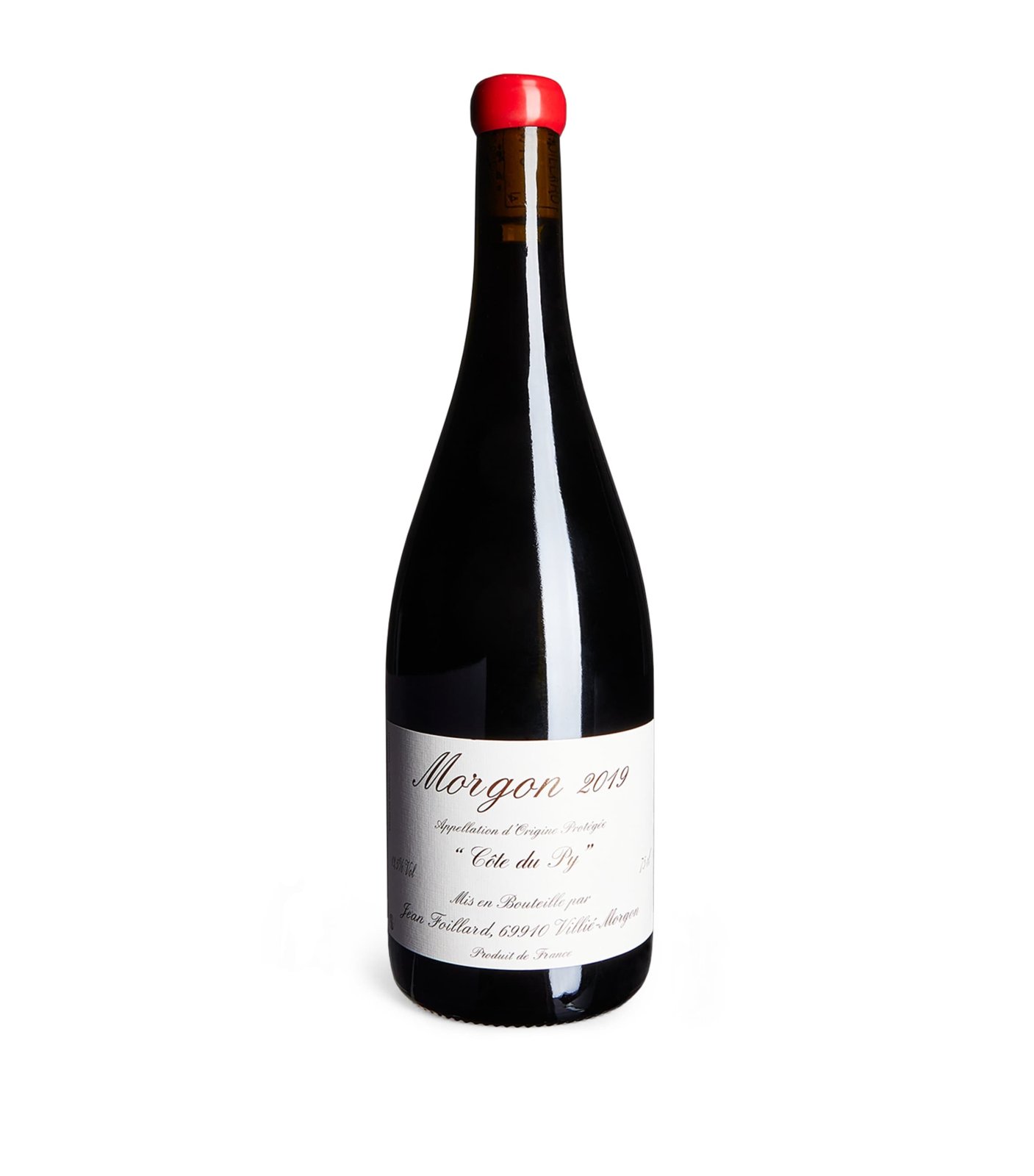
Wineries in Boyer
Browse all →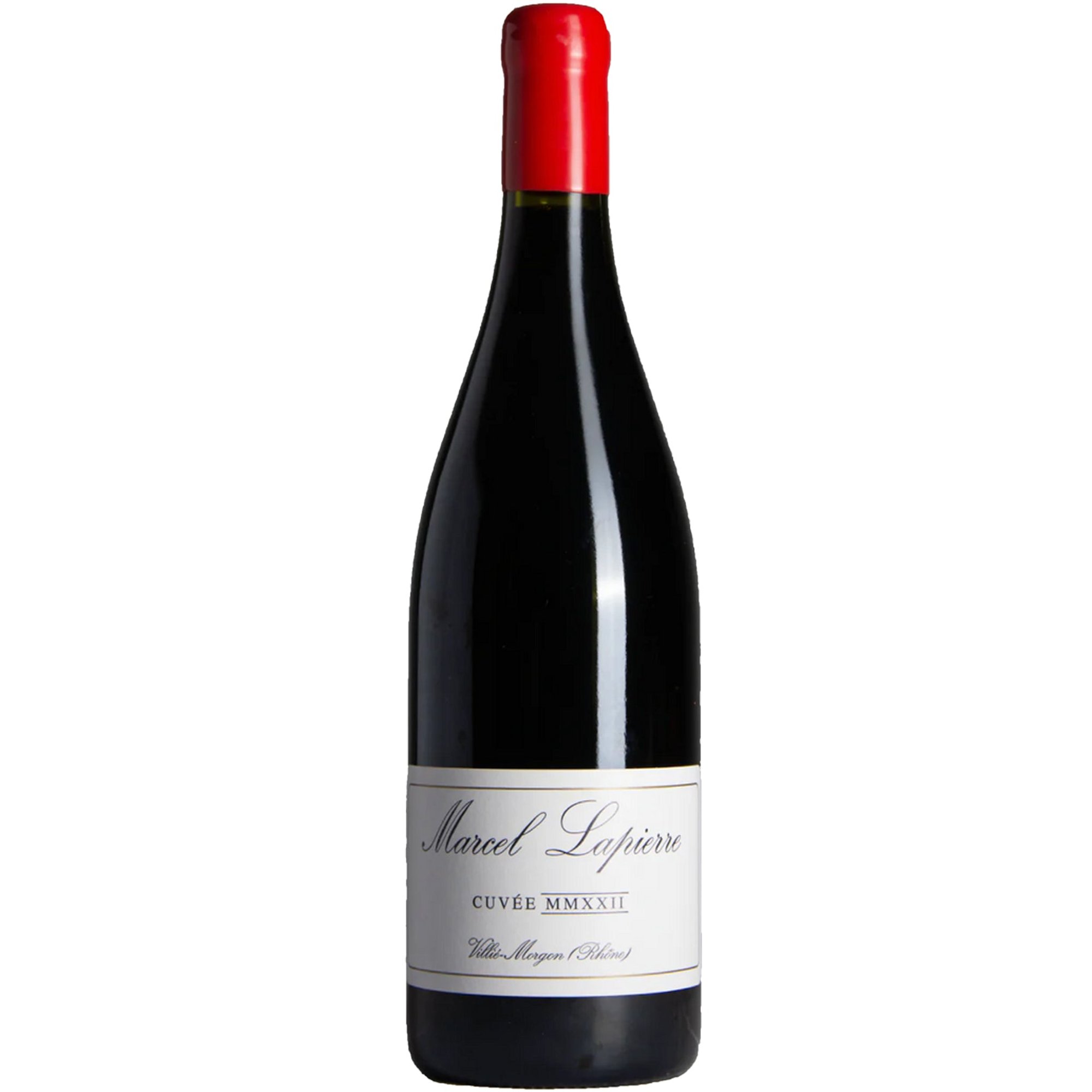
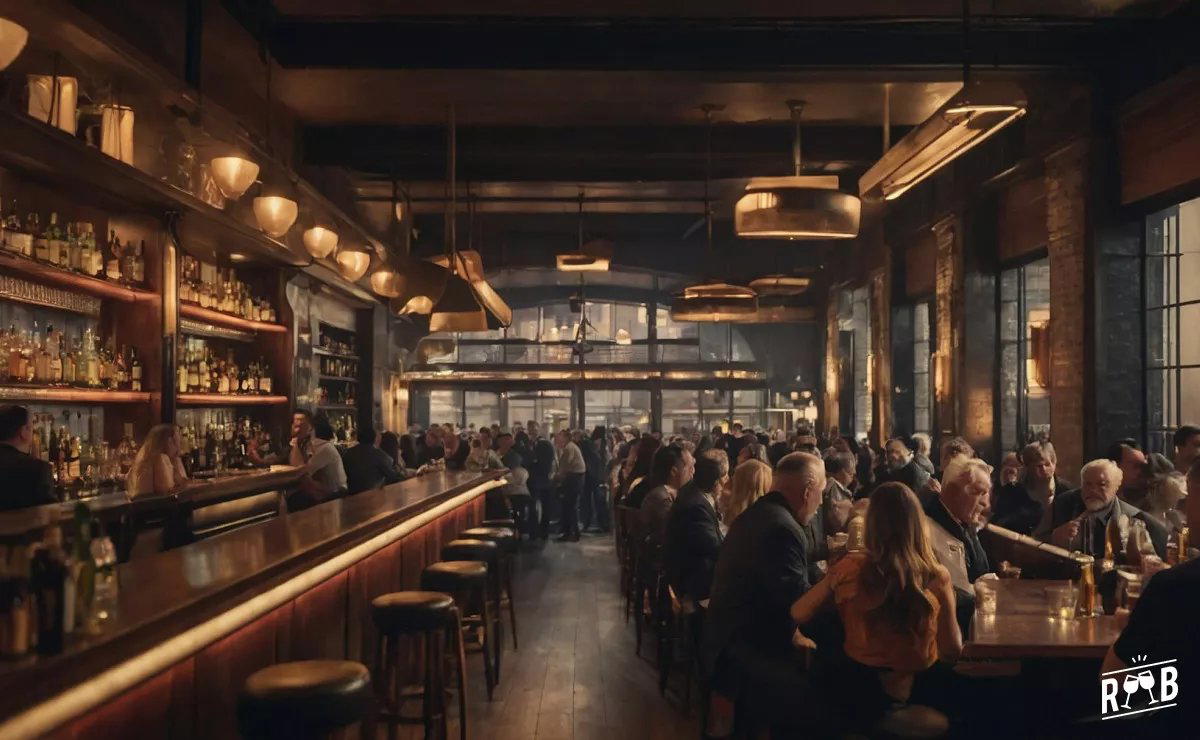
Bars in Boyer
Browse all →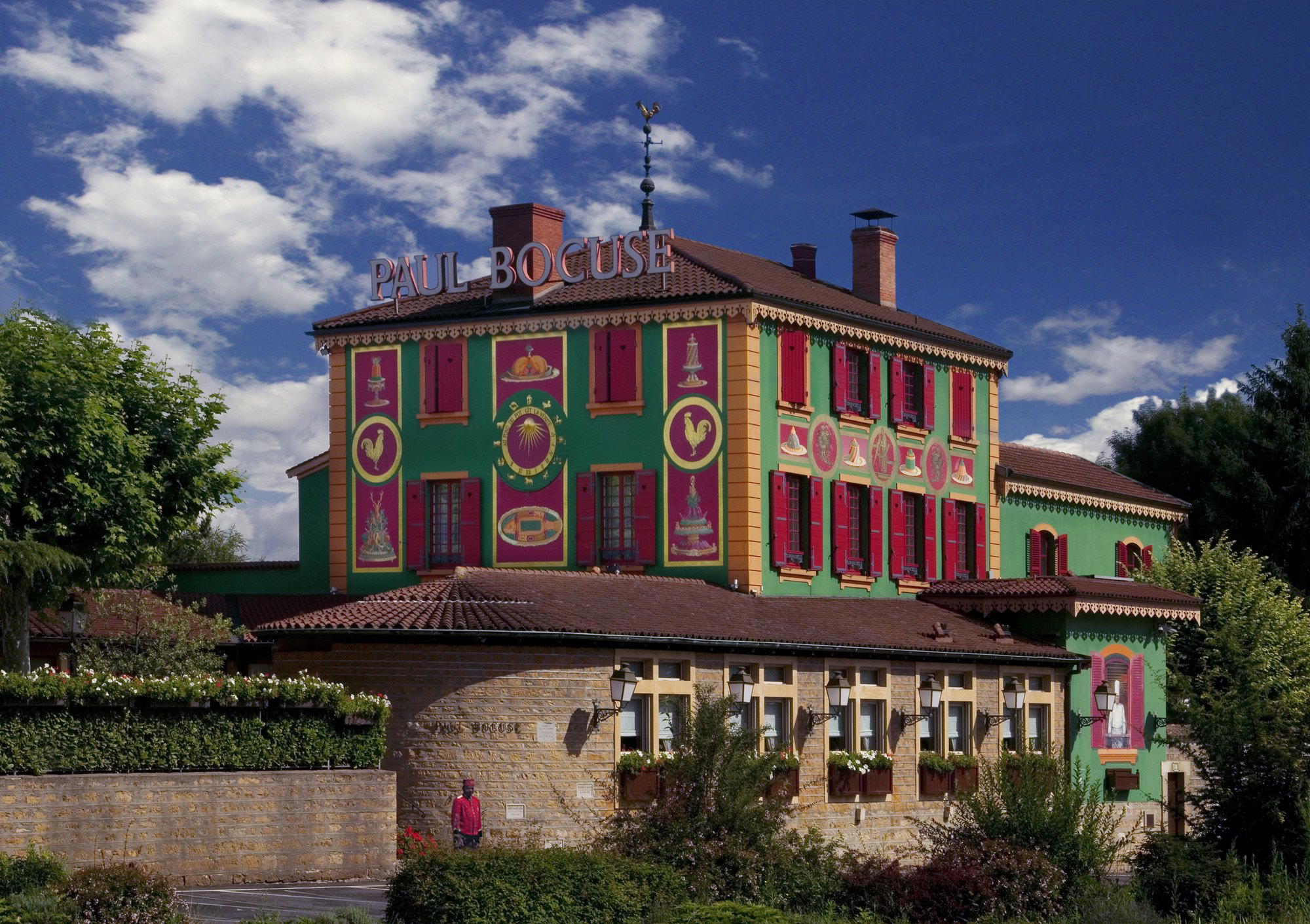
Restaurants in Boyer
Browse all →
At a Glance
- Quiet
- Rustic
- Sophisticated
- Solo Exploration
- Wine Education
- Vineyard Tour
- Historic Building
- Biodynamic
- Vineyard
- Beaujolais
- Gamay
- Still Red
- Still Rosé
- Still White
- Sparkling
- Winery Tasting
Biodynamic Beaujolais estate with granite-and-schist terroir and a family-run, highly site-specific winemaking focus.