
Falstaff Winery - Listed
Domaine des Hâtes is a family-run Chablis estate in Maligny, shaped by Chardonnay, clay-rich soils, and a working-cellar style of hospitality. Its interest lies in the full Chablis ladder, from Petit Chablis through five 1er Cru sites to Grand Cru Bougros, with sustainable farming and long élevage giving the visit a clear terroir lens rather than a showroom gloss.

Maligny wine visits tend to begin quietly: vineyard land, cellar doors, working equipment, and the practical rhythm of a family estate rather than a polished visitor complex. That suits Chablis. The region’s appeal is not theatrical abundance but controlled variation, where Chardonnay carries the argument and small shifts in soil, slope, and élevage become the story. Domaine des Hâtes fits that register: calm, cellar-led, and focused on how one corner of northern Burgundy translates clay, cool weather, and appellation hierarchy into still white wine.
Clay, Chardonnay, and the Maligny reading of Chablis
Chablis is often discussed as if it were a single mineral idea, but the better way to read it is as a set of controlled differences. Maligny sits in the north-western sector of the Chablis region, where clay-rich soils retain water and can give Chardonnay a firmer structural frame. In dry years, that water-holding capacity matters; in the glass, the estate’s own language points toward weight, flinty minerality, smoky notes, and direct acidity rather than ripe-fruit generosity.
The domaine works 28 hectares devoted to Chablis appellations, a useful scale for visitors because the tasting can move through the hierarchy without leaving the estate’s frame of reference. The range runs from Petit Chablis and Chablis AOC to five 1er Cru sites, Beauroy, Butteaux, L’Homme Mort, Les Beauregards, and Vau de Vey, plus Chablis Grand Cru Bougros. That breadth is the point: the comparison is not between varieties, since Chablis is Chardonnay by law, but between sites and levels of appellation.
Production choices reinforce that site-first reading. Farming follows lutte raisonnée, avoiding herbicides and insecticides and using contact and organic products according to weather and vine pressure. In the cellar, alcoholic fermentation runs for two to three months with natural and local yeasts, followed by full malolactic fermentation. Most wines age in stainless steel, with up to 20 percent of the portfolio seeing selected Burgundy barrels, and the wines rest on lees for at least 12 months. None of those details is decorative; together they explain a style that seeks texture without turning Chablis into an oak-led wine.
A cellar visit built around appellation literacy
The hospitality format is closer to a working domaine appointment than a destination tasting lounge. Visits centre on the facilities, cellar, and tasting, with English and French used for tours. Capacity is small, from solo visitors to groups of 25, so the useful expectation is a focused educational session rather than a broad leisure programme. There is on-site parking, and the estate can accommodate camper vans, a practical advantage for travellers moving through the Chablis villages by road.
That format has particular value in Chablis because the region rewards side-by-side learning. Petit Chablis, village Chablis, 1er Cru, and Grand Cru are not abstract ladder rungs when tasted in sequence; they become a map of exposure, soil, and élevage. Domaine des Hâtes is especially clear on this because its portfolio stays within Chablis rather than widening into a general Burgundy tasting. For a traveller trying to understand why a 1er Cru name on a label changes the conversation, the estate’s structure does useful work.
The modern chapter began in 2010, when Pierrick Laroche released the first commercial vintage in bottle. That debut amounted to 2,300 bottles and received a three-star rating from Guide Hachette, a meaningful French wine signal for a small producer at the start of its domaine-bottled life. The family’s vineyard expansion reaches back to the 1970s, when holdings were built incrementally through annual INAO applications. The biographical detail matters less as romance than as context: this is a farming base that moved into full-cycle estate production, not a brand assembled around visitor traffic.
How to place it in a Maligny wine itinerary
Maligny works well for travellers who want the quieter side of Chablis rather than a capital-city tasting-room circuit. The village setting keeps the emphasis on vineyards and cellars, and the estate’s appointment-led structure favours visitors who arrive with questions about terroir, appellations, and cellar practice. For broader planning in town, EP Club’s local rails cover Maligny wineries, Maligny restaurants, Maligny hotels, Maligny bars, and Maligny experiences.
Nearby wine planning can also include Domaine Séguinot Bordet and Lamblin et Fils, while wider French and European winery research might take in A. Margaine in Villers-Marmery, Abbaye de Fontfroide in Narbonne, Abbotts & Delaunay in Marseillette, Advini in Saint Felix De Lodez, Agrapart & Fils in Avize, Alain Brumont in Castelnau Riviere Basse, »der Steiner« Hans Steiner in Podersdorf am See, and & Handwein in Mannheim.
The editorial case is simple: choose this estate when the aim is to understand Chablis through terroir rather than hospitality spectacle. The cellar format, the 28-hectare all-Chablis focus, the sustainable farming, and the long lees ageing all point in the same direction. It is a visit for drinkers who want the mechanics behind the label, especially the way Maligny’s clay and the Chablis hierarchy shape Chardonnay without changing the grape.
Frequently asked questions
What should I expect atmosphere-wise at Domaine des Hâtes?
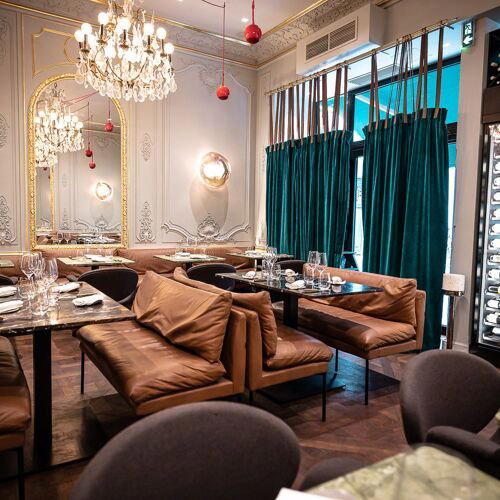
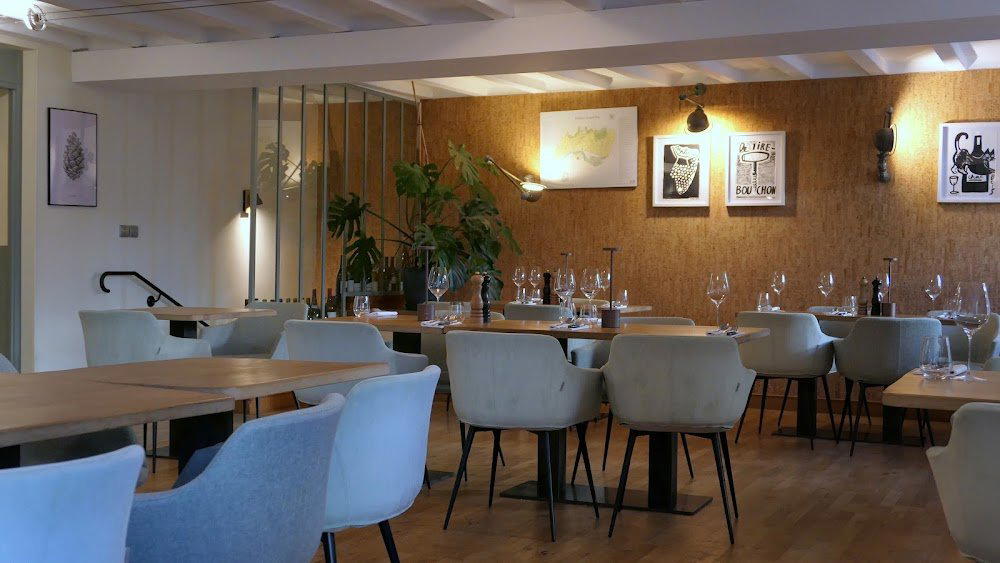
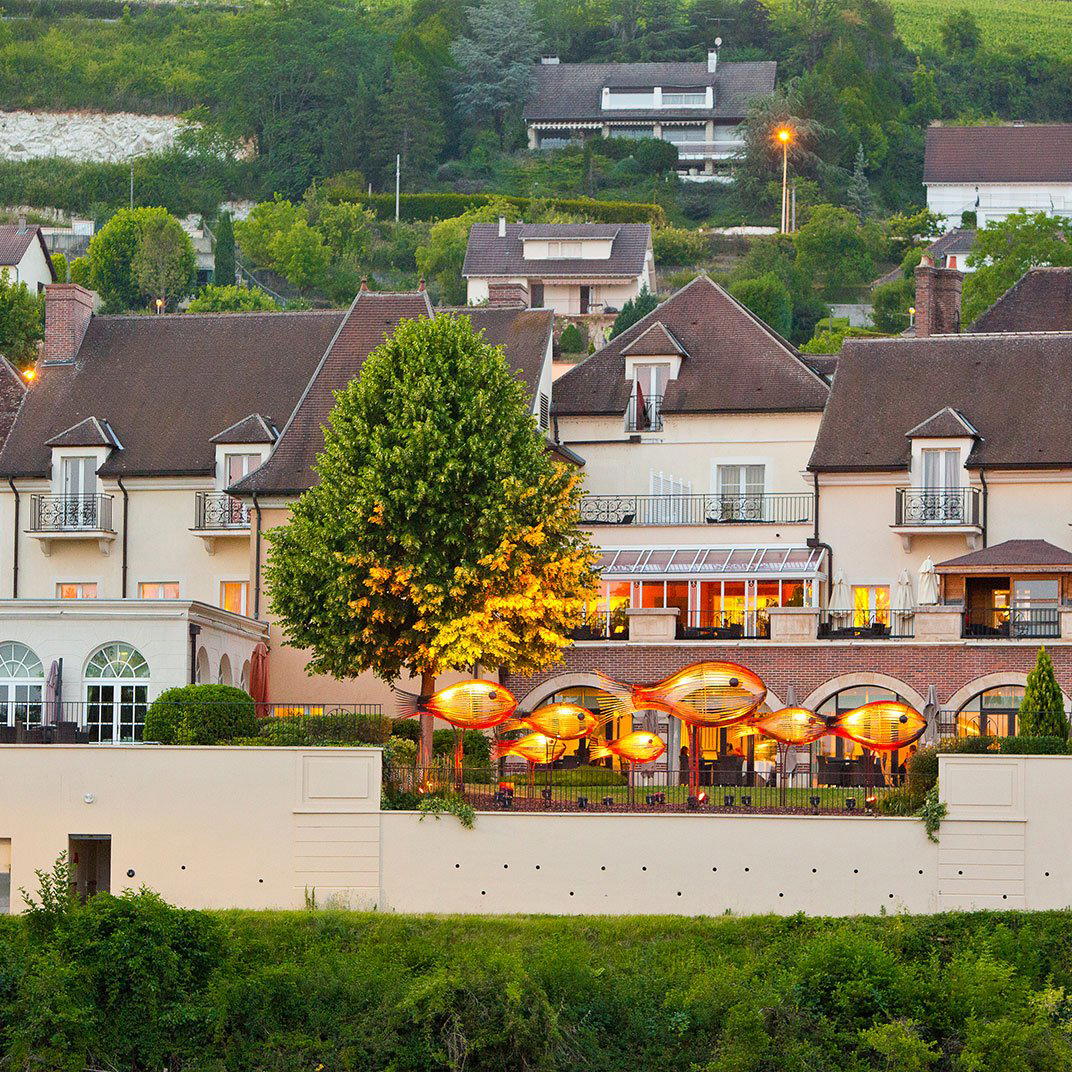
Expect a calm, professional visit at a working family wine estate in Maligny, with tours centered on the cellar and facility before the tasting. The setting is quiet and intimate, with vineyard views and a reservation-based format that suits small groups.
Where do I go for Domaine des Hâtes?
Domaine des Hâtes is located at Maligny, Bourgogne-Franche-Comté, Frankreich, Maligny.
What's the cost level for Domaine des Hâtes?
Pricing at Domaine des Hâtes is listed as $$.
What's the defining thing about Domaine des Hâtes?
Its defining feature is focus: a 28-hectare family-run estate dedicated exclusively to Chablis appellations, from Petit Chablis to Grand Cru Bougros. That narrow scope, paired with sustainable viticulture and Pierrick Laroche’s winemaking, gives the visit clear regional context.
Recognition history
Dated appearances from independent guides and award organizations, with the underlying list record or original source where available.
Falstaff Winery - Listed
Falstaff
Request a visit to Domaine des Hâtes
Tell us when you would like to go and how many people, and we put the request to the estate and reply to you by email.
Continue exploring
More in Maligny
Wineries in Maligny
All wineries in Maligny →
Bars in Maligny
Browse all →
Details
- Classic
- Rustic
- Scenic
- Quiet
- Intimate
- Wine Education
- Group Outing
- Solo Exploration
- Special Occasion
- Barrel Room
- Estate Grounds
- Private Tasting
- Sustainable
- Vineyard
- Chardonnay
- Still White
- Standard Tasting
- Cellar Tour And Tasting
- English
- French
Family-run Chablis estate with a focused, terroir-driven feel; visits center on cellar and facility tours followed by tastings, with a calm, professional atmosphere typical of working vineyards rather than a flashy visitor center.