Cullen Wines

Falstaff Winery - Listed
The winery has long operated at the restrained, terroir-focused end of the region's Cabernet and Chardonnay spectrum, drawing visitors who arrive specifically to taste rather than to tour. Booking ahead is advisable, particularly during the southern hemisphere summer season.

Pearl is the En Primeur Club membership app — saves, bookings, and concierge access live there. Same editors, same standards.
- Address
- 4323 Caves Rd, Wilyabrup WA 6280
- Phone
- +61 8 9755 5277
- Website
- cullenwines.com.au
- Directions
- Get directions
Caves Road, Wilyabrup: What the Address Signals
The stretch of Caves Road running through Wilyabrup functions as a kind of shorthand for Margaret River's upper tier. This is the corridor where the region's most scrutinised producers have historically concentrated, where the laterite and gravel loams produce Cabernet Sauvignon and Chardonnay that have drawn comparisons with Bordeaux and Burgundy since the 1970s.
Margaret River as a whole has split, over the past decade, between larger commercially oriented producers chasing export volume and a smaller cluster of estates where every decision in the vineyard and winery is traceable back to a coherent position on how wine should taste. Cullen belongs firmly to the second group. Its peers on that spectrum include Leeuwin Estate, whose Art Series Chardonnay has anchored the region's fine wine reputation internationally, and Cape Mentelle, which helped define the region's Cabernet character in its formative years. Within that frame, Cullen's identity is distinct: it has pursued a path that prioritises minimal intervention and biodynamic practice over production scale or critical spectacle.
A Philosophy Grounded in the Vineyard
The winemaking philosophy at Cullen is leading understood as terroir primacy taken seriously rather than stated as marketing. Biodynamic certification, which Cullen has held for a sustained period, is not common among Margaret River's volume producers. It signals a willingness to accept lower and less predictable yields in exchange for fruit grown without synthetic inputs, where the vine's expression of its specific site is theoretically cleaner. Whether one accepts the metaphysics of biodynamics or not, the practical outcome is a vineyard managed at a level of attention that distinguishes it from neighbours running larger, more commercially calibrated operations.
Producers like Bass Phillip in Gippsland operate with a comparable commitment to low intervention and site specificity, accepting scarcity as the cost of that approach. The same logic applies to small-batch, philosophically driven estates elsewhere: Bird in Hand in Adelaide Hills works within a different regional tradition but shares the emphasis on estate fruit and considered winemaking.
The Tasting Room Experience
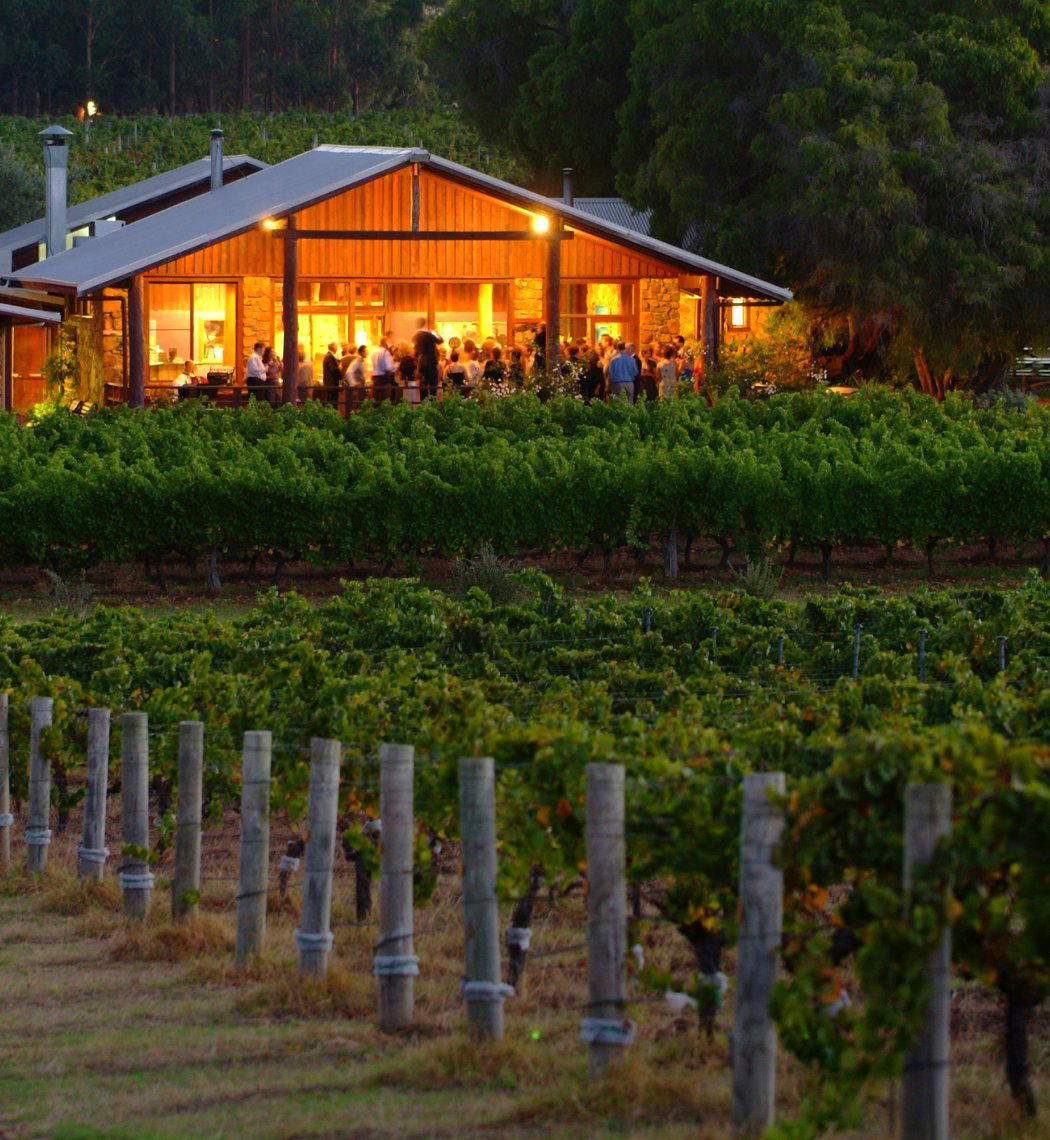
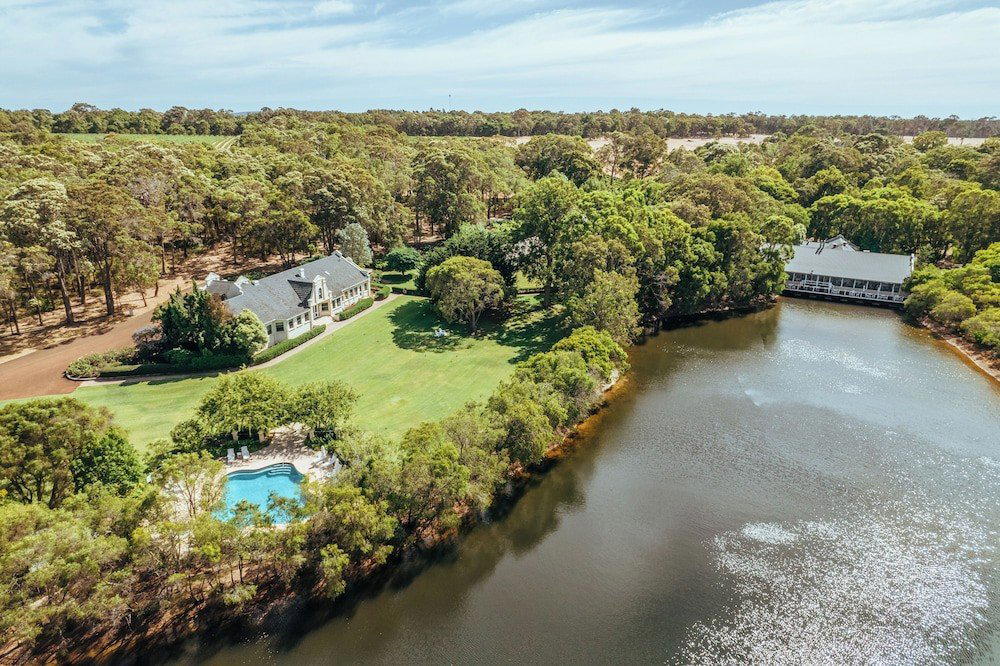
Approaching the estate from Caves Road, the property reads as working vineyard rather than polished hospitality venue. That is not a criticism: it reflects a set of priorities where the wine is the object rather than the experience architecture around it. The tasting room sits close to the winery, which means visitors are physically proximate to the production facility in a way that reinforces the estate's seriousness of purpose. You are there to taste wine made with specific intentions, not to move through a designed tourist sequence.
That said, the setting carries its own weight. Wilyabrup's vine blocks in summer carry the particular quality of light that the region's latitude and proximity to the Indian Ocean produce: clear, slightly softened, and warm without the extremity of inland Australian summers. The tasting experience is calibrated to the wines rather than the other way around, which suits visitors who come with context. Those looking for the more theatrical end of Margaret River wine tourism will find that better served at properties oriented toward hospitality spectacle; Cullen rewards the visitor who arrives knowing something about what they are about to taste.
Practically, visiting Cullen warrants advance planning. The estate sits south of the main town of Margaret River, and the Wilyabrup cluster of producers makes for a logical day itinerary that also takes in Deep Woods Estate and Howard Park without excessive driving. The southern hemisphere harvest window, roughly February through April, brings additional activity to the region and is worth considering when timing a visit. Summer school holiday periods increase traffic on Caves Road and reduce the quieter, more considered tasting experience that suits an estate of this type.
Where Cullen Sits in the Margaret River Hierarchy
Margaret River's fine wine identity is built on Cabernet Sauvignon and Chardonnay, with Cabernet-based blends functioning as the region's prestige calling card in the same way that Coonawarra and Coonawarra-adjacent producers define theirs. Devil's Lair has operated at the structured, age-worthy end of the regional Cabernet spectrum, and Leeuwin's Art Series has set a reference point for Chardonnay that subsequent producers are inevitably measured against. Within that framework, Cullen occupies a position that combines critical respect with a deliberately modest production philosophy.
It places Cullen within a small tier of Australian producers recognised for sustained quality at the prestige level, comparable in structural terms to how All Saints Estate in Rutherglen holds its position within the fortified wine hierarchy, or how Angove Family Winemakers in Renmark maintains standing within a different regional tradition. The rating reflects accumulated evidence of consistent performance rather than a single vintage or critical moment.
For context on how Margaret River's overall scene compares across categories, our full Margaret River restaurants and producers guide maps the region's current hierarchy across food and wine. Within the winery tier specifically, Cullen's biodynamic positioning and prestige rating make it a reference point that other producers are aware of, regardless of whether they share its production philosophy.
Planning Your Visit
Cullen Wines is located at 4323 Caves Road, Wilyabrup, placing it within the heart of the sub-region that has produced Margaret River's most awarded wines. The estate is accessible by car from the town of Margaret River, and the Caves Road corridor allows visitors to sequence multiple estates in a single day without backtracking. Given the calibre of production and the relatively intimate scale of a biodynamic estate, tasting appointments at this level of the Margaret River hierarchy benefit from pre-arrangement rather than walk-in visits, particularly during peak season. Checking directly with the estate regarding current tasting formats and availability is advisable before travel.
For visitors building a broader Australian wine itinerary, Cullen's position within the biodynamic and low-intervention spectrum connects it thematically to producers in other regions: Leading's Wines in Great Western and Blue Pyrenees Estate in Pyrenees represent different Victorian expressions of estate-focused winemaking, while Archie Rose Distilling Co in Sydney operates in a different category but with a comparably intentional production philosophy. Further afield, Aberlour in Aberlour and Accendo Cellars in St. Helena illustrate how prestige-tier production at smaller scale operates across very different wine and spirits traditions globally.
Cost Snapshot
Comparable venues nearby, for context on price, style, and recognition.
| Venue | Cuisine | Price | Awards | Notes |
|---|---|---|---|---|
| Cullen WinesThis venue — the venue you are viewing | Wilyabrup, cabernet sauvignon, merlot | $10–20 | Falstaff Winery - Listed | Not listed |
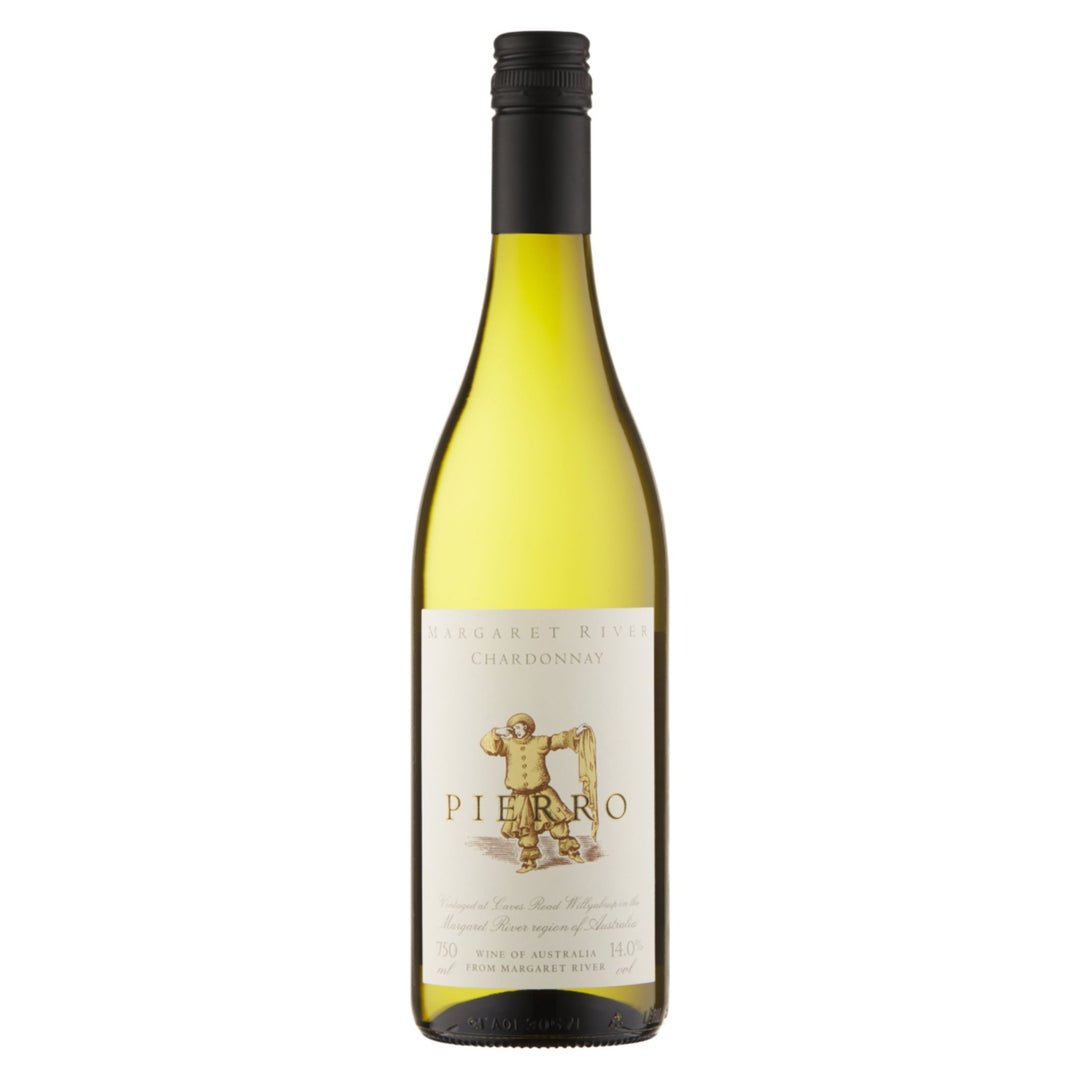
| Pierro | Not listed | Not listed | Not listed | Wilyabrup, Chardonnay, Cabernet Sauvignon |
| Xanadu Wines | Not listed | $30–50 | Falstaff Winery - Listed | Margaret River, Cabernet Sauvignon, Chardonnay |
| Devil's Lair | Not listed | Not listed | Not listed | Forest Grove, Chardonnay, Cabernet Sauvignon |
Recognition history
Dated appearances from independent guides and award organizations, with the underlying list record or original source where available.
Falstaff Winery - Listed
Falstaff
Continue exploring
More in Margaret River
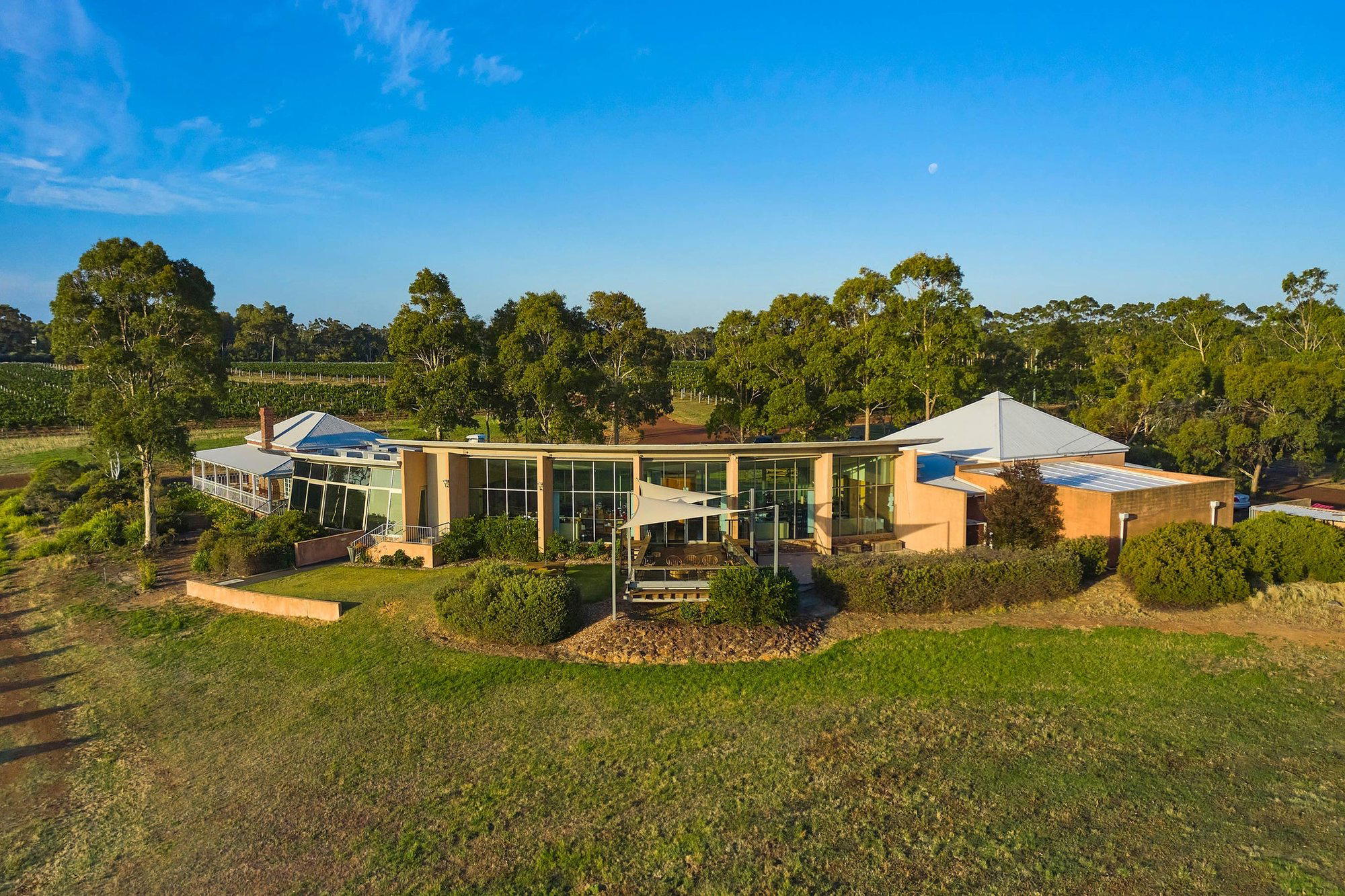
Wineries in Margaret River
Browse all →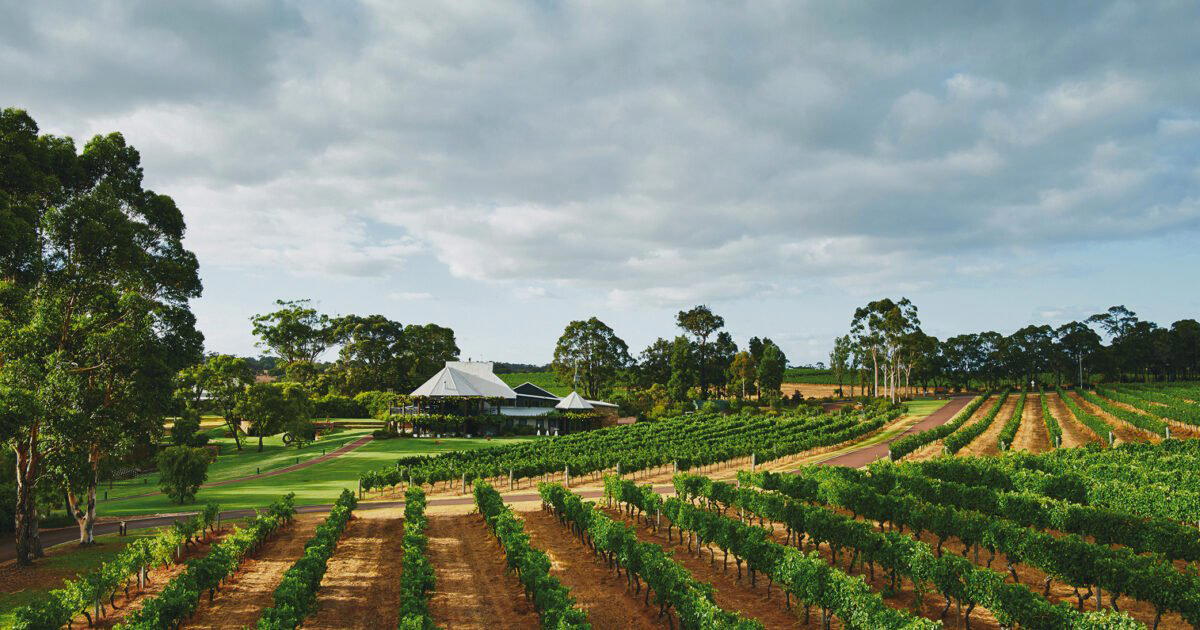
Bars in Margaret River
Browse all →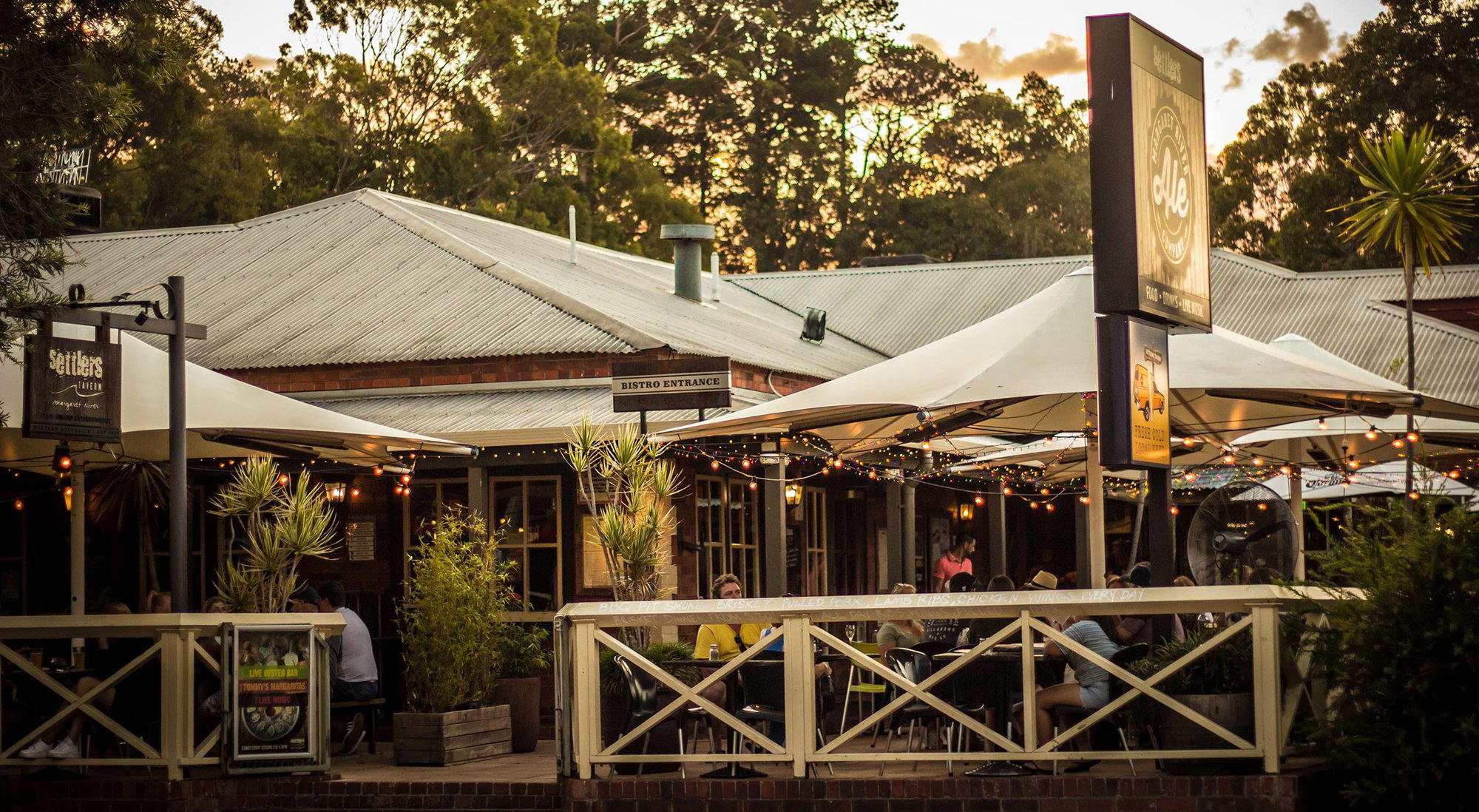
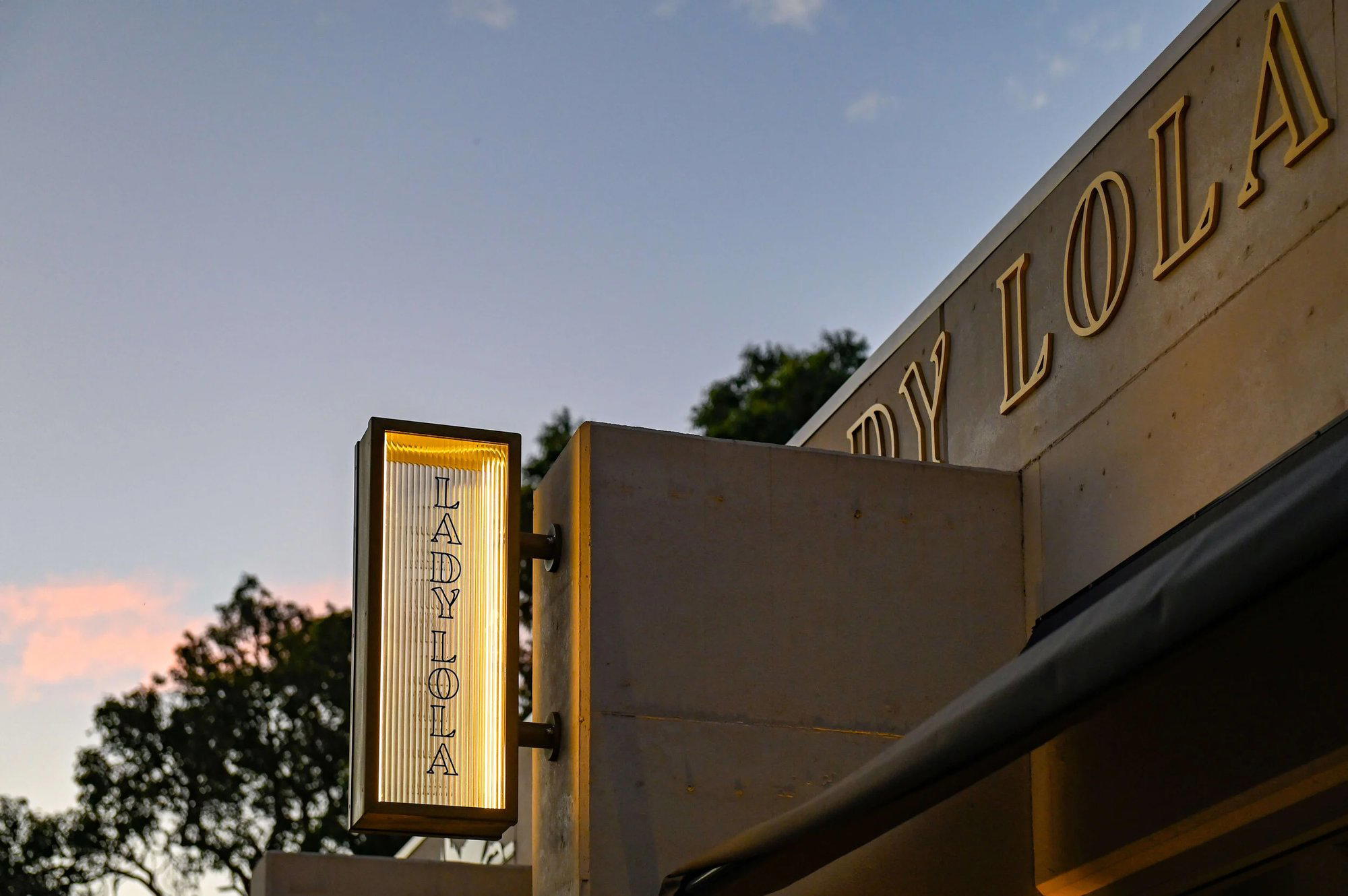
Restaurants in Margaret River
Browse all →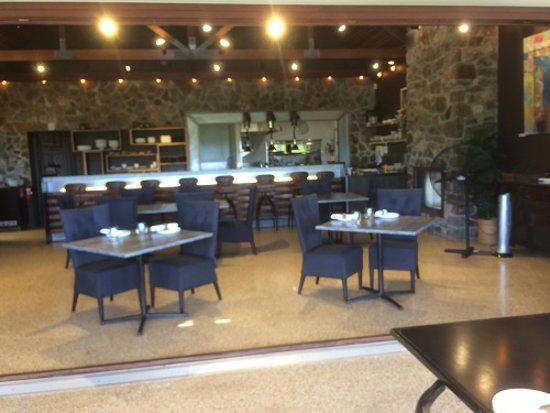
Details
- Rustic
- Scenic
- Elegant
- Cozy
- Sophisticated
- Romantic Getaway
- Wine Education
- Special Occasion
- Vineyard Tour
- Estate Grounds
- Panoramic View
- Biodynamic
- Organic
- Vineyard
- Garden
- Cabernet Sauvignon
- Merlot
- Chardonnay
- Semillon
- Malbec
- Petit Verdot
- Still Red
- Still White
- Sparkling
- Cellar Door
- Guided Tasting
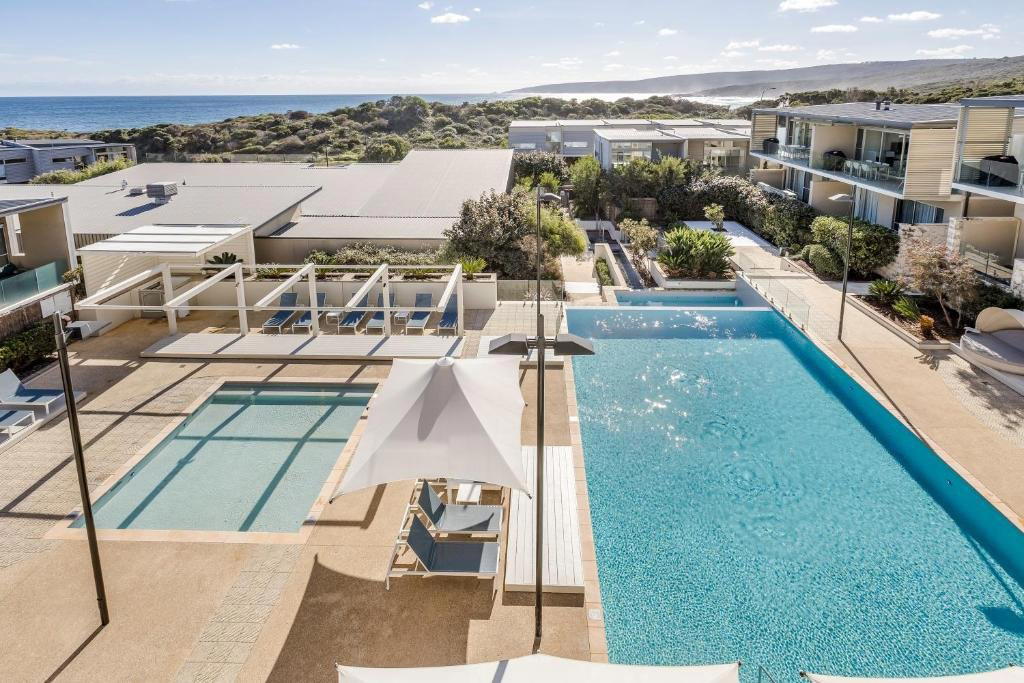
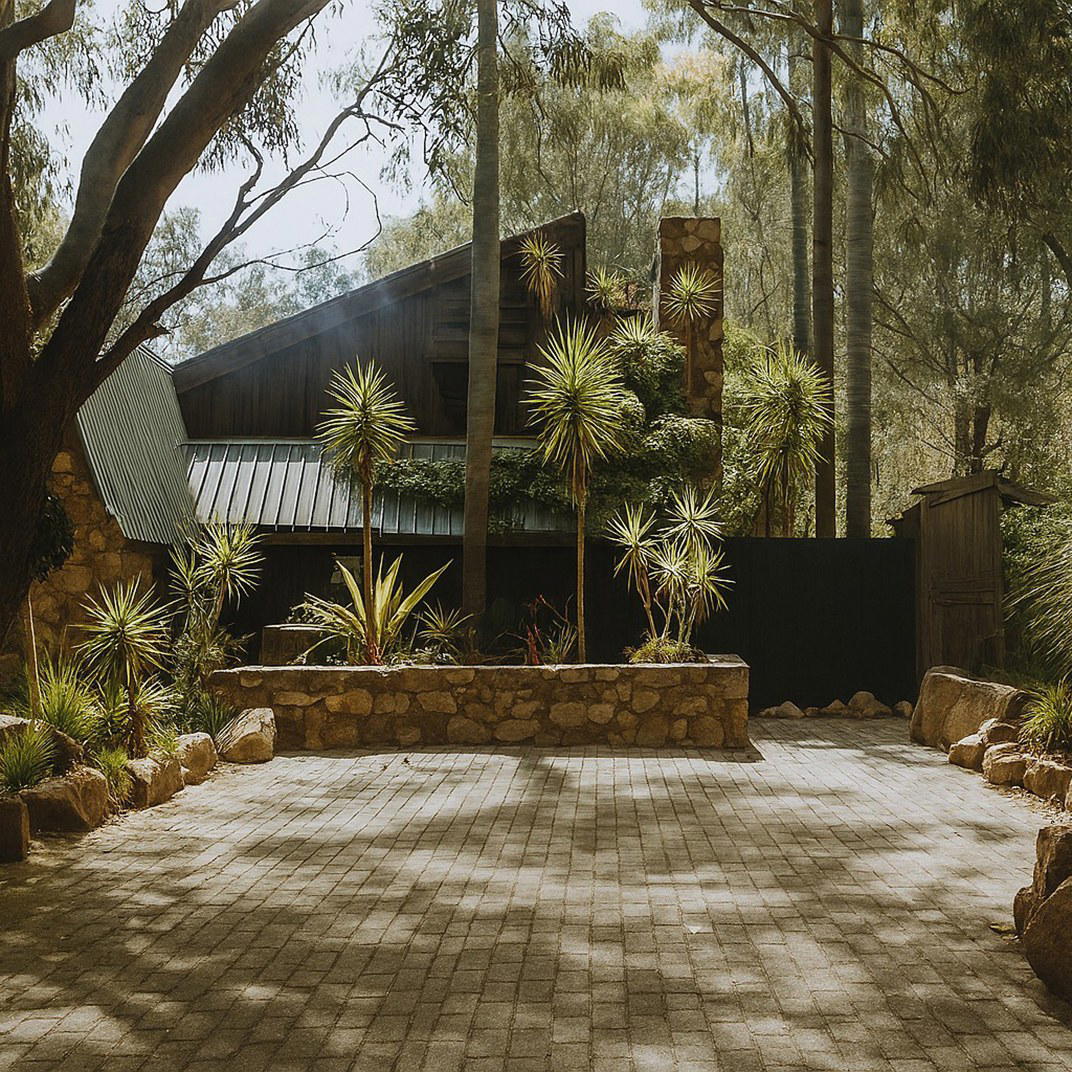
Rustic homely tasting room with reclaimed timbers, warm stone floors, garden windows allowing well-suited sunlight, and panoramic vineyard views.