
Falstaff Winery - Listed
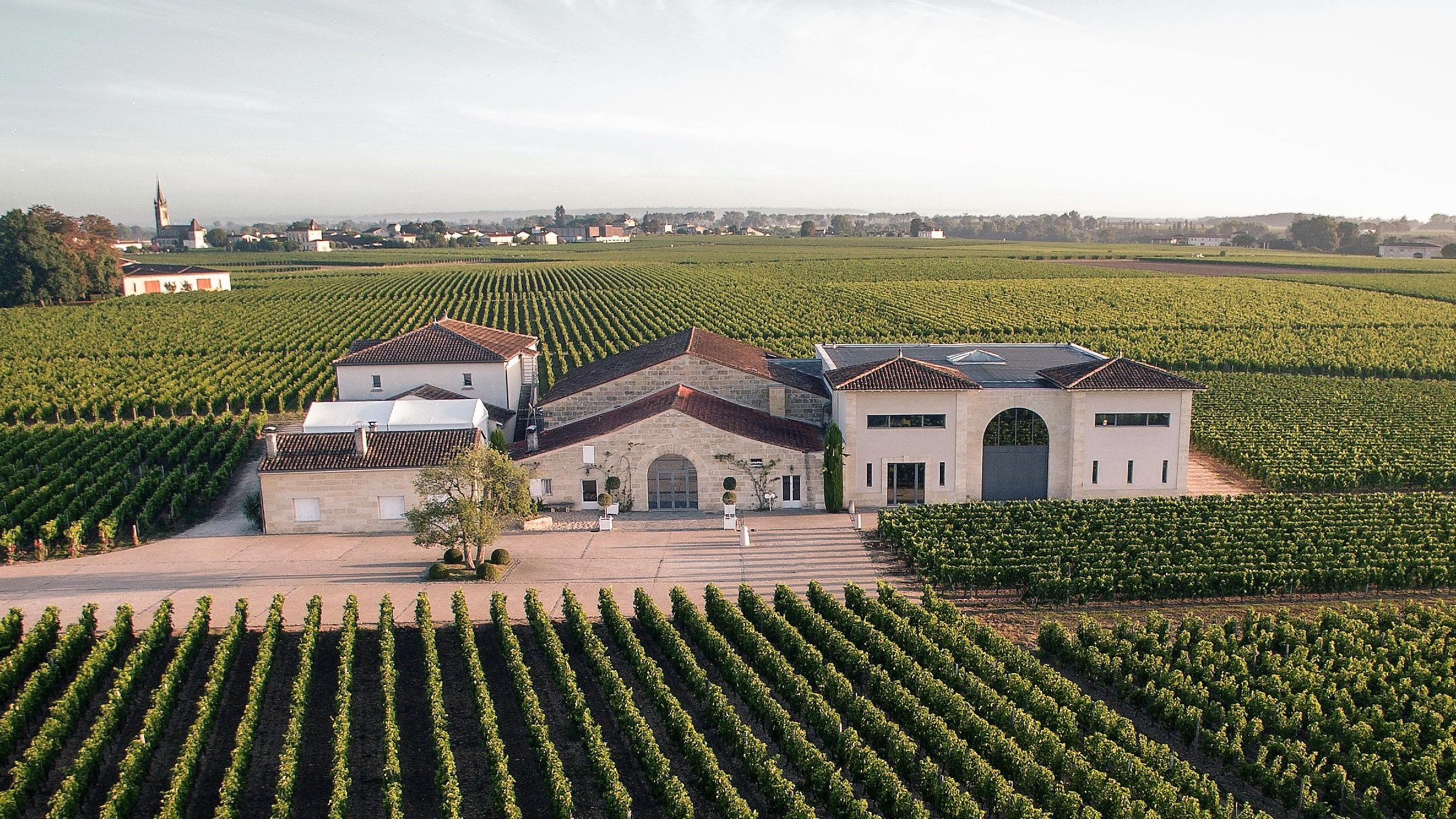
Clos Beauregard is a small Pomerol estate shaped by Merlot, sandy clay, and iron-rich crasse de fer soils. The appeal is not hospitality theatre but terroir focus: six hectares, hand harvesting, 6,666 vines per hectare, and a polished Right Bank identity supported by 94 points from James Suckling for the 2023 vintage.

Pearl is the En Primeur Club membership app — saves, bookings, and concierge access live there. Same editors, same standards.
- Address
- Lieu-dit Toulifaut, Chem. de la Lamberte, 33500 Pomerol, France
- Directions
- Get directions

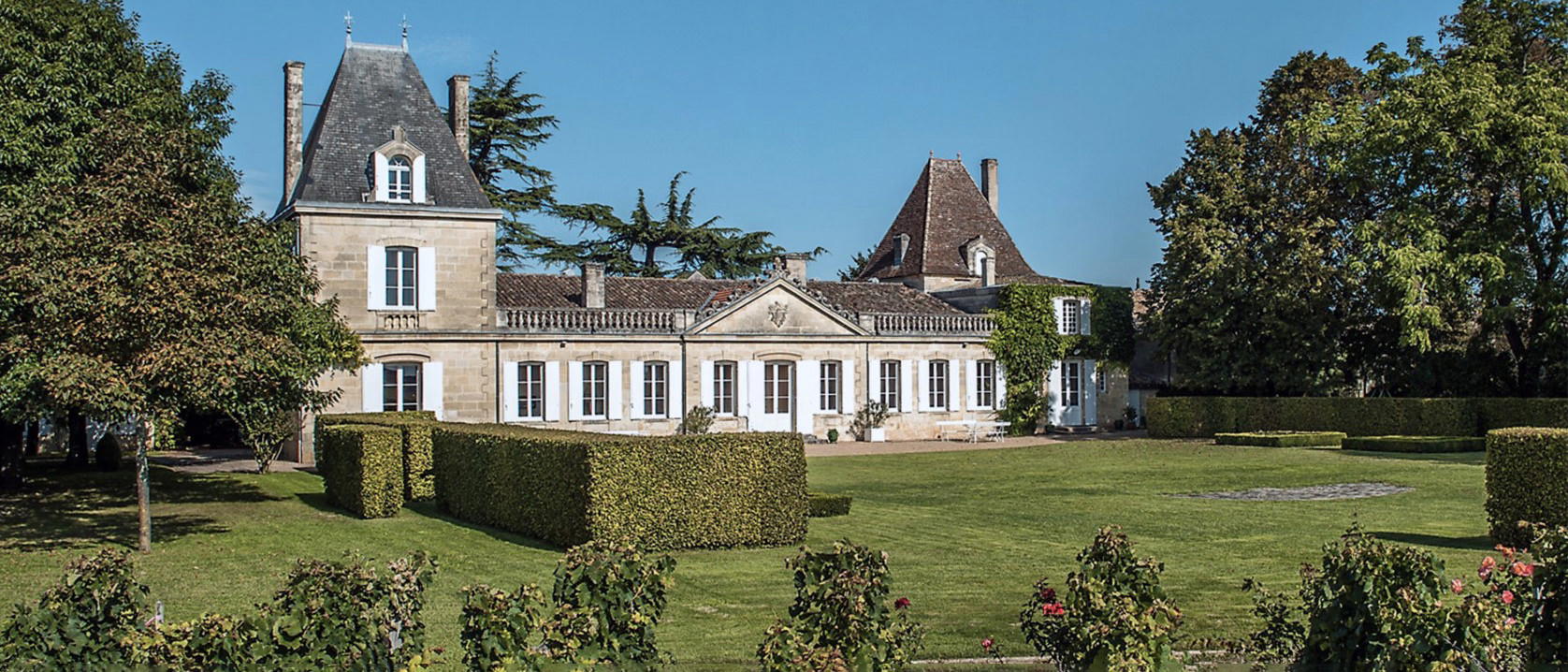
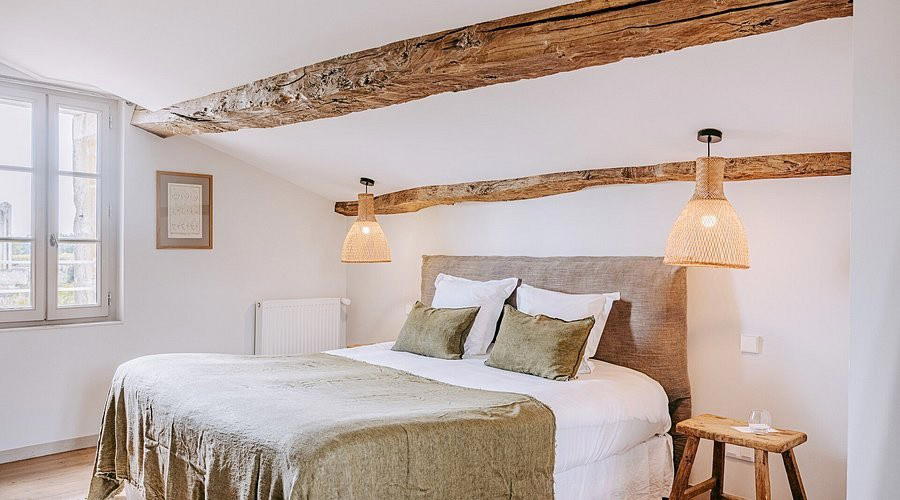
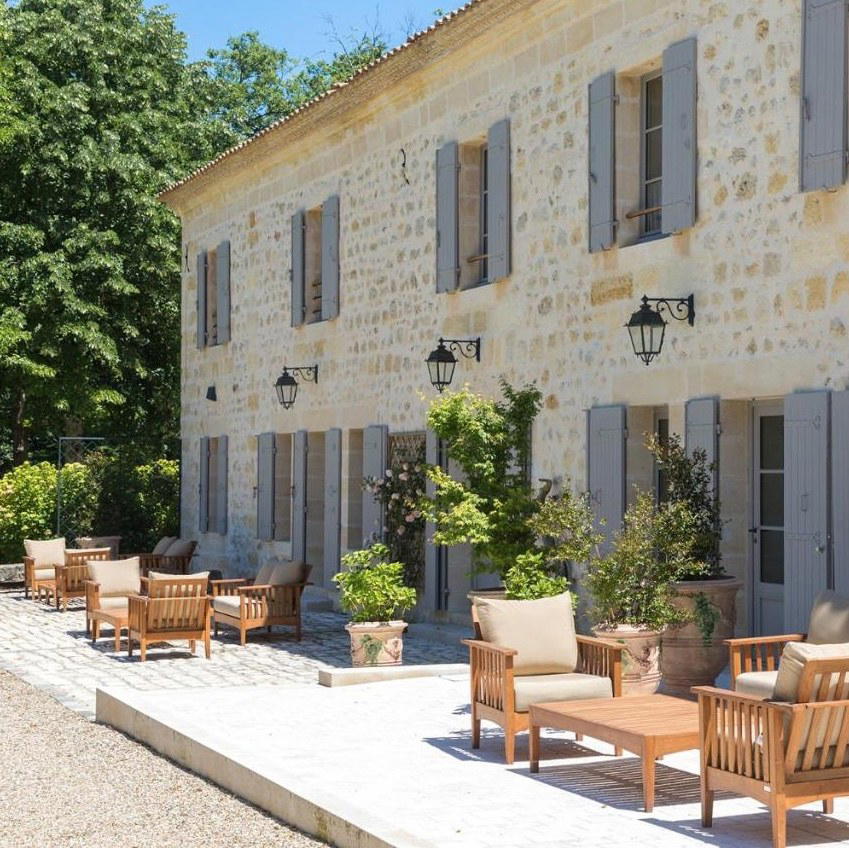
Clos Beauregard in Pomerol should be approached as a quiet, classic estate rather than as a venue built around spectacle. The profile is deliberately restrained: an elegant, meticulous setting focused on precision viticulture and a polished Merlot-driven identity. For readers mapping Pomerol, the appeal is not a long list of public amenities, but the sense of an intimate estate shaped by careful vineyard work and a composed Merlot-driven character. In that respect, it rewards a slower reading. The point is not to search for dramatic claims or expansive visitor features, but to understand how a premium Pomerol address can communicate refinement through focus, balance, and discretion.
The confirmed price category is $$$$, so Clos Beauregard sits in a premium bracket. Beyond that, specific details about public tasting formats, hours, vineyard measurements, scores, individual personnel, or bottle pricing should not be assumed unless confirmed directly with the estate or a current booking source. That distinction matters for planning: the estate’s public profile is strong enough to establish its tone and positioning, but not broad enough to support extra practical assumptions. Treat the available information as a guide to character rather than as a complete visitor manual.
Merlot, precision, and the Pomerol argument for restraint
Clos Beauregard’s identity is Merlot-driven and closely tied to Pomerol’s quiet estate culture. The useful way to read it is through precision rather than hospitality scale: a polished, meticulous environment where the vineyard message matters more than architectural drama or a broad visitor program. This makes the estate feel aligned with a more inward-looking idea of wine tourism, where the emphasis falls on what the place is trying to express rather than how many experiences are packaged around it.
That restraint is part of the Pomerol appeal. The area is best understood here through estate style, viticultural focus, and the way Merlot is interpreted. Clos Beauregard fits that frame as a classic, elegant, intimate address with a refined Merlot-driven identity. The language around the estate suggests control and composure: not minimal in the sense of lacking character, but selective in what it foregrounds. Its appeal comes from that selectivity, and from the sense that the wine identity and the estate setting are meant to be read together.
Treat it as a premium Pomerol estate whose public-facing description centers on precision viticulture and polished Merlot expression. For a visitor or reader, that means looking for nuance in the essentials already stated: premium positioning, a quiet setting, elegance, intimacy, and a careful Merlot-led profile. Those are the reliable anchors, and they are enough to define the estate’s place in a Pomerol conversation without adding unsupported detail.
A polished Pomerol profile
Clos Beauregard’s confirmed profile points to a quiet and refined Pomerol experience. The $$$$ price tier signals a premium positioning, while the atmosphere is best described as classic, elegant, and intimate. Those words are doing most of the work here. “Classic” places the estate within a traditional frame, “elegant” suggests polish rather than force, and “intimate” keeps expectations appropriately scaled. Together, they create a picture of a venue where refinement is more important than volume.
Those details should be checked directly before planning around them. What can be stated confidently is that Clos Beauregard is presented as a meticulous estate with a refined Merlot-led identity. The safest editorial approach is therefore to keep the description precise and avoid filling gaps with assumptions. If an operational detail matters to a specific visit, it belongs in a direct confirmation step rather than in inferred planning. That is especially important for a premium estate whose appeal is tied more to identity and atmosphere than to a publicly detailed list of services.
For readers mapping Pomerol before or after Clos Beauregard, it is safest to compare it with other dining and wine options in Pomerol only in general terms. The broader local rhythm is quiet and estate-led, with Clos Beauregard standing out here for its polished, precise, Merlot-driven positioning. It should be understood as one expression of that rhythm: refined, composed, and rooted in the idea that Pomerol can be compelling without needing to announce itself loudly. The comparison is useful only at that level of tone and orientation, not as a claim about specific offerings.
How to read Clos Beauregard in a wider Pomerol itinerary
Clos Beauregard suits the traveller who wants a composed Pomerol reference point rather than a high-energy stop. Its character is intimate, elegant, and focused on precision viticulture, making it more appropriate for a measured itinerary than for a casual amenity-led outing. In practice, that means placing it mentally among estates where atmosphere and wine identity carry the experience. It is the sort of address to consider when the purpose of the itinerary is to understand Pomerol’s quieter side, not to chase breadth for its own sake.
The editorial case is modest but clear: Clos Beauregard is a premium Pomerol estate with a polished Merlot-driven identity and a quiet, classic setting. Plan around that profile, and confirm any operational details directly before visiting. The most accurate expectation is one of restraint, care, and refinement. Within the limits of the confirmed information, that is the strongest reading: Clos Beauregard belongs in a Pomerol plan as an elegant, meticulous estate whose appeal rests on precision viticulture and a composed Merlot-led character.
Recognition history
Dated appearances from independent guides and award organizations, with the underlying list record or original source where available.
Falstaff Winery - Listed
Falstaff
Continue exploring
More in Pomerol
Wineries in Pomerol
Browse all →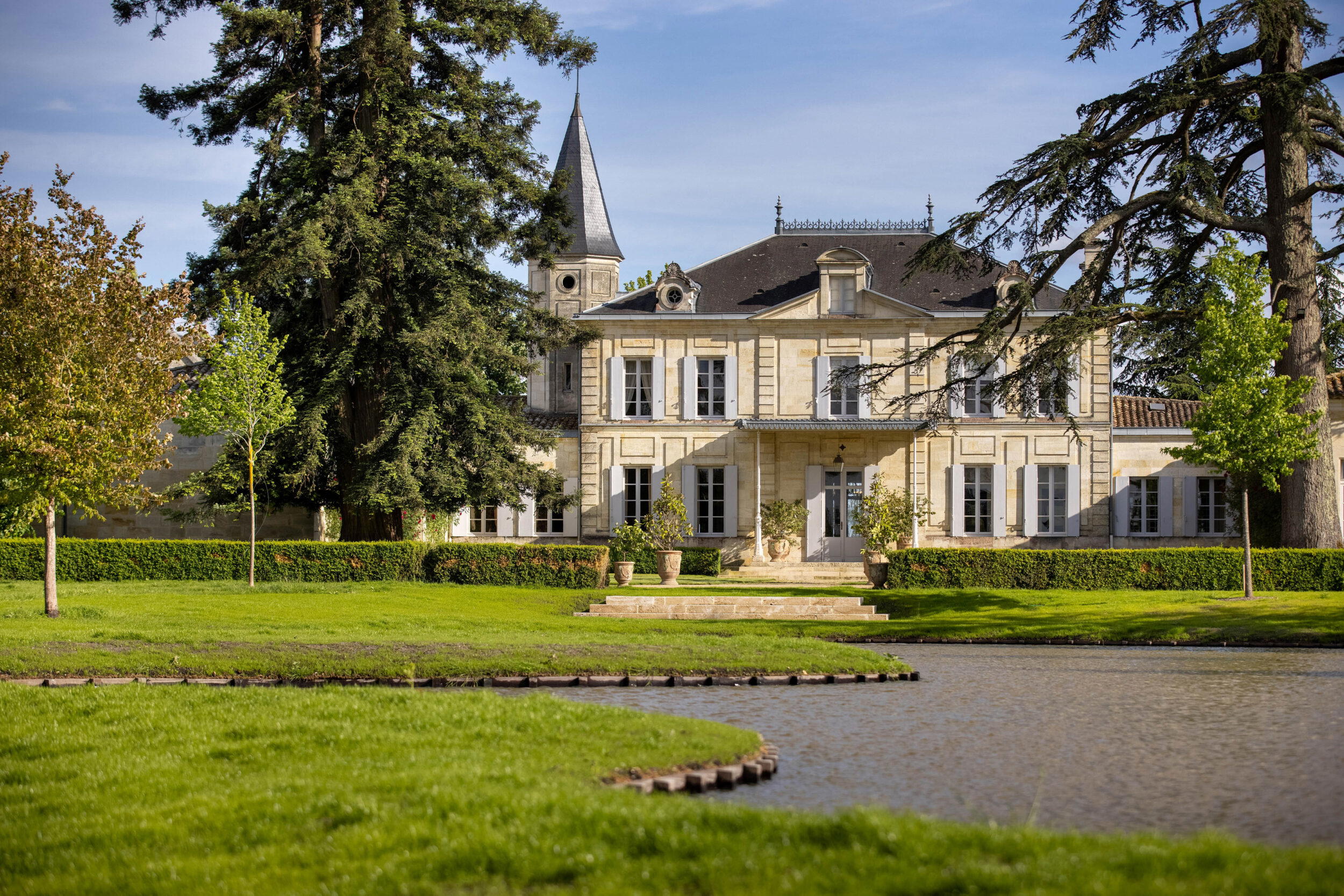
Bars in Pomerol
Browse all →


Restaurants in Pomerol
Browse all →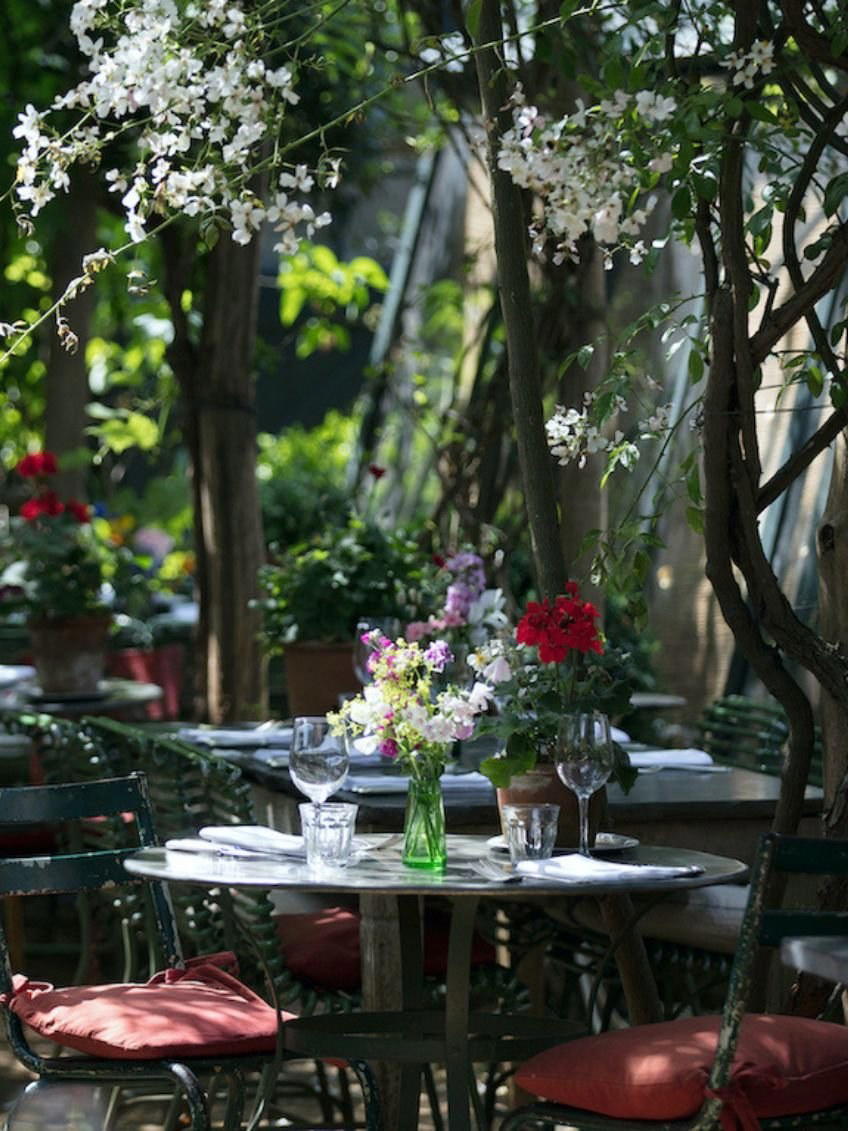
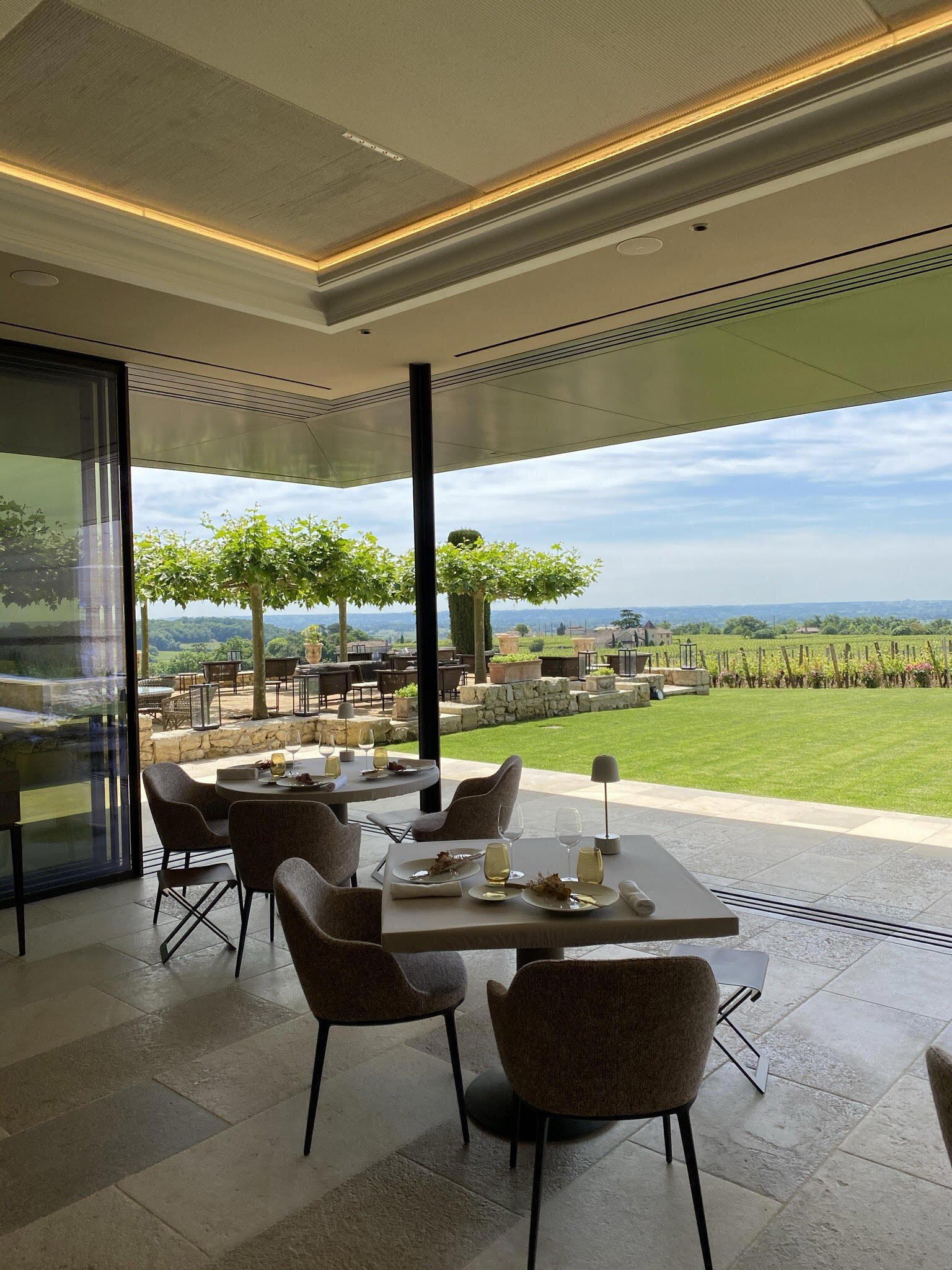
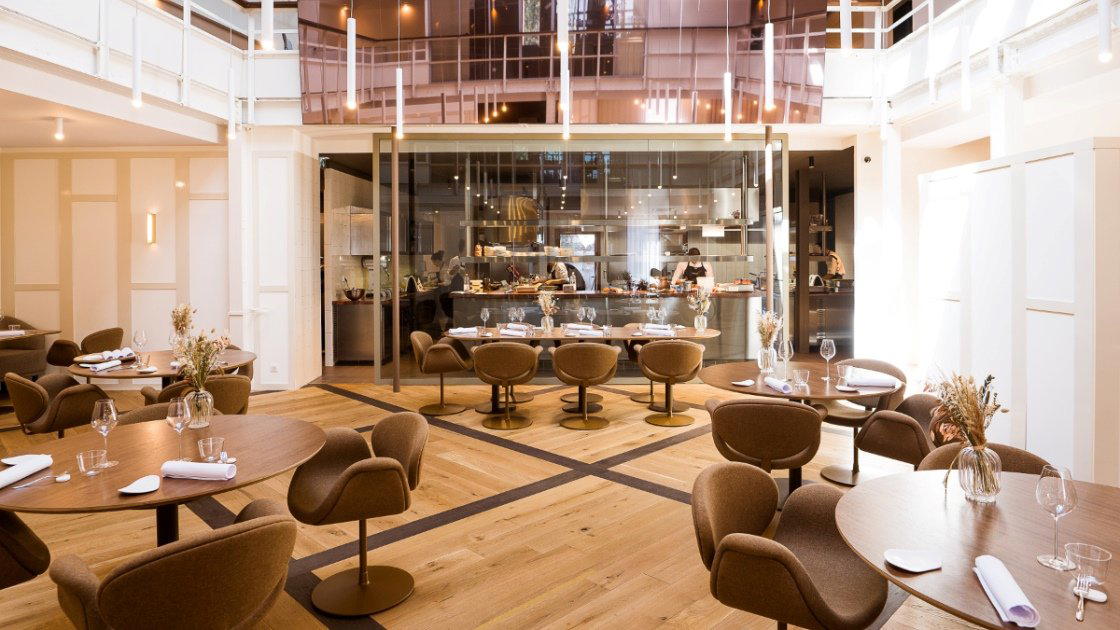
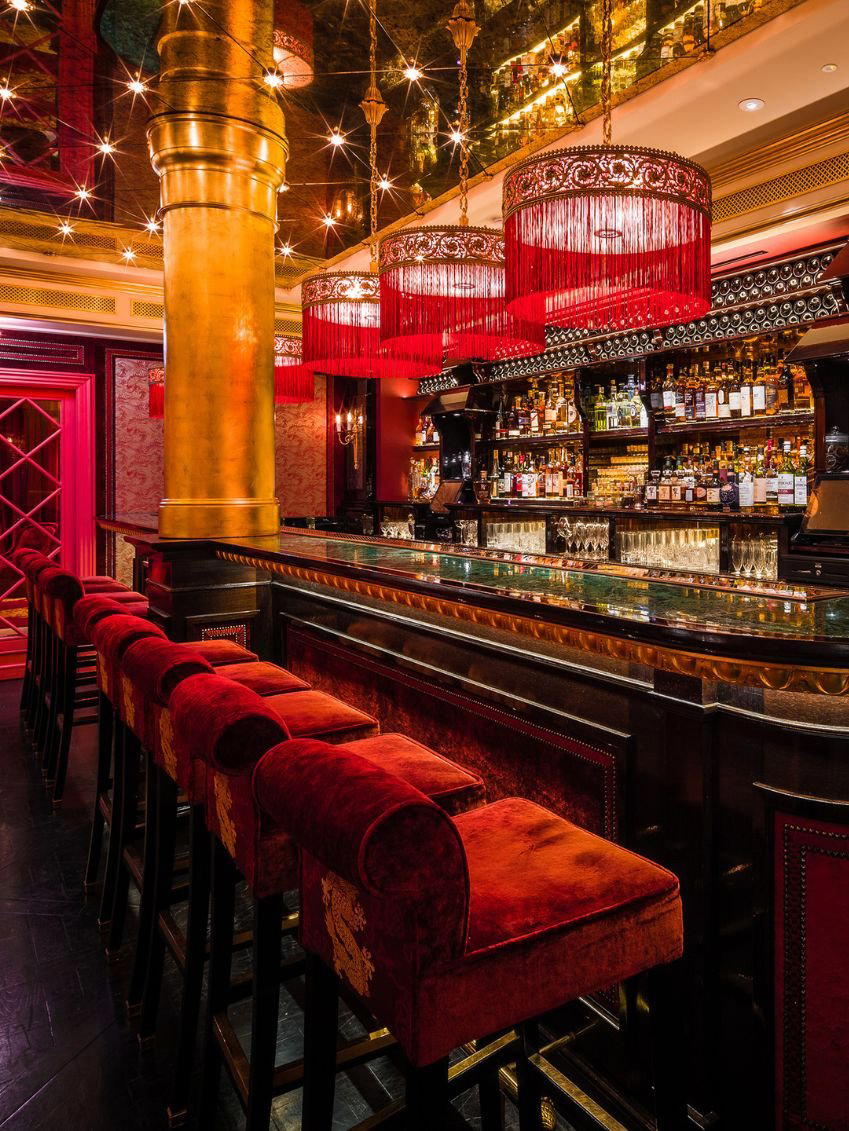
Details
- Quiet
- Classic
- Elegant
- Intimate
- Solo Exploration
- Special Occasion
- Wine Education
- Estate Grounds
- Historic Building
- Vineyard Tour
- Vineyard
- Merlot
- Still Red
- Private Tasting
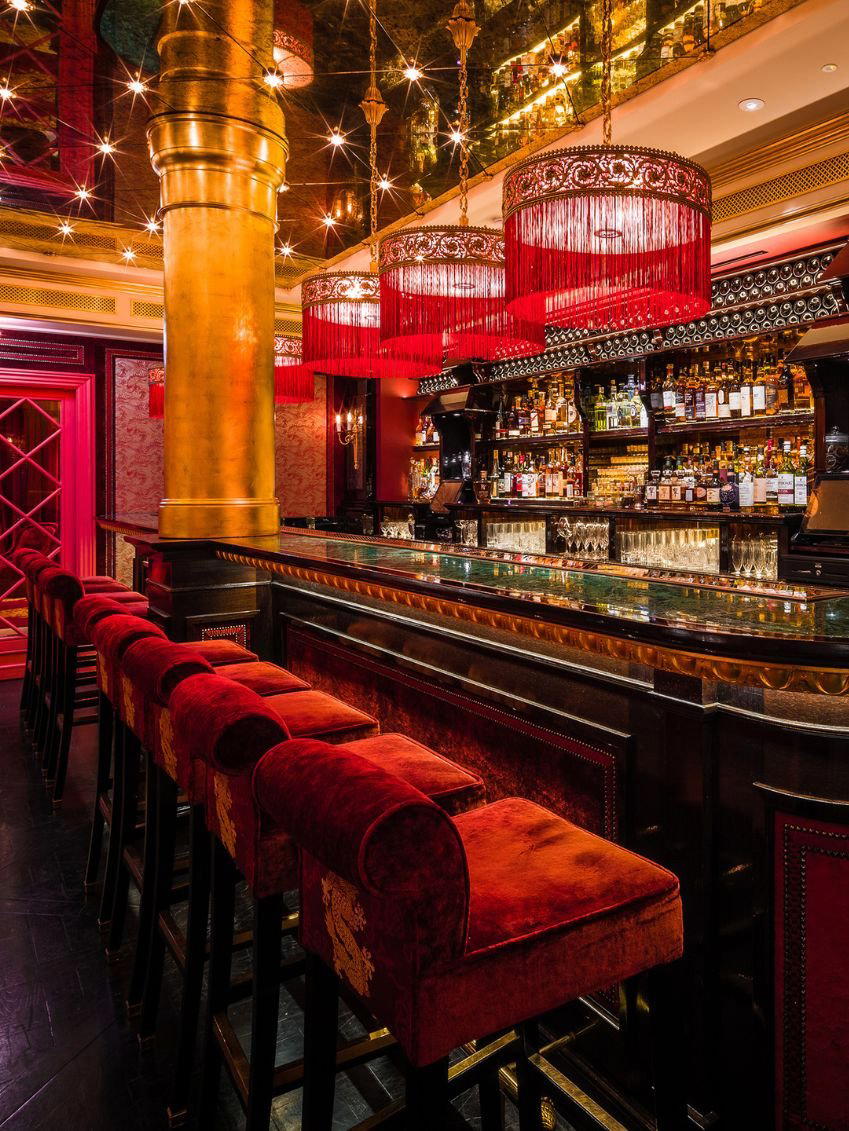
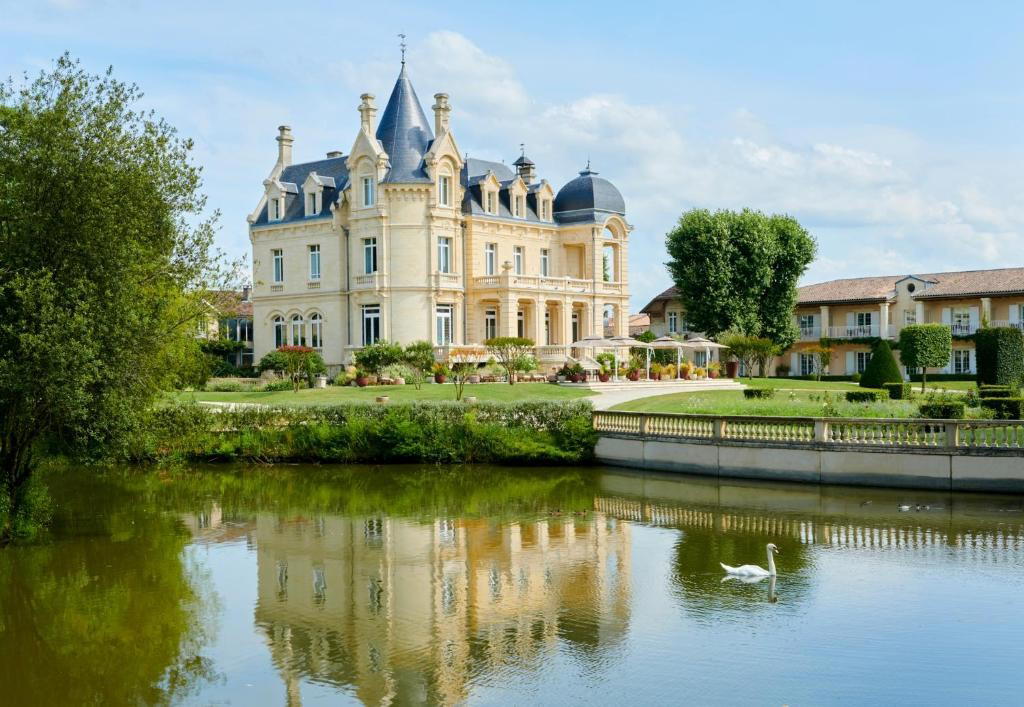
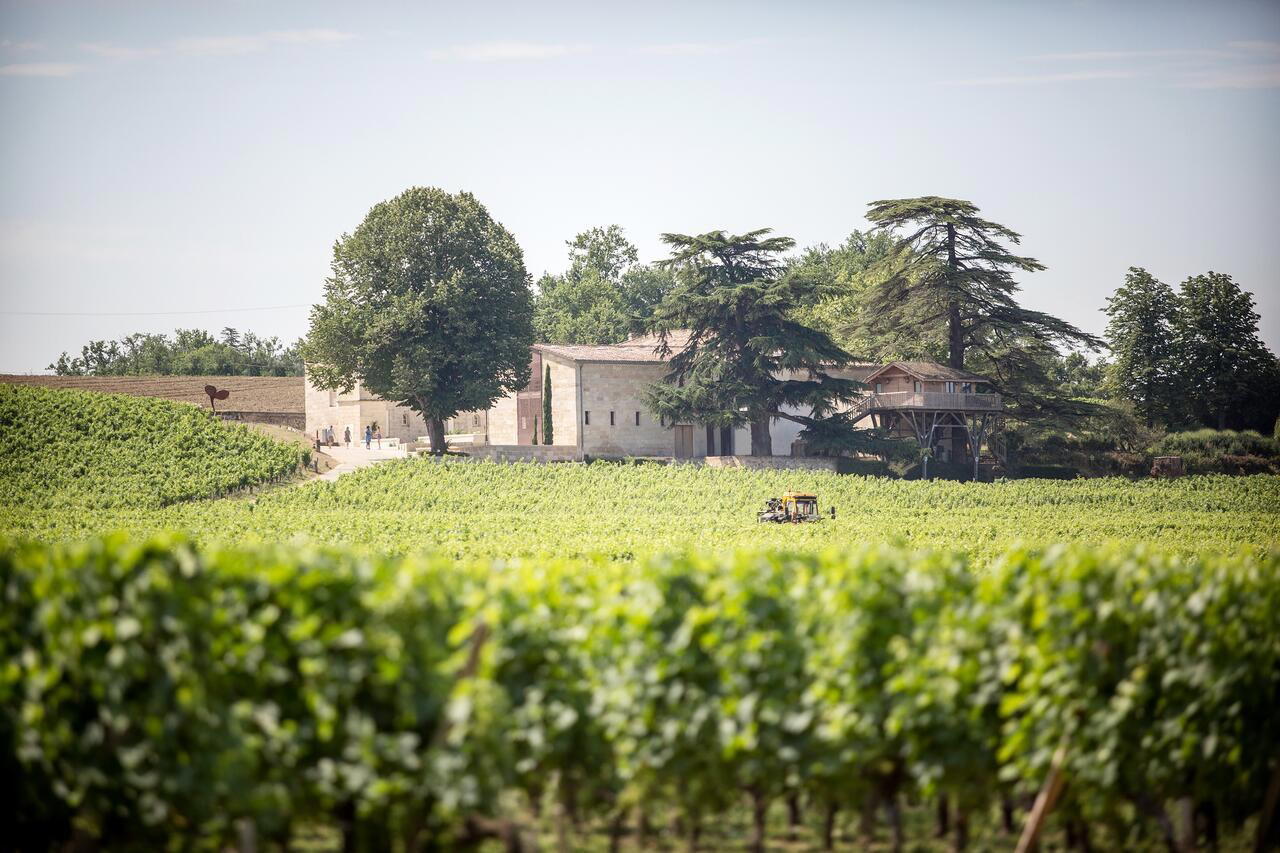
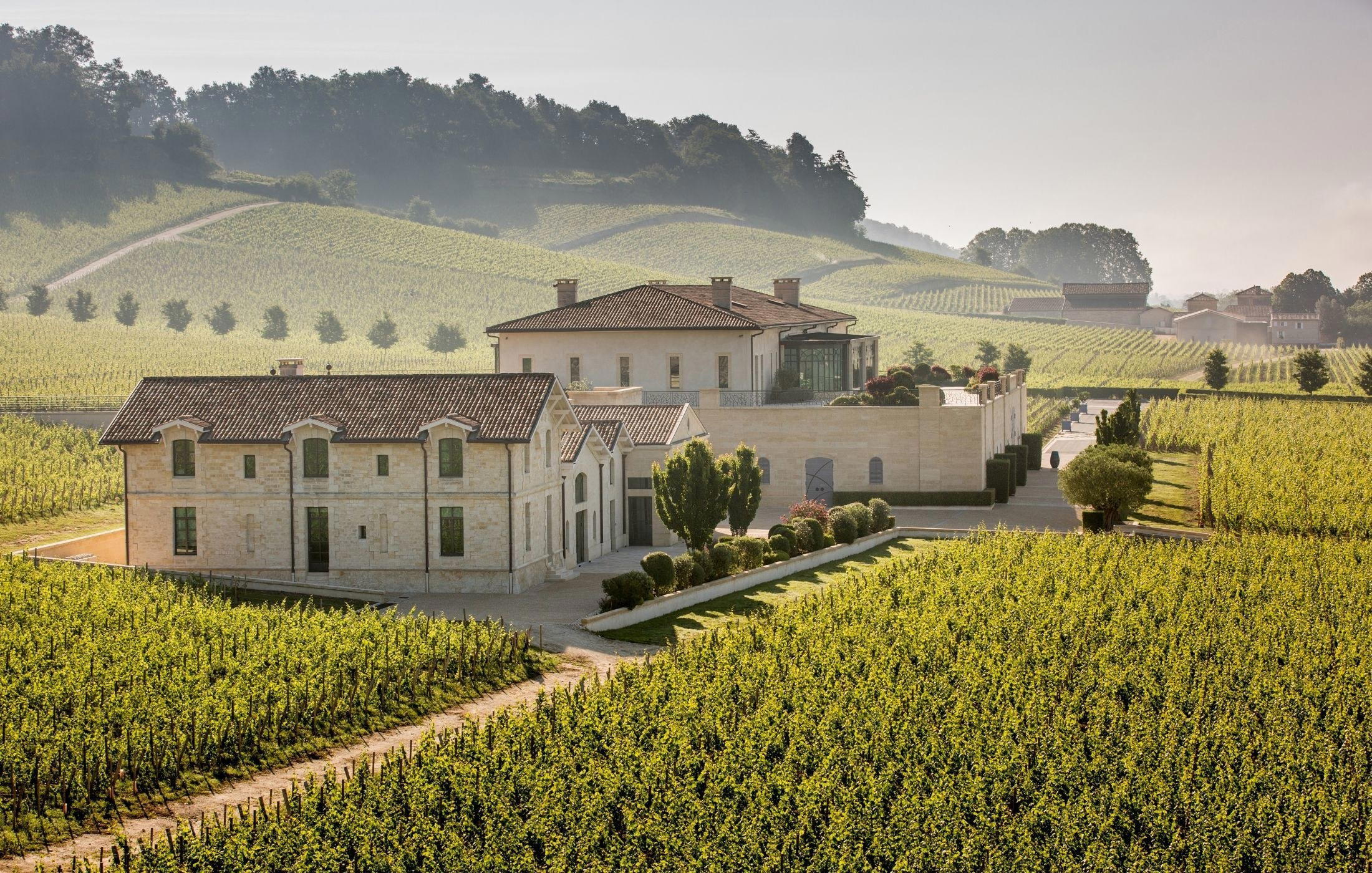
Elegant, meticulous estate setting focused on precision viticulture and a polished Merlot-driven identity.