

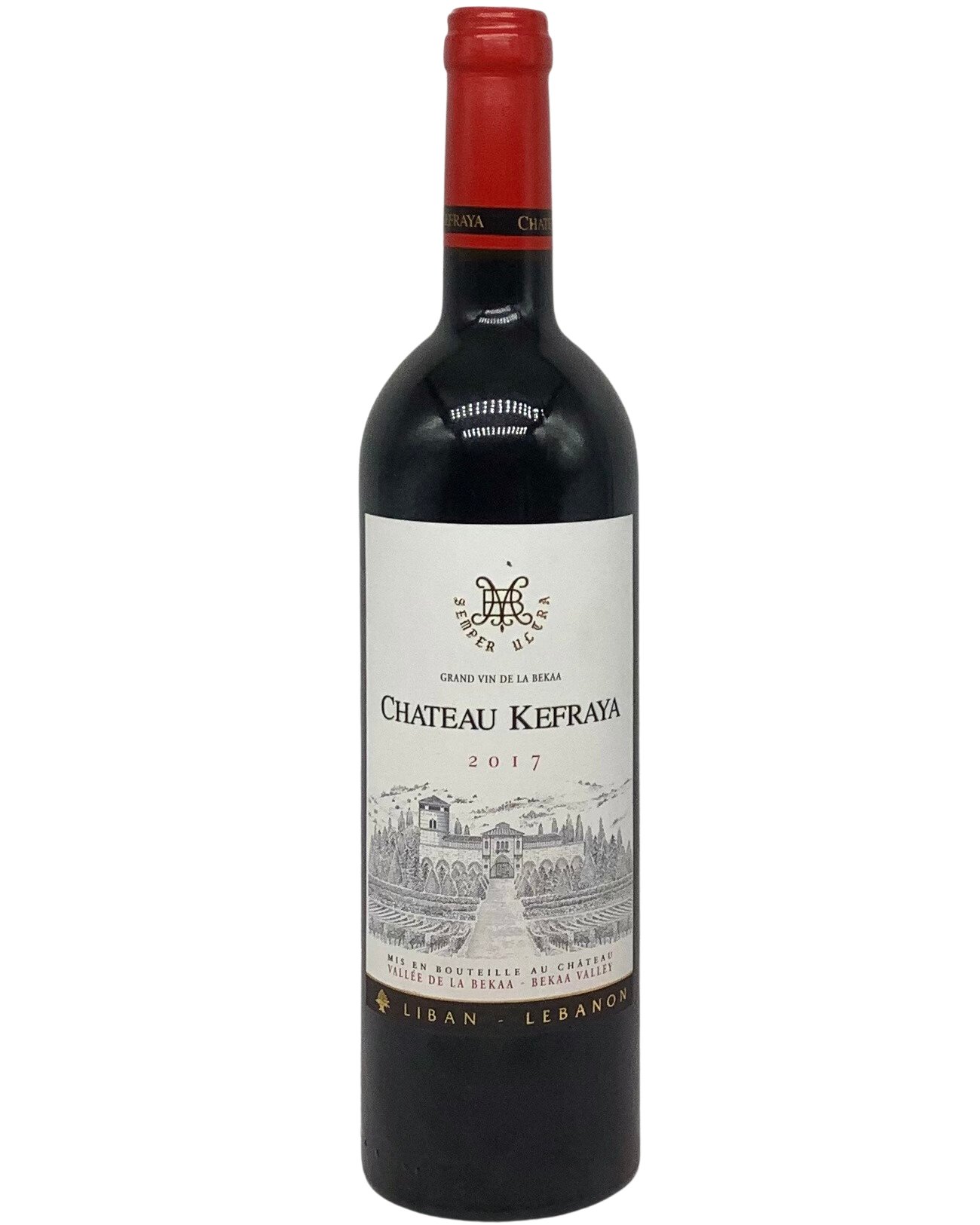
Château Kefraya sits in the Bekaa Valley's western reaches, where the elevation and Mediterranean-continental climate produce wines that carry the character of the land as directly as anywhere in Lebanon. A 2025 Pearl 3 Star Prestige recognition places it among the country's most closely watched estates, drawing visitors to Kafraya for cellar visits and tastings in a region whose winemaking history predates most of Europe's celebrated appellations.
Where the Bekaa Speaks for Itself
The western Bekaa Valley does not ease you in gently. The terrain announces itself from the road: limestone ridges catching afternoon light, vine rows tracing the contours of a plateau that sits roughly 1,000 metres above sea level, and an atmosphere — dry, bright, thin — that tells you immediately why grapes grown here behave differently from those cultivated closer to the coast. Arriving at Château Kefraya, the physical context is already doing half the storytelling before you reach the cellar door.
That elevation is not incidental. It is the defining variable in the Bekaa's western corridor. Long growing days accumulate phenolic ripeness in the berries, while cool nights slow the process, preserving the natural acidity that keeps wines from tipping into flatness. The result, across the estates that work this particular pocket of Lebanon, is a structural character in the wines , tannin, spine, the capacity to age , that distinguishes Bekaa production from warmer, lower-altitude growing zones in the region. Château Kefraya sits inside that tradition, working soils and microclimates that have shaped Lebanese viticulture for generations. For context on how other Bekaa producers approach the same terroir differently, the profile of Château Héritage in Bekaa Valley is worth setting alongside this one.
The Terroir Argument
Lebanon's wine story is often told through its historical narrative , Phoenician trade routes, ancient pressing floors, the argument that this is one of the world's oldest continuously producing wine regions. That context is real and worth holding. But for a visitor at Château Kefraya today, the more pressing story is the one written in the soil profile beneath the vines.
The Bekaa Valley sits between two mountain ranges: the Lebanon Mountains to the west and the Anti-Lebanon range to the east. The valley floor and its flanking slopes receive less rainfall than the coastal strip, and the soils , predominantly calcareous clay and limestone , drain well and force vine roots to work harder and deeper. That root stress, in the right hands, concentrates what ends up in the glass. The wines emerging from this kind of growing environment tend toward mineral definition and savouriness over direct fruitiness, a quality that has given Lebanese wine a reference point in international discussions about Mediterranean viticulture.
For comparison, producers working in Lebanon's southern zones , such as Karam Wines in Southern Lebanon , contend with different soil compositions and altitude profiles, which produces a distinct set of stylistic results. The contrast between these producing zones illustrates how diverse Lebanon's wine geography actually is, compressed into a country smaller than many single appellations in France or Spain.
Recognition and Peer Position
In 2025, Château Kefraya received a Pearl 3 Star Prestige recognition, placing it among Lebanon's most closely evaluated estates. Within a national wine scene that has attracted increasing international critical attention over the past two decades, a three-star prestige designation signals consistent quality at the top tier of domestic production, not simply a strong regional showing.
The Lebanese wine category has expanded significantly since the 1990s, with estates like Château Cana contributing to a broader argument that the country's production merits serious engagement from collectors and critics operating well beyond the region. Château Kefraya sits in the cohort of estates that have anchored that reputation longest, occupying a peer set defined not by volume or marketing reach but by the consistency of what the vineyard produces year after year.
To understand how this tier of recognition translates globally, it helps to look at the international estates in EP Club's portfolio operating at comparable prestige levels: producers like Accendo Cellars in St. Helena, Adelaida Vineyards in Paso Robles, or Adelsheim Vineyard in Newberg each occupy specialist niches within their own regional hierarchies, much as Château Kefraya does within Lebanon's. The Achaia Clauss operation in Patras offers another useful Eastern Mediterranean reference point for understanding how ancient wine-producing regions build modern credibility.
Visiting Kafraya
Kafraya is a small village in the western Bekaa, and the estate occupies a significant portion of the surrounding agricultural land. The area is reached most directly from Beirut via the mountain pass through Dahr el Baidar , a drive that takes roughly 90 minutes under normal conditions and provides a useful sense of the topographic shift between the coastal city and the high valley. Visitors coming specifically for the wine region will find that combining a stop at Château Kefraya with broader exploration of the valley's producers makes practical sense; the distances between major estates are manageable within a single day's circuit.
The broader Kafraya area offers limited hotel infrastructure, which means most visitors base themselves in Zahle , the Bekaa's main urban centre and a town with its own well-documented food and arak culture , or plan the estate visit as a day trip from Beirut. Our full Kafraya hotels guide has current options for those who prefer to stay closer to the vineyard. For a fuller picture of what the area offers beyond wine, the Kafraya restaurants guide, bars guide, experiences guide, and the dedicated Kafraya wineries guide provide the supporting context for building a stay around the region's production.
The Wider Estate Context
Estates working at this scale in Lebanon typically combine wine production with visitor infrastructure , tasting rooms, cellar tours, and in many cases restaurant or hospitality facilities that give the wines a food context. The Bekaa's largest producers have operated on this model for decades, understanding that international visitors to Lebanon's wine country arrive with expectations shaped by experiences in Bordeaux, Napa, or the Rhône, and that meeting those expectations requires more than good wine in a bottle. Whether Château Kefraya offers a formal tasting programme, cellar tours, or on-site dining, we recommend confirming directly with the estate before visiting, as operating hours and tour formats in the Bekaa can vary seasonally.
For reference on how estates in other established wine regions have structured their visitor experiences at comparable prestige tiers, the profiles of Abadía Retuerta in Sardón de Duero and Alban Vineyards in Arroyo Grande offer useful comparative frames, as both operate in regions where terroir-led production sits alongside well-developed visitor programming. The Aberlour distillery in Aberlour is a different category but relevant for how a prestige-tier producer in a small geographic community builds an international audience through on-site experience.
Planning Your Visit
The Bekaa Valley visits tend to reward those who travel with some flexibility. Spring and harvest season (broadly September through October) are the periods when vineyards are most active and the valley most photogenic, but summer visits benefit from the dry heat and long evenings that characterise high-altitude Mediterranean viticulture at its most atmospheric. Winter closures or reduced programming are possible, so confirming estate access in advance is sensible regardless of the time of year.
Given the limited publicly available contact information for Château Kefraya at this time, the most reliable approach is to seek current details through the EP Club portal or the estate's own published channels when planning. The 2025 Pearl 3 Star Prestige recognition ensures that Château Kefraya remains a reference point in any serious engagement with Lebanese wine, and that position in the country's production hierarchy is not likely to change regardless of season.
Frequently Asked Questions
What's the vibe at Château Kefraya?
The estate sits in the western Bekaa village of Kafraya at roughly 1,000 metres elevation, and the atmosphere reflects that context: spare, agricultural, and serious in the way that production-focused wine estates tend to be when the landscape does most of the work. This is not a polished resort-winery experience. The draw is the terroir and the wines it produces, recognised at the Pearl 3 Star Prestige level in 2025, which places the estate firmly in Lebanon's upper production tier.
What do visitors recommend trying at Château Kefraya?
Given the estate's location in the Bekaa Valley's western corridor and its Pearl 3 Star Prestige standing, the red wines grown in limestone-calcareous soils at elevation are the most compelling case for visiting. The Bekaa is leading understood as red wine country first, shaped by growing conditions that favour structure and ageing potential over immediate fruitiness. Specific current releases and tasting notes should be confirmed with the estate directly, as we do not publish unverified sensory detail for wines we have not independently assessed in the current vintage.
What is Château Kefraya known for?
Château Kefraya is one of Lebanon's established estate producers, operating in the western Bekaa Valley in Kafraya. Its 2025 Pearl 3 Star Prestige recognition reflects a reputation for consistent quality within a national wine category that has attracted meaningful international critical attention over the past two decades. The estate is associated with the Bekaa's terroir-driven production model: high altitude, limestone soils, and a climate that produces wines with structural definition.
Do I need a reservation for Château Kefraya?
For cellar visits or formal tastings at production estates in the Bekaa Valley, advance contact is generally advisable. Château Kefraya's current booking process, hours, and visit format are leading confirmed directly with the estate. Phone and website details were not available in our current database at publication, so we recommend reaching out through updated channels or consulting the EP Club portal for the most current logistical information before travelling to Kafraya.
In Context: Similar Options
These are the closest comparables we have in our database for quick context.
| Venue | Cuisine | Price | Awards | Notes |
|---|---|---|---|---|
| Château Kefraya | Pearl 3 Star Prestige (2025); Awaiting Info; Awaiting Info; Awaiting Info | This venue | ||
| Château Héritage | ||||
| Château Oumsiyat | ||||
| Karam Wines | ||||
| Château Cana | ||||
| Château Heritage |
Access the Cellar?
Our members enjoy exclusive access to private tastings and priority allocations from the world's most sought-after producers.
Access the Concierge