Chioccioli

Chioccioli is a family-run Chianti Classico estate in Greve in Chianti, built around parcel-by-parcel vineyard work, Sangiovese-led wines, and a small-scale tasting format. Its strongest argument is terroir: marl and limestone soils, 300–500 metre vineyard elevations, biodiverse woods, and a portfolio that extends from Chianti Classico DOCG to Gran Selezione, Metodo Classico, and estate-linked spirits.
Pearl is the En Primeur Club membership app — saves, bookings, and concierge access live there. Same editors, same standards.
- Address
- Greve in Chianti, Tuscany, Italien
 Saves & bookings on Pearl
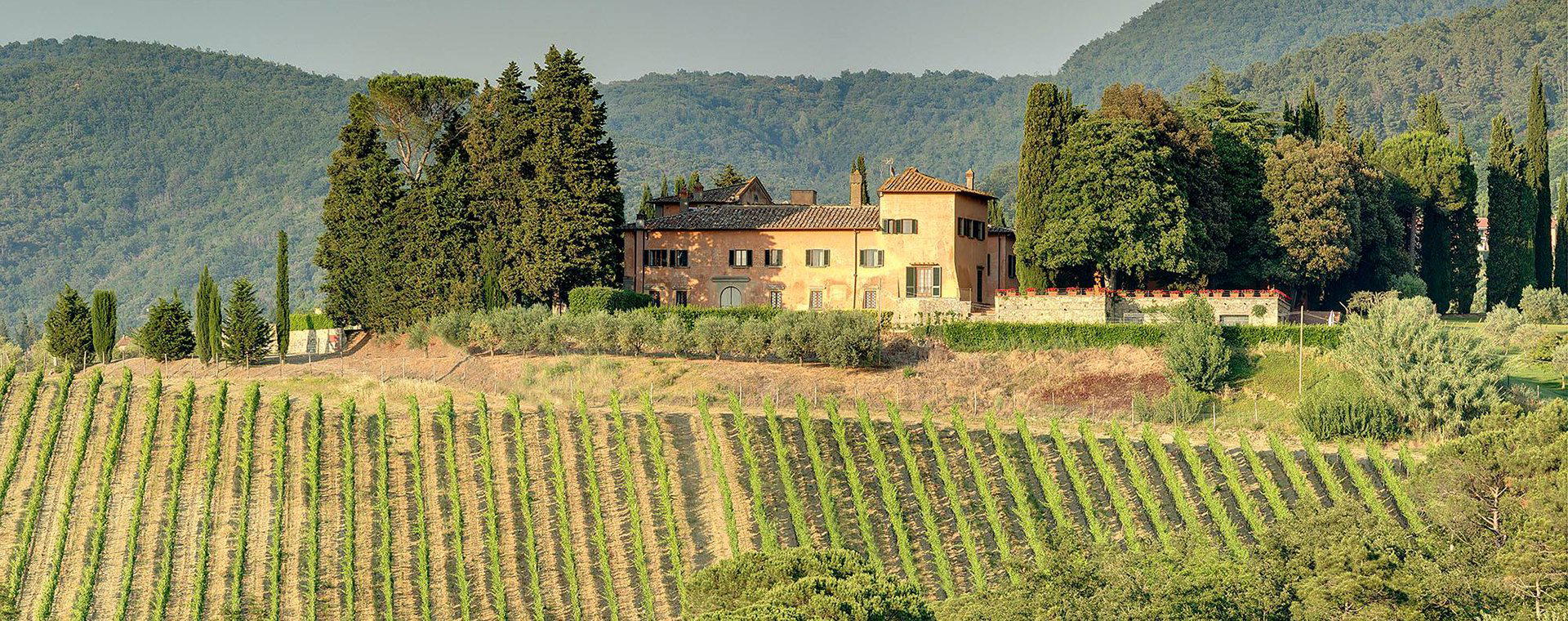
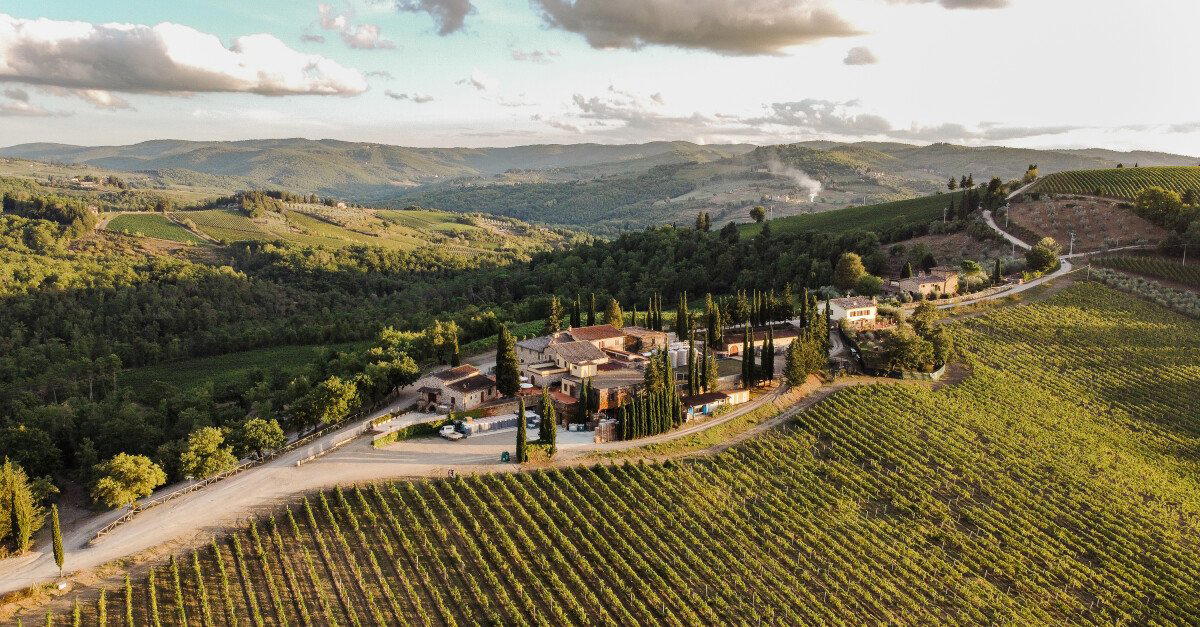
Approaching a Chianti Classico estate like Chioccioli, the first impression is not architecture but terrain: vineyard rows broken by woods, hill air, and the sense that the vines are working inside a larger ecological system rather than a cleared agricultural grid. In Greve in Chianti, that matters. The area’s reputation rests on Sangiovese, but the better conversations now concern altitude, soil, exposure, and how carefully a producer separates one parcel from another before fruit reaches the cellar.
Chioccioli sits squarely in that discussion. The estate works vineyards across Greve in Chianti, Gaiole in Chianti, and Querciagrossa, with sites between 300 and 500 metres and soils described as medium clay with marl and limestone. Those are not decorative details. In Chianti Classico, elevation can preserve acidity and aromatic lift, while limestone and marl tend to matter for structure, tension, and the savoury line that keeps Sangiovese from becoming merely ripe. The estate’s woods also play a practical role, acting as natural barriers, water reserves, and temperature moderators around the vineyards.
Parcel work gives the Chianti Classico wines their argument
The more serious end of Chianti Classico has moved away from generic regional charm and toward site literacy. Chioccioli reflects that shift through manual vineyard work and parcel-by-parcel harvesting, with picking decisions made according to variety, vineyard, elevation, and exposure. Grapes are collected by hand in small boxes, rested overnight in cold storage at 8°C, then moved into production with the aim of preserving freshness before fermentation. That level of handling is not theatrical; it is how a small estate protects fruit character before cellar technique begins to shape the wine.
The portfolio follows the logic of that vineyard separation. Chioccioli and Altadonna operate as two wine lines, with Chianti Classico DOCG, Gran Selezione, Super-Tuscan blends, still whites, and sparkling wine in the wider range. The estate works Sangiovese alongside Merlot, Cabernet Sauvignon, and Syrah, which places it between classic regional identity and the broader Tuscan habit of blending local and international varieties. In practice, the key lens remains Chianti Classico rather than novelty: the wines are framed around territorial expression, not cellar spectacle.
Recognition gives the estate a useful external marker without turning the visit into a trophy exercise. Carismante Chianti Classico Gran Selezione 2019 received 94 points from James Suckling, while Falstaff has evaluated Fossivento Chianti Classico DOCG 2021. Those signals matter because Gran Selezione has become a competitive category for producers trying to show depth, ageing capacity, and site definition within the denomination. The estate’s price level sits in the $$$ bracket, which aligns it with a more considered tasting purchase rather than casual roadside sampling.
Wine, spirits, and the new Chianti cellar conversation
Chianti Classico is not a static museum of Sangiovese, and Chioccioli’s wider project makes that clear. The family-run estate connects wine production with Winestillery, founded in 2018 and described as the first craft distillery in Chianti Classico. The point is not that gin and whisky replace the wine story. It is that a growing number of Tuscan producers are treating grape skins, casks, local raw materials, and cellar knowledge as part of a broader craft vocabulary.
That matters for visitors who want more than a linear vineyard-to-glass explanation. The estate’s wine work remains grounded in Chianti Classico DOCG, but the spirits side adds a second reading of the same territory: casks, distillation, and grape-derived materials reframed through a different format. Enrico Chioccioli Altadonna’s distillation training in Conegliano and Cognac gives that side technical credibility, while Niccolò Chioccioli Altadonna is named as winemaker. The family credentials are relevant because they support the production model, not because the personal narrative is the main event.
Sustainability is also part of the estate’s position. Integrated pest management and biological conversion point toward lower-input farming, while the surrounding woodland gives the vineyards a natural buffer and biodiversity reserve. In a region where the word terroir is often used loosely, those choices are concrete: soil, altitude, plant life, shade, airflow, and harvest timing all become part of the same agricultural system.
Who should put it on a Greve in Chianti wine itinerary
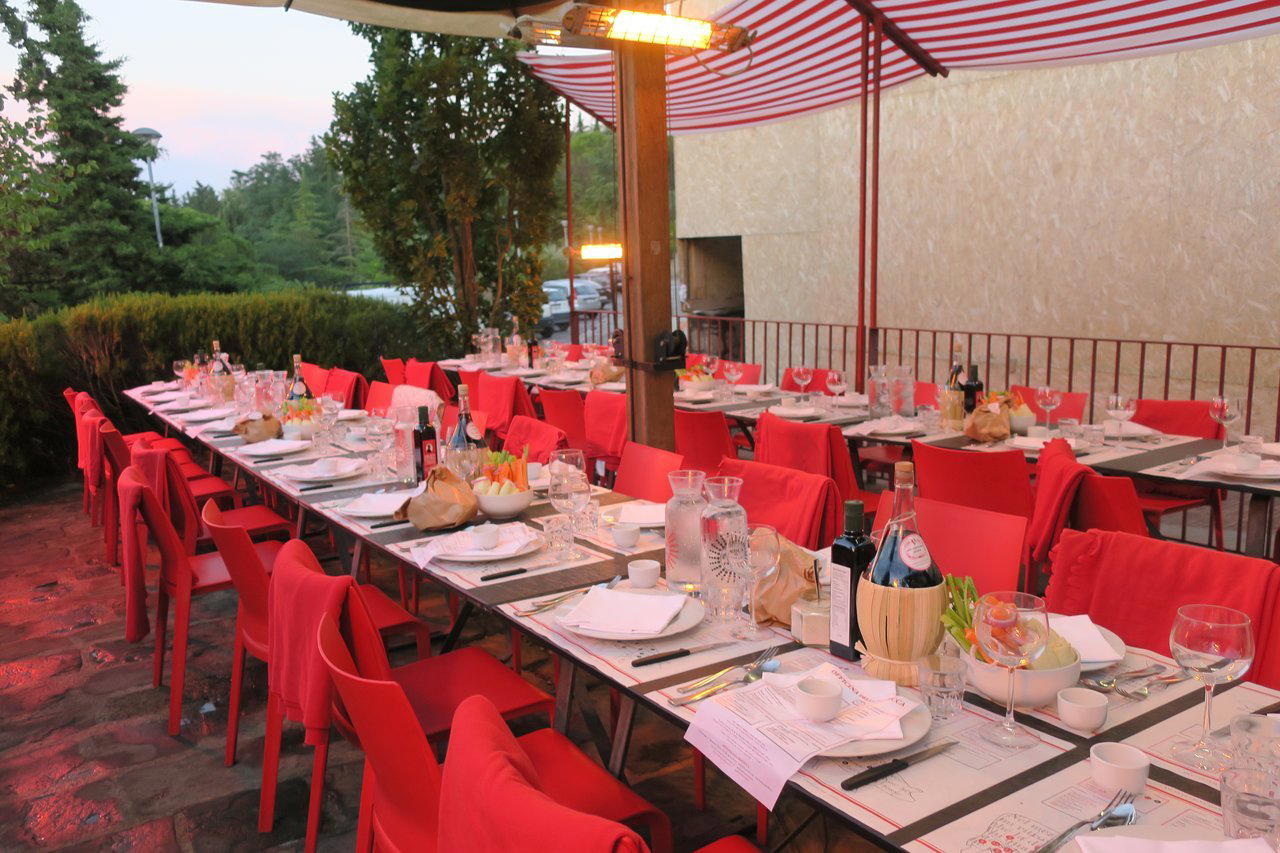
The strongest fit is the traveller who wants wine education at small-estate scale: guided tasting, private tasting, vineyard context, and a quieter setting rather than a high-volume cellar stop. The experience is appointment only, with Italian and English listed for tours, on-site parking, outdoor seating, wine club access, shipping availability, and food pairing noted among the hospitality features. It is better suited to adults focused on wine, terroir, and production than to families looking for a broad countryside activity, as the estate is not listed as child-friendly or dog-friendly.
Within a Greve in Chianti itinerary, Chioccioli works as the terroir-focused anchor: a place to understand how altitude, marl, limestone, woods, and manual selection shape the glass. For broader planning around the area, use Our full Greve in Chianti wineries guide, then pair the wine day with Our full Greve in Chianti restaurants guide, Our full Greve in Chianti hotels guide, Our full Greve in Chianti bars guide, and Our full Greve in Chianti experiences guide. Other Greve in Chianti winery pages worth mapping for regional context include Ambrogio e Giovanni Folonari Tenute, Antico Borgo di Sugame, Azienda Agricola La Torraccia di Presura, Basilica Cafaggio, and Cafaggio.
Travellers building a wider European wine route can also compare regional approaches through 3GP SRL in Treviso, 47 Anno Domini in Trebaseleghe, A Mano Wine in Noci, »der Steiner« Hans Steiner in Podersdorf am See, and & Handwein in Mannheim. The useful comparison is not style-for-style; it is seeing how small producers use local climate, farming choices, and hospitality format to explain place.
Recognition history
Dated appearances from independent guides and award organizations, with the underlying list record or original source where available.
Falstaff Winery - Listed
Falstaff
Continue exploring
More in Greve in Chianti
Wineries in Greve in Chianti
Browse all →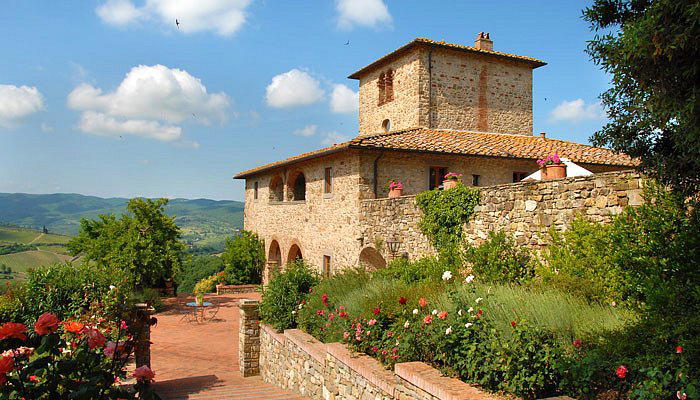
Bars in Greve in Chianti
Browse all →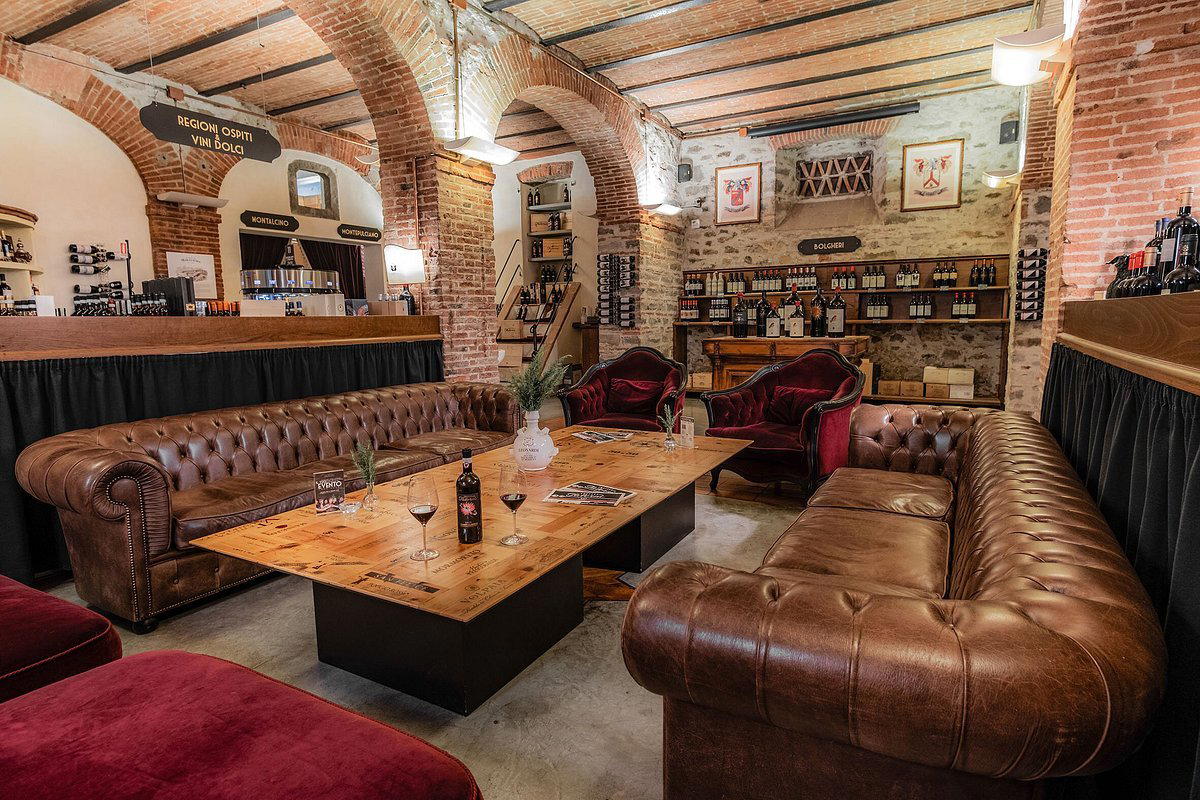
Restaurants in Greve in Chianti
Browse all →
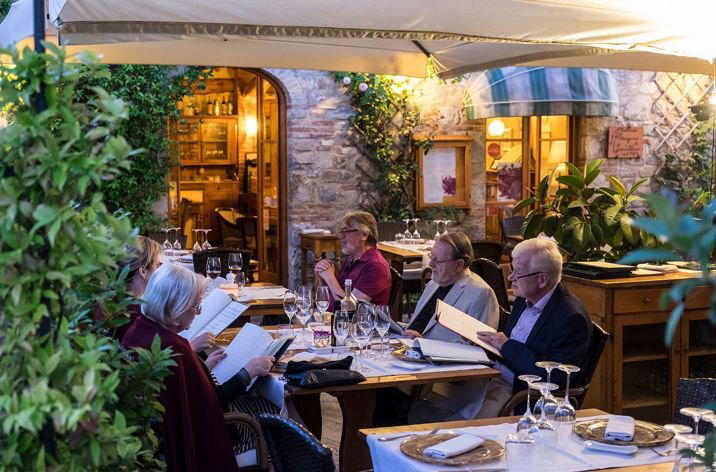
At a Glance
- Scenic
- Rustic
- Romantic
- Intimate
- Elegant
- Romantic Getaway
- Group Outing
- Wine Education
- Special Occasion
- Solo Exploration
- Vineyard Tour
- Estate Grounds
- Private Tasting
- Panoramic View
- Sustainable
- Organic
- Vineyard
- Garden
- Mountain
- Chianti Classico DOCG
- Sangiovese
- Merlot
- Cabernet Sauvignon
- Syrah
- Still Red
- Still White
- Sparkling
- Guided Tasting
- Private Tasting
- Tour And Tasting
Family-run Chianti Classico estate surrounded by woods and vineyards, with a strong focus on terroir, manual vineyard work, and an intimate, educational tasting experience that blends tradition and innovation.