Chateau Montlisse

Falstaff Winery - Listed
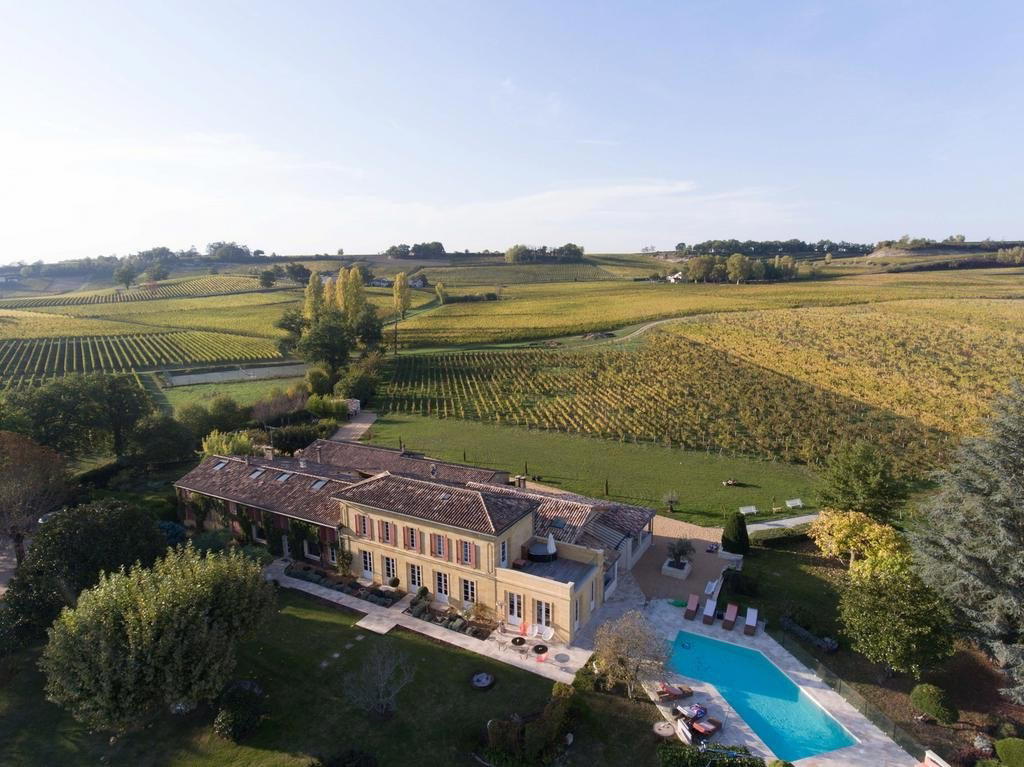
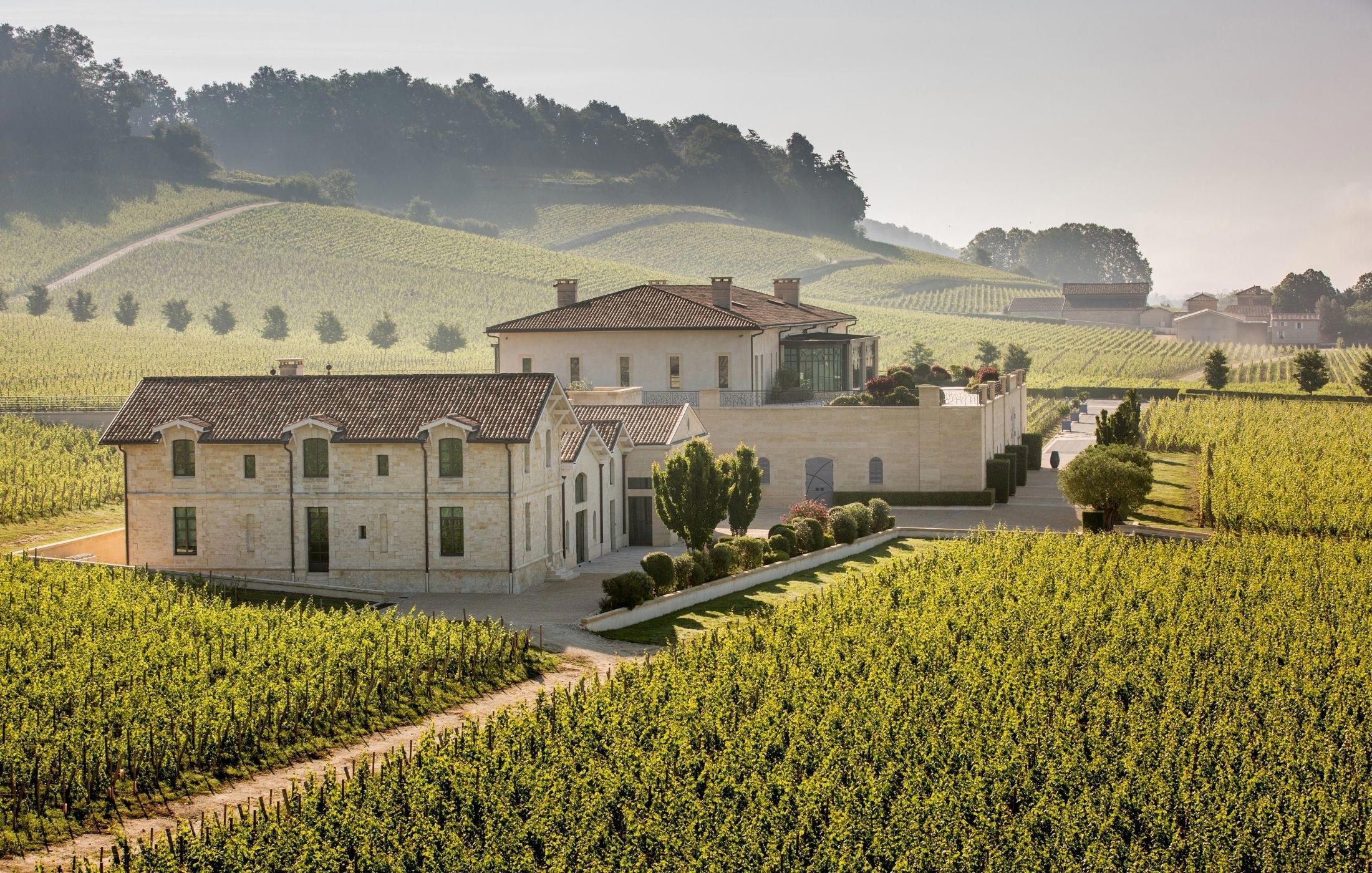
Chateau Montlisse is a small Saint-Émilion Grand Cru AOC estate shaped by Merlot, clay-limestone soils, and French oak aging. Its seven-hectare vineyard, Dauriac family ownership, and roughly 2,800-case production place it in the intimate, cellar-focused side of right-bank Bordeaux rather than the high-volume visitor circuit.
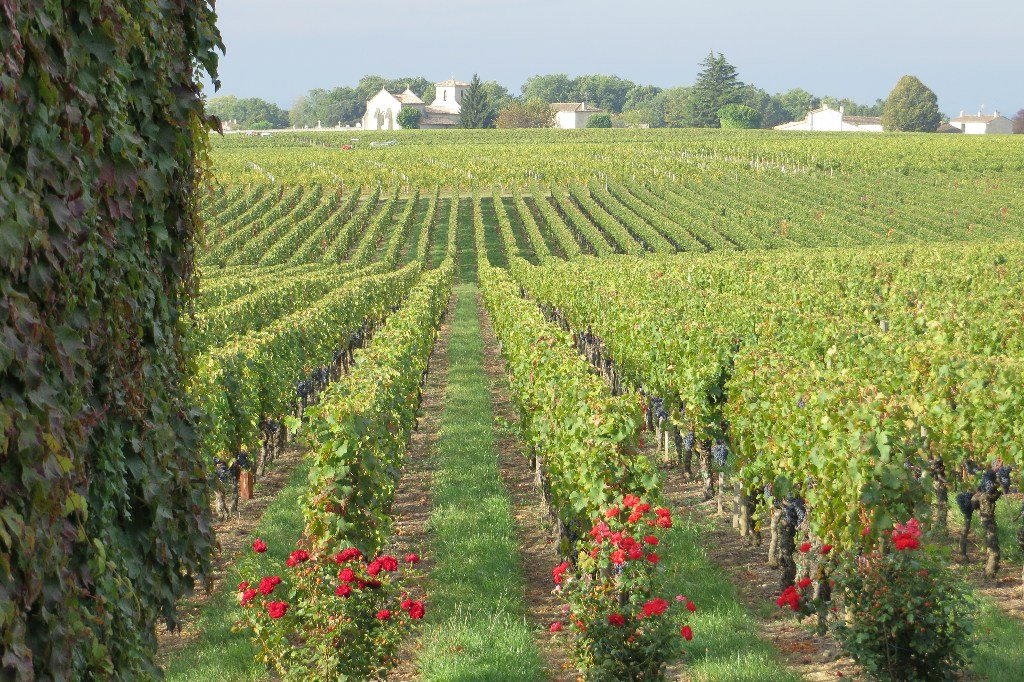
Chateau Montlisse is a Saint-Émilion venue best understood through right-bank Bordeaux: rich, powerful yet refined Saint-Émilion Grand Cru reds, dark-fruited depth, oak-aged complexity, and substantial, velvety textures. Its appeal is classic rather than theatrical, with a romantic, elegant, scenic character for travelers drawn to the traditional side of the appellation. Based on the information available here, it should not be approached as a casual bar, restaurant, or highly programmed visitor attraction. It reads as a wine-led address anchored in the style and reputation of Saint-Émilion Grand Cru.
That restraint matters in a region where estates vary widely in how they receive visitors and how much practical information they publish. What can be said confidently is that Chateau Montlisse sits within the Saint-Émilion Grand Cru context and is associated with a polished, structured red-wine profile rather than a casual wine-bar or restaurant identity. For planning, the safest reading is stylistic and contextual, not logistical.
Right-bank character and Saint-Émilion Grand Cru reds
Saint-Émilion is often discussed through right-bank Bordeaux themes: ripe dark fruit, texture, oak influence, and refined power. Chateau Montlisse fits that frame as a traditional estate focused on Saint-Émilion Grand Cru reds with substantial, velvety structure. The key words are not novelty or spectacle, but concentration, polish, and balance between richness and restraint.
Within that frame, dark fruit suggests a deeper, more generous register than a light or brisk red-wine profile, while oak-aged complexity points to a layered style where texture and structure matter. Velvety texture implies a wine experience built around weight, softness, and depth rather than sharp edges or purely refreshing simplicity. None of this requires claiming a precise blend, method, or cellar routine. It reflects the way this venue is presented: as a right-bank Bordeaux estate whose wines are described through richness, power, refinement, and structure.
Those details should not be treated as confirmed planning facts unless obtained directly from the estate or another reliable current source. “Saint-Émilion Grand Cru” helps readers understand the category, but it does not answer practical questions about visits, tastings, availability, or service. Approach Chateau Montlisse as a classic Saint-Émilion Grand Cru reference point: dark-fruited, oak-complex, polished, and focused on depth and texture. That makes it useful for understanding the appellation even while visitor details remain limited.
Where the wine sits in Saint-Émilion drinking
Chateau Montlisse is listed at a $$$ price level. On a venue page, that is a broad signal, not a substitute for current pricing or availability. It places the estate in a more serious, wine-focused bracket, but should not be stretched into assumptions about bottle costs, tasting fees, or visit terms. As elsewhere, the strongest information is style and category, not a detailed commercial or operational picture.
Stylistically, the estate is associated with rich and powerful yet refined Saint-Émilion Grand Cru reds. Language around dark fruit, oak-aged complexity, and velvety texture is more reliable than unsupported specifics about pairings, drinking windows, vintage scores, or named critics. Those details may be tempting because Saint-Émilion invites detailed wine discussion, but they would exceed what is established here. The accurate focus is the broad profile: serious right-bank red wine, structured but polished, with enough richness and texture to feel substantial.
Saint-Émilion itself helps frame the category. A serious trip can pair wine-focused visits with meals, hotels, and broader local context, but any practical plan should be checked against current information from the venue or another reliable source. That is especially important when a page is intentionally cautious about unconfirmed details. Chateau Montlisse belongs mentally within the region’s classic wine landscape, but a traveler’s next step should be verification, not assumption. The editorial value is orientation: knowing the wine identity before making concrete plans.
A traditional estate for readers who care about structure
Chateau Montlisse is best framed as a traditional right-bank Bordeaux estate rather than a page with confirmed details about a tour route, tasting-room format, seat count, hours, or visitor capacity. The identity is wine-led: Saint-Émilion Grand Cru reds with dark fruit, oak-aged complexity, and substantial, velvety textures. Readers who care about structure, polish, and classical Bordeaux vocabulary will find this framing most useful. It keeps the focus on the estate’s stated character and avoids turning a concise profile into visitor promises.
That traditional framing clarifies who the venue will appeal to most. It suits readers looking for a romantic, elegant, scenic expression of Saint-Émilion rather than a loud or highly contemporary experience. The attraction lies in the seriousness of the wine language: richness without losing refinement, power without abandoning polish, and texture as a central appeal. Those cues help distinguish one kind of Saint-Émilion stop from another.
Readers building a Saint-Émilion itinerary can place Chateau Montlisse within a broader, unnamed study of local dining, hotels, bars, and wine experiences, while confirming practical visit details directly before traveling. Used that way, the venue functions as a classic appellation reference point rather than a fully mapped hospitality listing. The responsible reading is to appreciate the established wine profile, keep expectations grounded, and rely on current direct confirmation for anything operational.
Frequently asked questions
Is Chateau Montlisse more formal or casual?
Chateau Montlisse reads as classic and elegant rather than casual, with a traditional right-bank Bordeaux identity and a focus on Saint-Émilion Grand Cru reds.
What part of town is Chateau Montlisse in?
Chateau Montlisse is in Saint-Émilion.
How pricey is Chateau Montlisse?
Pricing at Chateau Montlisse is listed as $$$.
What is Chateau Montlisse known for?
Chateau Montlisse is known for Saint-Émilion Grand Cru reds with rich, powerful yet refined character, dark fruit, oak-aged complexity, and substantial, velvety textures.
Should I book Chateau Montlisse in advance?
Confirm current access, reservations, and tasting details directly before planning a visit to Saint-Émilion.
Recognition history
Dated appearances from independent guides and award organizations, with the underlying list record or original source where available.
Falstaff Winery - Listed
Falstaff
Request a visit to Chateau Montlisse
Tell us when you would like to go and how many people, and we put the request to the estate and reply to you by email.
Continue exploring
More in Saint-Émilion
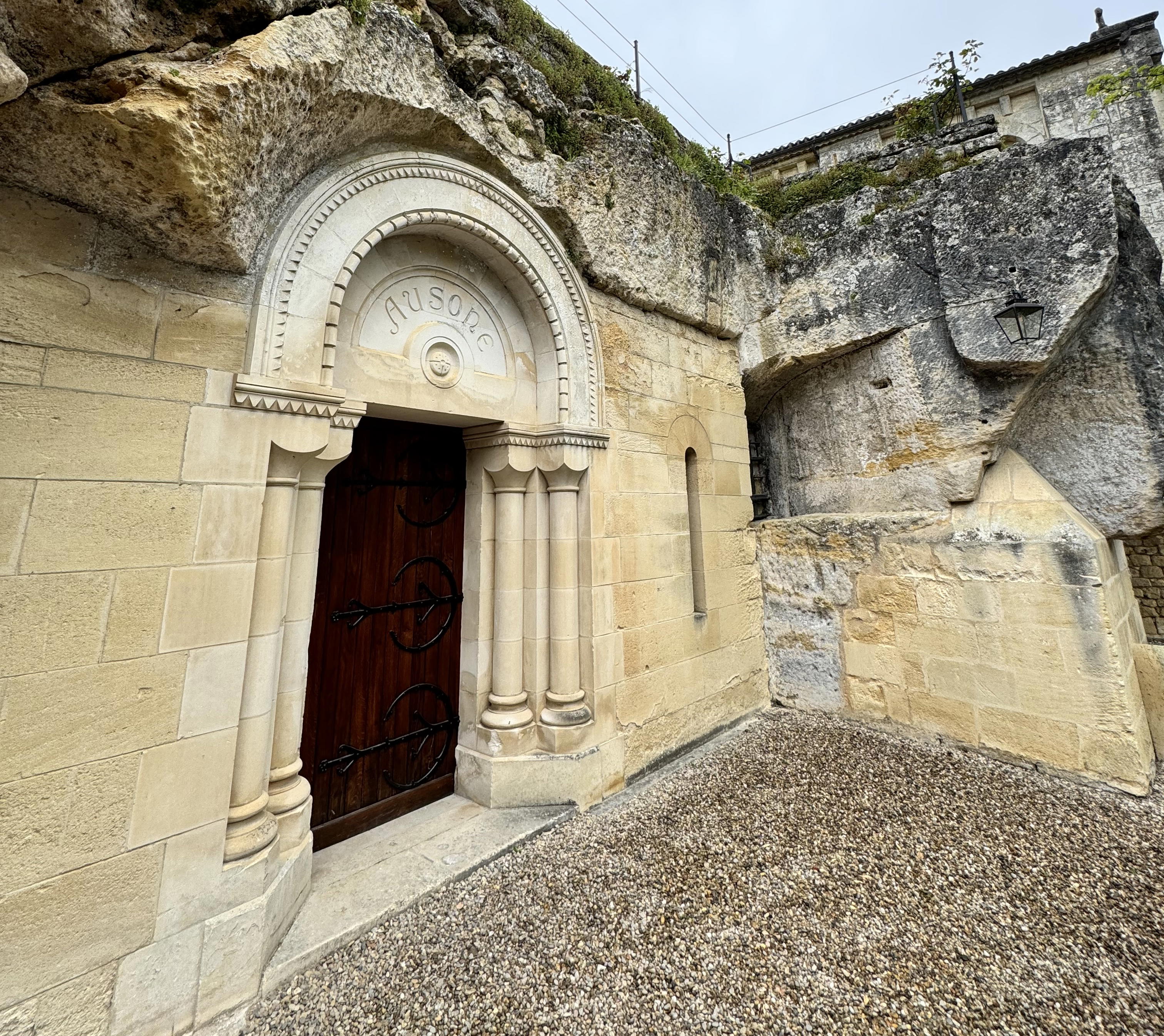
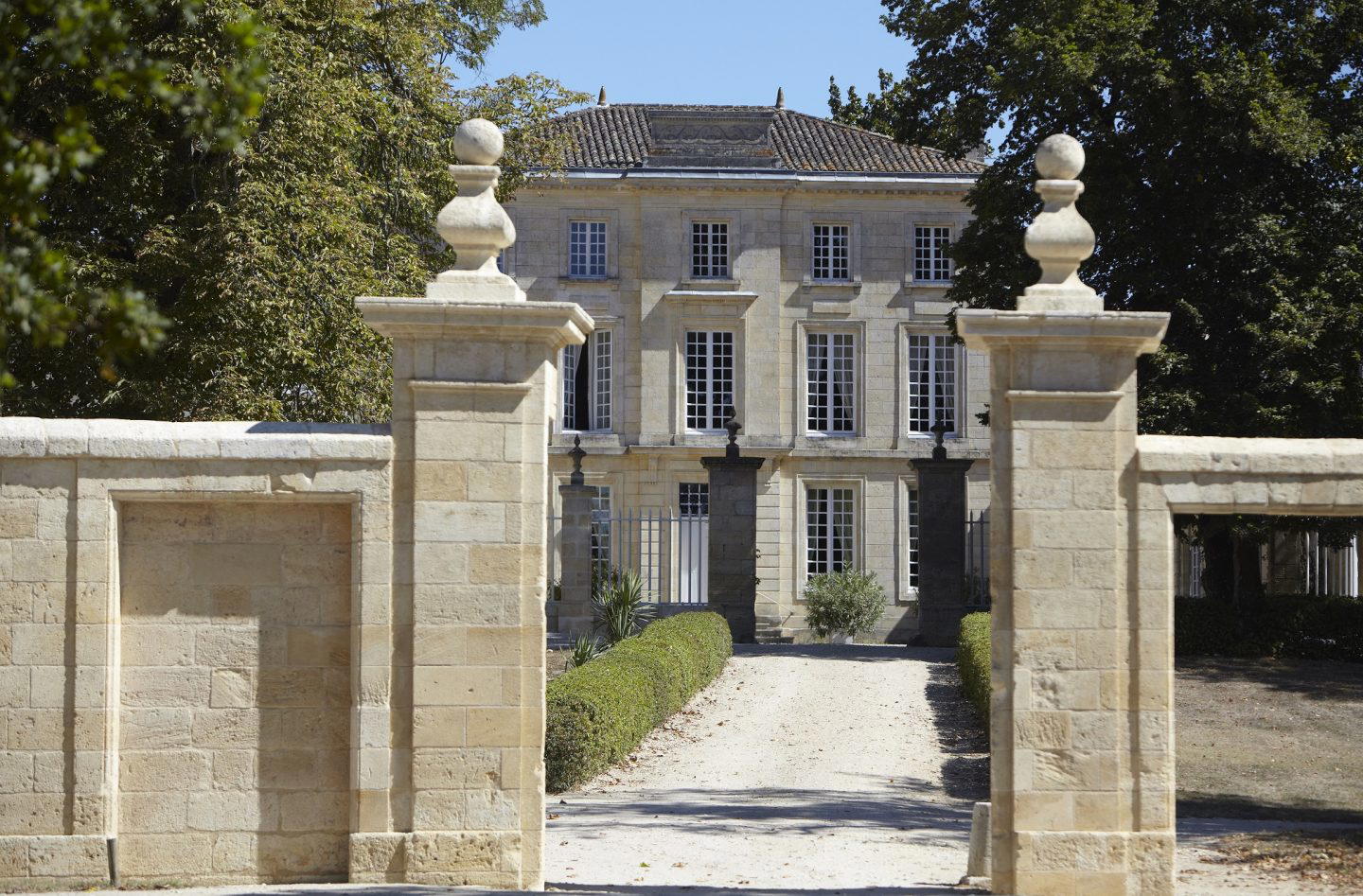
Wineries in Saint-Émilion
All wineries in Saint-Émilion →
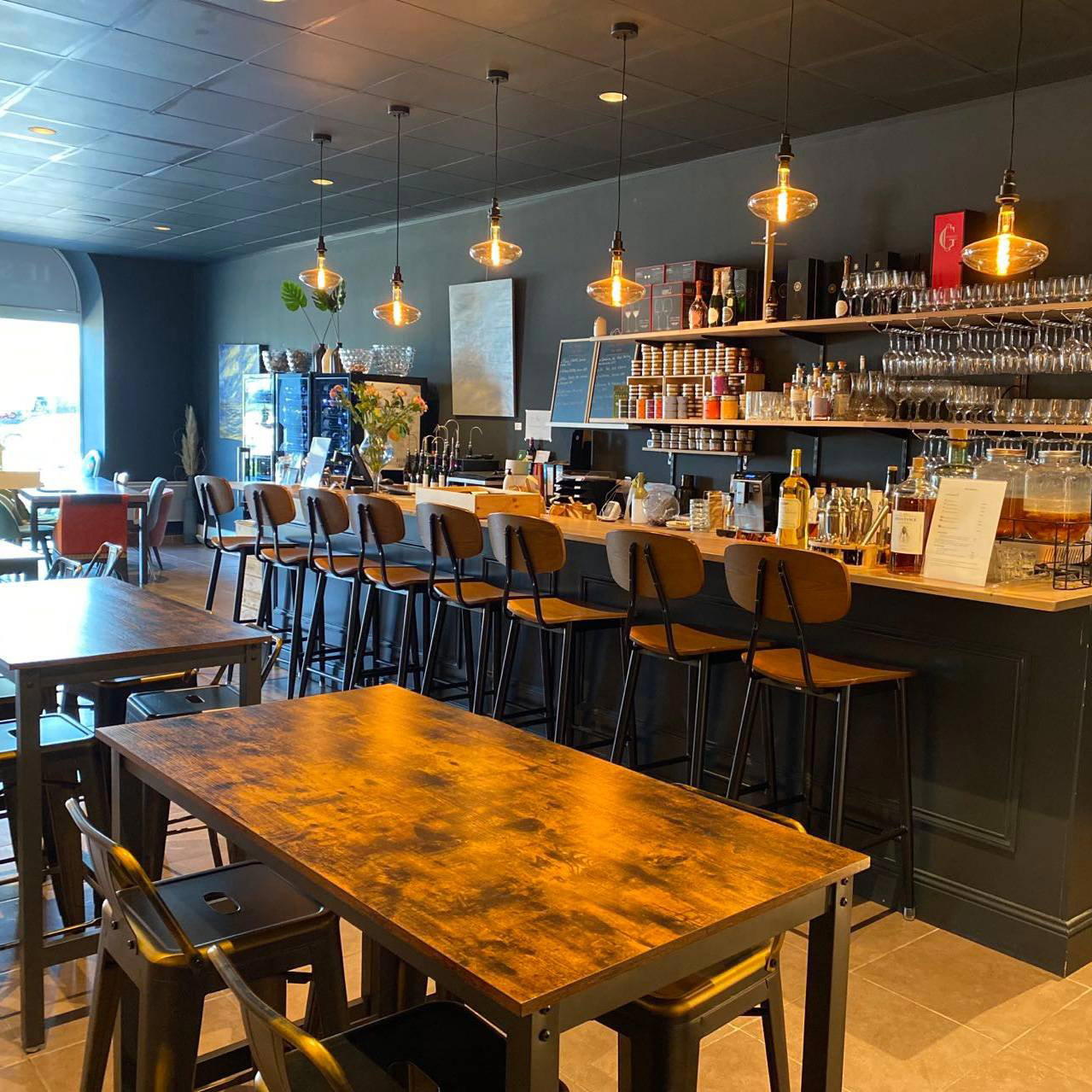
Bars in Saint-Émilion
Browse all →

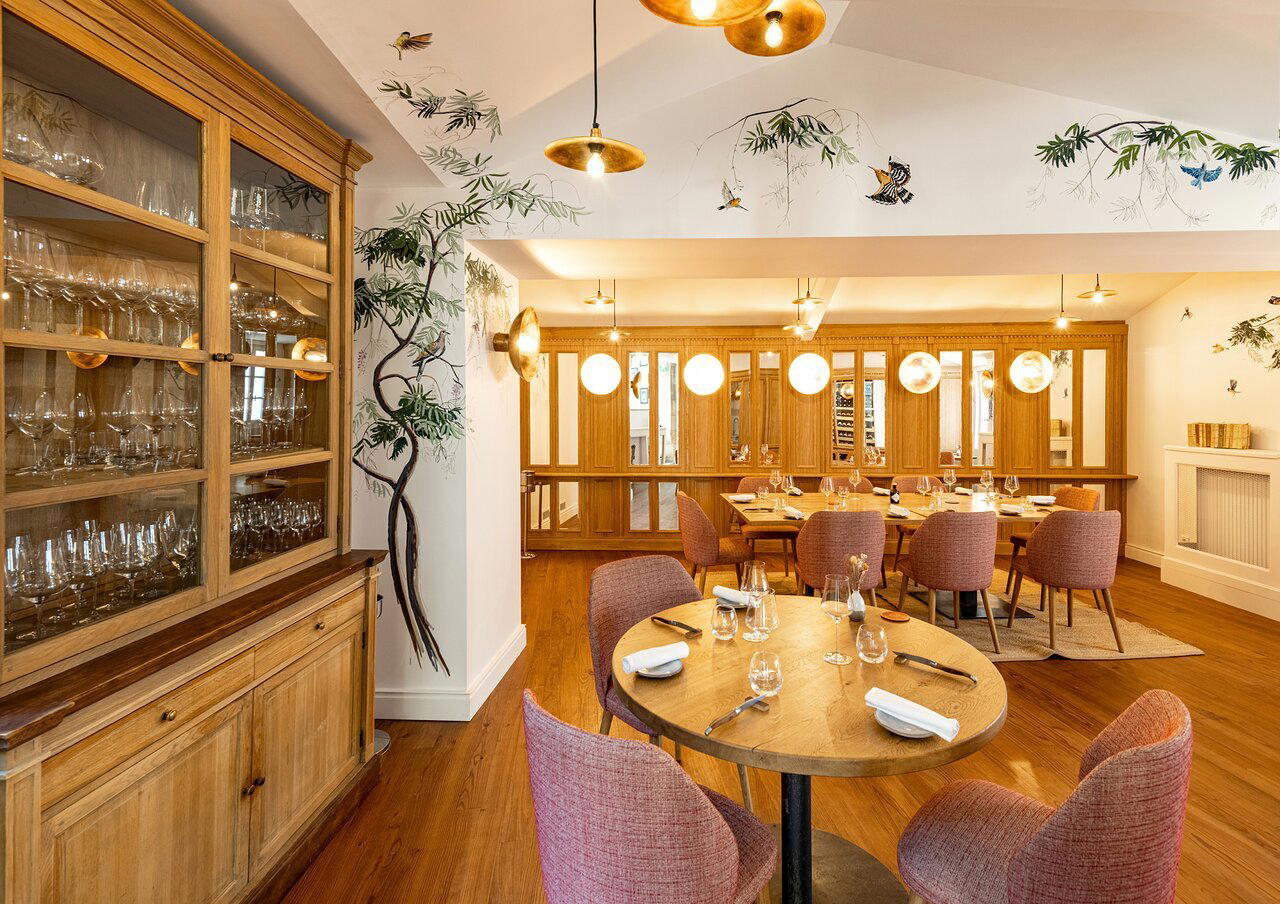
Restaurants in Saint-Émilion
All restaurants in Saint-Émilion →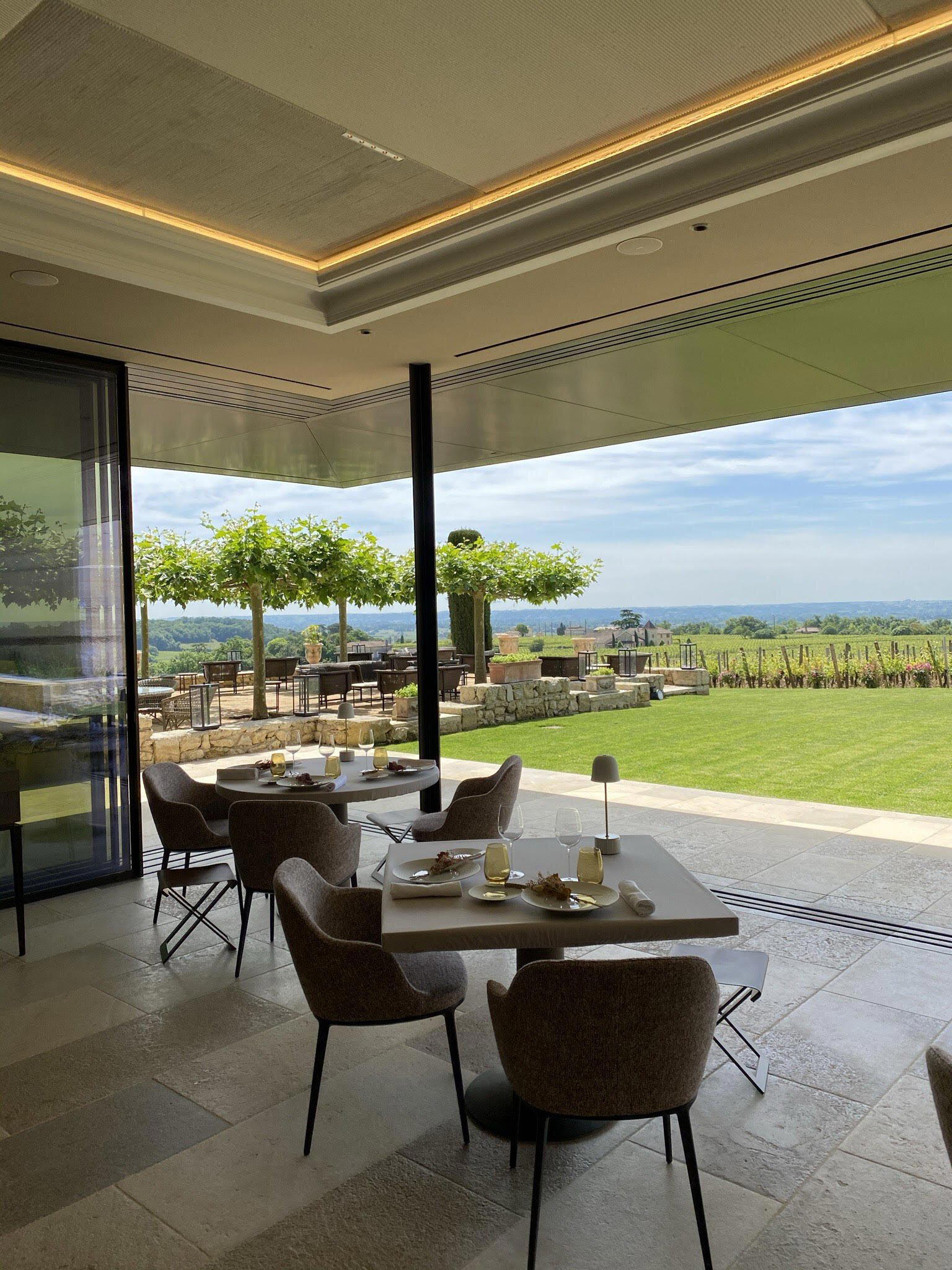
Details
- Romantic
- Classic
- Elegant
- Scenic
- Intimate
- Romantic Getaway
- Group Outing
- Celebration
- Special Occasion
- Wine Education
- Solo Exploration
- Estate Grounds
- Barrel Room
- Vineyard Tour
- Private Tasting
- Sustainable
- Vineyard
- Merlot
- Cabernet Franc
- Still Red
- Standard Tasting
- Barrel Tasting
- Estate Tour And Tasting
- French
- English
Current opening hours
- Monday
- 9:30 AM–5 PM
- Tuesday
- 9:30 AM–5 PM
- Wednesday
- 9:30 AM–5 PM
- Thursday
- 9:30 AM–5 PM
- Friday
- 9:30 AM–5 PM
- Saturday
- Closed
- Sunday
- Closed
Hours can change for holidays and private events. Hours as of .
Traditional right-bank Bordeaux estate focused on rich, powerful yet refined Saint-Émilion Grand Cru reds, with an emphasis on dark fruit, oak-aged complexity and substantial, velvety textures.