Château Margene
The address alone signals the estate's orientation: a producer working at remove from the appellation's commercial corridor, where terroir rather than foot traffic sets the pace. For visitors willing to plan ahead, it represents one of California's Central Coast wine country addresses worth seeking out.
Pearl is the En Primeur Club membership app — saves, bookings, and concierge access live there. Same editors, same standards.
- Address
- 4385 La Panza Rd, Creston, CA 93432
- Phone
- +1 805-238-2321
- Website
- chateaumargene.com
- Directions
- Get directions
 Saves & bookings on Pearl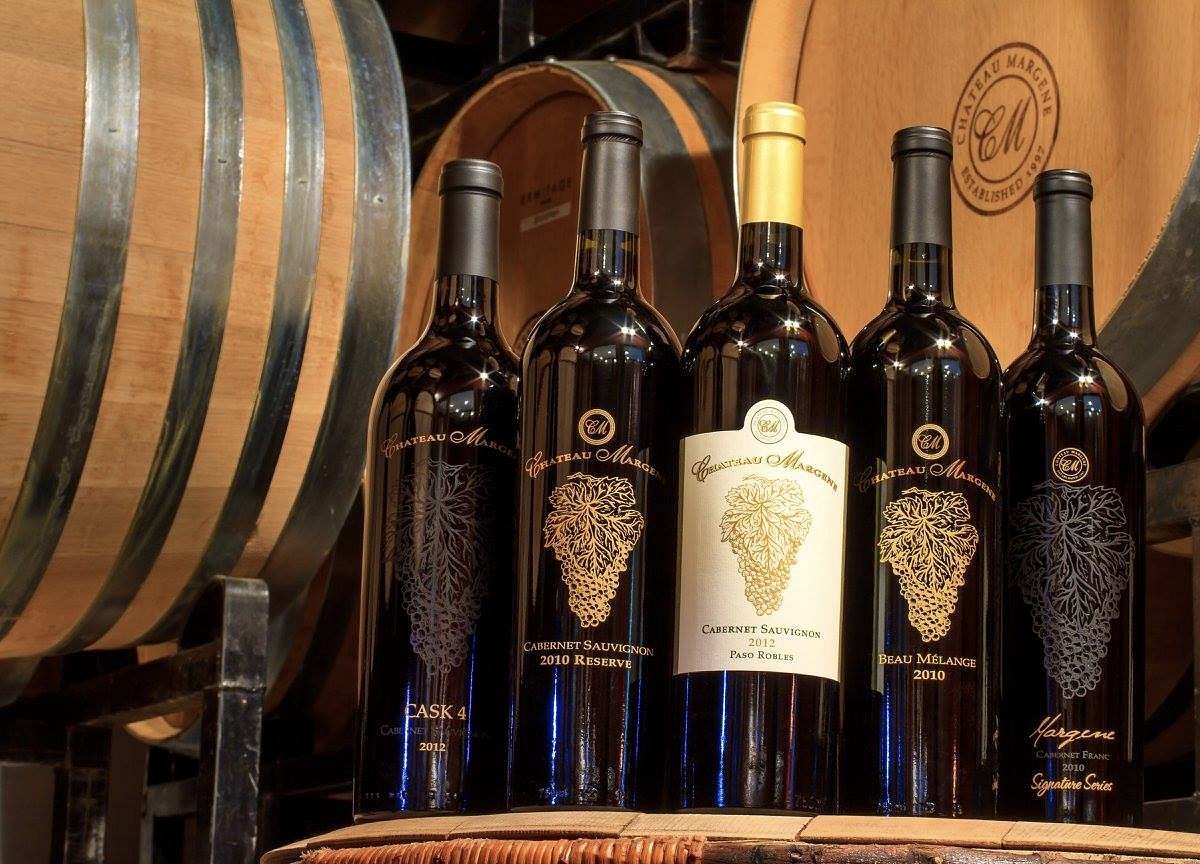
Hill Country Viticulture: What the Eastern Paso Robles Backcountry Produces
The hills that run east of Paso Robles toward Creston are among the least-visited corners of San Luis Obispo County wine country. While the Highway 46 corridor has absorbed most of the region's tasting-room traffic and brand recognition, the terrain around La Panza Road operates at a different scale entirely. Elevations climb, diurnal temperature swings widen, and the limestone-laced soils shift in ways that redirect the character of what grows there. Château Margene, at 4385 La Panza Road, sits in this quieter eastern zone.
The Paso Robles appellation has spent the last decade fragmenting into sub-AVAs precisely because the terroir differences across its territory are too significant to generalize. The Willow Creek and Templeton Gap districts to the west capture marine influence through the Templeton Gap wind corridor; the Creston District and surrounding hills to the east contend with a more continental pattern, where summer days can push hard and nights drop sharply. That temperature range concentrates phenolics without sacrificing acidity in varieties suited to the conditions. It is the kind of thermal stress that separates a wine region from a wine address, and producers working in this eastern terrain have built their reputations on exactly that distinction. For comparison, Adelaida Vineyards in Paso Robles operates further west and north, where calcareous soils and Pacific influence define a different expression of the same appellation.
How Creston Positions Within the Central Coast Hierarchy
California's Central Coast wine country operates in competitive tiers that are easy to conflate from the outside. At one end sit the Napa-adjacent prestige operations, producers like Accendo Cellars in St. Helena or Aubert Wines in Calistoga, where allocation models and auction market presence set the ceiling. Further south, the Central Coast has developed its own prestige layer, distinct from Napa in style and often in grape focus, drawing from Rhône varieties in the warmer inland sites and Burgundian varieties in the cooler coastal exposures. Alban Vineyards in Arroyo Grande and Andrew Murray Vineyards in Los Olivos both operate within this Rhône-leaning tradition, where site selection and grape matching have become the primary editorial arguments.
That designation reflects assessment of the producer's output against a calibrated standard, not simply against regional reputation. In a part of California where the gap between label ambition and wine quality can be substantial, a formal external recognition carries proportionally more weight. The Creston address is not a commercial advantage; if anything, it works against casual discovery. The rating signals that the work justifies the effort of getting there.
For orientation among Central Coast producers at a similar quality register, Au Bon Climat in Santa Barbara and Babcock Winery and Vineyards in Lompoc represent the Santa Barbara County tier, where a longer track record and cooler climate applications have generated sustained critical recognition. Château Margene operates in a warmer, drier set of conditions and with considerably less infrastructure around it, which shapes both what the wines are and how the visit functions.
The Estate Visit: Atmosphere and Format
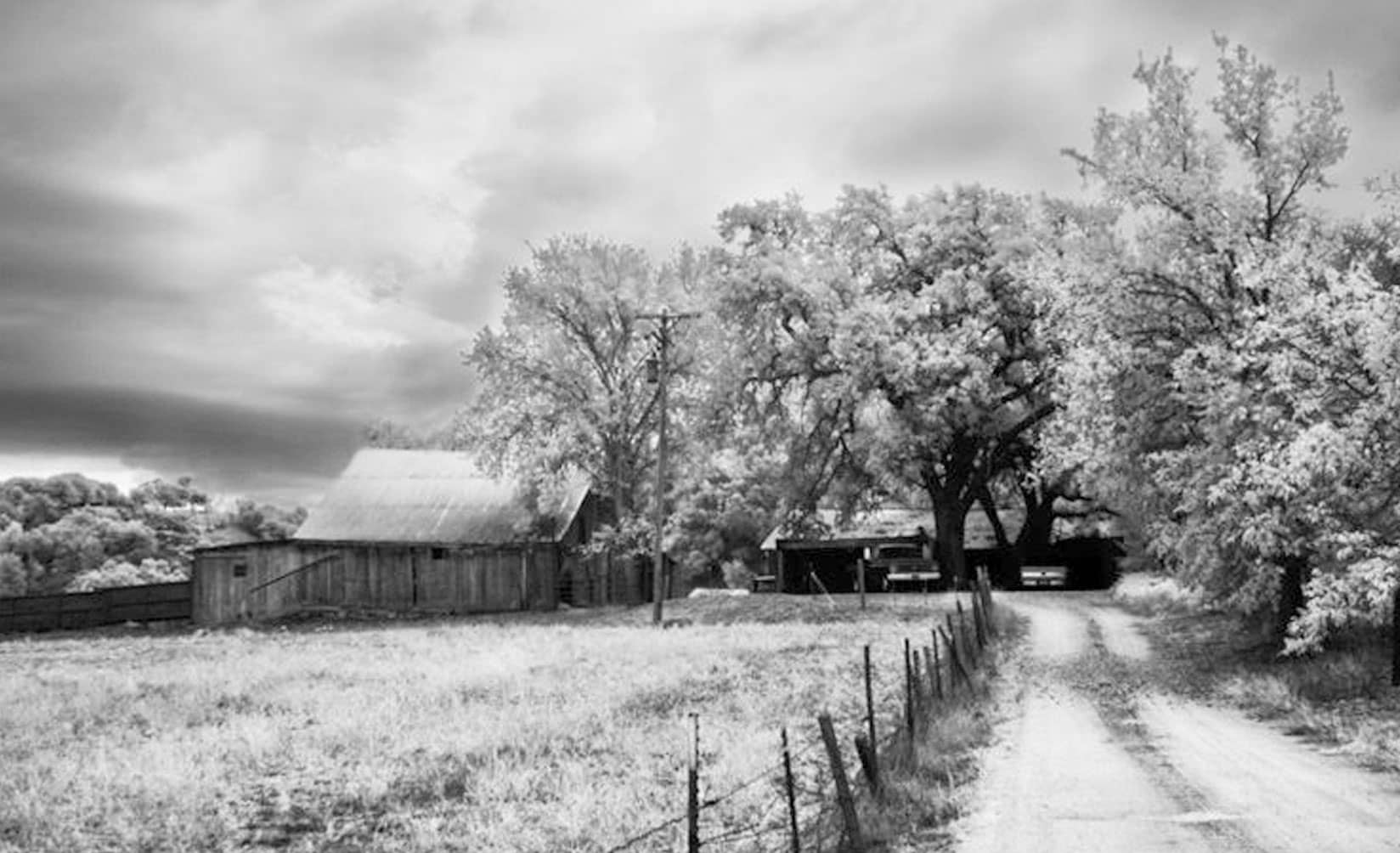
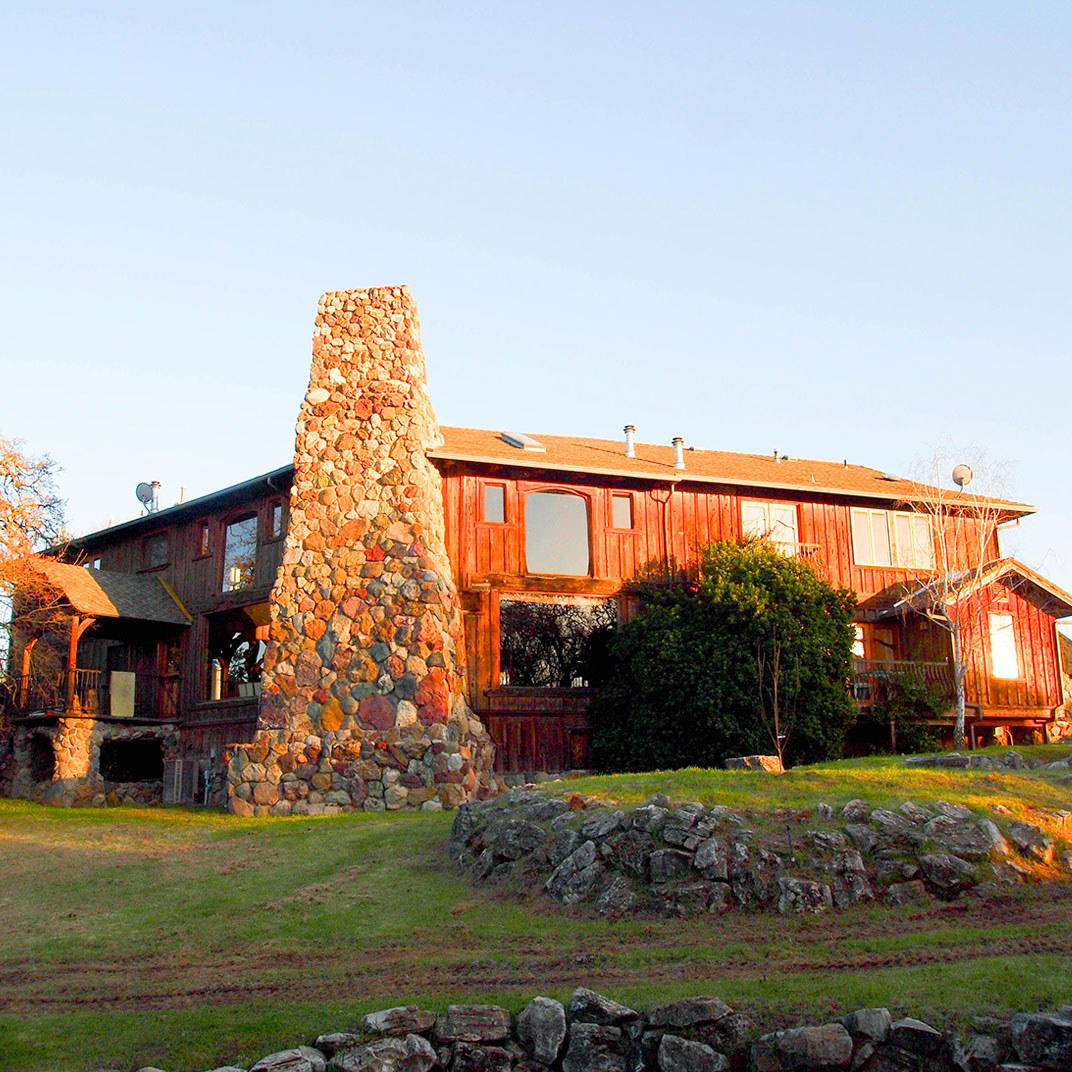
Arriving at La Panza Road removes any expectation of the polished tasting-room experience that defines the Highway 46 strip. The surrounding terrain is open, arid in summer, and quiet in a way that signals genuine agricultural remoteness rather than curated rusticity. The estate format here is defined by the land's character before it is defined by any designed hospitality layer. That physical condition the exposed hillsides, the dry-farmed seriousness of the surroundings, the absence of adjacent commercial development is itself editorial information about what kind of producer operates here.
Visitors planning a trip should treat Château Margene as a destination that requires advance contact rather than a drop-in stop. Given the rural address and the scale of operation implied by the site, confirming availability before arrival is the correct approach. The estate is by appointment only, so contact should be made in advance. This is consistent with the broader pattern among serious small producers in California's interior hill country, where appointment-based visits allow for more deliberate hospitality than walk-in traffic permits.
Terroir and Variety: What the Site Arguments Suggest
The eastern Paso Robles hills have historically supported Cabernet Sauvignon and Merlot alongside Rhône varieties, with the warmth and calcium-rich soils allowing Bordeaux varieties to develop the density and structure that cooler western sites sometimes struggle to achieve. The Creston District's soils show a calcareous character in places, with limestone presence that, in other contexts from Burgundy to Paso's Adelaida Hills, disciplines ripeness and introduces a mineral counterweight to the warmth. Whether that precise soil profile describes Château Margene's own blocks is a site-specific question, but the general conditions that define this part of the appellation are well-documented in academic and industry survey work on the region.
The broader Central Coast tradition worth situating the winery within is the argument for inland, elevation-sited viticulture as a counterpoint to the maritime-influenced addresses that attracted early critical attention. Producers like Alexander Valley Vineyards in Geyserville or Alpha Omega Winery in Rutherford represent different iterations of the warm-site Cabernet argument in California, each working with terroirs where afternoon heat and diurnal range interact differently. The winery's eastern Paso location places it in the warm-site category, but at an elevation and remove that introduces qualifications the appellation's flatland addresses cannot match.
For comparison with estate producers working at the other end of the atmospheric spectrum, Adelsheim Vineyard in Newberg or Artesa Vineyards and Winery in Napa illustrate how different site conditions produce fundamentally different production and visitor models. The winery's scale and location read closer to a focused estate operation than to a destination winery built for volume hospitality.
Planning the Visit
Creston sits roughly 20 miles southeast of Paso Robles town, and the drive along La Panza Road passes through cattle-grazing terrain that has changed little in character despite the wine industry's growth in the broader appellation. The estate address at 4385 La Panza Road is specific and findable, but the road network requires attention to navigation. Visitors combining the winery with a wider Paso Robles itinerary will find that the eastern hill producers, including several operating in the Creston District, reward a dedicated half-day rather than a quick addition to a Highway 46 loop.
Side-by-Side Snapshot
Comparable venues nearby, for context on price, style, and recognition.
| Venue | Cuisine | Price | Notes |
|---|---|---|---|
| Château MargeneThis venue — the venue you are viewing | Cabernet Sauvignon, Cabernet Franc | $$$ | Not listed |
| Turtle Rock Vineyards | Syrah, Grenache | $$$ | Tin City |
| Turley Wine Cellars | Zinfandel, Petite Sirah | $$$ | Templeton |
| Brecon Estate | Cabernet Sauvignon, Cabernet Franc | $$$ | Adelaida District |
| The Farm Winery | Cabernet Sauvignon, Syrah | $$$ | Westside Paso Robles |
| Tyler Winery | Chardonnay, Pinot Noir | $$$ | Lompoc |
Continue exploring
More in Creston
Wineries in Creston
Browse all →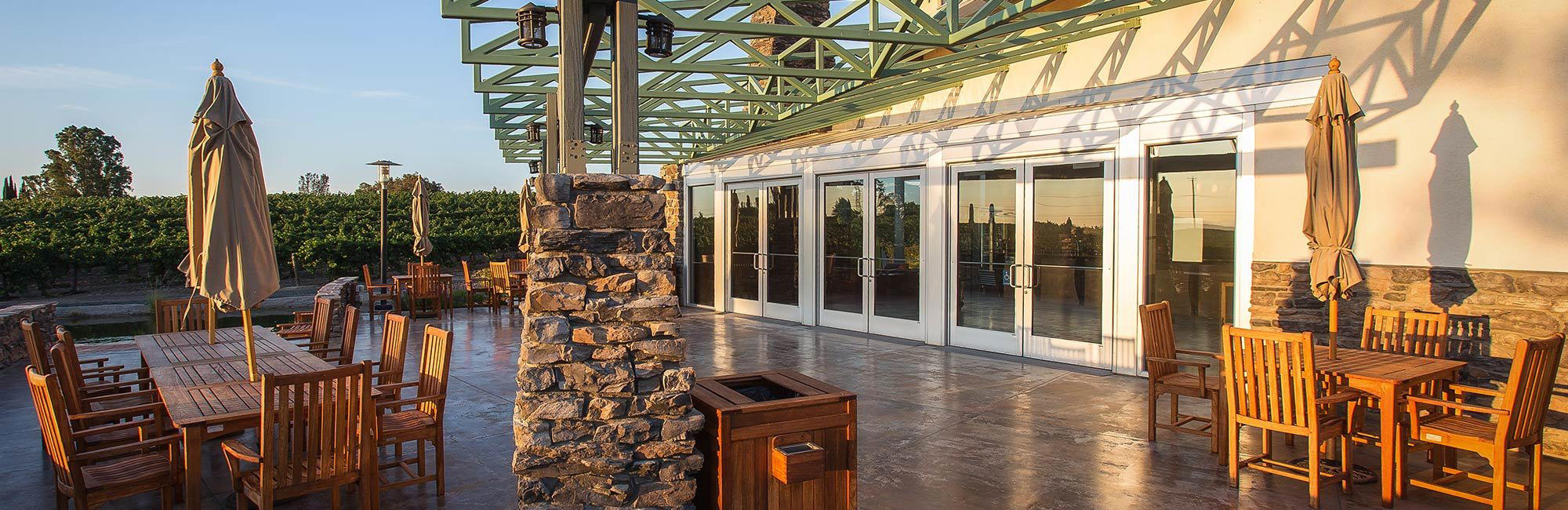
Bars in Creston
Browse all →
Restaurants in Creston
Browse all →

At a Glance
- Rustic
- Intimate
- Scenic
- Elegant
- Romantic Getaway
- Wine Education
- Solo Exploration
- Vineyard Tour
- Estate Grounds
- Barrel Room
- Sustainable
- Organic
- Vineyard
- Garden
- Creston District AVA
- Cabernet Sauvignon
- Cabernet Franc
- Merlot
- Pinot Noir
- Malbec
- Chardonnay
- Still Red
- Dessert
- Private Tasting
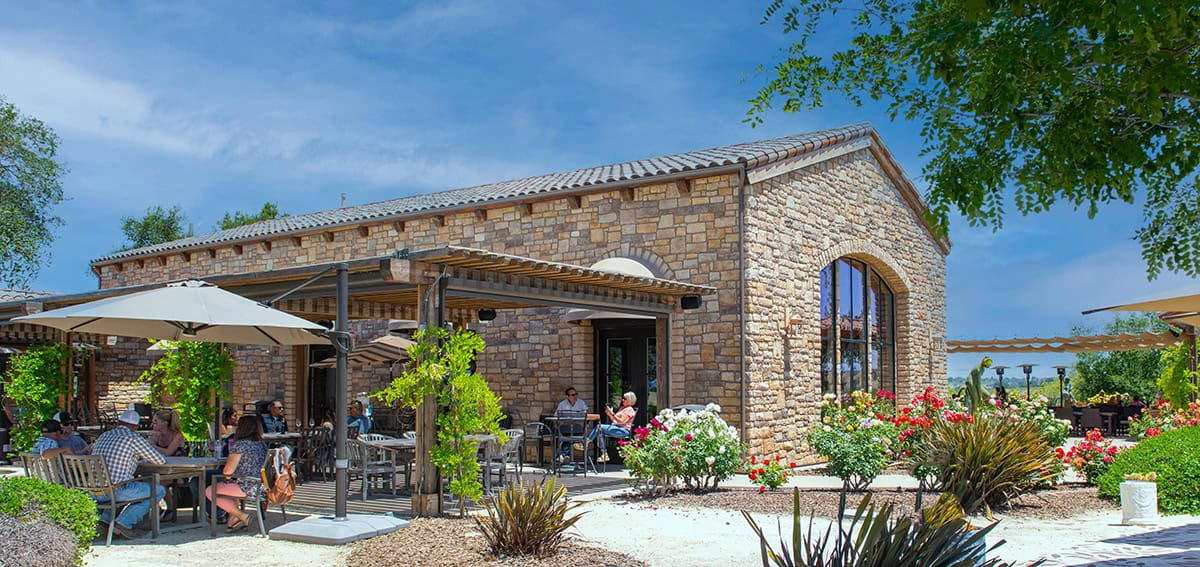
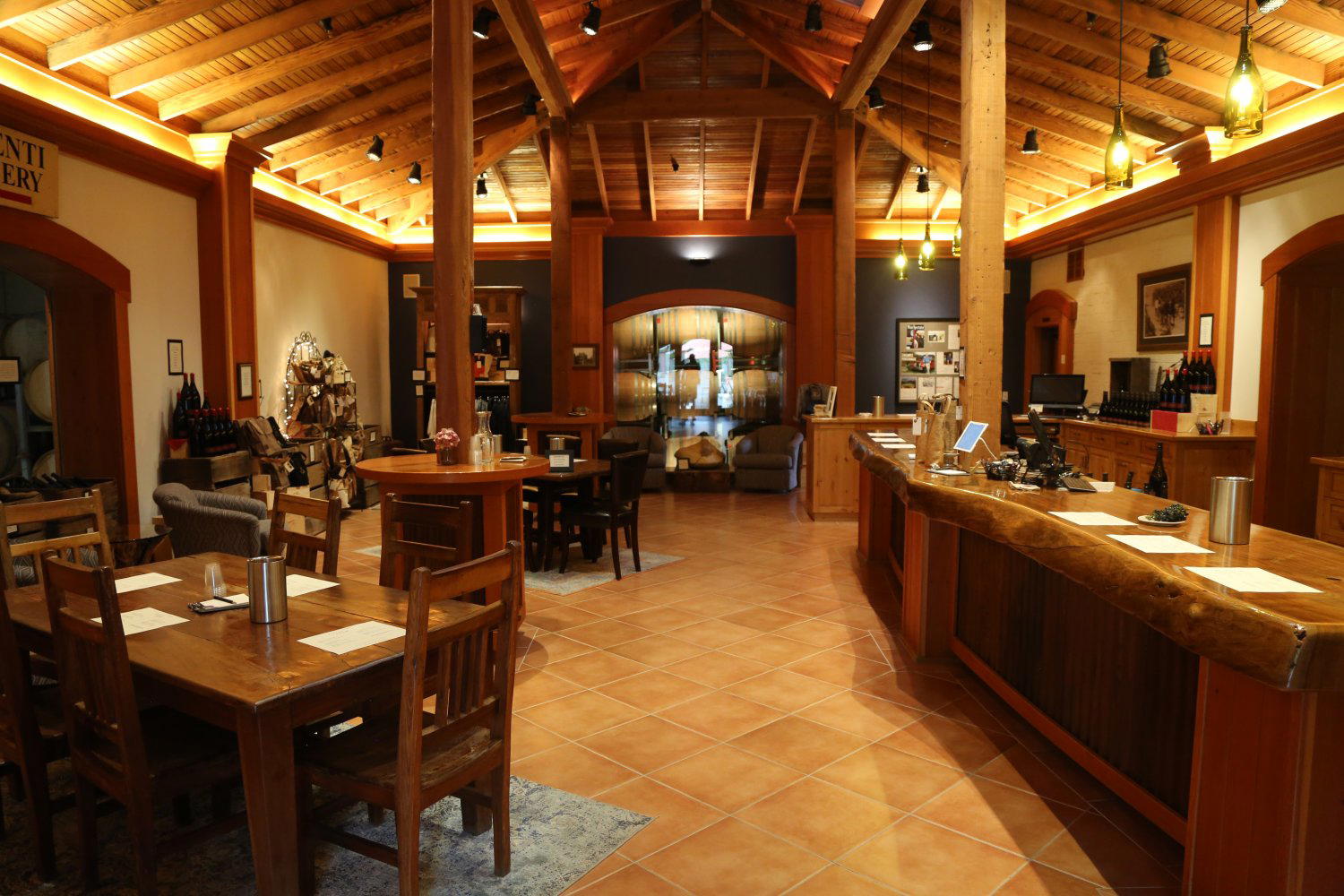
Relaxed outdoor seating on a scenic farm property with vineyard views, modern tasting room, and welcoming family-hosted atmosphere.