Château La Dominique

Château La Dominique brings a contemporary architectural charge to Saint-Émilion wine tourism, pairing a Jean Nouvel red steel winery with a Grand Cru Classé estate rooted in Merlot-led Bordeaux. The visit is strongest for travelers interested in terroir, design, and the way modern hospitality now frames historic right-bank wine culture.
Pearl is the En Primeur Club membership app — saves, bookings, and concierge access live there. Same editors, same standards.
- Address
- 3180 Rte de Vachon, 33330 Saint-Émilion, France
- Phone
- +33 5 57 51 31 36
- Website
- chateau-ladominique.com
- Directions
- Get directions
 Saves & bookings on Pearl
Château La Dominique offers a contemporary Saint-Émilion setting centered on a striking red steel winery building designed by Jean Nouvel. The appeal is visual as much as wine-country oriented: modern architecture, surrounding vineyard views, and the presence of nearby grand châteaux create a refined but welcoming atmosphere. Rather than presenting the estate only through the language of tradition, the available description places design at the front of the experience, giving visitors a clear reason to consider it when they want a Saint-Émilion stop with a more contemporary edge.
Because the public details here are limited, the safest way to frame a visit is simple: this is a Saint-Émilion venue for travelers who want wine-country scenery, art-minded design, and a polished estate environment without relying on unconfirmed claims about rankings, vineyard specifications, menus, or service formats. The value of the page is therefore in setting expectations carefully. Château La Dominique can be understood as a place where the setting and architectural character do much of the storytelling, while the practical and technical particulars should be checked directly before a visit is planned in detail.
Saint-Émilion seen through contemporary architecture
The strongest confirmed hook at Château La Dominique is its Jean Nouvel–designed red steel winery building. In a destination often associated with traditional stone architecture and historic wine estates, that contemporary structure gives the venue a distinctive identity. The red steel element makes the building feel deliberately visible rather than discreet, and that visibility is central to how the estate is framed: not just as another wine-country address, but as a Saint-Émilion setting where architecture becomes part of the reason to go.
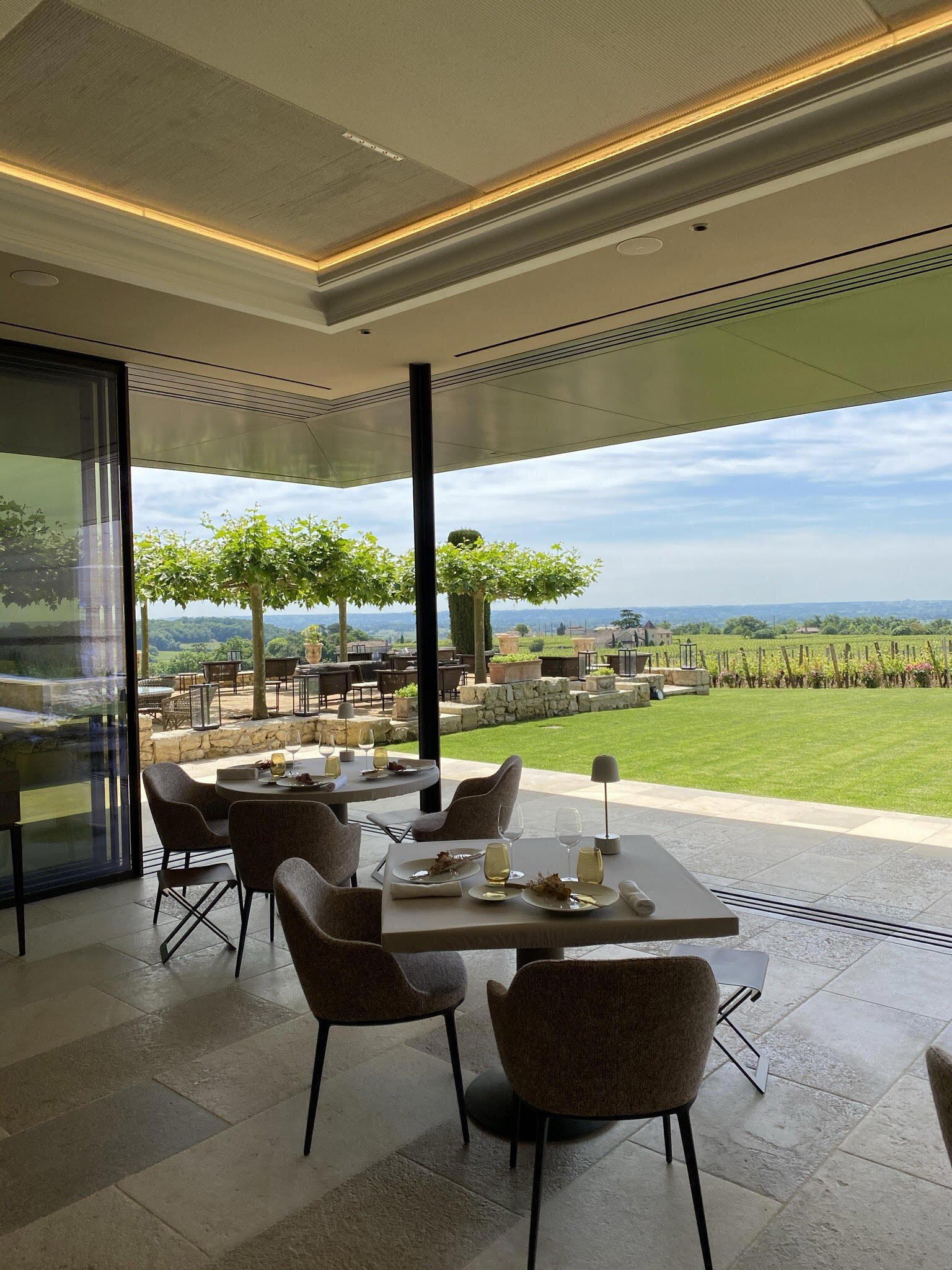
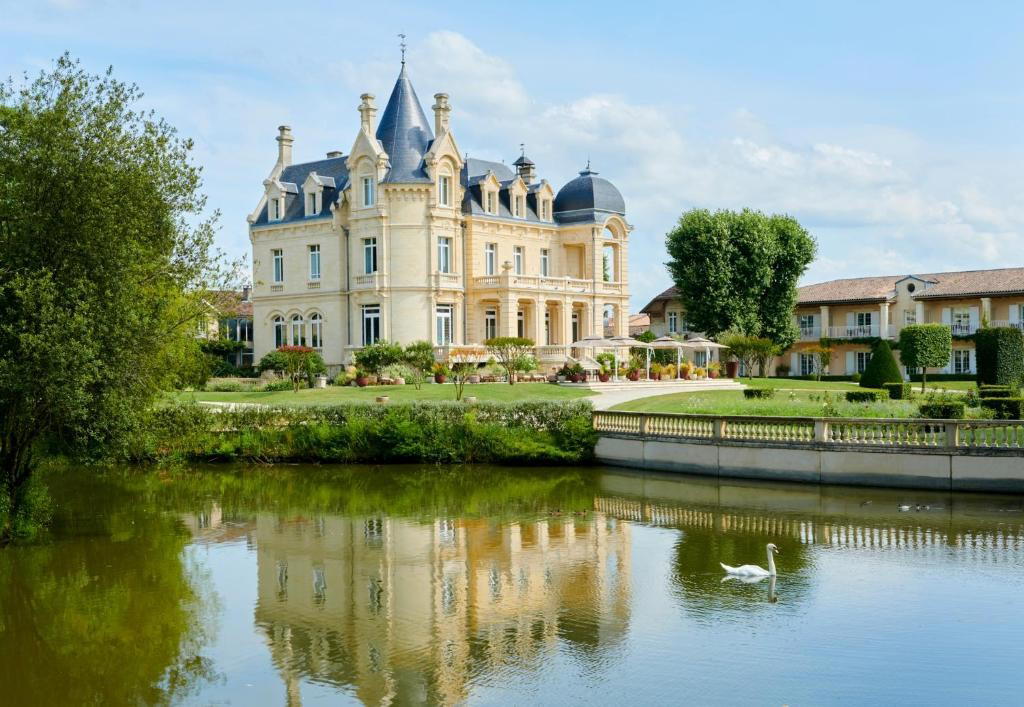
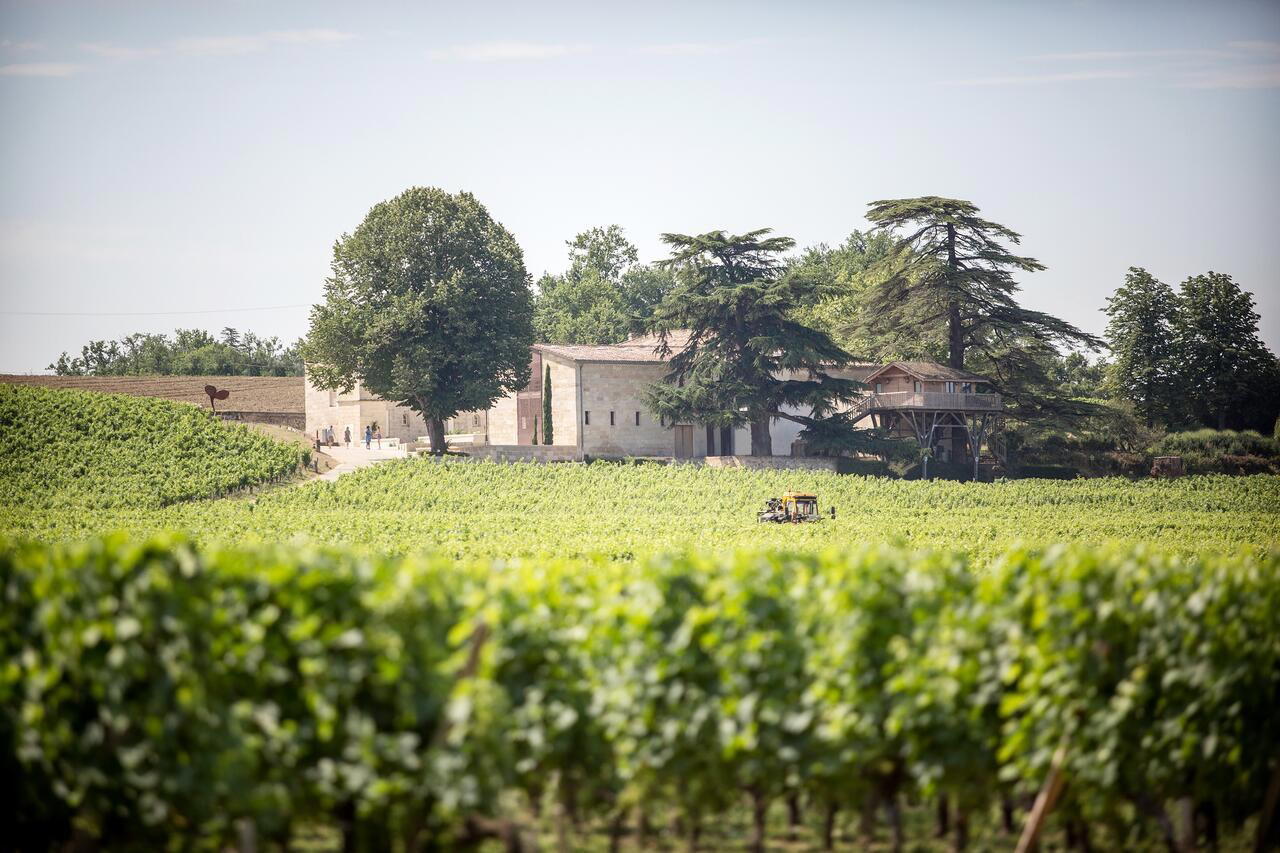
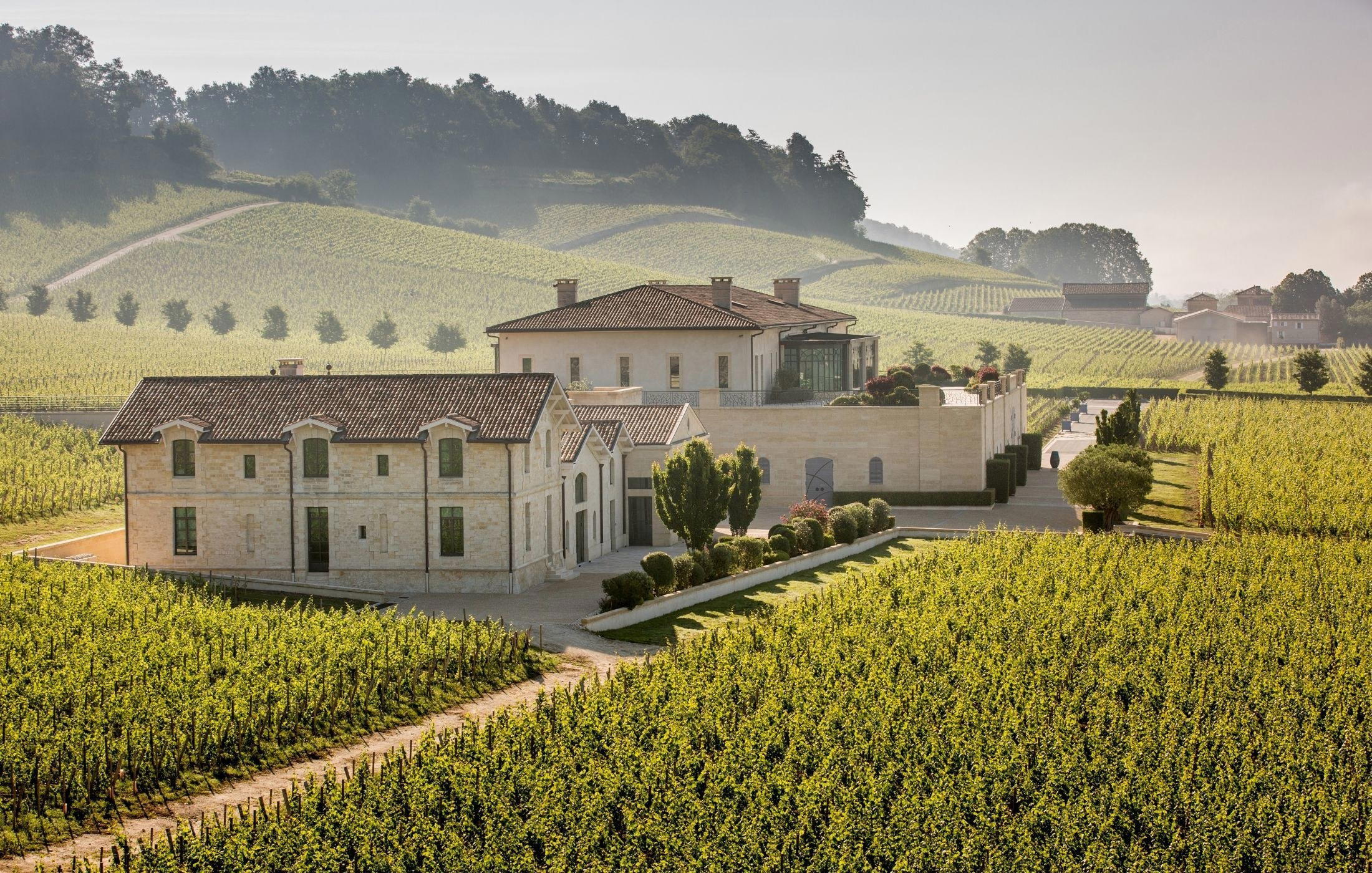
The setting also matters. The winery is presented with views over surrounding vineyards and grand châteaux, which makes the visit feel connected to the broader Saint-Émilion landscape while still retaining a modern, design-forward character. That contrast is the useful way to read the venue: the estate is not separated from its wine-region context, but it does offer a more contemporary visual language within it. The vineyards and nearby châteaux provide the familiar sense of place, while the building gives the experience a sharper, more modern frame.
For visitors comparing options in Saint-Émilion, this makes the winery a good fit for an itinerary built around architecture, vineyard scenery, and a refined wine-estate atmosphere rather than a page of technical claims. It is best approached as a visually memorable stop, especially for travelers who care about how a wine estate looks and feels as much as what may be available on the day of the visit. The available information supports that kind of expectation clearly, without needing to add unsupported detail.
Architecture as the defining Saint-Émilion feature
At the winery, the building is part of the experience. The red steel winery gives the estate a memorable visual language and helps distinguish it from more traditional wine-country settings in the area. That matters because Saint-Émilion visits can easily blur together when described only through vineyards and heritage. Here, the confirmed architectural element gives the venue a specific identity that is easy to understand before arrival.
The description points to a contemporary and warm atmosphere, not a cold showpiece. That balance is important: the venue’s identity is polished and design-conscious, but still welcoming for travelers looking for an accessible Saint-Émilion stop. In practical terms, the tone suggests a place that can feel refined without becoming intimidating, with its modernity softened by the surrounding vineyard landscape and the broader setting among grand châteaux.
What should not be assumed from the available record are specific claims about menu formats, wine lists, vineyard size, grape blends, production methods, visit structure, or awards. Those details should be confirmed directly with the venue before planning around them. This is especially important because a design-led description can sometimes imply a fuller hospitality program than the public facts actually confirm. The more accurate approach is to separate what is known—the Jean Nouvel red steel winery, the vineyard views, the contemporary and warm atmosphere—from anything that would require current confirmation.
How to read it within a Saint-Émilion itinerary
The winery works well as a design-forward Saint-Émilion visit. The confirmed experience centers on contemporary architecture, vineyard views, and a refined estate atmosphere, with a listed price of $44 per person. That price should be treated as part of the available listing rather than as a substitute for checking current conditions, because the rest of the practical experience is not detailed here. For itinerary purposes, the clearest reason to include it is the combination of modern design and wine-country setting.
Planning should be based on the confirmed essentials: the venue is in Saint-Émilion, the atmosphere is contemporary and warm, and the setting is defined by the Jean Nouvel red steel winery building and surrounding wine-country views. This keeps expectations realistic and avoids building a day around assumptions that may not match the venue’s current offer.
For broader planning, compare the winery with other Saint-Émilion options generically, and verify practical details through current official channels before building a full itinerary. It is most useful to think of it as a polished, architecture-forward estate stop: visually distinctive, rooted in the vineyard landscape, and best suited to travelers who want a contemporary interpretation of Saint-Émilion rather than a visit defined by unverified technical or hospitality claims.
Recognition history
Dated appearances from independent guides and award organizations, with the underlying list record or original source where available.
Falstaff Winery - 3 Stars
Falstaff
Continue exploring
More in Saint-Émilion
Wineries in Saint-Émilion
Browse all →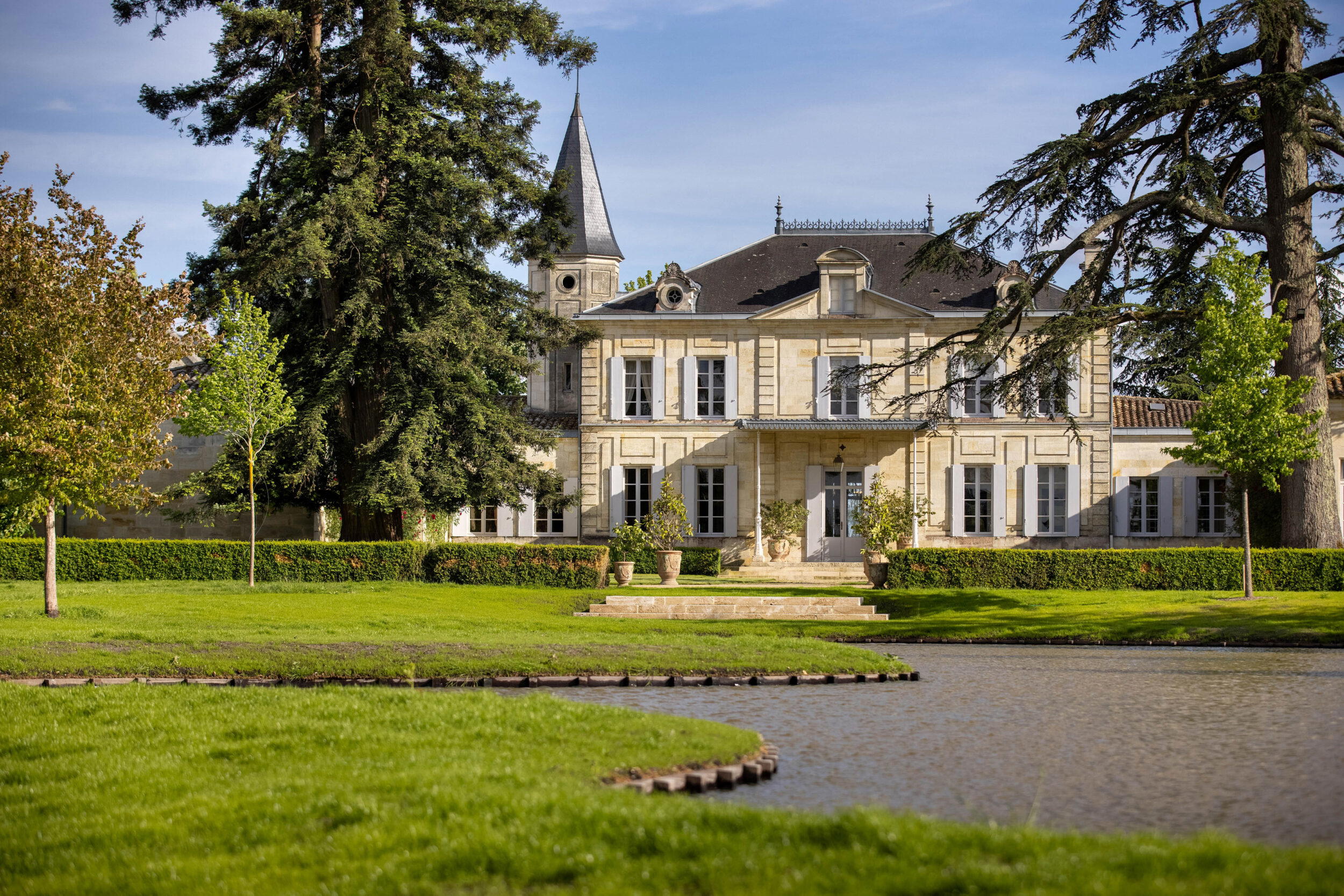
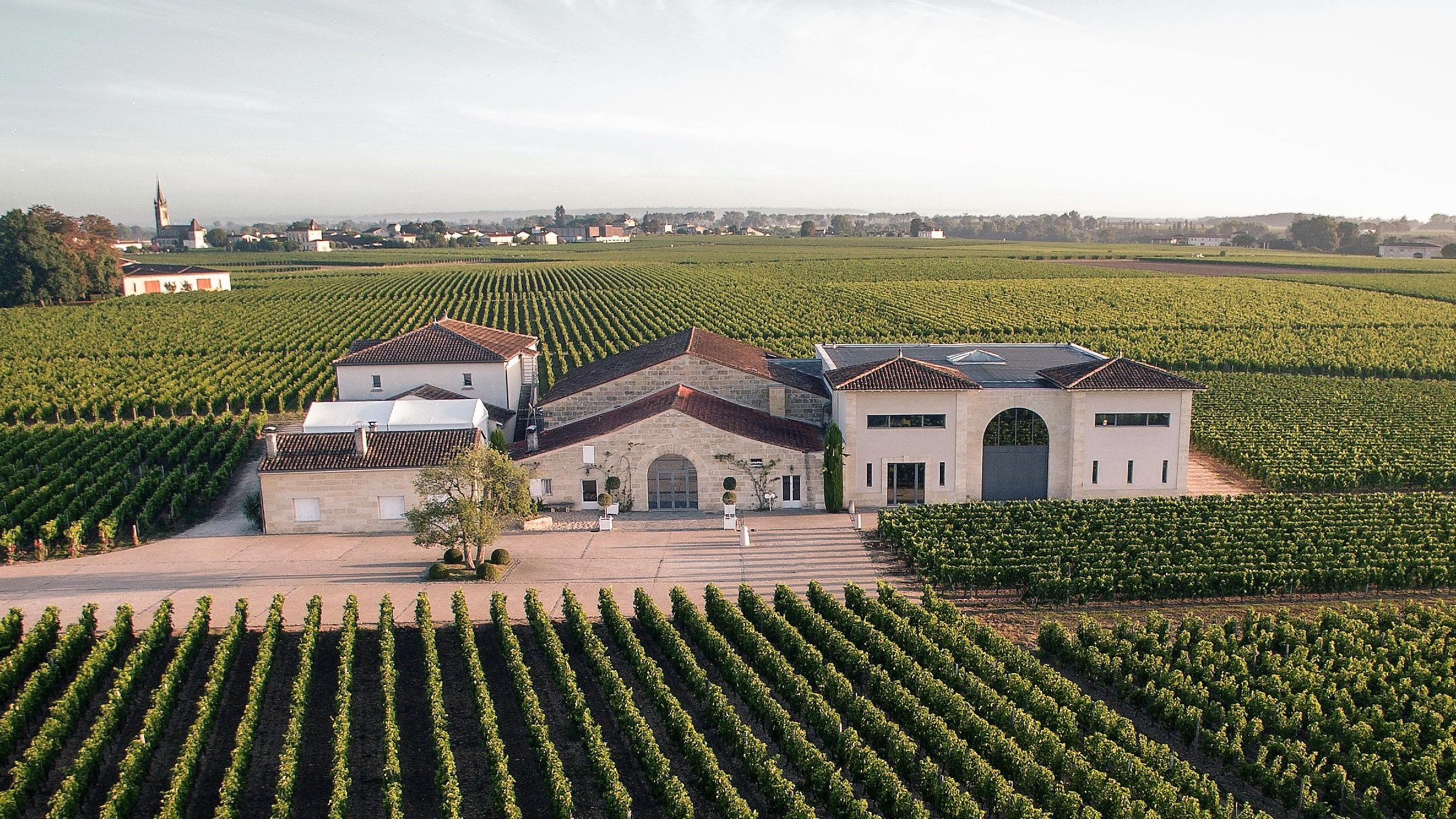
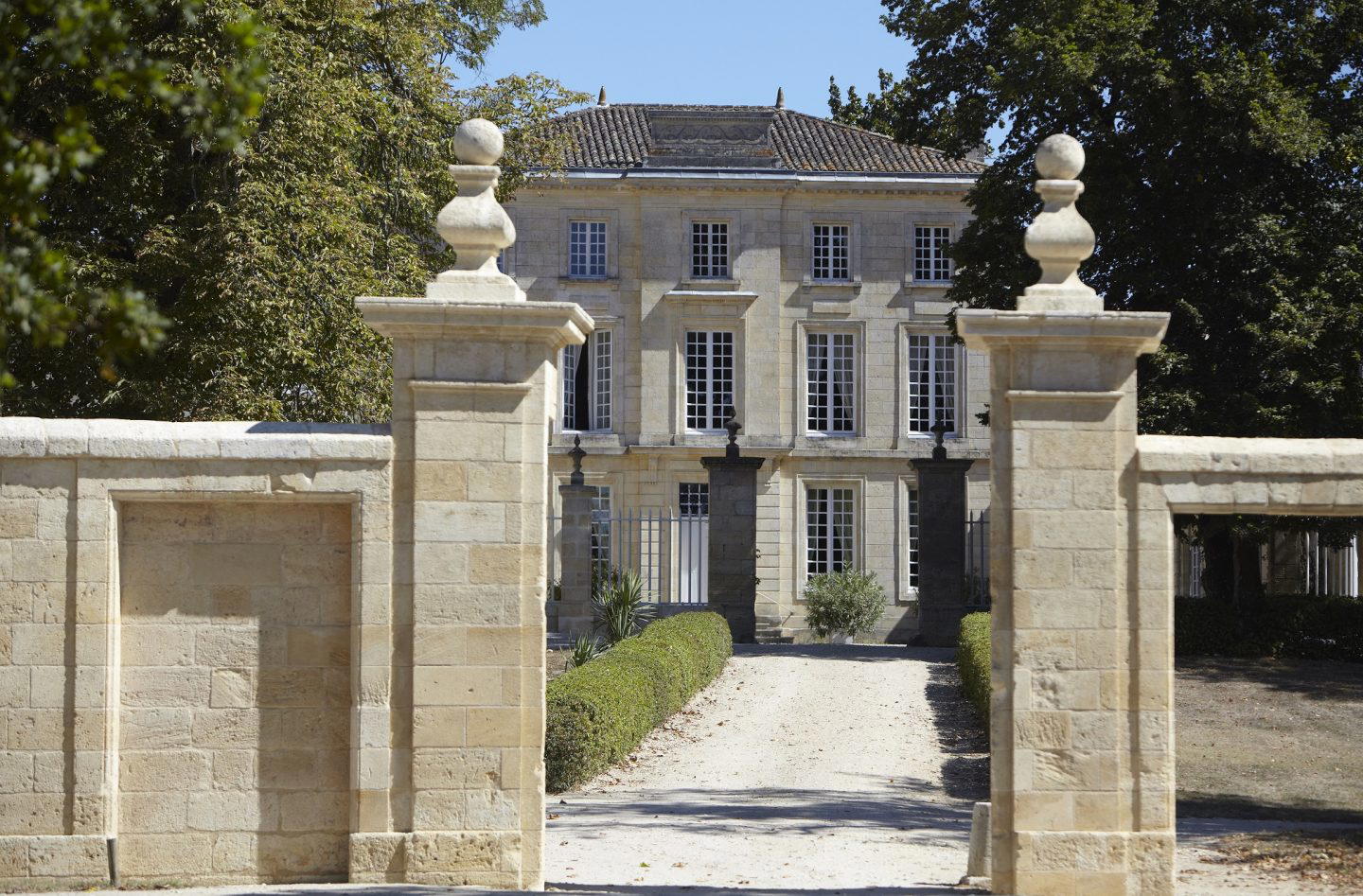
Bars in Saint-Émilion
Browse all →
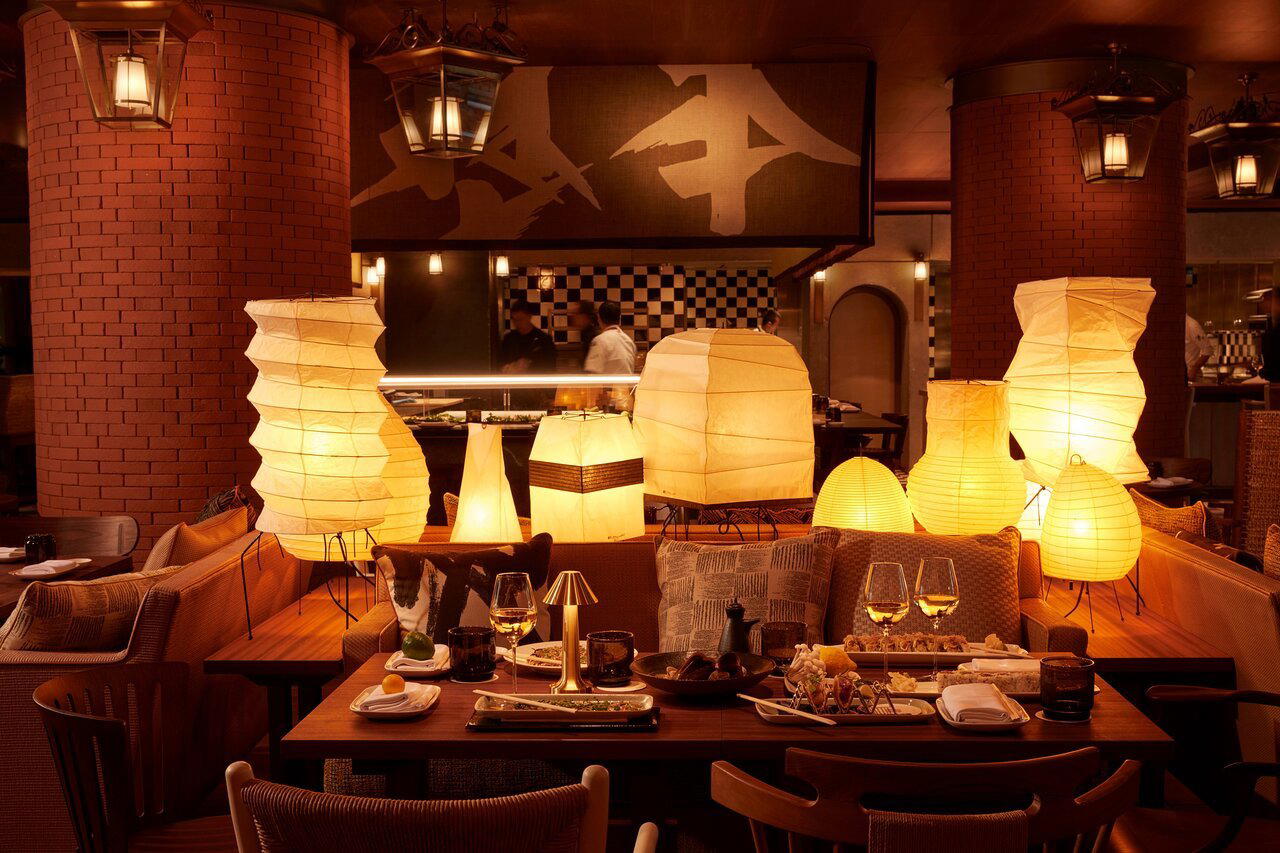
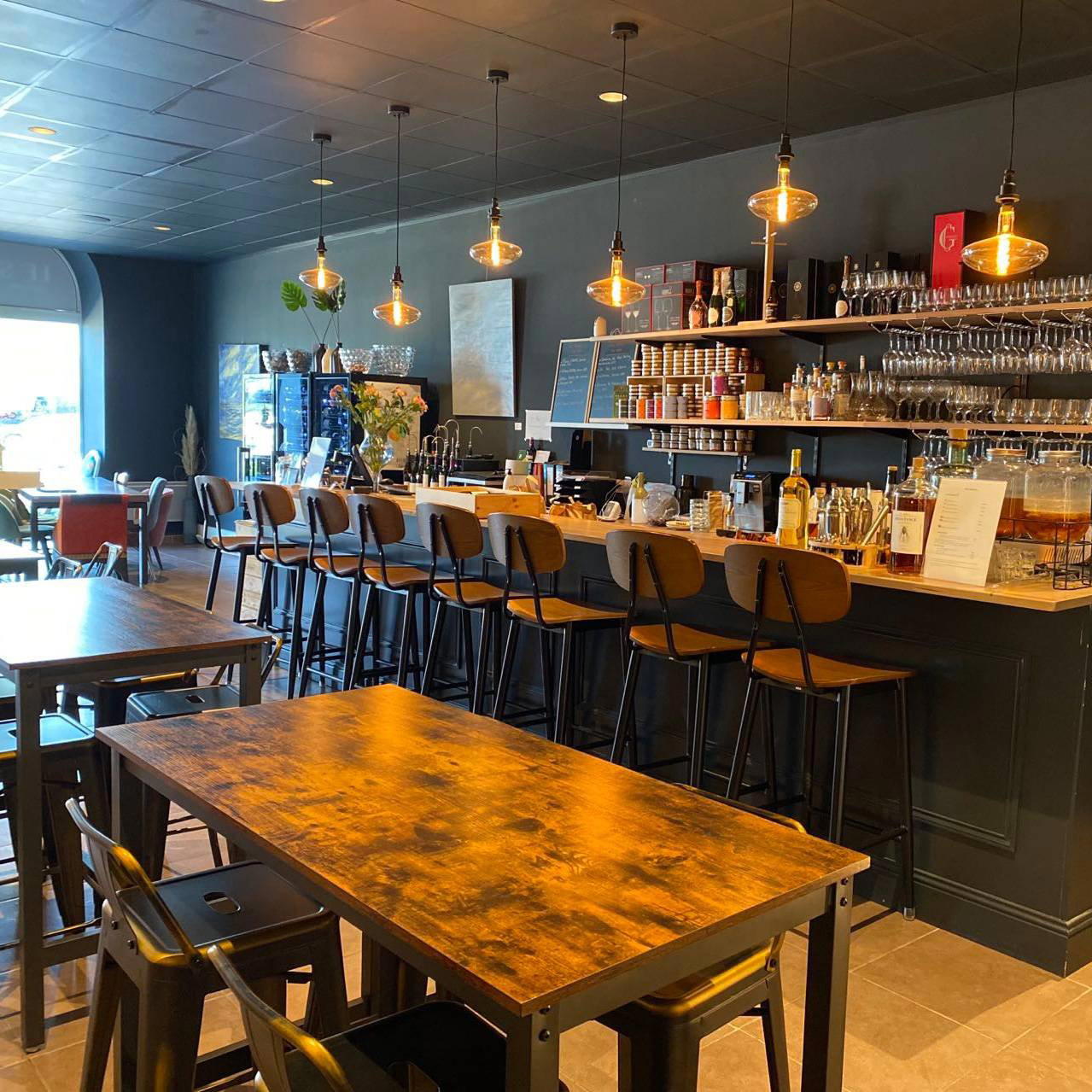
Restaurants in Saint-Émilion
Browse all →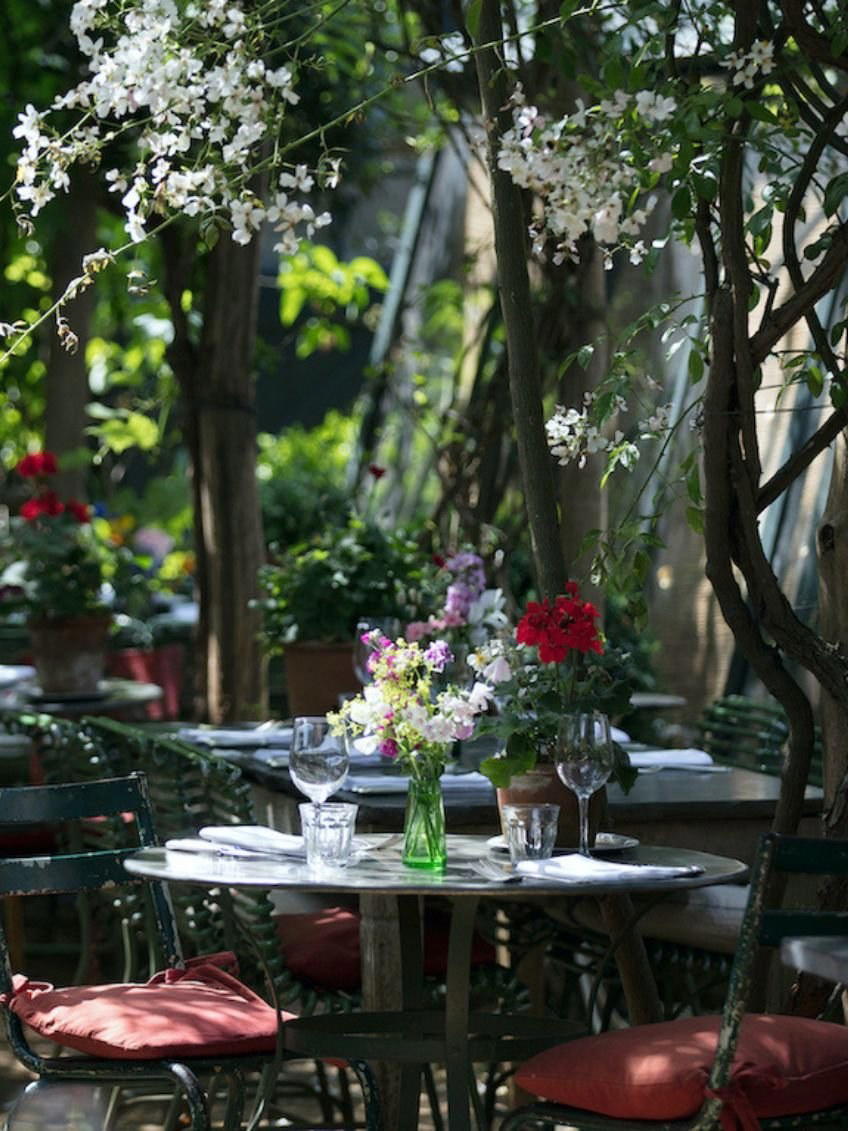
At a Glance
- Modern
- Scenic
- Elegant
- Well Known
- Sophisticated
- Romantic Getaway
- Group Outing
- Wine Education
- Special Occasion
- Corporate Event
- Solo Exploration
- Vineyard Tour
- Estate Grounds
- Terrace
- Panoramic View
- Design Destination
- Private Tasting
- Vineyard
- Saint Emilion Grand Cru Classé
- Merlot
- Cabernet Franc
- Cabernet Sauvignon
- Still Red
- Classic Tasting
- Tutored Tasting
- Private Tour And Tasting
Current opening hours
- Monday
- Closed
- Tuesday
- 10 AM–5 PM
- Wednesday
- 10 AM–5 PM
- Thursday
- 10 AM–5 PM
- Friday
- 10 AM–5 PM
- Saturday
- 10 AM–5 PM
- Sunday
- Closed
Hours can change for holidays and private events. Last verified .
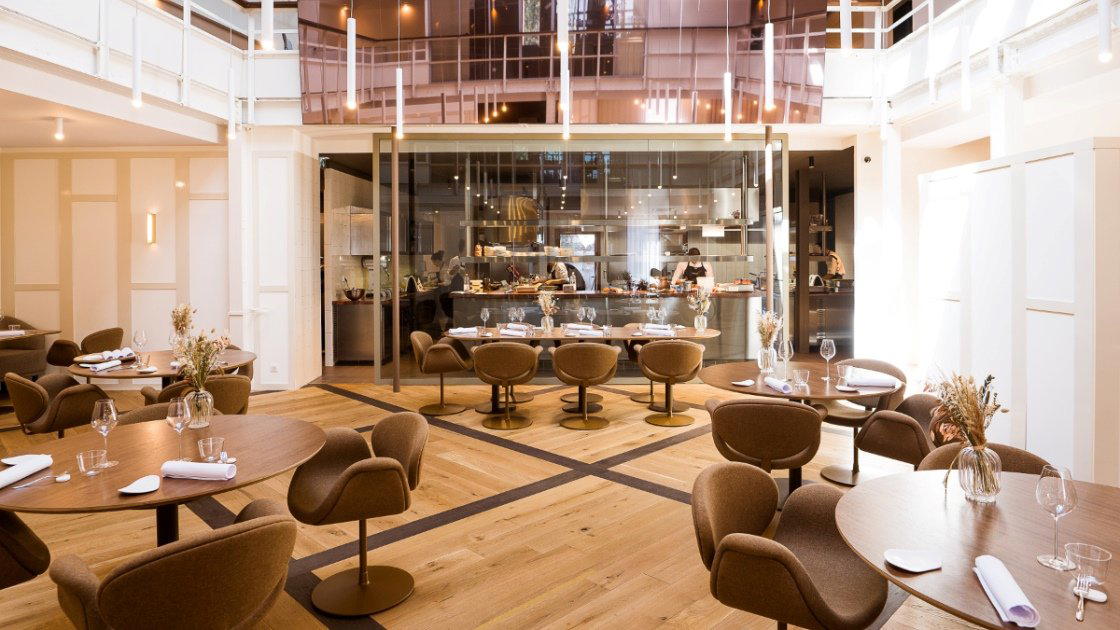
Contemporary and warm atmosphere centered on a striking Jean Nouvel–designed red steel winery building, combining cutting-edge architecture with views over surrounding grand châteaux and vineyards for a refined yet welcoming wine, art, and gastronomy experience.