Domaine des Baumard

Falstaff Winery - Listed
Domaine des Baumard is a historic Loire estate in Rochefort Sur Loire, with family roots dating to 1634 and a modern reputation built on Chenin Blanc from Savennières and Quarts de Chaume. The draw is not spectacle but precision: organic farming, stainless-steel aging, indigenous yeasts, and an oak-free style that keeps the land in the foreground.
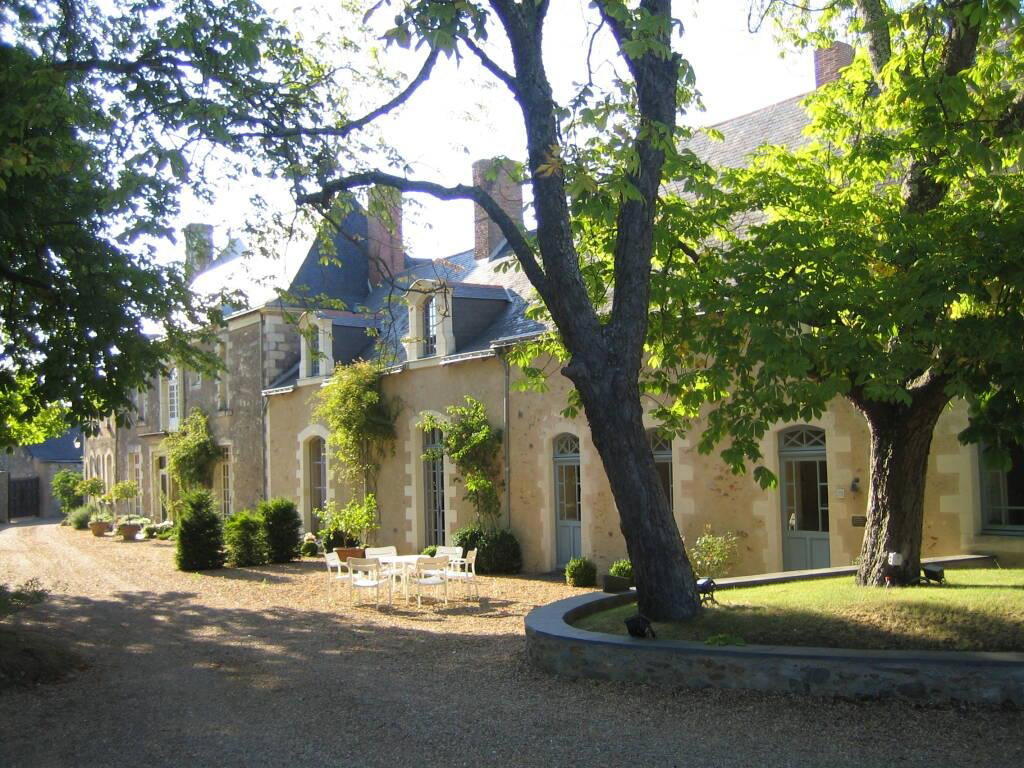
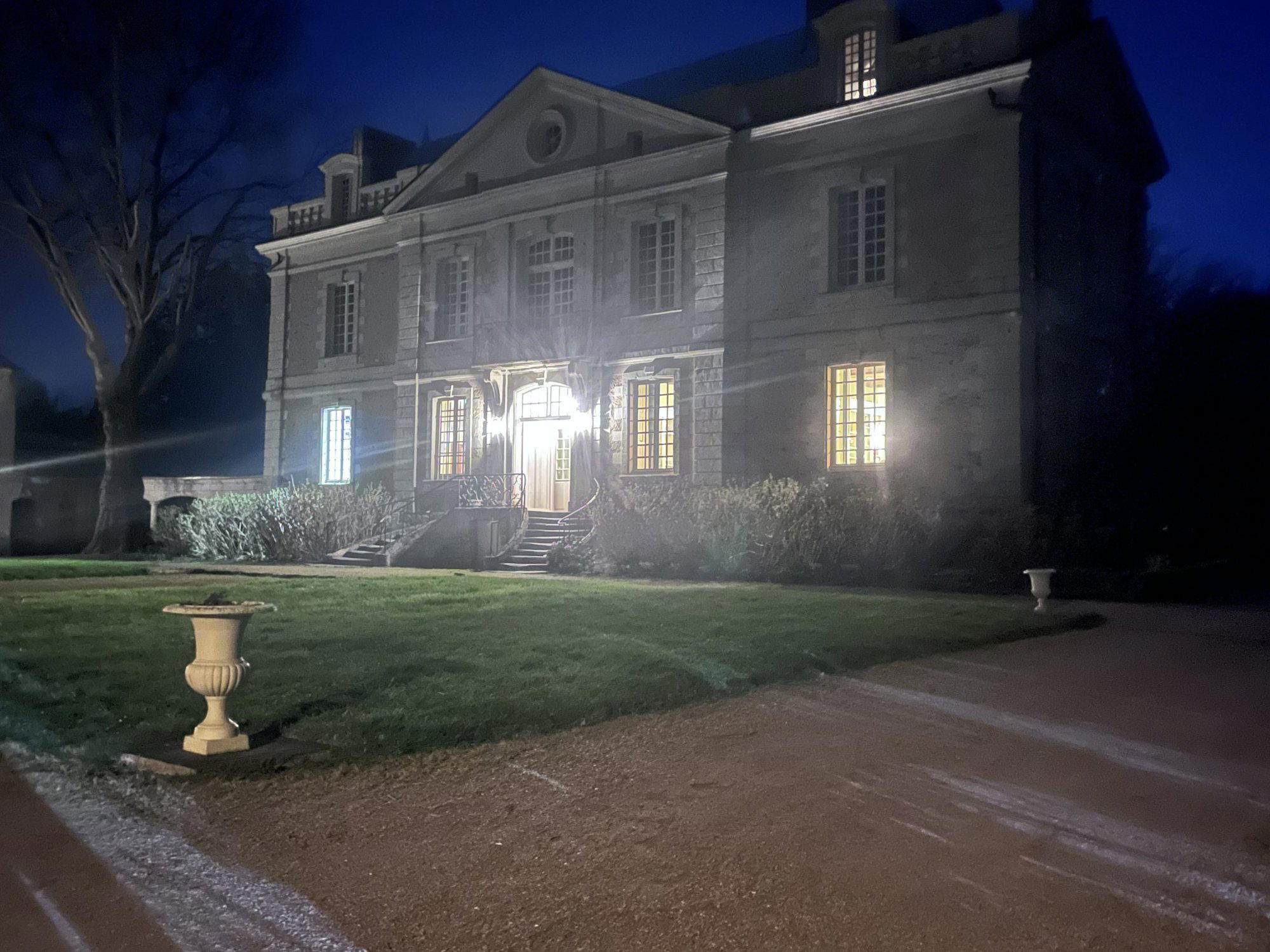
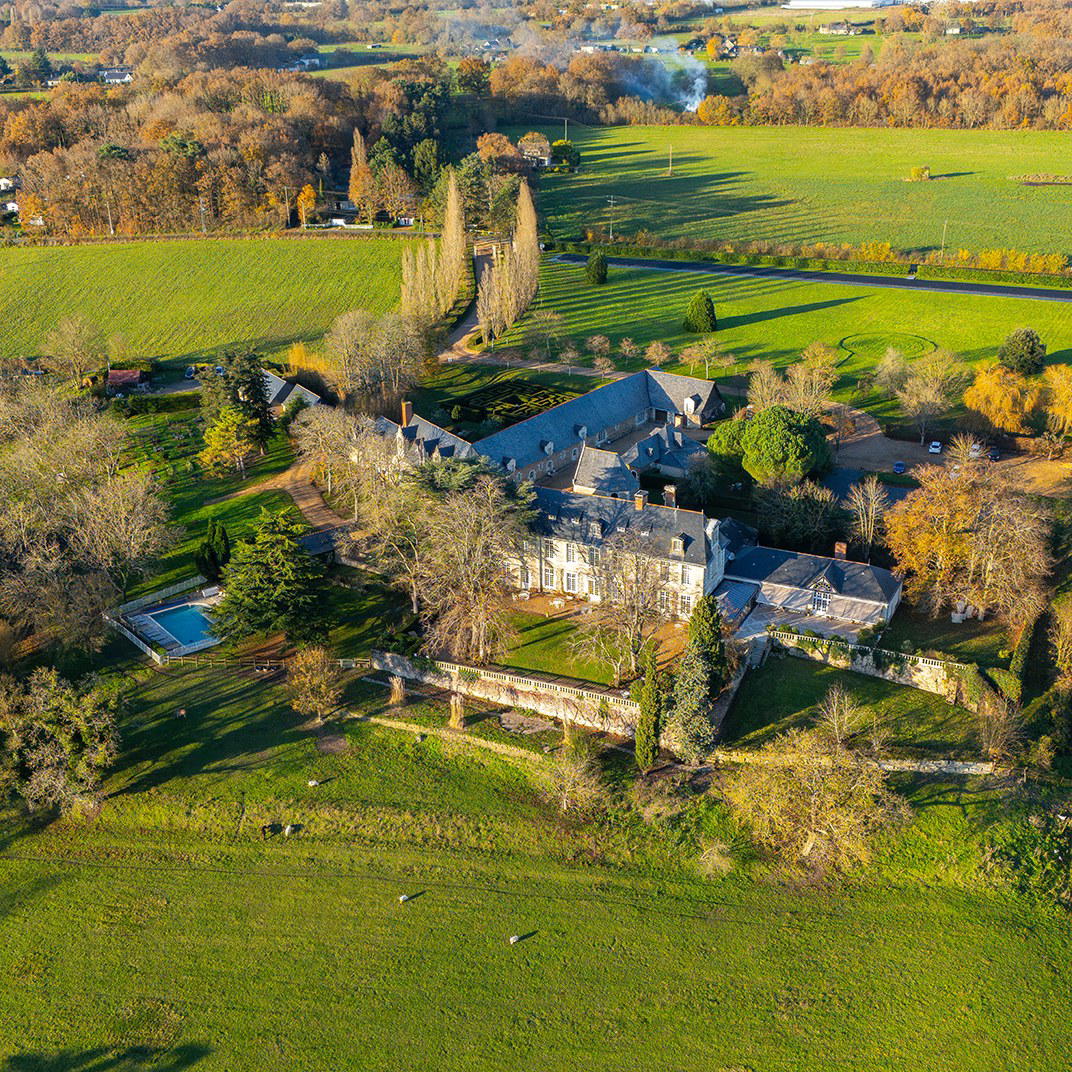
Approach the Baumard universe and the mood is Loire restraint rather than cellar-door theatre: an 18th-century gentleman’s residence, vineyard quiet, and a working-estate rhythm shaped by Chenin Blanc rather than décor. In Rochefort Sur Loire, that matters. The western Loire does not sell power in the Burgundian or Bordelais sense; its serious whites often ask for patience, acidity, and mineral tension to do the talking. Domaine des Baumard belongs to that disciplined tradition, with a style built around fruit clarity, stainless steel, and the long arc of bottle age.
Chenin Blanc with the land left exposed
Savennières is one of the Loire’s sternest arguments for Chenin Blanc: dry, structured, slow to soften, and frequently misunderstood by drinkers expecting immediate generosity. Baumard’s position within that conversation is unusually clear. The estate works across about 40 hectares on both banks of the Loire, with holdings tied to Savennières, Quarts de Chaume, Coteaux du Layon, Crémant de Loire, and Anjou Rouge. That range gives the portfolio a useful map of Anjou: dry Chenin, sweet Chenin, sparkling Loire wine, and Cabernet Franc-led red.
The production choices point in the same direction. Dry whites ferment with indigenous yeasts and age for 9 to 12 months on fine lees in stainless steel. Oak is avoided, as is malolactic fermentation, so the wines are not rounded into early comfort. The result is a Loire idiom that privileges line, acidity, and soil imprint over polish. Since the 2005 vintage, the estate has bottled its still wines, excluding Crémant, under Stelvin closures, a decision that placed consistency and slow development ahead of cork-era convention.
Quarts de Chaume gives the estate a second register. Where Savennières is dry and tensile, Quarts de Chaume works through sweet Chenin from a rare appellation with only about 26 hectares planted. The Baumard version is associated with crystalline mineral character and polished sweetness, but the larger point is structural: in Anjou, Chenin Blanc can move from severe dry white to age-worthy sweet wine without losing its spine. That range is why serious Loire cellars often treat the grape less as a varietal category than as a language of place.
A family estate shaped by technical continuity
The Baumard family’s roots in Rochefort Sur Loire date to 1634, but the estate’s modern shape began in 1955, when Jean Baumard revitalized the property and expanded into important Loire appellations. His role as a professor of viticulture and oenology in Angers from 1955 to 1970 gives the domaine a technical inheritance rather than a purely romantic one. Since 1992, Florent Baumard has run the estate, with Charles Baumard joining as winemaker in 2021.
Those dates matter because the Loire has changed sharply around them. Organic and sustainable language now appears across the region, but Baumard’s sustainable viticulture reaches back to the late 1950s, with certified organic status achieved in 2024. The vineyard density is 5,000 vines per hectare, and the estate is described as entirely estate-owned. For collectors and travelers, that combination gives the wines a readable chain of custody: family tenure, known sites, organic farming, stainless-steel élevage, and a closure decision designed to protect aging potential.
The named bottlings tell the story without needing ornament. Savennières is the dry core. Savennières Trie Spéciale is made only in selected strong years from hand-harvested passes through the vineyard. Savennières Clos du Papillon comes from the butterfly-shaped Clos du Papillon site, where Baumard is the largest owner. Quarts de Chaume carries the sweet-wine argument, while Crémant Carte Turquoise Brut and Anjou Rouge Le Logis widen the estate’s view of Anjou. Wine Spectator’s James Molesworth has singled out Florent Baumard’s work, and that critical recognition aligns with what the cellar practices already suggest: this is a producer for drinkers who value precision over display.
How to place it in a Rochefort Sur Loire itinerary
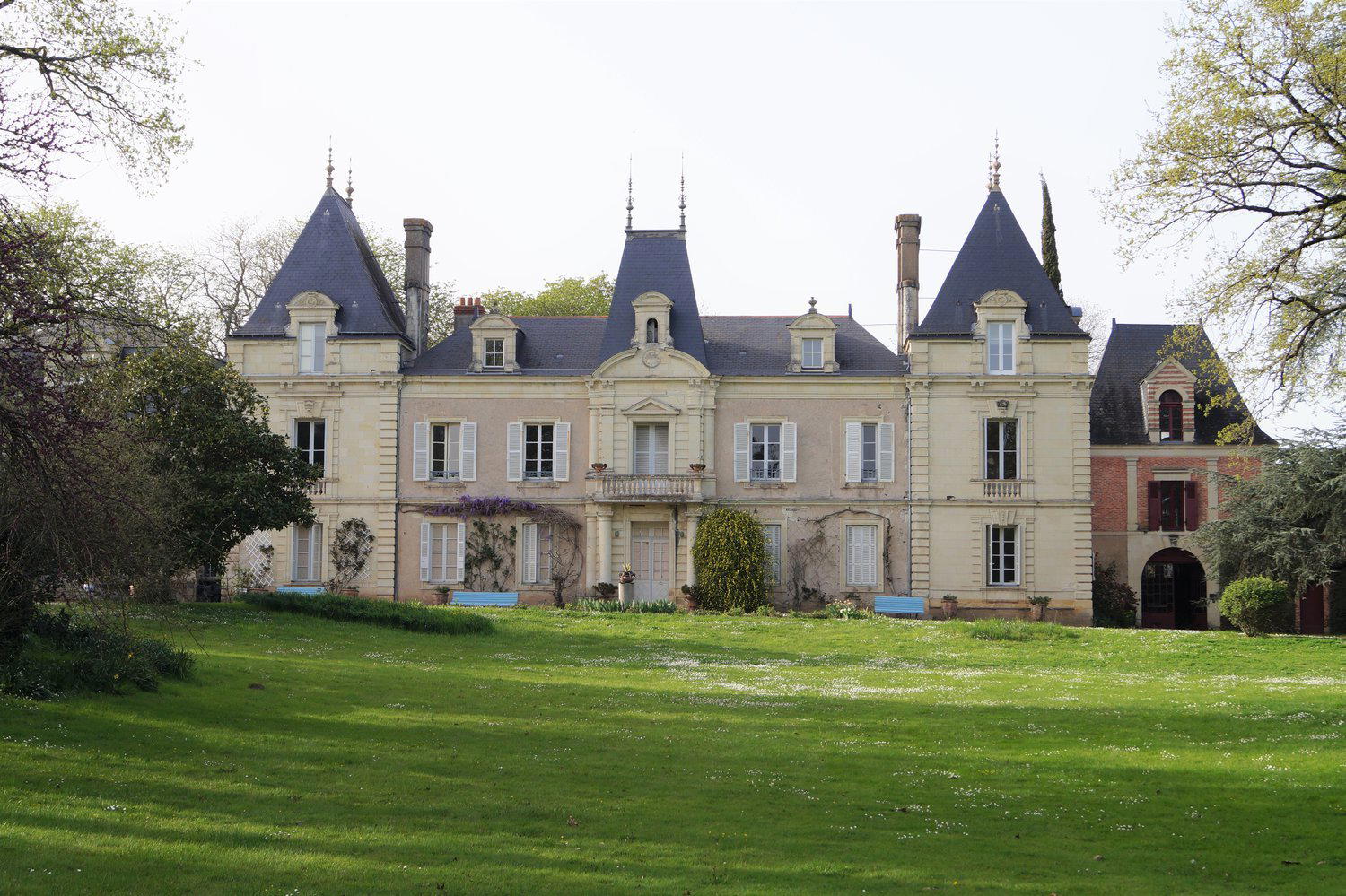
This is a strong choice for travelers who want a Loire visit anchored in terroir, farming, and winemaking decisions rather than a high-energy tasting-room format. The atmosphere is quiet, the setting is historic, and the experience suits wine education, solo exploration, small groups, and special-occasion itineraries where the point is to understand Savennières and sweet Chenin at source. Tastings and vineyard visits are reservation-led, with French and English available, and the typical visit runs 60 to 90 minutes.
For broader planning in town, pair this estate-focused stop with the full Rochefort Sur Loire wineries guide, or compare the day’s structure against the Rochefort Sur Loire restaurants guide, hotels guide, bars guide, and experiences guide. Nearby winery research can also include Domäne Vincendeau. For a wider French and European wine lens, EP Club’s winery archive includes A. Margaine in Villers-Marmery, Abbaye de Fontfroide in Narbonne, Abbotts & Delaunay in Marseillette, Advini in Saint Felix De Lodez, Agrapart & Fils in Avize, Alain Brumont in Castelnau Riviere Basse, Alain Gras in Saint-Romain, »der Steiner« Hans Steiner in Podersdorf am See, and & Handwein in Mannheim.
Frequently asked questions
Is Domaine des Baumard more low-key or high-energy?
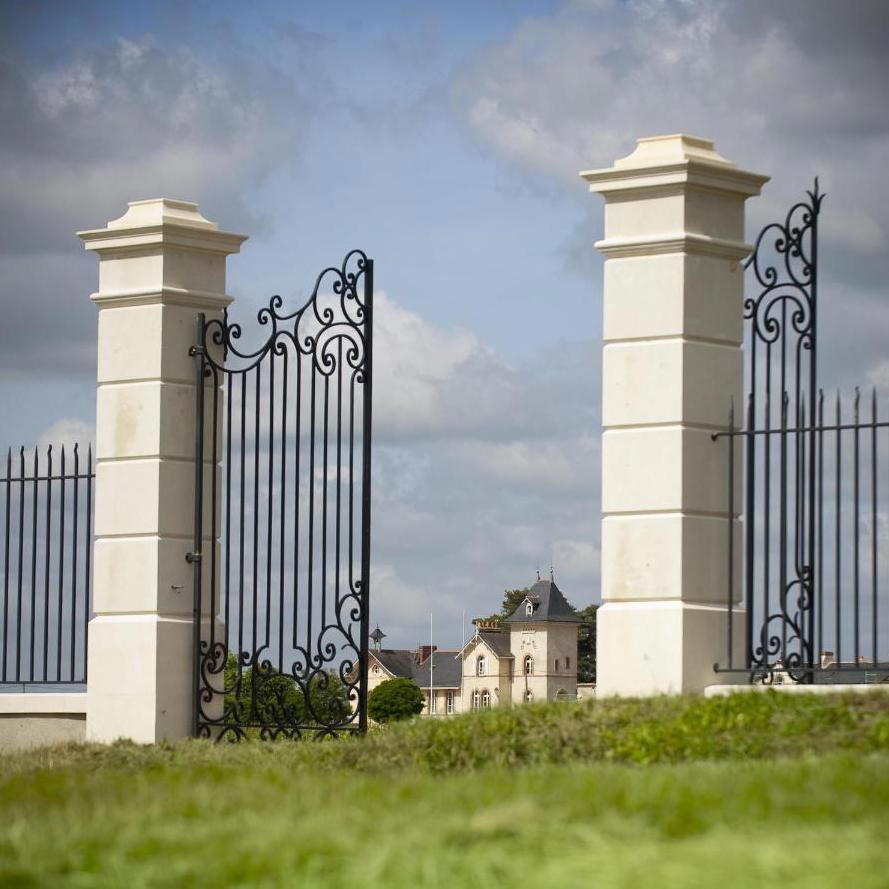
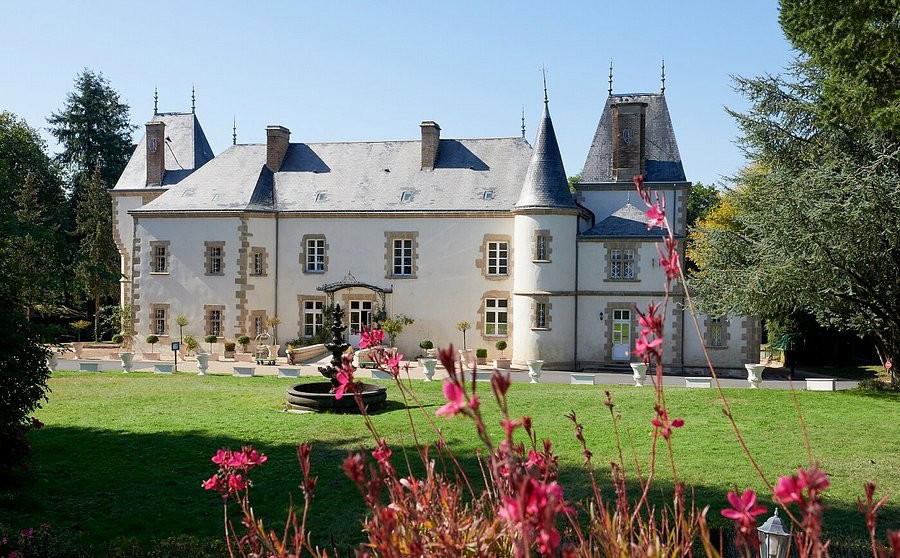
It is low-key by design: a quiet, traditional estate in Rochefort-sur-Loire with tastings by reservation. The setting is the Historic Logis de la Giraudière, a late-18th-century residence surrounded by Loire Valley vineyards.
What part of town is Domaine des Baumard in?
Domaine des Baumard is located at Rochefort-sur-Loire, Center-Val de Loire, Frankreich, Rochefort Sur Loire.
Is Domaine des Baumard expensive?
Pricing at Domaine des Baumard is listed as $$.
What's the standout thing about Domaine des Baumard?
The estate’s defining strength is its Chenin Blanc, especially the oak-free Savennières style and the sweet wines from Quarts de Chaume. It has been in the Baumard family since 1634, with Florent Baumard and Charles Baumard continuing production.
Can I walk in to Domaine des Baumard?
No, this is a visit by reservation, with producer-led tastings and vineyard visits arranged in advance. The experience is built for a small-capacity estate rather than casual drop-ins.
What's Domaine des Baumard a strong choice for?
It suits wine education, solo exploration, and special-occasion visits, especially for travelers focused on Loire terroir and Chenin Blanc. The estate also works well for group outings, with French and English tours lasting about 60–90 minutes.
Recognition history
Dated appearances from independent guides and award organizations, with the underlying list record or original source where available.
Falstaff Winery - Listed
Falstaff
Enquire about visiting Domaine des Baumard or buying its wine
Visits to Domaine des Baumard are usually kept for the estate's regular buyers and the wine trade. Tell us when you would like to go and a little about how you buy, and we put the request to the estate and reply to you by email. For buying, we source directly from the producer or from a licensed seller we know and vouch for, and tell you the route before you pay.
Continue exploring
More in Rochefort Sur Loire
Wineries in Rochefort Sur Loire
All wineries in Rochefort Sur Loire →
Bars in Rochefort Sur Loire
Browse all →
Restaurants in Rochefort Sur Loire
Browse all →
Details
- Classic
- Scenic
- Quiet
- Well Known
- Romantic Getaway
- Group Outing
- Solo Exploration
- Wine Education
- Special Occasion
- Estate Grounds
- Vineyard Tour
- Historic Building
- Organic
- Sustainable
- Vineyard
- French
- English
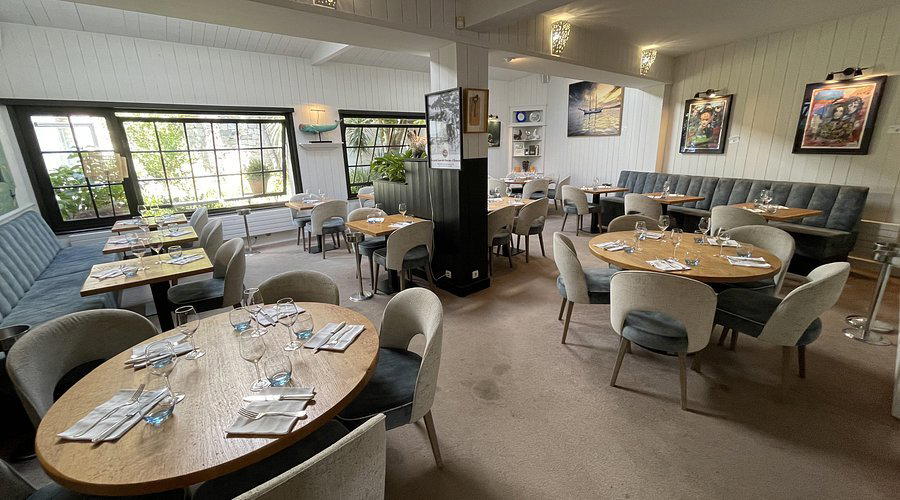
Historic Loire Valley family estate set in an 18th‑century gentleman’s residence, with a quiet, traditional vineyard atmosphere focused on purity of fruit and gentle, precise winemaking rather than showy design.