Château Croque Michotte

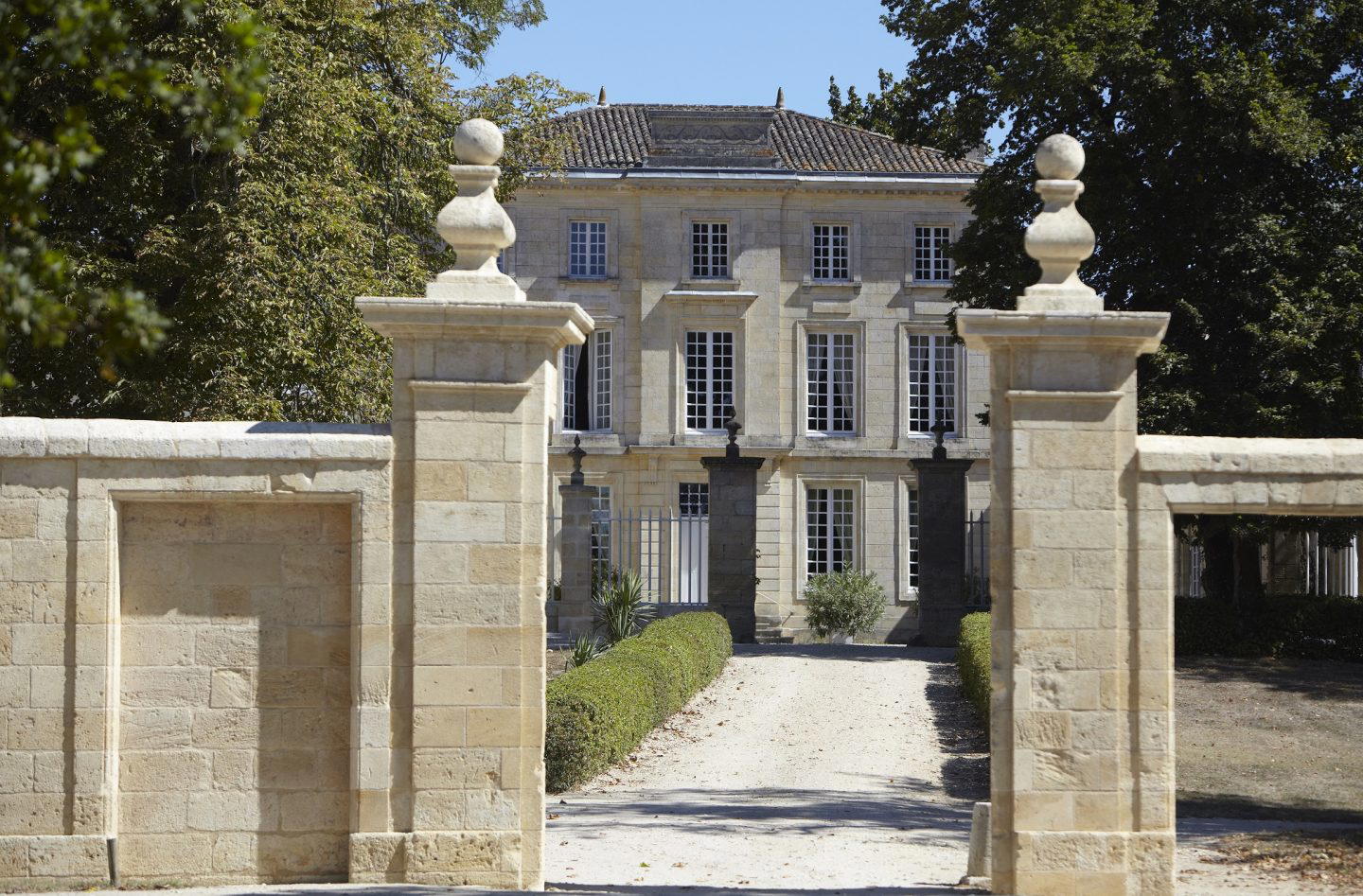
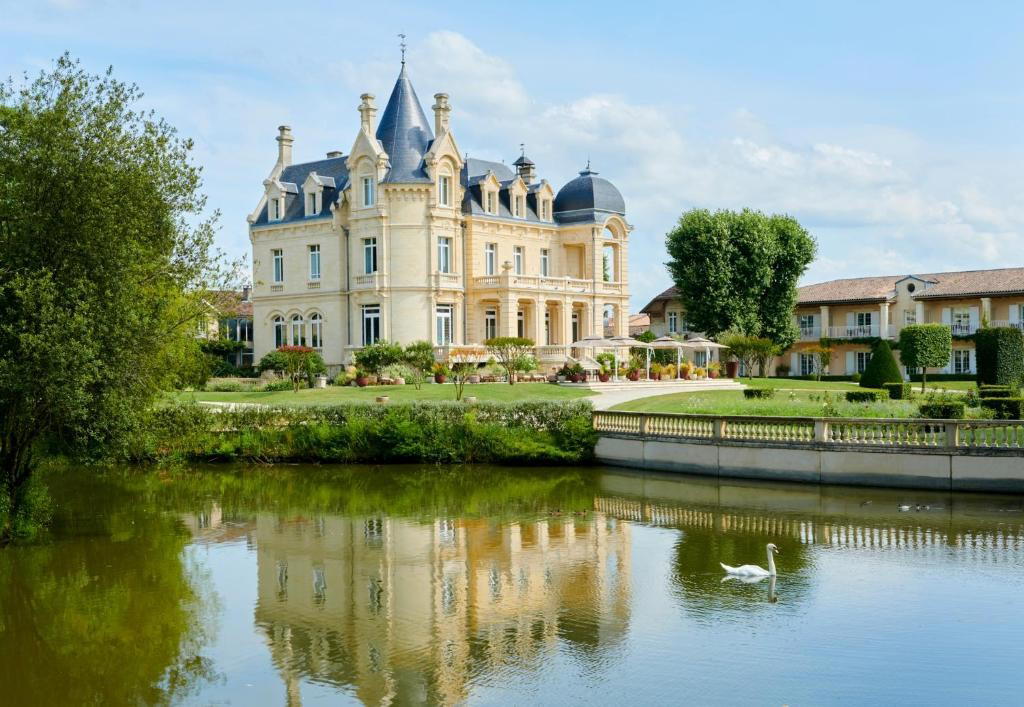
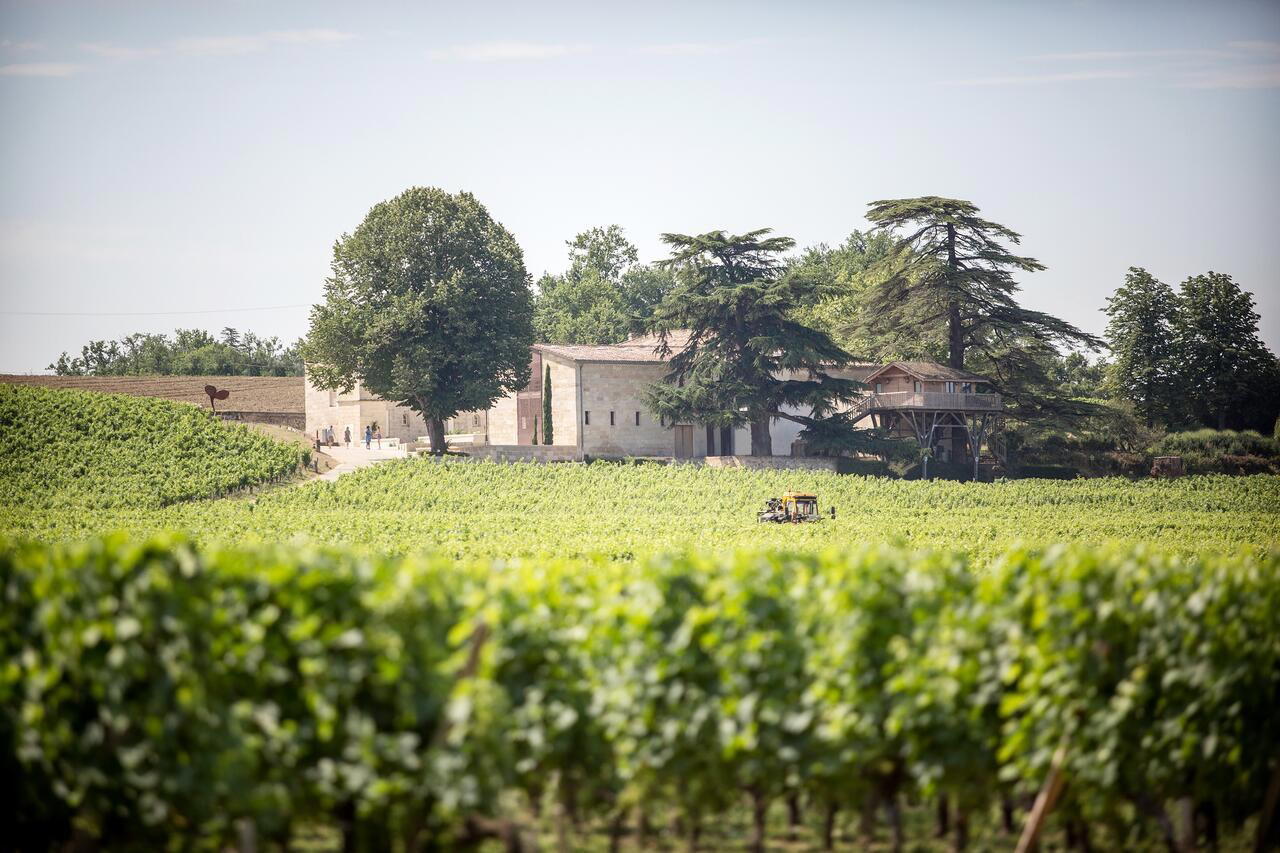
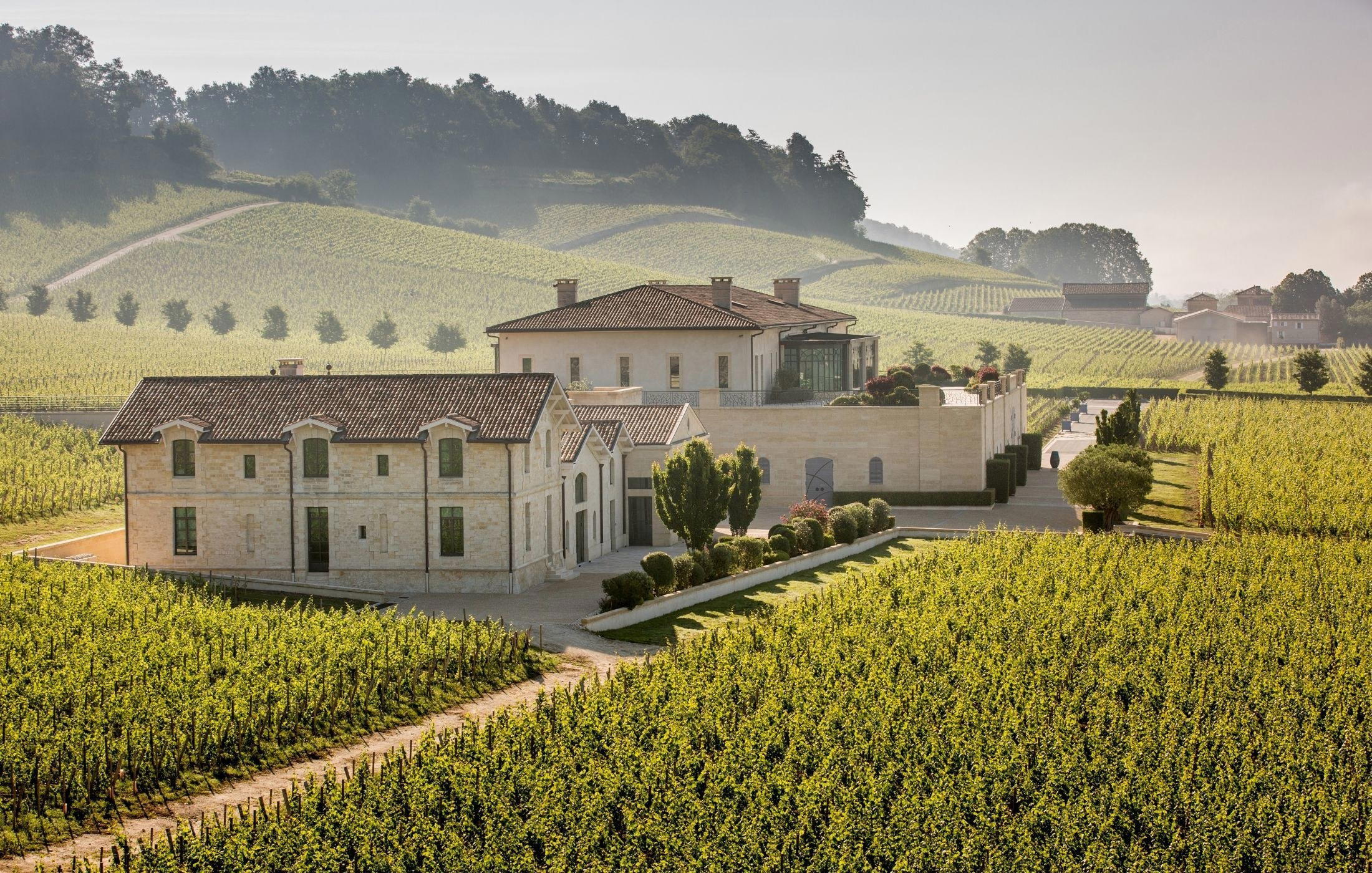
Château Croque Michotte is a quiet Saint-Émilion Grand Cru estate with roots recorded in 1355 and a cellar-first rhythm rather than a hospitality-show format. Its draw is terroir: a 14-hectare single-parcel vineyard near the Pomerol border, organic farming since 1993, and Right Bank reds led by Merlot and Cabernet Franc.
Pearl is the En Primeur Club membership app — saves, bookings, and concierge access live there. Same editors, same standards.
- Address
- Saint-Émilion, Nouvelle-Aquitaine, Frankreich
- Directions
- Get directions
 Saves & bookings on Pearl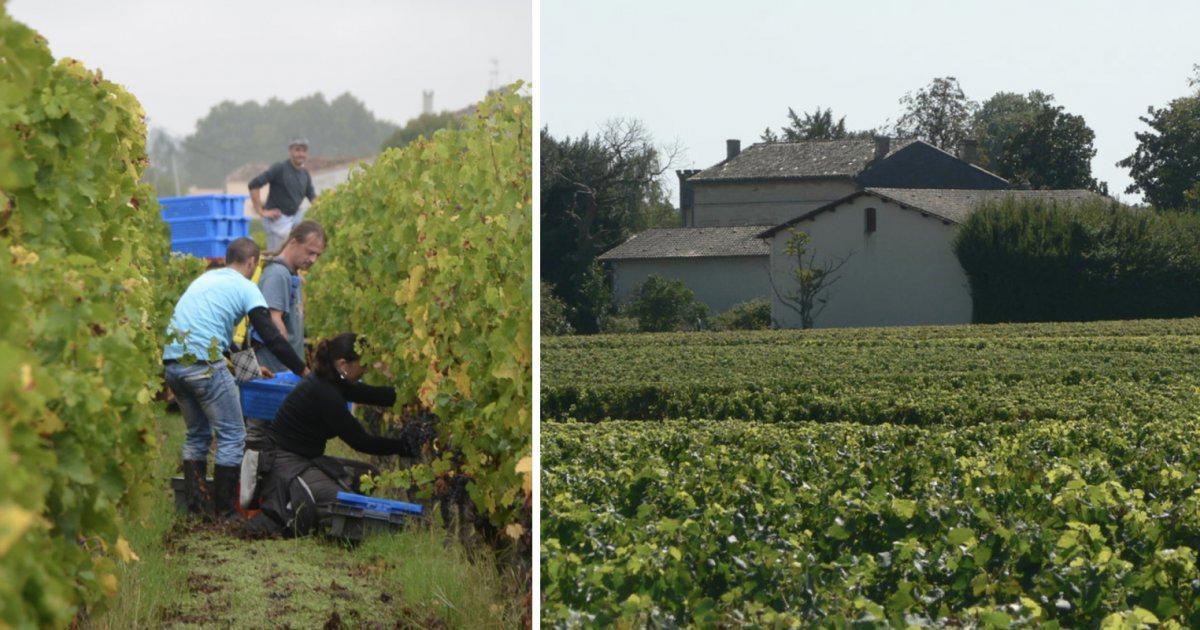
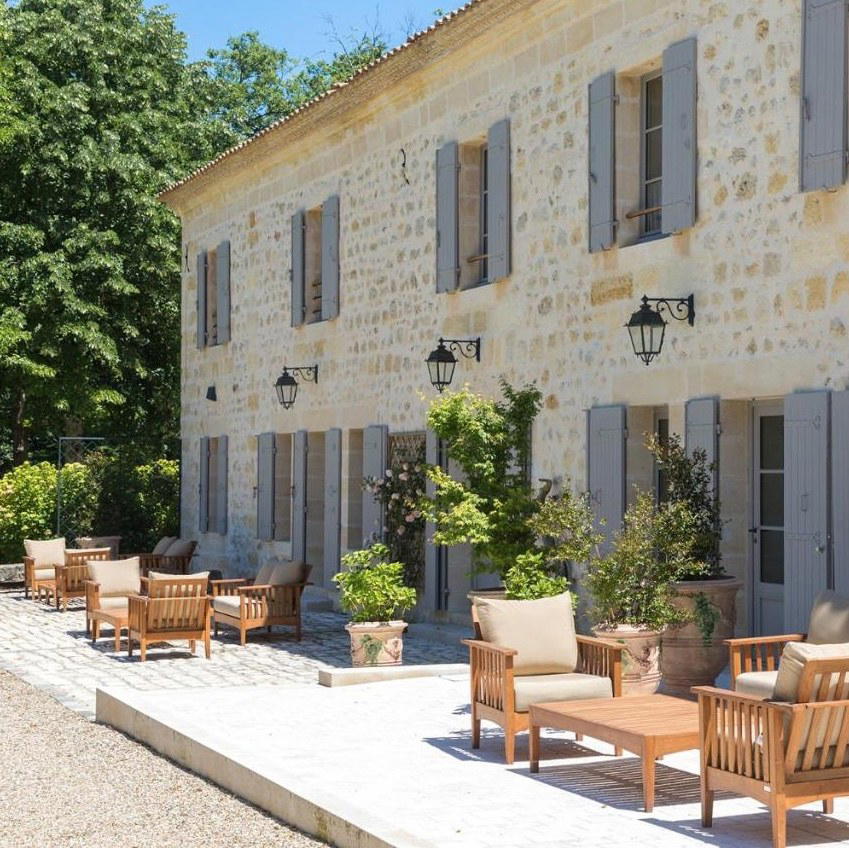
Château Croque Michotte is best approached as a quiet Saint-Émilion wine estate rather than as a hospitality spectacle. The profile is deliberately restrained: historic, traditional, and focused on organic viticulture and cellar-style wine production. For visitors building a wine-led day in Saint-Émilion, that matters. This is the sort of place to frame around the estate’s agricultural identity and the tone of the wines, not around an invented restaurant-style service, entertainment format, or luxury-hotel level of amenities.
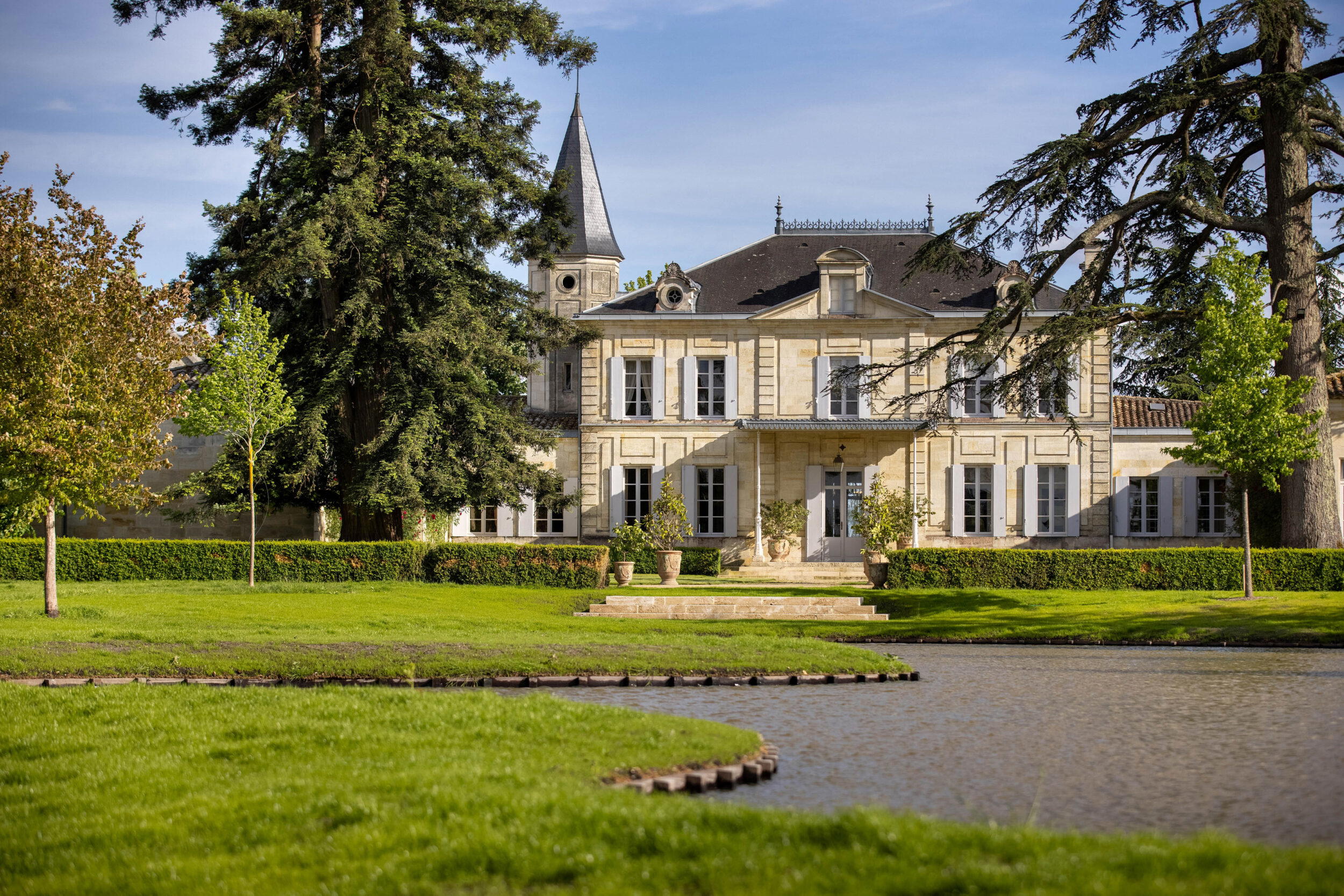
The safest reading of Château Croque Michotte is classic and low-key. Its character points toward a traditional Saint-Émilion setting where the vineyard and cellar remain central. The estate’s wine profile is described as finesse-driven and elegant, which is a useful cue for expectations: think restraint rather than flash, quietness rather than performance, and a historic wine-estate mood rather than a modern showpiece built around visitor theatre.
A traditional Saint-Émilion estate with an organic focus
One important confirmed point is organic viticulture. In a region where wine estates can be marketed through architecture, prestige language, or broad tourism programming, Château Croque Michotte’s identity is more grounded: a Saint-Émilion estate focused on farming and cellar-style production. That does not support detailed claims about grape percentages, parcel size, cellar equipment, production volume, founding dates, ownership history, or classification status unless those details are separately verified. the reliable emphasis is simpler and stronger: organic vineyard work, traditional estate character, and a quiet wine-focused atmosphere.
That narrower profile is still useful for planning. Not every Saint-Émilion stop needs to be described through rankings, awards, or highly specific tasting-room rituals. The winery fits a more classic rhythm: a historic wine-estate context, an understated setting, and a style of wine described around elegance and finesse. Those are cues, and they are enough to distinguish it from more hospitality-forward places without adding unsupported claims.
Price is listed as $$$.
Classic Right Bank mood, not a modern tasting-room performance
The winery’s tone is best described as classic, quiet, and traditional. What can be said is that the estate’s identity is wine-led and cellar-oriented, with a setting that suits visitors interested in Saint-Émilion’s quieter side.
The wine profile also points away from a flashy reading. “Finesse-driven” and “elegant” are the important descriptors. Those words suggest that the estate should be approached by drinkers who value balance, restraint, and a traditional Saint-Émilion frame. They do not justify exact vintage scores, drinking windows, decanting advice, oak percentages, or grape composition unless those details are independently confirmed. For a premium guide, the more honest recommendation is to let the visit and the bottle speak within a classic Saint-Émilion context.
As a planning note, the winery works well in an itinerary that leaves room for attention. A quiet estate can be diminished by an overpacked schedule, especially in Saint-Émilion, where the pleasure is often in comparing moods across vineyard properties and dining rooms rather than rushing through names. Pair it with other Saint-Émilion dining or wine stops generically, but avoid assuming it offers restaurant service, formal meals, or a broad visitor program unless confirmed by the venue.
Where it fits in a serious Saint-Émilion itinerary
For travelers who care about wine context, the winery is a strong fit when the goal is to understand a traditional estate with an organic viticultural focus. It is not necessary to build the visit around accolades or invented technical details. The grounded appeal is more modest and more credible: Saint-Émilion, historic estate character, organic farming, cellar-style production, and an elegant wine profile.
That makes it especially relevant for visitors who prefer quieter, more classic wine experiences. The estate’s positioning does not promise spectacle, nightlife energy, a restaurant, a hotel-style concierge experience, or a themed attraction. It suggests a calm wine-estate atmosphere. In a village and appellation often associated with prestige, that restraint can be part of the draw.
When comparing the winery with other Saint-Émilion options, keep the comparison general unless another venue’s details. Some nearby dining rooms and wine estates may be more formal, more tourism-oriented, or more visibly designed around hospitality. The winery’s confirmed profile is different: historic, traditional, organic, quiet, and focused on wine production. That is the lens to use when deciding whether it belongs in your Saint-Émilion day.
Recognition history
Dated appearances from independent guides and award organizations, with the underlying list record or original source where available.
Falstaff Winery - Listed
Falstaff
Continue exploring
More in Saint-Émilion
Wineries in Saint-Émilion
Browse all →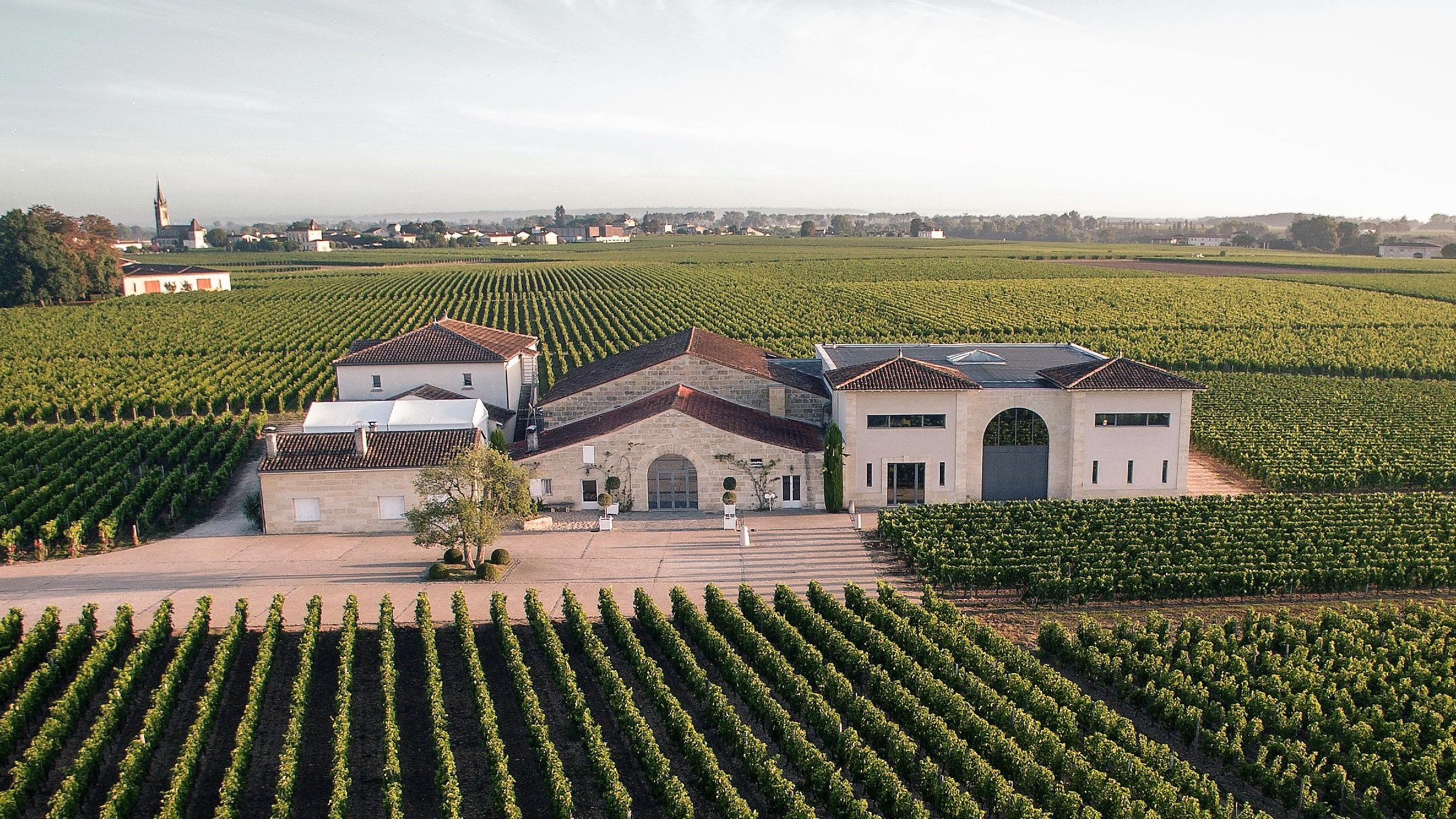
Bars in Saint-Émilion
Browse all →
Restaurants in Saint-Émilion
Browse all →
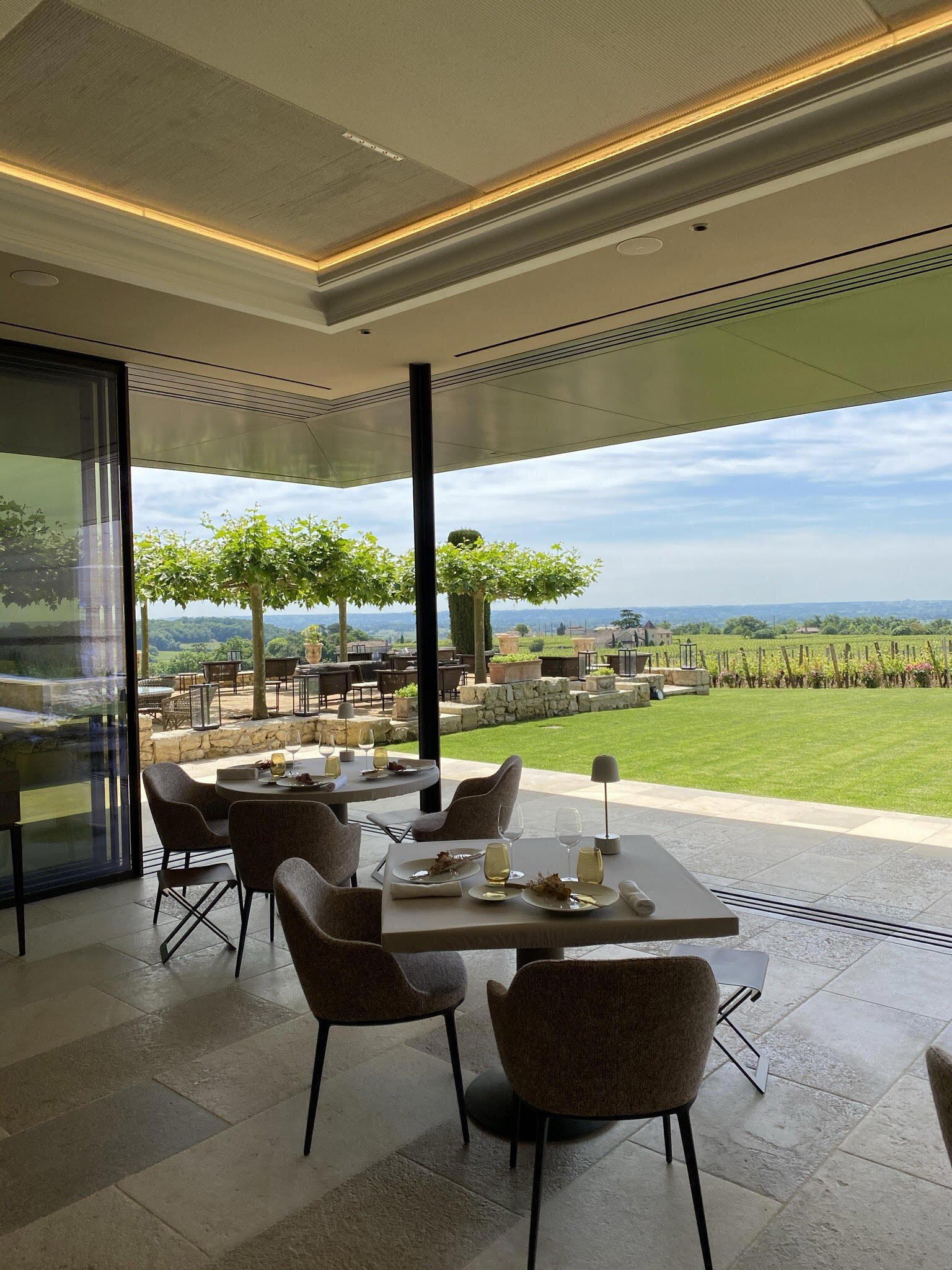
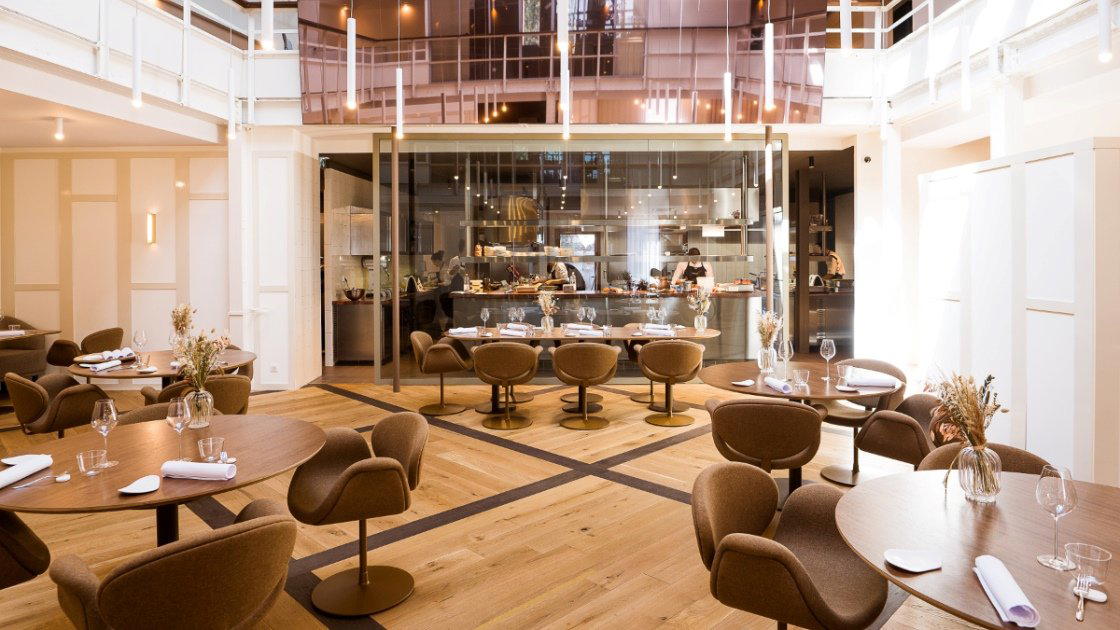
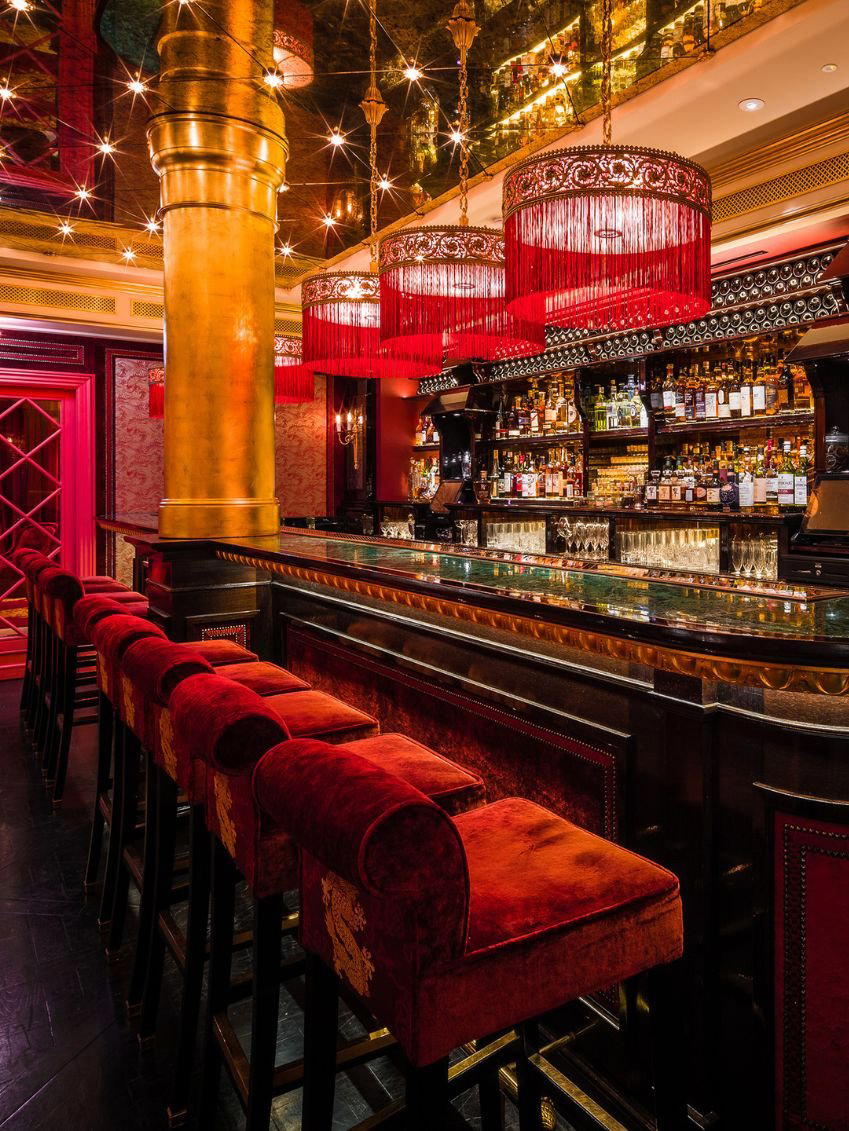
At a Glance
- Classic
- Quiet
- Historic
- Elegant
- Intimate
- Wine Education
- Special Occasion
- Solo Exploration
- Group Outing
- Historic Building
- Estate Grounds
- Private Tasting
- Organic
- Vineyard
- Saint Emilion Grand Cru
- Merlot
- Cabernet Franc
- Cabernet Sauvignon
- Still Red
- Private Tasting
Historic, traditional Saint-Émilion wine estate focused on organic viticulture and cellar-style wine production; the wine profile suggests a finesse-driven, elegant style rather than a flashy or modern hospitality setting.