
Champagne Gatinois is a small grower Champagne house in Aÿ, built around Pinot Noir from Grand Cru vineyards and a family line that reaches back to 1696. The appeal is not spectacle but terroir: stainless-steel, low-dosage, Pinot-led wines from roughly seven hectares, with production around 3,300 cases a year.

Pearl is the En Primeur Club membership app — saves, bookings, and concierge access live there. Same editors, same standards.
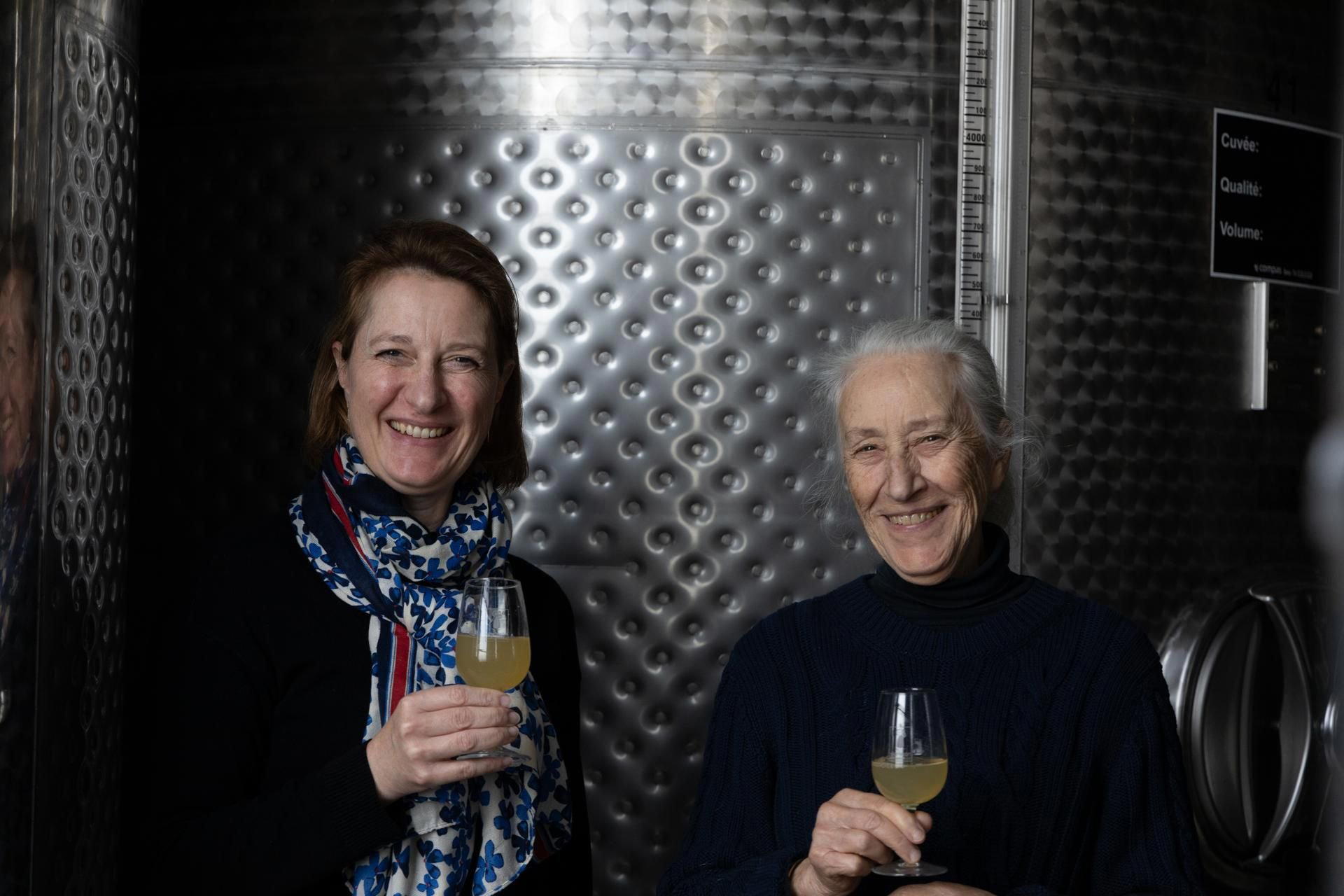
In Aÿ, Champagne Gatinois is best understood as a small, traditional grower Champagne house in a Grand Cru village. That frame matters because it keeps the focus on origin, house identity and wine style rather than on scale or spectacle. Its identity is tied to Pinot Noir-driven wines, with a style that favors power and structure while remaining refined and classically Champagne in character. The appeal is not that it tries to be everything at once, but that it gives a concentrated impression of one village context and one clear stylistic direction.
The useful frame is not spectacle or breadth, but focus. Champagne Gatinois offers a narrow reading of Aÿ through wines described as full-bodied, structured and elegant, with Pinot Noir at the center of the house profile. For a traveler or drinker trying to understand Champagne through place, that narrowness is part of the value: it gives the house a defined role, rather than a generalized position among larger or more varied names.
Aÿ Pinot Noir, read through a grower lens
Grower Champagne is most meaningful when it communicates a clear sense of place. At Champagne Gatinois, the story is a small, traditional house in Aÿ, a Grand Cru village, with a profile focused on Pinot Noir. The wines are presented as Pinot Noir-driven rather than broadly varietal or stylistically anonymous. That distinction is useful because it points the reader toward a Champagne expression built around depth, structure and village character, rather than toward a neutral or interchangeable idea of sparkling wine.
That focus gives the house its appeal for drinkers who want Champagne with depth, structure and classic balance. The emphasis is on a profile that combines power and elegance rather than on claims about production scale, specific cuvées or cellar technique. In practical terms, this means the interest lies in the shape and feel of the wines: full-bodied, composed, and grounded in a traditional reading of Aÿ, while still retaining the refinement expected from classic Champagne.
For planning purposes, the winery should be approached as a traditional grower Champagne name in Aÿ with a $$$ price level. That price signal helps place it within a trip or buying decision without overstating what is known. Beyond that, specific details such as tasting format, opening times, individual bottlings or service arrangements should be confirmed directly before visiting. The safest expectation is to treat it as a focused wine address first, and to verify all practical arrangements rather than assuming a particular hospitality model.
The house style: structure before gloss
The winery fits a clear Aÿ context. The house style is full-bodied and structured, but also refined, classic and elegant. That combination is the central reason to pay attention to it. The language around the house points less toward surface flash and more toward backbone: wines with presence, shape and a sense of proportion. In that way, the style can be understood as one where strength is important, but not allowed to become coarse or heavy.
Rather than relying on scores, awards or production figures, the stronger editorial case is stylistic: the winery represents a compact, traditional grower expression from Aÿ, with Pinot Noir-driven wines that balance strength and polish. This is a helpful way to read the house because it avoids unnecessary inflation. The important claim is not that the address is defined by external recognition, but that it occupies a coherent position within Aÿ: small, traditional, Grand Cru, and centered on a structured Pinot Noir profile.
For readers mapping Champagne in Aÿ, the winery offers a focused point of reference. It is not being presented here through facilities, rankings or hospitality claims, but through its identity as a small Grand Cru grower house with a classic, structured Champagne profile. That makes it especially useful as a marker within the village: a way to think about Aÿ not abstractly, but through a producer whose stated character is tied to fullness, elegance and Pinot Noir-led structure.
How to frame it within a Champagne itinerary
The right expectation is a traditional grower Champagne house rather than a venue defined by extras. If you are planning a visit, confirm practical details directly, including availability, hours, tasting arrangements and any purchasing options. This is particularly important because the editorial value of the winery rests on wine identity, not on assumed visitor infrastructure. A careful plan should therefore separate the reason to care about the house from the logistics of actually visiting it.
The winery is most useful for travelers who want to understand Aÿ through a Pinot Noir-driven lens. It can also sit naturally alongside other dining and wine planning in Aÿ, without needing inflated claims about awards, formats or visitor services. In an itinerary, its role is best understood as a focused grower reference point: a place to associate with Grand Cru Aÿ, traditional Champagne character, and wines described through body, structure, refinement and elegance.
The editorial case is simple: the winery is a small, traditional Grand Cru grower Champagne house in Aÿ, known here for Pinot Noir-driven wines that are full-bodied, structured, refined and classic in character. That is enough to define its place clearly. For readers, the main takeaway is a disciplined one: look to the winery for a compact and traditional expression of Aÿ, and confirm the practical details directly before building a visit around it.
Recognition history
Dated appearances from independent guides and award organizations, with the underlying list record or original source where available.
Falstaff Winery - 4 Stars
Falstaff
Continue exploring
More in Aÿ
At a Glance
- Classic
- Elegant
- Well Known
- Intimate
- Rustic
- Special Occasion
- Celebration
- Wine Education
- Romantic Getaway
- Historic Building
- Sustainable
- Vineyard
- Champagne AOC
- Pinot Noir
- Chardonnay
- Sparkling
- Traditional Seated Tasting
Small, traditional grower Champagne house in the Grand Cru village of Aÿ, focused on Pinot Noir-driven wines that balance power and elegance, with full-bodied, structured, yet refined profiles and classic Champagne character.