Château Trimoulet

Château Trimoulet gives Saint-Émilion in a quieter register: a historic Right Bank estate founded in 1802, with Merlot-led red wine shaped by clay-limestone, sand and iron-rich soils. Its appeal is less about spectacle than terroir, small-scale production, vineyard touring and the continuity of a working château now under Dassault ownership.
Pearl is the En Primeur Club membership app — saves, bookings, and concierge access live there. Same editors, same standards.
- Address
- Saint-Émilion, Nouvelle-Aquitaine, Frankreich
 Saves & bookings on Pearl
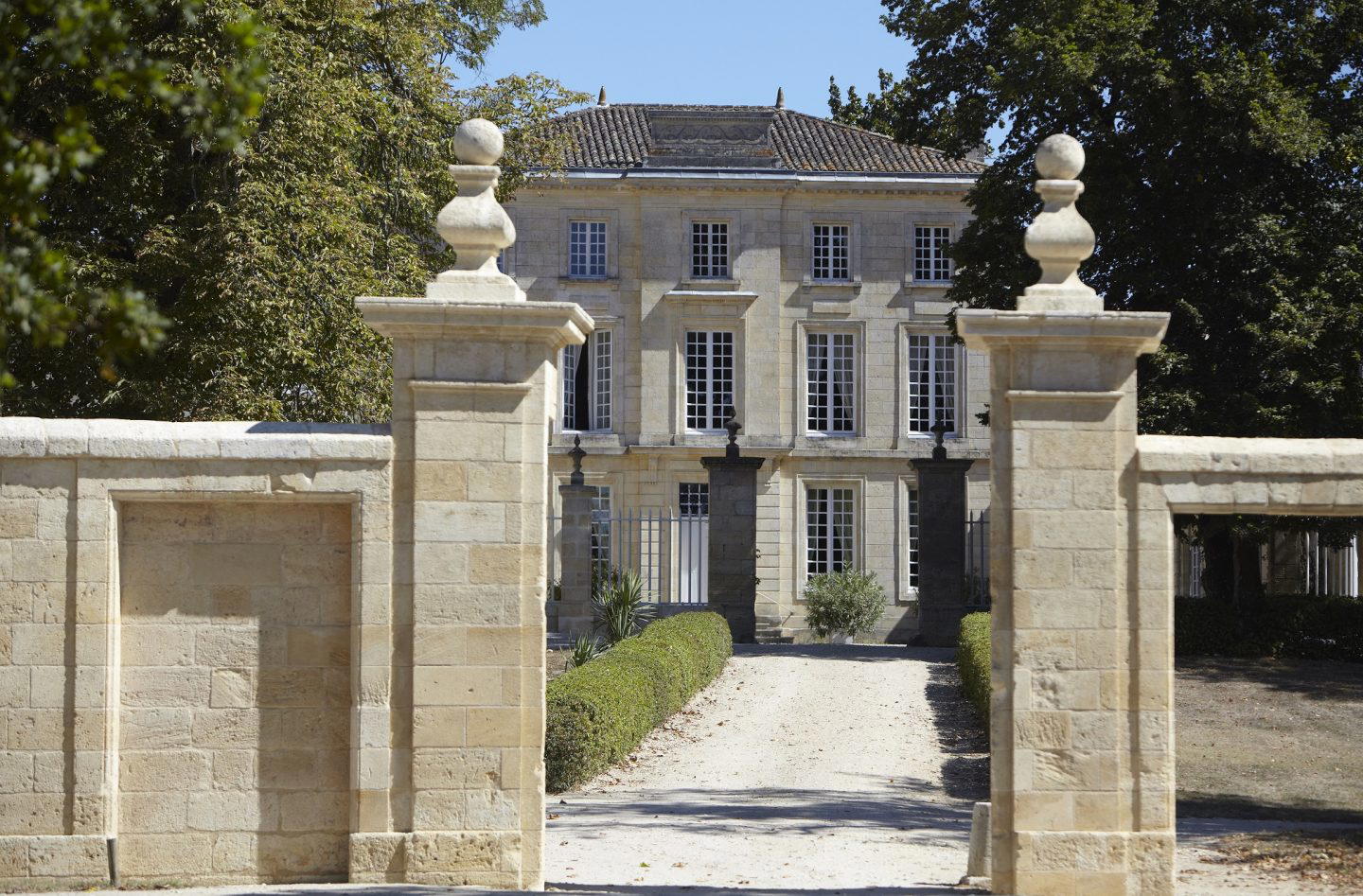
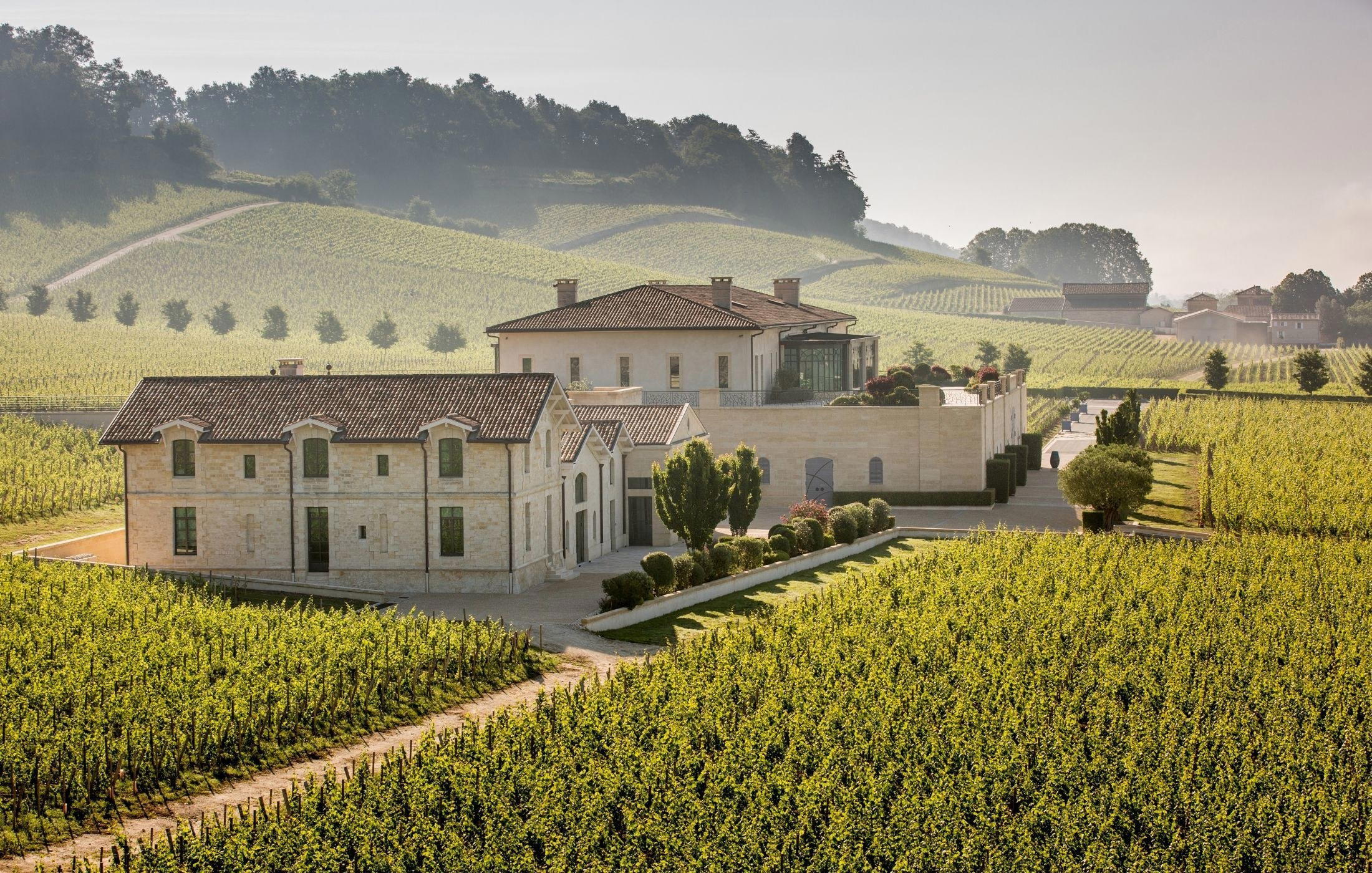
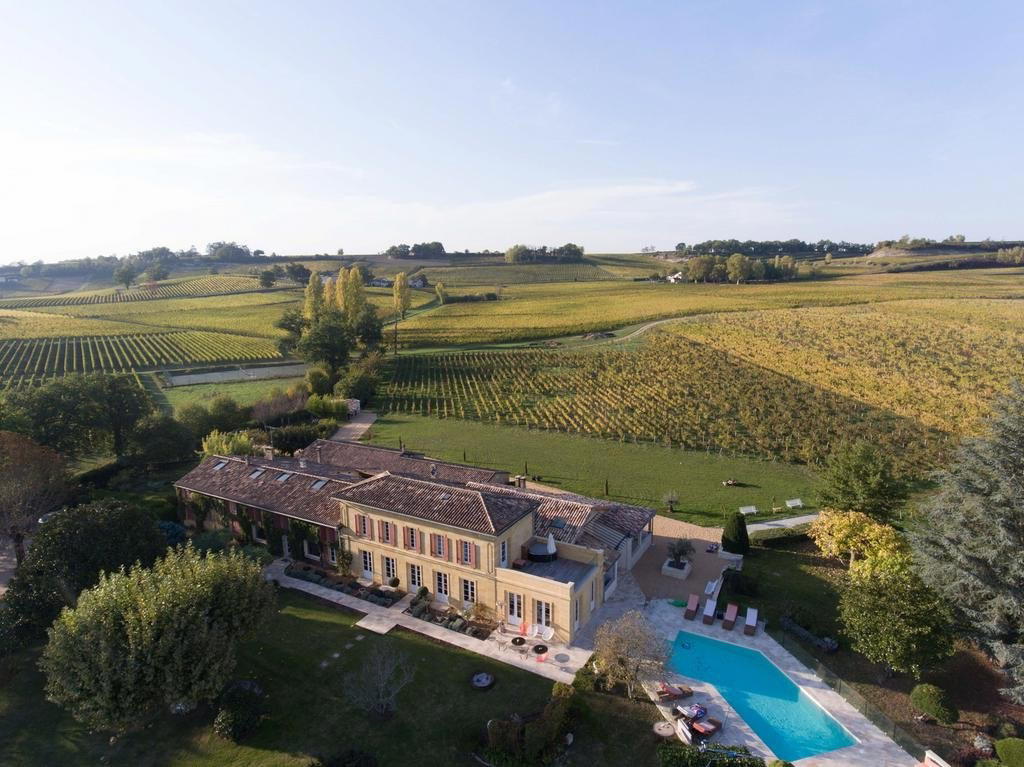
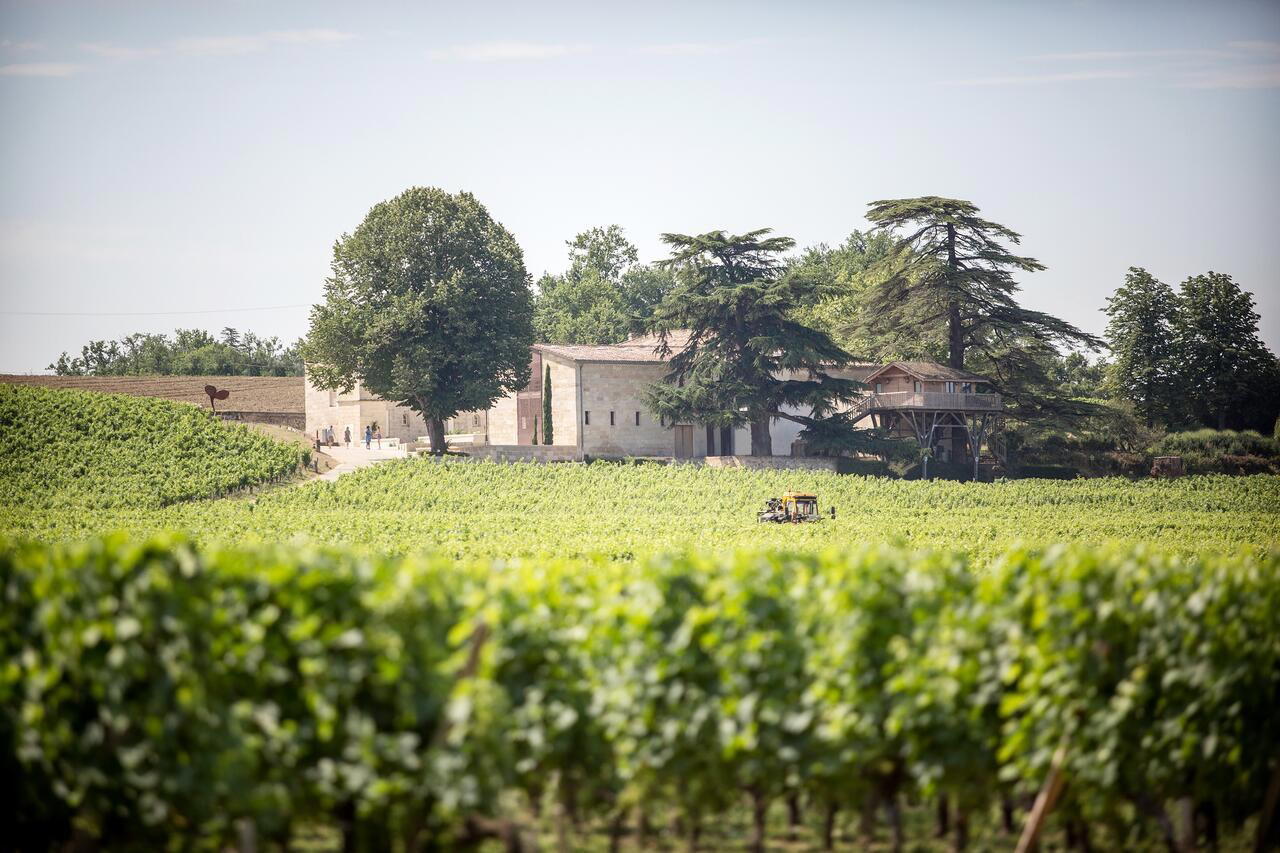
Approaching a working château in Saint-Émilion is a useful correction to the region’s polished grand-cru mythology. The drama here is agricultural before it is architectural: vines, cellars, a traditional tower, and the slower rhythm of a Right Bank estate where Merlot has the lead role and the ground does much of the speaking. Château Trimoulet belongs to that quieter side of Bordeaux, where the pleasure is in reading soil, selection and cellar choices rather than chasing labels.
Clay-limestone, sand and Merlot in the Right Bank register
Saint-Émilion’s identity rests on Merlot’s affinity with clay and limestone, with Cabernet Franc adding line, fragrance and structure. Château Trimoulet’s vineyard material sits within that grammar: Merlot, Cabernet Franc and Cabernet Sauvignon are planted across mixed clay-limestone and sandy soils, with iron deposits adding another layer to the site’s profile. Recent wines have leaned Merlot-dominant, with 2019 and 2020 noted at 80% Merlot and 20% Cabernet Franc, a blend that places fruit texture and Right Bank roundness ahead of Left Bank austerity.
The estate’s scale matters. Around 8,000 cases a year places it in small-estate territory rather than volume Bordeaux, and parcel selection is part of the story. Production has focused on stronger vineyard parcels, while Emilius de Trimoulet works as the second wine. That split is common in serious Bordeaux: the first wine carries the tighter selection; the second wine absorbs fruit that may be earlier-drinking or drawn from less central parcels.
Cellar technique reinforces the traditional line. Vinification in concrete vats keeps the frame neutral and old-school Bordeaux in feel, while ageing for roughly 12 months in French oak, with a high proportion of new barrels, brings the wine into a more contemporary register. The result is not a museum piece. It is Saint-Émilion shaped by an old property, modern consultant culture and the region’s long-running negotiation between inheritance and precision.
A 1802 estate in a modern Saint-Émilion economy
The founding date, 1802, gives Château Trimoulet a deeper timeline than many estates with louder market profiles. For more than two centuries it remained tied to the Jean family before the Dassault family acquired it in 2016. That change is significant in Bordeaux terms: ownership shifts often bring capital, technical review and a sharper commercial lens. Here, the broader pattern is familiar across Saint-Émilion, where historic properties increasingly pair old vineyard holdings with contemporary consulting and stricter selection.
Michel Jean is associated with the estate’s winemaking history, and consultants Nicolas Thienpont and Michel Rolland connect the property to two influential Bordeaux currents: vineyard discipline on one side, cellar precision on the other. Those names should be read as credentials, not theatre. In a region crowded with heritage claims, technical decisions are what separate a serious estate from a merely picturesque one.
Recognition has come in measured, wine-specific ways rather than through a long awards shelf. Recent critical scoring has sat in the 87–91 point band, with the 2020 vintage reaching 91 points and the 2022 vintage noted at 90. The 2019 vintage also took first place in a 2023 Saint-Émilion Grand Cru blind tasting. For readers building a Right Bank itinerary, that is a more useful signal than grand language: the wines have performed in comparative tasting, and the estate sits within the Saint-Émilion Grand Cru AOC conversation without requiring the posture of a trophy stop.
How the visit fits a Saint-Émilion wine day
The visit format is estate-led and educational rather than restaurant-style hospitality. Standard and private tastings are part of the offer, vineyard and cellar touring are central, and visits run by reservation. Tour languages include English, French and Italian, with a typical duration of 60 to 90 minutes. The estate can receive groups, which makes it useful for wine-focused travellers who want context on vineyard practice, concrete fermentation and Right Bank blending without turning the day into a luxury production.
The audience is clear: drinkers interested in terroir expression, Bordeaux structure and the mechanics of Saint-Émilion Grand Cru rather than visitors looking for food pairings or a casual drop-in bar. The atmosphere is quiet, rustic and rooted in the working landscape. That restraint is the point. In a village and appellation where the visitor economy can become theatrical, this is a more grounded way to understand why Merlot behaves differently on clay-limestone, sand and iron-rich soils.
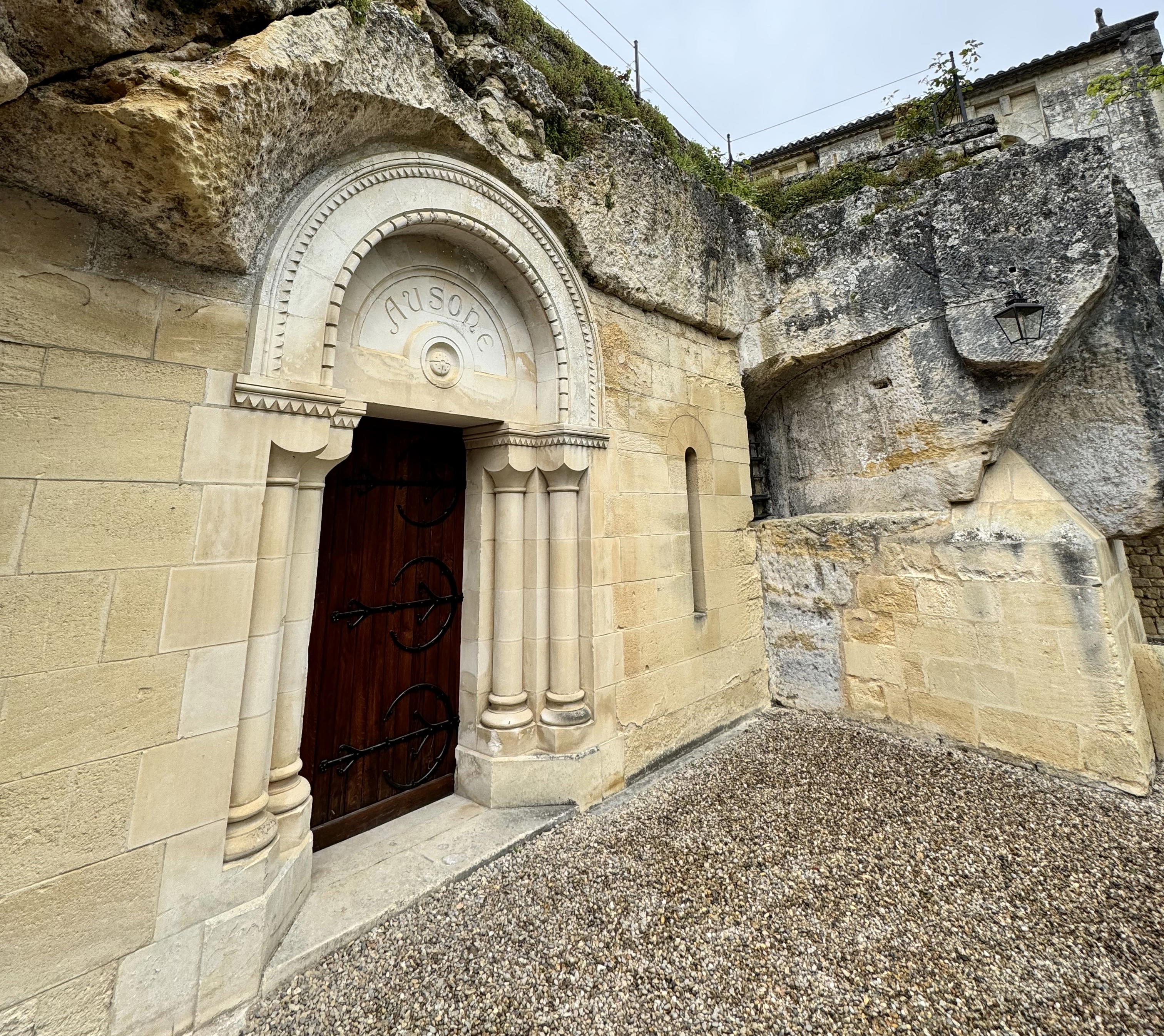
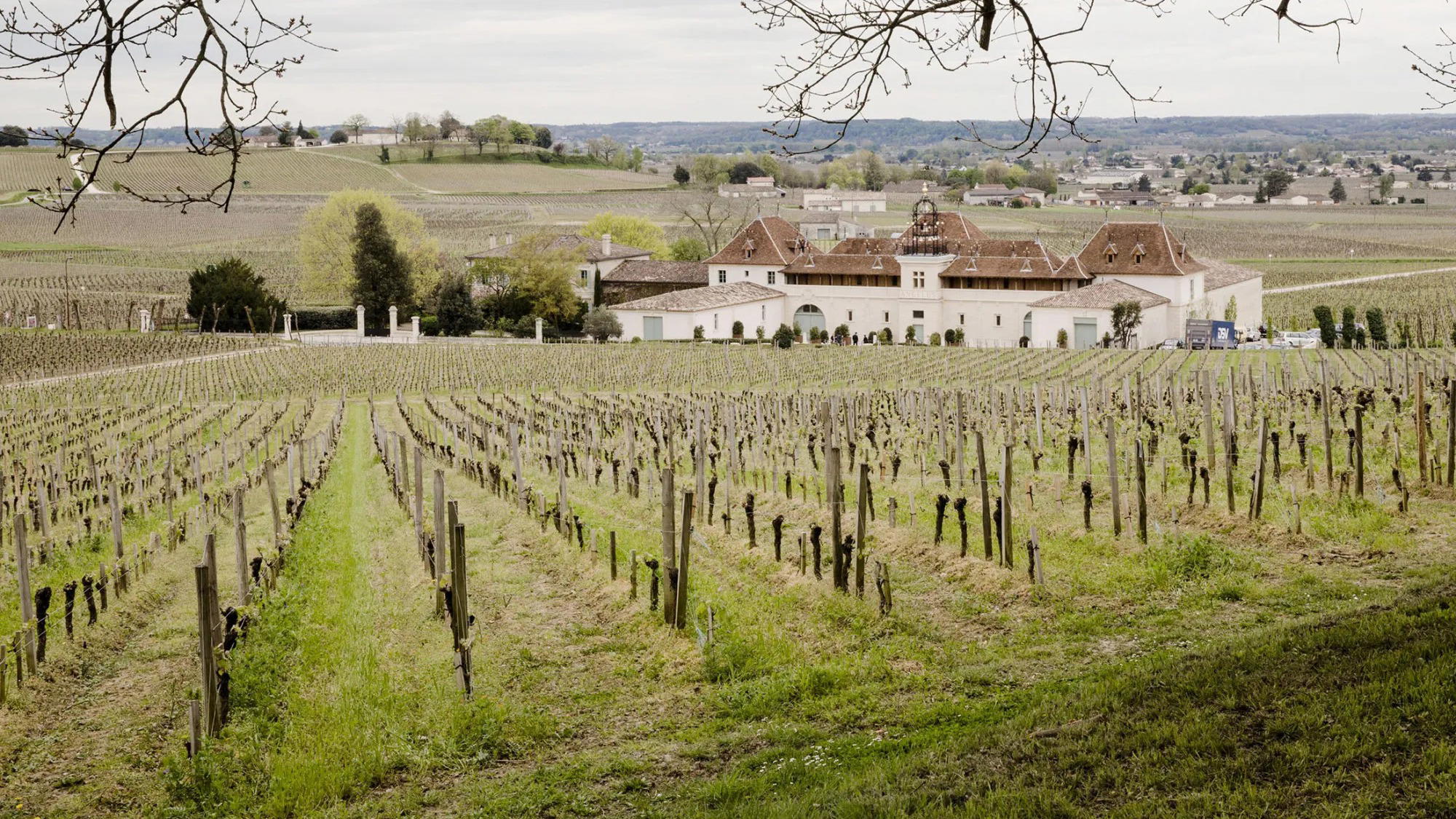
For a broader Saint-Émilion plan, pair a winery visit with dining, hotels and local drinking culture rather than treating the château as the whole day. EP Club’s city guides cover the surrounding circuit: Our full Saint-Émilion wineries guide, Our full Saint-Émilion restaurants guide, Our full Saint-Émilion hotels guide, Our full Saint-Émilion bars guide and Our full Saint-Émilion experiences guide. Nearby winery reading across the broader collection includes Chateau Ausone, Chateau Beauregard, Chateau Montlisse, Château Amélisse and Château Angelus. For contrast beyond Bordeaux, see A. Margaine in Villers-Marmery, Abbaye de Fontfroide in Narbonne, Abbotts & Delaunay in Marseillette, »der Steiner« Hans Steiner in Podersdorf am See and & Handwein in Mannheim.
Recognition history
Dated appearances from independent guides and award organizations, with the underlying list record or original source where available.
Falstaff Winery - 1 Stars
Falstaff
Continue exploring
More in Saint-Émilion
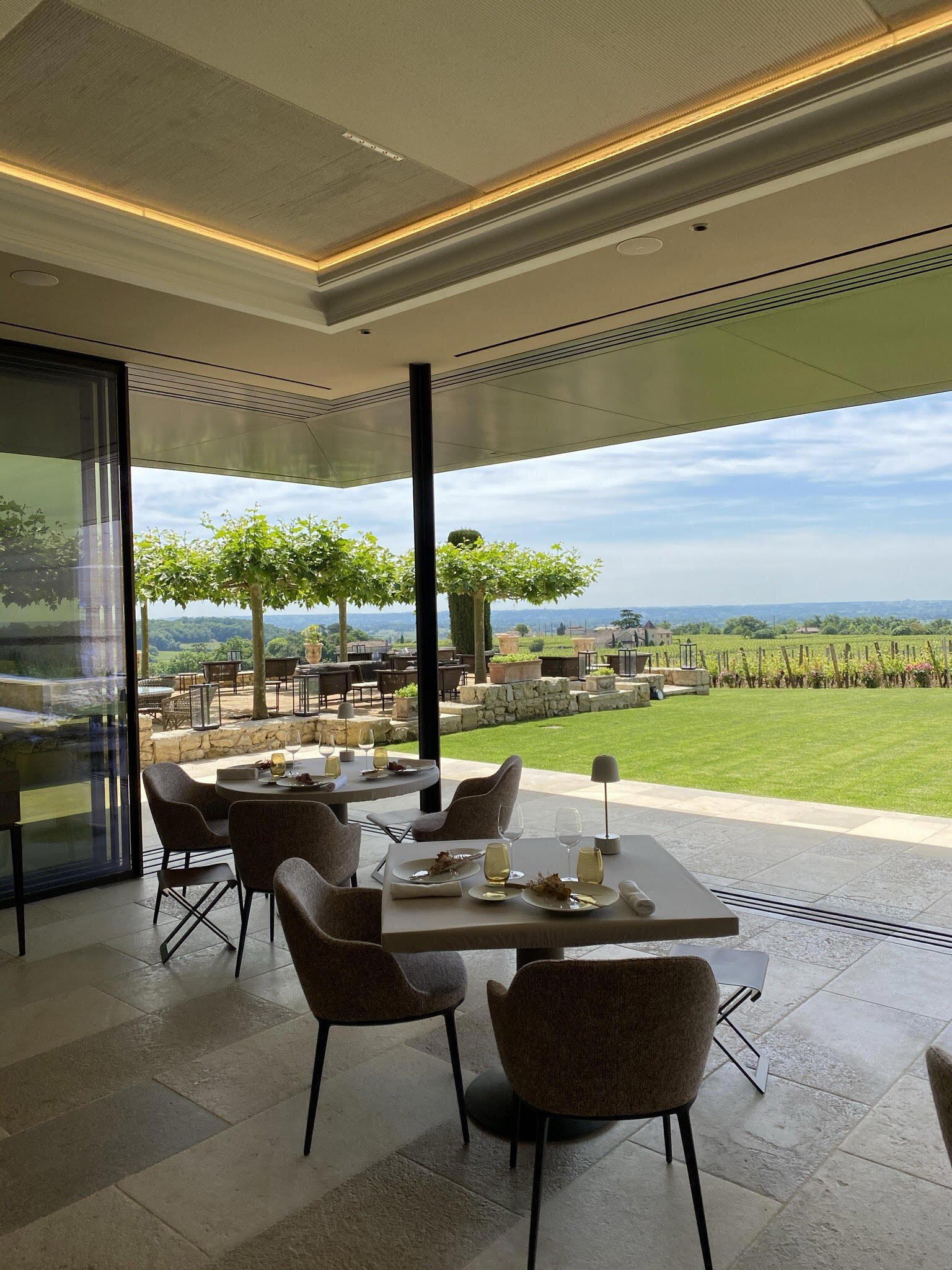
Wineries in Saint-Émilion
Browse all →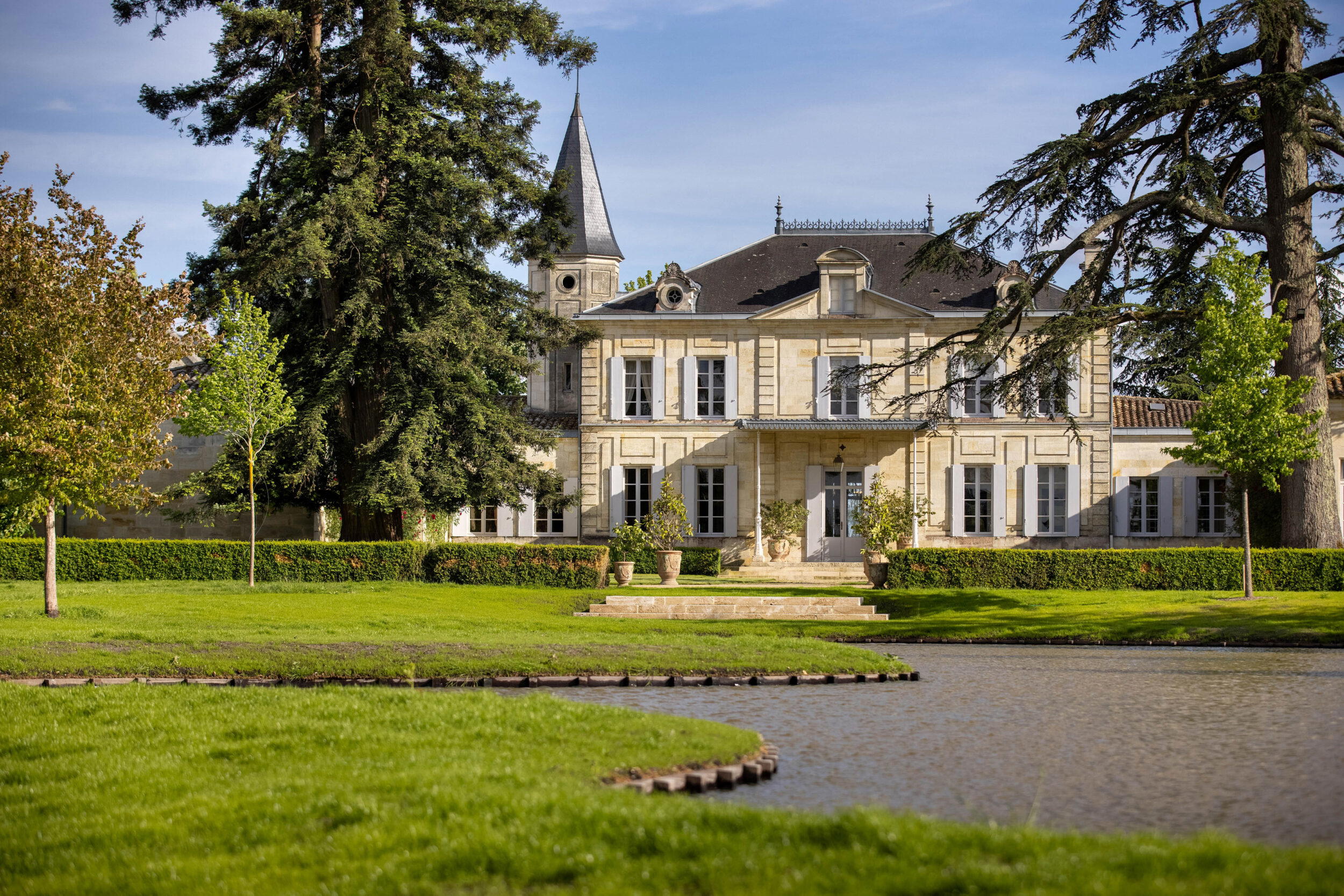
Bars in Saint-Émilion
Browse all →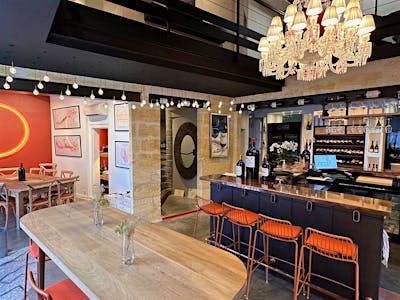
Restaurants in Saint-Émilion
Browse all →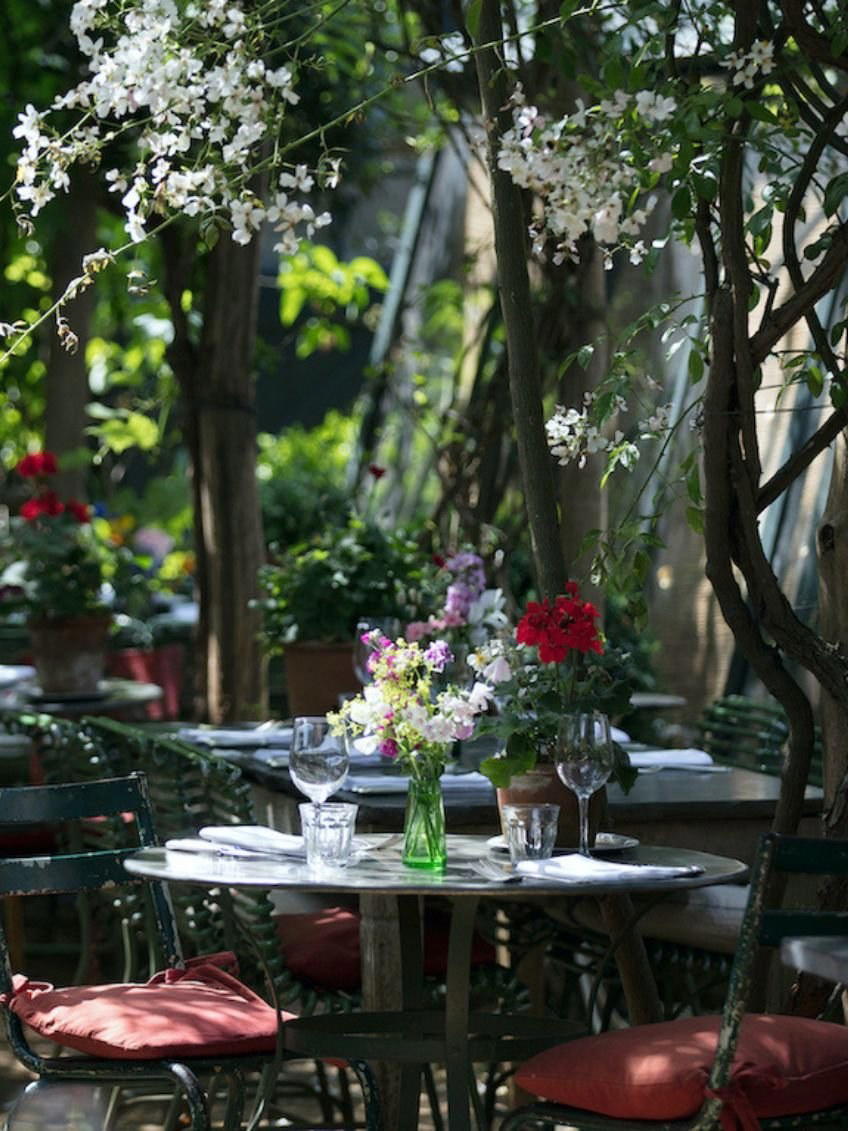
At a Glance
- Classic
- Rustic
- Romantic
- Scenic
- Romantic Getaway
- Group Outing
- Wine Education
- Solo Exploration
- Estate Grounds
- Vineyard Tour
- Historic Building
- Private Tasting
- Sustainable
- Vineyard
- Garden
- Saint Émilion Grand Cru AOC
- Merlot
- Cabernet Franc
- Cabernet Sauvignon
- Still Red
- Standard Tasting
- Private Tasting
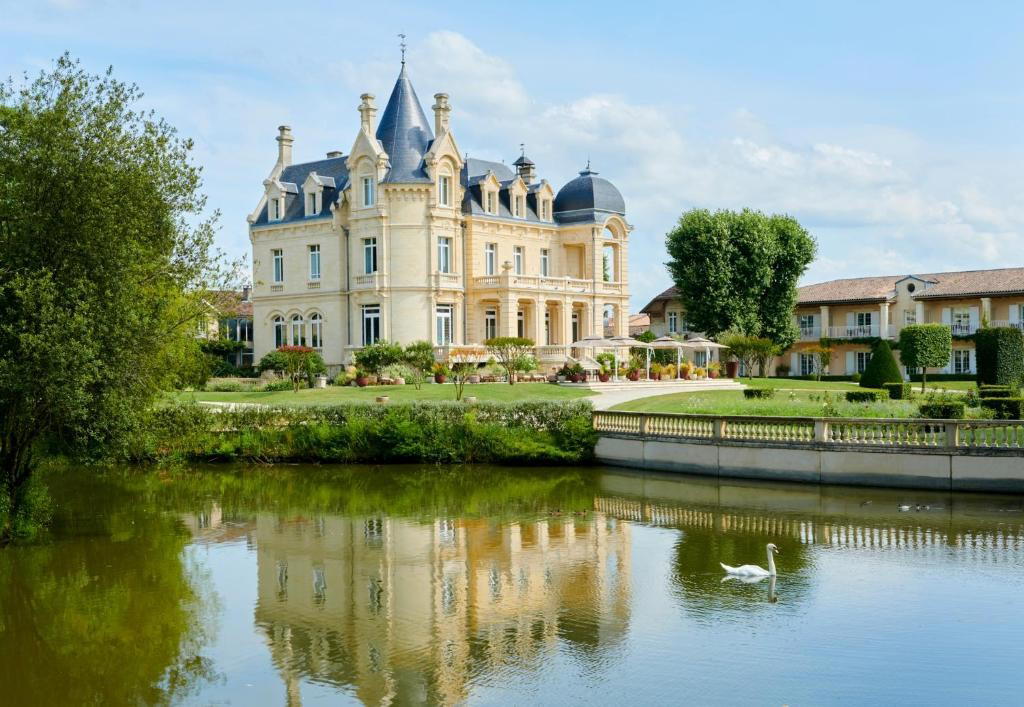
Historic Right Bank Bordeaux estate with a traditional chateau and tower, working vineyards and cellars, offering a quiet, authentic wine-growing atmosphere focused on craftsmanship and environmental care.