
Falstaff Winery - Listed
Château Reynon gives Barsac-area wine travel a quieter Bordeaux register: neoclassical estate, south-facing clay-limestone slopes, and a Dubourdieu family approach shaped around red and white parcels rather than cellar-door spectacle. The appeal is terroir clarity: Merlot-led Cadillac Côtes de Bordeaux, Sauvignon Blanc-based Bordeaux Blanc, sustainable vineyard work, and a medium-scale production profile of around 50,000 bottles a year.

Pearl is the En Primeur Club membership app — saves, bookings, and concierge access live there. Same editors, same standards.
- Address
- Barsac, Nouvelle-Aquitaine, Frankreich
- Directions
- Get directions

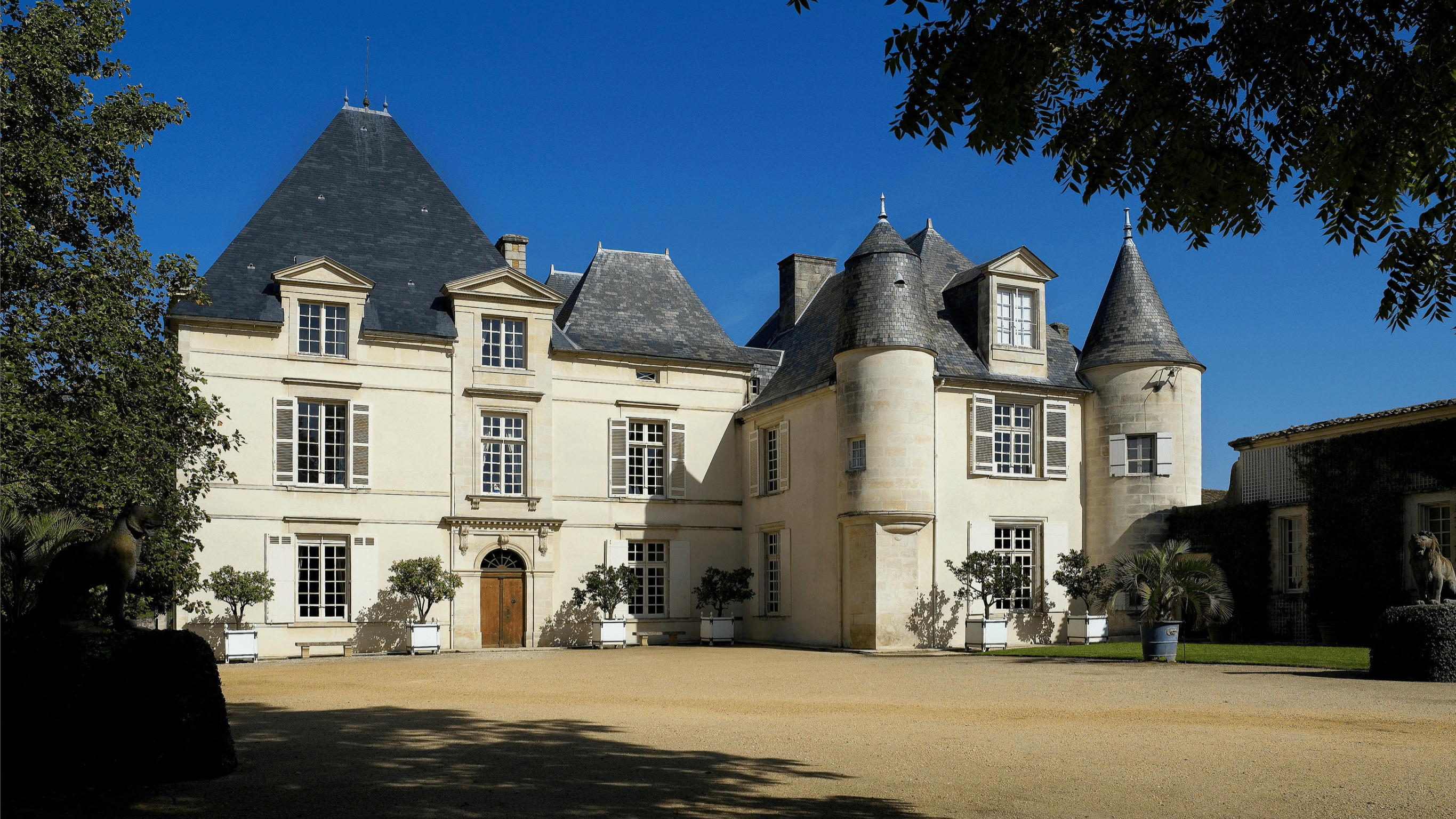
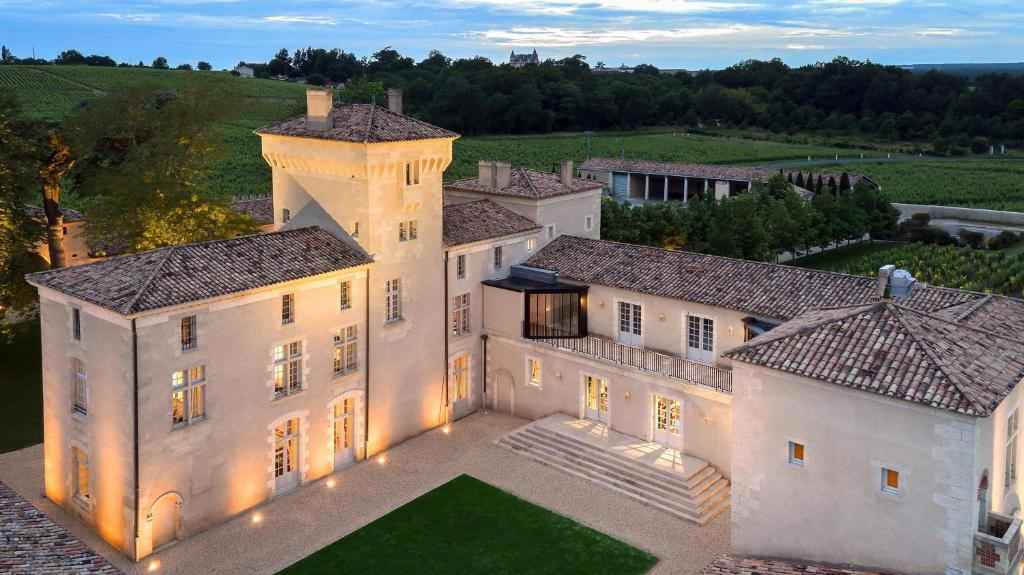
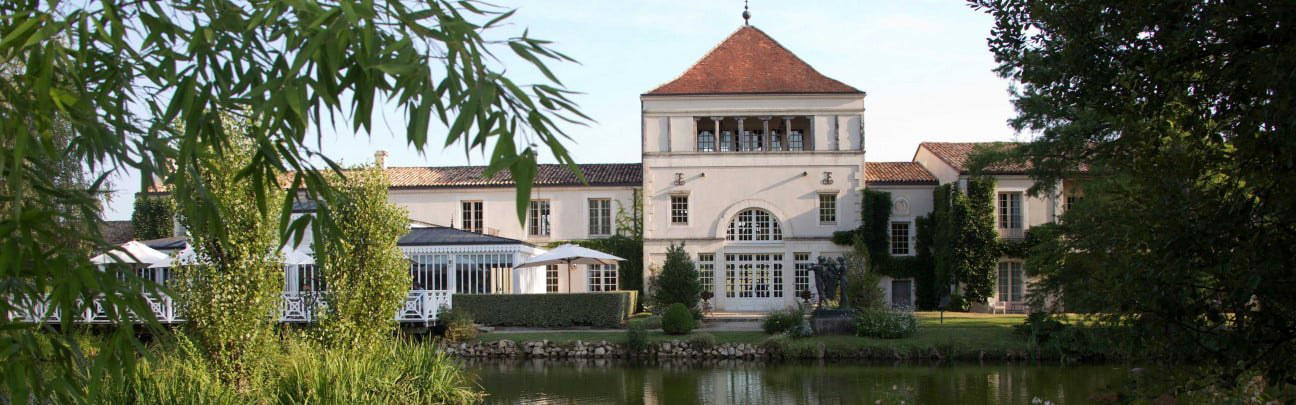
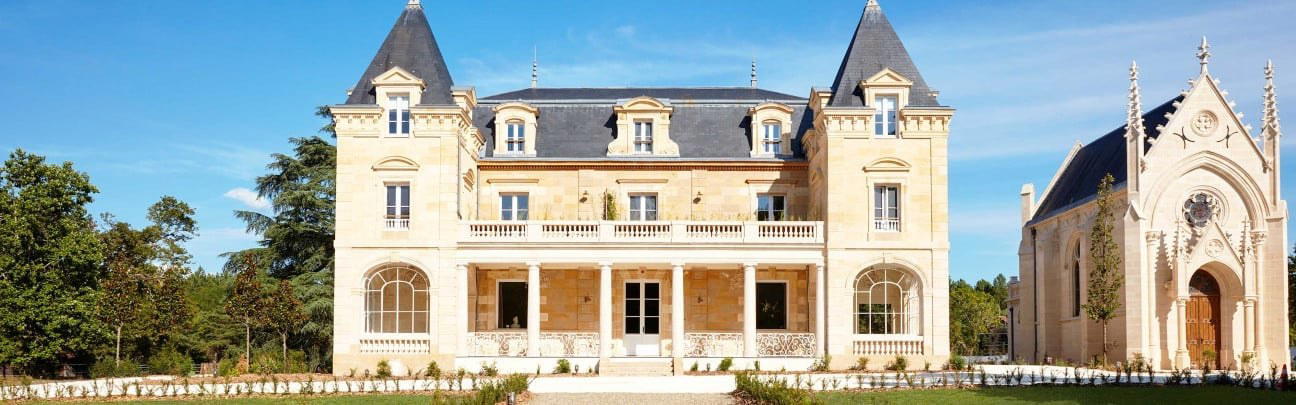
Château Reynon presents a classic Bordeaux countryside setting in Barsac: an imposing yet discreet neoclassical estate that the Dubourdieu family describes as a “garden,” with vine parcels on south-facing limestone slopes above the Garonne. The appeal is quiet and elegant rather than flashy, making the property best understood through its landscape and estate character. It is the sort of address whose interest comes less from spectacle than from proportion, placement, and atmosphere: a château, its surrounding parcels, and the broader river-facing terrain that gives the scene its Bordeaux frame.
Limestone slopes give the estate its setting
The picture of Château Reynon is grounded in place rather than in a detailed public dossier of services, menus, varieties, scores, or production figures. What can be stated with confidence is the estate’s Barsac setting, its neoclassical presence, and its south-facing limestone slopes above the Garonne. Those elements are enough to establish a strong sense of identity, because they connect architecture, vineyard, and topography in a way that feels especially characteristic of the Bordeaux countryside.
The mention of south-facing limestone slopes is not just a scenic note; it is the basic geography through which the estate is introduced. The slope, the stone, and the river position all contribute to the impression of a property shaped by its land. In the absence of public detail about visitor programming or production, the setting becomes the reliable reference point: this is the fixed feature that gives Château Reynon its visual and contextual weight.
That landscape gives the property a clear Bordeaux identity without needing to lean on claims about a tasting format, bottle numbers, or specific hospitality offerings. For visitors comparing wine-country stops, the draw is the composed estate atmosphere and the sense of vineyard parcels integrated into a cultivated garden-like setting. The word “garden” is useful here because it suggests order without stiffness, cultivation without excess, and a relationship between the château and its parcels that is intimate rather than showy.
Price is listed as $$, placing Château Reynon in a moderate bracket. In practical planning terms, that supports the impression of a venue that can sit comfortably within a broader Barsac route, without being framed as either a luxury splurge or a purely casual stop. As always with a property whose public-facing details are limited, the listed price indicator should be treated as a general guide rather than a substitute for direct confirmation.
The Dubourdieu connection belongs in the estate story
The Dubourdieu family is central to the way Château Reynon is described: not as a theatrical destination, but as a discreet estate whose vineyard parcels are treated as a garden. That framing suits the property’s visual identity as much as its wine-country context. It gives the estate a vocabulary of care, continuity, and restraint, keeping attention on the relationship between the built château and the surrounding cultivated land.
Rather than attaching claims about awards, winemaking methods, grape varieties, or production scale, it is more accurate to keep the emphasis on the confirmed character of the place: a neoclassical château, limestone slopes, and a refined Bordeaux countryside mood in Barsac. This is also the more useful editorial approach for travelers, because it avoids over-promising and keeps the description anchored in what can be plainly understood from the estate’s stated identity.
Seen this way, Château Reynon is not a venue that needs to be inflated with extra claims. Its interest lies in the coherence of a few strong details: the family association, the neoclassical estate form, the south-facing limestone slopes, and the position above the Garonne. Together, they create a calm profile, one that feels aligned with a slower and more observational kind of wine-country visit.
For travelers, that makes Château Reynon a direct entry in a Barsac itinerary: an estate to understand through landscape, family association, and setting, with practical visit specifics confirmed directly before arrival. The best expectation is not a checklist of advertised features, but a grounded sense of place. Anyone building a day around Barsac should approach Château Reynon as a stop whose value comes from context and character, then verify the current details that matter for access and timing.
How to place it in a Barsac wine itinerary
Château Reynon is in Barsac, where its value lies in a calm, elegant estate atmosphere rather than in a highly publicized visitor spectacle. Its south-facing limestone slopes above the Garonne and its neoclassical architecture help define the experience. In itinerary terms, that makes it especially suited to travelers who appreciate landscape, estate composition, and the quieter side of Bordeaux wine country.
For a wider Barsac plan, compare Château Reynon with other dining, wine, and hospitality options in Barsac generically, then confirm current availability, access, and any visit arrangements directly with the estate or current local listings. That comparison should be made on the basis of fit: whether the day calls for a discreet estate setting, a more service-driven stop, or a mix of countryside atmosphere and practical hospitality. Château Reynon’s role is clearest when placed as the measured, landscape-led option.
Because the public description is restrained, it is sensible to keep planning equally precise. Do not assume specific formats, menus, or programmed experiences unless they have been confirmed. Instead, use the known elements, the Barsac location, the neoclassical estate, the limestone slopes, the view toward the Garonne, and the Dubourdieu family’s garden-like framing, as the basis for deciding whether it belongs in the route.
Château Reynon’s strongest hook is simple: a discreet neoclassical Bordeaux estate in Barsac, shaped by limestone slopes above the Garonne and described by the Dubourdieu family with the language of a garden. That simplicity is part of the appeal. It leaves the estate defined by setting, restraint, and proportion, offering a polished but unforced expression of the Bordeaux countryside.
Recognition history
Dated appearances from independent guides and award organizations, with the underlying list record or original source where available.
Falstaff Winery - Listed
Falstaff
Continue exploring
More in Barsac
Wineries in Barsac
Browse all →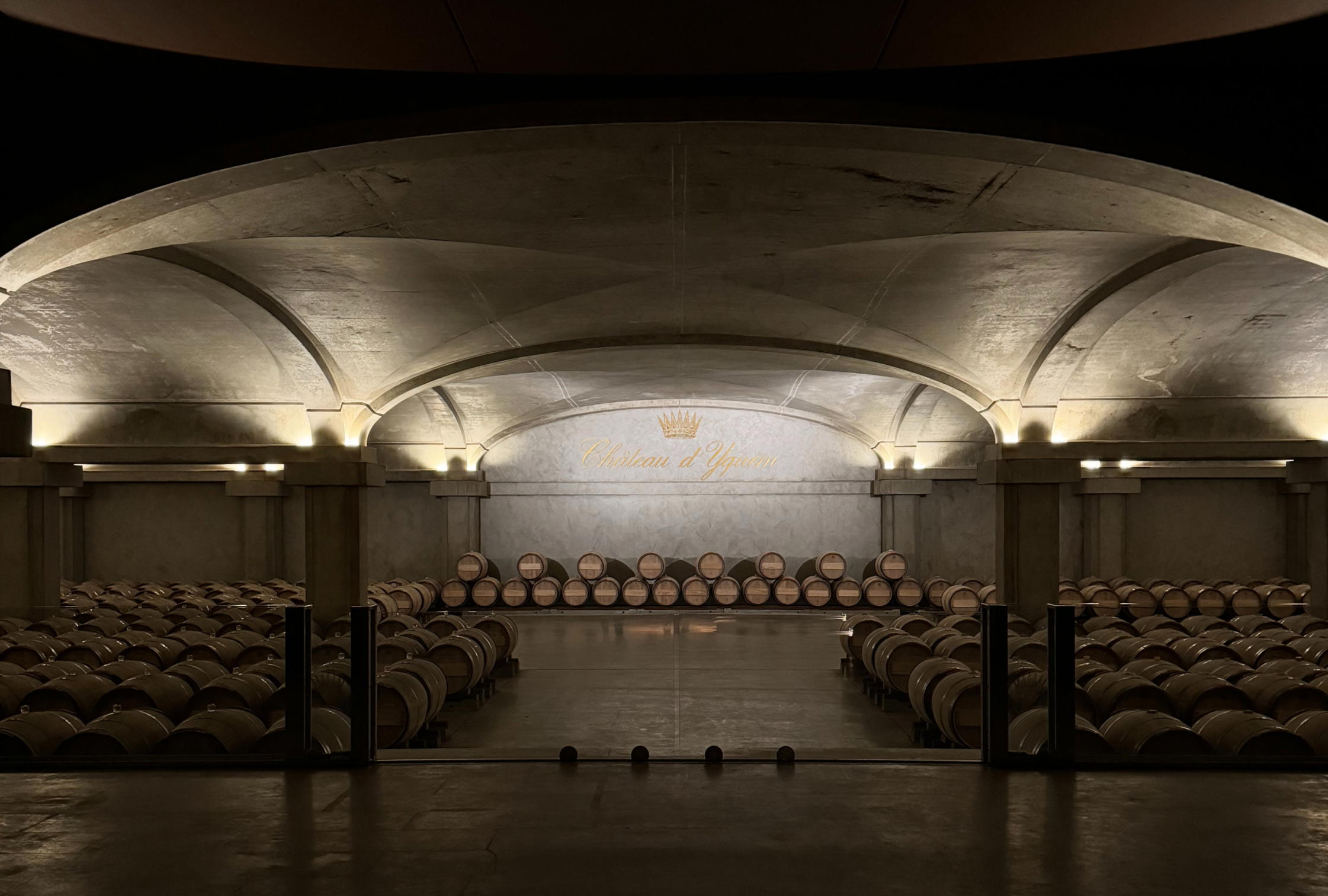
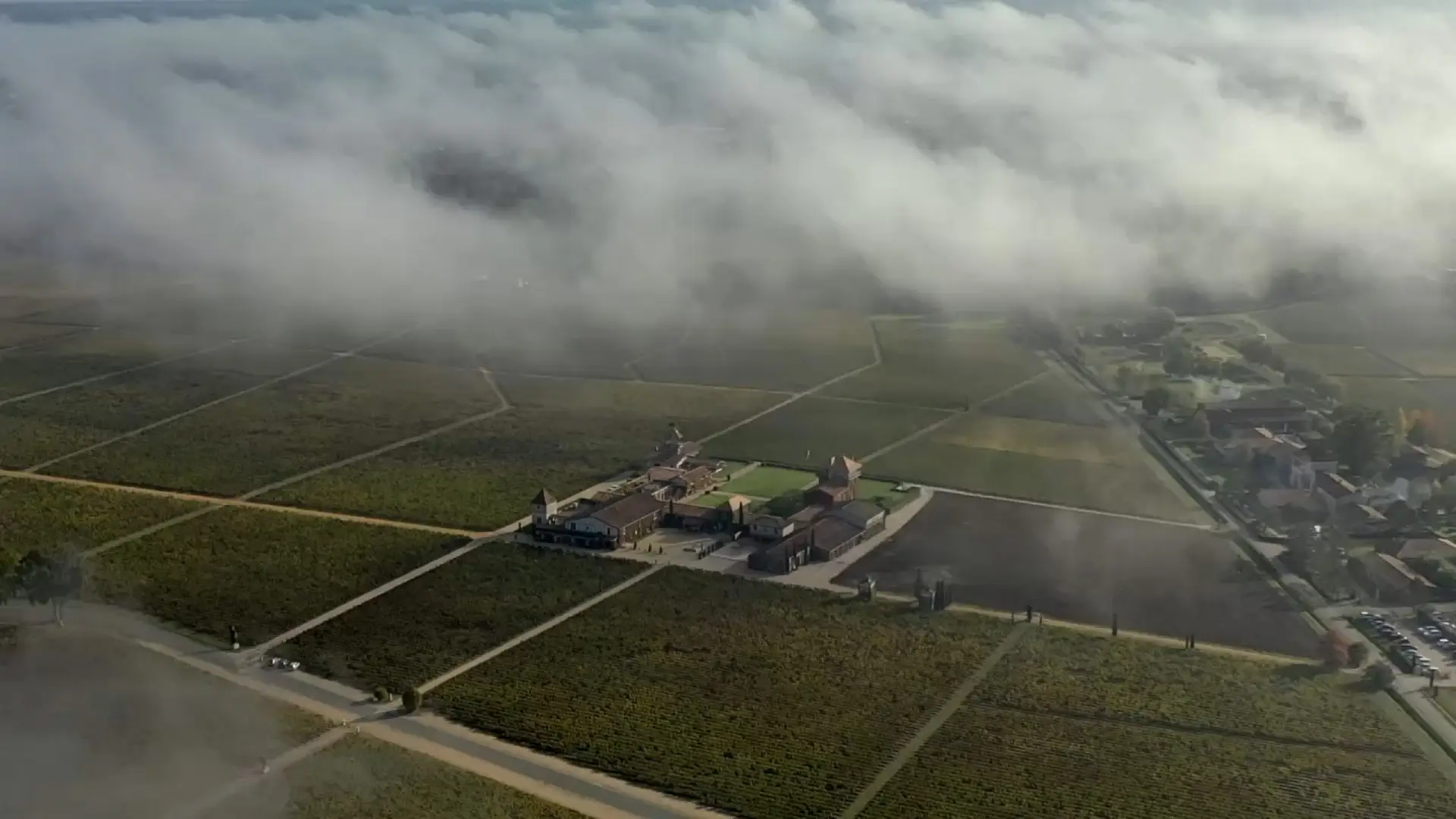
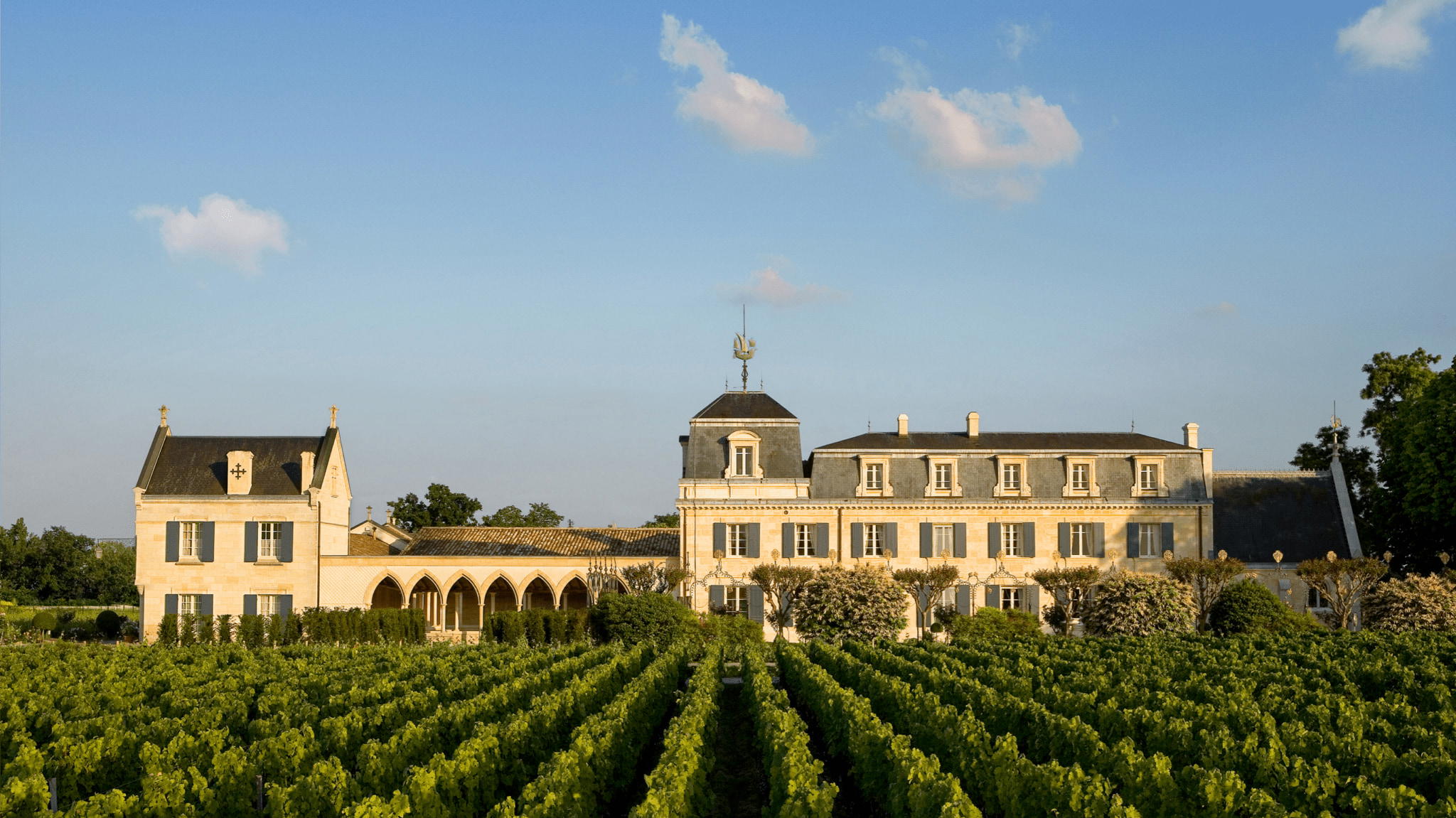
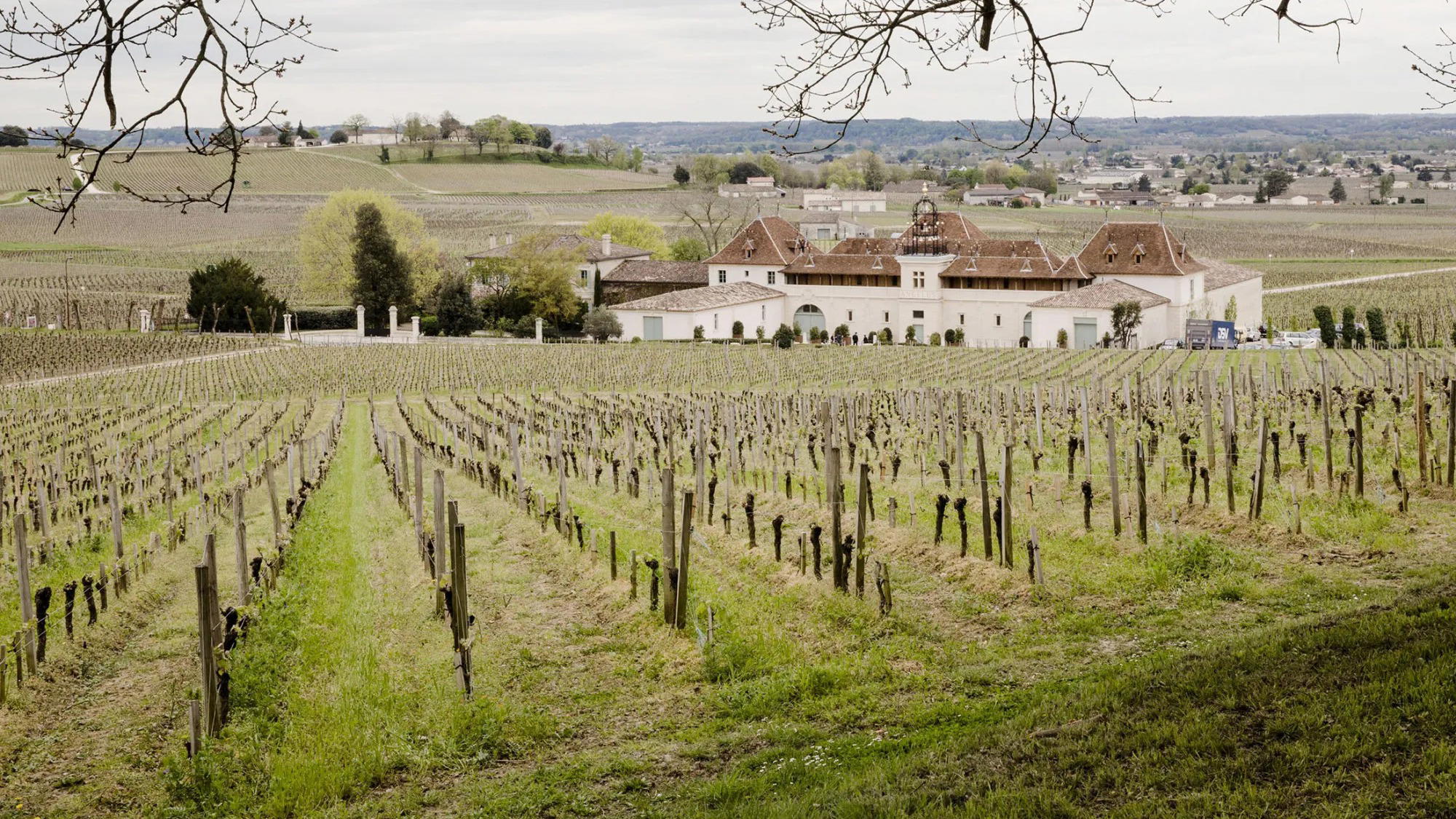
Bars in Barsac
Browse all →
Restaurants in Barsac
Browse all →
Details
- Classic
- Scenic
- Elegant
- Romantic
- Romantic Getaway
- Group Outing
- Wine Education
- Solo Exploration
- Estate Grounds
- Vineyard Tour
- Historic Building
- Garden
- Waterfront
- Sustainable
- Vineyard
- Waterfront
- Garden
- Merlot
- Cabernet Sauvignon
- Petit Verdot
- Sauvignon Blanc
- Sémillon
- Still Red
- Still White
- Dessert
- Barrel Tasting
- Estate Tour
- Standard Tasting
An imposing yet discreet neoclassical estate described by the Dubourdieu family as a "garden," with vine parcels on south-facing limestone slopes above the Garonne, giving a classic, elegant Bordeaux countryside feel rather than a flashy, touristic atmosphere.