Château L'If

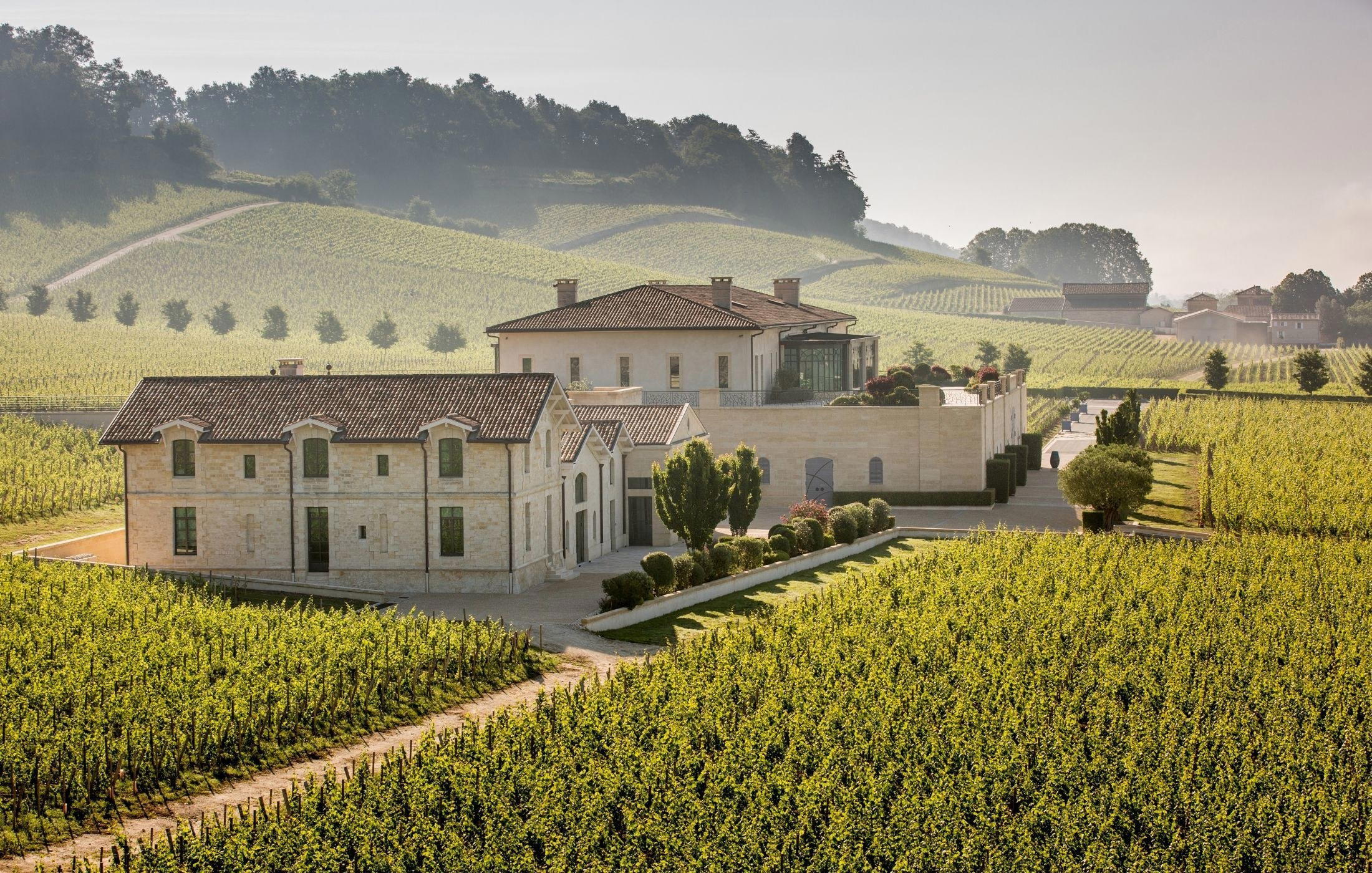
Château L’If sits in the quieter, production-led side of Saint-Émilion: small scale, serious vineyard work, and a Right Bank red shaped by limestone, clay, Merlot, and Cabernet Franc. The estate’s interest is not visitor theatre but precision, from its 8 hectares and 14 parcels to élevage in 50% new French oak for 12 to 16 months.
Pearl is the En Primeur Club membership app — saves, bookings, and concierge access live there. Same editors, same standards.
- Address
- Saint-Émilion, Libournais, Nouvelle-Aquitaine, Frankreich
 Saves & bookings on Pearl
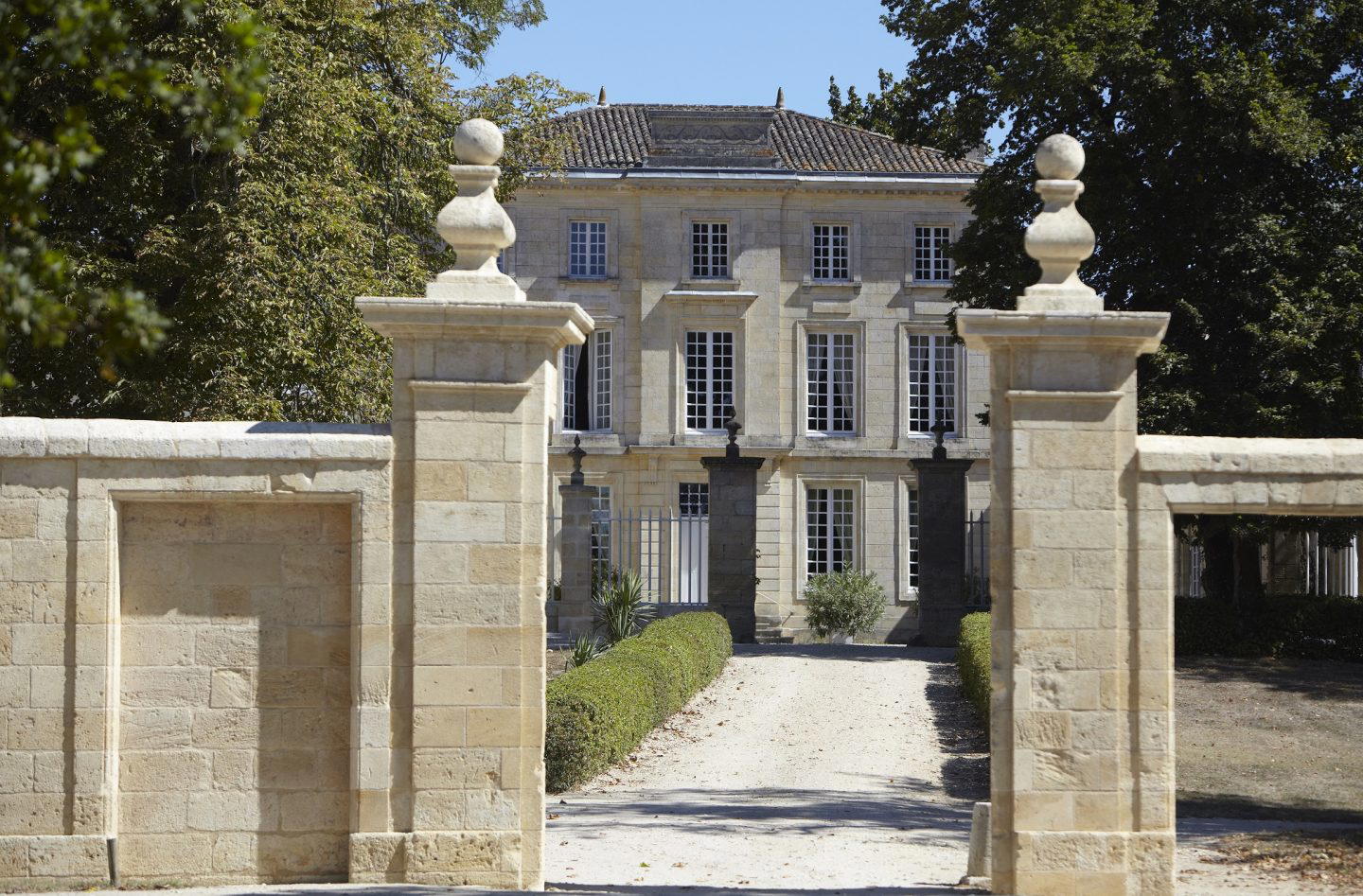
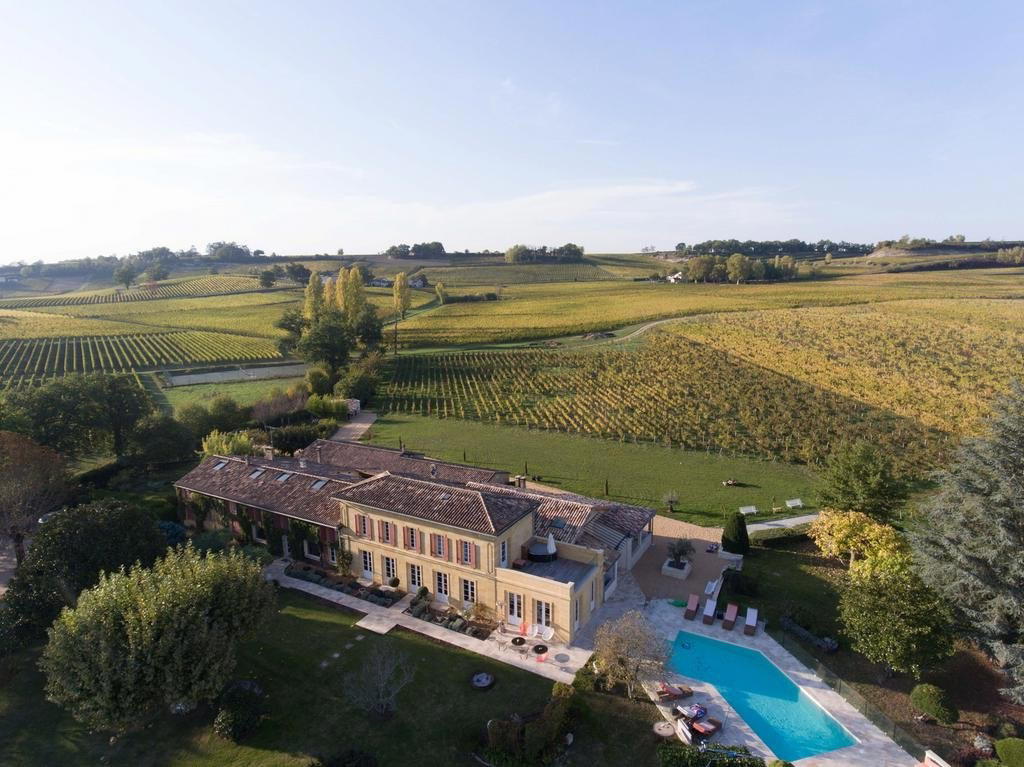
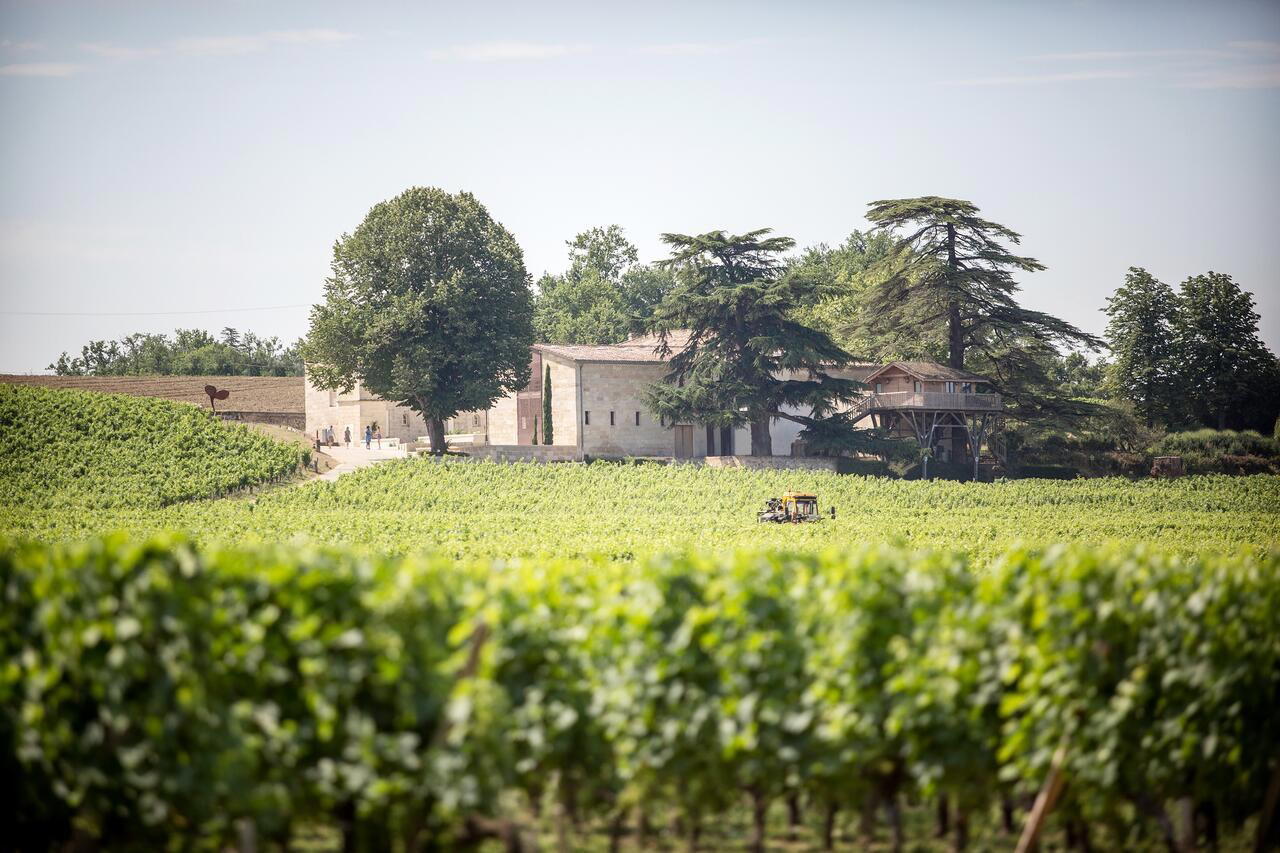
Approaching Saint-Émilion, the drama is not always about large visitor facilities or overt spectacle. Château L’If belongs to a quieter register: a small, high-end Saint-Émilion Grand Cru estate whose identity is centered on elegant, sensuous reds and chalky precision. The atmosphere is refined and quiet, shaped more by meticulous vineyard work than by a broad public-facing program. It is the sort of place whose appeal is implied rather than loudly announced, with seriousness conveyed through focus, restraint, and the promise of a carefully made red-wine expression.
That matters in Saint-Émilion because particularly compelling impressions often depend on nuance rather than scale. Château L’If is best understood through that lens: discreet, focused, and rooted in the kind of careful vineyard attention that supports a polished but precise red-wine profile. In a region where the setting itself can easily become the story, this estate reads as an argument for concentration: fewer distractions, a quieter mood, and an emphasis on the wine’s texture, elegance, and chalk-marked definition.
Saint-Émilion restraint and chalky precision
The picture of Château L’If is deliberately spare but clear. This is a Saint-Émilion Grand Cru estate associated with chalky precision, elegant reds, and a refined, quiet mood. Rather than presenting the estate as a large hospitality destination, the stronger way to read it is as a compact, high-end address where the vineyard and the wine carry the experience. That spareness is not a weakness; it helps define the estate’s editorial shape, keeping attention on composure, sensuality, and precision rather than on the machinery of tourism.
For drinkers interested in Saint-Émilion, that restraint is part of the appeal. Château L’If is not best framed through technical claims or visitor amenities; it is better framed through its confirmed character: small scale, high-end positioning, and a focus on elegant, sensuous red wine with a precise chalky impression. The description suggests a wine identity built around poise rather than force, with the chalky register giving the reds a sense of line and control.
In practical terms, this makes Château L’If most relevant to those who value quiet, serious estates over showier destinations. The emphasis is not on breadth of facilities, but on the controlled, refined expression associated with its confirmed Saint-Émilion Grand Cru profile. It is a venue to understand through tone: polished, compact, and exacting, with the vineyard-centered approach acting as the foundation for everything else.
A Saint-Émilion address with quiet gravity
Château L’If’s appeal is understated. Its high-end profile and $$$$ positioning set expectations for a serious Saint-Émilion experience, while its atmosphere remains refined rather than theatrical. The estate’s identity is built around careful vineyard work and a polished red-wine style, not around expansive visitor infrastructure. That combination gives it quiet gravity: the sense that the important work is concentrated in the vineyard and expressed in the glass, rather than staged as a broad hospitality performance.
What can be said with confidence is that Château L’If is a small, high-end Saint-Émilion Grand Cru estate focused on elegant, sensuous reds with chalky precision. That is a concise profile, but it is also a meaningful one, because each element reinforces the next: the small scale supports discretion, the high-end positioning signals seriousness, and the chalky precision gives shape to the estate’s red-wine identity.
That makes the estate a useful reference point for the quieter side of Saint-Émilion: serious, discreet, and centered on the bottle rather than spectacle. Its value lies in a refined impression of place and style, not in a long list of public amenities.
How to place it in a Saint-Émilion itinerary
For travelers, Château L’If is best understood as part of Saint-Émilion’s serious wine fabric rather than as a broad day-out estate. The practical anchor is simple: it is in Saint-Émilion, and its profile is small, high-end, refined, and quiet. That means it sits most naturally within an itinerary that values discretion and wine focus, rather than one built around extensive facilities or a more theatrical sense of arrival.
Readers building a wider Saint-Émilion plan can place it alongside other dining and wine-country options in Saint-Émilion generically, while keeping Château L’If in focus as a discreet Grand Cru estate rather than a large visitor facility. One grounded comparison is internal: Château L’If stands on its confirmed identity as a compact, high-end Saint-Émilion address focused on elegant reds and chalky precision. It should be approached with expectations calibrated to that identity, where the point is refinement and seriousness rather than breadth.
The editorial verdict is disciplined rather than romantic: Château L’If is compelling for drinkers who care about a refined, quiet Saint-Émilion Grand Cru profile and a red-wine style described by elegance, sensuality, and chalky precision. It is less relevant for travelers seeking a broad public tasting complex. Its value lies in the estate’s small scale, high-end positioning, and meticulous vineyard-centered identity. In that narrow but persuasive lane, Château L’If reads as a Saint-Émilion address defined by restraint, polish, and a clear sense of purpose.
Recognition history
Dated appearances from independent guides and award organizations, with the underlying list record or original source where available.
Falstaff Winery - Listed
Falstaff
Continue exploring
More in Saint-Émilion
Wineries in Saint-Émilion
Browse all →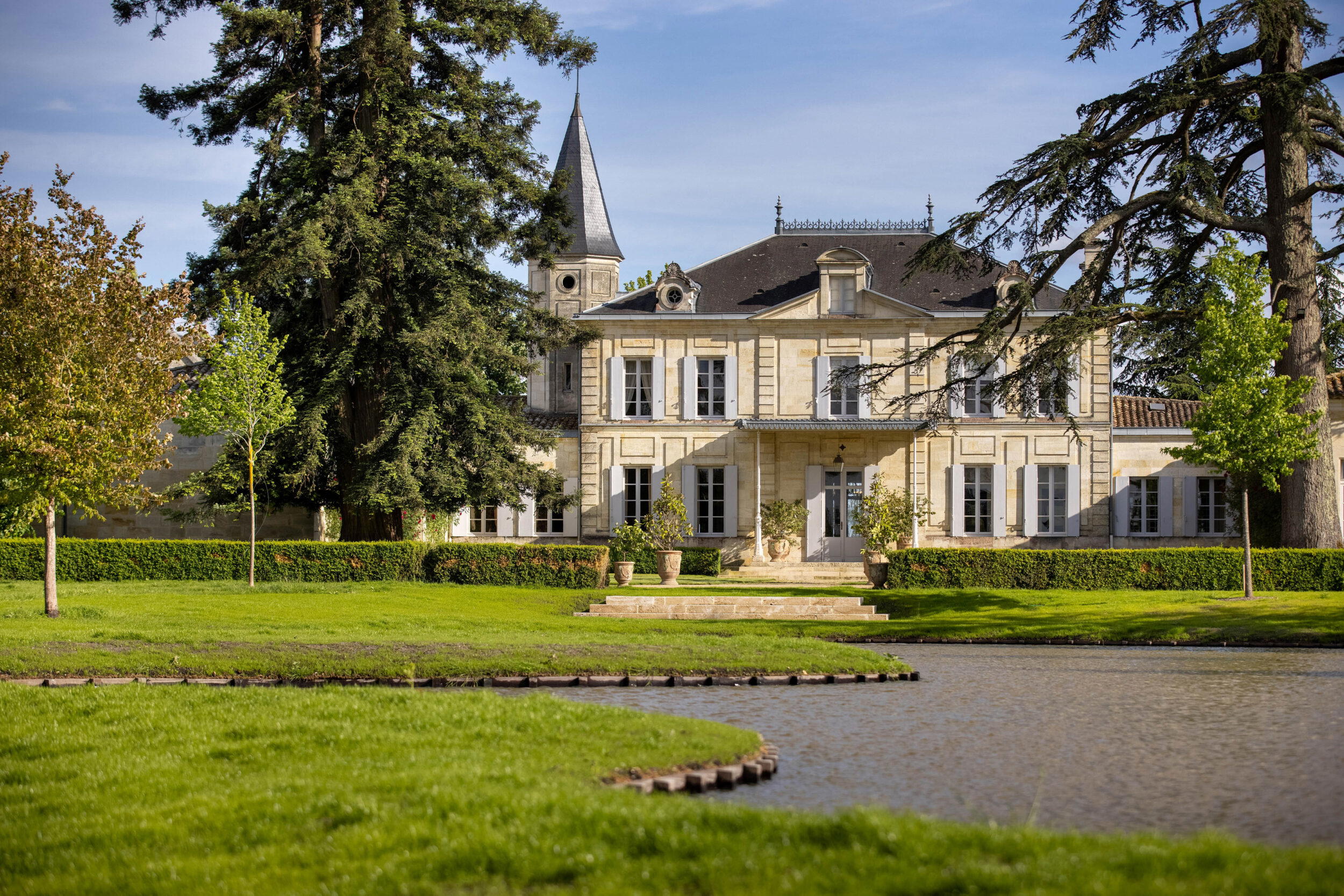
Bars in Saint-Émilion
Browse all →
Restaurants in Saint-Émilion
Browse all →
At a Glance
- Elegant
- Quiet
- Sophisticated
- Classic
- Intimate
- Special Occasion
- Wine Education
- Solo Exploration
- Romantic Getaway
- Sustainable
- Vineyard
- Saint Émilion Grand Cru AOC
- Merlot
- Cabernet Franc
- Still Red
A small, high-end Saint-Émilion Grand Cru estate focused on elegant, sensuous reds with chalky precision; the atmosphere is refined and quiet, centered on meticulous vineyard work rather than large visitor facilities.