Château La Marzelle

Château La Marzelle is a Saint-Émilion Grand Cru Classé estate shaped by Haute Terrasse clay, sand and iron-rich soils, with Merlot leading the blend. Organic farming, biodynamic certification and small-scale cellar work give the visit a terroir-led focus rather than a generic château tasting, especially for travelers interested in how Right Bank structure is built from vineyard detail.
Pearl is the En Primeur Club membership app — saves, bookings, and concierge access live there. Same editors, same standards.
- Address
- 9 La Marzelle, 33330 Saint-Émilion, France
- Phone
- +33 5 57 55 10 55
- Website
- lamarzelle.com
- Directions
- Get directions
 Saves & bookings on Pearl
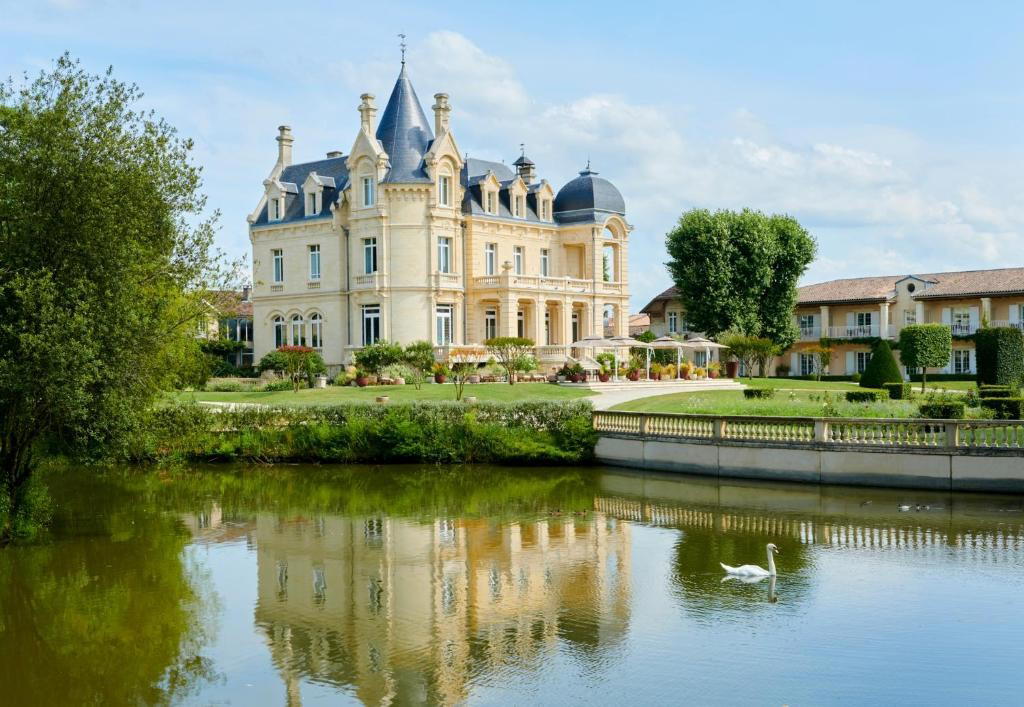
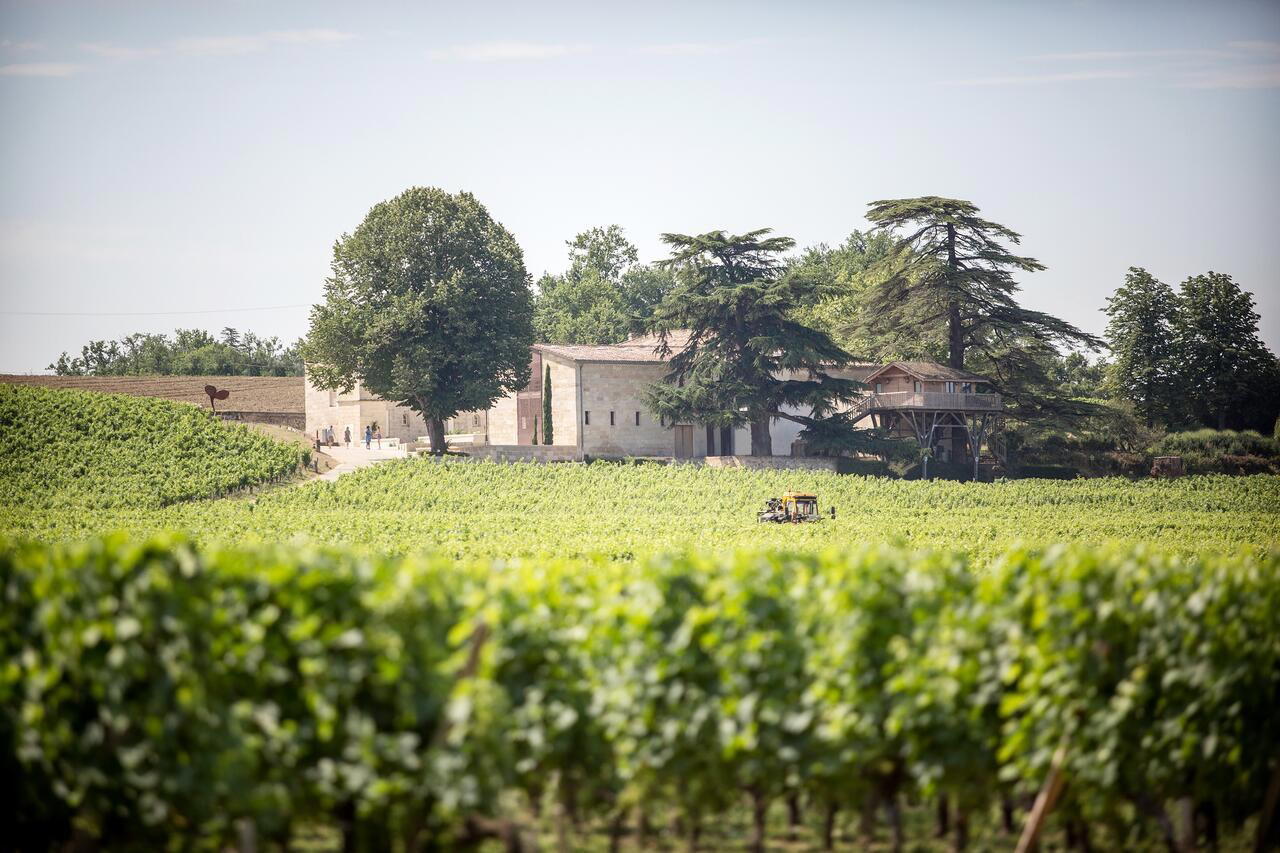
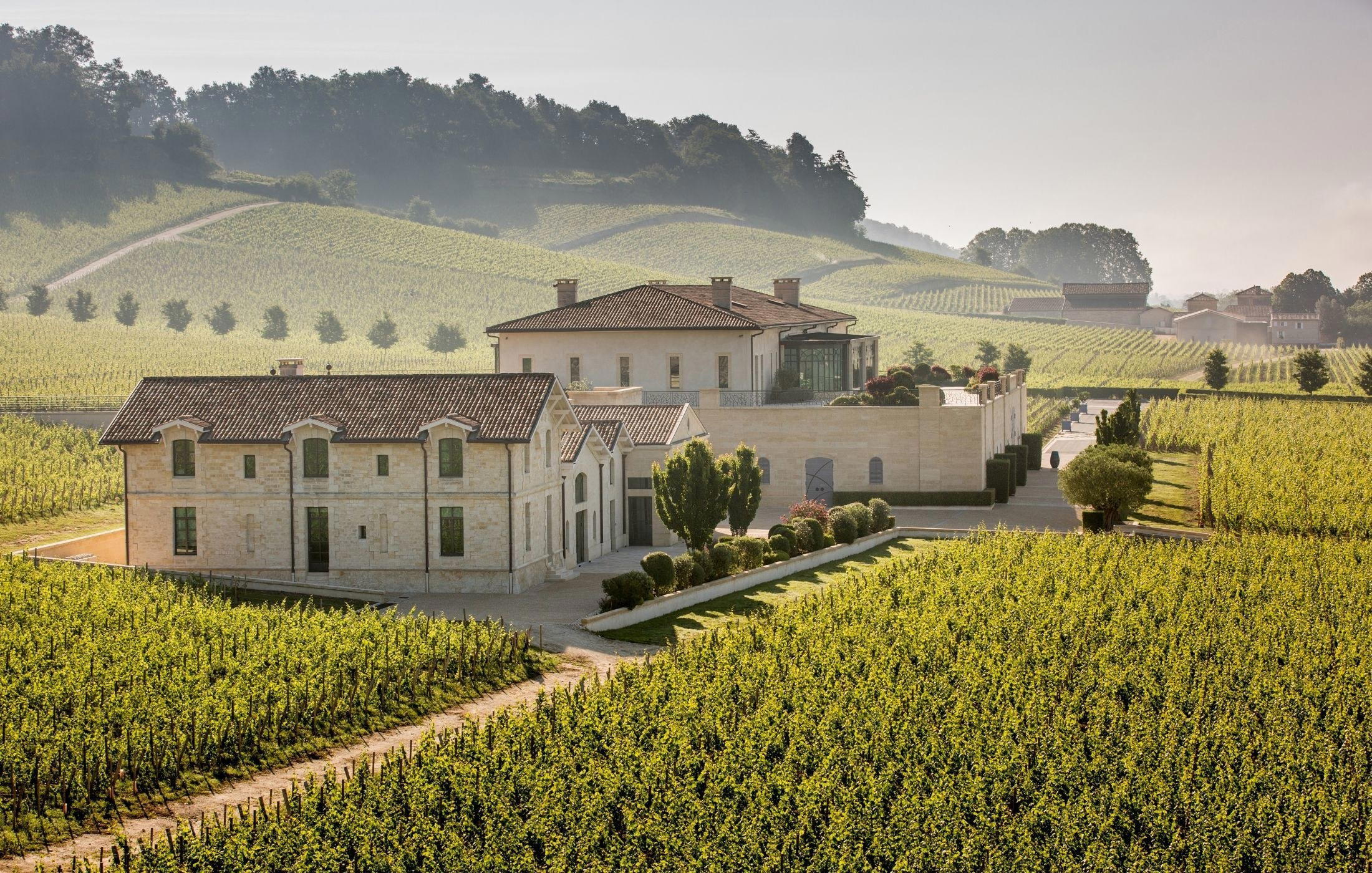
Château La Marzelle is a historic Saint-Émilion Grand Cru Classé estate in a classic vineyard setting on the Haute Terrasse. The profile is concise but meaningful: this is a scenic, elegant and romantic château environment, with an identity centered on organic farming and careful, small-scale vinification. For readers planning a Saint-Émilion wine itinerary, the safest way to understand La Marzelle is not through unsupported claims about visitor formats, bottle counts, blends or cellar equipment, but through the grounded essentials that define the estate’s public character: place, classification, farming approach and wine style.
The appeal is therefore less about spectacle than about context. Saint-Émilion is one of Bordeaux’s most recognizable wine destinations, and La Marzelle’s Grand Cru Classé status places it within the appellation’s classified landscape. The estate’s Haute Terrasse setting gives the page its strongest sense of place: a classic vineyard environment rather than an urban tasting-room identity. That matters for travelers deciding whether this stop matches the mood of a wine-focused day in Saint-Émilion.
Haute Terrasse clay gives the wines their Saint-Émilion frame
One reliable editorial frame for Château La Marzelle begins with its setting on the Haute Terrasse of Saint-Émilion. The ground truth does not support detailed claims about exact vineyard size, grape percentages, soil analysis or cellar specifications, so those specifics should not be treated as fact here. What can be said is simpler and stronger: La Marzelle is presented as a historic Grand Cru Classé estate whose vineyard identity is central to the experience.
Estate is also as focused on organic farming. That is a useful distinction because it speaks to how La Marzelle wants to be read: not merely as a picturesque château, but as a property where agricultural choices are part of the wine’s identity. Organic farming, in this context, should be understood as an estate-level commitment rather than a decorative phrase. It supports the page’s broader portrait of a property rooted in its vineyard setting and attentive to the way its wines are made.
Wine description is equally focused: Château La Marzelle is associated with elegant, structured wines. That phrasing avoids unsupported technical claims while still giving readers a practical expectation. “Elegant” suggests restraint and poise; “structured” suggests shape, balance and seriousness. Together, they point to a style that should appeal to visitors who want a classic Saint-Émilion expression rather than a purely casual or novelty-driven stop.
A compact portfolio rather than a château built on volume
Available information supports the idea of careful, small-scale vinification, but it does not verify production volumes, label names beyond the winery, annual bottle counts, second wines, rosé wines, harvest methods or ownership history. Those details may exist elsewhere, but they are not part of the confirmed data for this edit and should not be asserted as fact. The better editorial approach is to keep the focus on what is known: a classified estate, an organic farming focus and a careful winemaking identity.
“Small-scale” is important because it shapes expectation without inventing a number. It suggests that the estate’s wine work is presented as attentive and measured, not industrial or anonymous. For a premium venue guide, that is enough to distinguish the mood of La Marzelle from generic wine tourism language. The château’s value lies in the combination of historic Saint-Émilion status, vineyard setting and a disciplined account of how the wines are intended to feel: elegant, structured and closely tied to the estate.
Price is listed as $$$. That should be read only as a cost-level signal, not as a confirmed tasting fee, menu price, bottle price or package rate. Readers should therefore treat the $$$ marker as a broad planning cue and confirm practical details directly before making plans.
The visit works as a vineyard lesson, not a performance
Because the profile emphasizes a scenic, classic, elegant and romantic vineyard setting, the winery is best described as a place for travelers who want a quieter Saint-Émilion château atmosphere. The page should not claim confirmed tour formats, private tasting options, parking, lunch service, event capacity or language availability. What can be said is that the estate’s public character is anchored in its historic Grand Cru Classé identity and its vineyard surroundings.
In a Saint-Émilion itinerary, La Marzelle makes sense for visitors who are interested in the relationship between estate setting, organic farming and structured wine style. One useful comparison is not with named venues, but with the broader choice travelers face in the region: whether they want a scenic château environment with a classic wine-estate identity or a different kind of Saint-Émilion stop.
The editorial case for the winery is therefore clear and deliberately restrained. It is a historic Saint-Émilion Grand Cru Classé estate on the Haute Terrasse, presented with a classic vineyard setting, organic farming and careful, small-scale vinification. Its wines are described as elegant and structured, and its atmosphere is scenic, classic, elegant and romantic. Those points are sufficient to make the estate relevant for a premium guide without relying on unconfirmed details about menus, awards, ownership, technical winemaking choices or visitor services.
Recognition history
Dated appearances from independent guides and award organizations, with the underlying list record or original source where available.
Falstaff Winery - 2 Stars
Falstaff
Continue exploring
More in Saint-Émilion
Wineries in Saint-Émilion
Browse all →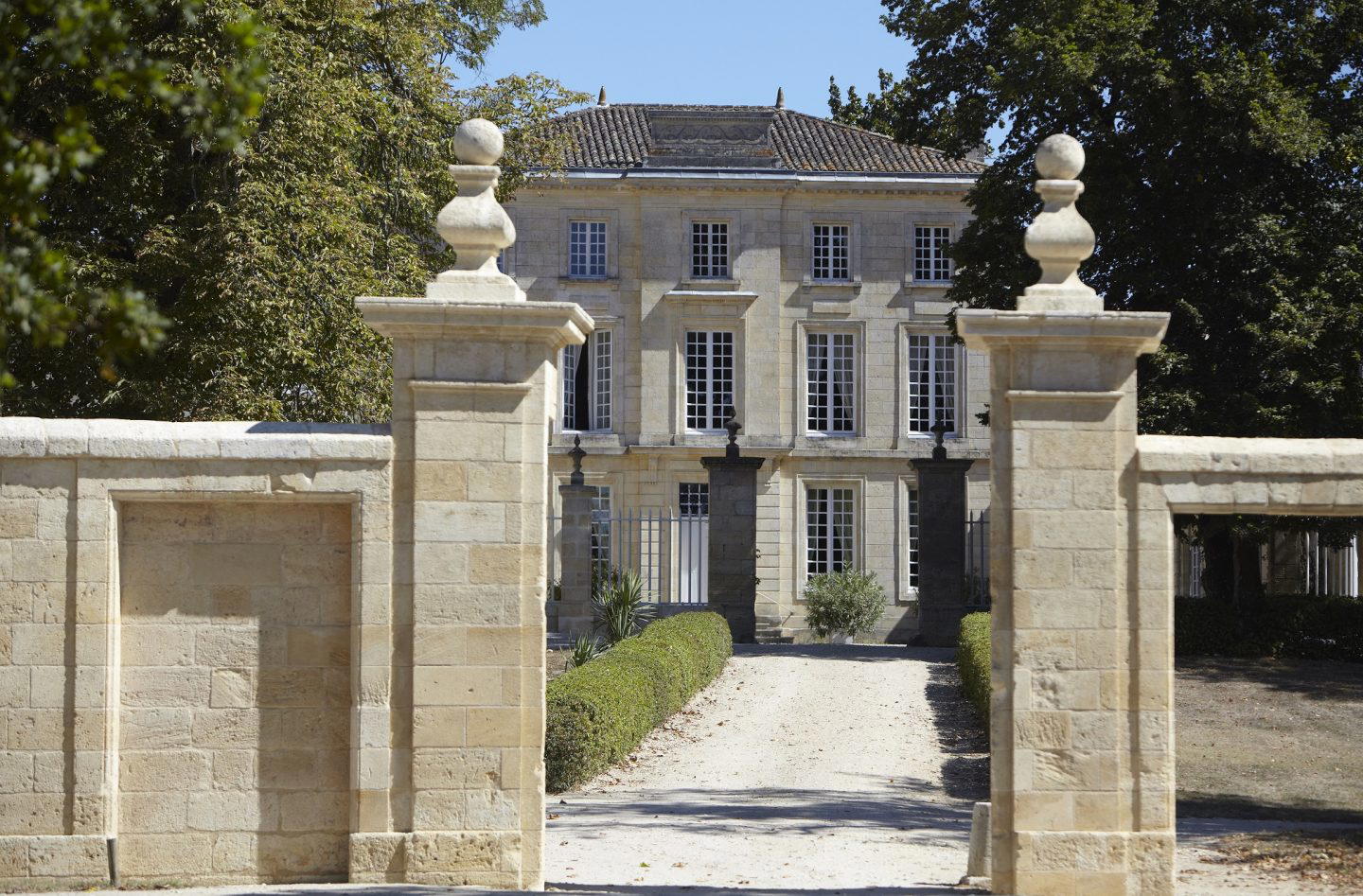
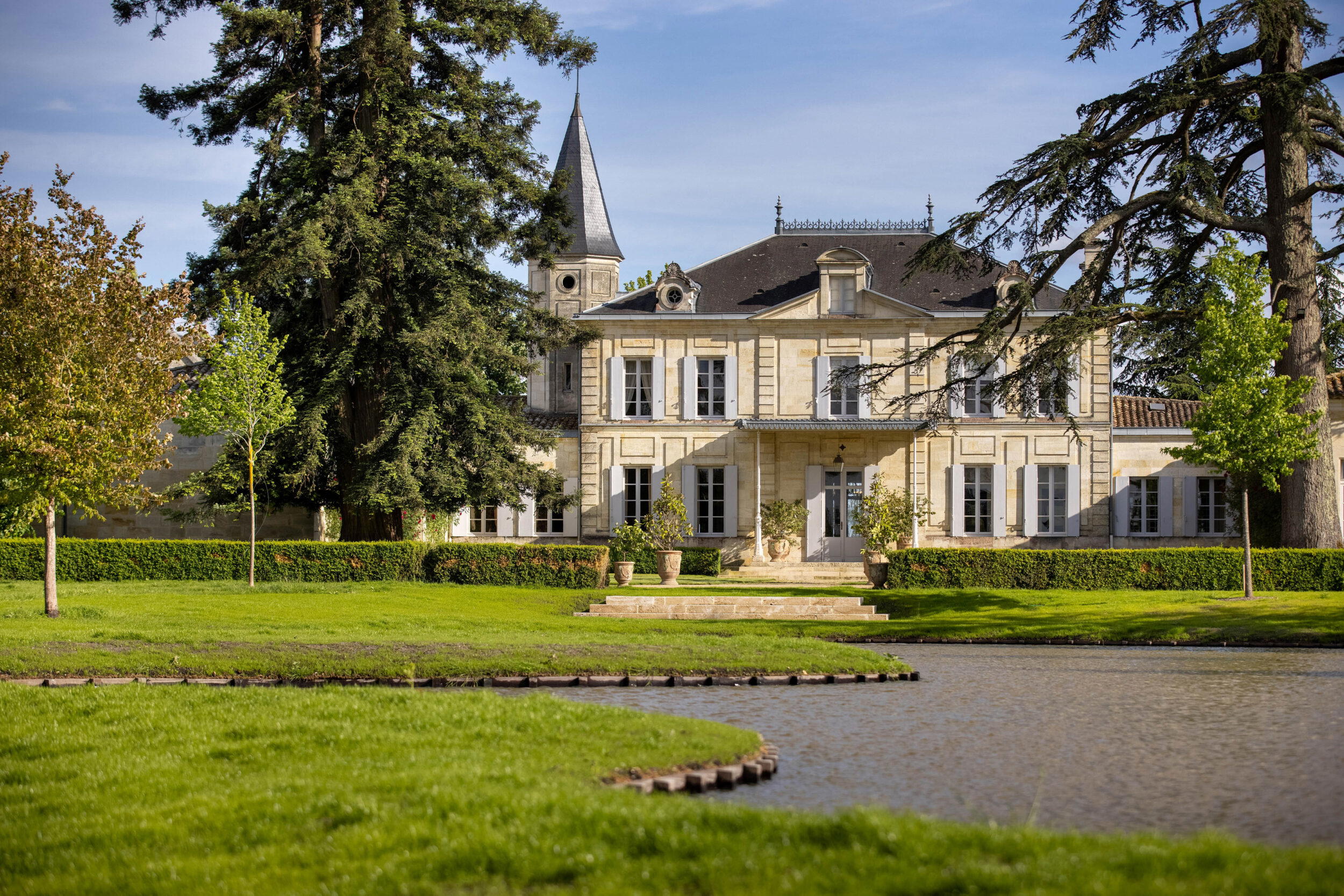
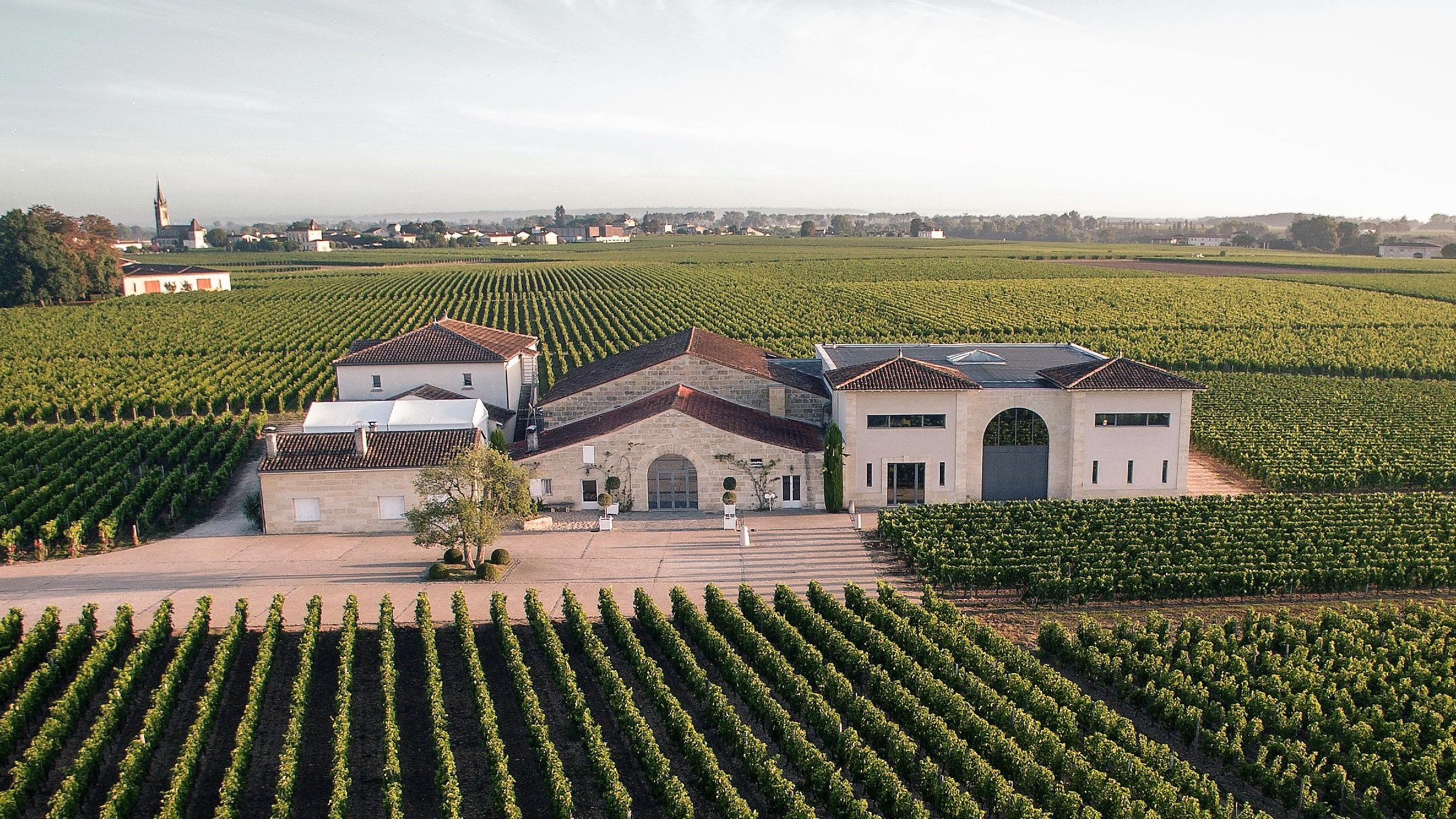
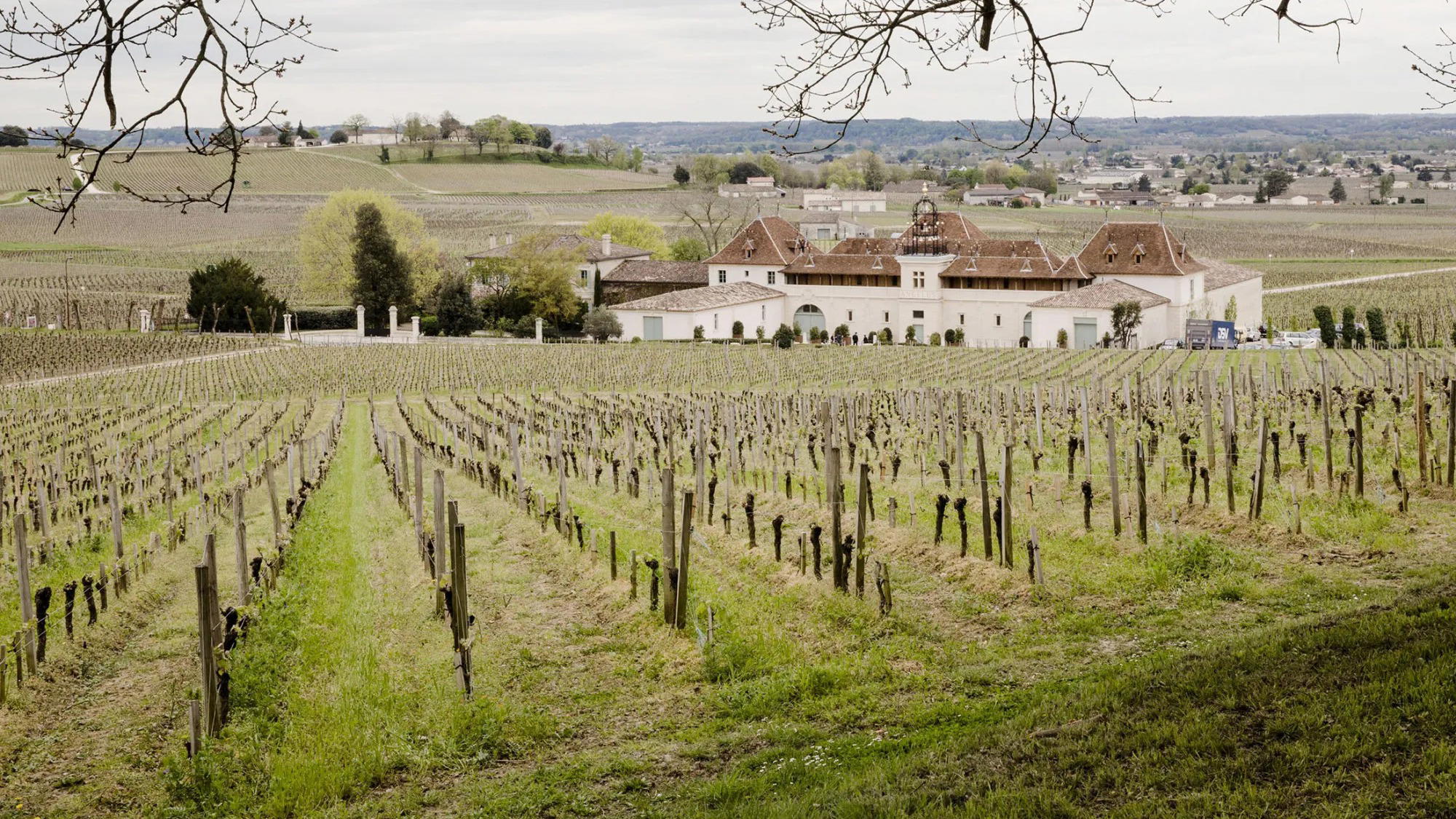
Bars in Saint-Émilion
Browse all →
Restaurants in Saint-Émilion
Browse all →
At a Glance
- Scenic
- Classic
- Elegant
- Romantic
- Well Known
- Wine Education
- Group Outing
- Romantic Getaway
- Solo Exploration
- Special Occasion
- Corporate Event
- Vineyard Tour
- Estate Grounds
- Barrel Room
- Historic Building
- Private Tasting
- Organic
- Vineyard
- Garden
- Saint Emilion Grand Cru Classé
- Merlot
- Cabernet Franc
- Cabernet Sauvignon
- Still Red
- Still Rosé
- Guided Tasting
- Estate Tour Plus Tasting
- Private Tasting
Current opening hours
- Monday
- 9 AM–5:30 PM
- Tuesday
- 9 AM–5:30 PM
- Wednesday
- 9 AM–5:30 PM
- Thursday
- 9 AM–5:30 PM
- Friday
- 9 AM–4 PM
- Saturday
- Closed
- Sunday
- Closed
Hours can change for holidays and private events. Last verified .
Historic Saint-Emilion Grand Cru Classé estate with a classic vineyard setting on the Haute Terrasse, focused on organic farming and careful, small-scale vinification for elegant, structured wines.