
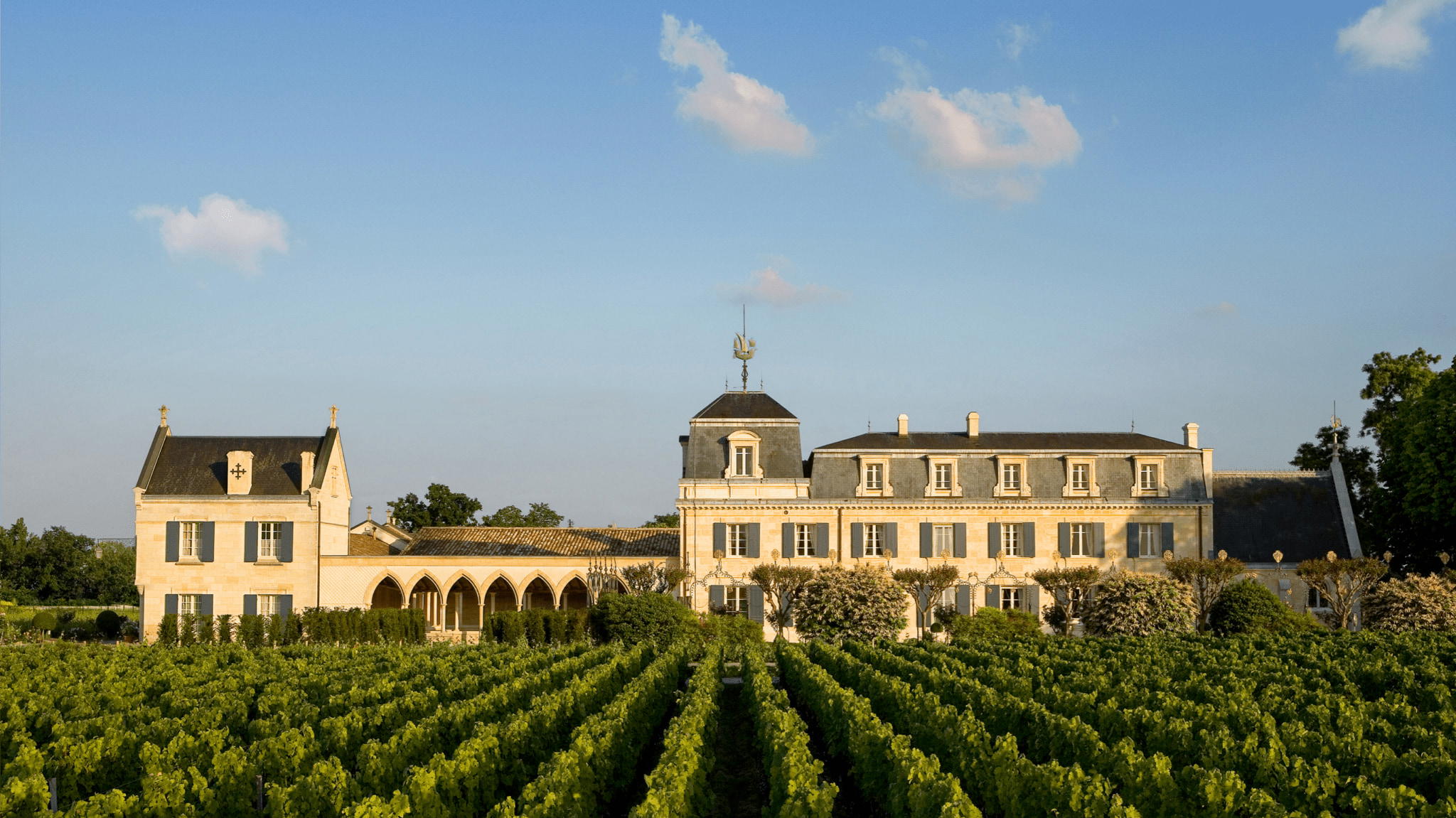
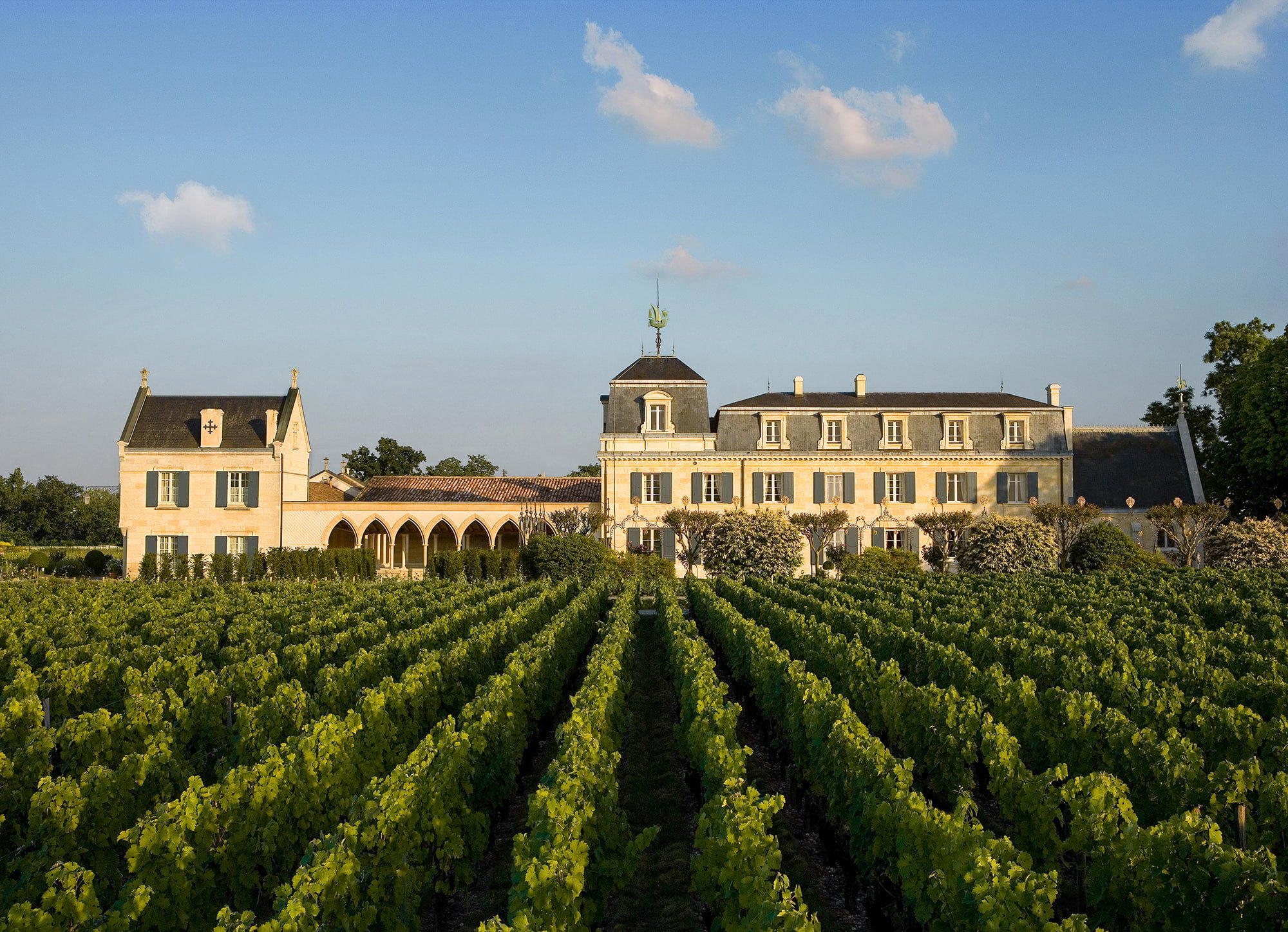
Château La Loubière is a right-bank Bordeaux estate in Montussan, working in Bordeaux Supérieur AOC with red and white wines under the Vignobles Jade group. Its strongest argument is terroir rather than spectacle: clay, limestone and gravel soils, organic certification from the 2020 vintage onward, and a guided tasting format aimed at visitors who want the vineyard context behind the glass.
Pearl is the En Primeur Club membership app — saves, bookings, and concierge access live there. Same editors, same standards.
- Address
- Montussan, Entre-Deux-Mers, Nouvelle-Aquitaine, Frankreich
- Directions
- Get directions
 Saves & bookings on Pearl
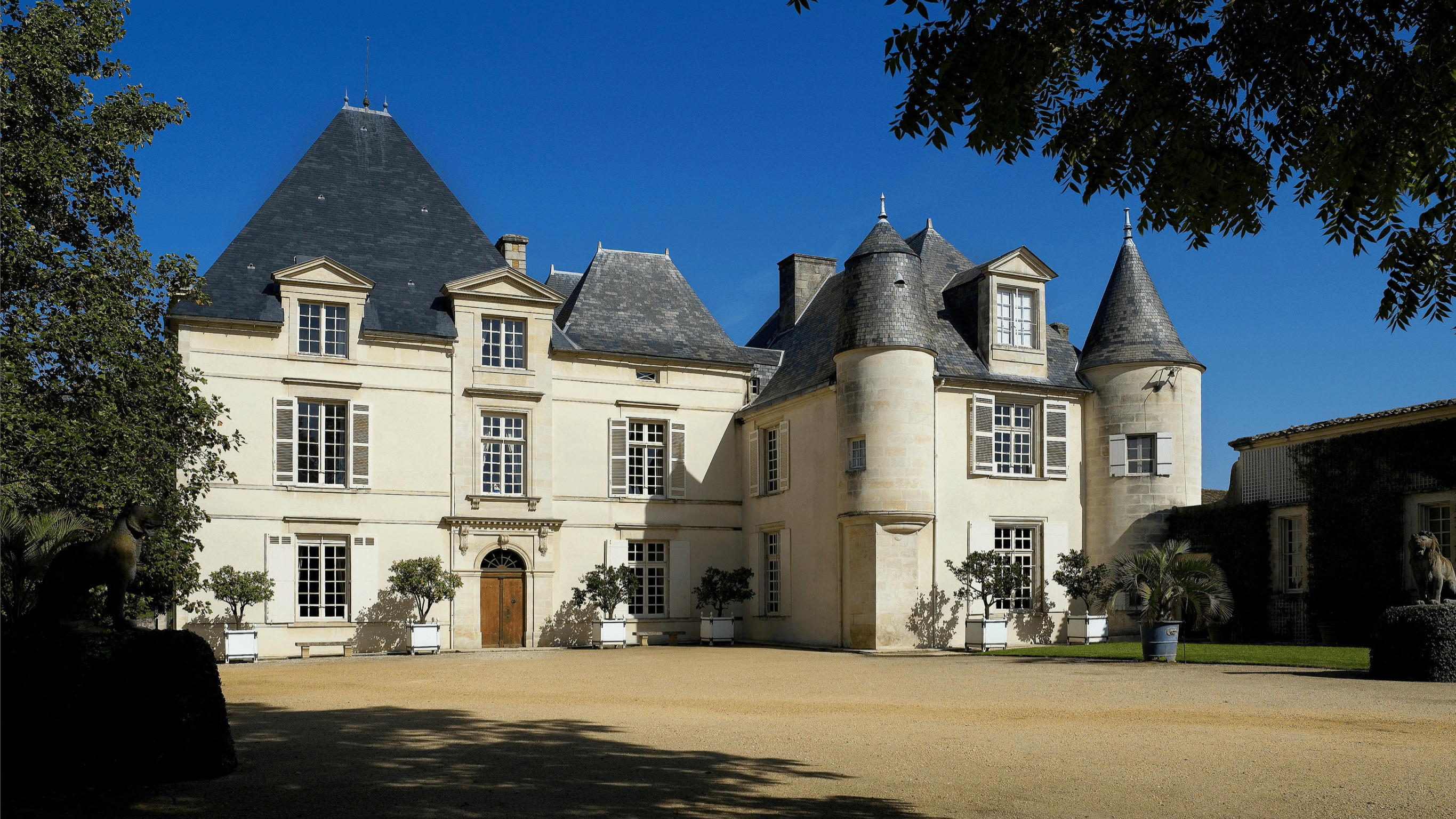
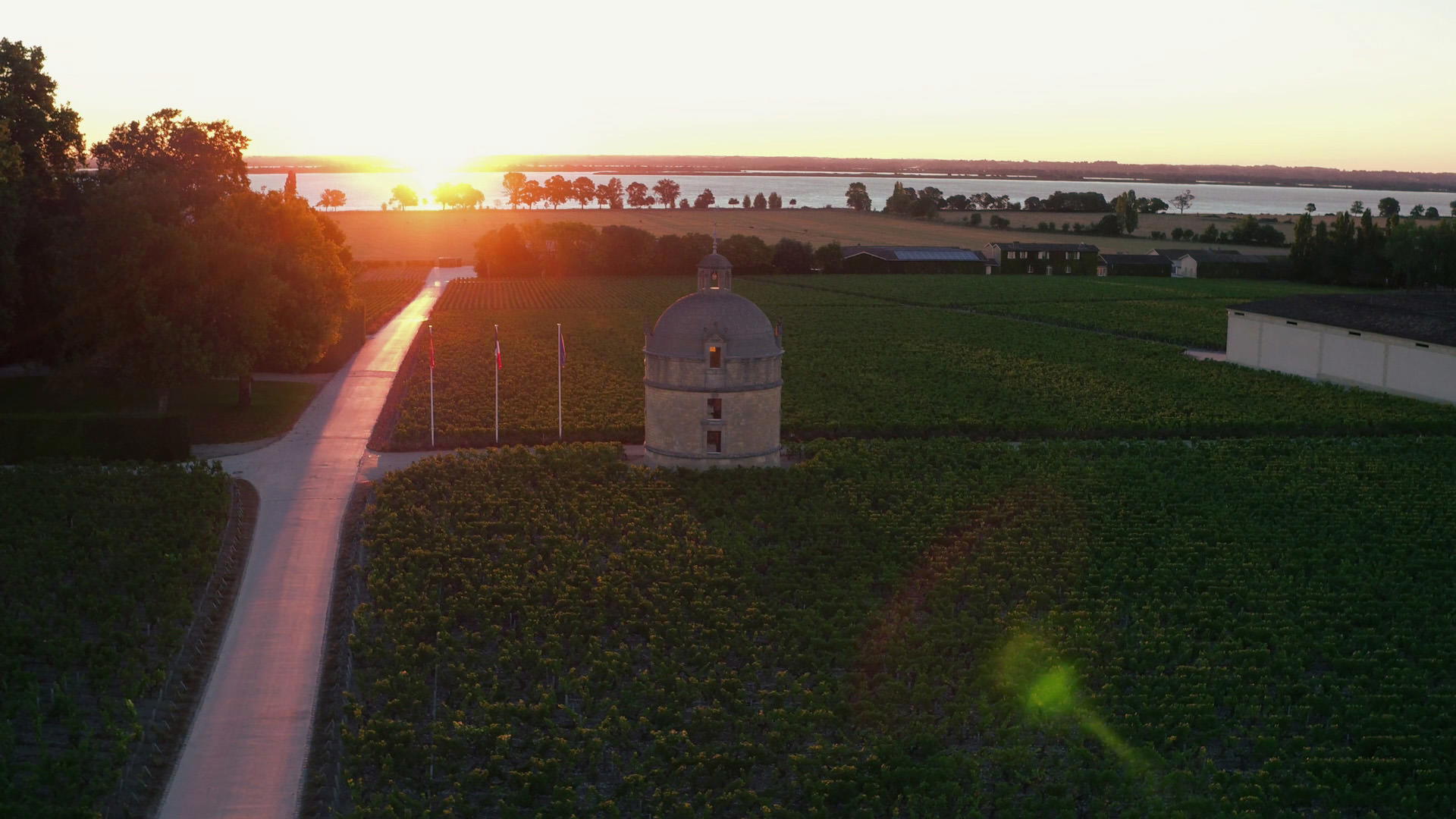
Approaching a wine estate in Montussan means leaving the postcard shorthand of Bordeaux behind and entering a quieter right-bank register: vineyard rows, low slopes, stone, and the practical calm of working agriculture. Château La Loubière belongs to that setting. The mood is rustic rather than theatrical, scenic without needing a grand-cru script, and better suited to visitors who want to understand how Bordeaux Supérieur can speak through soil, farming and proportion.
Montussan terroir, read through Bordeaux Supérieur
Entre-Deux-Mers is often reduced to an easy-drinking white-wine reference, but the area’s right-bank fringe has a broader grammar. Around Montussan, clay, limestone and gravel give producers a useful set of tools: clay for body, limestone for freshness, gravel for drainage. In a region where prestige often concentrates around classified names elsewhere, this is the more instructive story: how a less showy appellation can turn site, slope and farming choices into credible Bordeaux.
Château La Loubière works within Bordeaux Supérieur AOC and produces both still red and still white wines. The varietal frame is recognisably Bordeaux: Merlot, Cabernet Sauvignon, Cabernet Franc, Petit Verdot and Malbec on the red side, with Sauvignon Blanc and Sauvignon Gris for white wines. That mix matters because it places the estate inside a traditional regional vocabulary while allowing the tasting to move beyond a single-style visit. For travellers building a Montussan wine day, nearby internal reference points include Château Laurence, Clos Bertineau and Scea Vignobles Laurence, though each should be judged on its own farming, format and bottle range rather than grouped into a single catch-all Bordeaux outing.
Organic farming gives the visit its modern edge
The estate’s contemporary relevance comes from stewardship as much as heritage. The site’s viticultural history reaches back to 1837, and the property now sits within Vignobles Jade, the Bordeaux group founded in 2015. Since the 2020 vintage, the wines have been certified organic, with sustainable and regenerative farming listed as part of the estate’s working identity. That timeline gives the tasting a useful before-and-after frame: not a nostalgic château visit, but a property where older Bordeaux landholding meets the current pressure for cleaner vineyard practice.
The production story is grounded rather than ornamental. Guided and cellar tastings suit a visitor who wants to connect grape variety, soil and farming method rather than simply move through a flight. A limited cuvée of 999 numbered bottles adds a small-production signal, but the broader point is restraint: this is not a large hospitality machine built around dining add-ons or outdoor lounging. The estate lists no food pairing programme, no wine club, and no outdoor seating; the emphasis is wine education, estate grounds and the cellar format.
How to place it in a Montussan itinerary
Château La Loubière fits a traveller who is using Montussan as a lens on Bordeaux outside the usual prestige circuit. The price level sits in the moderate bracket, tastings are by reservation, and shipping is available, which makes the estate practical for visitors who want bottles to follow them home. It is also better for adults and small wine-focused groups than for family touring: the format is listed for groups and romantic getaways, not children or dogs.
Montussan itself rewards a focused plan rather than a long checklist. For broader city planning, EP Club’s local rails cover Montussan wineries, Montussan restaurants, Montussan hotels, Montussan bars and Montussan experiences. Readers building wider wine travel across France and beyond can also use the winery index through producers such as A. Margaine in Villers-Marmery, Abbaye de Fontfroide in Narbonne, Abbotts & Delaunay in Marseillette, Advini in Saint Felix De Lodez, Agrapart & Fils in Avize, »der Steiner« Hans Steiner in Podersdorf am See and & Handwein in Mannheim.
The editorial case is clear: this is a terroir-led Bordeaux Supérieur stop for visitors who care about farming and regional texture more than trophy labels. The winery is strongest when read through its Montussan site, its organic shift from the 2020 vintage onward, and its guided cellar format. Treat it as a compact right-bank study, not a full-day château production.
Recognition history
Dated appearances from independent guides and award organizations, with the underlying list record or original source where available.
Falstaff Winery - Listed
Falstaff
Continue exploring
More in Montussan
Wineries in Montussan
Browse all →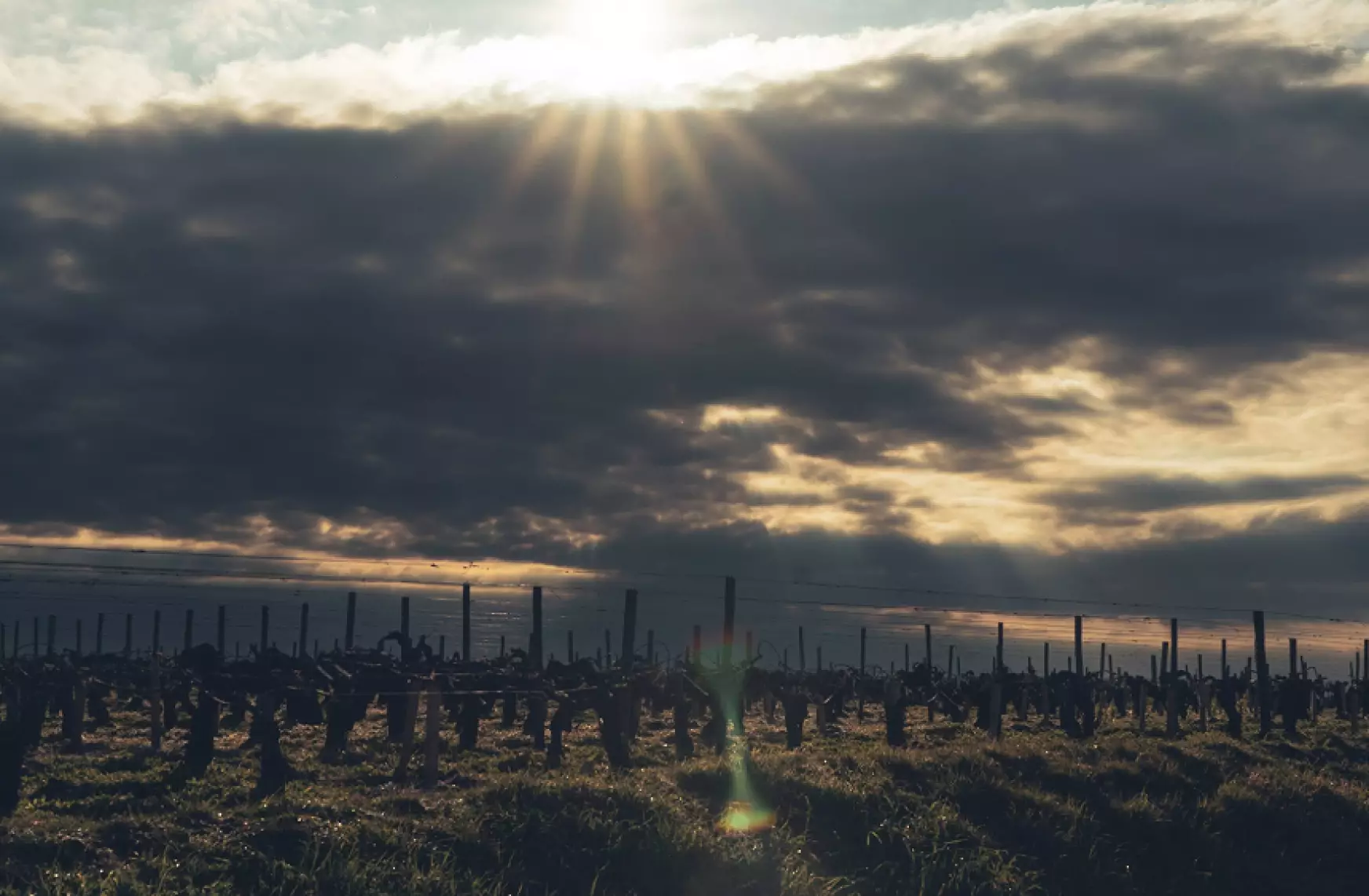
Bars in Montussan
Browse all →
Restaurants in Montussan
Browse all →
At a Glance
- Rustic
- Scenic
- Romantic
- Group Outing
- Wine Education
- Romantic Getaway
- Estate Grounds
- Sustainable
- Vineyard
- Bordeaux Supérieur AOC
- Merlot
- Cabernet Sauvignon
- Cabernet Franc
- Petit Verdot
- Malbec
- Sauvignon Blanc
- Sauvignon Gris
- Still Red
- Still White
- Guided Tasting
- Cellar Tasting