Château Jean Voisin

Château Jean Voisin is a historic Saint-Émilion Grand Cru estate founded in 1583, shaped by Merlot-led Right Bank winemaking and a 15-hectare vineyard on the plateau. Its appeal sits in terroir rather than spectacle: blue-clay soils, 19 worked parcels, HVE-certified farming, and a quiet estate style built around precision viticulture.
Pearl is the En Primeur Club membership app — saves, bookings, and concierge access live there. Same editors, same standards.
- Address
- 1 Jean Voisin, 33330 Saint-Émilion, France
- Phone
- +33 5 57 24 70 40
- Website
- chateaujeanvoisin.fr
- Directions
- Get directions
 Saves & bookings on Pearl
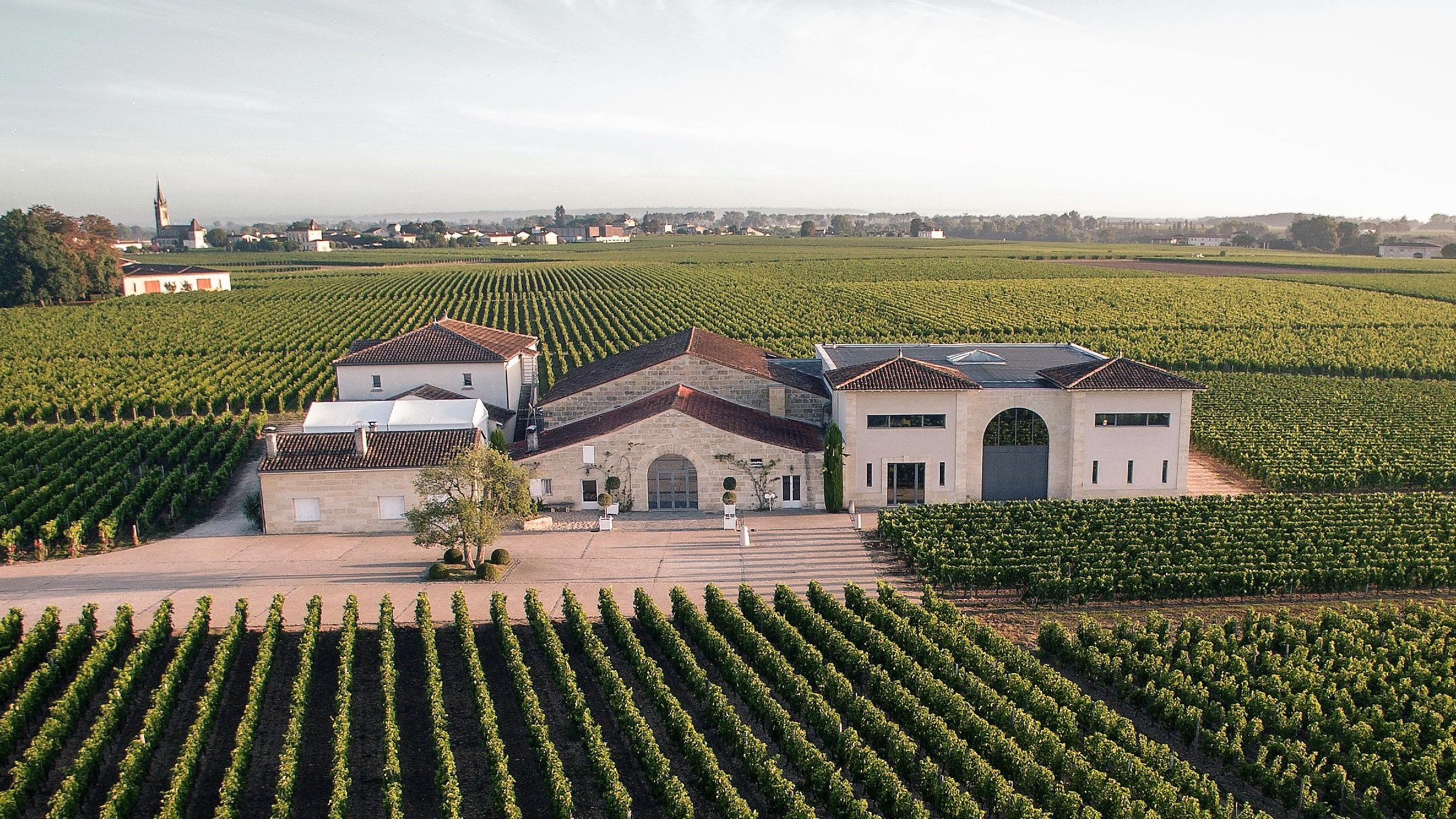
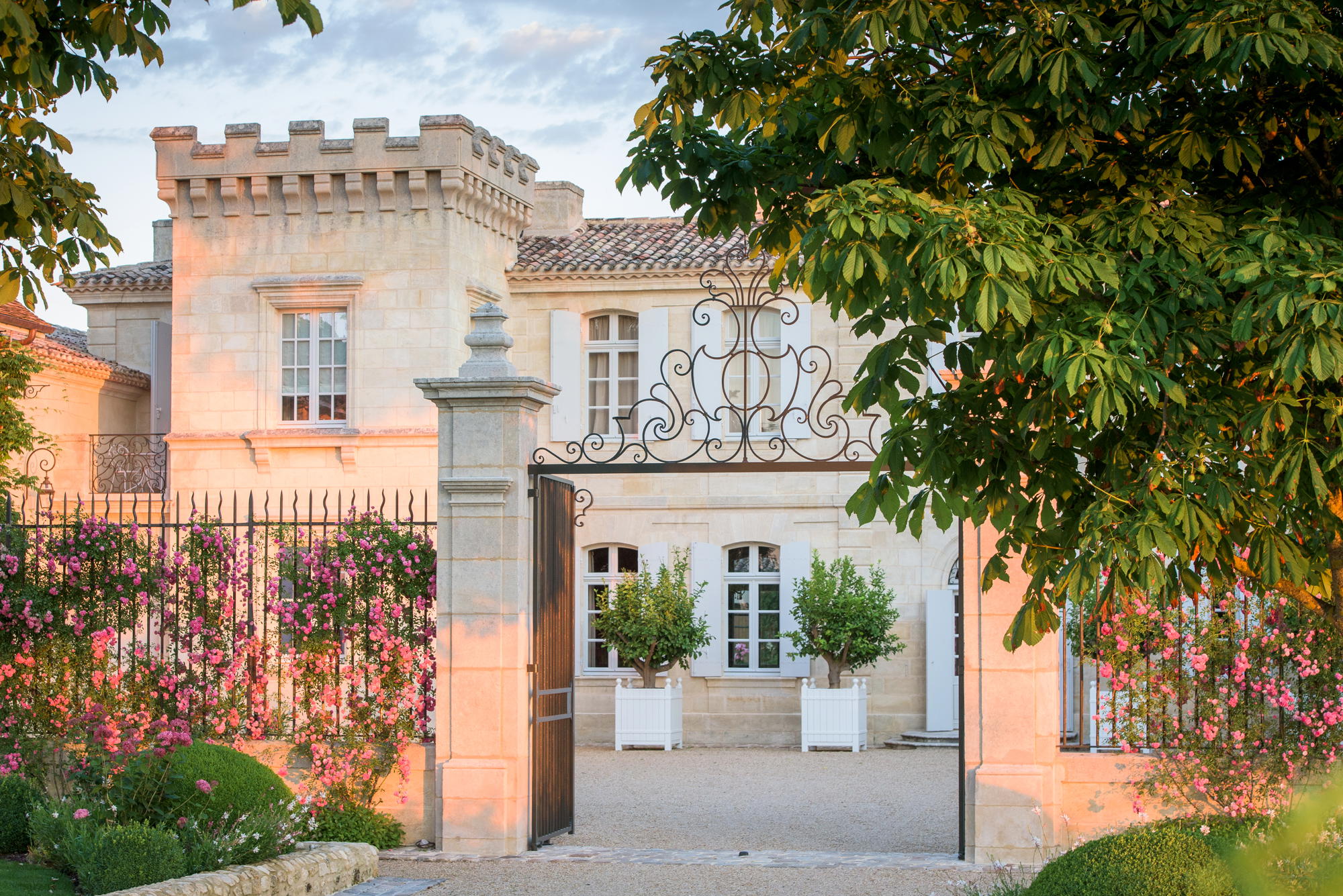
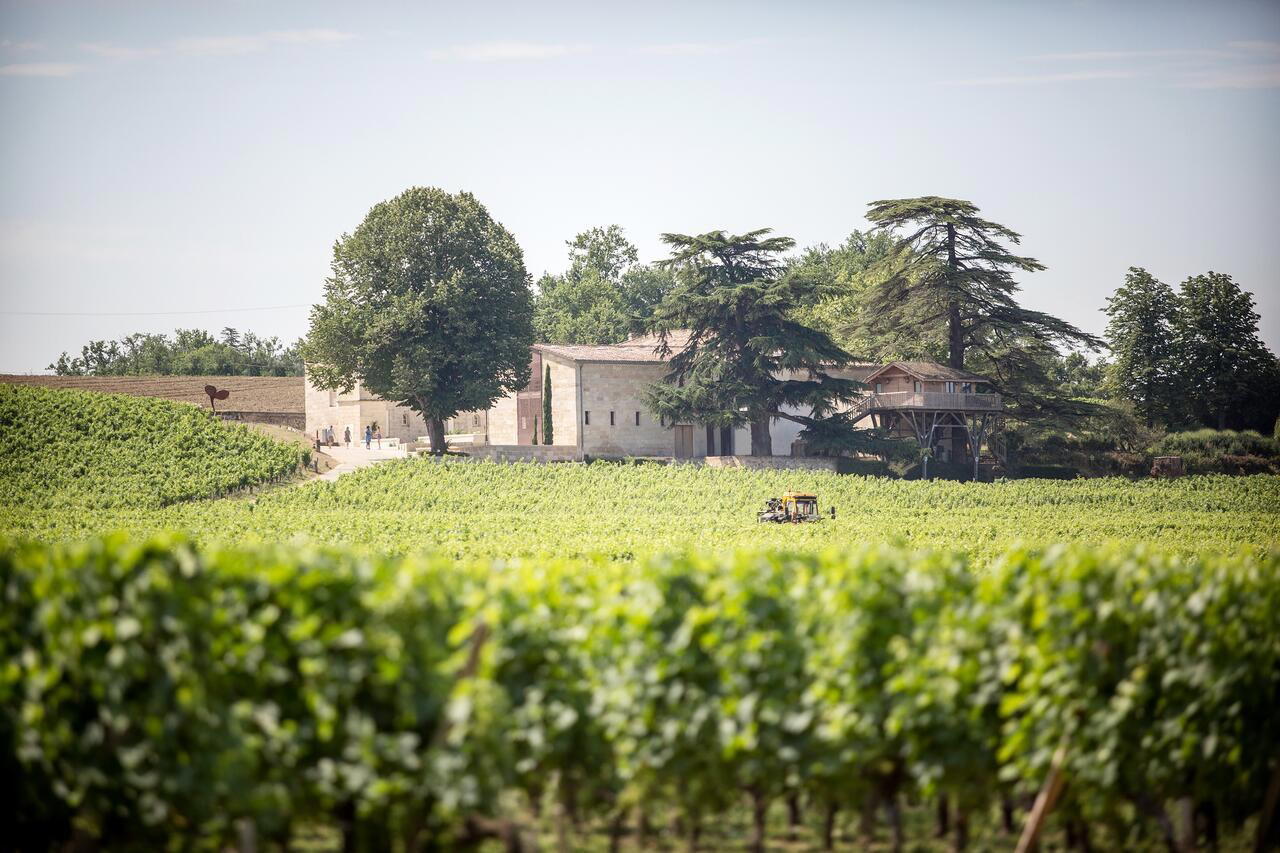
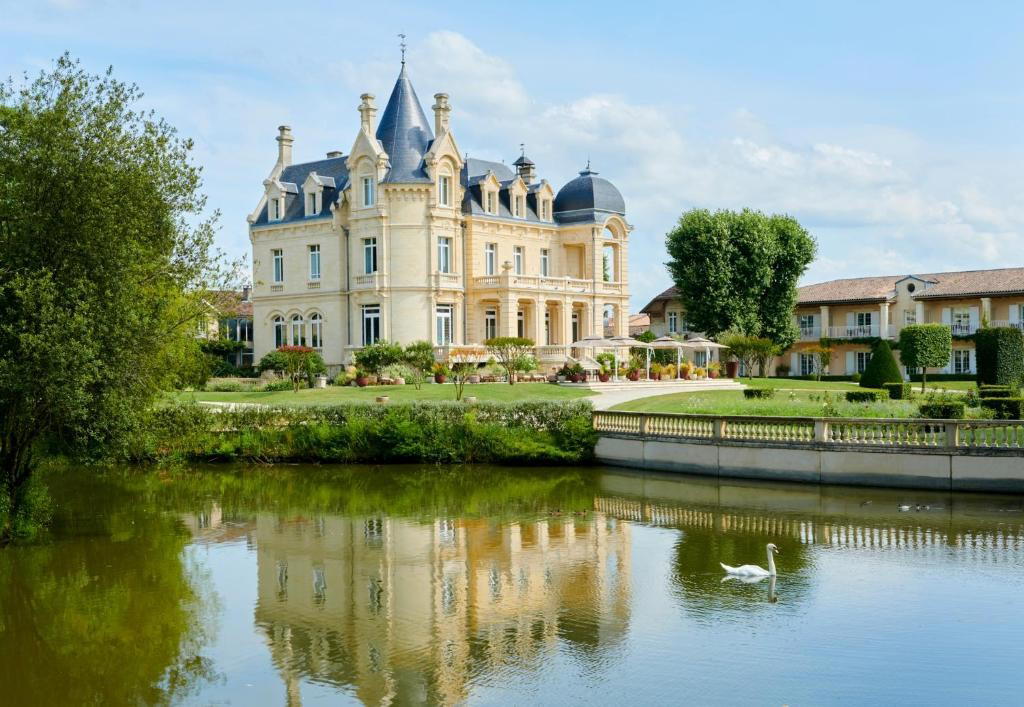
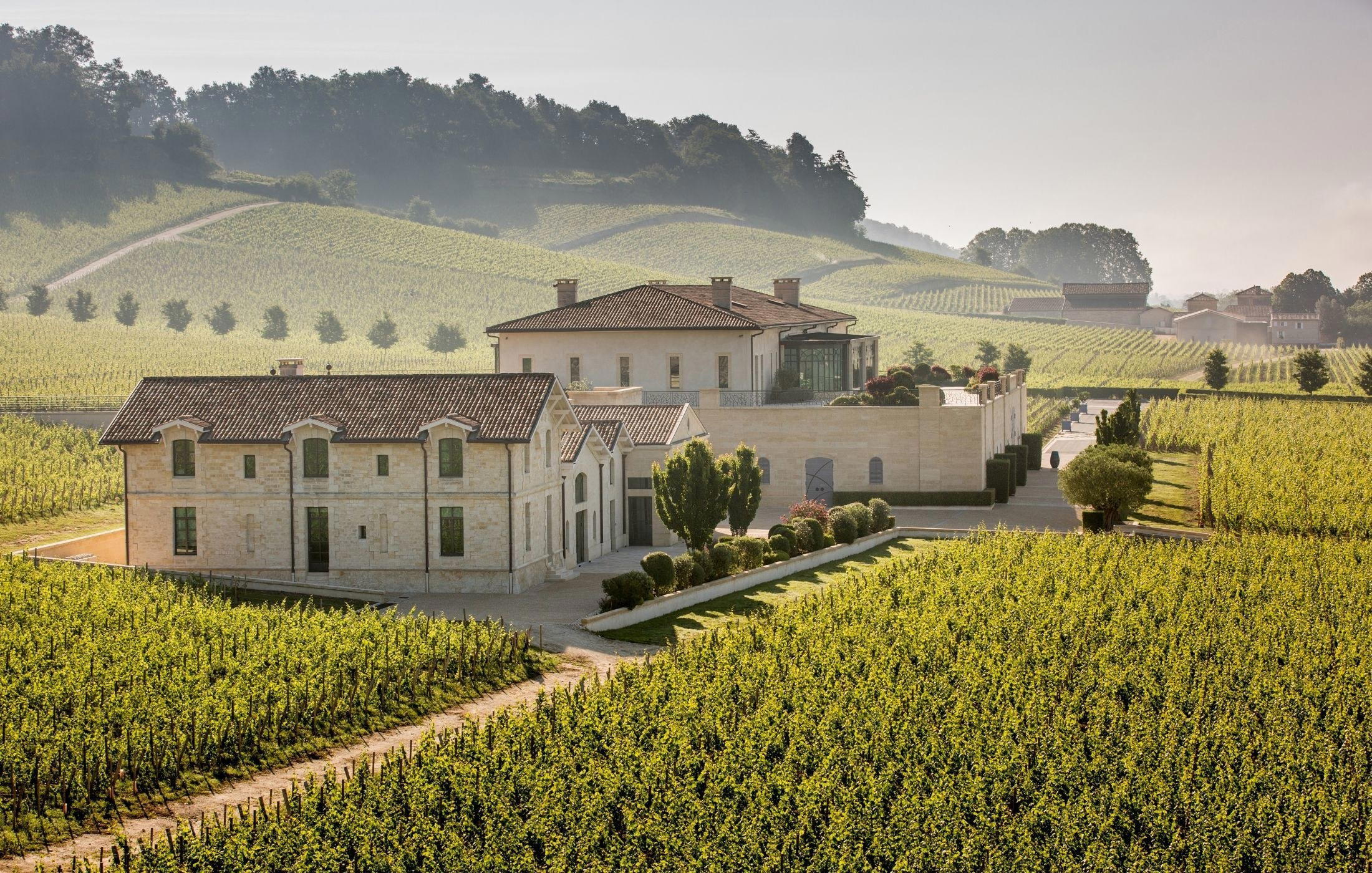
On the Saint-Émilion plateau, Château Jean Voisin is best understood through its setting: a historic Right Bank Bordeaux estate with vines surrounding the château like a tended garden. The impression is agricultural before it is showy. The vineyard landscape is not just scenery around the building; it is the central reason to come, and it frames the estate’s identity around terroir, careful viticulture, and a restrained sense of hospitality.
Because the information for Château Jean Voisin is deliberately limited, the safest reading is a focused one. This is a Saint-Émilion estate rather than a venue to describe through menus, named cuvées, production figures, visitor formats, or awards. The appeal rests in the plateau setting, the historic Right Bank context, and an atmosphere that is classic, quietly elegant, and low-key. For broader regional planning, see Our full Saint-Émilion wineries guide, with nearby planning also covered in Our full Saint-Émilion restaurants guide, Our full Saint-Émilion hotels guide, Our full Saint-Émilion bars guide, and Our full Saint-Émilion experiences guide.
The Saint-Émilion plateau and a quieter estate language
Saint-Émilion is often approached through reputation, labels, and cellar-door ambitions, but Château Jean Voisin’s profile points to something quieter: a historic estate on the plateau, set among its vines, with an emphasis on terroir and precision viticulture. That language matters because it keeps the focus on the land rather than on unsupported claims about specific blends, techniques, production volumes, or tasting structures.
The visual character is part of the experience. Vines surround the château closely enough to give the estate a garden-like feeling, which suits the understated Right Bank mood described in the profile. Rather than presenting the property as a spectacle, the available facts suggest a more discreet encounter with the range of Saint-Émilion: ordered rows, an old-estate atmosphere, and a sense that careful vineyard work is the main story.
For visitors comparing options in the area, the distinction is useful. Some Saint-Émilion experiences may be built around restaurants, hotels, bars, or more overtly polished hospitality settings. The winery, by contrast, should be framed simply as a wine-estate stop with classic character and a low-key register.
A historic Right Bank setting, not a manufactured spectacle
The description of the winery emphasizes history, the Right Bank, and Bordeaux estate culture. That combination gives the château a sense of continuity without requiring unsupported dates, ownership claims, acreage figures, or technical cellar details. The important confirmed point is broader and more durable: this is a historic estate in Saint-Émilion whose identity is tied to its vineyard setting and to the disciplined language of viticulture.
The atmosphere is classic and quietly elegant. That does not mean formal in a theatrical way, nor does it support claims about a specific dress requirement, dining format, or luxury service model. It means the estate is best presented as composed and discreet: a place where the vines, château, and plateau setting do most of the talking. In a region where prestige can easily become the headline, the winery’s profile is more restrained.
Price is listed as $$$, which places it in a premium bracket for EP Club purposes. Travelers should treat the $$$ marker as a general expectation rather than as a promise of any particular inclusion.
What to expect from the tone of the visit
Particularly grounded expectation is tonal: terroir-led, precise, and discreet. The confirmed appeal is the setting and the estate character.
That makes the château a good fit for travelers who value place over spectacle. If your Saint-Émilion itinerary is built around understanding the plateau, historic estate architecture, and the relationship between vines and château, the winery has a clear role.
Within EP Club’s Saint-Émilion coverage, the winery should therefore be treated as a concise, terroir-focused listing rather than a heavily elaborated experience page. Its strengths are confirmed but specific: a historic Right Bank Bordeaux estate, a plateau location, vines surrounding the château like a tended garden, classic quiet elegance, precision viticulture, discreet hospitality, and a $$$ price marker.
Recognition history
Dated appearances from independent guides and award organizations, with the underlying list record or original source where available.
Falstaff Winery - Listed
Falstaff
Continue exploring
More in Saint-Émilion
Wineries in Saint-Émilion
Browse all →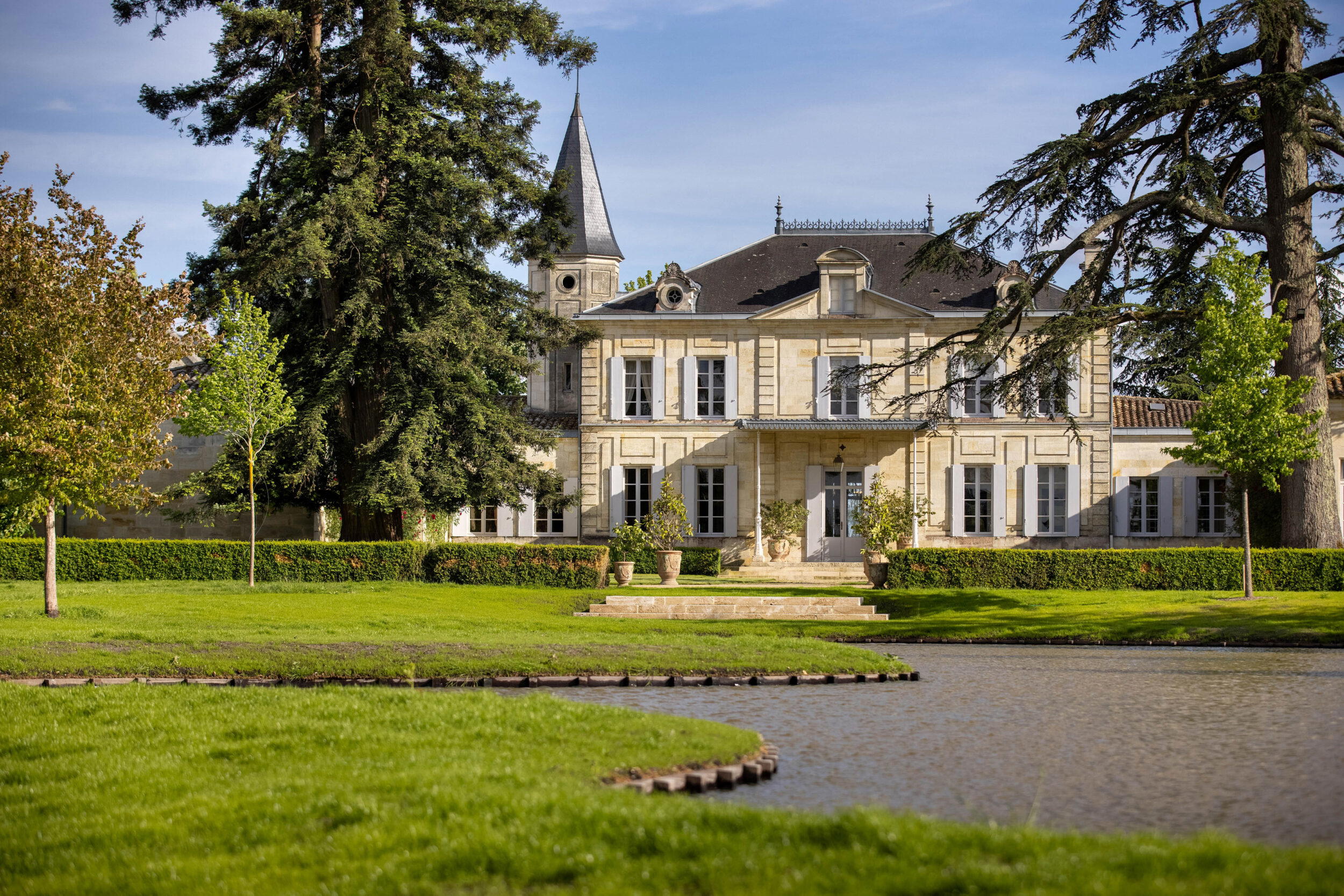
Bars in Saint-Émilion
Browse all →
Restaurants in Saint-Émilion
Browse all →
At a Glance
- Classic
- Scenic
- Romantic
- Elegant
- Romantic Getaway
- Group Outing
- Wine Education
- Special Occasion
- Solo Exploration
- Vineyard Tour
- Estate Grounds
- Historic Building
- Panoramic View
- Sustainable
- Vineyard
- Garden
- Saint Émilion Grand Cru AOC
- Merlot
- Cabernet Franc
- Still Red
- Estate Tasting
- Vineyard Tour
Current opening hours
- Monday
- 9 AM–12 PM, 2–5 PM
- Tuesday
- 9 AM–12 PM, 2–5 PM
- Wednesday
- 9 AM–12 PM, 2–5 PM
- Thursday
- 9 AM–12 PM, 2–5 PM
- Friday
- 9 AM–12 PM, 2–5 PM
- Saturday
- Closed
- Sunday
- Closed
Hours can change for holidays and private events. Last verified .
Historic Right Bank Bordeaux estate on the Saint-Émilion plateau, with vines surrounding the château like a tended garden; the atmosphere is classic and quietly elegant, focused on terroir, precision viticulture, and discreet, low-key hospitality.