
Falstaff Winery - Listed
Château Haut Nouchet gives Martillac a quieter reading of Pessac-Léognan: gravel, clay-limestone, woods, meadows, and a stream shaping an estate focused on still red and white Bordeaux. The 32-hectare property pairs sustainable viticulture with guided tastings in English and French, making it strongest for visitors who want terroir explained through the land rather than through cellar theatre.

Pearl is the En Primeur Club membership app — saves, bookings, and concierge access live there. Same editors, same standards.
- Address
- Rte du Haut Nouchet, 33650 Martillac, France
- Phone
- +33 5 57 12 07 63
- Hours
- Mon 9:30 AM–6:30 PMTue–Sat 10 AM–6:30 PMSun Closed
- Website
- hautnouchet.com
- Directions
- Get directions
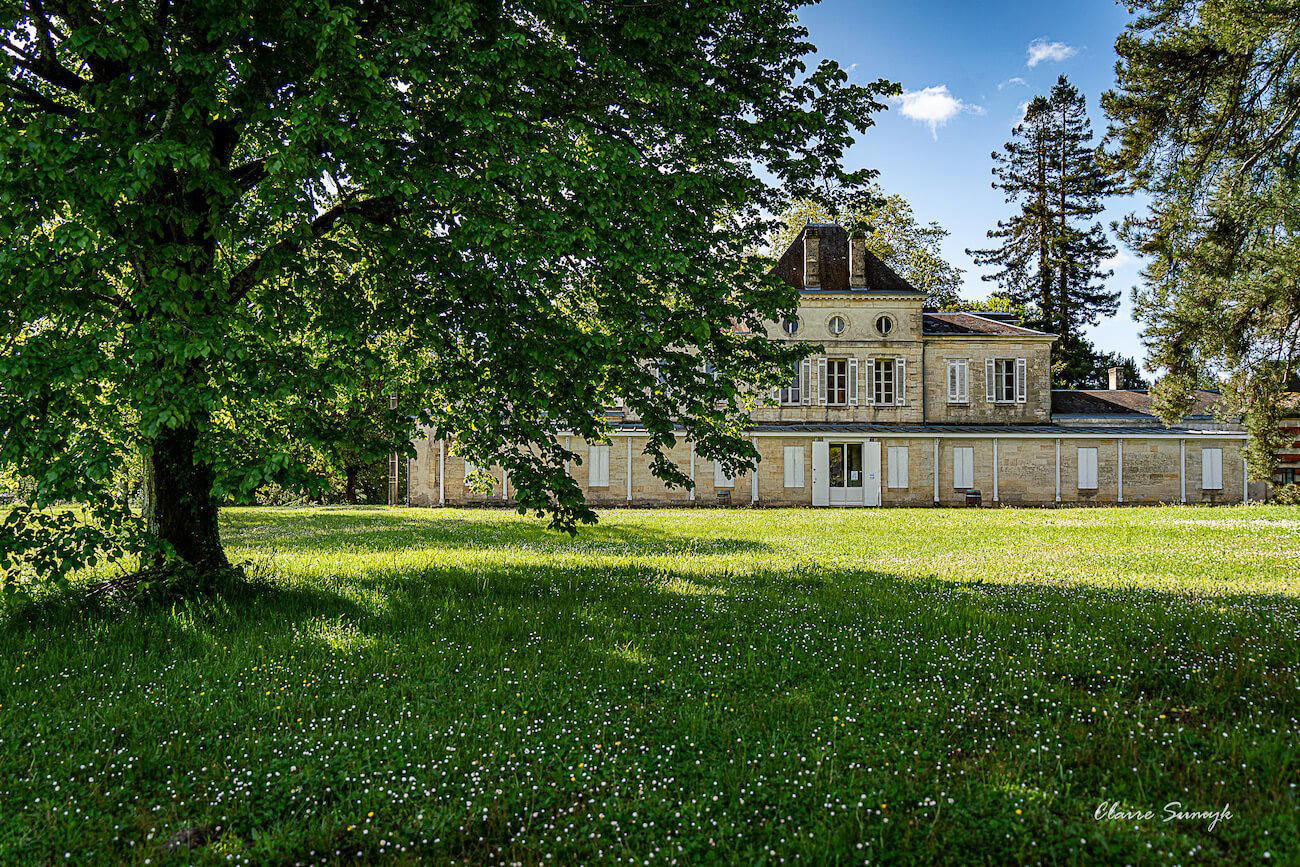
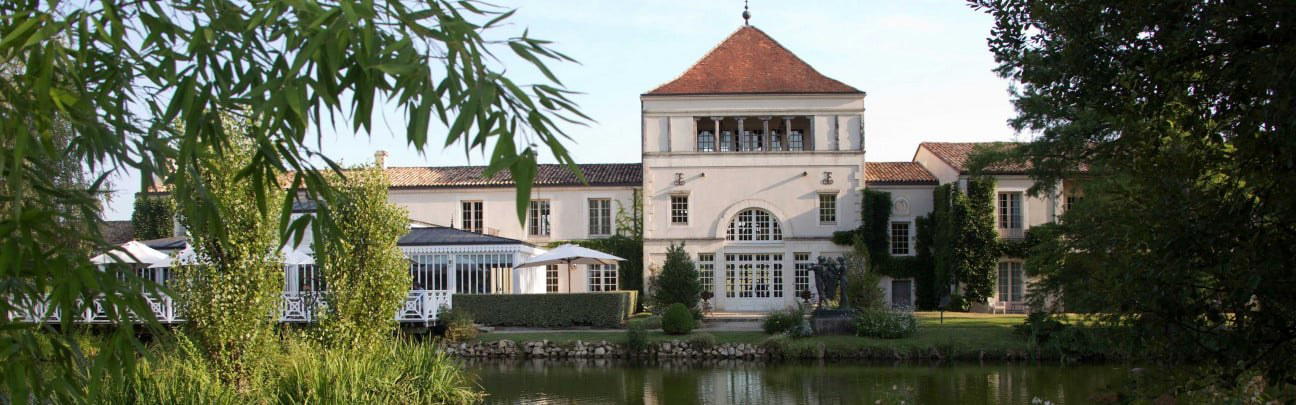
Approaching Château Haut Nouchet means entering the softer side of Pessac-Léognan: vineyards broken by woods and meadows, a stream running through the property, and a quiet estate rhythm that feels closer to agricultural Bordeaux than polished showroom wine tourism. In Martillac, where the appellation’s gravel and clay-limestone soils carry much of the argument, this kind of setting matters. The estate’s point is not spectacle; it is the way land, drainage, planting, and cellar choices translate into red and white Bordeaux.
Gravel, clay-limestone, and the quieter argument for Pessac-Léognan
Pessac-Léognan has an unusually clear identity within Bordeaux because it speaks in both red and white. Cabernet Sauvignon, Merlot, Petit Verdot, and Cabernet Franc anchor the red side here; Sauvignon Blanc and Sémillon carry the white. Château Haut Nouchet works within that classical frame, with red plantings led by Cabernet Sauvignon and Merlot, and white wines built from Sauvignon Blanc and Sémillon. The estate covers 32 hectares, with 13 hectares devoted to red wine and 2 hectares to white, while the remaining land is part of the property’s ecological character rather than decorative scenery.
The soil story is direct: two gravelly ridges over a clay-limestone matrix, with the Nouchet stream contributing to drainage and biodiversity. In Bordeaux terms, that is not a minor technical detail. Gravel helps manage water and heat; clay-limestone brings a different reserve and structure. For visitors trying to understand why Pessac-Léognan can produce reds with frame and whites with freshness, the estate gives the lesson without needing a grand architectural gesture.
The sustainability claim has substance rather than vague virtue. Viticultural practices include traditional soil tilling instead of herbicides and natural pheromones for pest control, with Terra Vitis certification adding an external trust signal. Those choices put Château Haut Nouchet inside the more disciplined side of Bordeaux’s environmental turn: not a rejection of appellation classicism, but a cleaner way of farming within it.
A tasting format built around estate scale, not theatre
Hospitality program is strongest when treated as wine education. Guided tastings, vineyard tours, estate grounds, private tastings, family tastings, and food-pairing formats make sense for an estate where the physical site explains much of the wine. Tours are offered in English and French, and the general duration sits around 90 minutes, which is enough time to connect grape varieties, soil, and cellar decisions without turning the visit into a half-day production.
Cellar work follows Bordeaux logic with enough specificity to reward attentive visitors. Red-wine fermentation uses extraction methods such as remontage and manual pigeage, followed by malolactic fermentation in barriques. Ageing includes 225-litre barriques, with some lots using 400-litre barrels. The result, in editorial terms, is a producer operating in the language of classic Pessac-Léognan rather than chasing novelty: structured reds, fresh whites, and an emphasis on balance through farming and barrel decisions.
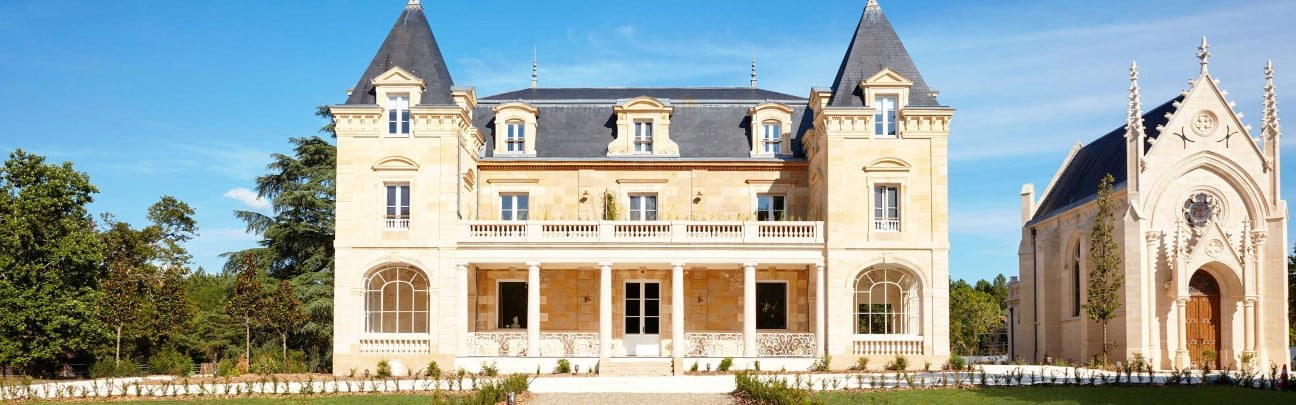
Gauthier Briest is named as winemaker, and the Briest family acquired the estate in 2008, a useful marker for the property’s modern chapter. The deeper story, however, remains older than that handover. Vineyard history here reaches back to the early 1830s, placing the estate inside the long Bordeaux pattern of family ownership, replanting, and reinterpretation rather than sudden reinvention.
How to place it within a Martillac wine itinerary
Château Haut Nouchet suits a Martillac itinerary built around landscape and appellation literacy. It works for wine education, group outings, family visits, corporate events, and quieter special occasions, particularly for travellers who want to see how a medium-scale estate links vineyard management to what ends up in the glass. Accessibility is also part of the practical appeal, with wheelchair access and step-free entry listed among its visitor attributes.
For a broader view of Martillac, use the estate as one stop within a local wine map rather than as a standalone trophy visit. Nearby reading can start with Our full Martillac wineries guide, then branch into regional entries such as Château Cantelys, Château de Rochemorin, Château Lafont Menaut, Château Latour-Martillac, and Château Lespault-Martillac. For the rest of the city, pair the wine route with Our full Martillac restaurants guide, Our full Martillac hotels guide, Our full Martillac bars guide, and Our full Martillac experiences guide.
Travellers building a wider European wine file can also compare regional formats across EP Club’s winery coverage, from A. Margaine in Villers-Marmery and Abbaye de Fontfroide in Narbonne to Abbotts & Delaunay in Marseillette, »der Steiner« Hans Steiner in Podersdorf am See, and & Handwein in Mannheim. Château Haut Nouchet’s place in that broader reading is clear: a Martillac estate where the protected grounds, sustainable farming, and Pessac-Léognan varieties do the serious work.
Recognition history
Dated appearances from independent guides and award organizations, with the underlying list record or original source where available.
Falstaff Winery - Listed
Falstaff
Continue exploring
More in Martillac
Wineries in Martillac
Browse all →
Bars in Martillac
Browse all →
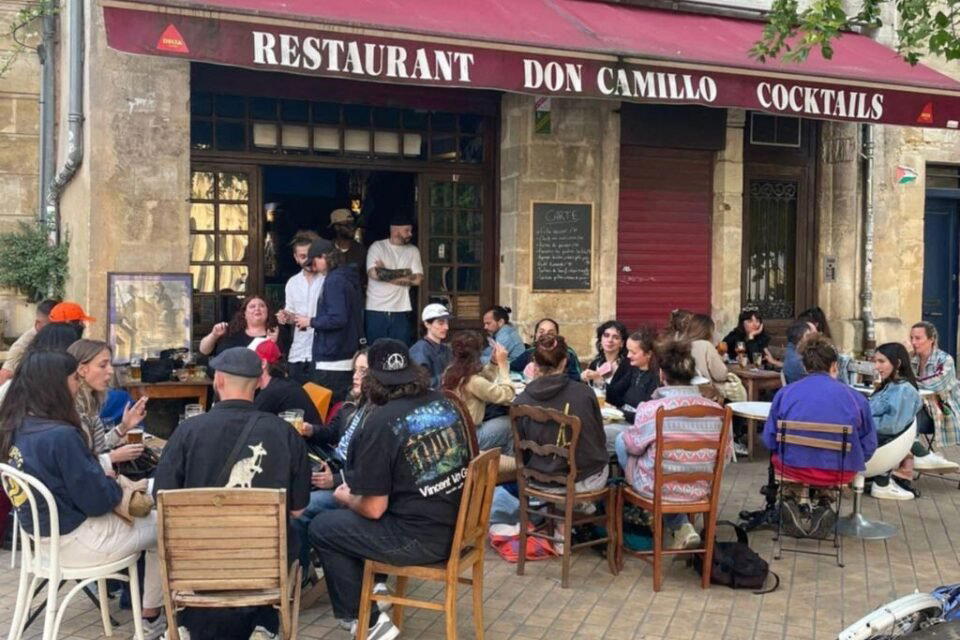
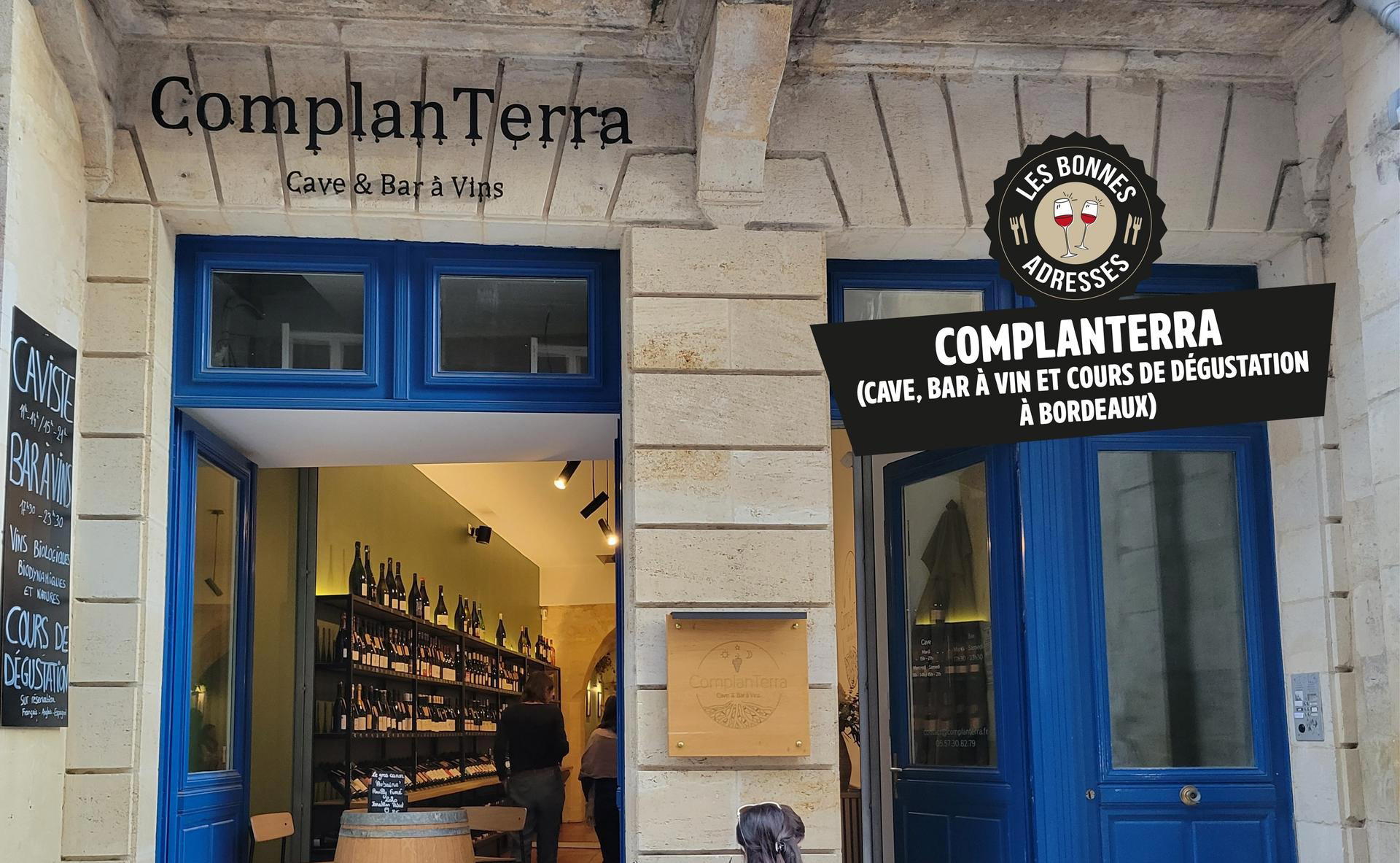
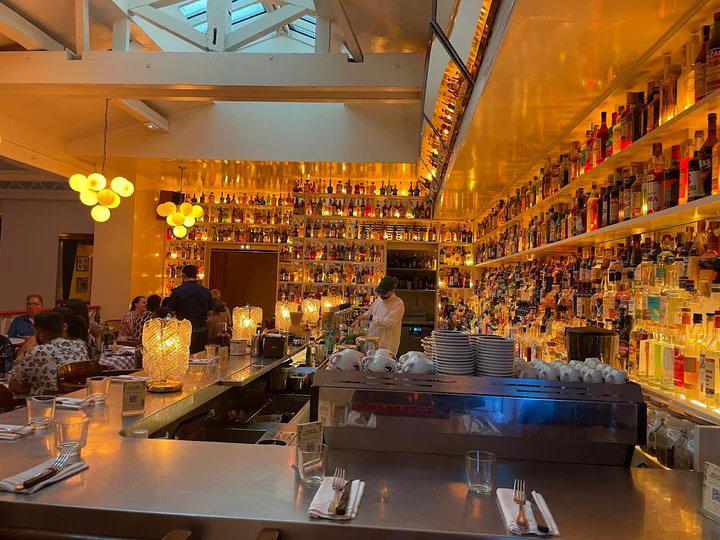
Restaurants in Martillac
Browse all →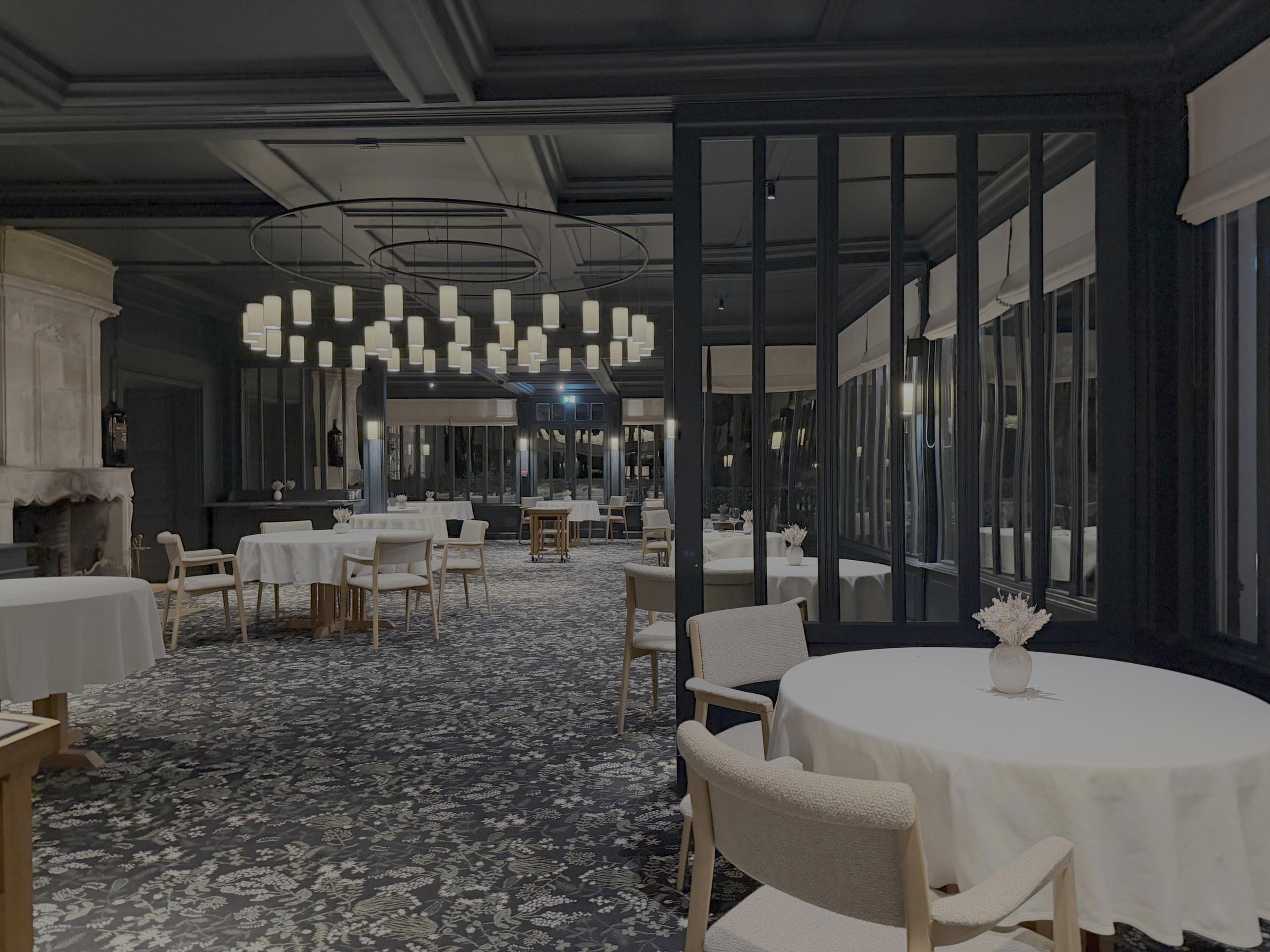
Details
- Scenic
- Quiet
- Classic
- Rustic
- Wine Education
- Family
- Special Occasion
- Corporate Event
- Group Outing
- Vineyard Tour
- Estate Grounds
- Private Tasting
- Historic Building
- Sustainable
- Vineyard
- Garden
- Cabernet Sauvignon
- Merlot
- Petit Verdot
- Cabernet Franc
- Sauvignon Blanc
- Sémillon
- Still Red
- Still White
- Guided Tasting
- Tasting And Food Pairing
- Family Tasting
- English
- French
Current opening hours
- Monday
- 9:30 AM–6:30 PM
- Tuesday
- 10 AM–6:30 PM
- Wednesday
- 10 AM–6:30 PM
- Thursday
- 10 AM–6:30 PM
- Friday
- 10 AM–6:30 PM
- Saturday
- 10 AM–6:30 PM
- Sunday
- Closed
Hours can change for holidays and private events. Last verified .
Refined, bucolic, and nature-forward, with woods, meadows, vineyards, and a stream creating a peaceful estate atmosphere.