Château Guadet

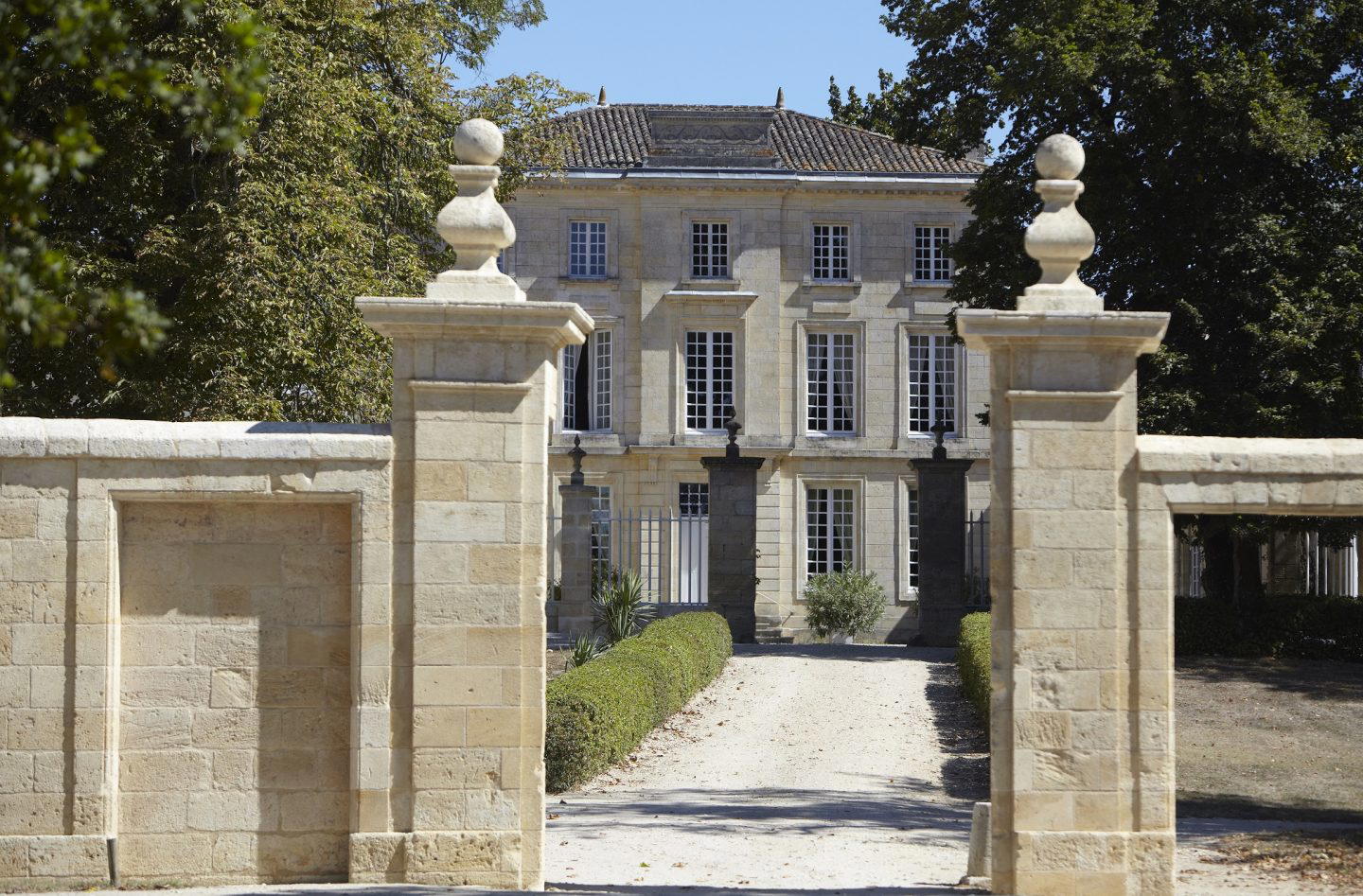
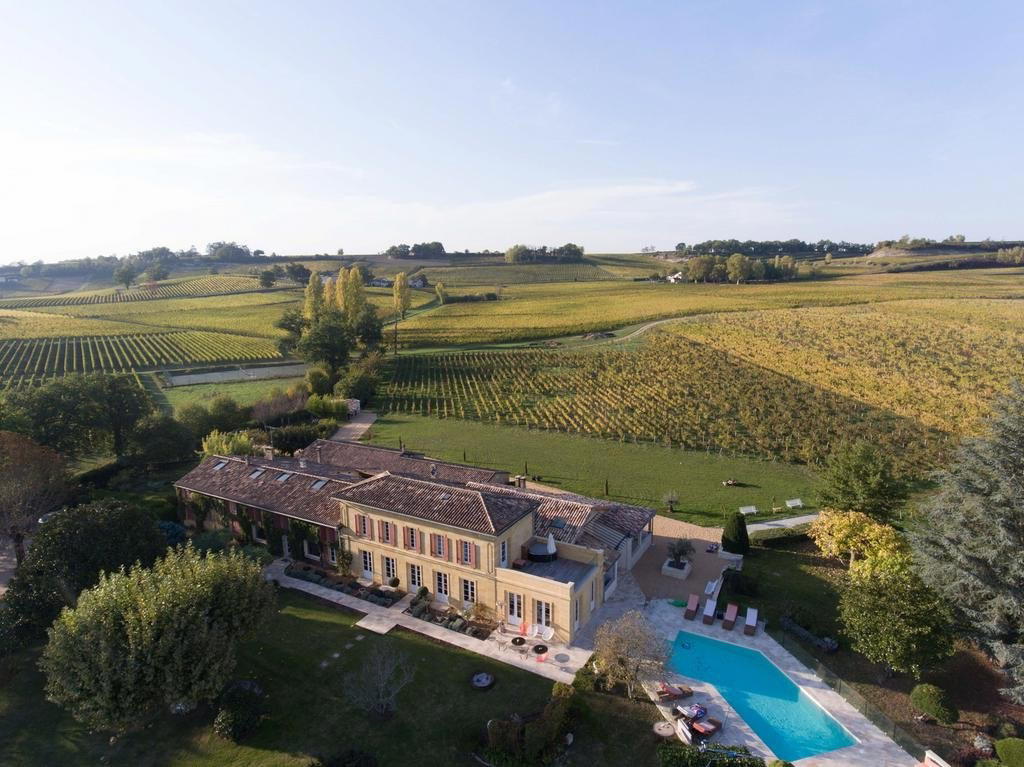
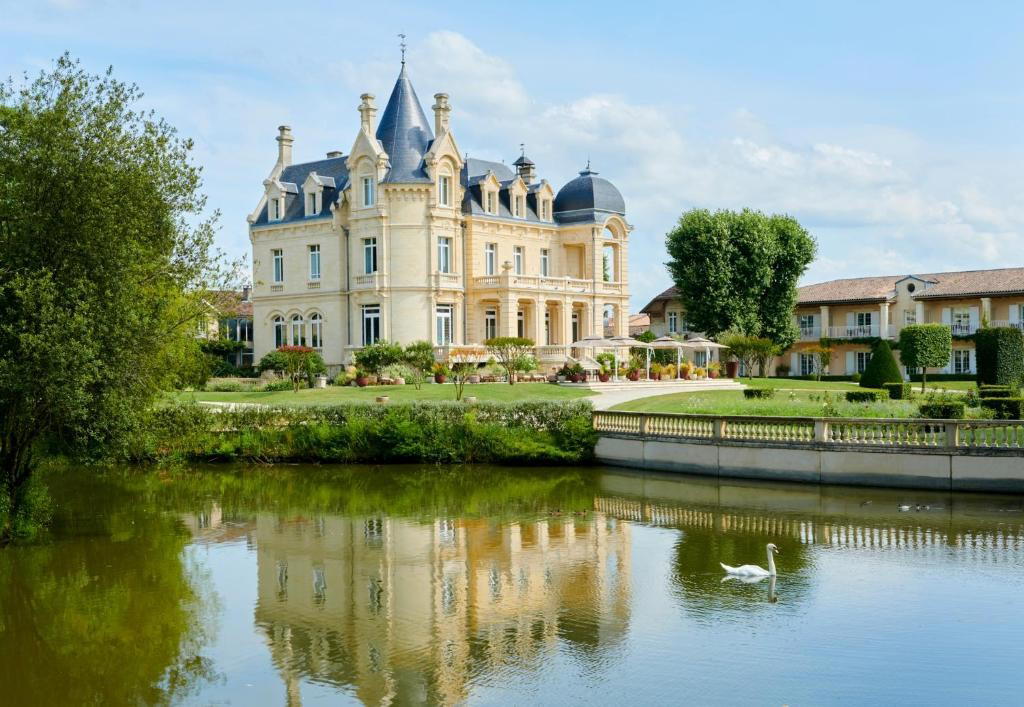
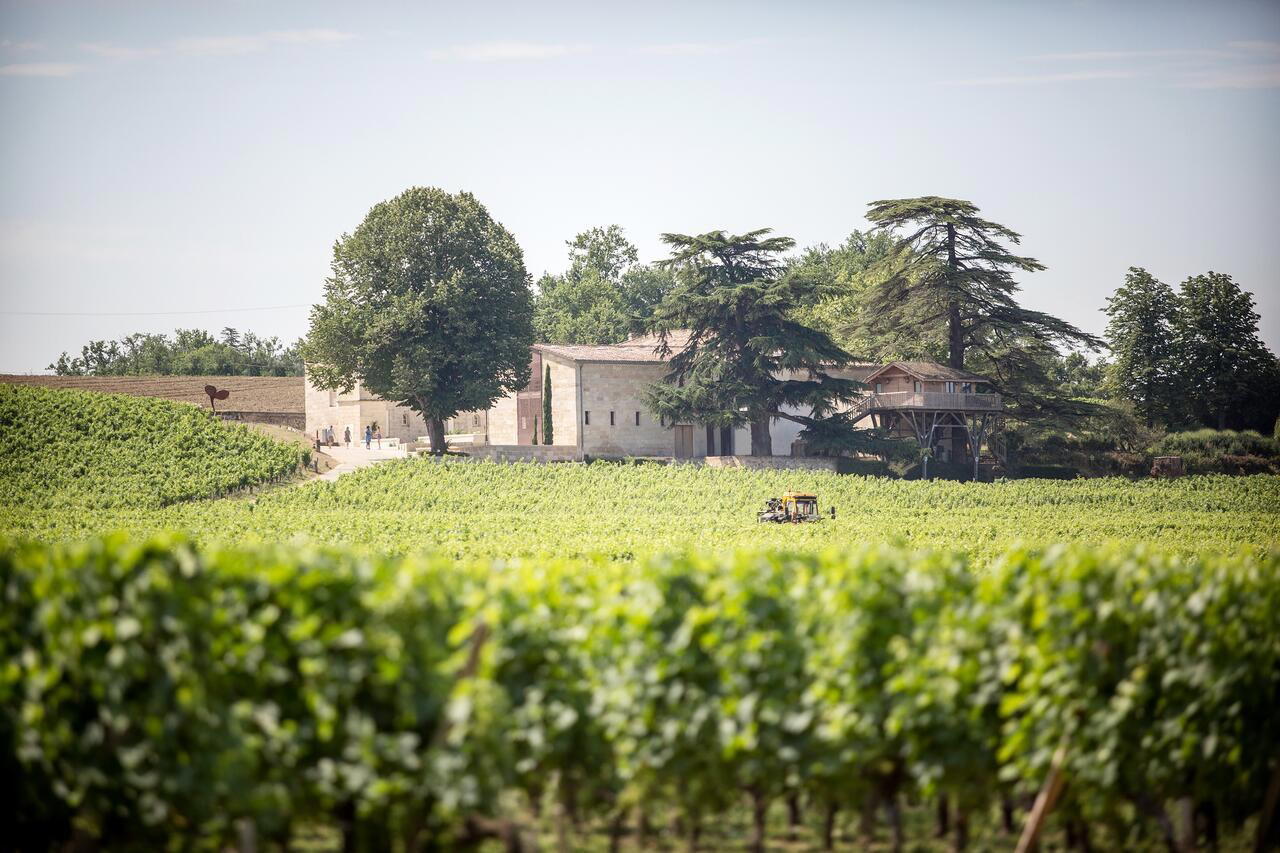
Château Guadet gives Saint-Émilion’s limestone story a compact, village-centre expression: Merlot and Cabernet Franc from a small biodynamic estate, shaped through cement vats, French oak, and restrained production. Its Grand Cru Classé status, family stewardship since 1844, and cellar-tour format make it a serious stop for visitors who want terroir rather than spectacle.
Pearl is the En Primeur Club membership app — saves, bookings, and concierge access live there. Same editors, same standards.
- Address
- Saint-Émilion, Nouvelle-Aquitaine, Frankreich
 Saves & bookings on Pearl
Saint-Émilion’s wine culture is closely tied to limestone, village history, and cellar visits that connect the landscape to the glass. Château Guadet fits that context as a historic, family-run Grand Cru Classé estate Saint-Émilion village. Its appeal is not built around spectacle; it is built around guided access to centuries-old limestone cellars and an intimate tasting experience focused on terroir-driven wine. In that sense, the estate reads as a direct expression of the village rather than as a destination designed to overwhelm the visitor.
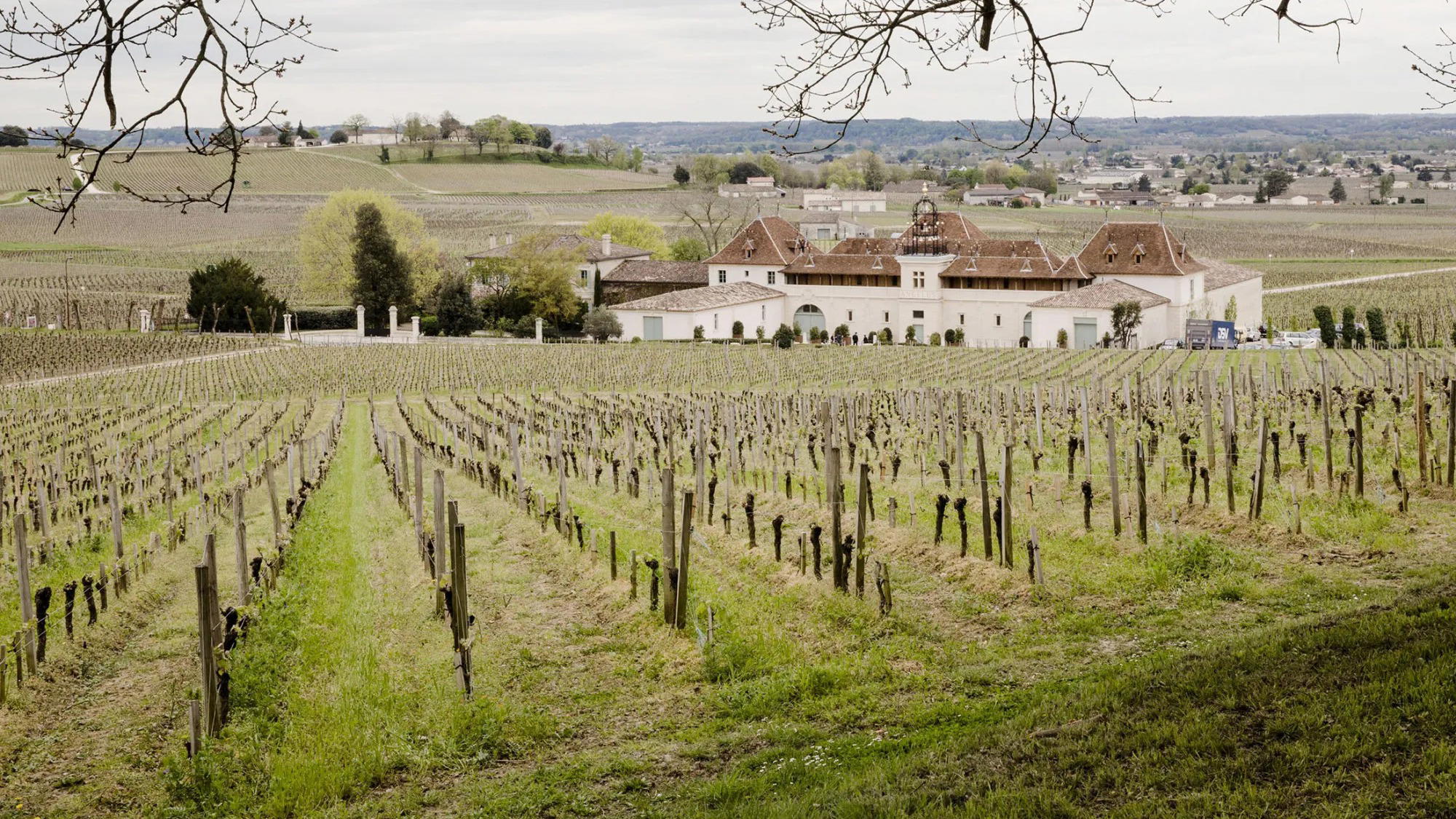
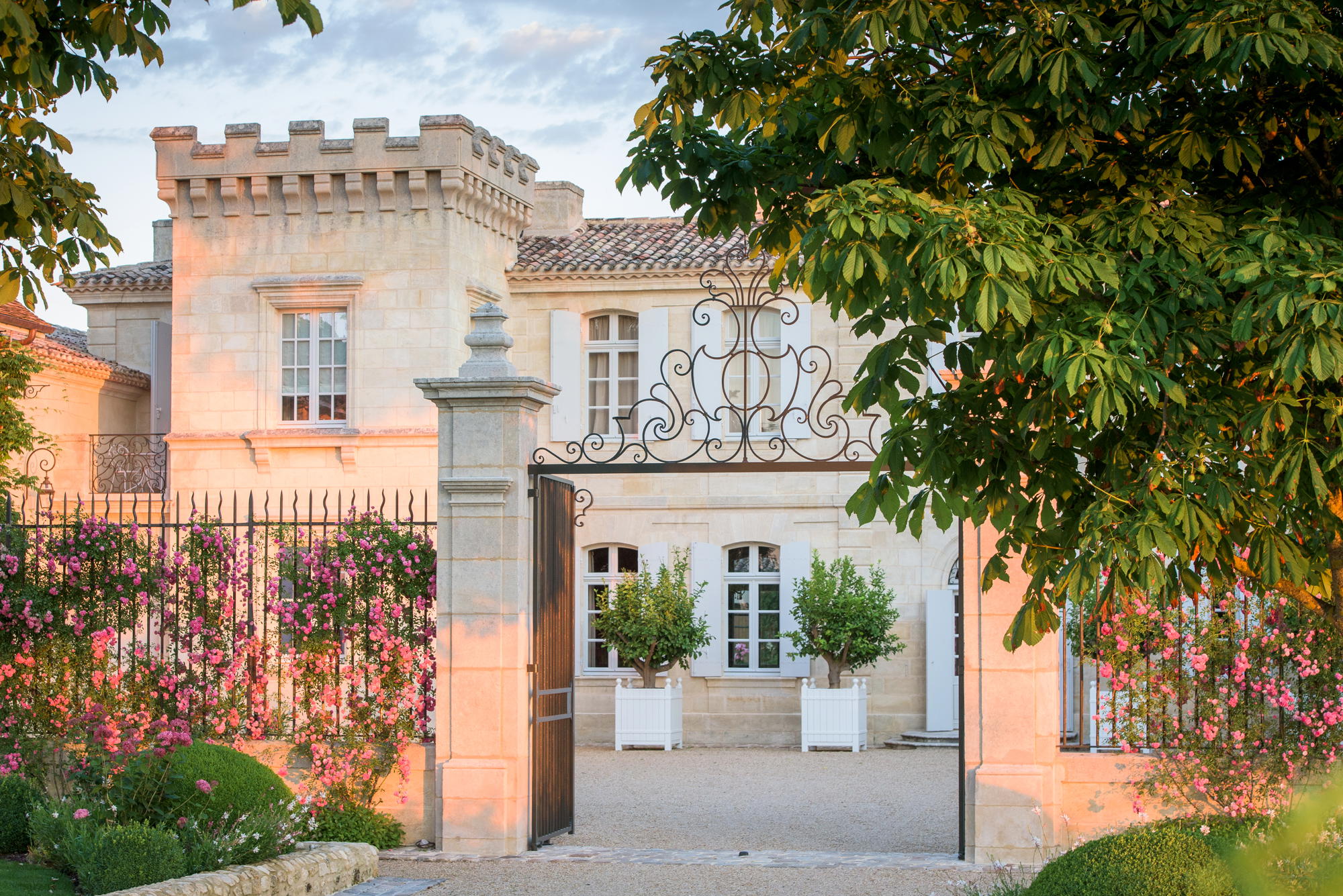
The useful way to read this estate is through atmosphere and setting. Saint-Émilion has many ways to encounter Bordeaux wine, but Château Guadet offers an elegant yet down-to-earth version of the experience. The visit is framed by the estate’s family-run character, its classified standing, and the directness of tasting wine in a place shaped by the village’s limestone foundations. For travellers who want context without excess, that restraint is part of the appeal.
Limestone plateau wines without the Bordeaux theatre
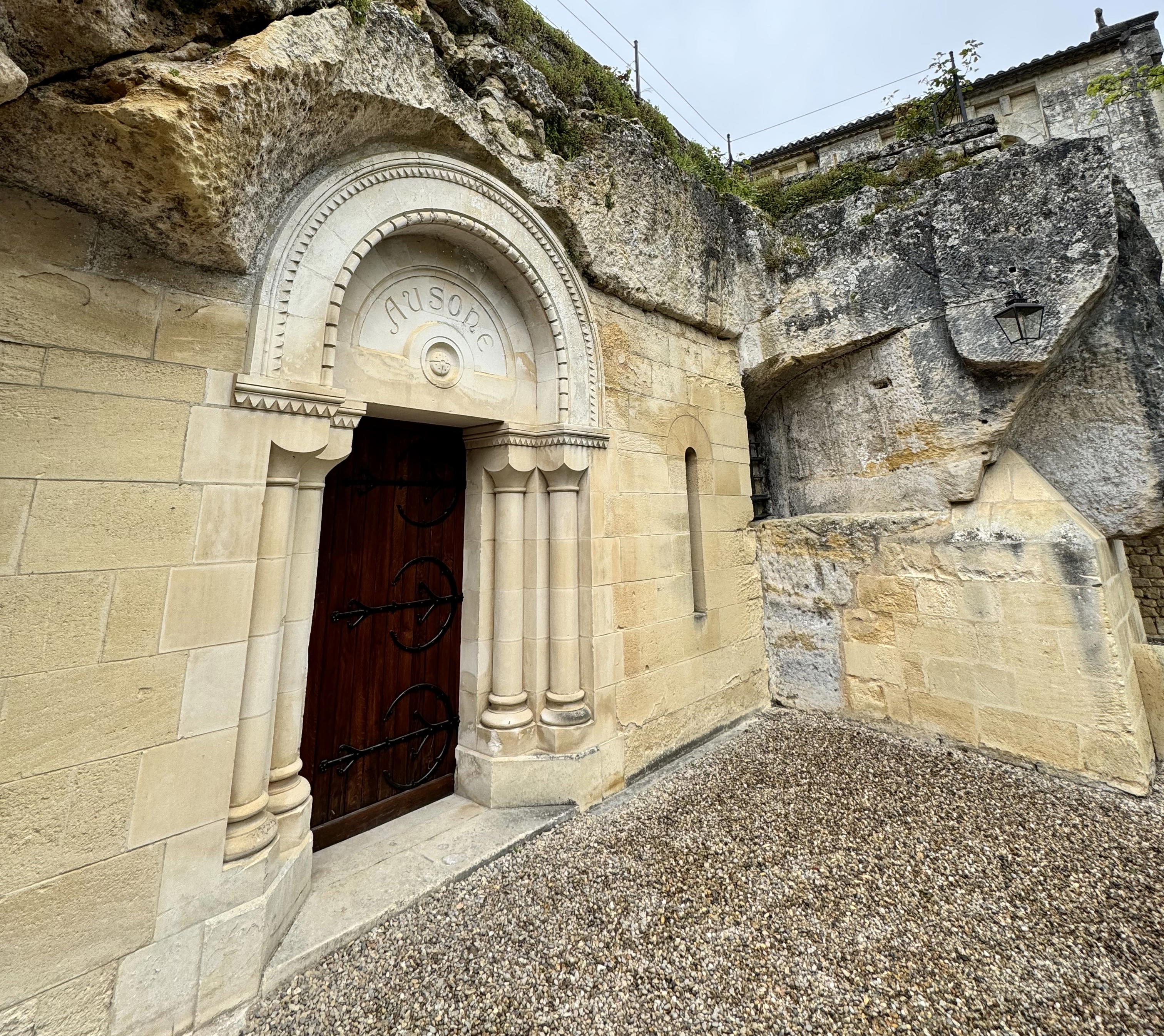
At Château Guadet, limestone is not just scenery. The visitor experience centers on guided tours through centuries-old limestone cellars, giving guests a physical sense of Saint-Émilion’s wine landscape. Rather than leaning on ornate hospitality language, the estate’s strongest confirmed draw is the connection between cellar, village, and terroir-focused tasting. The cellars help turn an abstract idea of terroir into something spatial and immediate, which is why the setting matters as much as the tasting itself.
The tastings are described as intimate and centered on terroir-driven wine. That makes the estate especially relevant for visitors who want a focused introduction to Saint-Émilion through one historic property rather than a broad or highly commercial format. Specific production details, grape composition, cellar techniques, and vintage scores are not treated here as confirmed facts. Keeping the description this precise also keeps the emphasis where it belongs: on place, guided interpretation, and the experience of tasting wine within the estate’s own context.
Its Grand Cru Classé status provides the formal frame, while the family-run nature of the estate gives the visit a more personal register. For a visitor, the classification is a useful signal; the more immediate experience is the guided movement through limestone cellars and the chance to taste in a setting rooted in Saint-Émilion village. The balance is important: there is enough pedigree to anchor expectations, but the confirmed experience remains compact, local, and grounded.
Family continuity and a tighter reading of Saint-Émilion
The winery is best understood as a historic estate where family continuity shapes the tone of the visit. The atmosphere is elegant but down-to-earth, which distinguishes it from more theatrical wine-tour experiences. The focus remains on the estate, the cellars, and the terroir-driven tasting rather than on unrelated amenities or invented extras. This makes the visit feel less like a checklist attraction and more like a concentrated reading of one Saint-Émilion property.
Because the information is intentionally narrow, it is safest to avoid over-claiming details about farming methods, ownership names, production volumes, grape varieties, critic scores, or cellar equipment. What is confirmed is enough to define the visit: a family-run Grand Cru Classé estate in Saint-Émilion, guided cellar tours, and intimate tastings. Those elements provide a clear picture without requiring unsupported technical embellishment.
For travellers building a wine-focused day, the winery works as a concise, place-based introduction to the village’s cellar culture. It is not necessary to inflate the estate with technical claims; the grounded appeal is the combination of historic setting, limestone cellars, and a tasting format tied to terroir. Visitors who value clarity and atmosphere over performance are likely to understand why the estate belongs in a Saint-Émilion itinerary.
How to place it within a Saint-Émilion itinerary
A winery visit suits travellers who want Saint-Émilion explained through a historic, family-run estate rather than through a large hospitality machine. The confirmed format is guided and tasting-led, with centuries-old limestone cellars central to the experience. The tone is intimate, elegant, and approachable for a Grand Cru Classé property. It is especially useful as a stop that gives structure to the wider village experience, because the cellar setting links the built environment, the limestone, and the wine in one coherent visit.
For broader planning, pair the estate with time in Saint-Émilion itself and with other local dining or wine experiences described generically. The winery can stand on its own as a focused stop for visitors interested in the village’s limestone cellars, classified-estate context, and terroir-driven wine tasting. Its strength is not breadth but concentration: a historic estate, a guided descent into the limestone story, and a tasting experience kept close to the place that produced it.
Recognition history
Dated appearances from independent guides and award organizations, with the underlying list record or original source where available.
Falstaff Winery - Listed
Falstaff
Continue exploring
More in Saint-Émilion
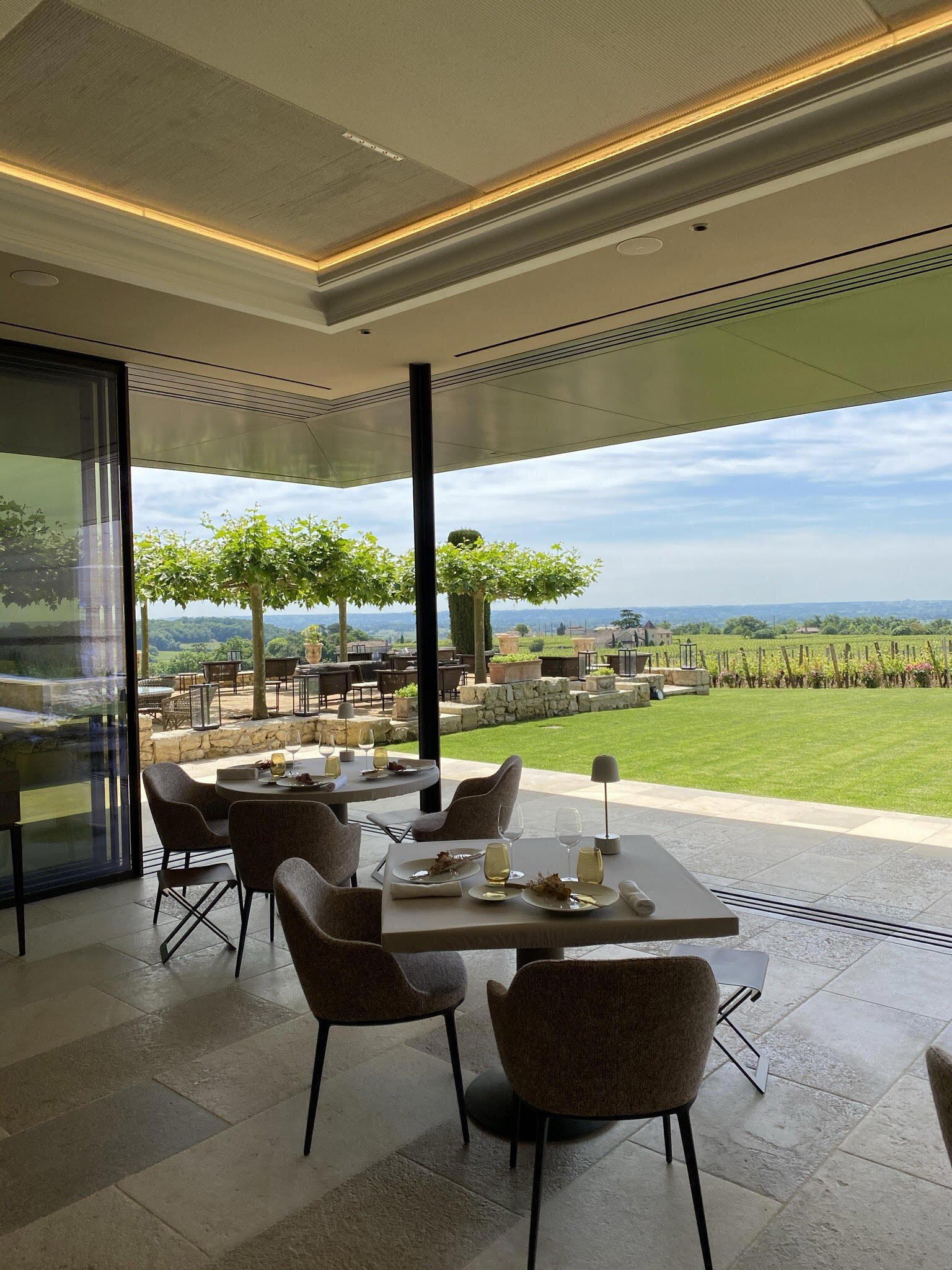
Wineries in Saint-Émilion
Browse all →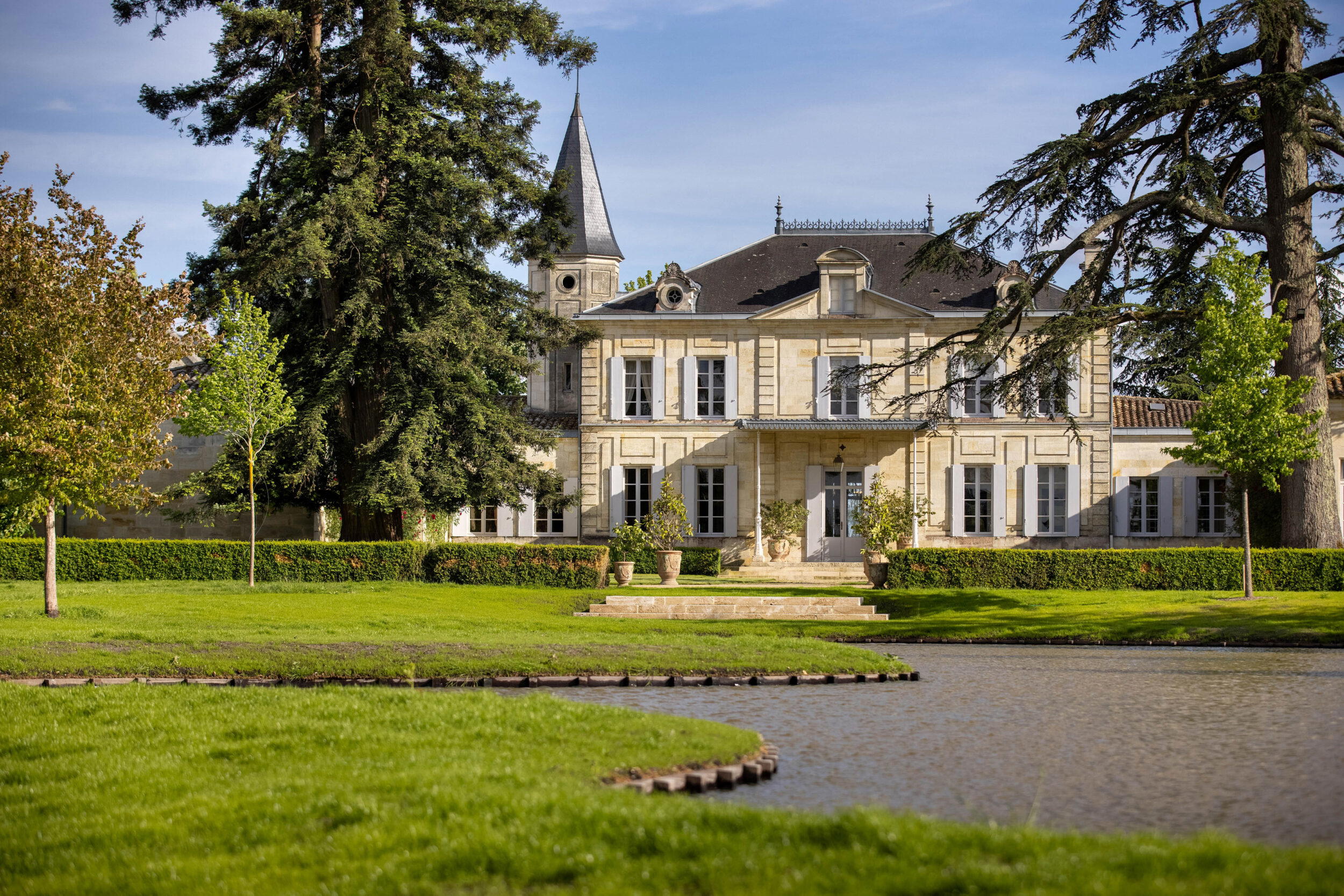
Bars in Saint-Émilion
Browse all →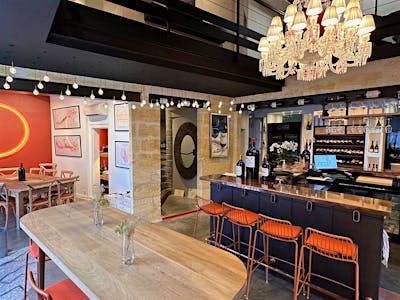
Restaurants in Saint-Émilion
Browse all →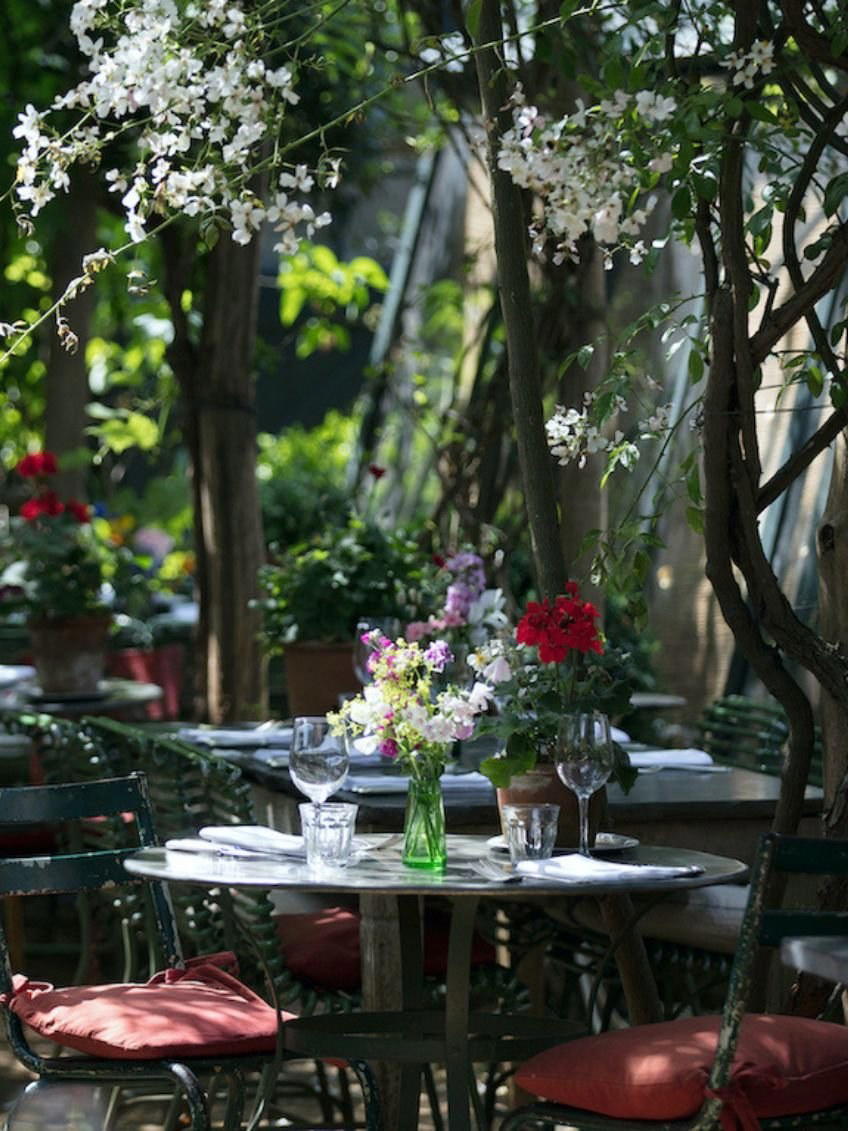
At a Glance
- Well Known
- Historic
- Elegant
- Intimate
- Classic
- Wine Education
- Romantic Getaway
- Group Outing
- Solo Exploration
- Special Occasion
- Cave Tasting
- Barrel Room
- Vineyard Tour
- Historic Building
- Private Tasting
- Organic
- Biodynamic
- Sustainable
- Street Scene
- Vineyard
- Garden
- Saint Émilion Grand Cru AOC
- Merlot
- Cabernet Franc
- Still Red
- Guided Tasting
- Tour And Tasting
- Vertical Tasting
- Private Tasting
Historic, family-run Grand Cru Classé estate with elegant yet down-to-earth atmosphere, offering guided tours through centuries-old limestone cellars in the heart of Saint-Émilion village and intimate tastings focused on terroir-driven wines.