
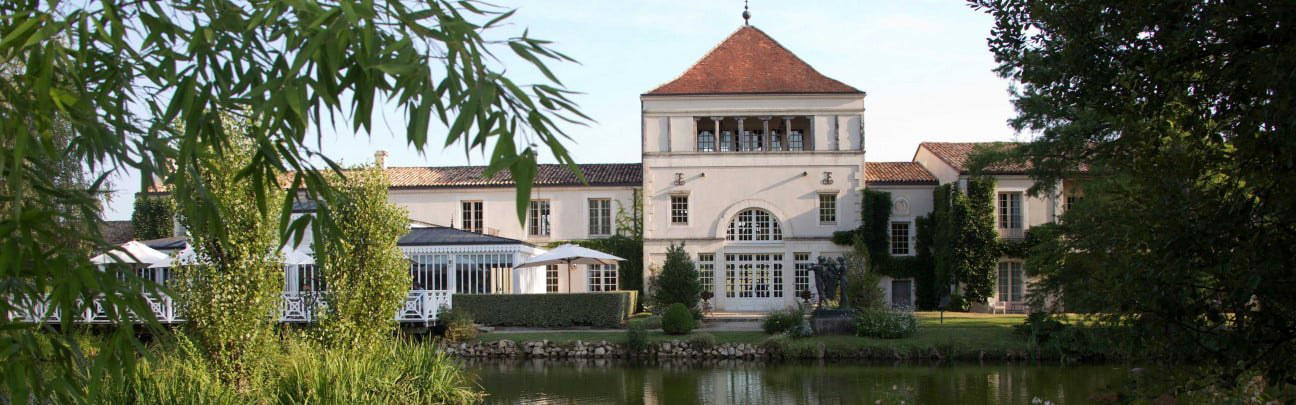
Château Grimont belongs to the Cadillac Côtes de Bordeaux conversation where clay-gravel slopes, Garonne moderation, and Merlot-led blends matter more than château glamour. The 17th-century estate in Quinsac is family-run by Paul and Jean Yung, with more than 120 hectares under vine and a portfolio centered on red Bordeaux blends shaped for structure, dark fruit, and measured ageing.
Pearl is the En Primeur Club membership app — saves, bookings, and concierge access live there. Same editors, same standards.
- Address
- Quinsac, Premières Côtes de Bordeaux, Nouvelle-Aquitaine, Frankreich
- Directions
- Get directions
 Saves & bookings on Pearl
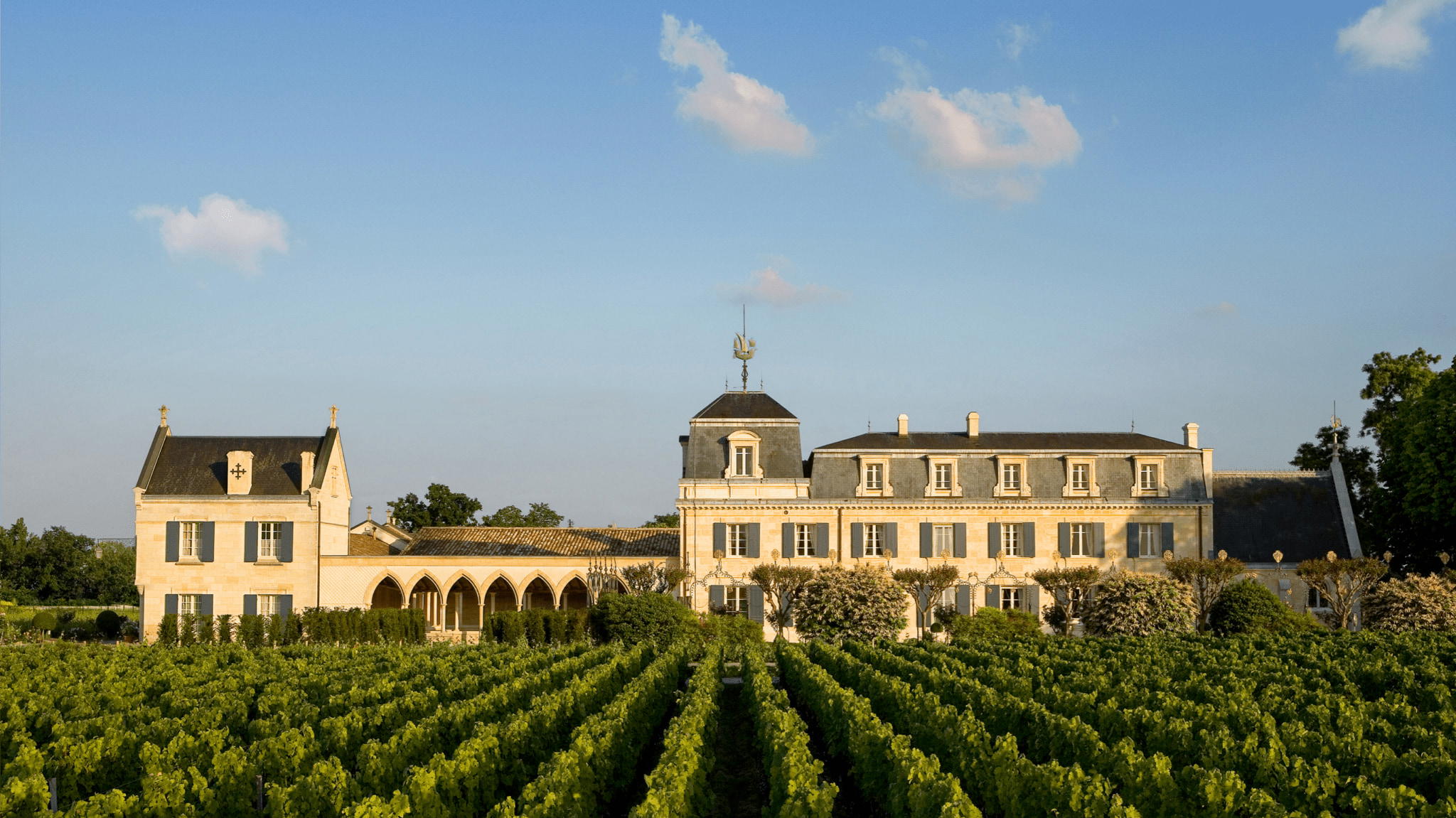
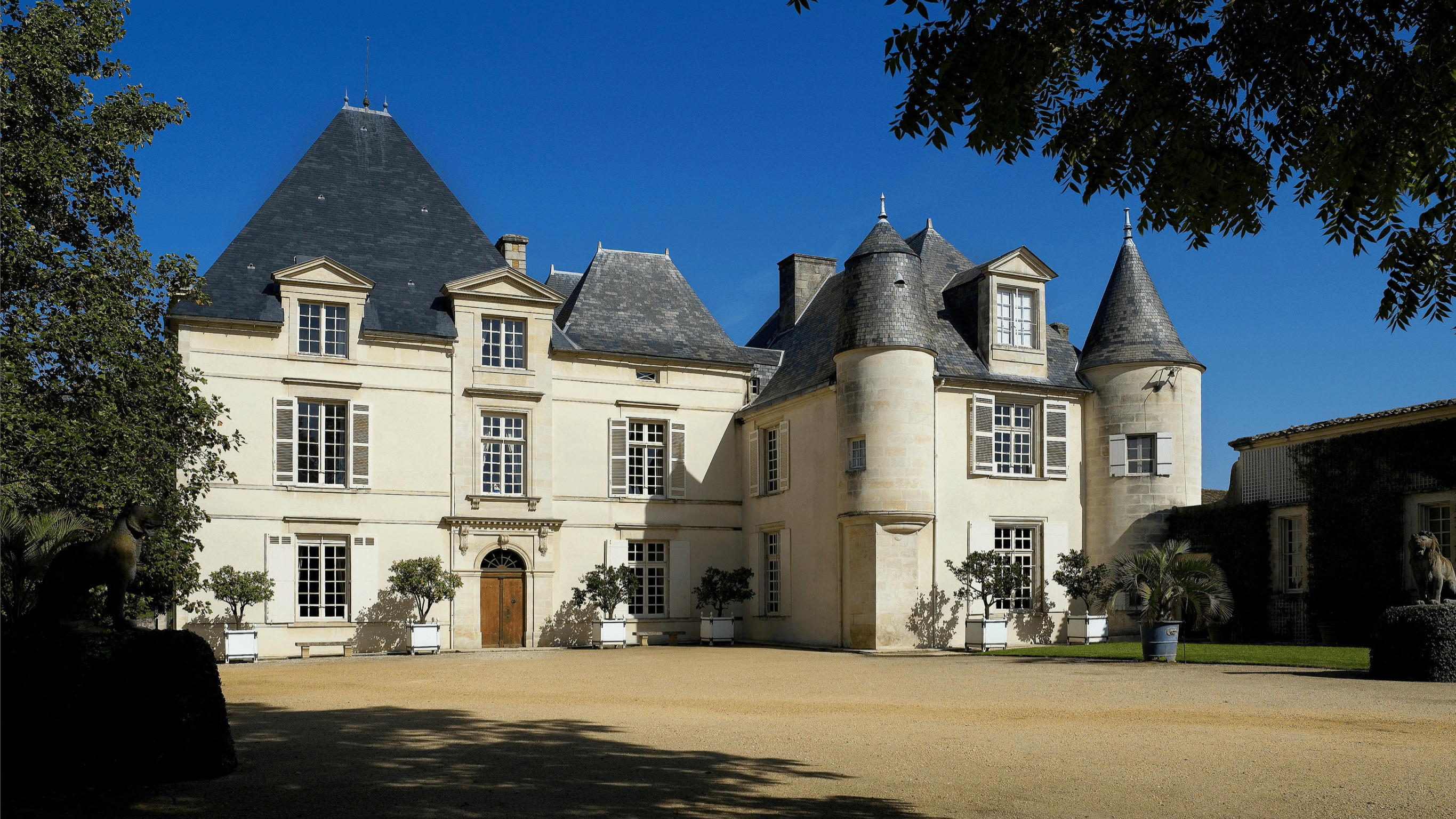
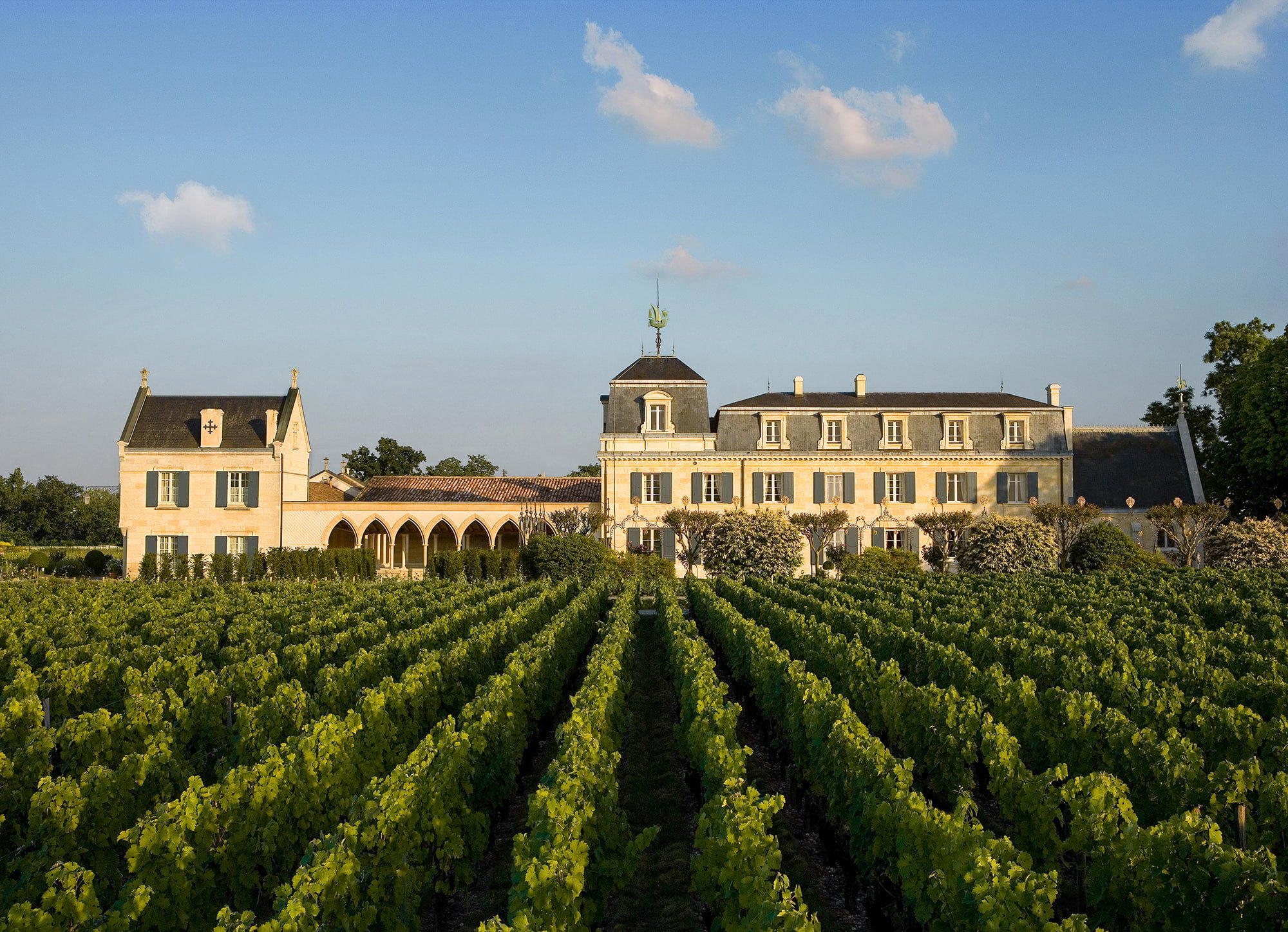
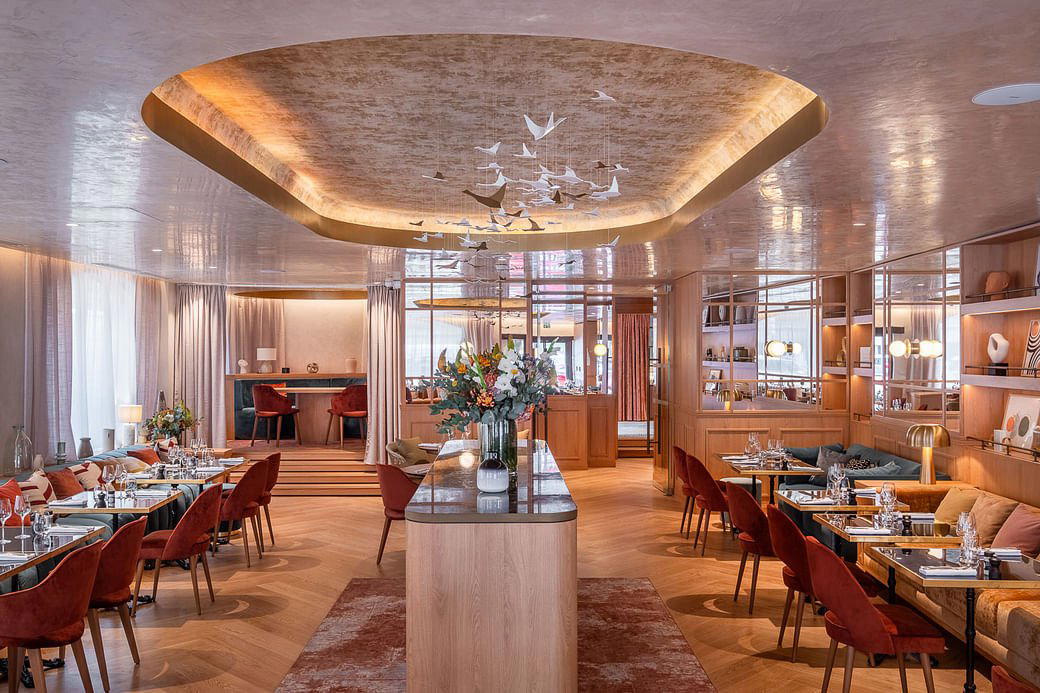
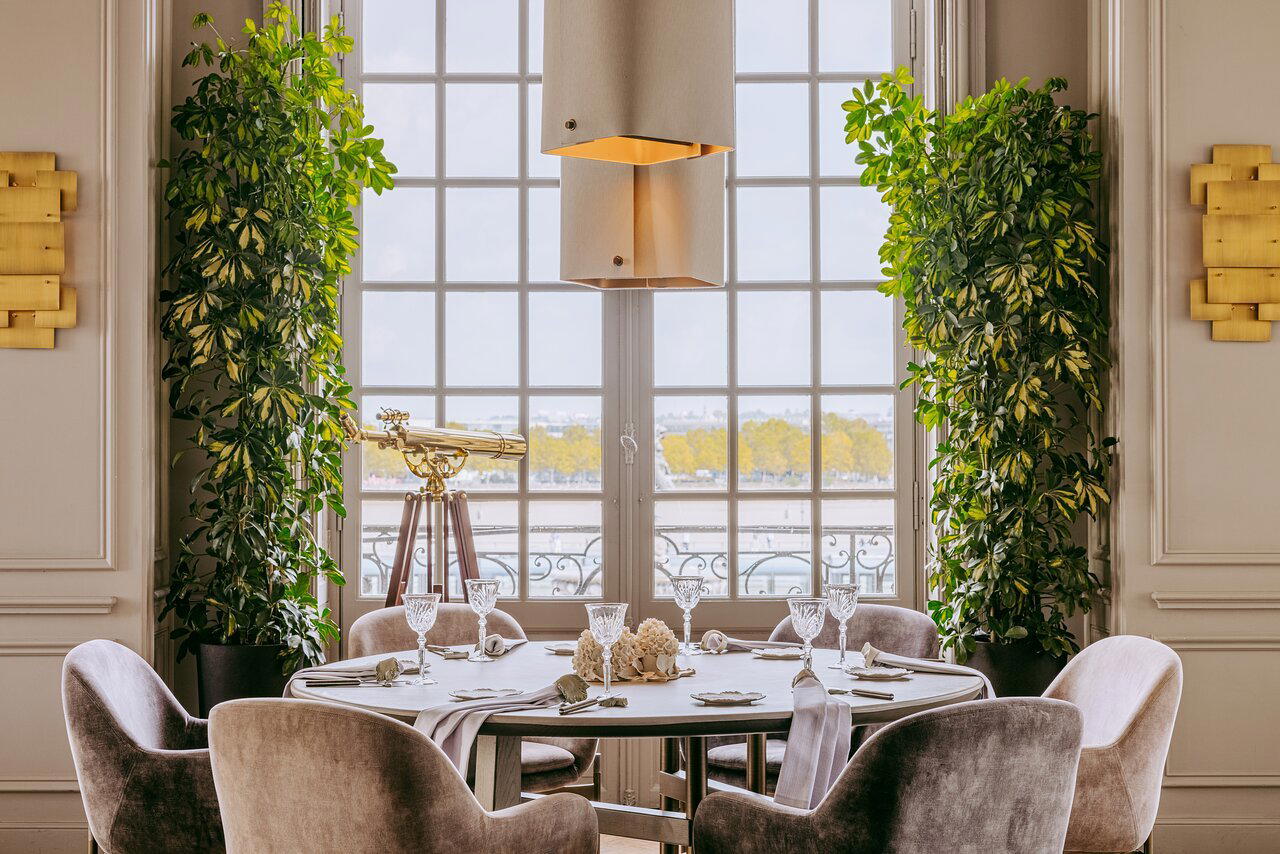
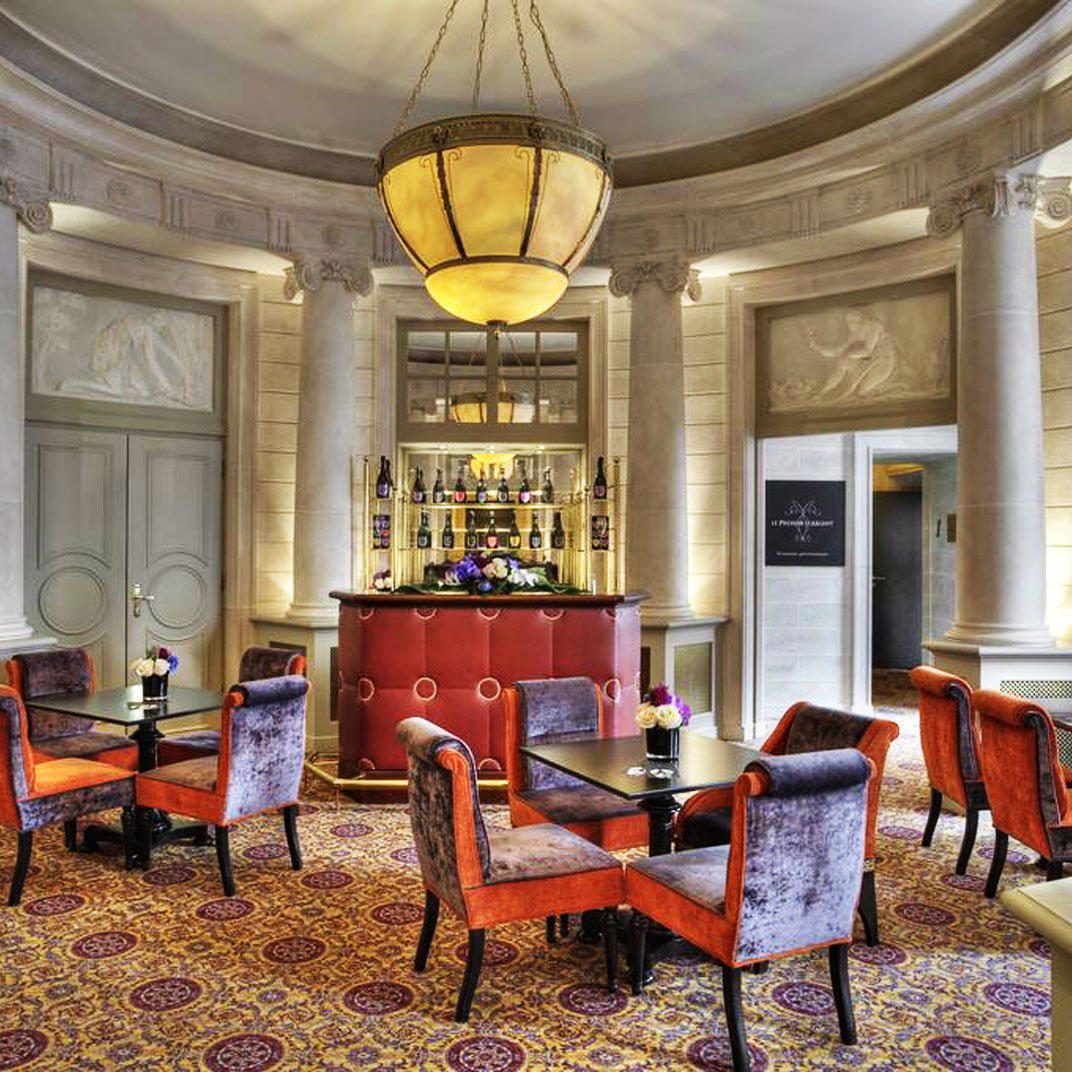
Château Grimont is a historic château estate in Quinsac with a serious, family-run wine-production atmosphere. The appeal is quiet rather than showy: classic, rustic and sophisticated, with the focus placed on refined, complex wines and the sense of a working estate. It is the kind of place whose character is better understood through restraint than through spectacle, and that matters when setting expectations. The draw is not a highly theatrical visitor experience, but the more grounded impression of an estate where wine production remains central to the identity of the place.
For broader planning around the area, EP Club’s city guides sit separately: Our full Quinsac wineries guide, Our full Quinsac restaurants guide, Our full Quinsac hotels guide, Our full Quinsac bars guide, and Our full Quinsac experiences guide. Those wider guides can help shape the rest of a trip, but Château Grimont itself should be considered within the narrower frame of wine, estate atmosphere and the appeal of a historic property in Quinsac.
The estate sets the terms
What can be stated confidently is simple: Château Grimont belongs on a Quinsac wine itinerary for its château-estate setting and its serious production character. That combination gives the venue a clear identity. It is not presented as a casual add-on or a place defined primarily by decoration; it is defined by the estate, by the production context and by the impression of a family-run wine property with a classic sense of place.
That restraint is part of the draw. Rather than relying on spectacle, the winery reads as a classic, quiet estate experience in Quinsac, with a rustic but refined tone. The mood suggested by the estate is measured and traditional, but not severe. Rustic sophistication is the useful phrase here: there is an implied honesty in the working-estate character, balanced by the polish of a château setting and wines described in refined, complex terms.
For visitors, that means the estate should set the pace. The winery is best approached without expecting a showy or overproduced format. Its strengths sit in atmosphere, continuity and seriousness. The château-estate setting gives it presence, while the family-run production character keeps that presence grounded. In Quinsac, where a wine stop can be as much about mood and context as about the glass itself, that balance is the point.
A serious wine-production atmosphere
The winery’s profile is built around historic-estate character, family-run production and refined, complex wines. The setting is sophisticated without feeling flashy, and the emphasis is on the seriousness of the wine work rather than on a highly staged hospitality concept. That distinction is important. Some wine venues lead with performance; the winery is better described as a place where the production atmosphere remains visible in the overall identity, even when the experience is being viewed from the visitor’s side.
For visitors comparing options in Quinsac, this makes the winery a grounded choice: historic in feel, calm in atmosphere and centered on wine production. It suits an itinerary that values the texture of an estate rather than the quick gloss of a more heavily packaged stop. The historic château context gives the visit a sense of depth, while the family-run character suggests continuity and directness. Together, those qualities create a venue that feels serious without needing to be grandiose.
The wines are described as refined and complex, and that language fits the wider personality of the estate. Refined does not suggest loudness; complex does not suggest simplicity or haste. In editorial terms, the winery’s wine identity aligns with its setting: quiet, composed, layered and classic. Strong reading of the venue is therefore holistic, connecting the wines, the estate and the understated tone rather than separating them into unrelated selling points.
The price level is listed as $$.
Why it belongs on a Quinsac wine itinerary
Main reason to consider the winery is its combination of historic château-estate atmosphere and serious family-run wine production. It is best approached as a quiet, refined stop for those who value classic estate character and complex wines. In practical itinerary terms, that makes it especially useful for visitors who are not looking for novelty for its own sake, but for a more settled expression of place.
Among wine options in Quinsac, the winery is distinctive for its restrained, rustic sophistication. That phrase captures the essential tension of the venue: it is polished enough to feel special, but grounded enough to retain the character of a working wine estate. The château setting gives it formality and heritage in broad strokes, while the production focus keeps the experience from feeling purely ornamental.
For readers comparing French wine regions by style rather than status, the winery is best understood on its own terms: place, estate character and a quiet focus on refined, complex wines. It is a venue to read slowly, not as a headline attraction competing through noise, but as a calm, serious estate whose value lies in the coherence between setting and wine. Within a Quinsac itinerary, that makes it a strong candidate for travelers drawn to classic atmosphere, measured hospitality and the understated confidence of a family-run château estate.
Recognition history
Dated appearances from independent guides and award organizations, with the underlying list record or original source where available.
Falstaff Winery - Listed
Falstaff
Continue exploring
More in Quinsac
Wineries in Quinsac
Browse all →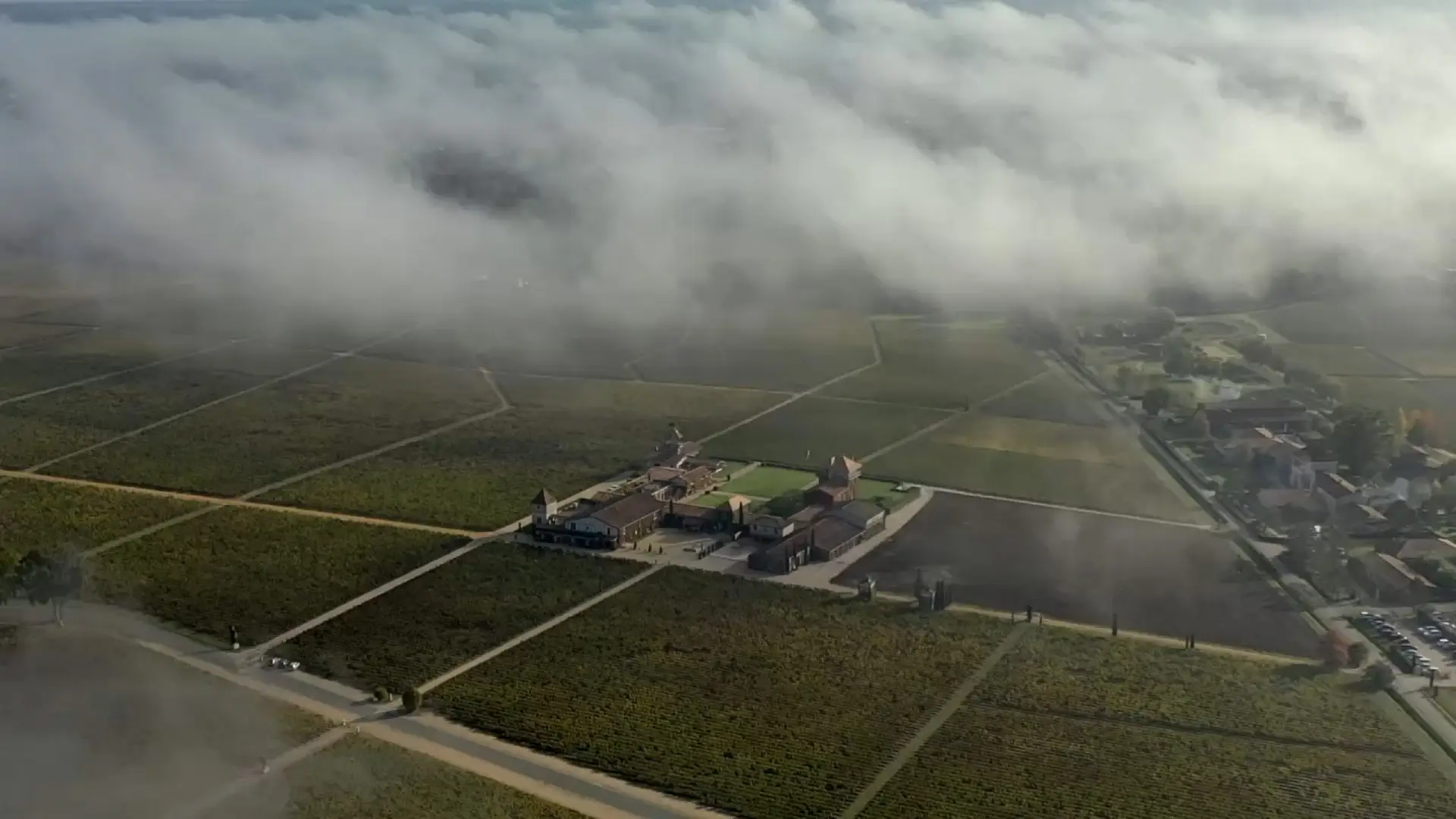
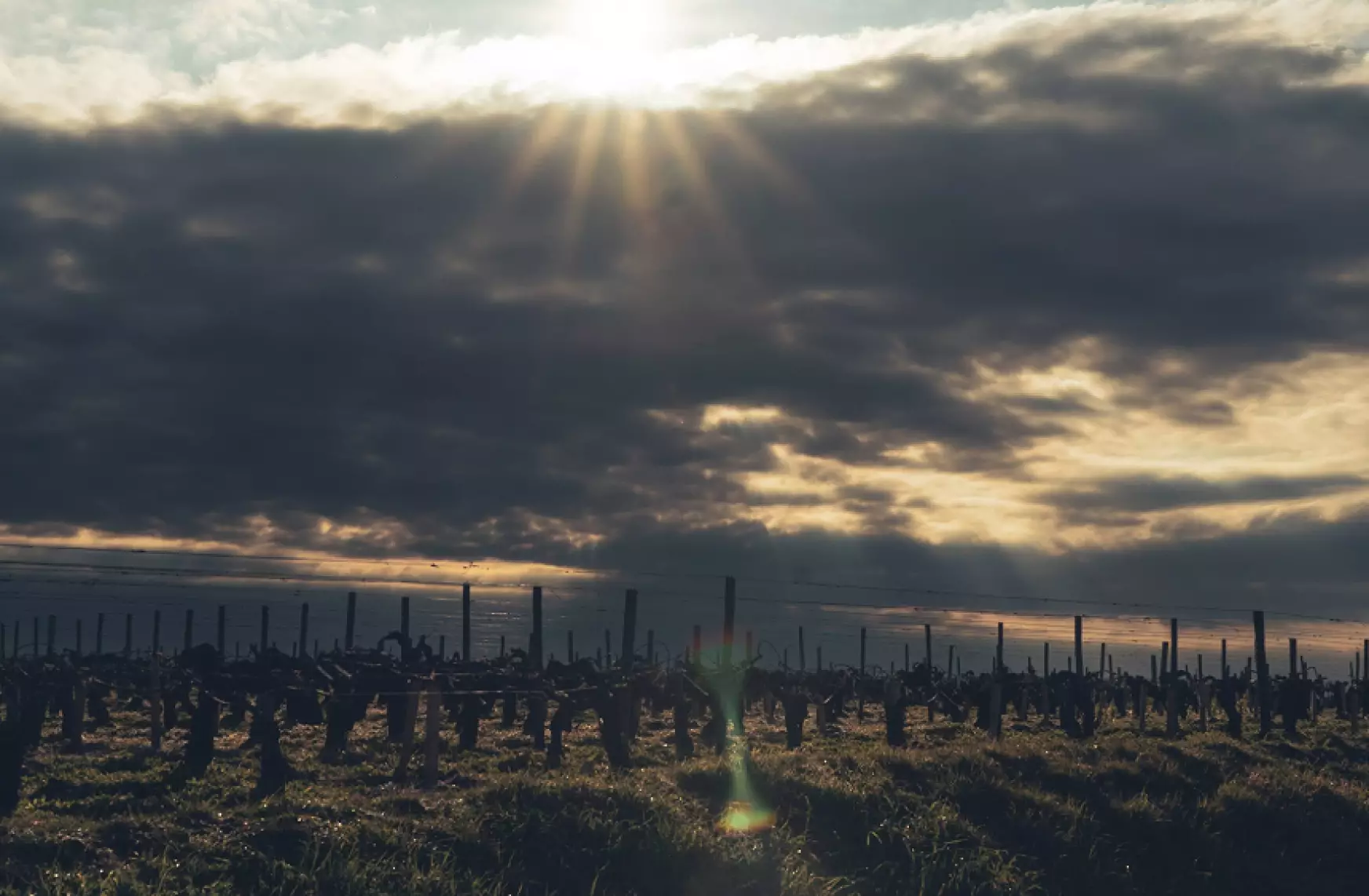
Bars in Quinsac
Browse all →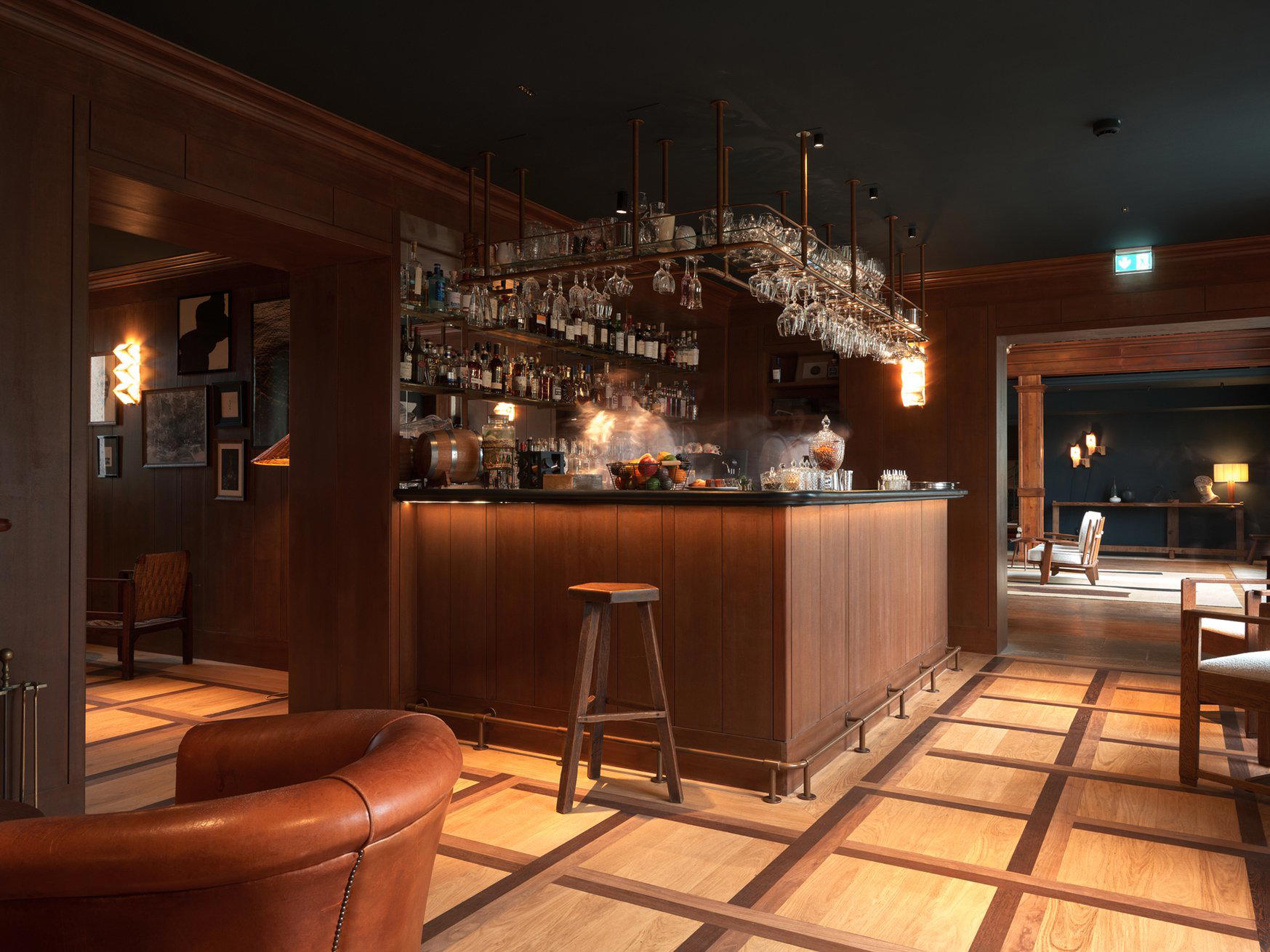
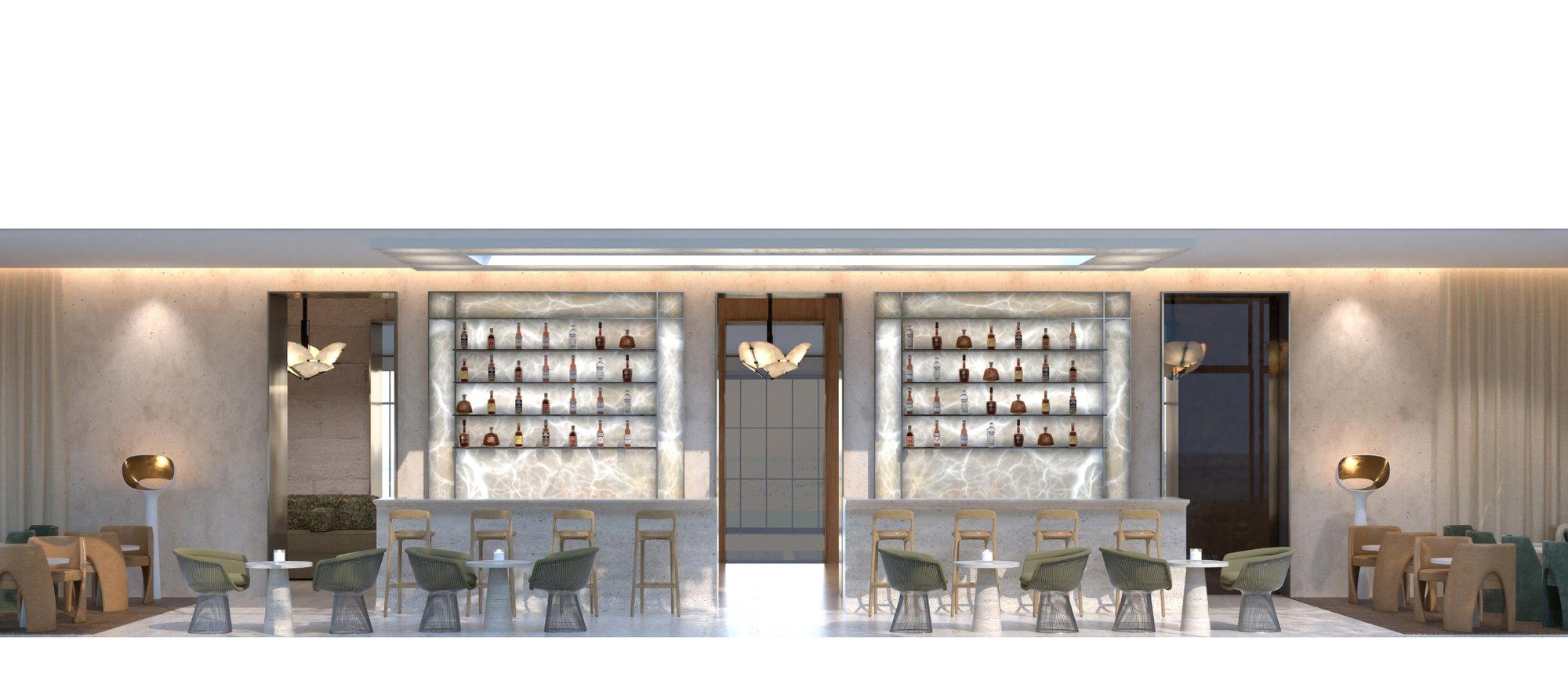
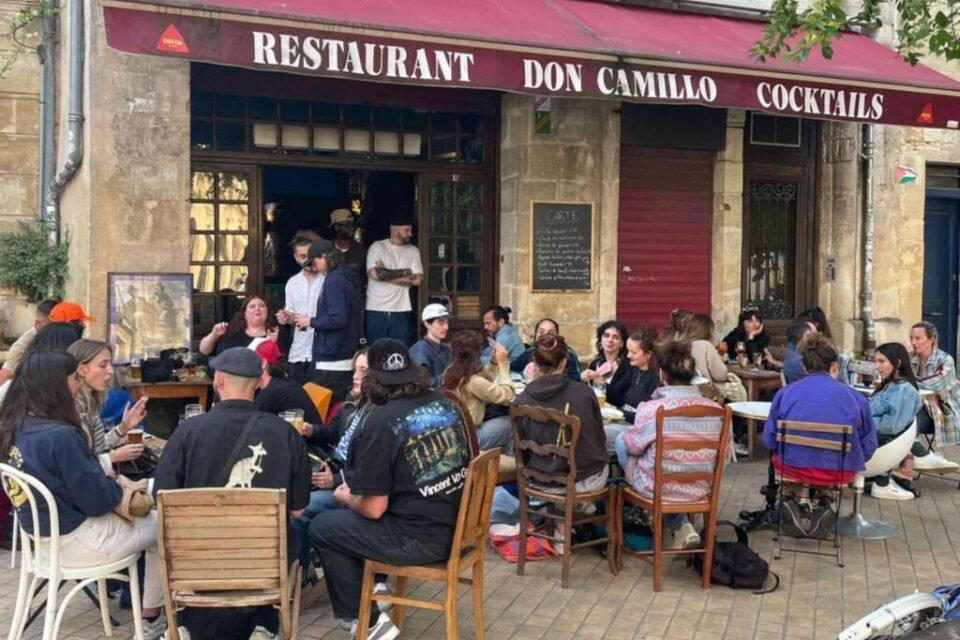
Restaurants in Quinsac
Browse all →
At a Glance
- Classic
- Quiet
- Rustic
- Sophisticated
- Wine Education
- Special Occasion
- Solo Exploration
- Historic Building
- Estate Grounds
- Vineyard
- Cadillac Côtes De Bordeaux AOC
- Red Bordeaux Blend
- Merlot
- Cabernet Sauvignon
- Still Red
- Fortified
- Guided Tasting
Historic château estate with a serious, family-run wine-production atmosphere and refined, complex wines.