
Château de Ségriès is a family-run Lirac estate rooted in old-vine Southern Rhône work rather than polished tasting-room theatre. Its interest lies in the junction of Lirac red, Tavel rosé and small-volume white production, with organic farming, hand-harvested fruit and a 17th-century château setting giving the visit a grounded regional character.
Pearl is the En Primeur Club membership app — saves, bookings, and concierge access live there. Same editors, same standards.
- Address
- Lirac, Center-Val de Loire, Frankreich
- Directions
- Get directions
 Saves & bookings on Pearl
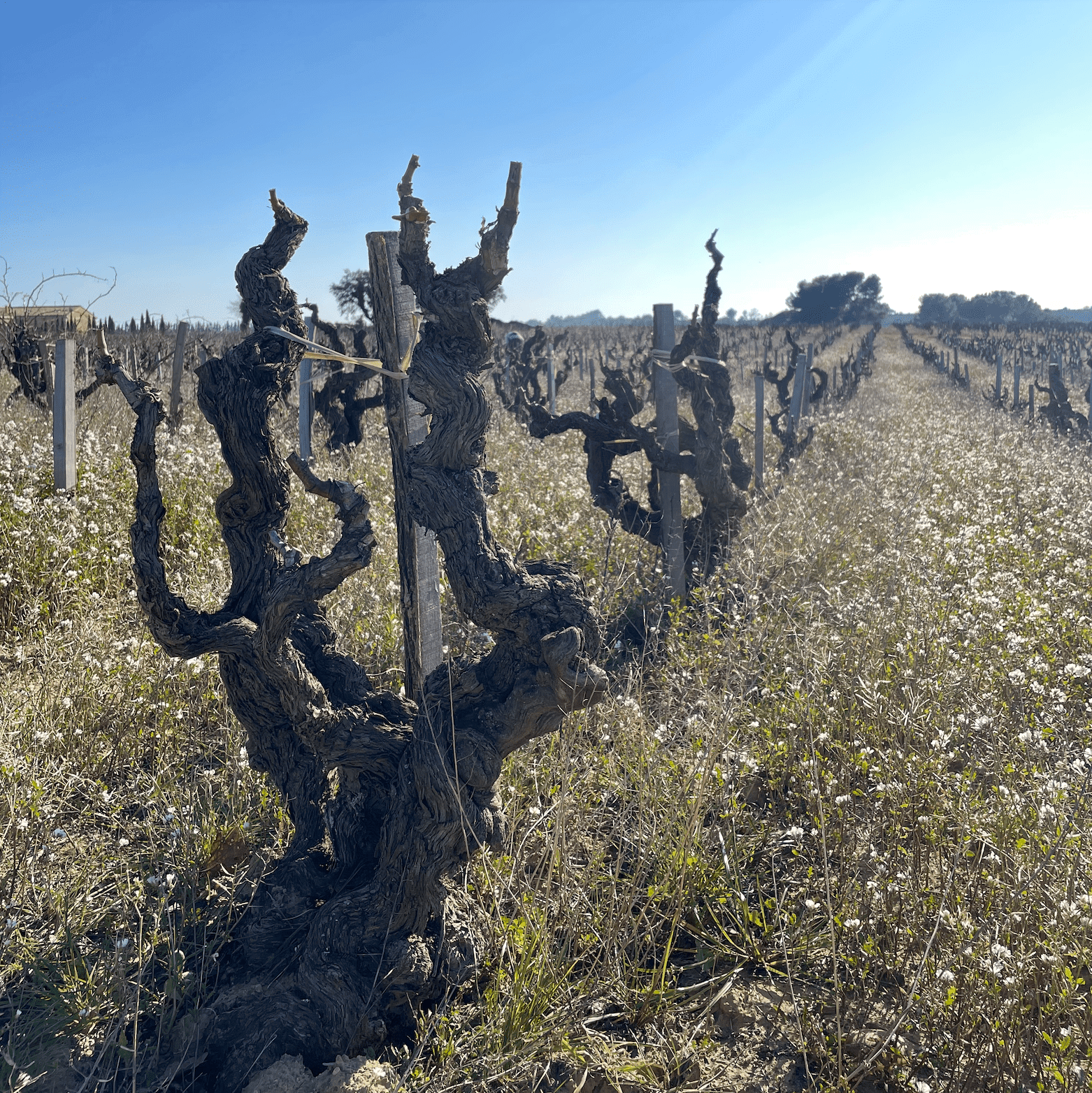
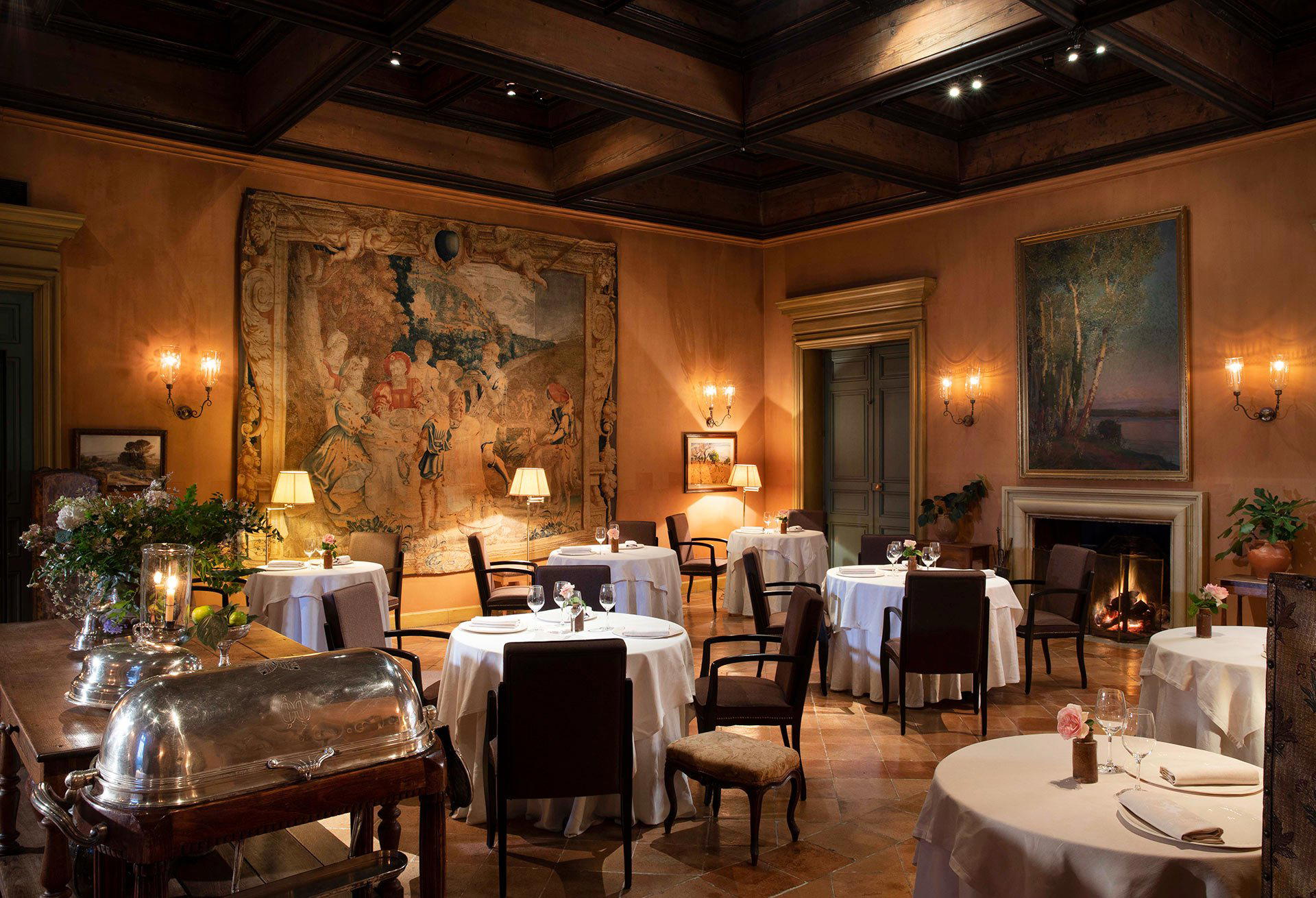
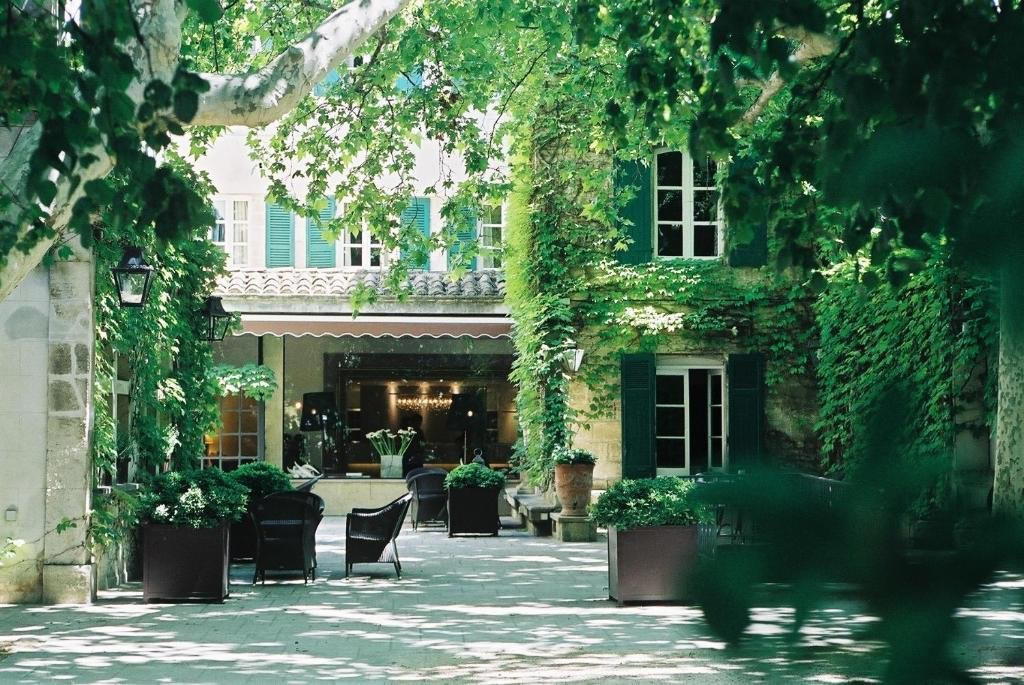
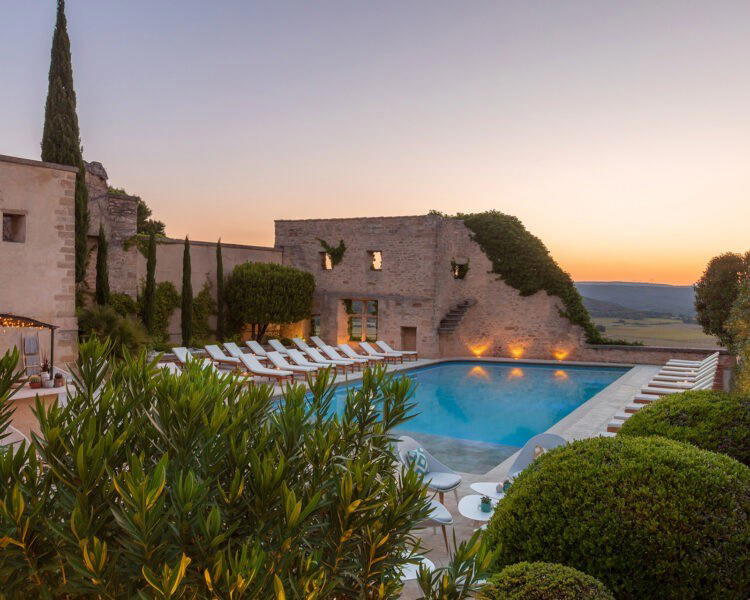
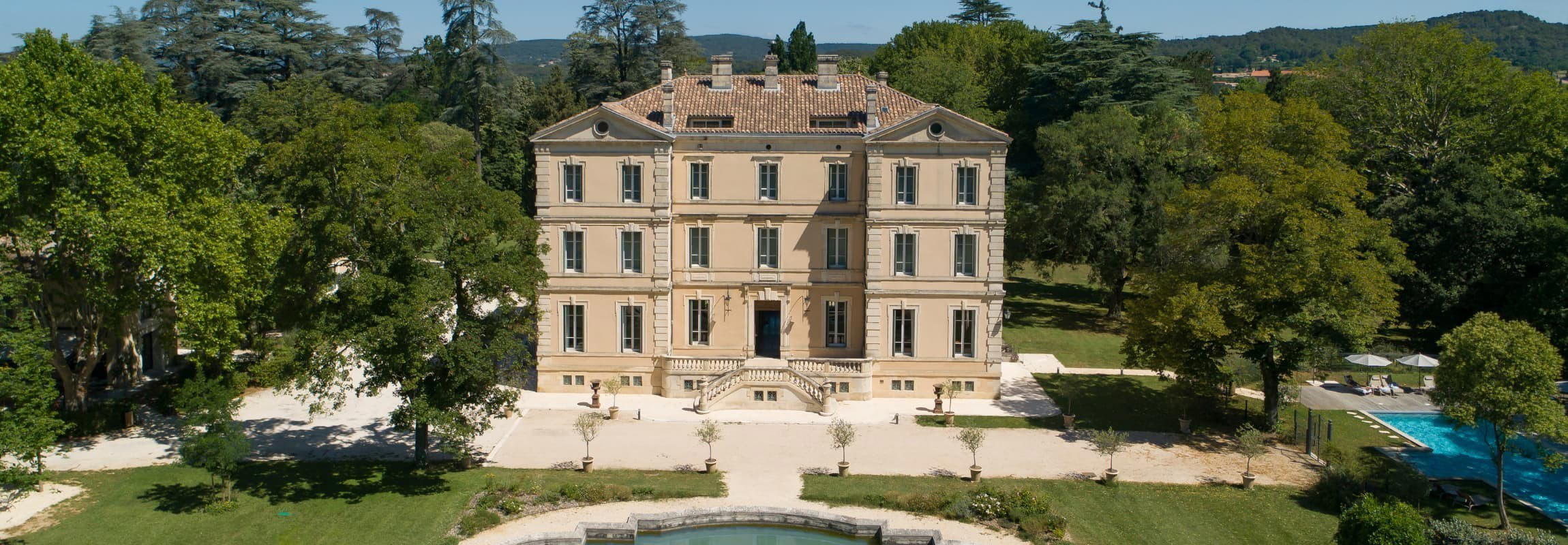
Approaching wine in Lirac means lowering the volume. The drama is not architectural gloss or collector-room choreography, but a rural Southern Rhône setting, old vines and the slower mood of a historic estate. Château de Ségriès fits that rhythm: a family-run Rhône estate in a 17th-century château, surrounded by vines and nature, with a relaxed and convivial atmosphere rather than flashy design. Its appeal sits in that quieter register, where the setting does much of the talking and the experience is framed by continuity, countryside and the familiar language of Rhône wine.
The picture is simple and useful. This is not a page to build around invented tasting formats, named cuvées, scores, production figures or service details. What can be stated confidently is that Château de Ségriès offers a traditional, rural frame for classic Southern Rhône wines in Lirac. That may sound understated, but for this kind of address the restraint matters: the estate is easier to understand as a place with a clear sense of origin than as a destination padded out with unsupported claims.
Old vines and a classic Southern Rhône mood
Château de Ségriès is best understood through its setting and tone. The estate’s identity is tied to Lirac, a historic château, old vines and a countryside atmosphere. The appeal is not luxury theatre or contemporary polish, but the sense of a working Rhône estate where the wines are presented in a relaxed, convivial context. The old-vine element also gives the description a useful sense of depth, not as a technical promise, but as part of the place’s traditional Rhône character.
For visitors, the grounded takeaway is more modest: expect a rural château estate focused on classic Southern Rhône wine rather than a highly designed destination experience. The emphasis should be on the feeling of being in Lirac, in a landscape shaped by vines and nature, rather than on a scripted or elaborately staged visitor programme. That distinction helps set the right expectations before arrival.
That restraint is part of the point. The winery reads as a place for drinkers who want Lirac in a traditional setting, with old vines and nature shaping the atmosphere around the visit. It is the kind of description that favours texture over spectacle: a château, a family-run estate, a rural setting and wines connected to the Southern Rhône idiom.
A château visit without luxury theatre
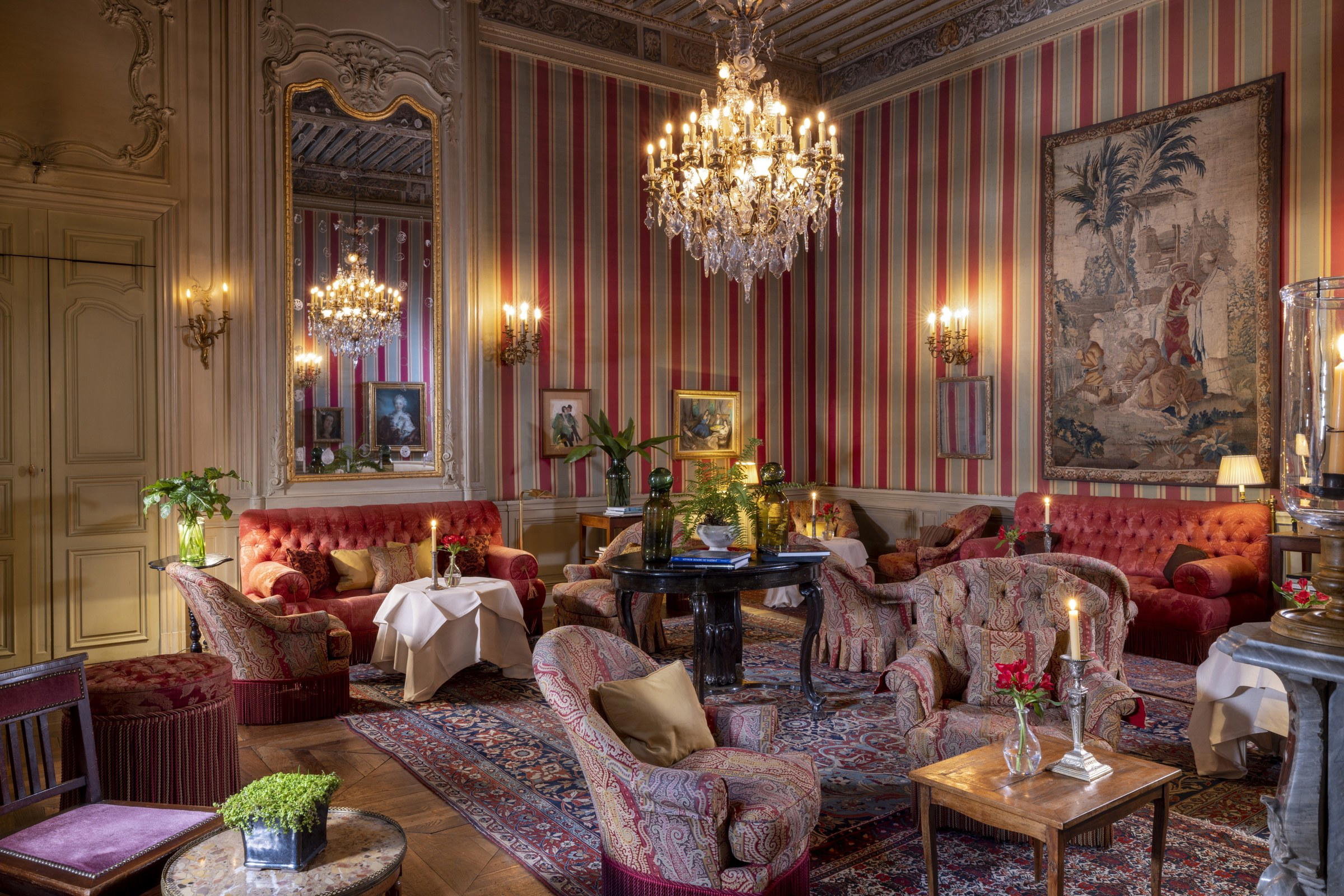
The atmosphere is relaxed, convivial and rural. The winery is family-run and set in a 17th-century château, which gives it a historic frame without implying formality. The mood is traditional rather than glossy, and the setting is surrounded by old vines and nature. In practical editorial terms, that means the château setting should be read as character and context, not as a cue to expect grand hospitality staging or luxury theatrics.
The reliable description is simpler: a classic Southern Rhône estate in Lirac with a quiet, countryside character. Keeping the description this clean avoids turning a direct rural wine address into something more elaborate than the available information supports.
For travellers comparing options in Lirac, that makes the winery a grounded stop for those drawn to historic estates and traditional Rhône wine culture, rather than a venue defined by spectacle or luxury design. Its usefulness lies in the clarity of the proposition: family-run, rural, historic in setting and relaxed in tone. Those are enough to position it without needing to decorate the page with extras.
How to place it within a Lirac itinerary
For time in Lirac, the winery works as a rural wine-estate anchor: family-run, historic, surrounded by old vines and nature, and focused on classic Southern Rhône wines. Build expectations around atmosphere and place, not around claims about special services, awards, exact vineyard details or visitor logistics. This is especially important in a region where the leading experiences can be quiet ones, defined less by performance than by landscape, tradition and the pace of a working estate.
Use it as one part of a wider Lirac day, alongside other dining, lodging or wine options in the area. The strongest reason to include it is the combination of a 17th-century château setting, a traditional rural mood and a relaxed, convivial approach to Rhône wine. In that role, the winery offers a calm point of reference: not a showpiece built on spectacle, but a place that helps frame Lirac through its countryside, its old vines and its classic Southern Rhône character.
Recognition history
Dated appearances from independent guides and award organizations, with the underlying list record or original source where available.
Falstaff Winery - Listed
Falstaff
Continue exploring
More in Lirac
Wineries in Lirac
Browse all →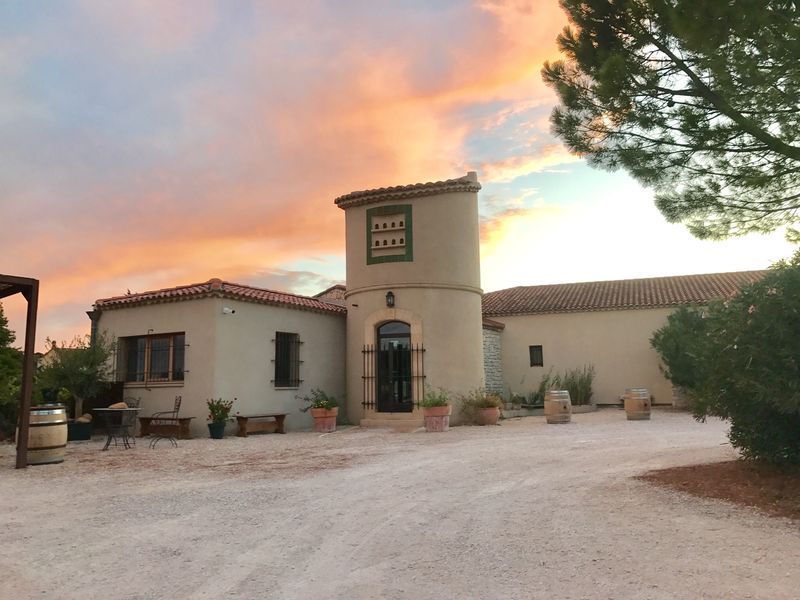
Bars in Lirac
Browse all →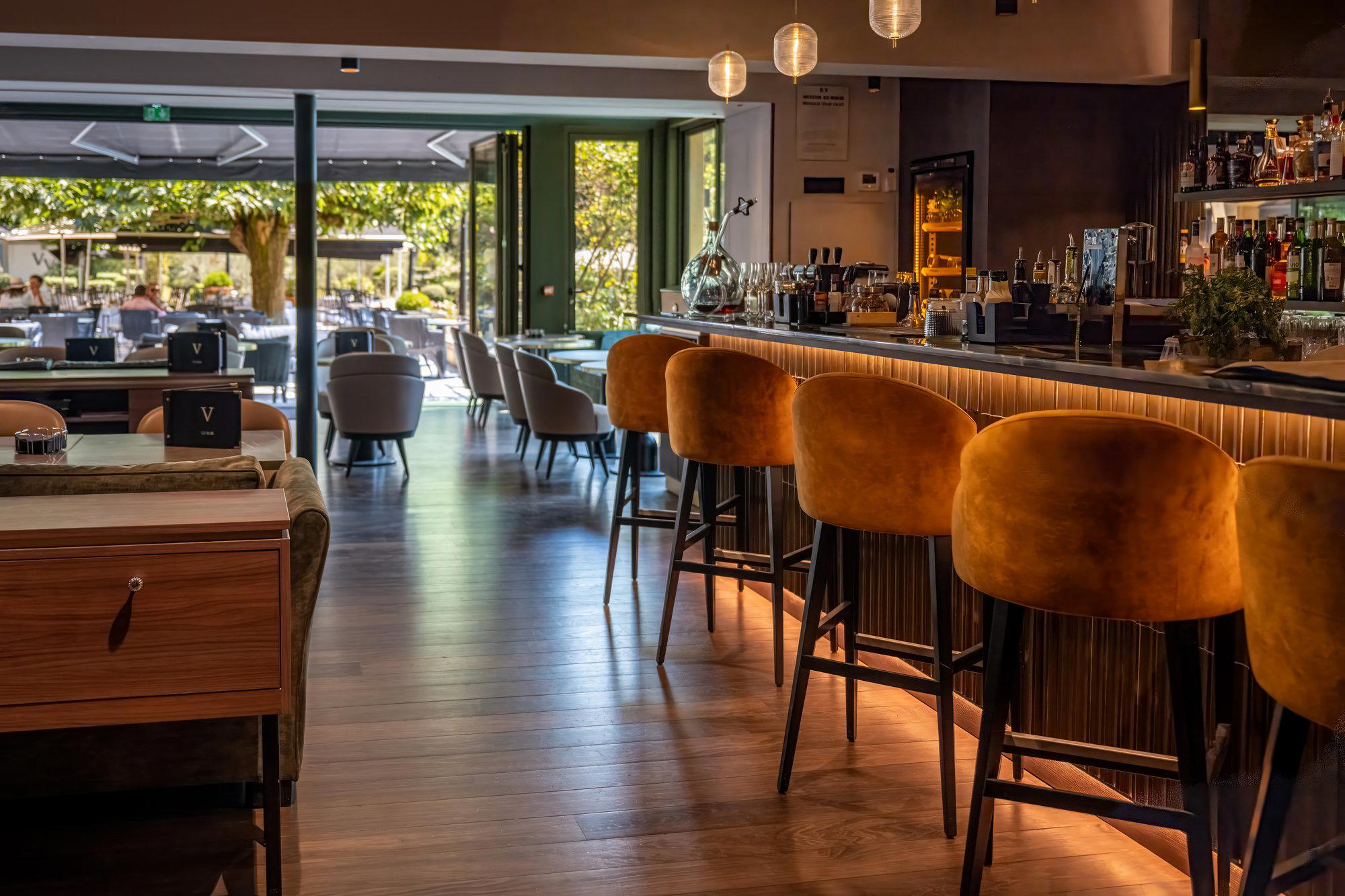
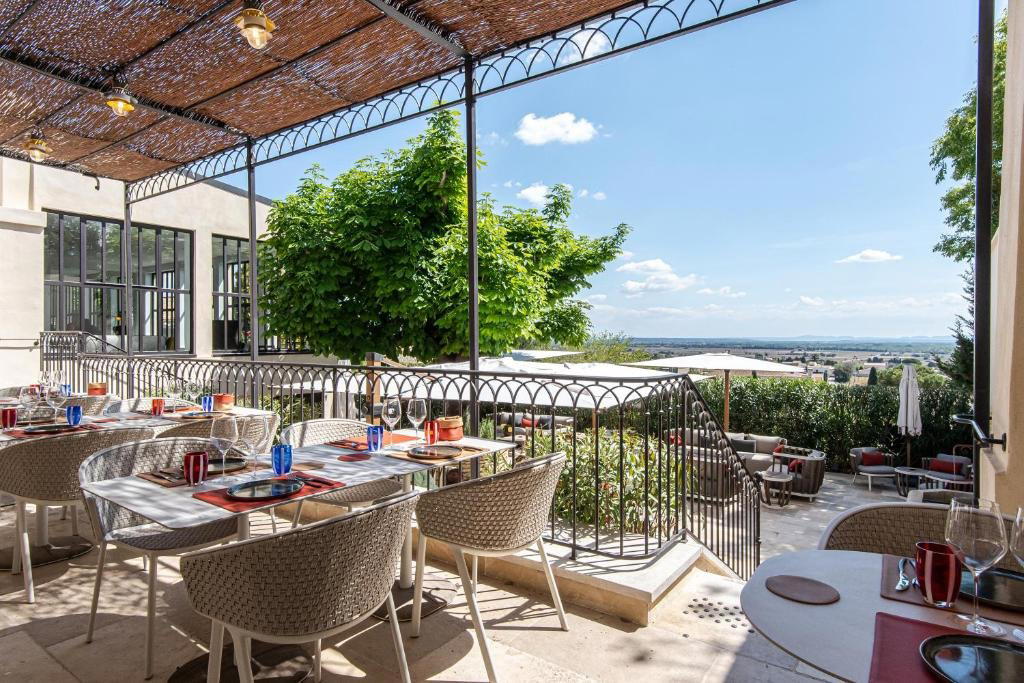
Restaurants in Lirac
Browse all →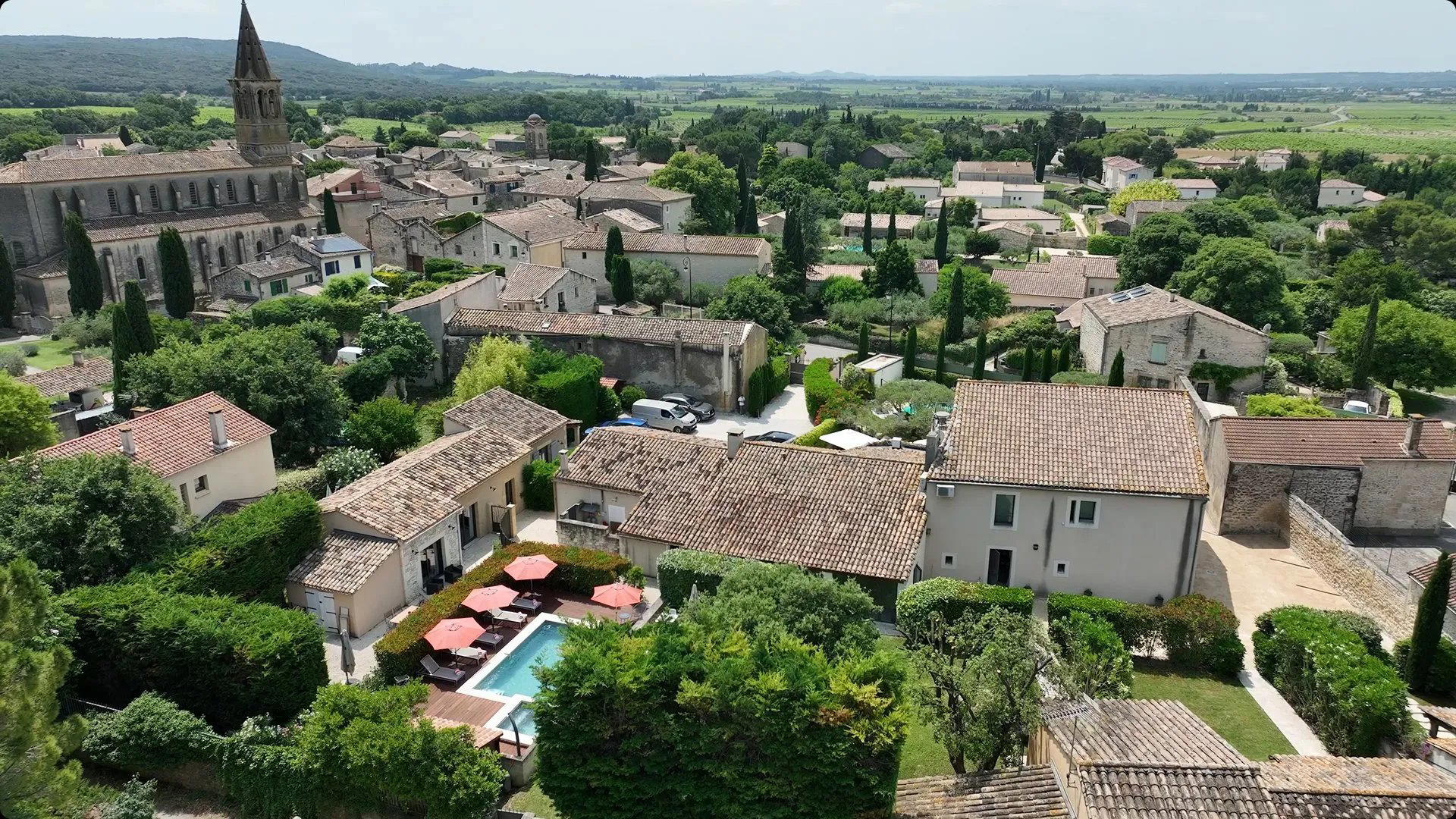
At a Glance
- Rustic
- Scenic
- Classic
- Romantic
- Intimate
- Group Outing
- Romantic Getaway
- Wine Education
- Solo Exploration
- Estate Grounds
- Vineyard Tour
- Historic Building
- Organic
- Vineyard
- Garden
- Lirac AOC
- Grenache
- Syrah
- Cinsault
- Clairette
- Mourvèdre
- Roussanne
- Ugni Blanc
- Still Red
- Still Rosé
- Still White
- Bar Tasting
- Vineyard Visit
Family-run Rhône estate in a historic 17th‑century château, with a traditional, rural atmosphere surrounded by old vines and nature; the mood is relaxed and convivial, focused on classic Southern Rhône wines rather than flashy design.