
Cascina Lo Zoccolaio reads Barolo through place rather than polish: a historic cascina on Bricco del Barolo, tied to Nebbiolo, Barbera, Dolcetto and Merlot, with estate tastings shaped by vineyard context. The draw is the combination of 1890 origins, 23 estate hectares, hand-harvested fruit and a quiet farmhouse setting that keeps the Langhe terrain in view.

Pearl is the En Primeur Club membership app — saves, bookings, and concierge access live there. Same editors, same standards.
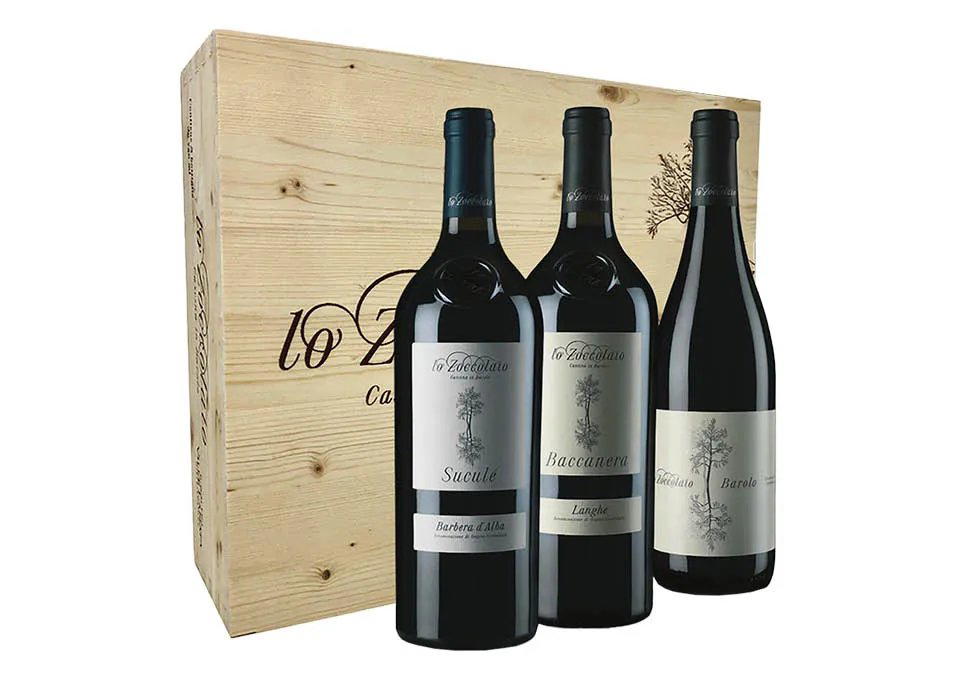
Approaching Cascina Lo Zoccolaio, the signal is not spectacle but place: a historic farmhouse winery in the hills of Barolo, shaped by tradition, landscape and the story of the territory. The atmosphere is intimate and contemplative, with the courtyard poplar tree carrying a spiritual symbolism that gives the setting a quieter kind of presence. It is the kind of venue where the first impression is less about display and more about orientation: the farmhouse, the hills and the sense of continuity all work together to set the tone before any more detailed expectation is formed.
Because public detail is limited, a reliable way to understand Cascina Lo Zoccolaio is through what is clearly established: it is a Barolo winery rooted in a historic farmhouse setting, with an emphasis on tradition rather than showmanship. The experience should be framed around the landscape and the sense of place, not around claims about specific services, scores, menus, visits or production details. That makes the venue easier to appreciate on its own terms.
Barolo landscape gives the visit its frame
Cascina Lo Zoccolaio belongs to the hills of Barolo, and that context is central to its appeal. Rather than presenting the winery as a list of unsupported technical facts, it is more accurate to describe it as a contemplative place where the surrounding territory and farmhouse character define the mood. Barolo is not just a backdrop here; it is the frame through which the venue should be understood. The hills, the historic agricultural setting and the association with a wine landscape known for tradition all give the winery its natural language.
The courtyard poplar tree is part of that identity. Its spiritual symbolism gives the site a point of reflection, connecting the farmhouse atmosphere with a broader sense of memory, tradition and landscape. In a setting where restraint is more appropriate than exaggeration, this detail matters because it gives the place a focal point without turning it into theatre. The tree reinforces the feeling that the winery is anchored, not only physically in its courtyard, but also symbolically in a longer rhythm of place and continuity.
For visitors considering the winery, the strongest grounded expectation is not a specific tasting format or hospitality package, but an intimate Barolo winery atmosphere focused on place and continuity. That expectation is useful precisely because it avoids promising what has not been clearly established. Travellers should imagine a setting where the value lies in the farmhouse character, the quietness of the surroundings and the sense of being within the Barolo hills, rather than in a checklist of amenities or scripted moments.
Traditional character without unsupported detail
The winery is best described through its character: a historic farmhouse winery in Barolo with a traditional emphasis. Claims about particular grape varieties, cellar methods, awards, scores, vineyard holdings, named staff, service formats or visit structure should be confirmed directly before being treated as fact. This does not weaken the venue’s profile; it simply keeps the description honest. For a place whose public identity is already tied to history, farmhouse atmosphere and Barolo territory, particularly persuasive language is the language of restraint.
That restraint matters for a premium guide. A confident recommendation does not require filling every gap with assumption, especially in a region where wine venues can easily be over-described. The clearer approach is to separate what is known from what is merely plausible. In the case of the winery, what is known is enough to establish a distinct mood: traditional, intimate, landscape-led and grounded in a historic farmhouse setting.
The price level is listed as $$$, so readers should understand it as a premium-leaning stop within Barolo rather than a budget-focused option. That positioning should be read broadly rather than as a promise about any particular inclusion or format. It simply helps set expectations: this is not being presented as a casual low-cost stop, but as part of the more considered side of a Barolo itinerary, where setting and character are part of the appeal.
How to place it in a Barolo wine itinerary
As a stop in Barolo, the winery suits travellers looking for a reflective winery setting rather than a loud or highly staged experience. Its identity points toward intimacy, tradition and attention to the surrounding hills. It is best approached by visitors who value atmosphere as much as activity, and who are comfortable with a venue whose strongest available description comes from place, history and mood rather than from a long public inventory of services.
For broader context, compare the winery with other dining and wine experiences in Barolo generically, while keeping the focus on its own farmhouse character, contemplative atmosphere and connection to the territory. In itinerary terms, it belongs in a quieter register: a Barolo address to consider when the goal is to feel the landscape and its traditions, not simply to move from one headline experience to another. The historic farmhouse setting, the symbolic courtyard tree and the premium-leaning positioning all support that reading without needing to add claims that are not already established.
Recognition history
Dated appearances from independent guides and award organizations, with the underlying list record or original source where available.
Falstaff Winery - Listed
Falstaff
Continue exploring
More in Barolo
Wineries in Barolo
Browse all →
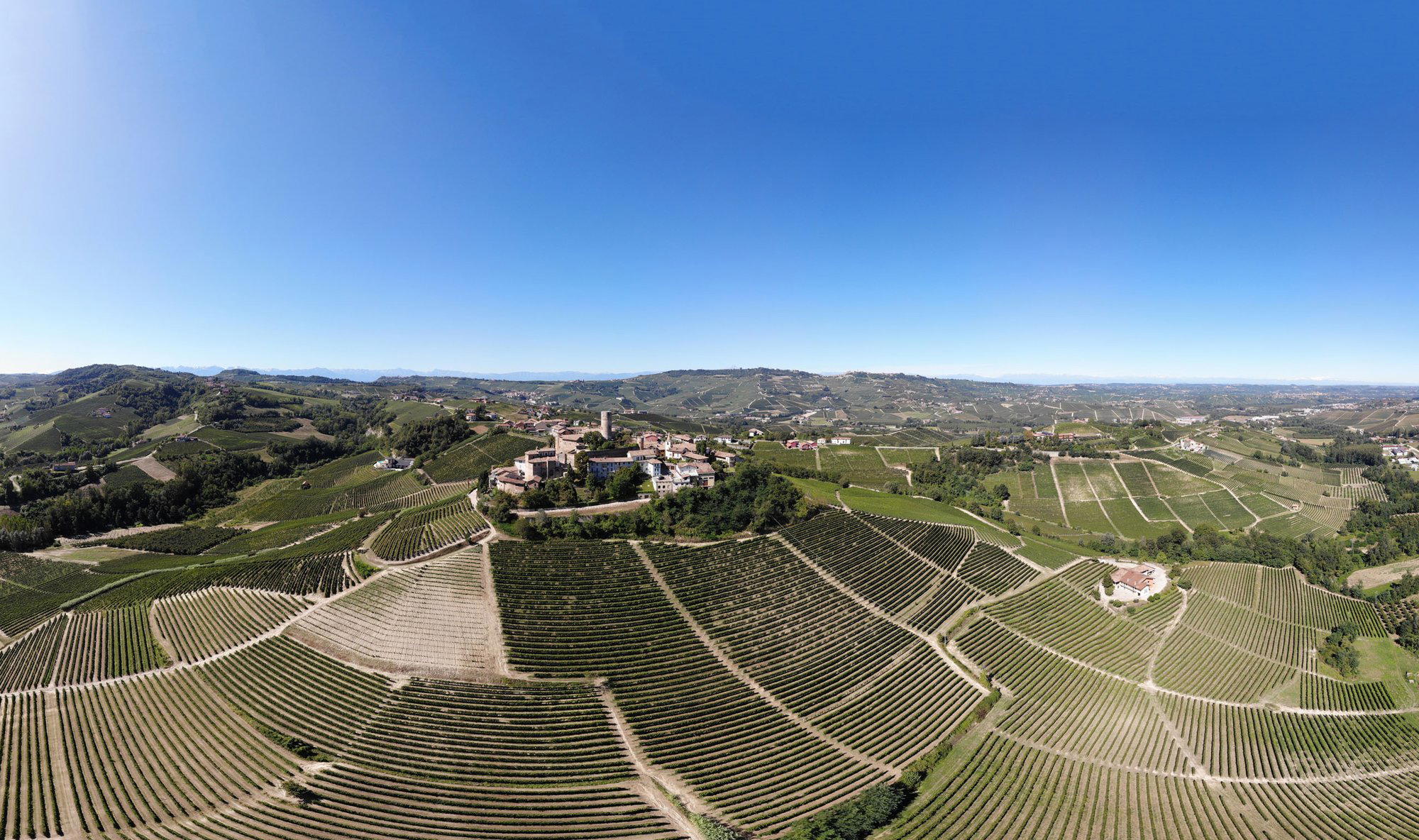
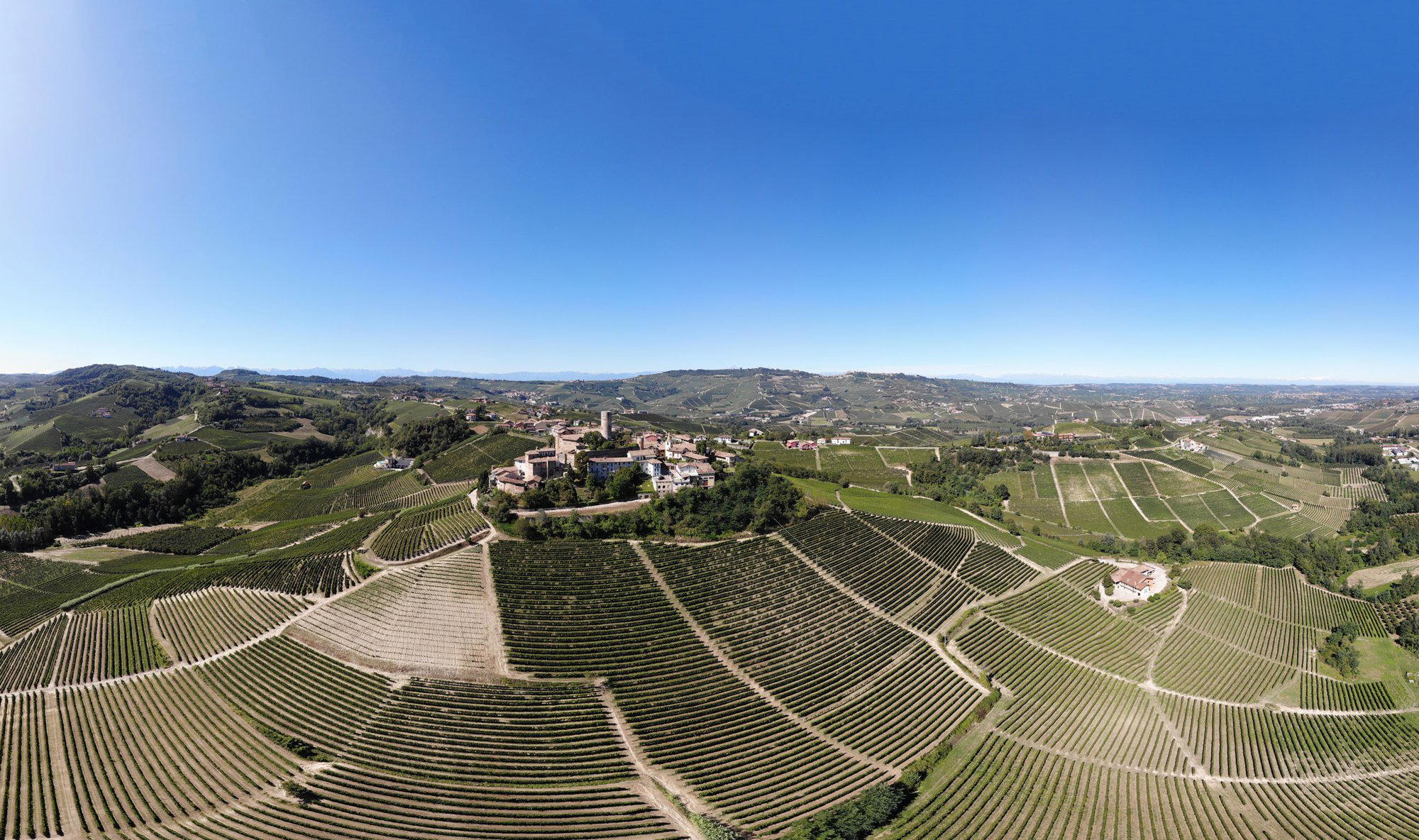
Bars in Barolo
Browse all →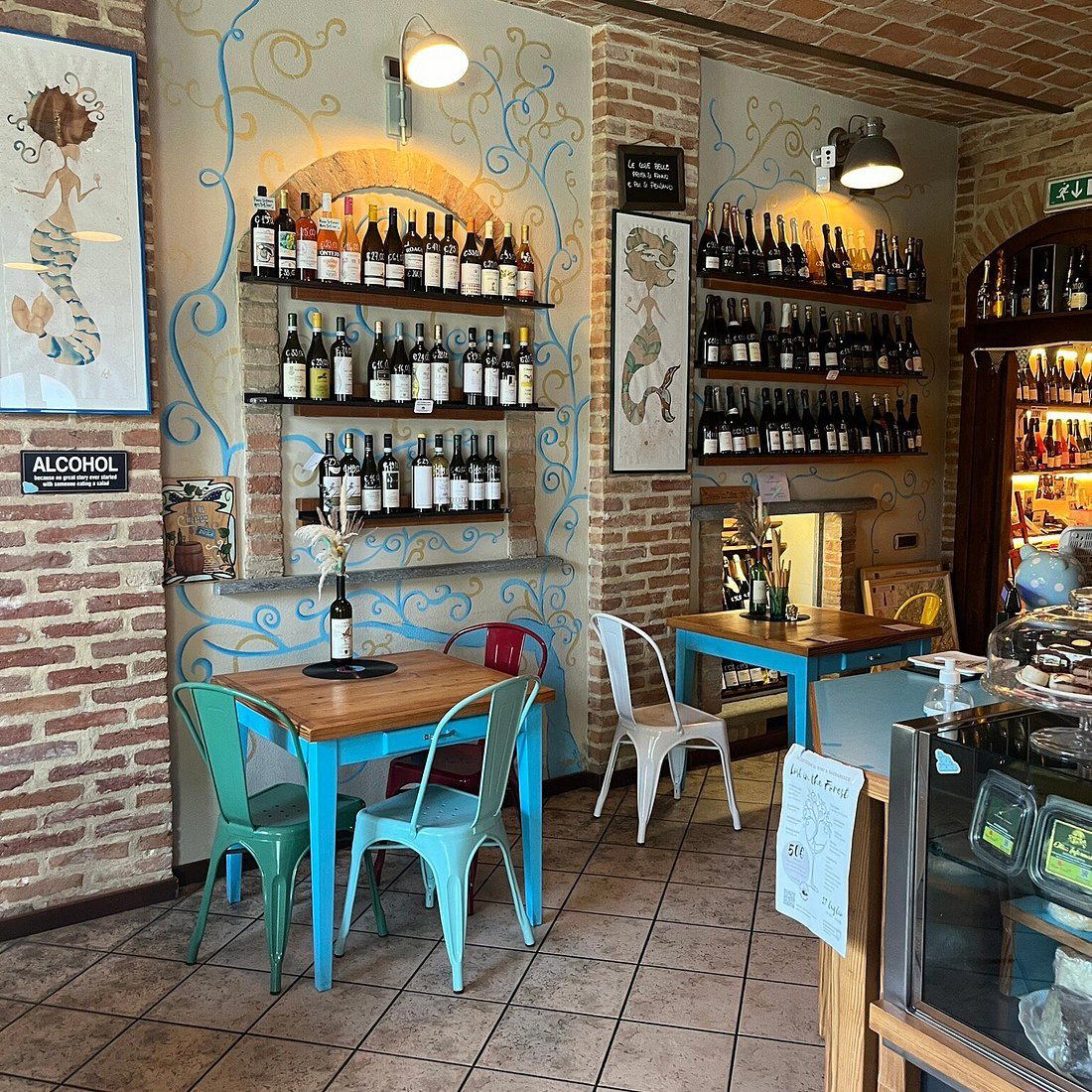
Restaurants in Barolo
Browse all →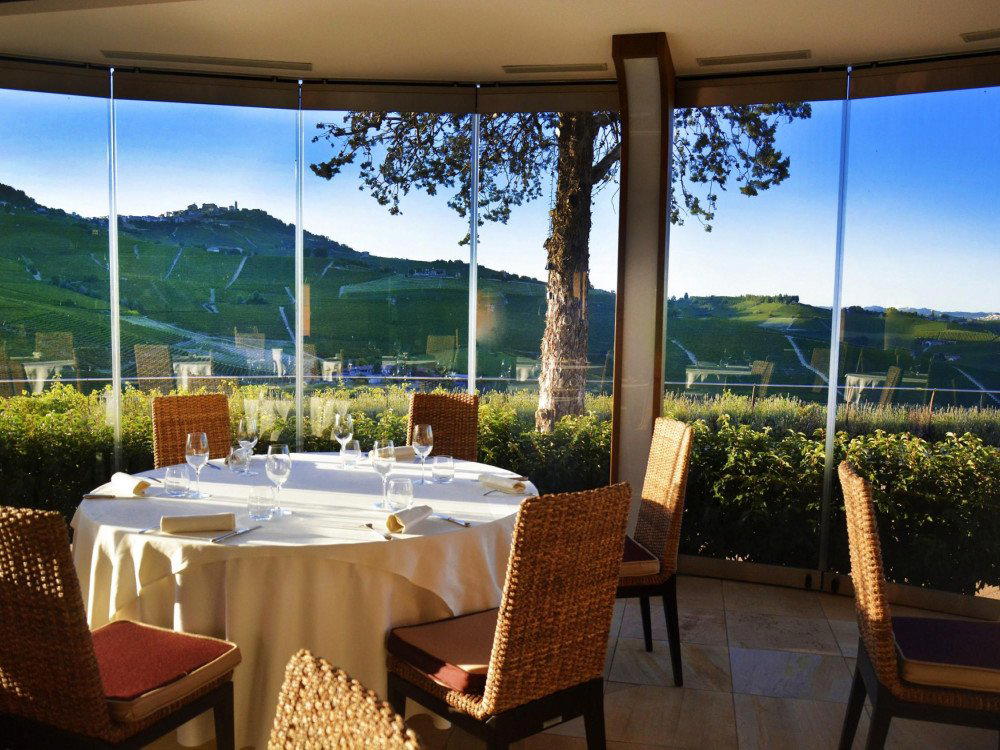
At a Glance
- Scenic
- Rustic
- Classic
- Romantic
- Intimate
- Romantic Getaway
- Group Outing
- Special Occasion
- Wine Education
- Solo Exploration
- Estate Grounds
- Vineyard Tour
- Terrace
- Panoramic View
- Historic Building
- Private Tasting
- Sustainable
- Vineyard
- Mountain
- Barolo DOCG
- Nebbiolo
- Barbera
- Dolcetto
- Merlot
- Still Red
- Estate Tasting
- Private Tasting
- Vineyard Linked Tasting
Historic farmhouse winery in the hills of Barolo with an emphasis on tradition and the spiritual symbolism of its courtyard poplar tree, offering an intimate, contemplative atmosphere focused on the landscape and the story of the territory.