
Cascina Adelaide is a Barolo estate for drinkers who want Nebbiolo explained through vineyard origin rather than cellar theatre. Its guided cru tasting format, small production scale, and focus on historic Barolo DOCG sites make it a serious stop for understanding how Cannubi, Bussia, Fossati, Baudana, Preda, and other hills speak through one grape.

Pearl is the En Primeur Club membership app — saves, bookings, and concierge access live there. Same editors, same standards.
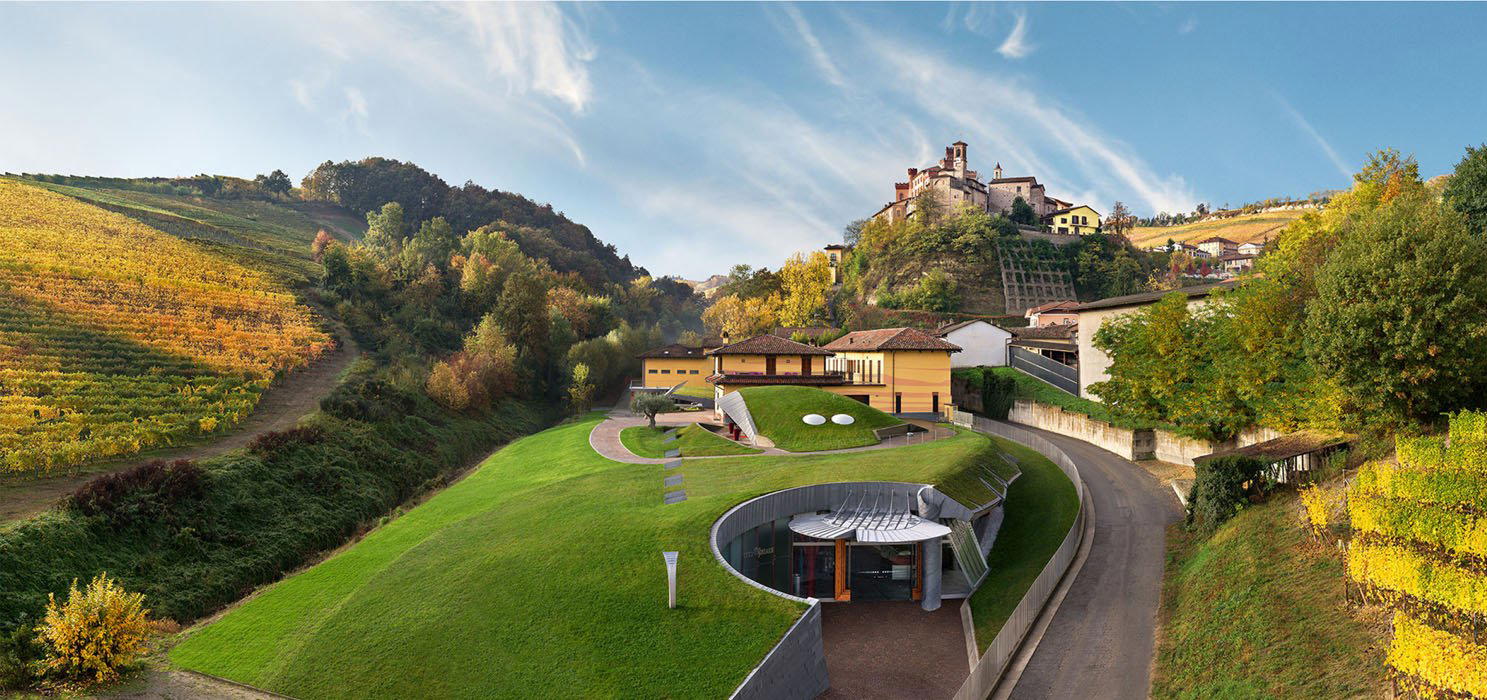
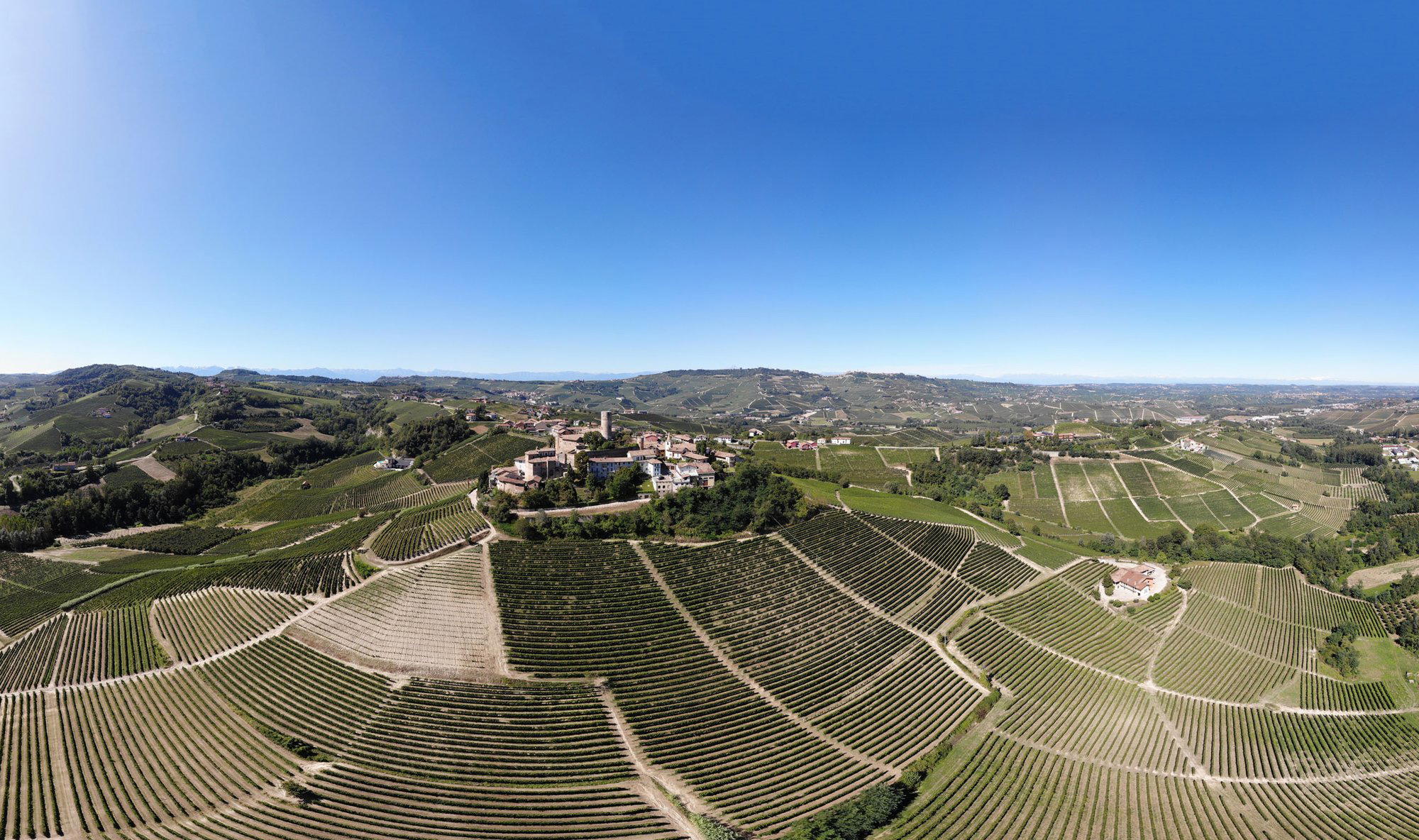
Barolo makes its argument before the glass is poured: compact hills, hard-working vineyard rows, and a village built around Nebbiolo’s long memory. Cascina Adelaide fits that grammar with a quiet, production-led visit rather than a hospitality performance. The useful point here is not simply that the estate is in Barolo, but that its experience is organized around cru identity, the local obsession that separates one slope from the next in a region where small changes in exposure, soil, and altitude can alter the structure of a wine.
The estate’s setting in Barolo gives the tasting a specific frame. This is not a generic Piedmont stop built around a broad regional flight; the emphasis is Barolo DOCG, still red wines, and the way Nebbiolo behaves across named sites. For travelers using our full Barolo wineries guide, Cascina Adelaide belongs on the wine-education side of the itinerary: quieter, structured, and more useful for comparing vineyard voices than for casual drinking.
Barolo through crus, not just through Nebbiolo
Modern Barolo tourism often splits between cellar architecture, family history, and vineyard interpretation. Cascina Adelaide is strongest in the third lane. The estate is associated with eight historical cru sites, and its guided tastings are built around the nuances of Nebbiolo across Barolo’s major vineyards. That matters because Barolo is not a single-flavour proposition. Cannubi, Bussia, Fossati, Baudana, Preda, and other named sites function as reference points for drinkers trying to understand why the same grape can shift from firmness to perfume, from immediate charm to long-haul structure.
The vineyard base is compact rather than industrial: 12 hectares in total, with 10 hectares dedicated to Nebbiolo. That scale supports a tasting format where the conversation can stay close to place. Barbera and Dolcetto also appear in the estate’s varietal orbit, but the intellectual center is Nebbiolo, and the appellation frame is Barolo DOCG. For visitors who already know Piedmont at restaurant level, the value is in moving from label recognition to site recognition.
Production details reinforce that reading. The estate works on a small production scale, and the experience is guided rather than self-directed. A 60- to 90-minute visit gives enough room to connect viticulture, cellar choices, and cru comparison without turning the tasting into a seminar. The tone suits travelers who want questions answered clearly, especially those trying to distinguish Barolo’s village and vineyard logic from broader Italian red-wine categories.
A contemporary cellar with a classical Barolo argument
Barolo has never been a region where modernity and tradition divide neatly. Contemporary cellars can serve classical wines, and old names can use precise technical tools. The winery sits inside that tension with a contemporary architectural presence and a production-focused atmosphere. The cellar experience is not ornamental; it is part of the explanation of how a small estate presents multiple vineyard expressions under one roof.
The estate’s reported cellar approach includes gravity-fed movement, native yeasts, and aging in French oak, with large old-barrel logic carrying the Barolo argument more than new-oak sheen. In practical terms, that means the tasting is better read through structure, tannin, and site expression than through immediate softness. Barolo drinkers who prefer polished international red wine may find the format demanding; those who enjoy Nebbiolo’s austerity will understand why the region asks for patience.
Recognition from established wine criticism gives the estate a concrete external signal. Wine Spectator has scored several 2018 Barolo wines in the 91–94 point range, including 94 points for Barolo Baudana and Barolo Bussia, while Robert Parker has scored Barolo Baudana 2019 at 93 points. Those numbers are not the reason to visit, but they place the wines in a serious critical register and support the estate’s position as a cru-focused Barolo producer rather than a generalist cellar door.
Who should build a Barolo day around this tasting
The winery works for travelers who want a calm, guided session with a clear subject: Nebbiolo as translated by Barolo vineyards. The atmosphere is quiet, elegant, and focused on production. It suits solo exploration, small groups, special-occasion wine travel, and visitors who prefer a structured tasting to an open-ended counter pour. English and Italian are listed for tours, which makes it workable for international travelers who want more than a pour-and-go stop.
The visit type is by reservation, and the estate is better treated as a planned anchor than an improvised addition between lunch and dinner. The format does not revolve around food pairing, outdoor seating, or family-friendly amenities. Dress is smart casual, payment options include card and contactless methods, and the overall price level sits in the premium tier for the area. In a village where wine can dominate the entire day, that clarity helps: this is a tasting to book when the goal is vineyard literacy.
For a broader Barolo itinerary, pair the winery visit with the village’s dining and overnight infrastructure rather than trying to rush the region. Use our full Barolo restaurants guide, our full Barolo hotels guide, our full Barolo bars guide, and our full Barolo experiences guide to build the day around tasting, food, and rest in the same village rhythm.
Readers mapping Piedmont wineries may also want to cross-reference nearby Barolo listings such as Azienda Agricola E. Pira E Figli, Azienda Agricola Veglio Giovanni & Figli, Barale Fratelli, Bartolo Mascarello, and Bergadano Cav. Enrico Azienda Agricola. For a wider European wine-travel scan, see 3GP SRL in Treviso, 47 Anno Domini in Trebaseleghe, A Mano Wine in Noci, »der Steiner« Hans Steiner in Podersdorf am See, and & Handwein in Mannheim.
Recognition history
Dated appearances from independent guides and award organizations, with the underlying list record or original source where available.
Falstaff Winery - 3 Stars
Falstaff
Continue exploring
More in Barolo
Wineries in Barolo
Browse all →
Bars in Barolo
Browse all →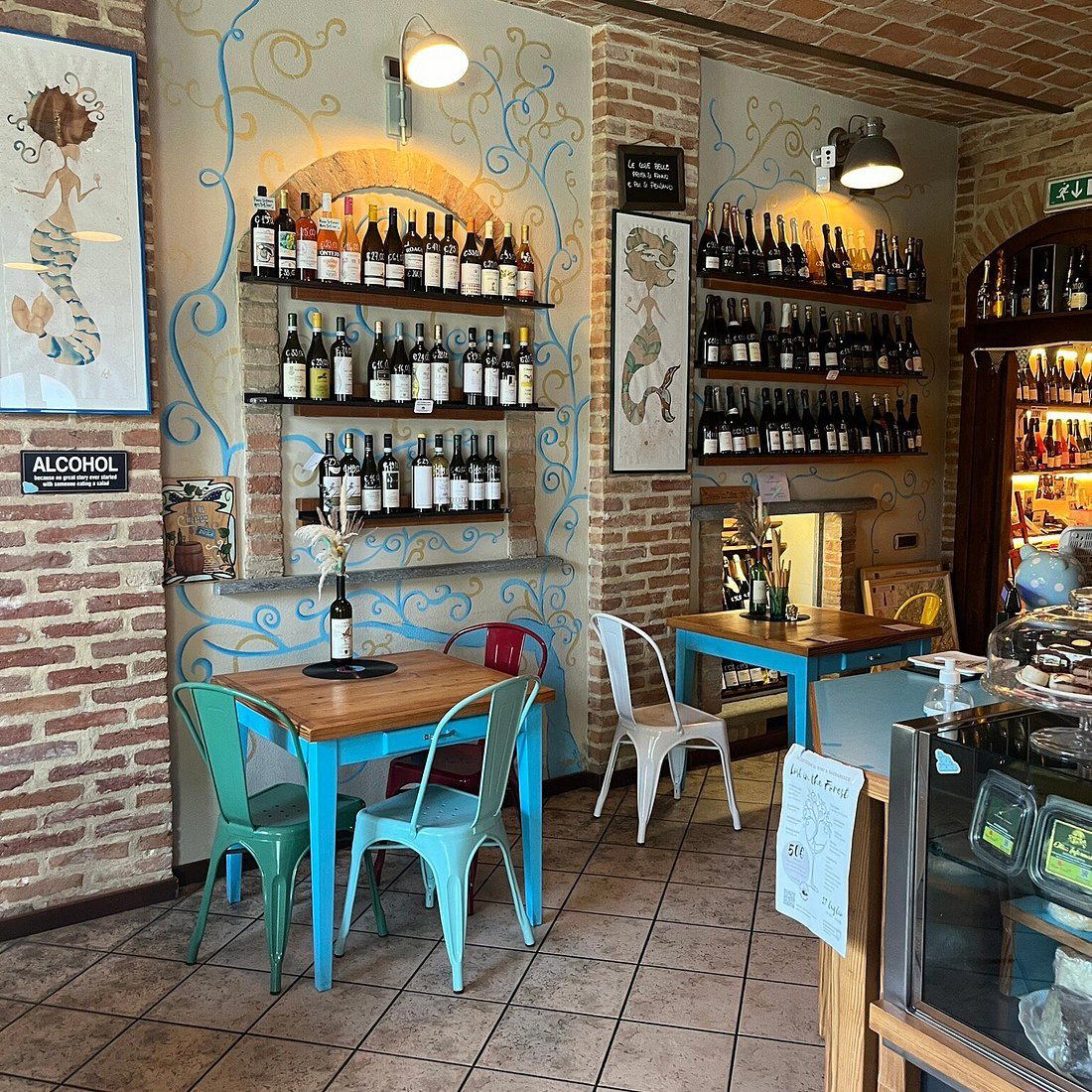
Restaurants in Barolo
Browse all →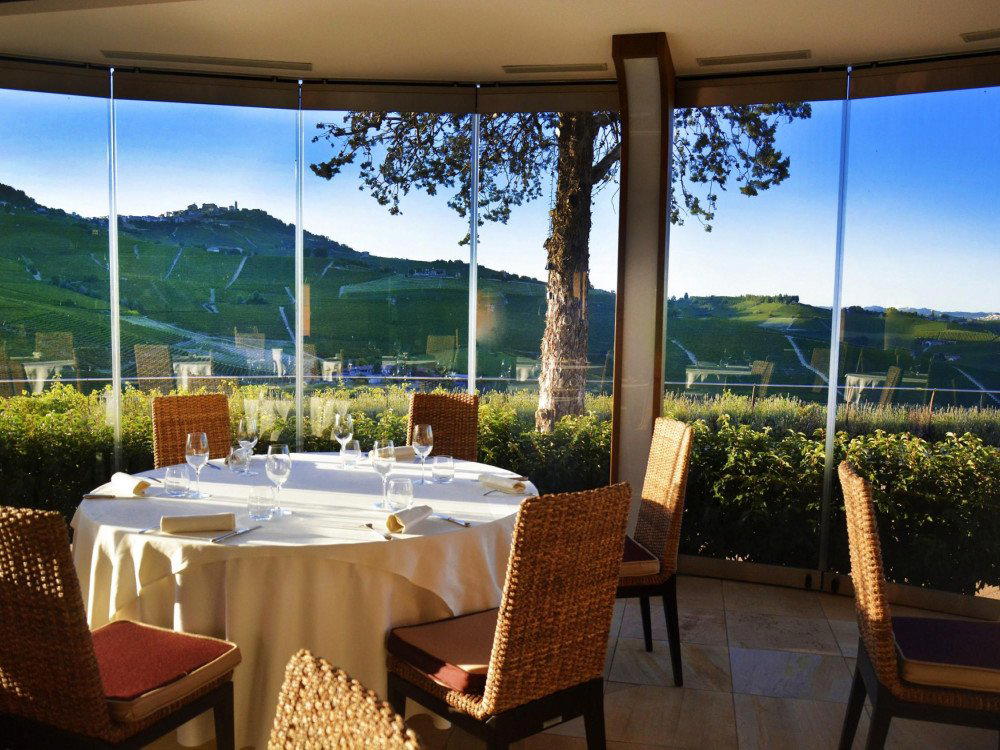
At a Glance
- Scenic
- Elegant
- Quiet
- Sophisticated
- Classic
- Wine Education
- Special Occasion
- Group Outing
- Solo Exploration
- Vineyard Tour
- Historic Building
- Design Destination
- Private Tasting
- Vineyard
- Barolo DOCG
- Nebbiolo
- Barbera
- Dolcetto
- Still Red
- Guided Tasting
- Cru Tasting
Dramatic, elegant, and production-focused, with a strong sense of place in the Barolo landscape and a winery experience centered on crus and guided tastings.