Carl Jung

Falstaff Winery - Listed
Carl Jung belongs to the technical side of Rheingau wine culture: a family-run Rüdesheim am Rhein producer founded in 1868 and tied to the early history of dealcoholized wine. Its interest lies less in cellar-door theatre than in the mechanics of alcohol removal, Riesling-country base wines, and a production scale that reaches around 10 million bottles annually across more than 30 export markets.

Rüdesheim am Rhein is closely associated with wine culture, and Carl Jung sits within that context in a distinctive way. It is a historic, family-run alcohol-free winery with a production-oriented character, focused on technical innovation in de-alcoholization. That makes it a useful address to understand not simply as another stop in a wine town, but as a place where the language of wine is connected to process, adaptation, and a different kind of drinking culture. The mood is better understood as industrial, iconic, and modern than pastoral or lounge-like, with the emphasis falling on what is made and how it is made rather than on a relaxed hospitality tableau.
Alcohol-free wine as a technical focus
Carl Jung’s clearest identity is its focus on alcohol-free wine. Rather than framing the venue around a conventional on-site tasting experience, the useful way to read it is as a production-led winery where de-alcoholization is central to the story. In a region where wine is often approached through vineyards, glasses, cellars, and meals, Carl Jung’s point of difference is more specific: it foregrounds the technical question of producing wine without alcohol while still remaining inside the broader cultural frame of wine.
That emphasis separates it from a classic hospitality-led wine stop. The interest is less about a restaurant rhythm, a food-pairing format, or a cozy cellar room, and more about the modern question of how wine culture changes when alcohol-free production becomes the core subject. It is the kind of venue whose appeal comes from its position in the category as much as from any single visitor-facing moment. For visitors comparing wine experiences in Rüdesheim am Rhein, Carl Jung represents the technical and production-oriented side of the category, offering a counterweight to venues that may be more centered on atmosphere, service, or leisurely drinking.
The price signal is accessible, listed as $. That should be read only as a broad cue rather than as a substitute for current planning details. Beyond that, specific claims about menus, tastings, hours, reservations, shipping, awards, or bottle-by-bottle ranges should be confirmed directly with the venue before planning around them. This is especially important because a production-led winery can function differently from a restaurant, bar, or traditional cellar door, and assumptions based on other wine venues may not transfer cleanly.
The experience is production-led, not cellar-door theatre
Carl Jung is best approached as a production-focused alcohol-free winery rather than a conventional tasting-room destination. Its character points to industrial, modern facilities and a historic family-run identity, not to an intimate restaurant, bar, or leisure-focused wine lounge. That distinction matters for expectations: the appeal is the venue’s role in de-alcoholized wine, not an elaborate on-site hospitality format. The more useful frame is to see it as a specialist producer whose significance comes from the way it has made alcohol-free wine its central subject.
That also changes the tone of a potential visit. Instead of expecting the familiar choreography of a scenic wine stop, visitors should think in terms of production context and category identity. The setting is described less through softness and leisure than through an industrial and modern character, which gives it a different place in the local wine landscape. It can be compelling precisely because it does not simply repeat the usual romance of the cellar. Its interest lies in how a historic, family-run winery can be associated with technical change while still belonging to a place strongly identified with wine.
The safest planning approach is to contact Carl Jung directly and confirm what is currently possible at the Rüdesheim am Rhein site. That direct check keeps expectations aligned with the venue’s actual visitor arrangements, rather than projecting a generic tasting-room model onto a producer whose identity is more specialized. It is also the most reliable way to understand how, or whether, the production-oriented character translates into an on-site experience at the time of a planned visit.
Where it fits in a Rüdesheim wine itinerary
Within Rüdesheim am Rhein, Carl Jung fits as a distinctive counterpoint to more conventional wine experiences. Other local dining and wine options may provide the familiar hospitality side of a visit, while Carl Jung’s identity is narrower and more technical: a historic, family-run alcohol-free winery with production-oriented facilities. For travelers building a wine-focused itinerary, that contrast is the point. Carl Jung broadens the picture of what wine culture in Rüdesheim am Rhein can include, especially for those interested in alcohol-free wine as a serious category rather than as an afterthought.
It may make most sense as one part of a wider, carefully planned Rüdesheim am Rhein visit rather than as a stand-alone hospitality anchor. The venue’s value is in its specificity: alcohol-free wine, de-alcoholization, family-run history, and a modern industrial character. Those qualities give it a clear identity, but they also mean it should not be treated interchangeably with a restaurant, hotel bar, or scenic tasting room. Keeping that distinction in mind helps visitors appreciate the venue on its own terms.
For trip planning, keep the categories clear. Treat Carl Jung as a specialist alcohol-free wine producer in Rüdesheim am Rhein, then research other Rüdesheim am Rhein restaurants, bars, hotels, wineries, and experiences separately according to current opening details and visitor policies. That approach preserves the strength of the Carl Jung profile without overstating what is available on site. It also leaves room for a balanced itinerary: conventional wine hospitality where that is the focus, and Carl Jung where the interest is the production-led, alcohol-free side of the region’s wine story.
Frequently asked questions
Is Carl Jung more low-key or high-energy?
Low-key. Carl Jung is best described as a production-oriented alcohol-free winery in Rüdesheim am Rhein rather than a social tasting-room or restaurant-style venue.
How pricey is Carl Jung?
Pricing at Carl Jung is listed as $.
What's the address for Carl Jung?
Carl Jung is located in Rüdesheim am Rhein.
Why do people go to Carl Jung?
People go for its role as a historic, family-run alcohol-free winery in Rüdesheim am Rhein, with a focus on technical innovation in de-alcoholization and a production-led setting.
Do I need a reservation for Carl Jung?
Check Carl Jung’s official channels directly before planning a visit.
Recognition history
Dated appearances from independent guides and award organizations, with the underlying list record or original source where available.
Falstaff Winery - Listed
Falstaff
Request a visit to Carl Jung
Tell us when you would like to go and how many people, and we put the request to the estate and reply to you by email.
Continue exploring
More in Rüdesheim am Rhein
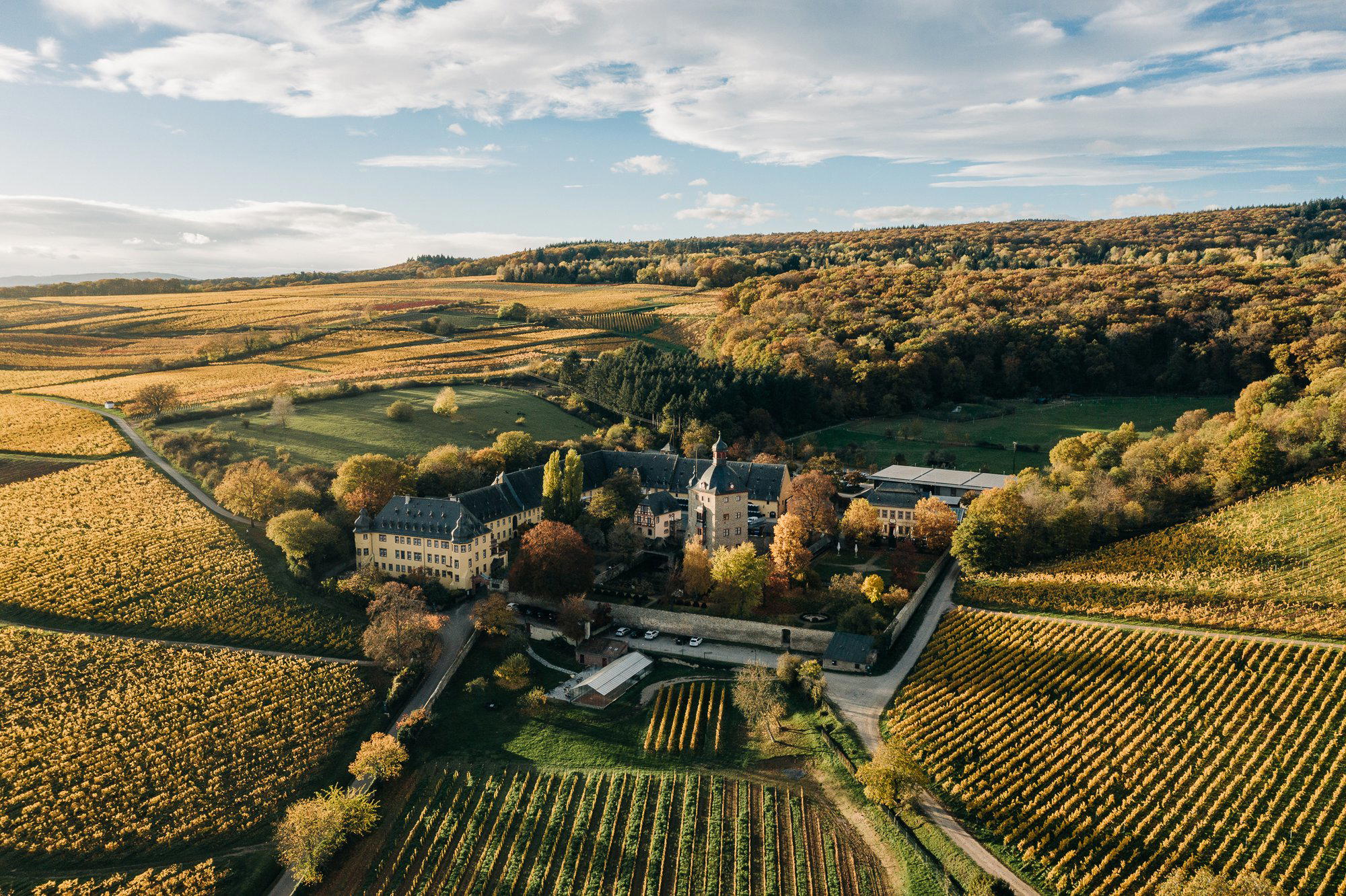
Wineries in Rüdesheim am Rhein
All wineries in Rüdesheim am Rhein →
Bars in Rüdesheim am Rhein
All bars in Rüdesheim am Rhein →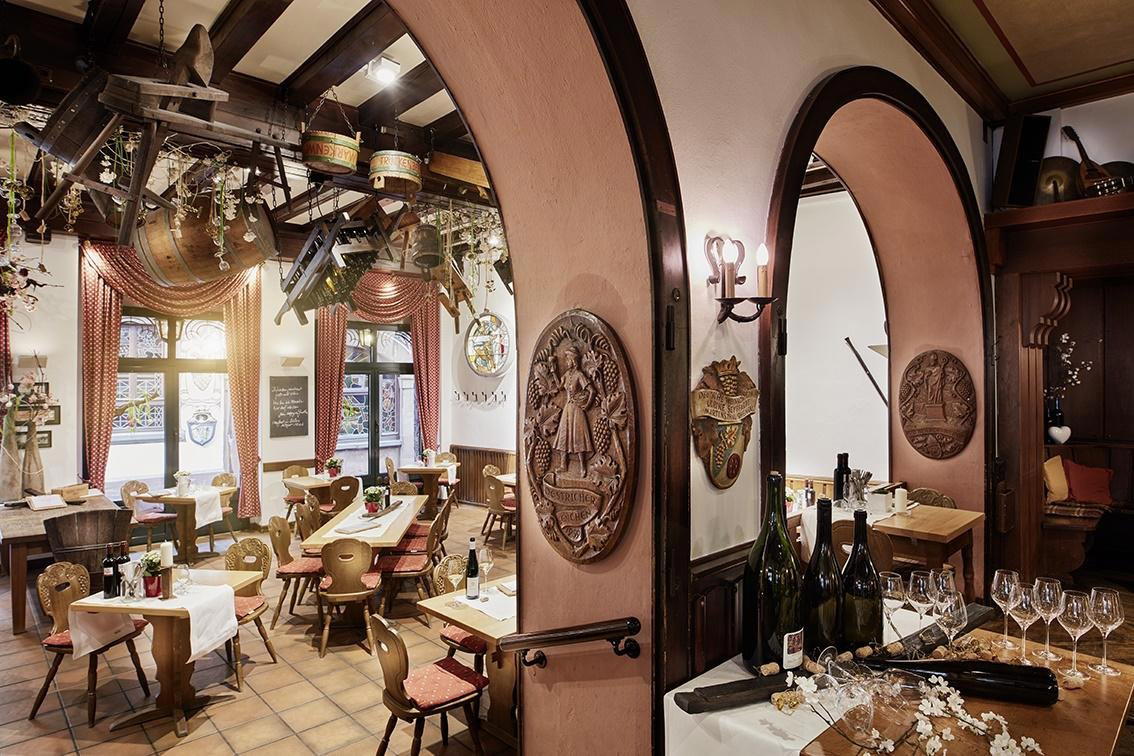
Details
- Industrial
- Well Known
- Modern
- Wine Education
- Solo Exploration
- Organic
- Riesling
- Cabernet Sauvignon
- Merlot
- Chardonnay
- Red Blend
- White Blend
- Rosé Blend
- Still Red
- Still White
- Still Rosé
- Sparkling
- Dessert
Historic family-run alcohol-free winery focused on technical innovation in de-alcoholization rather than on-site hospitality, with production-oriented facilities rather than a traditional cozy tasting room.