Cantina Puiatti

Falstaff Winery - Listed
Cantina Puiatti gives Friuli’s white-wine tradition a disciplined, stainless-steel reading: no oak, a focus on clarity, and a portfolio built around Ribolla Gialla, Friulano, Pinot Grigio, Sauvignon Blanc, Chardonnay and Traminer Aromatico. Founded in 1967 in Romans d’Isonzo, it is a large-scale estate with a quiet, minimalist visitor format and a terroir argument rooted in gravel, clay and the Isonzo foothills.

Pearl is the En Primeur Club membership app — saves, bookings, and concierge access live there. Same editors, same standards.
- Address
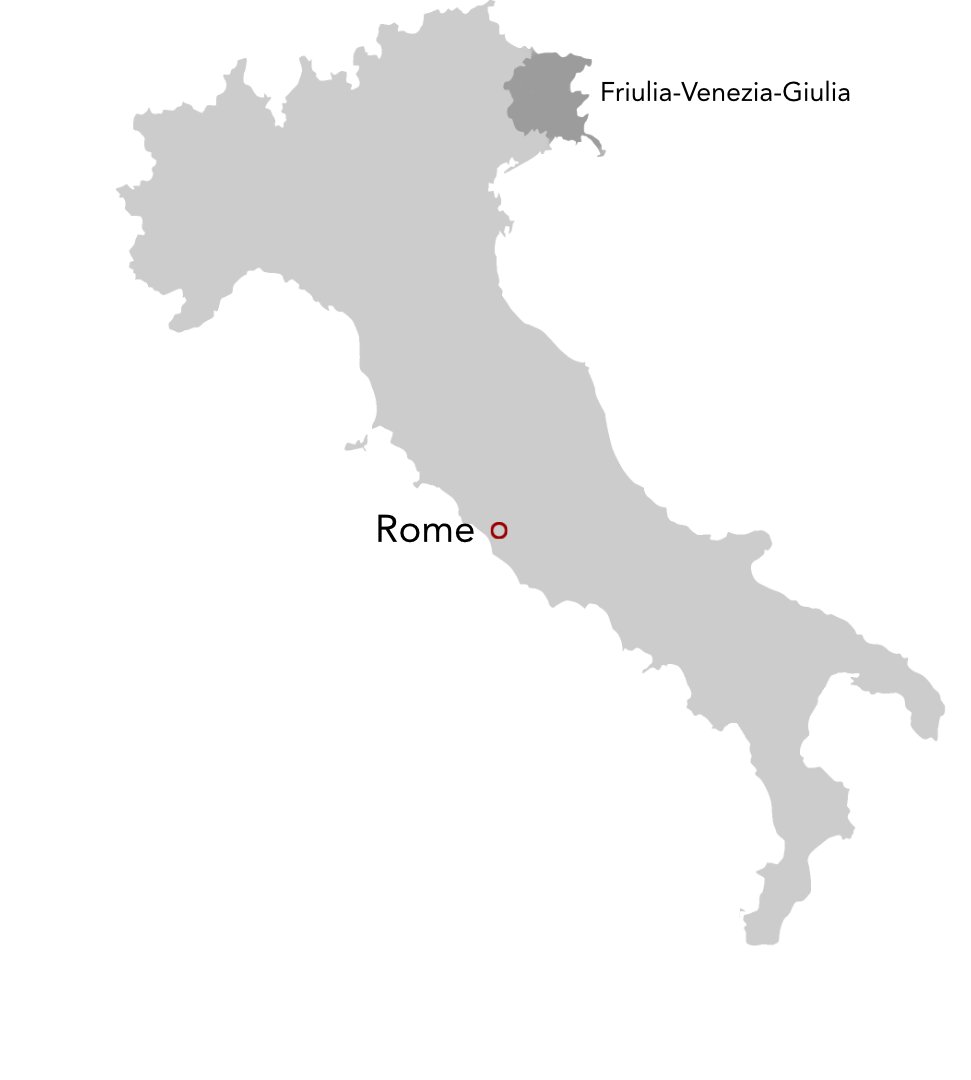
- Romans d'Isonzo, Friuli-Venezia Giulia, Italien
- Directions
- Get directions
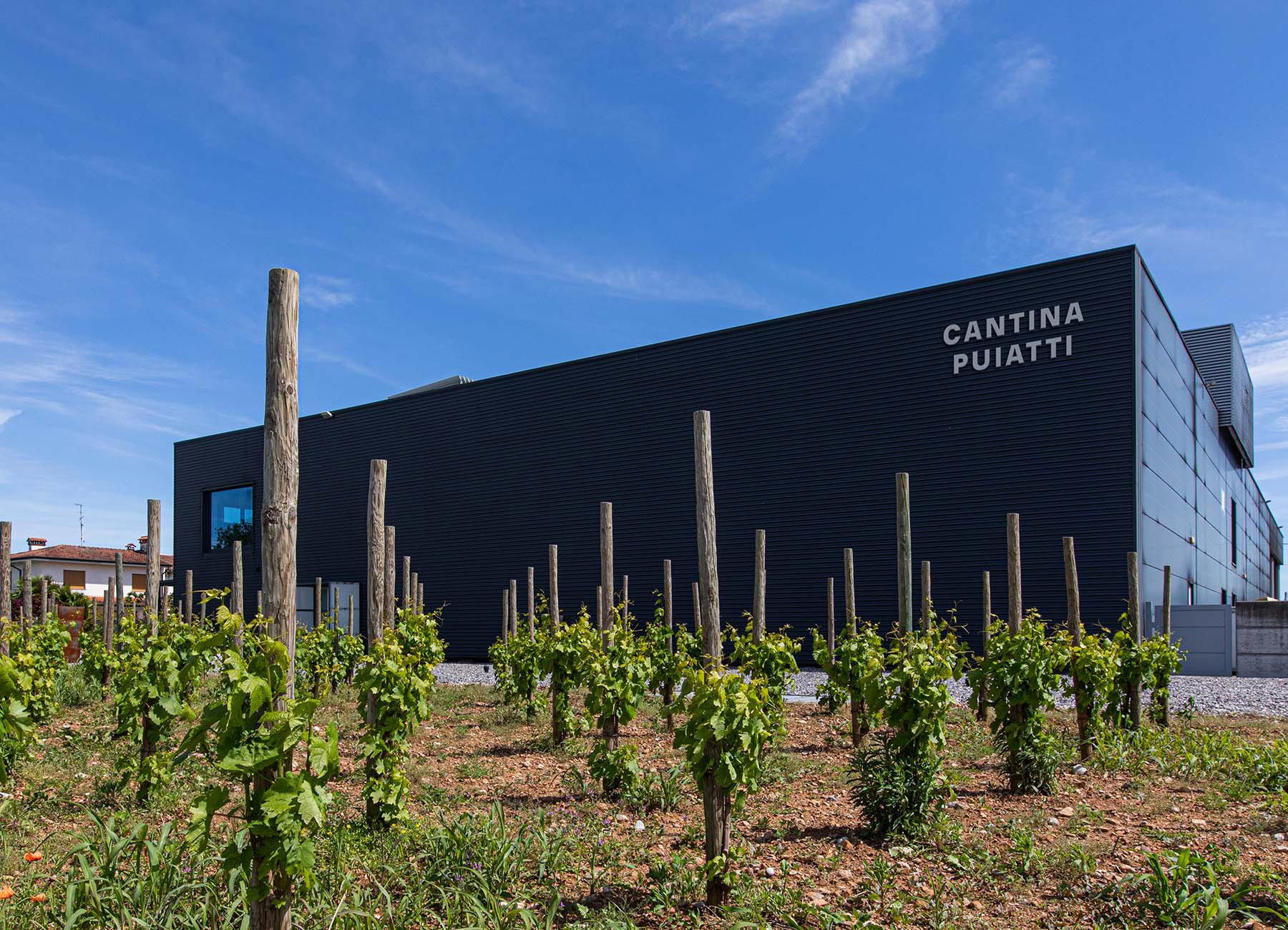
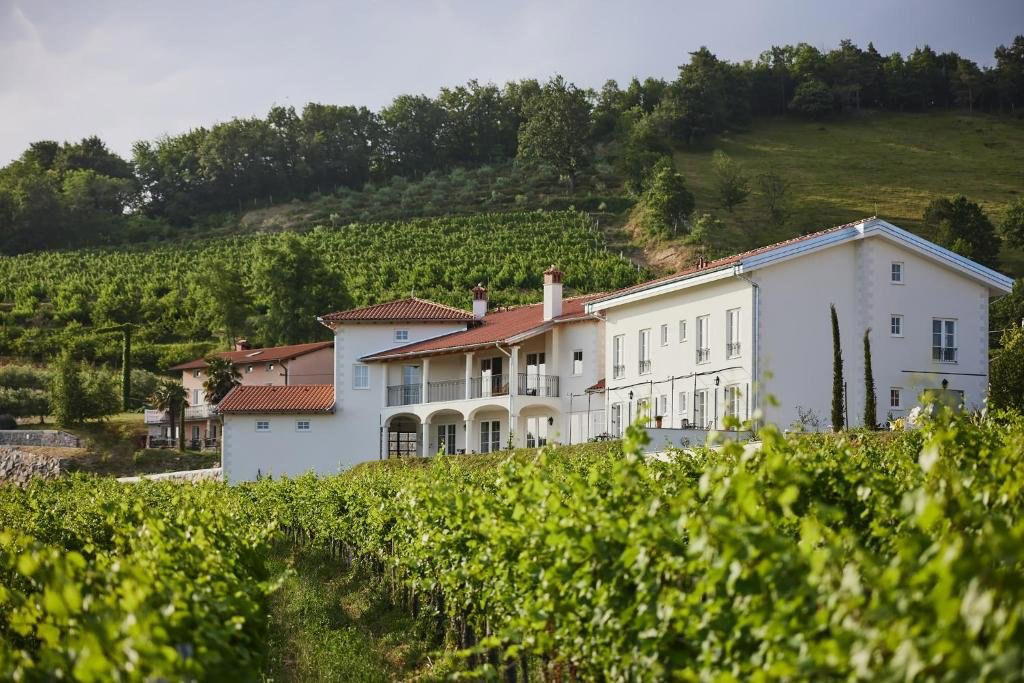
The approach to Cantina Puiatti is defined by order rather than theatre: vineyard lines, quiet design, and the sense that Friuli’s white wines are treated as precision, not romance. In Romans d’Isonzo, the Isonzo del Friuli DOC lies in northeastern Italy, where white grapes need no cosmetic weight. Gravelly alluvial soils, reddish clay rich in iron oxide and the Adriatic’s moderating pull give the region its tension: freshness without thinness, aromatics without excess perfume.
That frames the estate. Friuli is often reduced abroad to Pinot Grigio, but its serious end is broader: Ribolla Gialla and Friulano carry local memory, while Sauvignon Blanc, Chardonnay and Traminer Aromatico show how international grapes behave in a cool-breezed corner of Italy rather than warmer, broader styles. Cantina Puiatti sits squarely in that white-wine conversation, stripping away oak and pushing attention back to grape, soil and vintage.
Friulian whites without oak as a stylistic argument
The estate’s defining choice is negative space. Its philosophy avoids oak, over-ripening, maceration, inoculation and oxidation, making the cellar less about adding texture than preserving line. Stainless steel fermentation at controlled temperatures is central, supported by 106 steel tanks and lees ageing in steel for wines such as Pinot Grigio and Ribolla Gialla. In a region where producers can lean into aromatic lift or savoury depth, this keeps the wines in a cleaner register.
The portfolio is white-led, though Pinot Noir appears alongside the focus. Ribolla Gialla, Friulano, Sauvignon Blanc, Pinot Grigio, Chardonnay and Traminer Aromatico form the core, giving visitors a compact survey of Friuli’s dual identity: native grapes with regional gravity, and international varieties shaped by Isonzo and Collio conditions. The 2023 Pinot Grigio is listed at 12% alcohol and spends four months on lees in stainless steel; the 2024 Sauvignon Blanc is listed at 12.5% and made for youthful drinking. Those figures point to a bias toward freshness and definition rather than cellar-built weight.
Scale matters, too. With 50 hectares under vine across Isonzo and Collio holdings and annual production around 400,000 bottles, this is not a tiny artisanal address trading only on scarcity. Its relevance comes from applying a disciplined house style at meaningful volume. For travellers mapping the region through wine rather than restaurant spectacle, our full Romans D Isonzo wineries guide is the natural companion; wider itineraries can cross-reference our full Romans D Isonzo restaurants guide, our full Romans D Isonzo hotels guide, our full Romans D Isonzo bars guide and our full Romans D Isonzo experiences guide.
Gravel, clay and the Isonzo foothills do the heavy lifting
The terroir is not decorative. The primary vineyards lie in the Isonzo foothills, where gravel beneath reddish clay drains water while retaining enough structure for aromatic white grapes. Mediterranean influence, breezes and day-night temperature swings slow ripening and protect acidity. The vineyards are also 10 kilometres from the sea as the crow flies, a useful climatic detail where coastal moderation shows in the balance of white wines.
Training varies by variety: Ribolla Gialla uses Double Guyot with average vine age of 12 years, while Pinot Grigio uses Bilateral Guyot with average vine age of 18 years. These ungilded details explain why the minimal cellar approach has something to work with. Low-intervention rhetoric is persuasive only when viticulture carries the wine. Here, sustainable farming, alluvial soils and a cool-breezed growing season form the backbone; cellar restraint becomes translation, not omission.
Founded in 1967 by Vittorio Puiatti and now associated with Angelini Wines & Estates, the winery belongs to a modern Friulian lineage rather than an old noble-estate model. Giovanni Puiatti’s role as winemaker gives continuity, but the stronger editorial point is regional: Friuli’s contemporary white-wine identity depends on producers who make clarity feel deliberate, not simple. A 2020 Gold award for Pinot Grigio adds external recognition, though the broader interest is how the estate uses Pinot Grigio as one expression within a larger white-wine system, not a mass-market shorthand.
A quiet tasting format for visitors interested in method
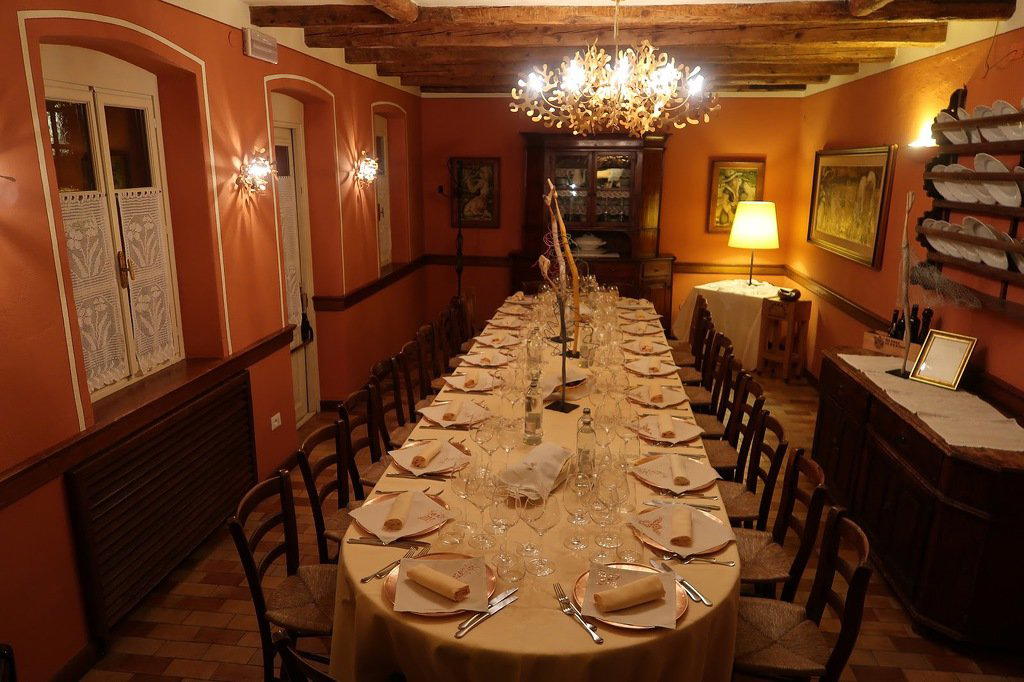
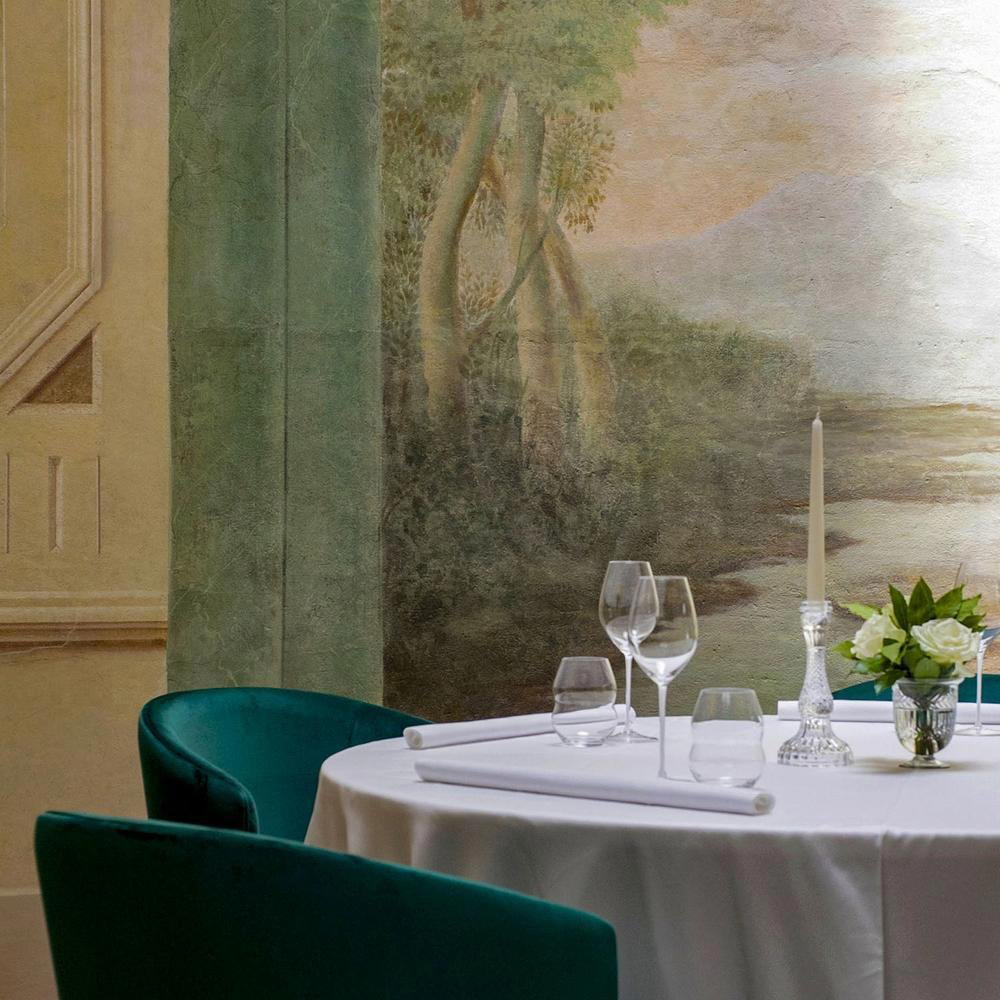
The visitor experience is wine education rather than leisure theatre. The atmosphere is quiet, minimalist and controlled, aligned with the estate’s clean cellar logic. Private tastings and estate-ground visits suit travellers who want to understand why stainless steel, lees ageing and grape selection matter in Friuli. This is not the address for a food-pairing lunch or children-led vineyard afternoon; the format is adult, structured and focused on the wines.
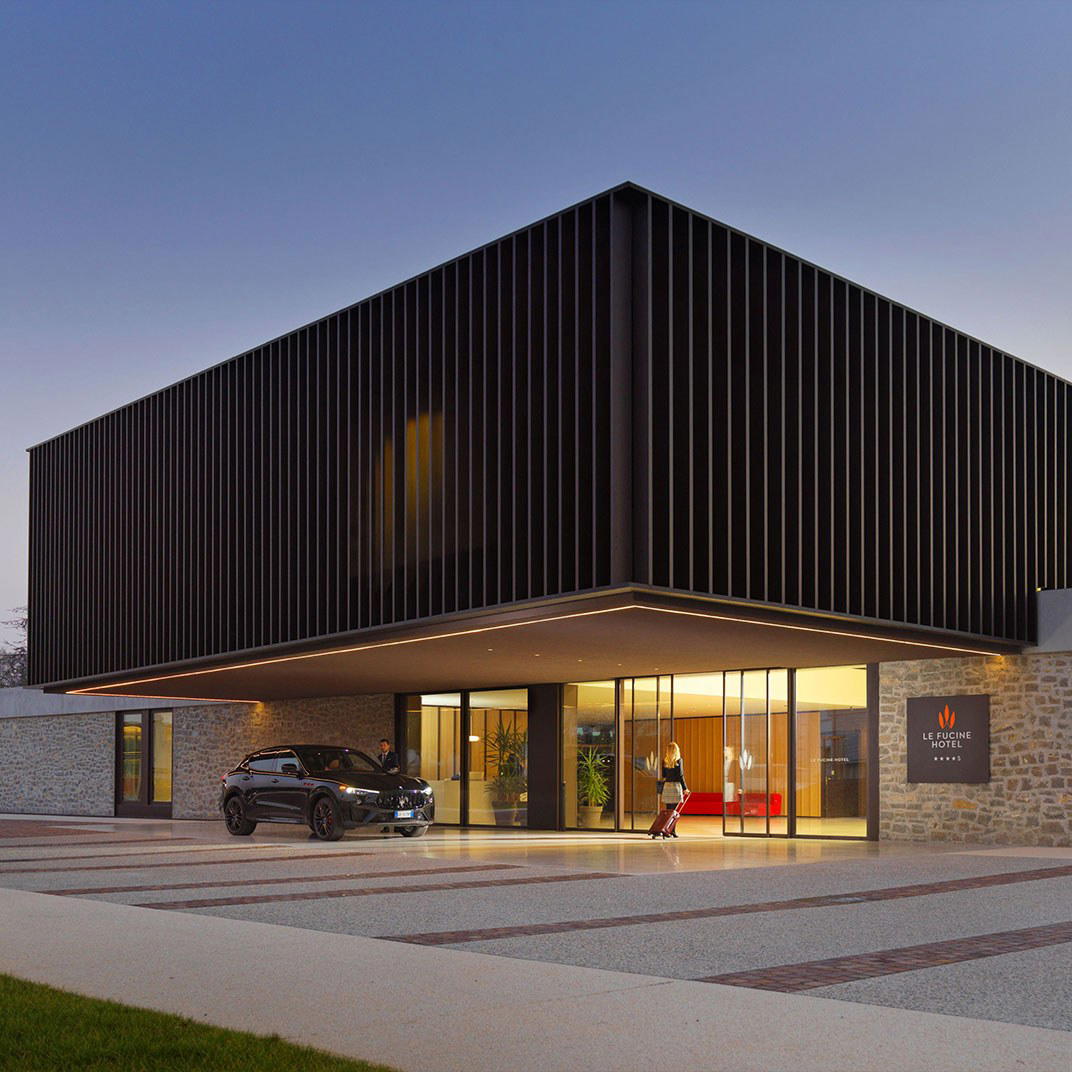
The estate works for solo exploration, small groups, corporate visits and special-occasion tastings where regional context is the priority. It is also useful for design-minded travellers because the visual language mirrors the production argument: clarity, order and few distractions. The price level sits in the moderate tier, making the estate accessible compared with high-allocation wineries in trophy-driven regions, while the private-tasting format keeps the experience from feeling casual.
For readers comparing Italian wine routes beyond Friuli, the contrast is instructive: 3GP SRL in Treviso, 47 Anno Domini in Trebaseleghe, A Mano Wine in Noci, a6mani in Fragagnano, Abbadia Ardenga in Torrenieri, Abbazia di Crapolla in Neapel, Abbazia Monte Oliveto in Asciano and Abbazia Santa Anastasia in Castelbuono each points to a different regional grammar. Farther afield, »der Steiner« Hans Steiner in Podersdorf am See and & Handwein in Mannheim underline how much place changes the meaning of restraint. At Cantina Puiatti, restraint is not an aesthetic pose; it is the mechanism through which Isonzo’s gravel, clay, breeze and white grapes speak clearly.
Recognition history
Dated appearances from independent guides and award organizations, with the underlying list record or original source where available.
Falstaff Winery - Listed
Falstaff
Continue exploring
More in Romans D Isonzo
Wineries in Romans D Isonzo
Browse all →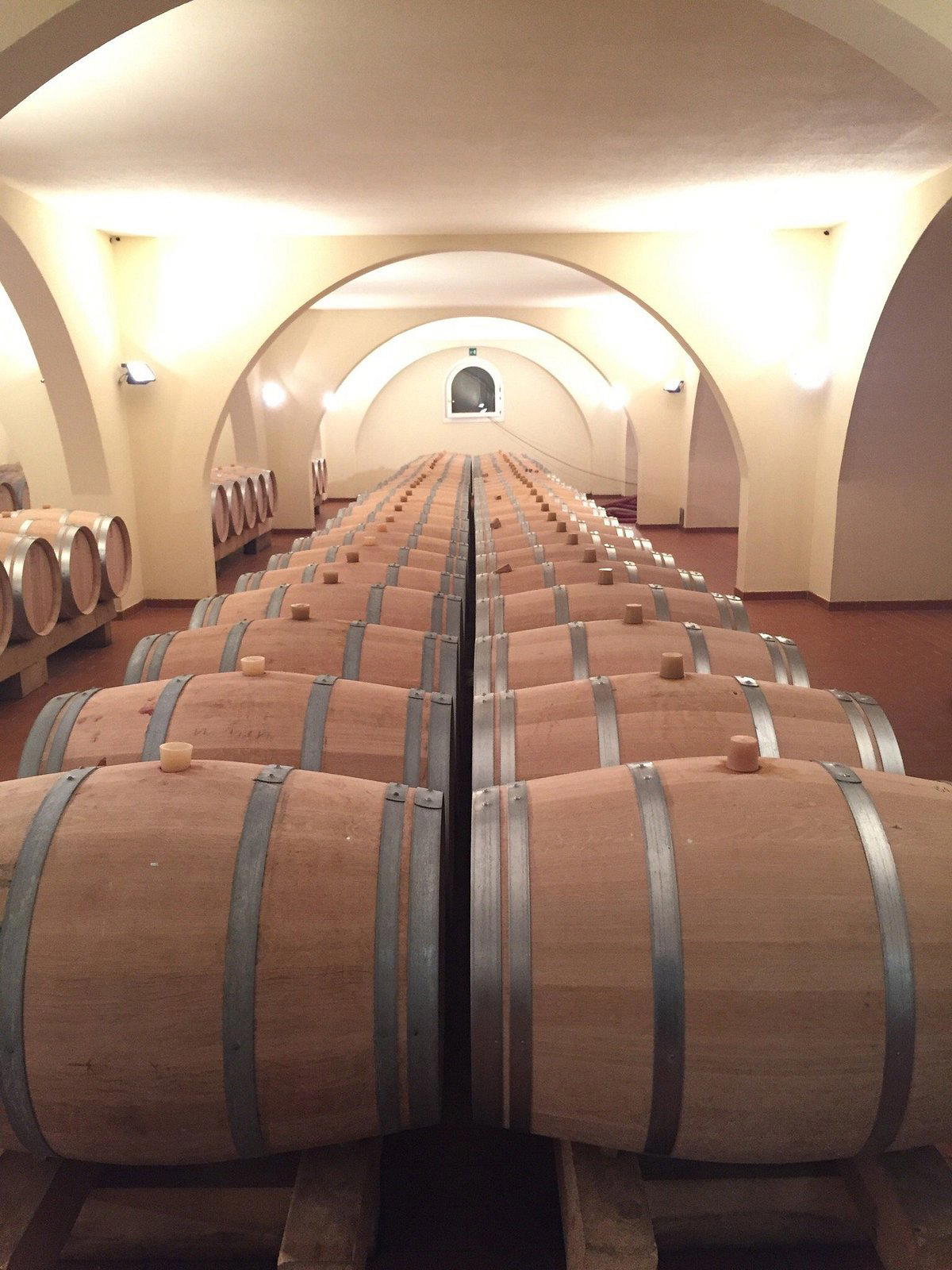

Bars in Romans D Isonzo
Browse all →
Restaurants in Romans D Isonzo
Browse all →
Details
- Elegant
- Minimalist
- Quiet
- Sophisticated
- Solo Exploration
- Group Outing
- Corporate Event
- Special Occasion
- Estate Grounds
- Design Destination
- Private Tasting
- Sustainable
- Vineyard
- Ribolla Gialla
- Sauvignon Blanc
- Pinot Grigio
- Chardonnay
- Friulano
- Traminer Aromatico
- Still White
- Private Tasting
Elegant, precise, and method-driven, with a minimalist philosophy that emphasizes clarity and the character of the territory.