Cantina del Giusto

Cantina del Giusto is a small family-run winery in Montepulciano’s Acquaviva area, focused on estate-grown Vino Nobile di Montepulciano DOCG rather than large-scale visitor theatre. Its interest lies in the way Sangiovese, Canaiolo Nero and Mammolo are handled through long cellar aging, with a Tuscan atmosphere built around vineyards, barrel rooms and family continuity.
Pearl is the En Primeur Club membership app — saves, bookings, and concierge access live there. Same editors, same standards.
- Address
- Montepulciano, Tuscany, Italien
 Saves & bookings on Pearl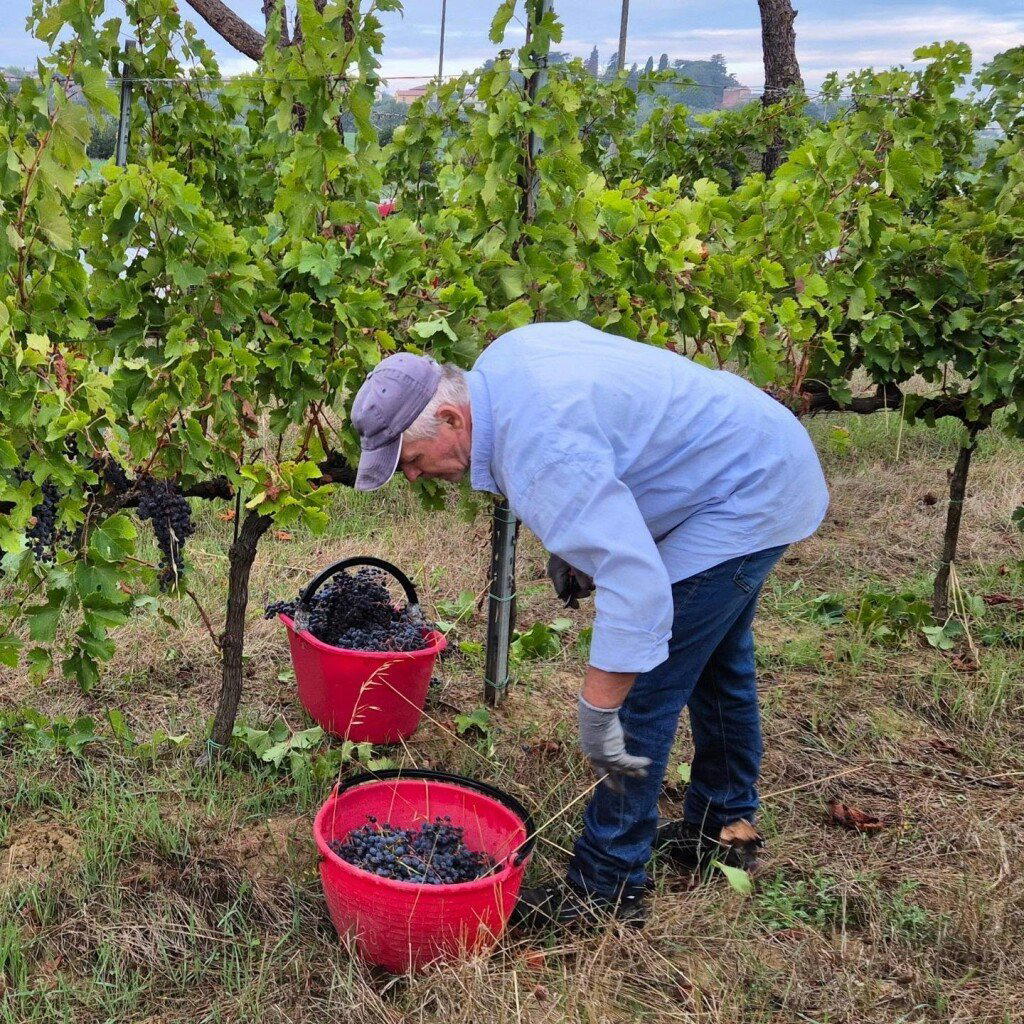
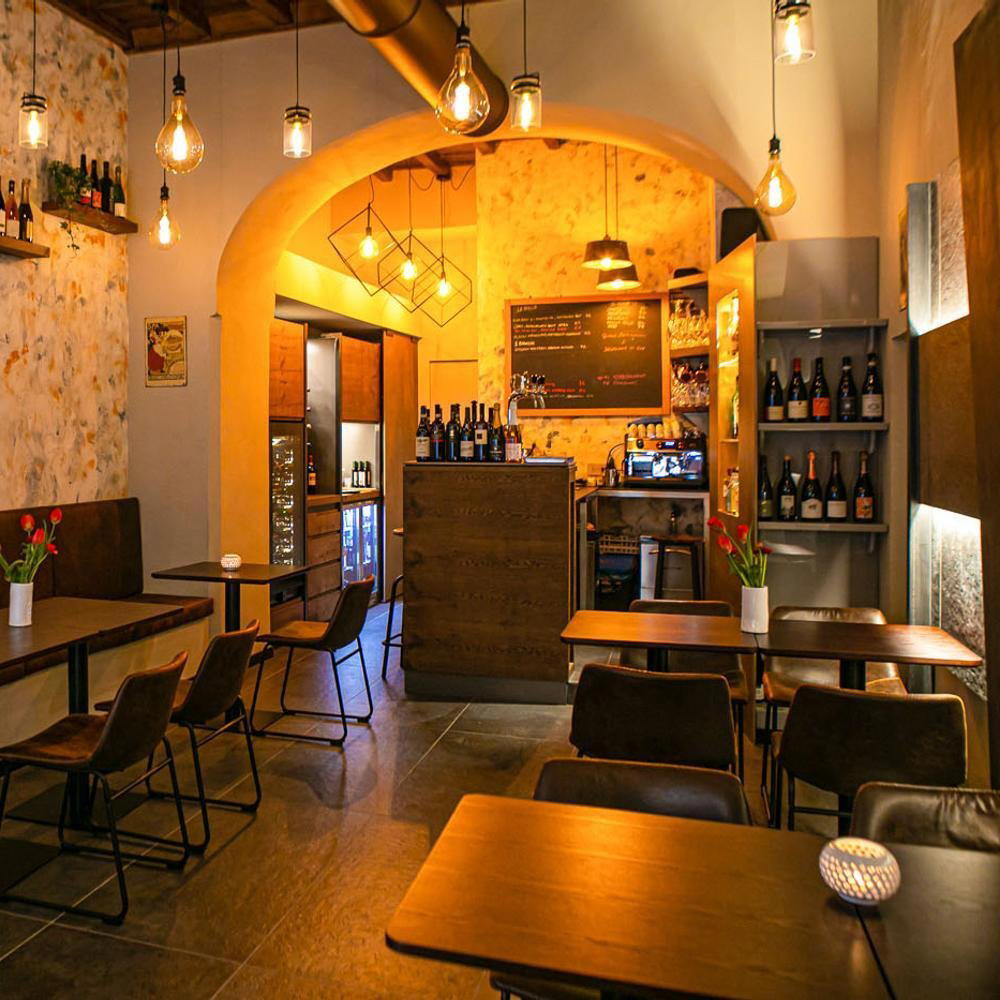
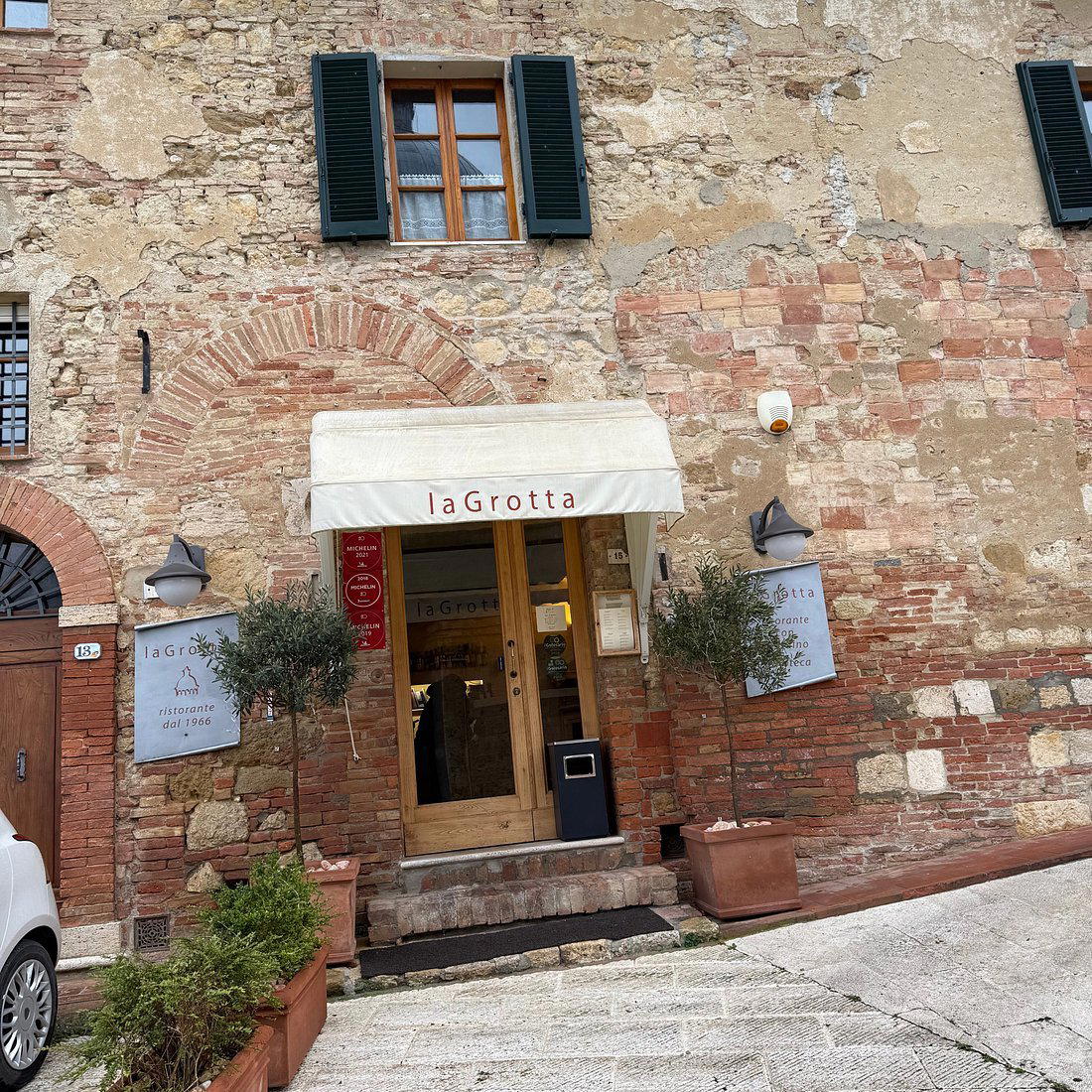
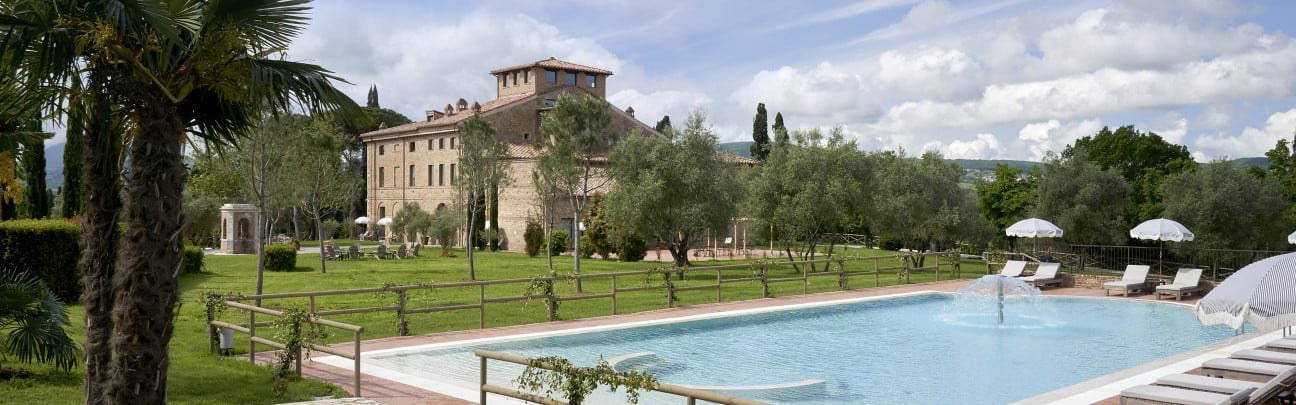
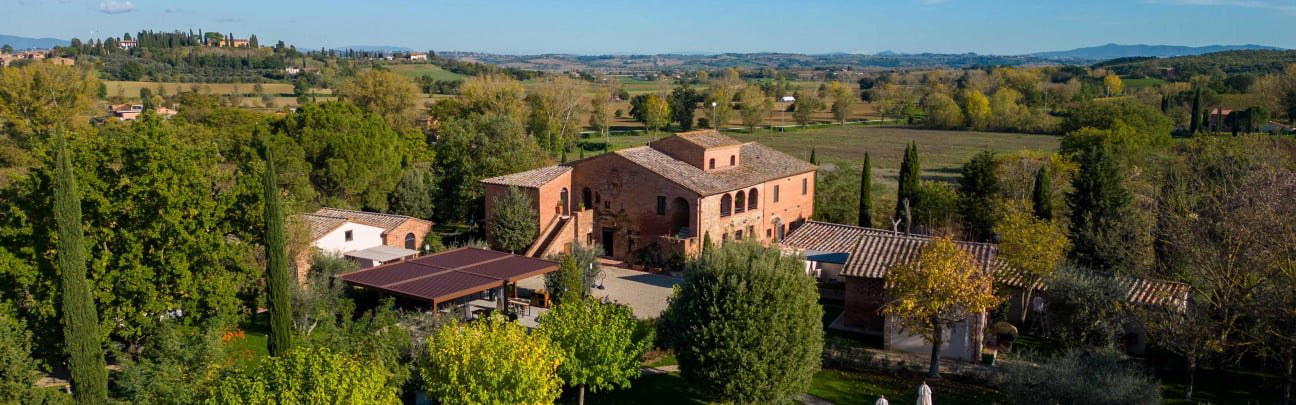
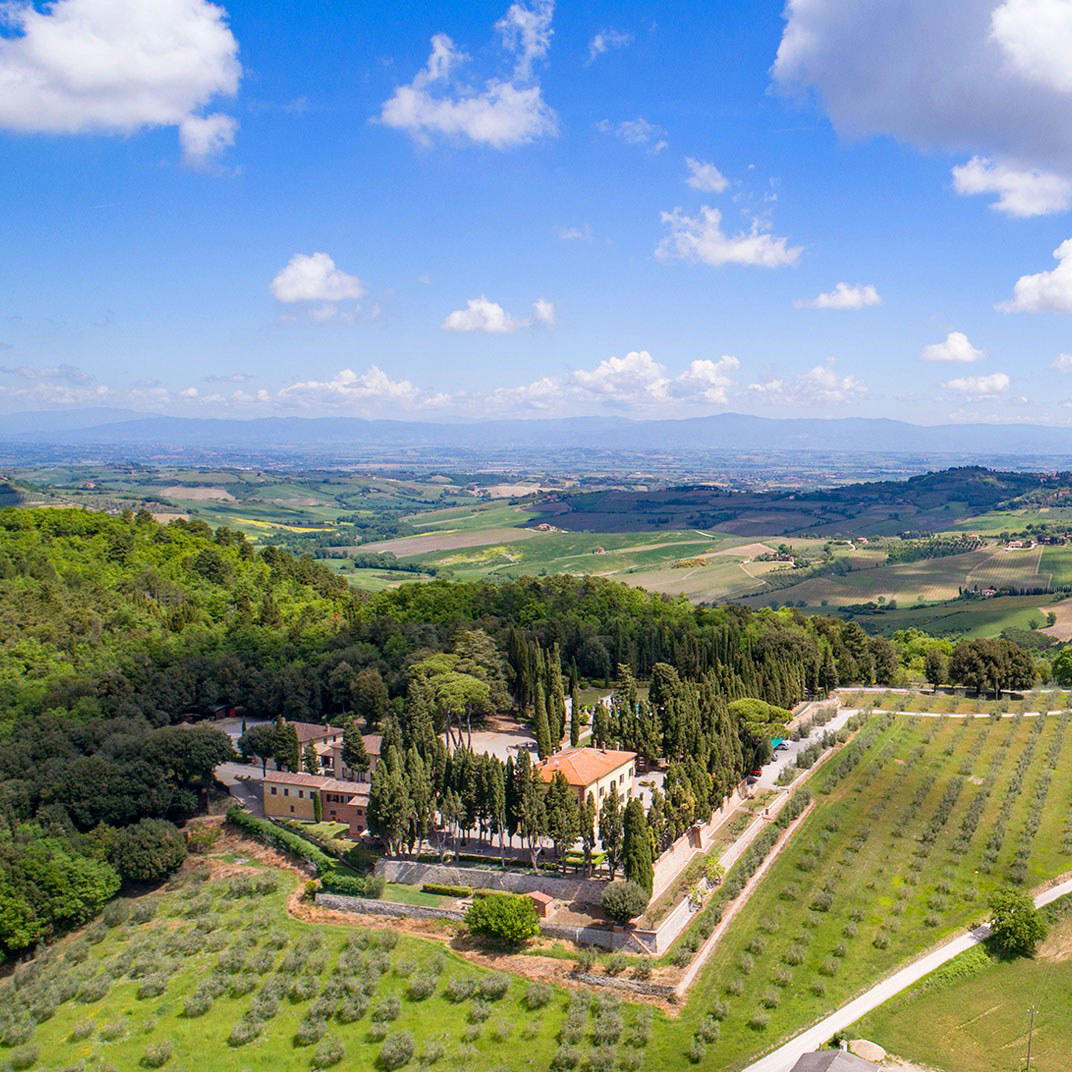
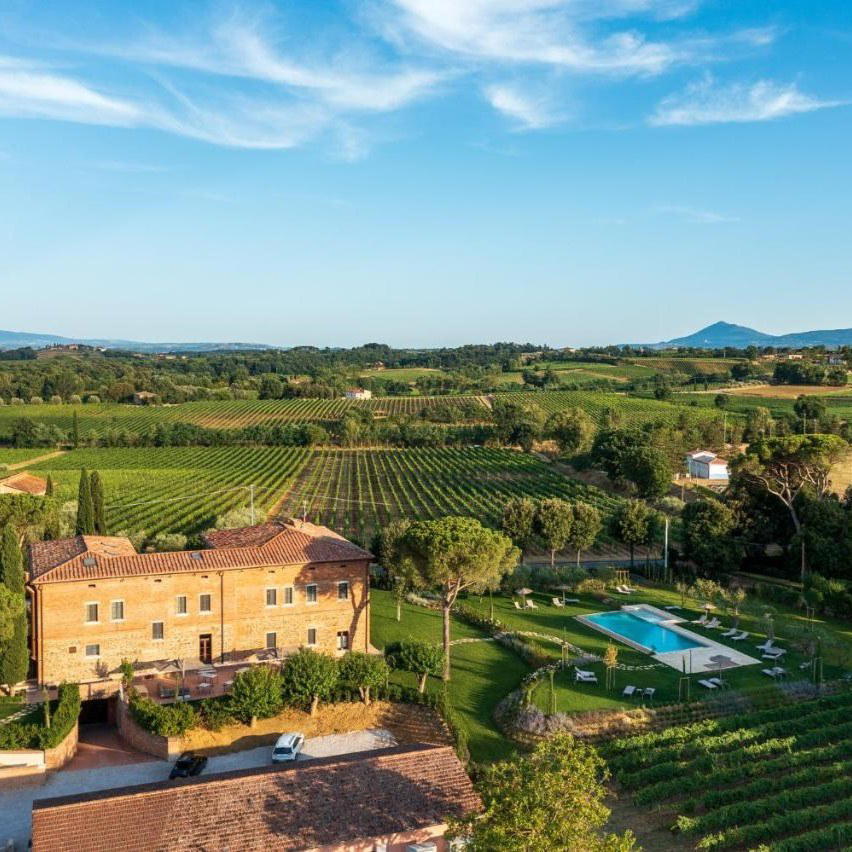
At the foot of Montepulciano, Cantina del Giusto is best understood as a small family-run winery rather than a broad tourism complex. The picture is intimate and classic: estate vineyards, traditional cellars, and a rustic Tuscan atmosphere centered on craft. Nothing in that framing suggests a venue built around scale, spectacle, or heavily layered visitor programming; the appeal is quieter, more grounded, and more closely tied to the estate itself.
What can be said with confidence is that Cantina del Giusto offers a quieter winery setting in Montepulciano, with the focus on the estate and its cellars rather than on large-scale visitor infrastructure. For travelers who respond to smaller places, that distinction matters. It positions the winery as the kind of stop where the setting, the family-run identity, and the sense of traditional cellar work are the main reasons to pay attention.
Montepulciano winery character, kept intimate
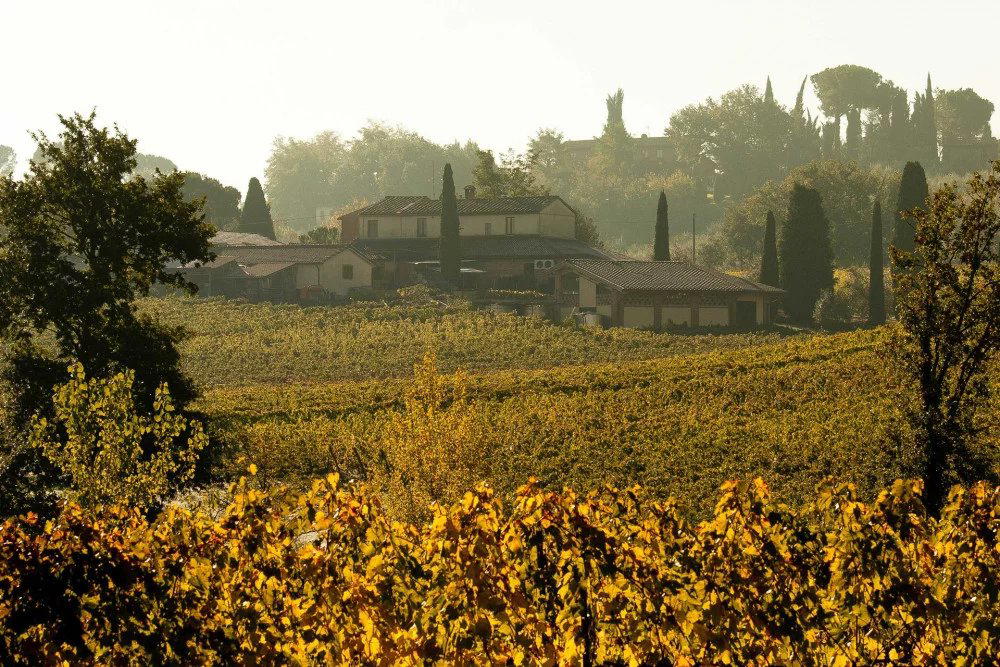
The point of interest at Cantina del Giusto is its small-scale setting. The winery is described as family-run, positioned at the foot of Montepulciano, and connected to its own vineyards. That gives it a more personal profile than a highly polished hospitality venue. In practical editorial terms, the draw is not a long list of extra services, but the coherence of a compact Tuscan estate: vines, cellar, family character, and a location tied closely to Montepulciano.
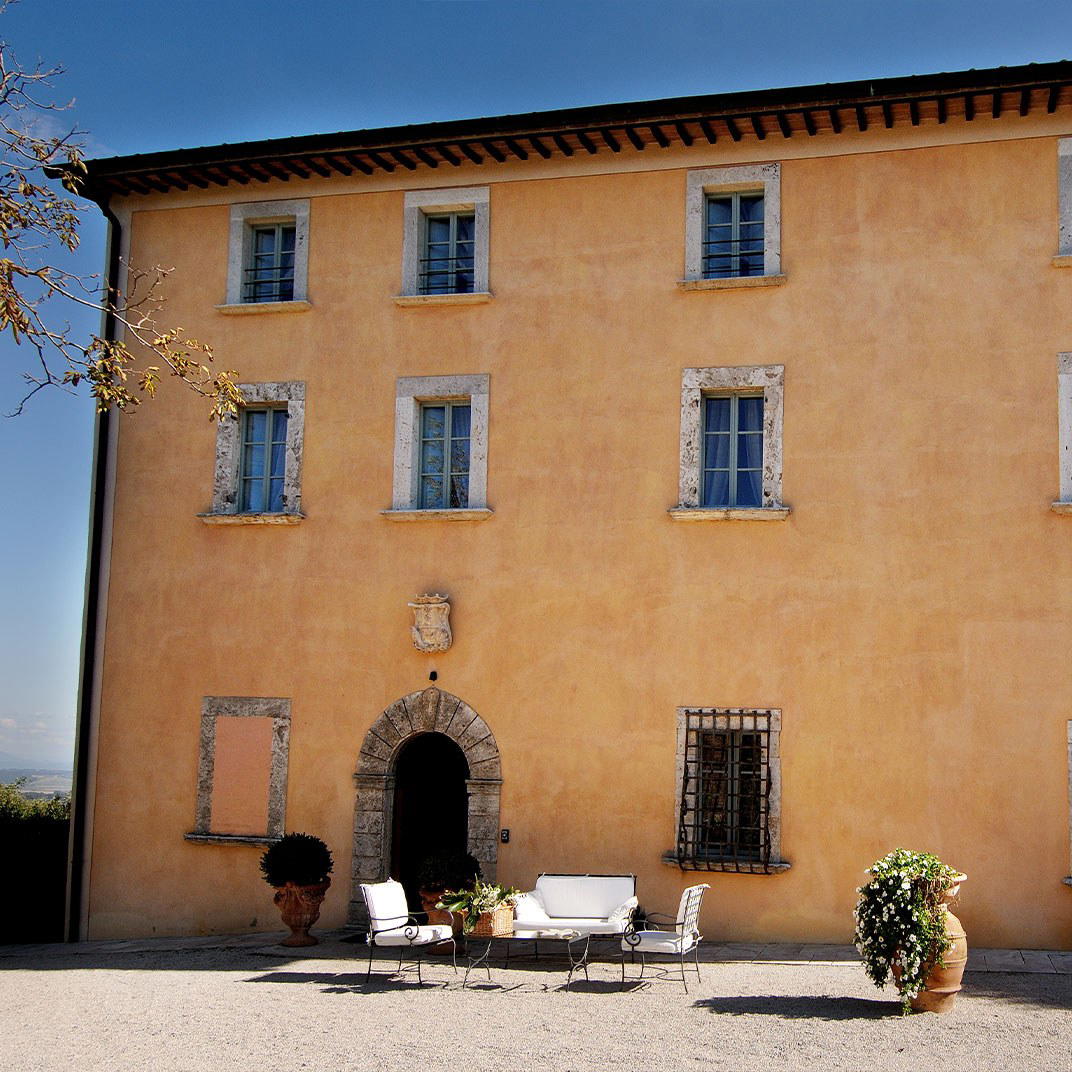
The traditional cellars are part of the appeal. They support the classic, rustic and elegant atmosphere associated with the estate, and they keep attention on winemaking craft rather than spectacle. A cellar-focused winery can feel especially meaningful in a place like Montepulciano because it places the visitor’s attention on the work behind the wine: the stored, quiet, practical spaces where production is treated as the center of the experience rather than as a backdrop for entertainment.
Rustic quality should be read in a positive, restrained way. Here it suggests a setting that is not overdesigned, where atmosphere comes from the estate and the traditional cellar environment. The elegance is therefore not about gloss, but about proportion and simplicity: a Tuscan winery character that rely on place, continuity, and craft rather than a manufactured sense of luxury.
Those details should be checked directly with the winery before being treated as current. Because smaller family-run wineries can change practical arrangements without much public fanfare, direct confirmation is the safest way to understand what is available at the time of a visit.
A family winery format rather than a polished tasting machine
Small Tuscan wineries can be especially appealing when the experience remains close to production. The winery fits that more intimate model: a family-run estate with vineyards and traditional cellars, presented as a place where craftsmanship matters more than tourism infrastructure. That does not need to be overstated. Its value lies in the modesty of the format, where the winery’s identity is shaped by the estate itself rather than by a large hospitality apparatus.
This is the kind of winery description that will likely resonate with visitors who prefer a direct connection to place. The family-run aspect gives the venue a more personal editorial profile, while the estate vineyards and traditional cellars keep the focus on the essentials. Instead of treating the winery as a generic stop on a route, the description points toward a more rooted encounter with a Montepulciano estate.
Visitors should contact the winery directly for particularly current practical details. That is especially important precisely because the appeal is tied to a smaller, more intimate format. Current arrangements, access, and any visitor-facing details should be with the estate rather than assumed from a general description.
It is likely to suit travelers looking for a more understated Montepulciano winery stop rather than a large, heavily programmed visitor experience. A useful fit is someone who values atmosphere, cellar character, and a sense of craft, and who is not primarily seeking a venue defined by scale or elaborate tourism infrastructure.
Where it fits in a Montepulciano itinerary
For a Montepulciano wine day, the winery works as an intimate estate stop with a moderate price level listed as $$. The strongest reasons to consider it are its family-run character, traditional cellars, estate vineyards and setting at the foot of Montepulciano. Those points give it a clear role within an itinerary: not as a catch-all destination with every possible visitor feature, but as a quieter winery visit anchored in a classic Tuscan estate atmosphere.
That makes it easiest to frame as a focused stop rather than the entire structure of a day. Travelers planning around Montepulciano can think of it as one piece of a broader wine-oriented route, especially if they are trying to balance more visible or polished venues with something smaller and more grounded. Its appeal is strongest when expectations are aligned with the scale of the place.
Travelers can combine it with other dining, wine and hospitality options in Montepulciano, but specific comparisons should be made cautiously unless current details are confirmed directly. The reliable editorial frame is simple: a small, craft-focused Tuscan winery in Montepulciano. Within that frame, the winery is distinctive less for any single dramatic claim than for the consistency of its described character: family-run, estate-based, cellar-focused, rustic, elegant and intentionally intimate.
Recognition history
Dated appearances from independent guides and award organizations, with the underlying list record or original source where available.
Falstaff Winery - Listed
Falstaff
Continue exploring
More in Montepulciano
Wineries in Montepulciano
Browse all →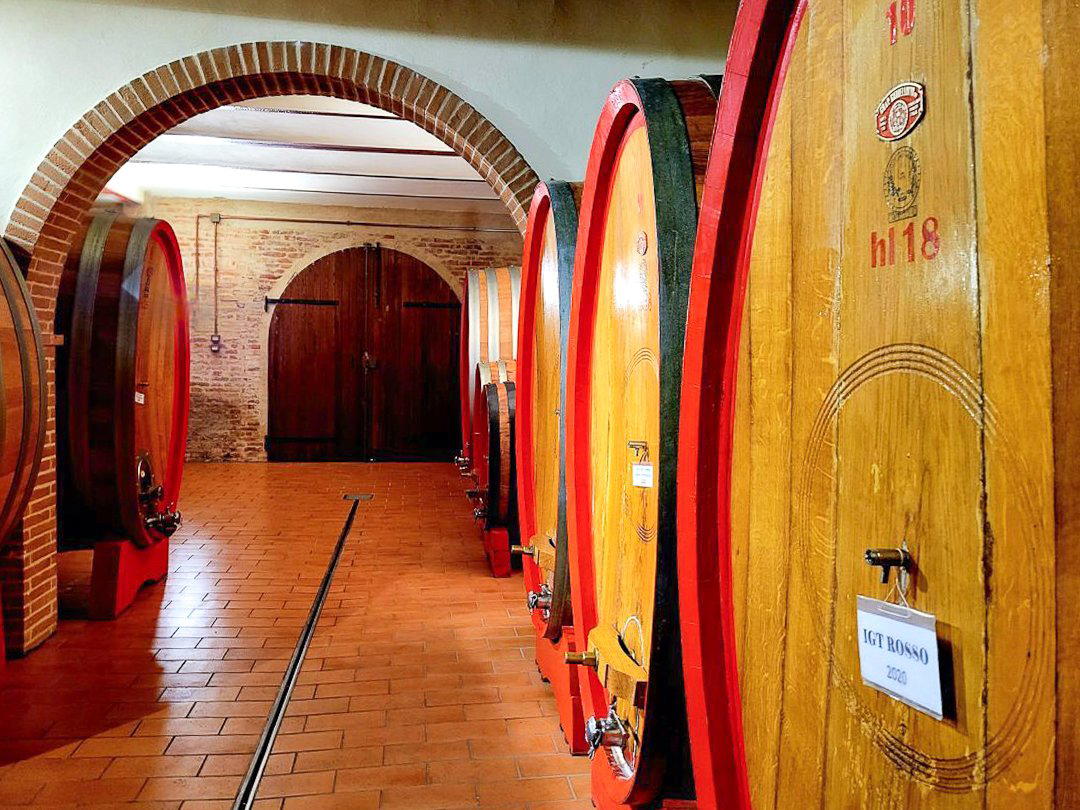
Restaurants in Montepulciano
Browse all →
At a Glance
- Classic
- Rustic
- Elegant
- Intimate
- Scenic
- Romantic Getaway
- Group Outing
- Solo Exploration
- Wine Education
- Special Occasion
- Vineyard Tour
- Estate Grounds
- Barrel Room
- Private Tasting
- Vineyard
- Mountain
- Vino Nobile Di Montepulciano DOCG
- Sangiovese
- Canaiolo Nero
- Mammolo
- Still Red
- Standard Tasting
- Tour And Tasting
- Estate Flight
- Food Pairing Tasting
Small family-run winery at the foot of Montepulciano with traditional cellars and estate vineyards, offering an intimate, classic Tuscan atmosphere focused on craftsmanship rather than tourism infrastructure.