Brightfield Distillery

Brightfield Distillery sits in the village of Carlos Keen, Buenos Aires Province, a rural enclave better known for its slow-food asado tradition than for spirits production. Recognised with a Pearl 2 Star Prestige award in 2025, it occupies a niche that has no obvious local precedent, a craft distillery operating outside Argentina's established wine corridors and earning independent recognition on its own terms.
 Discover on Pearl
Pearl is the En Primeur Club membership app — saves, bookings, and concierge access live there. Same editors, same standards.
- Address
- 34,50680° S, 59,24094° W, B6701 Carlos Keen, Provincia de Buenos Aires
- Phone
- +54 11 2316-6404
- Website
- brightfield.com.ar
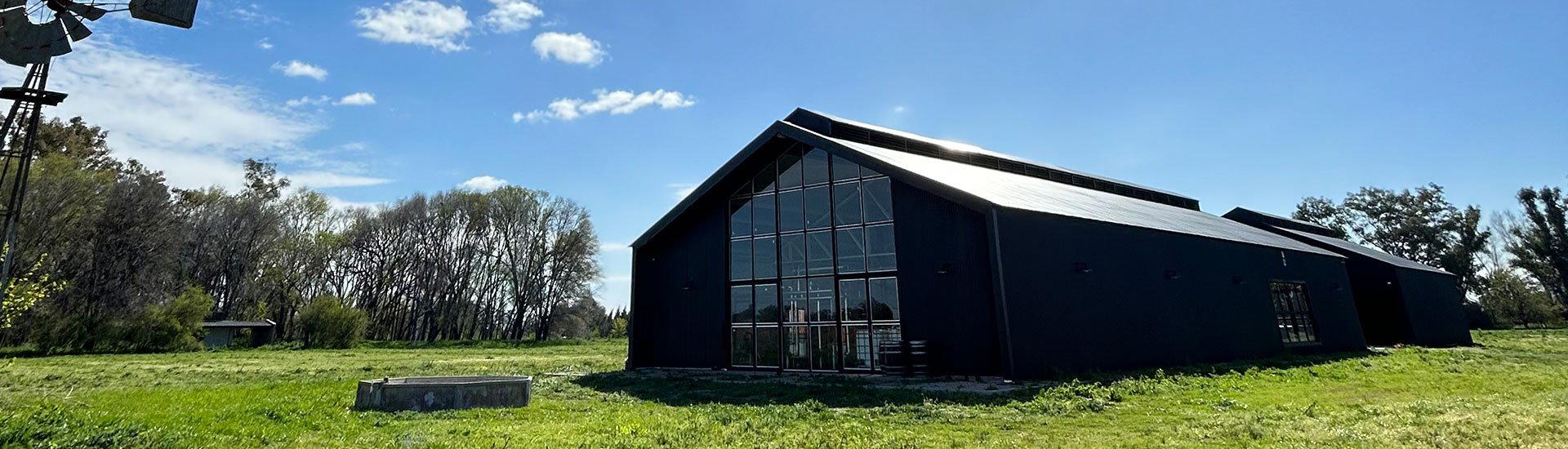
A Distillery at the Edge of the Pampas
Carlos Keen is not a place most international travellers find by accident. The village sits roughly 90 kilometres northwest of Buenos Aires in the flat cattle country of Buenos Aires Province, reachable by provincial road through soy fields and estancias. Its culinary reputation rests almost entirely on a single tradition: the open-air asado weekend, where families and porteños in search of countryside air converge on a cluster of parrillas that have operated here for decades. Against that backdrop, a distillery carrying a Pearl 2 Star Prestige recognition (2025) is a genuinely unexpected presence.
Approaching Brightfield Distillery, the Pampas context matters. This is flat, agricultural land at around 30 metres above sea level, with a humid subtropical climate shaped by proximity to the Río de la Plata basin. That environment places it in sharp contrast to the high-altitude, arid distilling and winemaking traditions further west, the Andean foothills around Mendoza and the extreme elevations of Salta's Calchaquí Valley, where producers like Bodega Colomé in Molinos work at altitudes above 2,000 metres. What Brightfield draws on is not elevation or diurnal temperature swing, but something different: the grain and water character of the Argentine lowlands, the same terroir logic that underpins spirits production in other flat, agricultural regions worldwide.
Terroir Below the Andes
The terroir-expression argument for distilling tends to be contested more fiercely than it is for wine, but the underlying logic is consistent: local water chemistry, local raw materials, and local climate during maturation all leave traceable signatures. In Argentina's wine regions, that conversation typically centres on altitude and UV radiation, the conditions that give Torrontés its aromatic intensity in Cafayate (see Bodega El Esteco) or that push Malbec toward concentration in the high blocks above Luján de Cuyo, where Bodega Norton and others have mapped elevation as a quality variable for decades.
Carlos Keen sits outside that altitude-driven framework entirely. Buenos Aires Province's water comes from the Guaraní Aquifer system, one of the largest freshwater reserves in the world, and the grain crops of the surrounding Pampas, wheat, maize, barley, are among the most productive in South America. A distillery operating here is working with a fundamentally different raw-material base than an Andean producer. Whether that expresses as a discernible character in the final spirit is the question that makes Brightfield worth attention: it is a test case for what Pampas terroir actually means in a glass, rather than in a vineyard row.
For context on how Argentine producers elsewhere have approached the question of place, the altitude-focused programs at Terrazas de los Andes in Mendoza and the cooler Patagonian work at Familia Schroeder in San Patricio del Chañar offer useful comparisons in how Argentine producers have turned geography into a production argument. Brightfield's position in Buenos Aires Province is a different geographic proposition entirely.
Recognition and Peer Context
The Pearl 2 Star Prestige award (2025) places Brightfield within a tier of recognised producers that have passed independent assessment. In the Argentine spirits context, that kind of external validation is relatively rare outside the wine sector, where Mendoza-based houses like Escorihuela Gascón in Godoy Cruz, Bodega Bressia in Agrelo, and Bodega Antigal in Maipú have accumulated award records over multiple vintages. A 2-star prestige rating signals a producer that has moved past the novelty tier and into the range where the liquid itself is the argument.
Comparison with Fratelli Branca Distillery in Buenos Aires is instructive. That operation sits within the capital's industrial-heritage frame, drawing on a long European lineage. Brightfield occupies a different position: a rural, small-scale producer earning recognition without a metropolitan address or a centuries-old brand to trade on. The competitive set is closer to specialist craft distilleries in agricultural regions elsewhere than to the urban heritage producers in Buenos Aires.
For travellers mapping Argentine premium spirits alongside wine, the broader producer map includes operations like Bodega DiamAndes in Tunuyán and Rutini Wines (La Rural) in Tupungato, both of which work within the Mendoza premium frame. Internationally, the craft distilling benchmark is set by operations like Aberlour in Aberlour and the allocation-driven Napa model represented by Accendo Cellars in St. Helena, different categories, but useful reference points for understanding where prestige-tier recognition places a producer in the broader premium drinks conversation.
Carlos Keen as a Setting
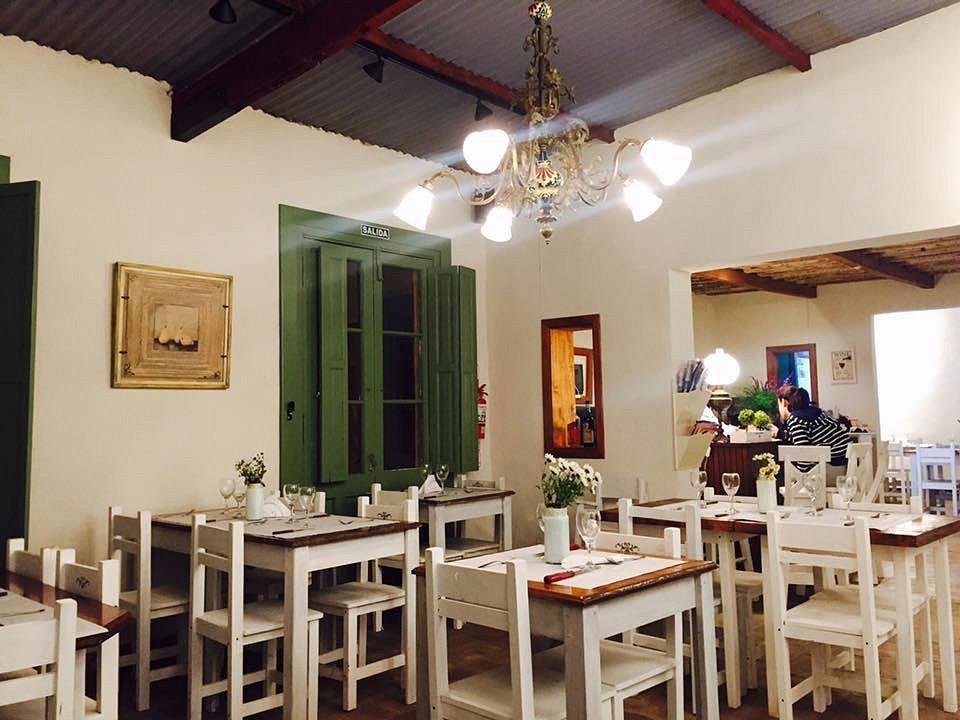
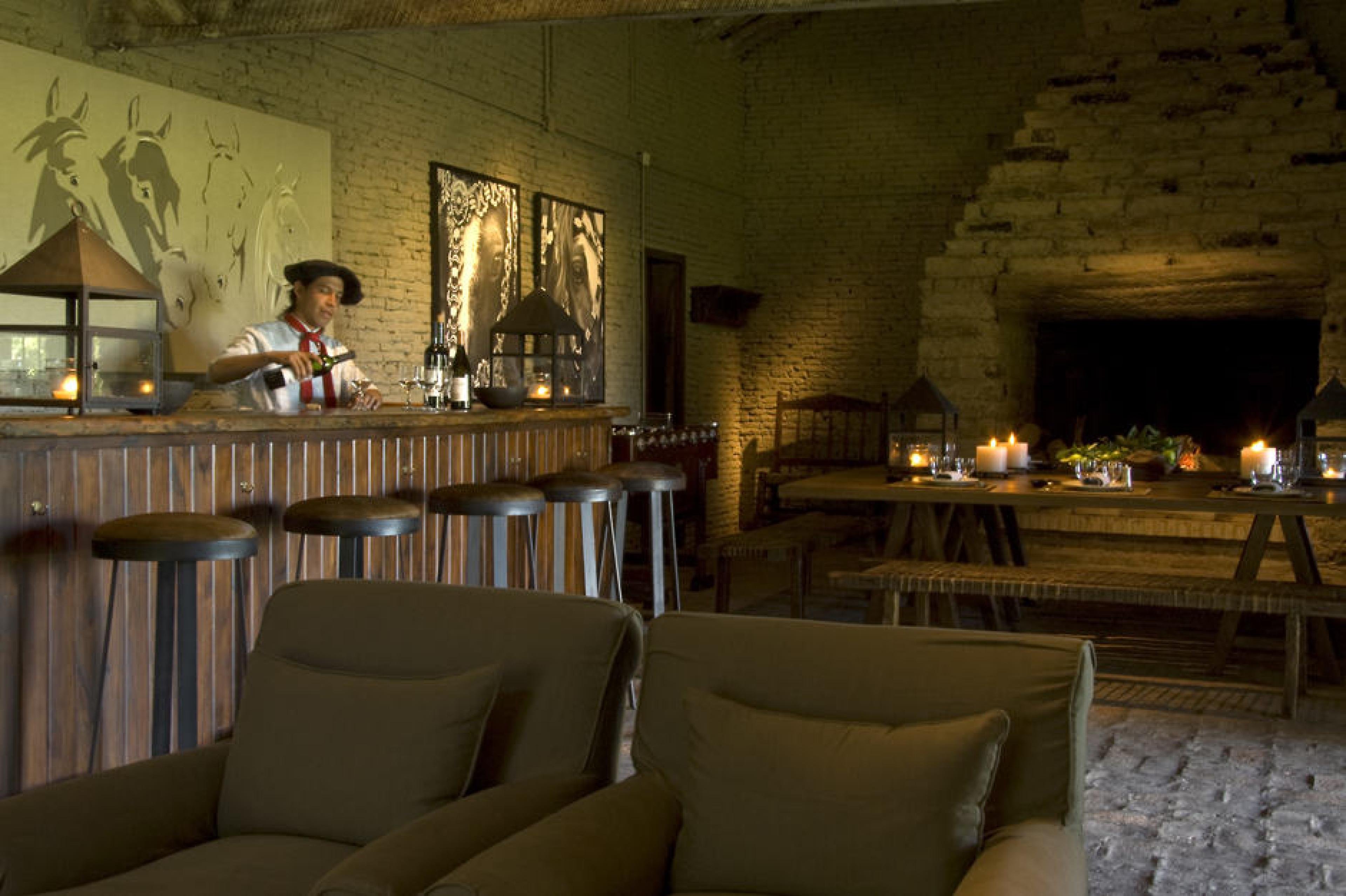
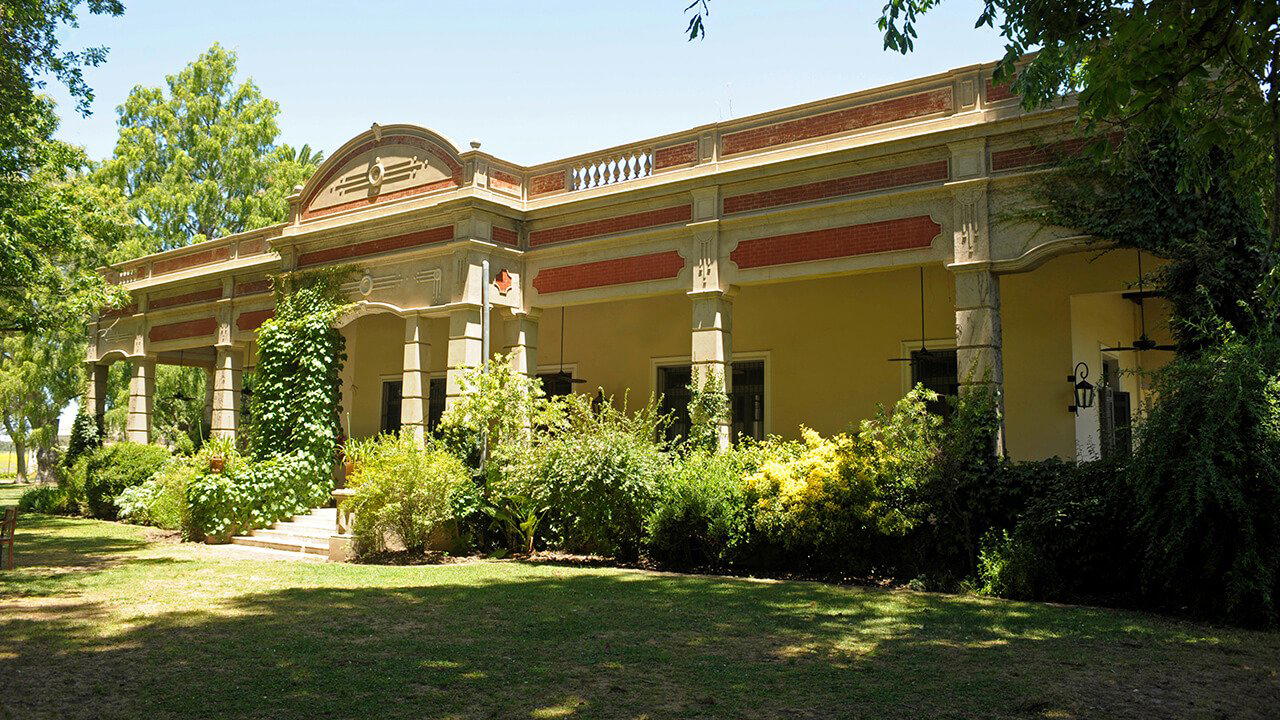
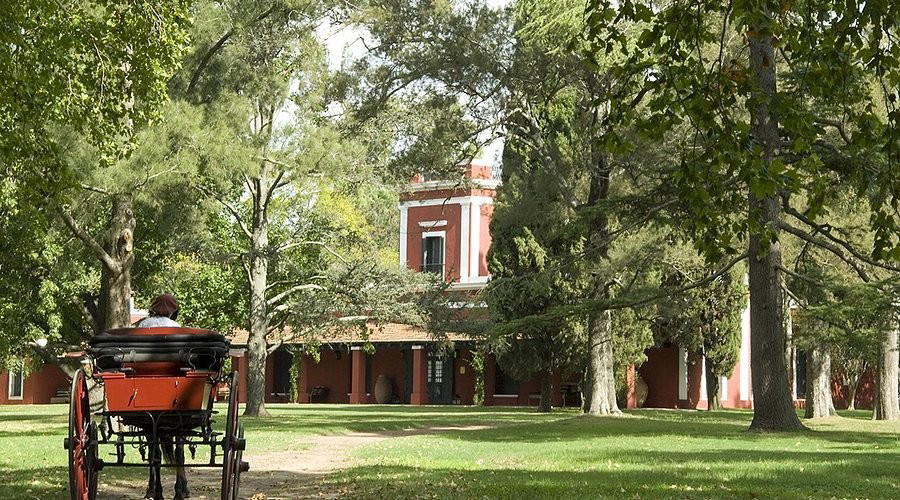
The village context shapes the visit as much as the distillery itself. Carlos Keen's weekend character is unhurried and food-centred, with parrillas that have operated for twenty or thirty years drawing the kind of crowd that treats the 90-minute drive from Buenos Aires as part of the experience rather than a barrier. The distillery sits within that rhythm. This is not a place built around tasting-room theatre or visitor-centre spectacle; the scale is small, the setting is agricultural, and the surrounding countryside delivers the same flat, sky-heavy panorama that defines rural Buenos Aires Province.
Practically, Carlos Keen is most accessible by private car or remis from Buenos Aires. Public transport connections are limited, and the village has no hotel infrastructure of note, which means most visitors come as a day trip from the capital or combine the stop with a longer Pampas itinerary. Weekends draw more activity than weekdays across the village's food and drink operations, and the asado tradition means that midday Saturday and Sunday are peak hours for the area as a whole. Anyone arriving to visit Brightfield specifically should confirm access arrangements in advance, given the absence of published booking or hours data.
What to Taste and How to Approach the Visit
Start with whatever the distillery presents as its primary production, the Pearl 2 Star Prestige rating signals that the core range has passed independent scrutiny, and that is where the terroir argument plays out most directly. In craft distilling at this tier, the house style tends to be most legible in unflavoured or lightly aged expressions rather than in heavily modified or botanical-forward products, though that guidance should be tested against what Brightfield offers on the day.
The broader Argentine spirits context suggests a category in early development. The wine regions, Mendoza, Salta, Patagonia, have decades of export identity and international recognition behind them. Spirits from Buenos Aires Province are working without that established frame, which makes visits to producers like Brightfield less about benchmarking against a settled standard and more about observing a production tradition at a formative stage. For travellers who engage with that kind of early-category interest, it is an instructive visit. The award recognition confirms the quality floor; the rural Pampas setting shapes the experience around it.
For those building a wider Argentine producer itinerary, Bodega Trapiche in El Trapiche offers a contrasting scale and production history within the domestic industry, while the high-altitude expressions at Bodega Colomé in Molinos provide the starkest geographic counterpoint to what the Pampas lowlands produce.
Continue exploring
More in Carlos Keen
Wineries in Carlos Keen
Browse all →
Restaurants in Carlos Keen
Browse all →
At a Glance
rustic village setting