
Bric Cenciurio suits drinkers who want Barolo framed through land rather than spectacle: family-run, small-scale, and tied to vineyards across Barolo, Castellinaldo, and Magliano Alfieri. Its appeal is the Langhe-Roero split, where Nebbiolo, Arneis, Riesling, Barbera, Moscato d’Asti and grappa sit inside a quietly traditional cellar culture.

Pearl is the En Primeur Club membership app — saves, bookings, and concierge access live there. Same editors, same standards.
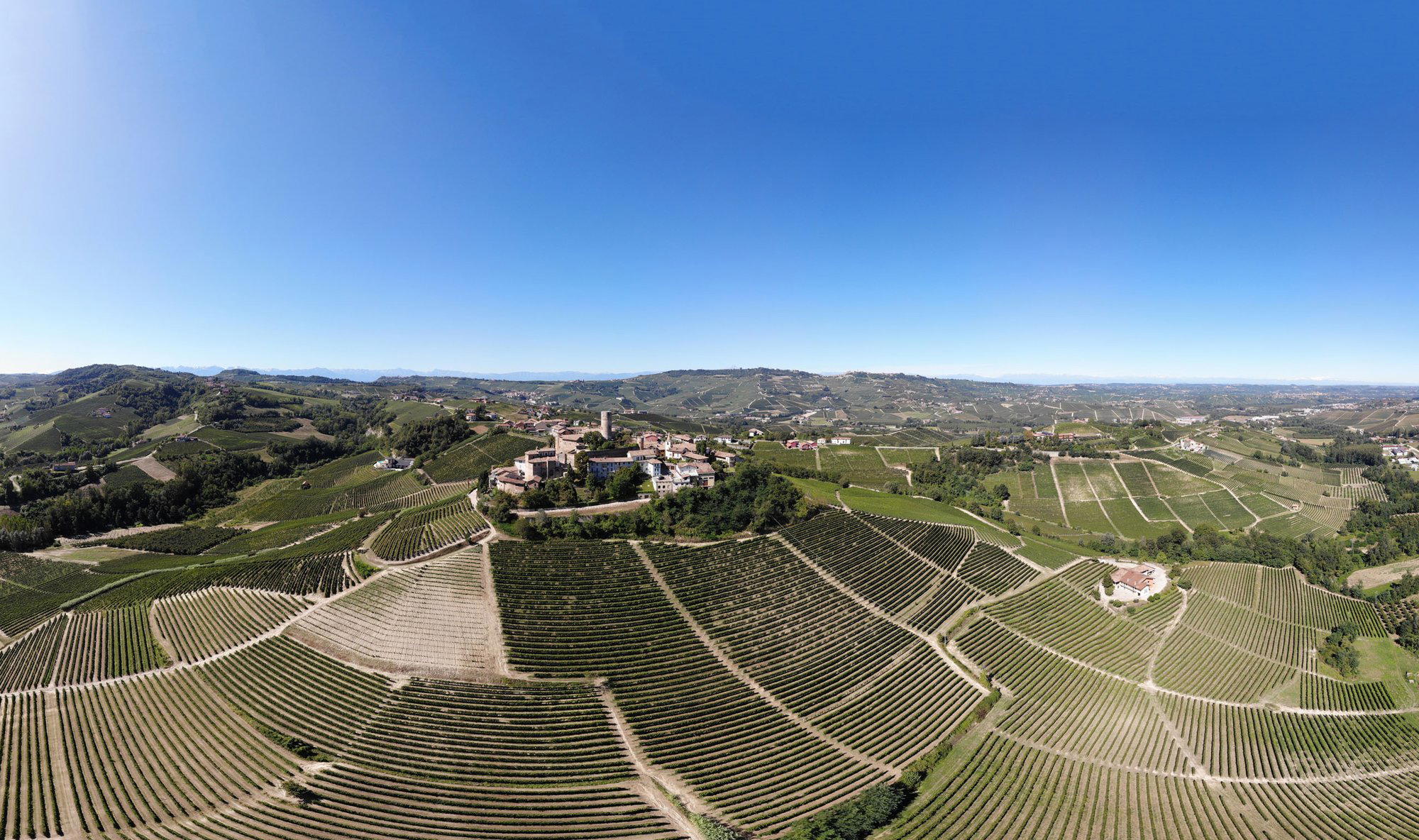
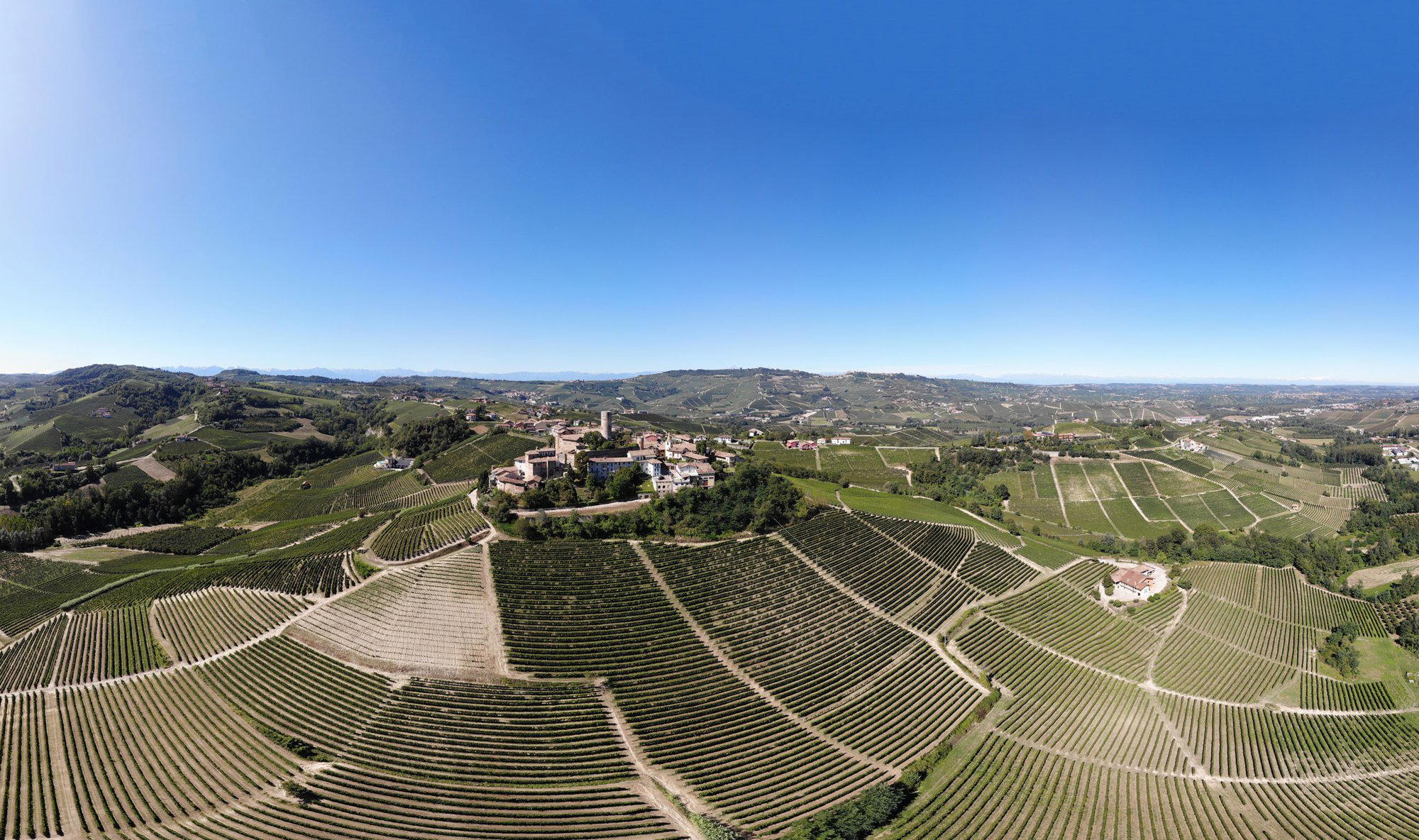
The approach to Bric Cenciurio is all Langhe geometry: hills folding around the cellar, vineyard rows forming a natural amphitheatre, and Barolo close at hand. What can be said with confidence is that the estate presents a quiet, family-run winery atmosphere, with scenic countryside views and a traditional focus on terroir-driven wines. It is a setting where the first impression is not driven by scale or display, but by the relationship between the cellar, the slopes and the surrounding countryside. The landscape is part of the experience from the outset, giving the estate a grounded Barolo identity before any specific bottle or tasting detail enters the conversation.
Barolo seen through a Langhe lens
Bric Cenciurio is best understood as a Barolo wine estate set in the Langhe hills, where the surrounding vineyards shape the sense of place as much as the cellar itself. The picture is rural and restrained: a family-run property, a natural amphitheatre of vines, and a winery mood that favours landscape, continuity and terroir over spectacle. In that sense, the estate sits comfortably within a Barolo frame where place is never just background; it is the main language through which the winery is read.
The emphasis on a natural amphitheatre is useful because it conveys more than a scenic view. It suggests a property visually enclosed by its vineyards, with the cellar held within the folds of the hills rather than standing apart from them. For a visitor, that can make the estate feel intimate and coherent, with the countryside giving structure to the visit and reinforcing the sense that the wines are meant to be understood through their origin.
Beyond that core identity, specific production details, founding dates, named people, vineyard holdings and cellar methods are not confirmed here. For planning purposes, the safer reading is simple: Bric Cenciurio is a traditional Barolo estate with a scenic setting and a focus on wines rooted in place. That reading avoids overclaiming while still identifying the essential character of the venue: a winery where the Langhe hillside context is central.
That restraint matters. In Barolo, it is easy to turn any estate profile into a list of bottlings, ageing regimes or vineyard claims. The result is a more careful kind of recommendation, one that points toward the mood and setting without pretending to verify details that are not established here.
Terroir-driven wines in a quiet estate setting
Rather than invent those details, the useful frame is broader: visitors should expect a terroir-led Barolo estate experience, with the landscape and traditional winery setting doing much of the explanatory work. The point is not to reduce the estate to scenery, but to recognise that in this case the confirmed information is strongest around place, atmosphere and the family-run character of the property.
Within that frame, terroir-driven should be read in a grounded, practical way. The estate is presented as one whose identity is tied to the surrounding vineyards and to the Langhe hills themselves. Without adding claims about technique or range, it is still fair to say that the visit is best approached through the connection between wine, site and countryside. The vineyards around the cellar are not incidental; they are the visual and conceptual centre of the experience described here.
The estate’s appeal is not presented here through awards, scores, seat counts, menu formats or named bottles. It is presented through setting and atmosphere: vineyards wrapping the cellar, countryside views, a rustic tone and a family-run identity in Barolo. That makes the venue feel less like a checklist stop and more like a quiet expression of the Langhe, where the surrounding hills provide the strongest context for understanding what the estate is about.
For travellers, that makes the winery a place to approach as part of a Barolo wine itinerary focused on landscape and tradition. Any detailed tasting arrangements, bottle availability or production specifics should be checked directly with the estate before visiting.
How to place it within a Barolo itinerary
The winery works well for travellers building a Barolo day around terroir expression rather than spectacle. The overall register is family-run and rural, with a quiet, traditional winery atmosphere and scenic views across the surrounding Langhe hills. It is the kind of stop that fits best when the aim is to slow down, look closely at the countryside and let the vineyard setting explain why Barolo is so closely tied to place.
For wider planning, use general Barolo resources for restaurants, hotels, bars, experiences and other winery visits. Other dining and wine options in Barolo can be considered generically, but the winery’s appeal rests on its own setting: a family-run Barolo estate with vineyards forming a natural amphitheatre around the cellar. In an itinerary, that gives it a clear role: not as a venue defined here by spectacle or exhaustive detail, but as a quiet, landscape-led winery stop rooted in the Langhe hills.
Recognition history
Dated appearances from independent guides and award organizations, with the underlying list record or original source where available.
Falstaff Winery - Listed
Falstaff
Continue exploring
More in Barolo
Wineries in Barolo
Browse all →
Bars in Barolo
Browse all →
Restaurants in Barolo
Browse all →
At a Glance
- Scenic
- Rustic
- Classic
- Intimate
- Elegant
- Romantic Getaway
- Group Outing
- Wine Education
- Special Occasion
- Solo Exploration
- Vineyard Tour
- Estate Grounds
- Panoramic View
- Barrel Room
- Private Tasting
- Sustainable
- Vineyard
- Mountain
- Garden
- Barolo DOCG
- Nebbiolo
- Arneis
- Barbera
- Pinot Nero
- Chardonnay
- Riesling Renano
- Timorasso
- Dolcetto
- Freisa
- Brachetto Del Roero
- Cabernet Sauvignon
- Still Red
- Still White
- Sparkling
- Guided Tasting
- Cellar Tour
- Vineyard Visit
- Private Tasting
Family-run Barolo estate in the Langhe hills with vineyards forming a natural amphitheater around the cellar, offering scenic countryside views and a quiet, traditional winery atmosphere focused on terroir-driven wines.