
Falstaff Winery - Listed
A historic family bodega in Arnedo, Bodegas Faustino Rivera Ulecia reads Rioja through cellar humidity, barrel texture, Tempranillo-led reds and a broader Spanish portfolio. The appeal is not spectacle but context: five generations of winemaking, an 1899 origin story, and a tasting format that links DOCa Rioja with Ribera del Duero, Navarra, Rías Baixas and Utiel Requena.

Pearl is the En Primeur Club membership app — saves, bookings, and concierge access live there. Same editors, same standards.
- Address
- Arnedo, La Rioja, La Rioja, Spanien
- Directions
- Get directions
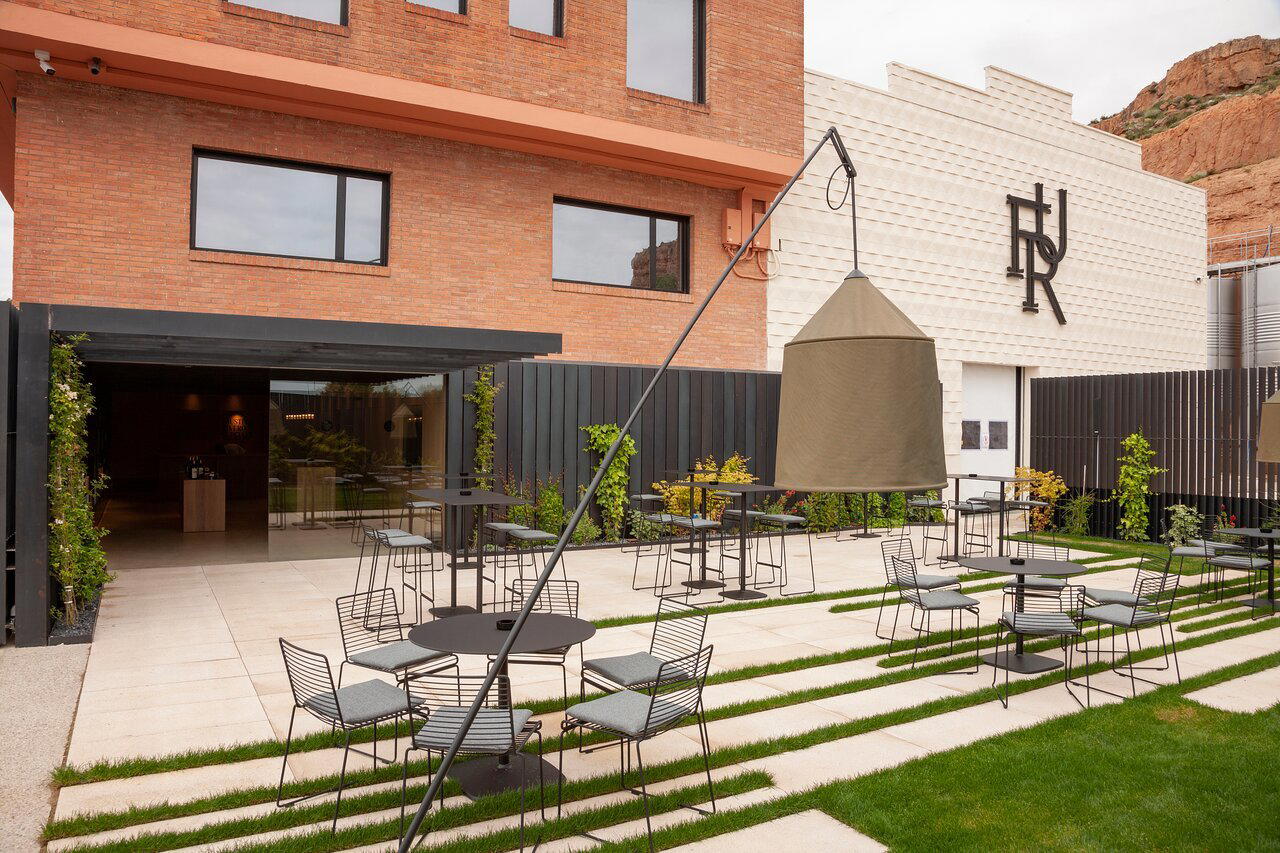
Arnedo’s wine culture can feel especially vivid when it is approached through physical detail: cool floors underfoot, barrel aromas in the air, cellar humidity and the quiet atmosphere of a traditional bodega. Bodegas Faustino Rivera Ulecia belongs to that older Rioja register, where the visitor experience is less about spectacle and more about reading the region through a traditional cellar and the practical language of enotourism. It is the kind of place where the setting does much of the interpretive work, allowing the atmosphere of the cellar to carry the first impression before any wider explanation is needed.
Set on the outskirts of Arnedo, Bodegas Faustino Rivera Ulecia is best understood as a historic family Rioja bodega with a relaxed, educational atmosphere. The appeal is sensory rather than showy: the humidity of the floors, the texture of the barrels and the aroma of the cellar shape the visit more than any invented luxury narrative. That gives the bodega a grounded quality, especially for travellers who are more interested in understanding how a traditional wine space feels than in being guided through a polished performance.
Rioja, read through cellar air and barrel texture
For travellers approaching Arnedo through wine, the useful frame is simple: this is a Rioja bodega where the cellar itself is central to the experience. Rather than relying on claims about specific soils, grape varieties, production figures or awards, the grounded reason to visit is the traditional bodega setting and the way it lets guests slow down and notice the physical conditions of the cellar. In that sense, the visit is as much about attention as information: noticing temperature, surfaces, smell and silence, and letting those details make the idea of Rioja more tangible.
The family character matters because it helps explain the tone of the place: relaxed, direct and educational. Bodegas Faustino Rivera Ulecia is not best presented as a trophy address or a spectacle-driven winery. Its strength is the quieter encounter with cellar humidity, barrel texture and the aromas associated with a historic Rioja bodega in Arnedo. That quieter register is part of the appeal, particularly if you prefer wine tourism that feels rooted in place rather than dressed up for effect.
A cellar-led educational experience
The experience at Bodegas Faustino Rivera Ulecia is enotourism-focused and educational in mood. Visitors should expect the emphasis to fall on the traditional cellar environment and on sensory observation: how the space feels underfoot, how barrels contribute to the atmosphere and how cellar aromas shape the impression of the bodega. The educational value comes from this close reading of the setting, where the visit encourages guests to connect wine culture with the material reality of a working cellar environment.
Specific claims about tasting formats, wine counts, named denominations, grape blends, prices per person, production data, ratings or awards are not stated here because they are not part of the available information. The safer and more useful planning note is that the venue sits in the $$ price band and offers a relaxed Rioja bodega context. Keeping the description restrained also protects the experience from false expectations: it is better approached as a traditional, atmosphere-led visit than as a checklist of unverified extras.
That restraint is important for expectations. Come for a historic family Rioja bodega on the outskirts of Arnedo, a traditional cellar and a grounded introduction to the physical side of wine culture. If the goal is to leave with a clearer sense of how Rioja can be understood through place, texture and cellar atmosphere, the bodega fits that purpose well.
How to place it within an Arnedo wine day
Bodegas Faustino Rivera Ulecia works well as a calm wine-focused stop within Arnedo. Because the appeal is cellar atmosphere and educational enotourism, it makes sense to leave time around the visit rather than treating it as a rushed checklist item. A slower pace suits the kind of attention the bodega invites, giving the cellar’s physical details enough room to register instead of being reduced to a quick stop between plans.
For a broader day in Arnedo, pair the bodega with other local dining or leisure plans in the city, keeping those choices generic unless you have confirmed current details. Against that local backdrop, Bodegas Faustino Rivera Ulecia is most persuasive as an accessible, cellar-led introduction to Rioja atmosphere: historic, family-rooted, sensory and relaxed. It is a useful counterpoint to more elaborate wine tourism, precisely because its strongest qualities are modest, tactile and closely tied to the traditional bodega setting.
Recognition history
Dated appearances from independent guides and award organizations, with the underlying list record or original source where available.
Falstaff Winery - Listed
Falstaff
Continue exploring
More in Arnedo
Wineries in Arnedo
Browse all →
Bars in Arnedo
Browse all →
Restaurants in Arnedo
Browse all →
Details
- Classic
- Rustic
- Scenic
- Intimate
- Group Outing
- Wine Education
- Romantic Getaway
- Solo Exploration
- Special Occasion
- Corporate Event
- Barrel Room
- Historic Building
- Private Tasting
- Mountain
- Vineyard
- Tempranillo
- Still Red
- Still White
- Still Rosé
- Sparkling
- Guided Tour + Tasting
- Barrel Room Tasting
- Multi Denomination Tasting
- Spanish
- English
Historic family Rioja bodega on the outskirts of Arnedo with a traditional cellar, barrel aromas, and a relaxed, educational enotourism atmosphere focused on sensing the humidity of the floors, the texture of the barrels, and the aroma of the grapes.