
Falstaff Winery - 1 Stars
Bodega Nuestra Señora de Vico gives Arnedo a cooperative Rioja lens rather than an estate-winery narrative. Founded in 1956, it draws on roughly 400 member growers and 350–400 hectares tied to valleys and sierras within a UNESCO biosphere-reserve setting, with DOCa Rioja reds, whites and rosés shaped by scale, altitude and communal farming.

Pearl is the En Primeur Club membership app — saves, bookings, and concierge access live there. Same editors, same standards.
- Address
- Arnedo, Rioja Baja, La Rioja, Spanien
- Directions
- Get directions
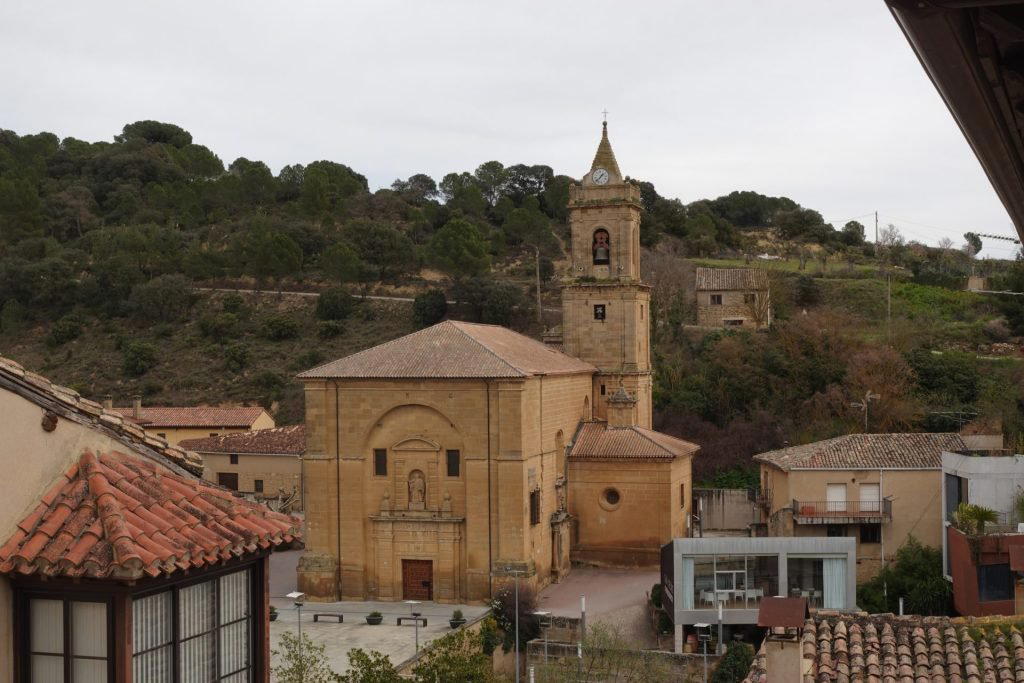
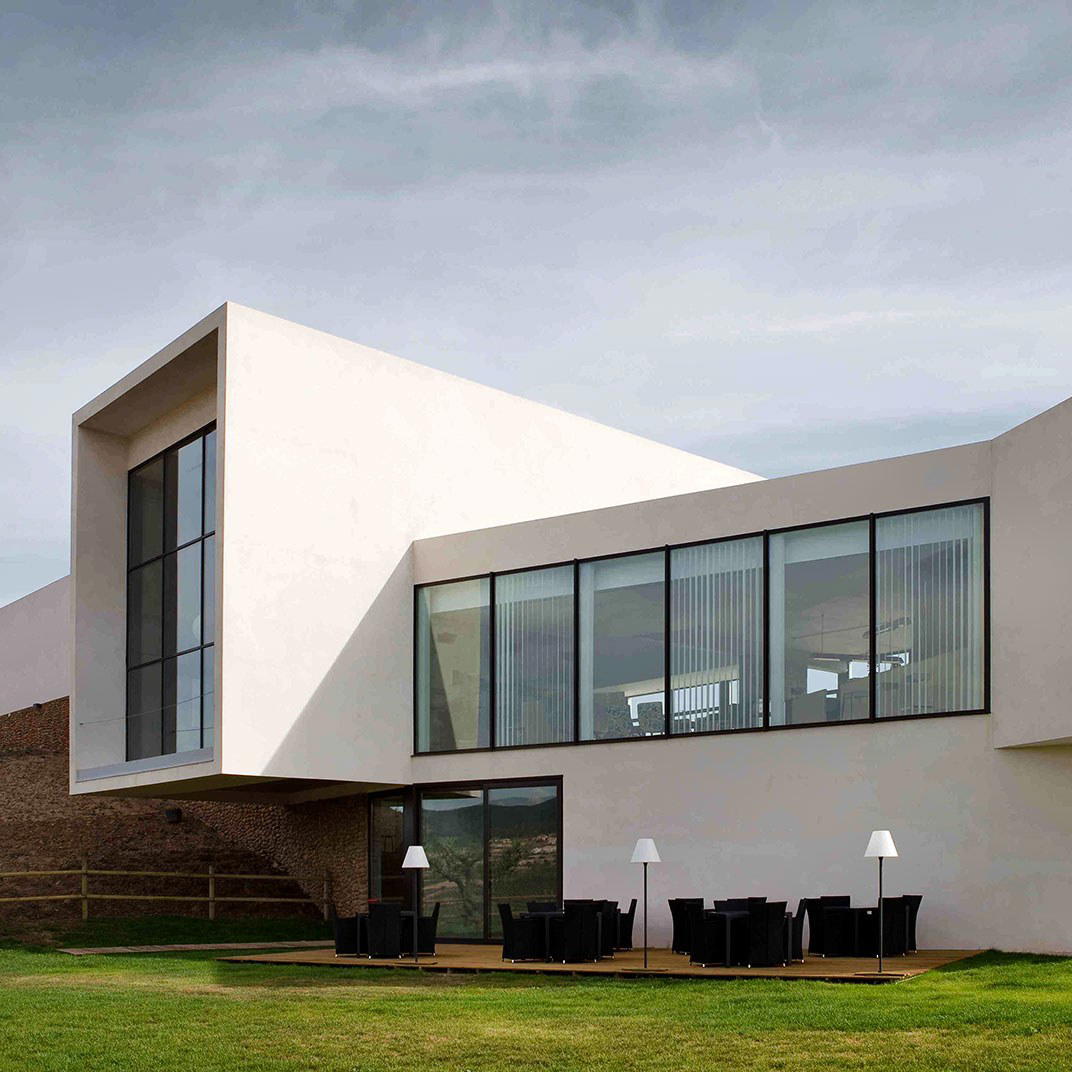
Approaching Arnedo means trading the manicured château fantasy for a more functional regional scene: valleys, sierra lines, working roads and a countryside landscape shaped by agriculture. Bodega Nuestra Señora de Vico belongs to that terrain. Its character is not built around a single auteur narrative or polished hospitality mythology, but around the traditional Rioja cooperative model and modernized facilities focused on efficient vinification.
That matters in Arnedo because Rioja can often be read through private estates, cellar architecture and brand hierarchies. The cooperative tradition tells a different story. Here, the interest is social and agricultural as much as it is stylistic: a winery rooted in a regional farming landscape, with a practical countryside feel rather than a boutique-hospitality posture. For wider planning, consider other dining and local options in Arnedo generically alongside the winery context.
Rioja through a cooperative lens
Bodega Nuestra Señora de Vico is best understood as a traditional Rioja cooperative winery with modernized facilities. In wine-travel terms, that makes it a useful counterpoint to small-production, personality-led estates. The interest here lies in how a cooperative cellar can organize efficient vinification and present a regional expression of place.
The setting gives the winery much of its editorial argument. The landscape is associated with valleys and sierras, with a biosphere-reserve context that frames the experience as countryside Rioja rather than urban luxury. This is a rustic, classic and scenic setting with a functional edge: the appeal is the regional working character of the place, not a scarce-allocation or design-led drama.
Because only limited public detail is available here, it is better to read Bodega Nuestra Señora de Vico through its confirmed identity than through invented specifics. The grounded facts are enough to establish the point: a traditional cooperative in Arnedo, set in a valley-and-sierra landscape, with modernized facilities built around efficient vinification.
What the land contributes before the cellar takes over
Rioja’s public image often leans on familiar cellar language, yet land still does the first work. Around Arnedo, the combination of valleys, sierras and countryside atmosphere creates a grounded reference point. Bodega Nuestra Señora de Vico’s value is in making that regional structure visible: a cooperative winery shaped by its setting and by practical production needs.
Modernized facilities are part of that translation. Cooperative wineries can be underestimated by travelers hunting for low-capacity romance, but efficient vinification is central to the model. The result is not framed here as a tiny single-parcel story; it is a more collective and functional expression of Rioja’s countryside identity.
For travelers comparing Spanish wine regions, this is the useful distinction. A traditional cooperative in Arnedo shows a different kind of wine context: how shared infrastructure, regional landscape and practical cellar work can define the experience as much as individual branding or architectural spectacle.
How to read the experience in Arnedo
The atmosphere is rustic, classic, scenic and practical rather than theatrical. That suits the subject. The confirmed picture is less about luxury staging and more about understanding how a cooperative winery fits into a regional countryside setting. The available facts point to production context, place, modernized facilities and a working regional identity.
Within Arnedo, Bodega Nuestra Señora de Vico works well as part of a broader local itinerary rather than an isolated claim of luxury or rarity. Pair the winery context with other Arnedo dining or countryside plans, keeping expectations focused on its cooperative identity, modernized facilities and regional feel.
The editorial reason to pay attention is clear: this is Rioja seen through cooperative tradition, biosphere-reserve landscape and working-scale practicality. The listed price level is $$, but the main lesson is not cost. It is how Arnedo’s terrain and cooperative structure give Bodega Nuestra Señora de Vico a readable sense of place.
Recognition history
Dated appearances from independent guides and award organizations, with the underlying list record or original source where available.
Falstaff Winery - 1 Stars
Falstaff
Continue exploring
More in Arnedo
Wineries in Arnedo
Browse all →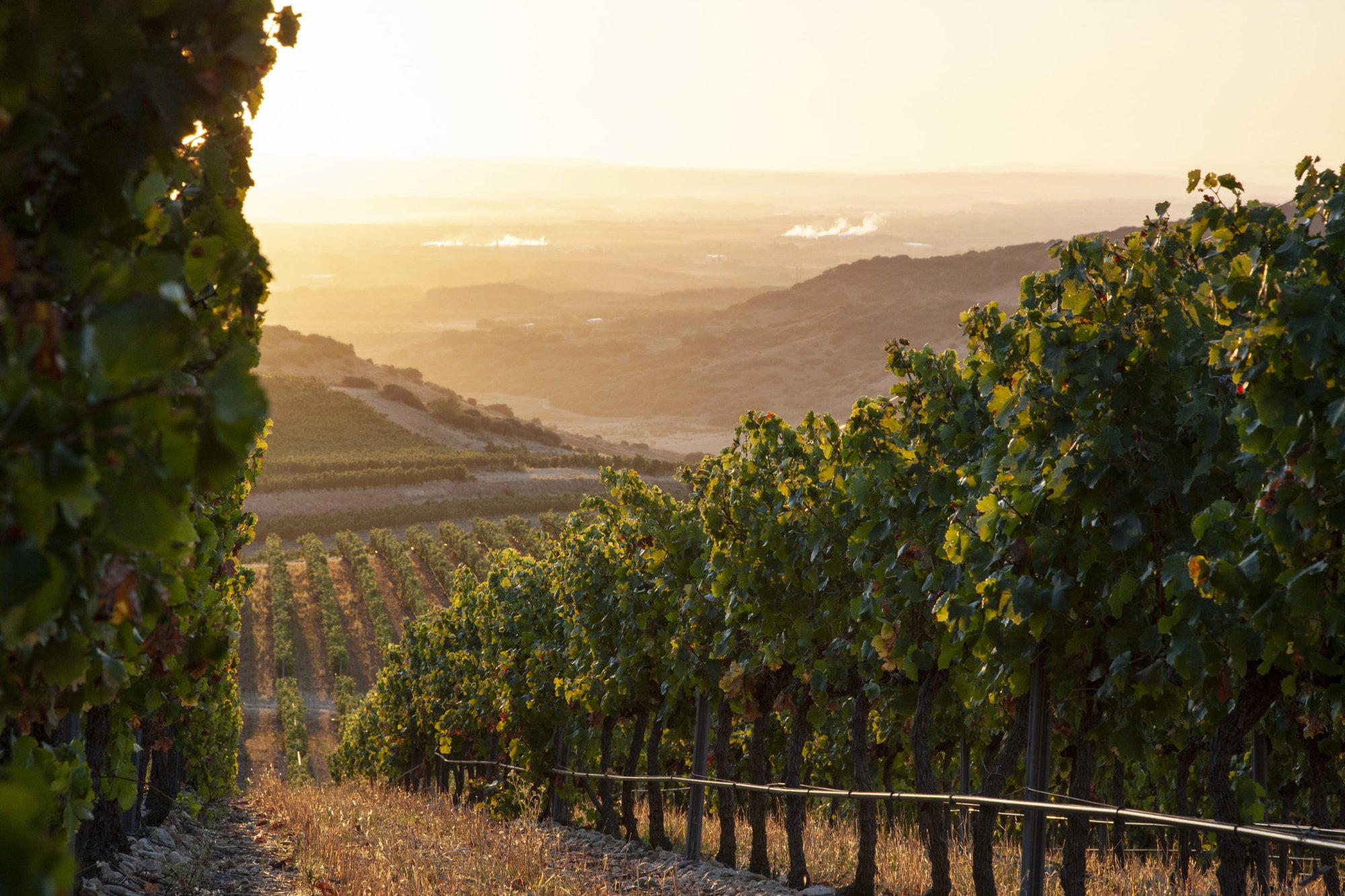
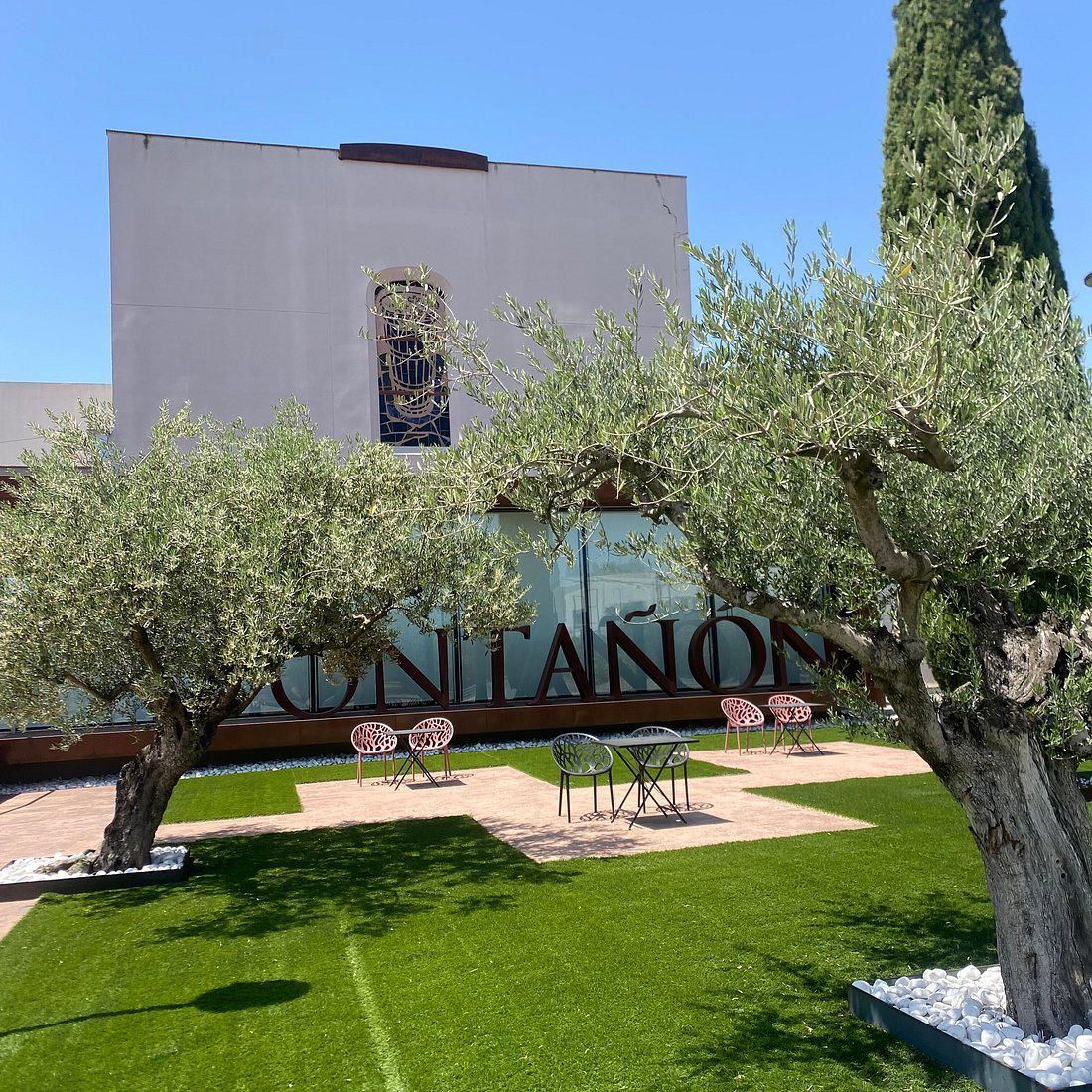
Bars in Arnedo
Browse all →
Restaurants in Arnedo
Browse all →
Details
- Rustic
- Classic
- Scenic
- Group Outing
- Wine Education
- Solo Exploration
- Sustainable
- Mountain
- Vineyard
- Still Red
- Still White
- Still Rosé
Traditional Rioja cooperative winery with modernized facilities focused on efficient vinification, set among valleys and sierras with a biosphere-reserve landscape, giving a functional yet regional, countryside feel.