Google: 4.1 · 136 reviews

Bodega Etchart sits on Ruta Nacional 40 at the edge of Cafayate, one of Argentina's high-altitude wine regions, and holds a Pearl 2 Star Prestige rating for 2025. The bodega represents the serious commercial tier of Calchaquí Valley production, where Torrontés and high-elevation Malbec define the regional identity. A visit here connects to the broader story of Salta's wine industry rather than any single vineyard personality.
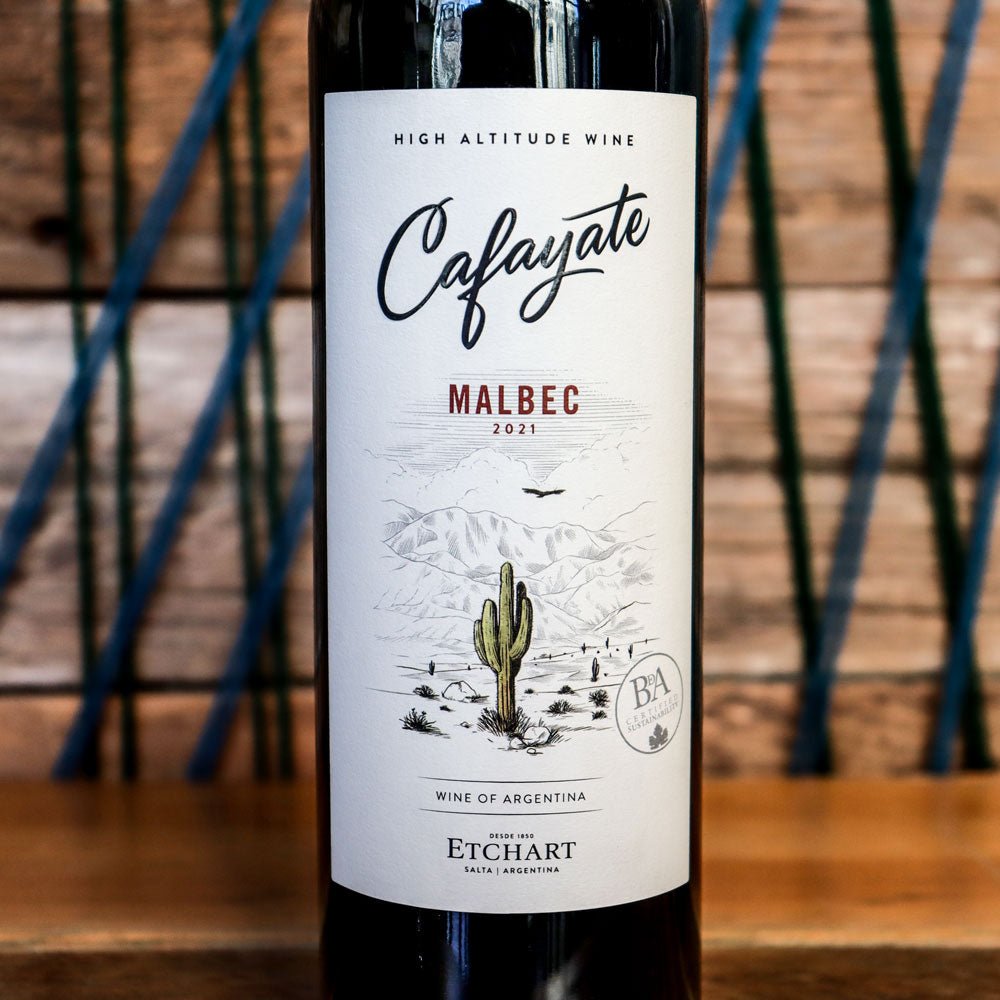
Arriving at Altitude: The Calchaquí Valley in Context
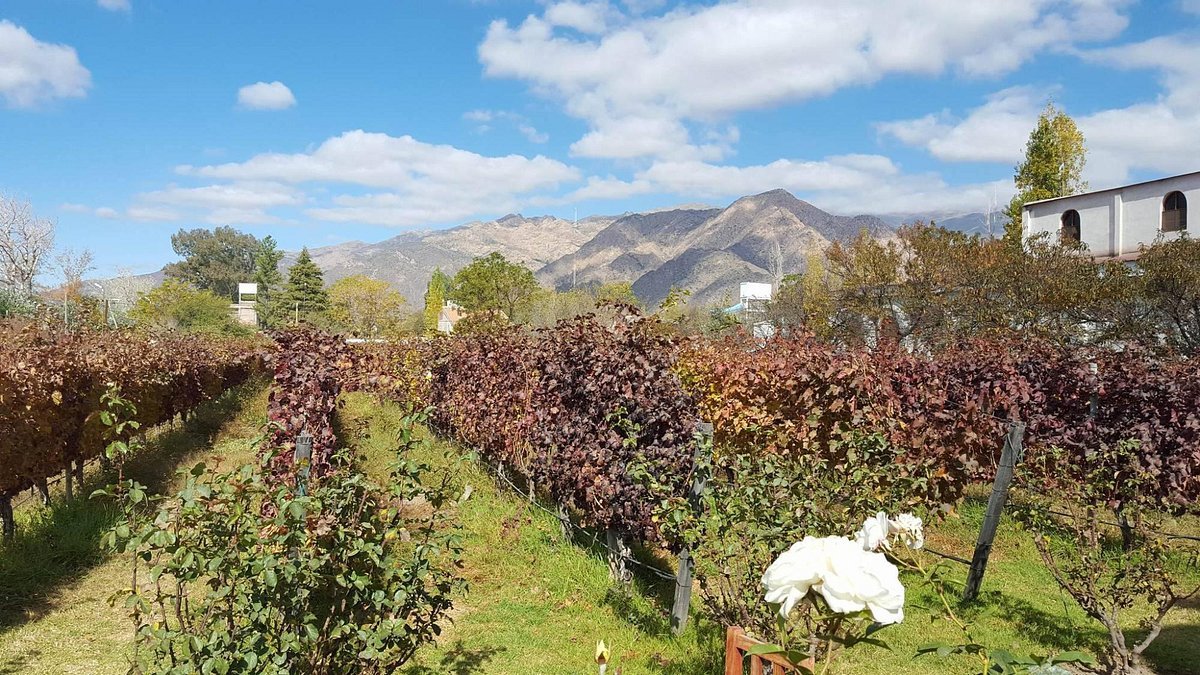
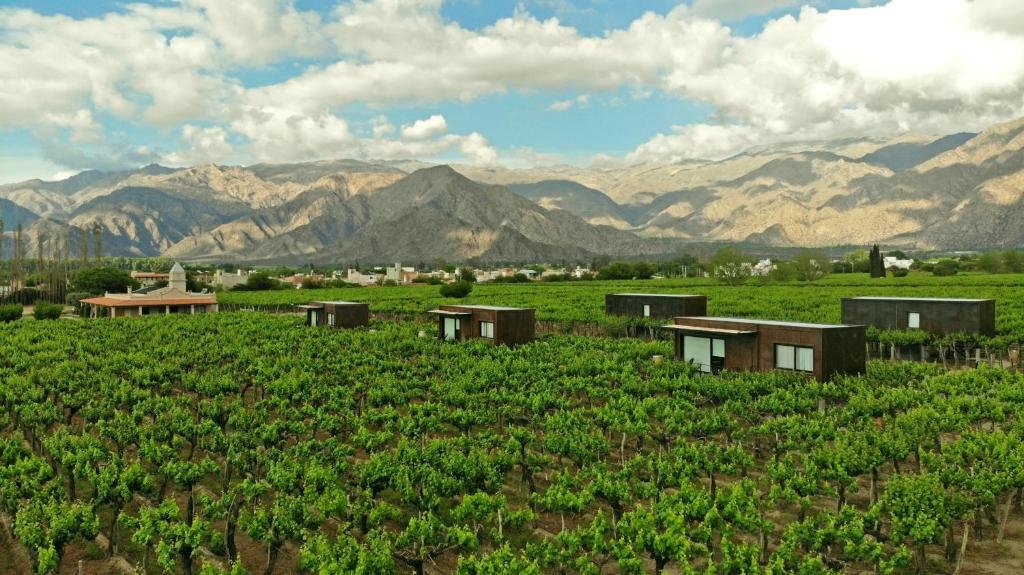
The approach to Cafayate on Ruta Nacional 40 is one of Argentina's more disorienting wine-country arrivals. The road descends through canyon walls of red and ochre sandstone, the elevation drops and rises in short intervals, and the vines appear almost abruptly against a landscape that looks more like the altiplano than anything associated with wine production. Bodega Etchart sits at approximately 1,700 metres above sea level along that same highway, placed where the valley floor widens and the vineyards stretch toward the mountains in both directions. The physical setting frames the tasting experience before you've opened a bottle: this is high-altitude viticulture, with the ultraviolet intensity, diurnal temperature swings, and low humidity that define what Salta's wines taste like relative to Mendoza's.
The Calchaquí Valley operates as a distinct appellation within Argentina's wine geography, and Cafayate is its commercial and reputational centre. Torrontés Riojano, the aromatic white that Argentina has leaned into as a point of national differentiation, finds its most cited expression in this valley. Malbec grown here carries a different profile from its Mendoza equivalent: higher tannin structure, more pronounced acidity, and fruit that tends toward dark berry rather than plum. Understanding these regional signatures matters when you sit down at any Cafayate tasting room, and Etchart's position on the main highway puts it at the entry point of that education for many visitors.
Where Etchart Sits in the Cafayate Tasting Room Hierarchy
Cafayate's bodegas divide roughly into three tiers. The small family producers, several of which operate out of converted colonial buildings near the town plaza, occupy one end of the spectrum. The mid-scale operations with organised tasting programs and export portfolios sit in the middle. And then there are the larger commercial houses with national distribution and international recognition. Etchart belongs to the third category, with a scale of production and a presence on the highway that signals a structured visitor operation rather than an intimate producer visit.
That context matters for setting expectations. A visit to Bodega Nanni or Domingo Hermanos feels like walking into a working family winery where the tasting table is close to the barrel room and the conversation is personal. Etchart operates at a different register, closer to the format you'd encounter at a well-organised estate winery in Rioja or the Clare Valley: a dedicated tasting space, a range of wines that spans entry-level to premium, and a flow designed to handle multiple visitor groups without losing coherence. Neither format is inherently superior; they serve different purposes in a well-planned Cafayate itinerary.
The 2025 Pearl 2 Star Prestige award from EP Club places Etchart in the upper tier of recognised producers in the region, alongside peers like Bodega El Esteco and Bodega Amalaya. That rating reflects consistency at scale, which is a different achievement from the precision of a small-batch producer but no less relevant to what the valley's wine industry represents internationally.
The Tasting Experience: Format and What to Expect
High-altitude tasting rooms present a specific sensory challenge that most visitors don't anticipate. The light in the Calchaquí Valley at this elevation is intense even in the middle of the day, and the air is dry in a way that affects how wines read on the palate. Wines that would show as soft and round at lower elevations carry more definition here, and the aromatic compounds in Torrontés in particular seem to project with unusual clarity. Whether Etchart's tasting room takes advantage of this through its physical design is something to assess on arrival, but the regional conditions set the stage regardless of venue architecture.
What you can expect from a structured tasting at this tier of producer is a range that moves from the regional white varieties through to reserve-level reds. Torrontés is the starting point for most visitors and a reasonable test of how a producer interprets the variety: the tension in good Cafayate Torrontés sits between the floral aromatics that make it distinctive and the acidity that prevents it from becoming cloying. Malbec at altitude is the second defining category. The comparison across the valley's producers, from the approachable mid-range bottles to the reserve expressions from houses like Domingo Molina, maps the range of what this elevation does to the variety.
For visitors building a multi-day Cafayate itinerary, the sequencing of bodega visits shapes the overall experience. A large, highway-facing producer like Etchart works well early in a stay, when the goal is orientation into the region's wine identity rather than specialist depth. Later visits to smaller producers, or a longer trip north to Bodega Colomé in Molinos for an entirely different altitude and format, benefit from the baseline established by a more structured tasting program.
Cafayate Beyond the Bodega
The town of Cafayate is small enough that wine tourism and general visitor life overlap completely. The central plaza is within easy reach of multiple bodegas, restaurants, and accommodation options, and the rhythm of the place is shaped by harvest season and the school holiday peaks that bring domestic Argentine tourists from Salta city and beyond. The leading months for visiting fall between March and May, when harvest activity adds movement to the valley and temperatures drop from their summer peak, and again in September and October, when the vines are green and the light is at its most photogenic.
For full trip planning across the region, our full Cafayate wineries guide maps the complete set of producers worth visiting, and our full Cafayate restaurants guide covers where to eat between tastings. Accommodation in Cafayate ranges from boutique properties to the larger estate hotels associated with some producers; our full Cafayate hotels guide breaks these down by location and format. For evenings, our full Cafayate bars guide and our full Cafayate experiences guide cover what the town offers beyond the tasting rooms.
Planning a Visit
Bodega Etchart is located on Ruta Nacional 40 at Km 4338, accessible by car from Cafayate town centre. For visitors travelling from Salta city, the drive covers approximately 180 kilometres through the Quebrada de las Conchas, a route that takes between two and a half and three hours depending on stops. The highway approach means the bodega is easy to include as a first or last stop on any route into or out of the valley, which suits visitors who are building a broader Salta wine itinerary that might also include producers to the north. Contact and booking details are leading confirmed directly with the bodega, as hours and tasting formats are subject to seasonal variation. Phone and website details were not available at the time of publication.
Visitors comparing Etchart to producers elsewhere in Argentina's premium wine geography will find useful reference points in Bodega DiamAndes in Tunuyán and Bodega Lagarde in Luján de Cuyo, both of which operate structured visitor programs at a comparable tier. For an international point of comparison in terms of estate-scale tasting room format, Abadía Retuerta in Sardón de Duero offers a useful frame for what a large prestige producer's visitor operation can look like at its most considered.
Peer Set Snapshot
These are the closest comparables we have in our database for quick context.
| Venue | Awards | Notes |
|---|---|---|
| Bodega Etchart | Pearl 2 Star Prestige | This venue |
| Bodega Amalaya | Pearl 2 Star Prestige | |
| Bodega El Esteco | Pearl 3 Star Prestige | |
| Bodega Nanni | Pearl 2 Star Prestige | |
| Domingo Hermanos | Pearl 2 Star Prestige | |
| Domingo Molina | Pearl 2 Star Prestige |
Continue exploring
More in Cafayate
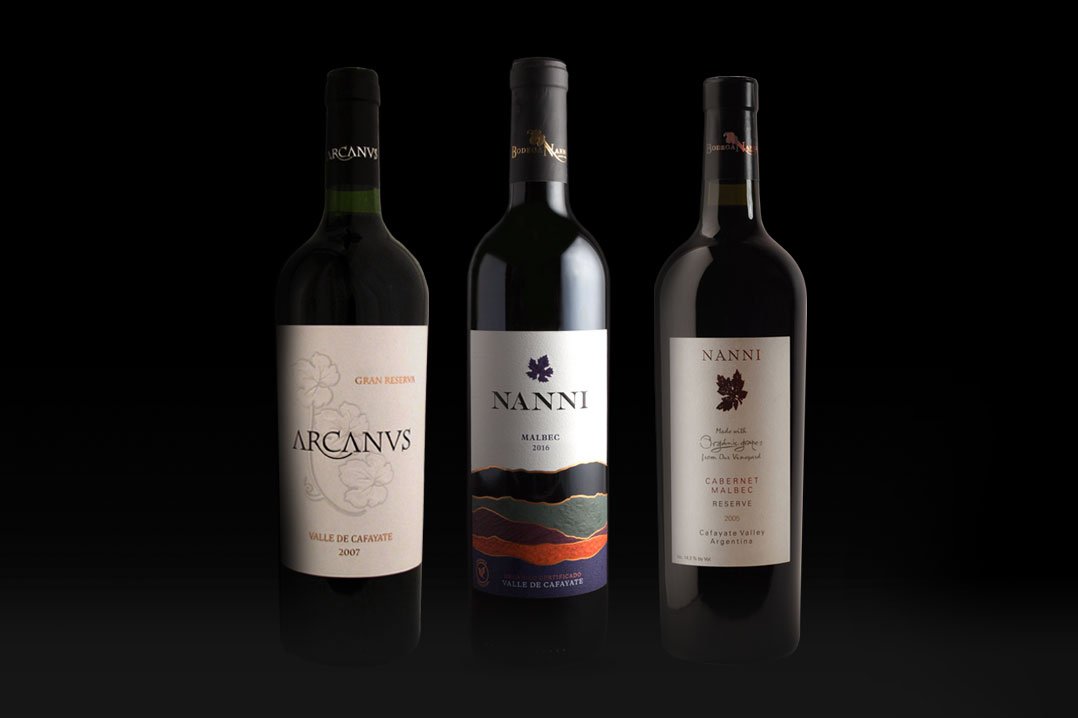
Wineries in Cafayate
Browse all →
Bars in Cafayate
Browse all →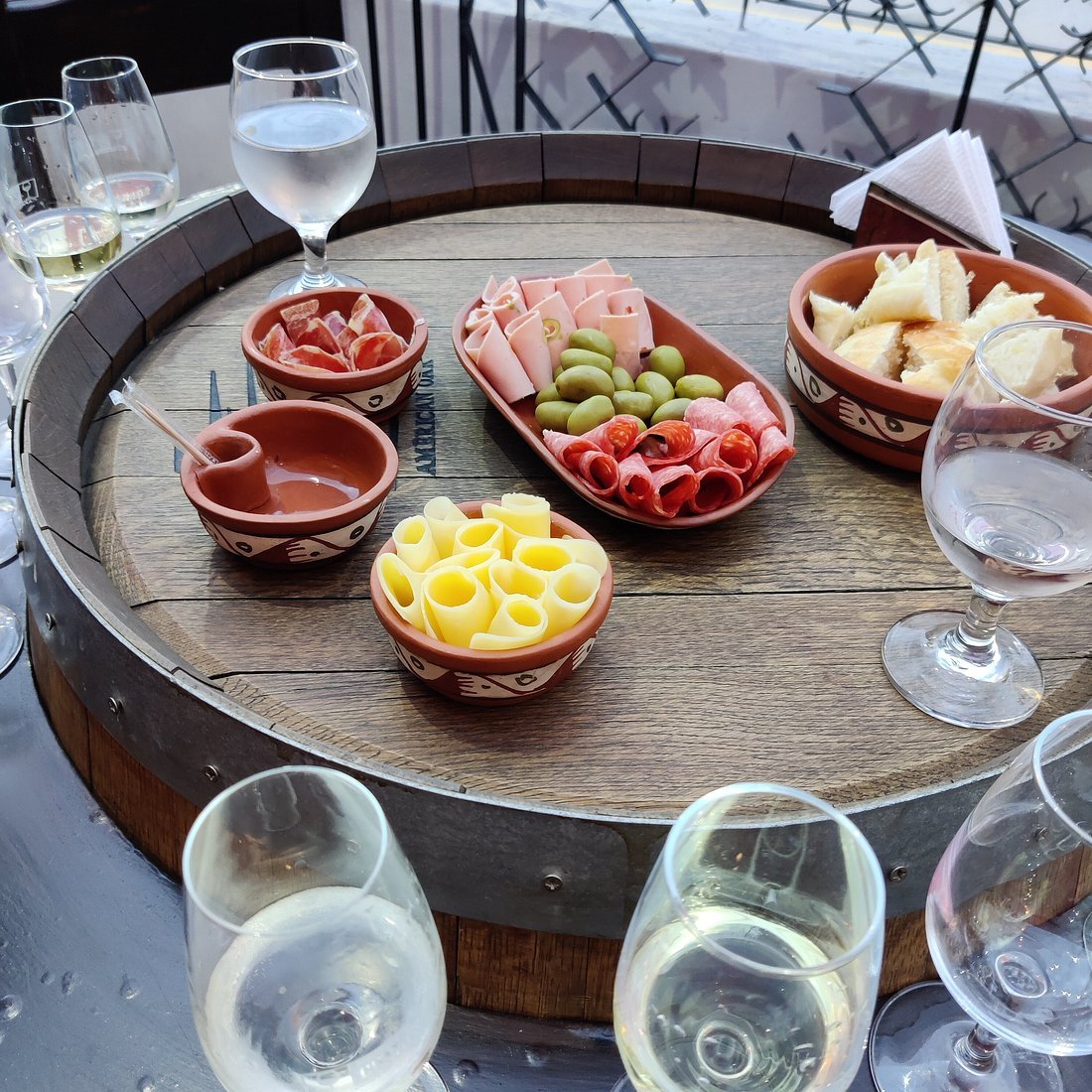
Hotels in Cafayate
Browse all →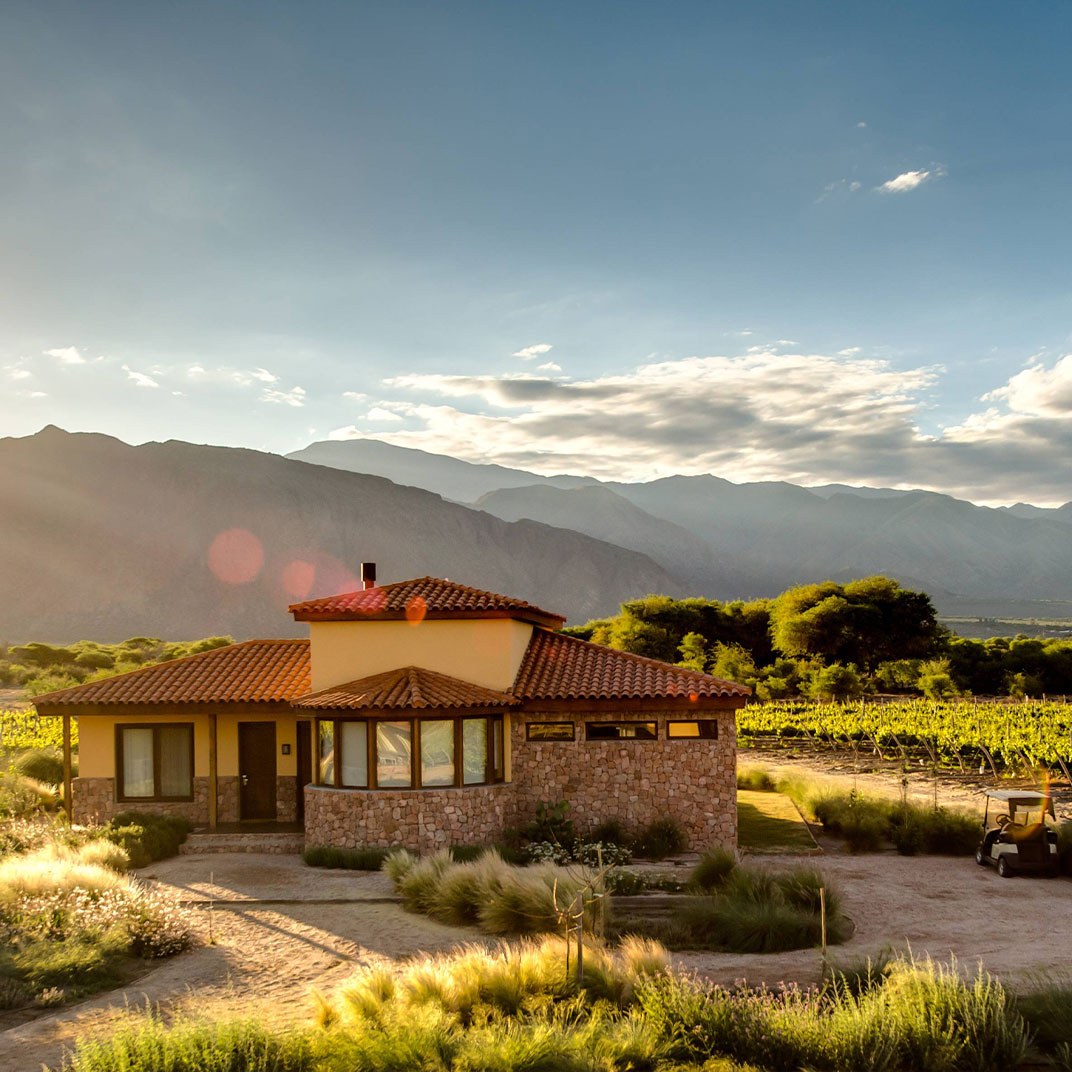
At a Glance
- Rustic
- Classic
- Scenic
- Wine Education
- Solo Exploration
- Vineyard Tour
- Estate Grounds
- Organic
- Mountain
- Vineyard
Rustic historic setting amid high-altitude vineyards with mountain views, offering a classic and scenic wine experience.