Bodega Enrique Vollmer

Falstaff Winery - Listed
Bodega Enrique Vollmer is a small Uco Valley producer whose public profile is shaped more by export channels than by a polished visitor circuit. The clearest case for attention is in the glass: value-led Malbec and Syrah from Mendoza, including a 2015 Syrah rated 87 points by Falstaff, with a working-winery feel rather than a hospitality spectacle.

Pearl is the En Primeur Club membership app — saves, bookings, and concierge access live there. Same editors, same standards.
- Address
- Uco Valley, Mendoza, Argentinien
- Directions
- Get directions
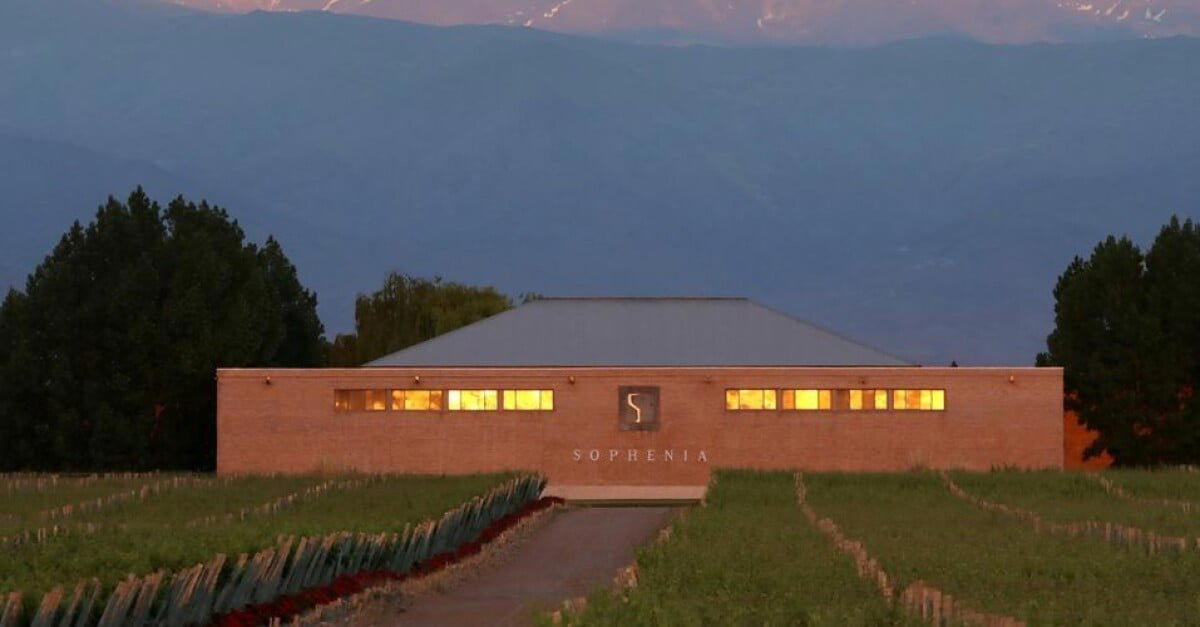
Uco Valley wine travel can include both highly designed visitor estates and quieter producers whose identities are built more around wine than on-site spectacle. Bodega Enrique Vollmer belongs to the quieter side of that picture. The profile is narrow but useful: it is a small Uco Valley producer focused on varietal Malbec and Syrah, with a trade- and export-oriented character rather than a hospitality-led public image. In a region often discussed through polished tasting rooms, ambitious architecture, and carefully staged vineyard visits, that relative quietness is part of how the winery should be read. The available information points less toward a scripted day out and more toward a producer whose identity is carried by its red wines and commercial presence.
That distinction matters when setting expectations. The available facts do not support presenting Bodega Enrique Vollmer as a design-driven destination, a restaurant winery, or a broad tourism complex. It is better understood as a direct, wine-centric producer whose public profile centers on Malbec and Syrah. The price level is listed as $$. For EP Club purposes, that means the winery should be positioned with precision rather than inflated into something the public record does not show. Its usefulness is in the clarity of the category: small, focused, Uco Valley, red-wine oriented, and more commercial than theatrical.
Uco Valley reds without the hospitality theatre
The useful way to read this producer is through what is actually verified. Bodega Enrique Vollmer is tied to Malbec and Syrah, and its orientation is closer to export and trade than to a highly developed visitor program. Any guest experience would likely feel simple, rustic, and wine-focused rather than built around architecture, elaborate service, or a destination dining format. That is not necessarily a weakness; it is a different kind of wine-country reference point. For those trying to understand the broader spread of Uco Valley producers, however, a quieter name can help balance the picture.
Because the public record is limited, it would be misleading to attach unconfirmed scores, vintages, bottle prices, tasting formats, food programs, or appointment rules to the winery. The grounded picture is more modest: a small Uco Valley bodega with a varietal focus and a commercial profile that points beyond local tourism. In practical editorial terms, that modesty matters. It keeps the description anchored in what is known and avoids turning a wine-first producer into a hospitality promise. The emphasis should remain on the confirmed association with Malbec and Syrah, rather than on a visitor infrastructure that is not documented here.
That can still be useful for the right reader. Not every Uco Valley producer needs to be understood through luxury hospitality. Bodega Enrique Vollmer is best approached as a low-key name in the valley’s wine landscape, especially for those interested in Malbec, Syrah, and the less theatrical side of the region. The attraction, insofar as it can be described from the available facts, is not a long list of amenities but a more restrained identity: red varietal wines, a small-producer scale, and a profile that seems directed as much toward trade channels as toward public visitation.
Terroir reading: Malbec, Syrah, and the Uco Valley frame
Without parcel details, production methods, vintage notes, or technical sheets, it would be wrong to build a detailed terroir story around Bodega Enrique Vollmer. What can be said is simpler: the winery is in Uco Valley and is associated with varietal Malbec and Syrah. Those grapes provide the clearest frame for understanding its public identity. Malbec and Syrah are the only reliable lenses here, so the analysis should stay with them rather than expanding into unsupported claims about soil, altitude, microclimate, or winemaking style. The Uco Valley setting gives the broad regional frame; the varietal focus gives the producer’s most visible point of definition.
That restraint is important. The available information does not justify claims about single-vineyard bottlings, cellar design, barrel programs, chef-led lunches, ratings, or visitor capacity. Bodega Enrique Vollmer is better described as a small, rustic, somewhat hidden Uco Valley producer with a wine-first profile and a price category of $$. The word “hidden” should be understood in that limited editorial sense: not as a claim of secrecy or exclusivity, but as a way of distinguishing the bodega from more publicly packaged wine-tourism estates. Its place in the landscape is quieter, narrower, and more dependent on the wines named in the public record.
For travellers building a broader Uco Valley itinerary, the practical move is to treat Bodega Enrique Vollmer as a specialist, low-key winery reference rather than a guaranteed hospitality anchor. It can sit alongside other unnamed Uco Valley dining options in a wider plan, but the appeal here is specifically the producer’s Malbec-and-Syrah focus and export-oriented character. That also means it is best used in planning as a point of wine context, not as the centrepiece of a day designed around meals, views, or elaborate hosted experiences. Its role is more specific: a modest bodega reference for readers mapping the valley beyond its most visible visitor-facing addresses.
The editorial verdict is narrow but clear: Bodega Enrique Vollmer is not best framed as an elaborate destination winery. It is a small Uco Valley producer to understand through varietal reds, a direct wine-centric identity, and a grounded $$ price position. In a guide context, the value lies in that honesty. The winery should be described without exaggeration, with the focus kept on what is known: Malbec, Syrah, Uco Valley, a small scale, and a profile that reads as more trade- and export-oriented than hospitality-led.
Recognition history
Dated appearances from independent guides and award organizations, with the underlying list record or original source where available.
Falstaff Winery - Listed
Falstaff
Continue exploring
More in Uco Valley
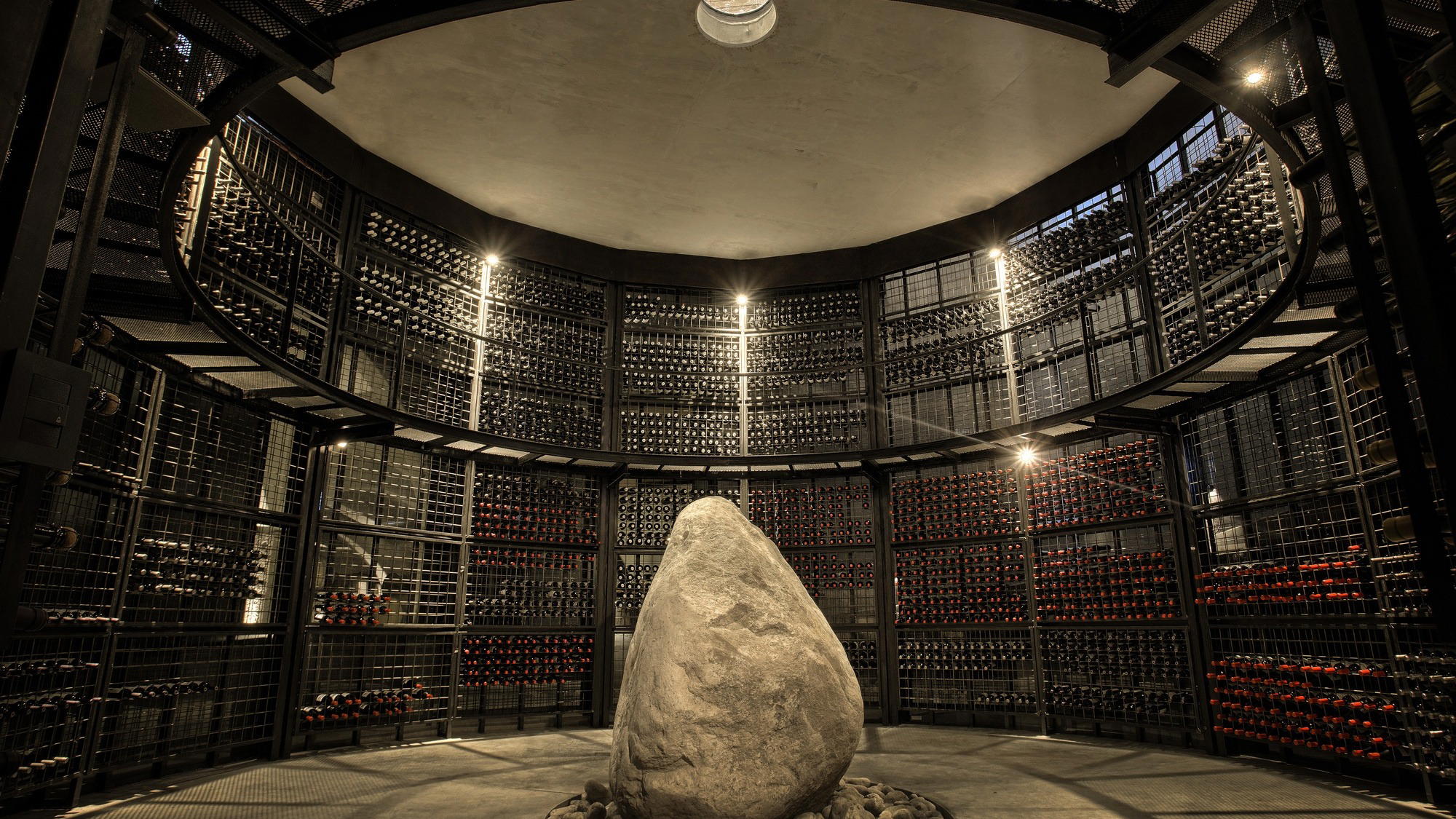
Wineries in Uco Valley
Browse all →
Bars in Uco Valley
Browse all →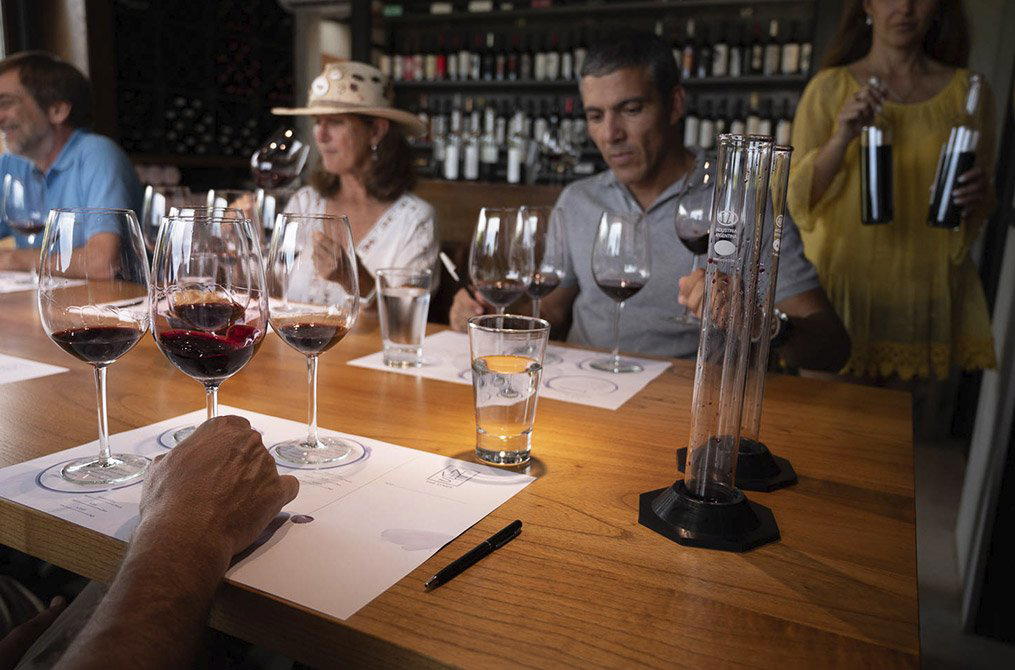
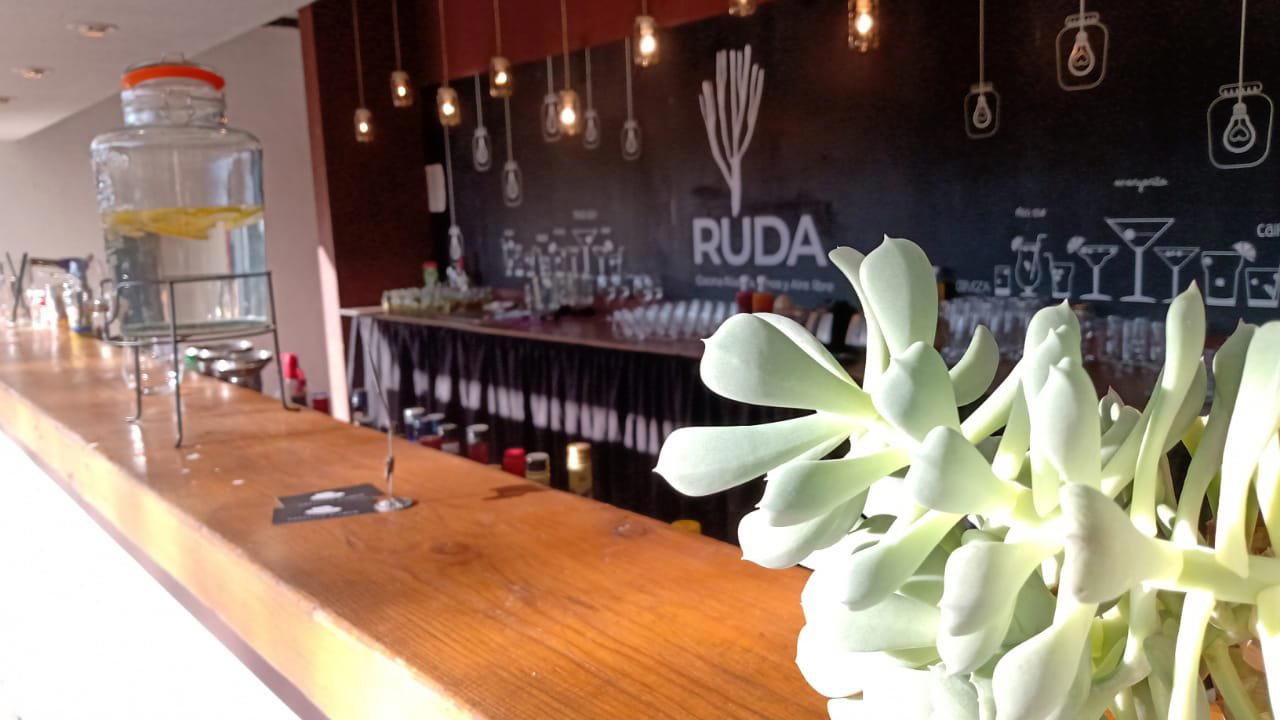
Restaurants in Uco Valley
Browse all →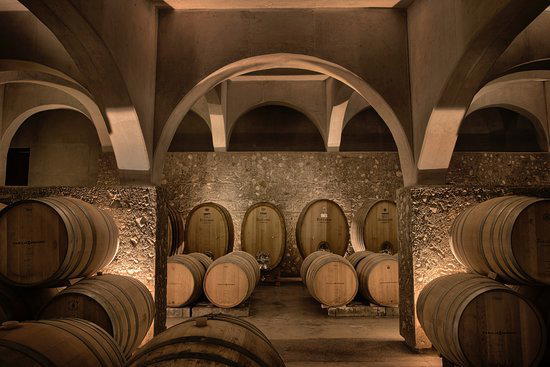

Details
- Rustic
- Vineyard
- Mountain
- Malbec
- Syrah
- Still Red
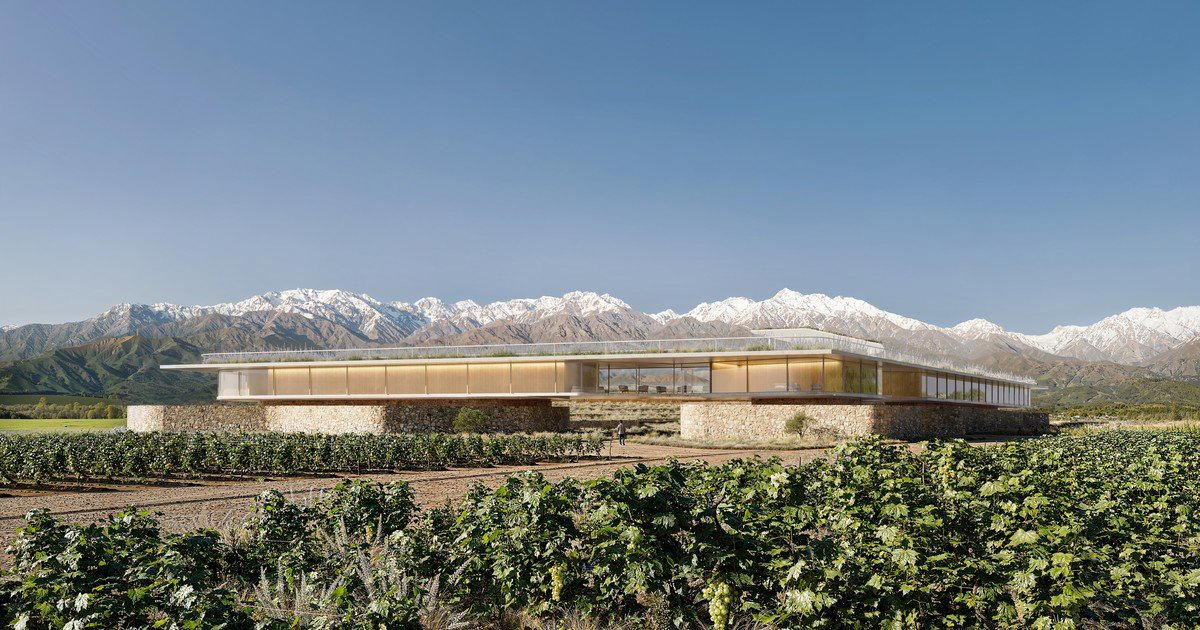
Small Uco Valley producer focused on varietal Malbec and Syrah, more oriented to export and trade than to on-site tourism, so any guest experience would likely be direct and wine-centric rather than design-driven.