Bischöfliches Weingut Rüdesheim GmbH

Falstaff Winery - 4 Stars
Bischöfliches Weingut Rüdesheim GmbH is a small Rheingau estate in Rüdesheim am Rhein with ecclesiastical roots, a 1683 monastic cellar, and a tight focus on Riesling and Pinot Noir. Its interest lies less in spectacle than in site expression: south-facing Rüdesheim slopes, estate-owned vineyards, and a cellar culture built around restraint.
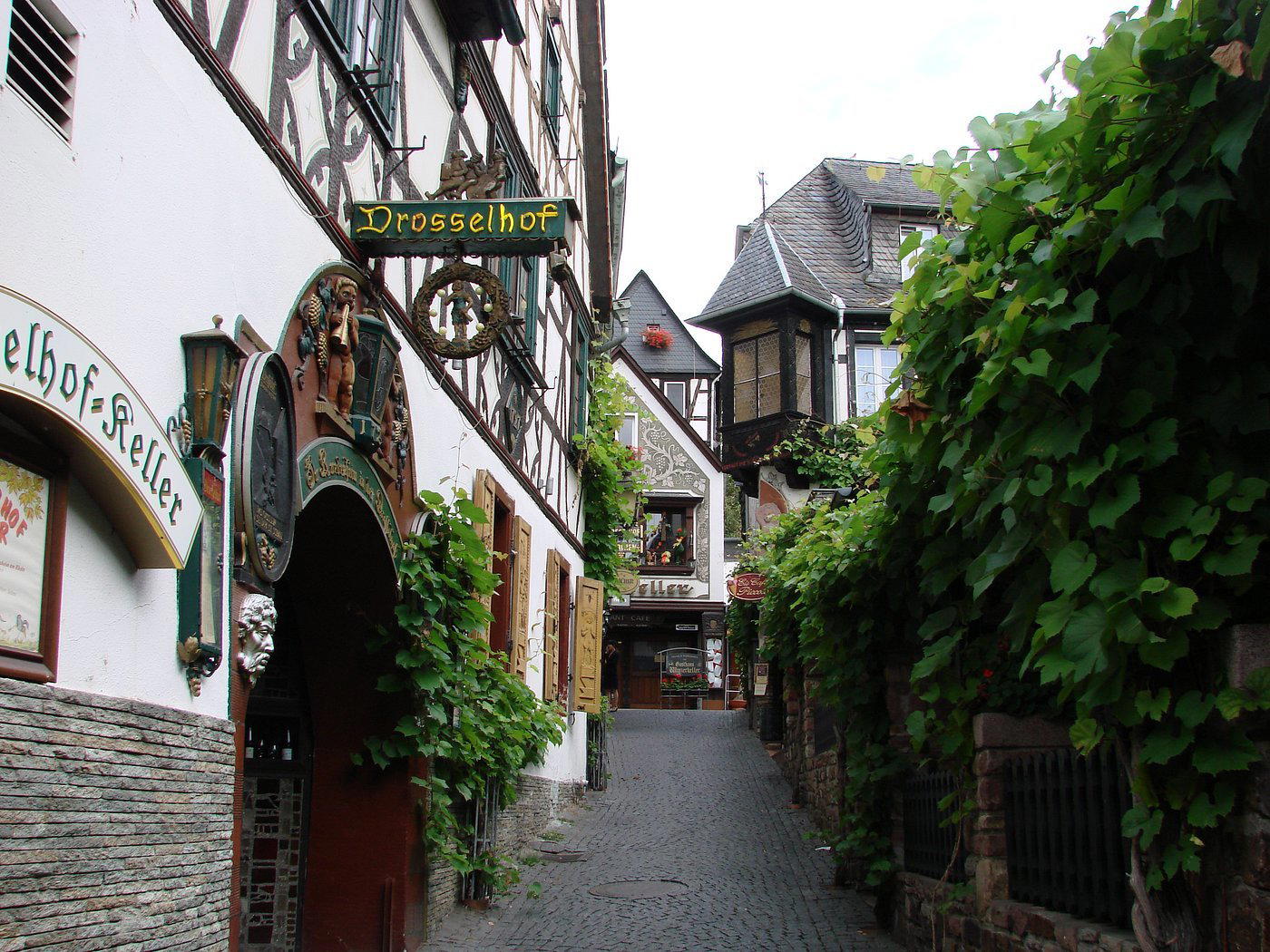
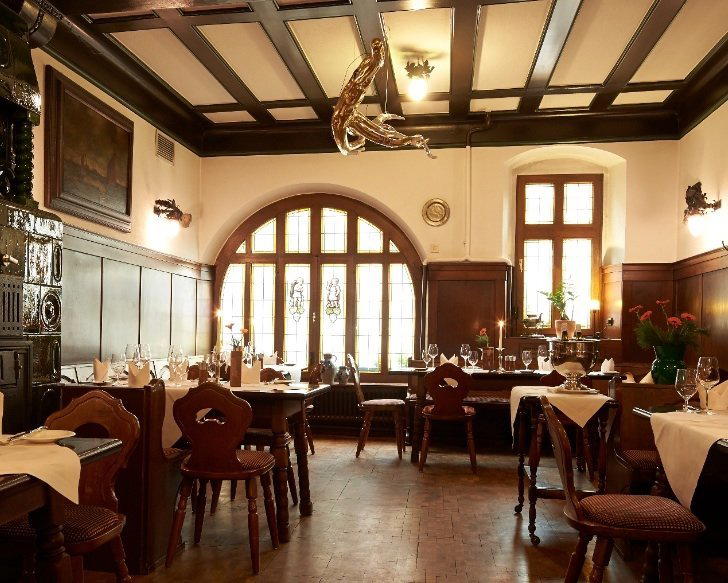
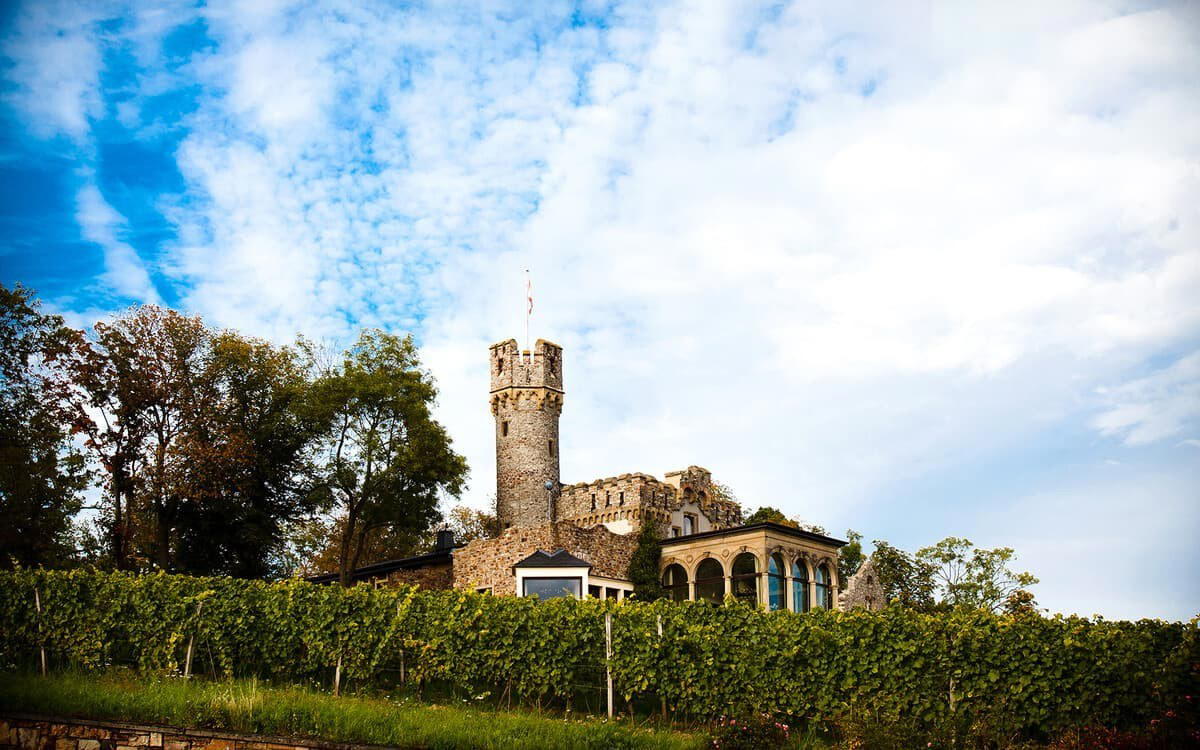
The first impression here is stone, temperature, and restraint: historic monastic cellars from 1683, a cool, puristic atmosphere, and a focus that keeps attention on the wine rather than on flashy design. In Rüdesheim am Rhein, Bischöfliches Weingut Rüdesheim GmbH is best understood as a classic, historic wine address shaped by church heritage and a modern, minimalist approach to winemaking.
The appeal is specific but spare: the setting is rooted in centuries-old monastic cellars, and the wines are framed around terroir-driven Riesling and Pinot Noir. Rather than presenting the venue as a broad hospitality complex or a design-led tasting room, it is more accurate to describe it as a historic cellar experience where atmosphere and wine identity are closely linked. The room, the name, and the emphasis all point in the same direction: a place where the surrounding history is not a decorative extra, but part of how the wines are meant to be encountered.
Rüdesheim am Rhein through Riesling and Pinot Noir
Bischöfliches Weingut Rüdesheim GmbH is associated with a focused lens on Riesling and Pinot Noir. Those two varieties provide the clearest way to understand the venue: Riesling anchors the classic regional expectation, while Pinot Noir broadens the picture without turning the visit into a generic wine stop. The pairing also gives the estate a concise identity. Visitors are not being asked to decode a sprawling concept; the experience is organized around two varieties that can carry both place and style with relatively little explanation.
Beyond that, the safest reading is deliberately restrained. What can be said is that the estate’s identity is built around terroir-driven Riesling and Pinot Noir in a historic Rüdesheim am Rhein setting. The word “terroir” matters here because it keeps the attention on origin, character, and site expression rather than on novelty for its own sake. In this context, the wines are best approached as part of a quiet conversation between place, cellar, and tradition.
This makes the venue useful for visitors who care less about spectacle and more about context: a cool cellar atmosphere, a classic historic frame, and wines presented through a minimalist rather than flashy sensibility. It is the kind of stop that rewards a slower pace, because the value is not in dramatic staging but in the coherence between the building’s history and the narrow, serious wine focus.
A monastic cellar rather than a designed tasting room
The setting is the strongest hook. Bischöfliches Weingut Rüdesheim GmbH is tied to historic monastic cellars dating to 1683, and the atmosphere is described as cool, puristic, classic, and historic. That gives the experience a clear tone: quiet heritage rather than decorative hospitality. The cellar description suggests an environment where restraint is part of the appeal, with stone, age, and temperature doing more work than overt visual drama.
For visitors, that means expectations should be simple. Come for a sense of church-linked wine history, a cellar environment with real age, and a focus on Riesling and Pinot Noir. The point is not to look for a multipurpose destination that tries to be everything at once, but to understand the venue as a historically grounded wine address. Its strength lies in being legible: a monastic cellar, a cool atmosphere, and a wine identity that does not need excessive embellishment.
As part of a Rüdesheim am Rhein itinerary, Bischöfliches Weingut Rüdesheim GmbH works well as a reflective historic wine stop. Other dining, hotels, bars, and local activities in Rüdesheim am Rhein can be considered separately and generically, but this venue’s distinct identity is its monastic cellar setting and terroir-focused wine emphasis. In that sense, it functions best when placed alongside the broader town experience without being confused with it: the visit has a defined center of gravity, and that center is the cellar-and-wine relationship.
How to place it in a German wine trip
The strongest reason to come is the clarity of the frame: Rüdesheim am Rhein, historic monastic cellars from 1683, a cool and puristic atmosphere, and a focus on terroir-driven Riesling and Pinot Noir. It is not necessary to add claims about awards, vineyard holdings, opening history, or tasting logistics to make the venue compelling. In fact, the appeal becomes cleaner when kept to what is known: an old cellar setting, a restrained tone, and a wine program centered on two varieties with strong regional resonance.
Travelers building a wider wine route can treat Bischöfliches Weingut Rüdesheim GmbH as a classic historic stop in Rüdesheim am Rhein, then compare it with other wine experiences generically according to their own confirmed schedules, availability, and interests. It is especially easy to understand as one part of a broader itinerary rather than as a stand-alone spectacle. For anyone mapping a German wine trip, its role is direct: a place to pause inside a historic, church-linked wine environment and read Riesling and Pinot Noir through that quieter, more traditional lens.
Frequently asked questions
What kind of setting is Bischöfliches Weingut Rüdesheim GmbH?
It is a historic wine venue in Rüdesheim am Rhein associated with monastic cellars from 1683. The atmosphere is cool, puristic, classic, and historic, with attention centered on terroir-driven Riesling and Pinot Noir.
How pricey is Bischöfliches Weingut Rüdesheim GmbH?
Pricing at Bischöfliches Weingut Rüdesheim GmbH is listed as $$.
What's Bischöfliches Weingut Rüdesheim GmbH's location?
Bischöfliches Weingut Rüdesheim GmbH is located in Rüdesheim am Rhein.
What should I know about Bischöfliches Weingut Rüdesheim GmbH before I go?
Expect a historic, restrained atmosphere rather than a flashy design-led venue. The focus is on terroir-driven Riesling and Pinot Noir in a monastic cellar setting dating to 1683.
Should I book Bischöfliches Weingut Rüdesheim GmbH in advance?
Check directly with Bischöfliches Weingut Rüdesheim GmbH before planning a visit.
Is Bischöfliches Weingut Rüdesheim GmbH better for first-timers or repeat visitors?
It can suit anyone interested in Rüdesheim am Rhein wine culture, especially visitors drawn to historic cellar atmosphere and a focused Riesling and Pinot Noir identity.
Anything to keep in mind for Bischöfliches Weingut Rüdesheim GmbH?
Keep expectations grounded: the confirmed strengths are the 1683 monastic cellar setting, the cool and puristic atmosphere, and the focus on terroir-driven Riesling and Pinot Noir. Details such as tasting formats, payment methods, awards, capacity, and food service should be confirmed directly with the venue.
Recognition history
Dated appearances from independent guides and award organizations, with the underlying list record or original source where available.
Falstaff Winery - 4 Stars
Falstaff
Request a visit to Bischöfliches Weingut Rüdesheim GmbH
Tell us when you would like to go and how many people, and we put the request to the estate and reply to you by email.
Continue exploring
More in Rüdesheim am Rhein
Wineries in Rüdesheim am Rhein
All wineries in Rüdesheim am Rhein →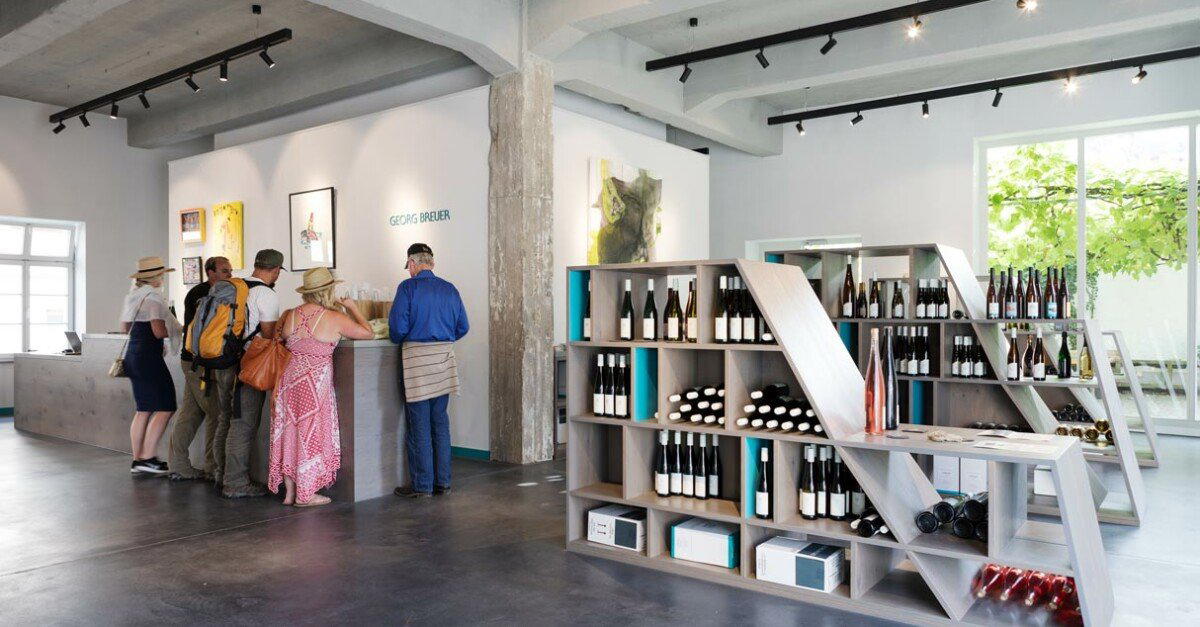
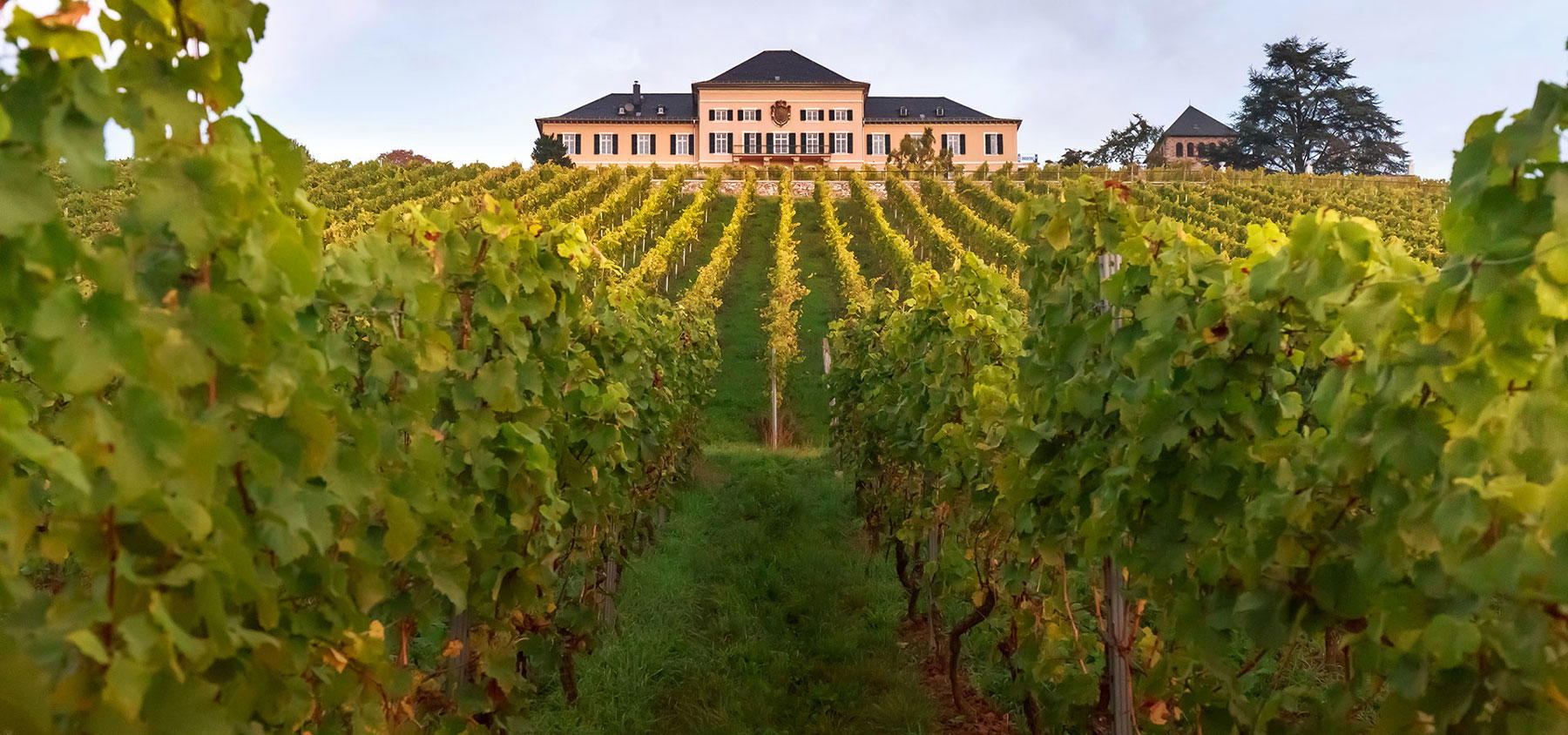
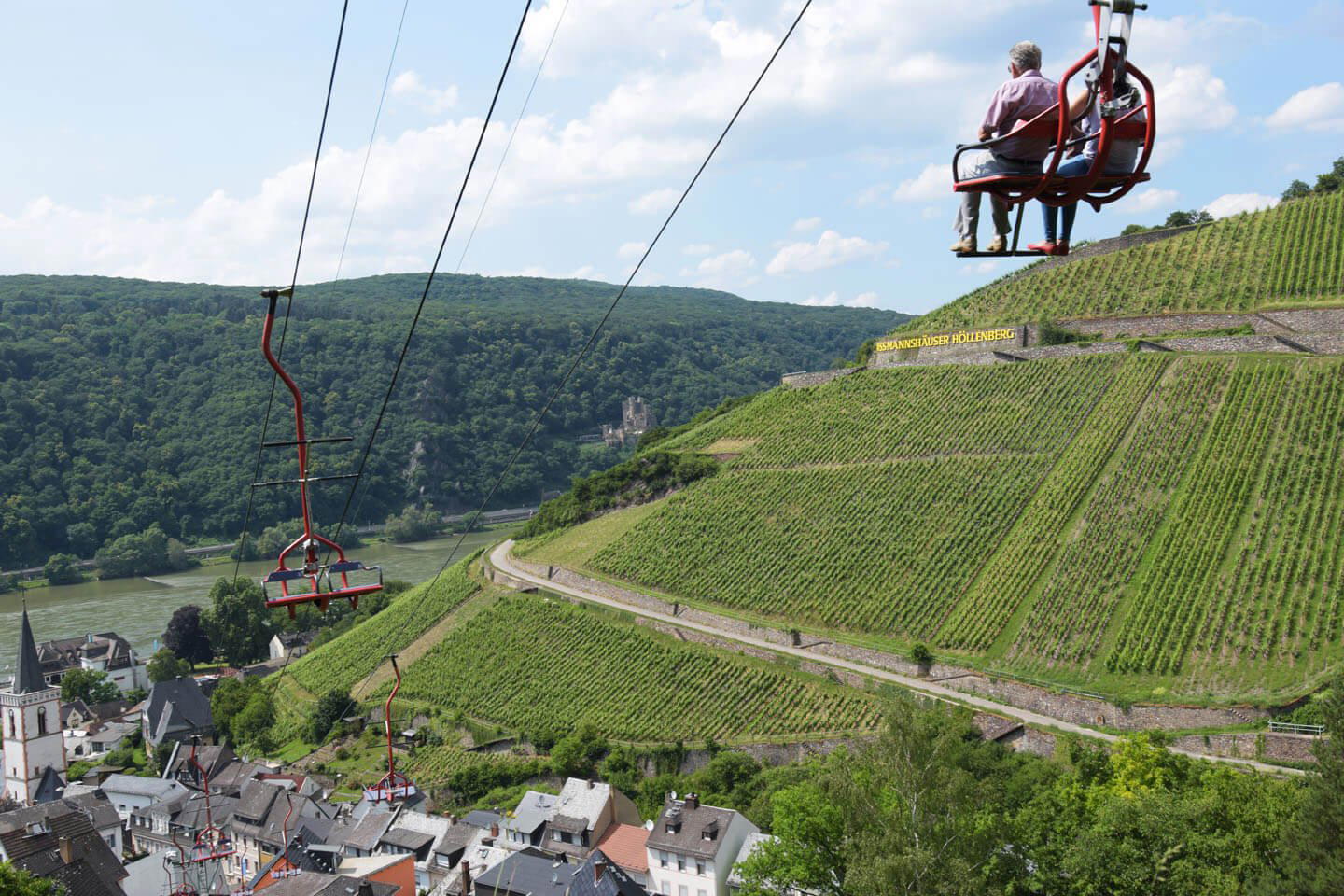
Bars in Rüdesheim am Rhein
All bars in Rüdesheim am Rhein →

Details
- Classic
- Historic
- Scenic
- Rustic
- Well Known
- Intimate
- Wine Education
- Solo Exploration
- Group Outing
- Special Occasion
- Romantic Getaway
- Historic Building
- Estate Grounds
- Barrel Room
- Waterfront
- Sustainable
- Vineyard
- Waterfront
- Riesling
- Pinot Noir
- Blanc De Noir
- Still White
- Still Red
- Sparkling
- Still Rosé
- Cellar Tasting
- Estate Tasting
- Walk In Tasting
- German
Historic monastic cellars from 1683 with a cool, puristic atmosphere focused on terroir-driven Riesling and Pinot Noir rather than flashy design, blending centuries-old church heritage with modern, minimalist winemaking.