Bio Winzerhof Pöchlinger

Falstaff Winery - Listed
Bio Winzerhof Pöchlinger sits in Mitterarnsdorf’s Wachau wine country, where Danube-facing slopes, organic farming and the Heurigen tradition meet in one small family-run estate. Expect Grüner Veltliner, Riesling, Muskateller, Zweigelt Rosé and sweet wines, with a terrace-garden setting and house apricot products adding a distinctly local agricultural frame.
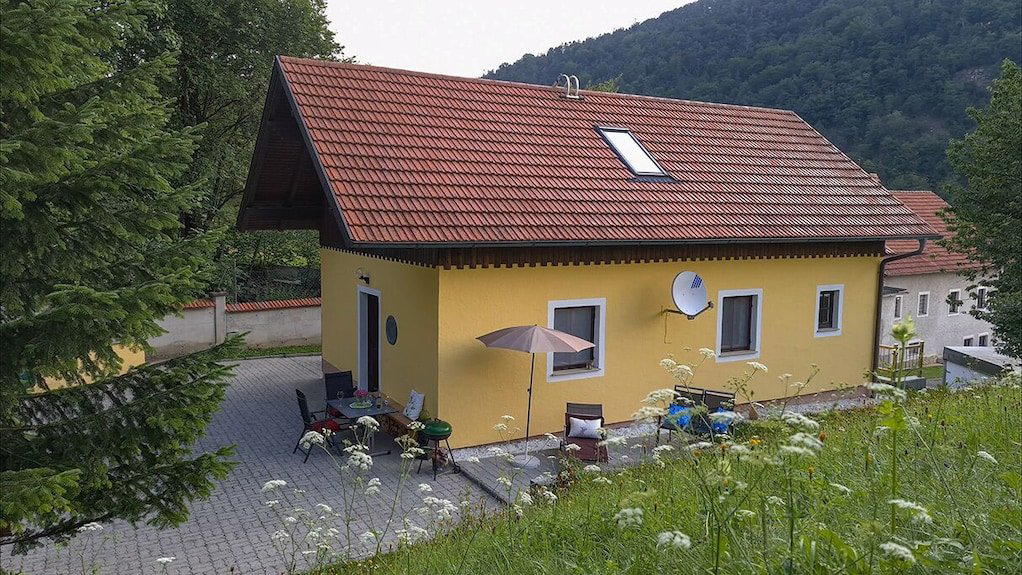
Approach the Wachau from the southern bank of the Danube and the logic of the place becomes clear: vineyards climb above the river, apricot trees share the same agricultural rhythm, and the Heurigen is not an accessory to wine but part of how the region eats and drinks. Bio Winzerhof Pöchlinger belongs to that older Wachau pattern, with a hill-edge setting in Mitterarnsdorf, a garden and terrace, and a vinothek that keeps the experience close to the farm rather than turning it into a staged tasting room.
The estate’s scale matters. About 6.5 hectares of vineyards place it firmly in the small family-run category, where grape varieties, hospitality and direct sales remain tightly connected. The additional 1 hectare of apricot orchards is not a side note in this part of Lower Austria; Wachauer Marillen are part of the region’s identity, and the estate’s marmalade, nectar and schnaps extend the same terroir conversation beyond the glass.
Danube slope farming, read through Grüner Veltliner and Riesling
Wachau wine is often discussed through its dramatic terraces and river-influenced climate, but the southern bank around Mitterarnsdorf has its own quieter appeal. Here, Danube humidity, exposed slopes and mixed soils create a setting built for whites with freshness, mineral line and moderate power. Bio Winzerhof Pöchlinger works primarily with Grüner Veltliner and Riesling, the two grapes that anchor the Wachau’s reputation, alongside Muskateller, Zweigelt Rosé, red Zweigelt and sweet wines.
The estate’s organic production philosophy gives the wines a contemporary Austrian context. Across the Wachau, organic and sustainable viticulture have become more than ethical language; they influence canopy work, soil management and the way small producers position themselves against more export-driven estates. Membership in Vinea Wachau and Rupertiwinzer Wachau also places the winery inside the region’s cooperative quality culture, a meaningful trust signal in a valley where local classification, origin and producer discipline carry weight.
Georg Pöchlinger’s training at Weinbauschule Klosterneuburg adds another credential without turning the story into a biography. Klosterneuburg remains one of Austria’s serious viticultural institutions, and that technical background sits behind a portfolio that keeps to regional fundamentals rather than chasing novelty. The more telling point is the range: still whites, rosé, red and dessert wines, with apricot products completing an agricultural circuit that feels specific to the Wachau rather than generically rural.
The Heurigen format keeps the wine in its proper setting
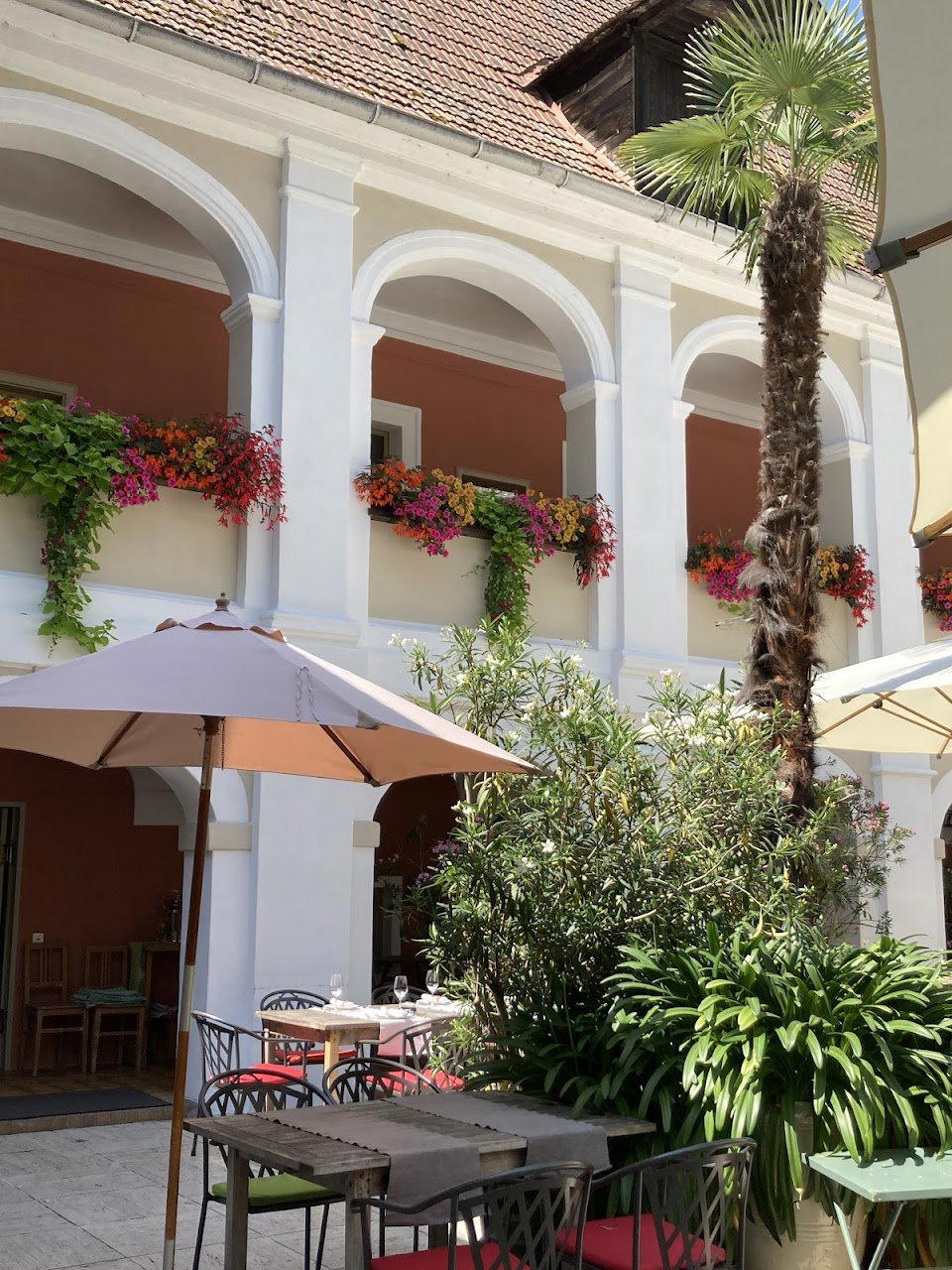
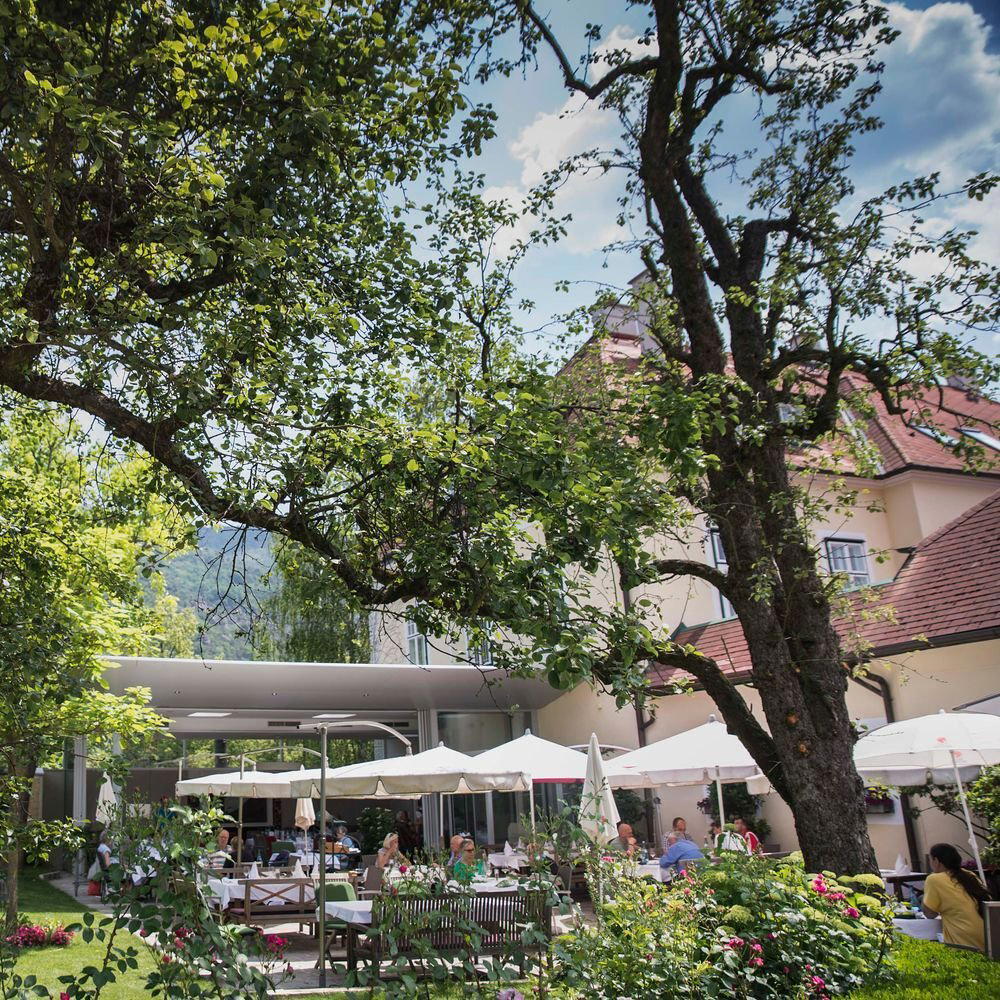
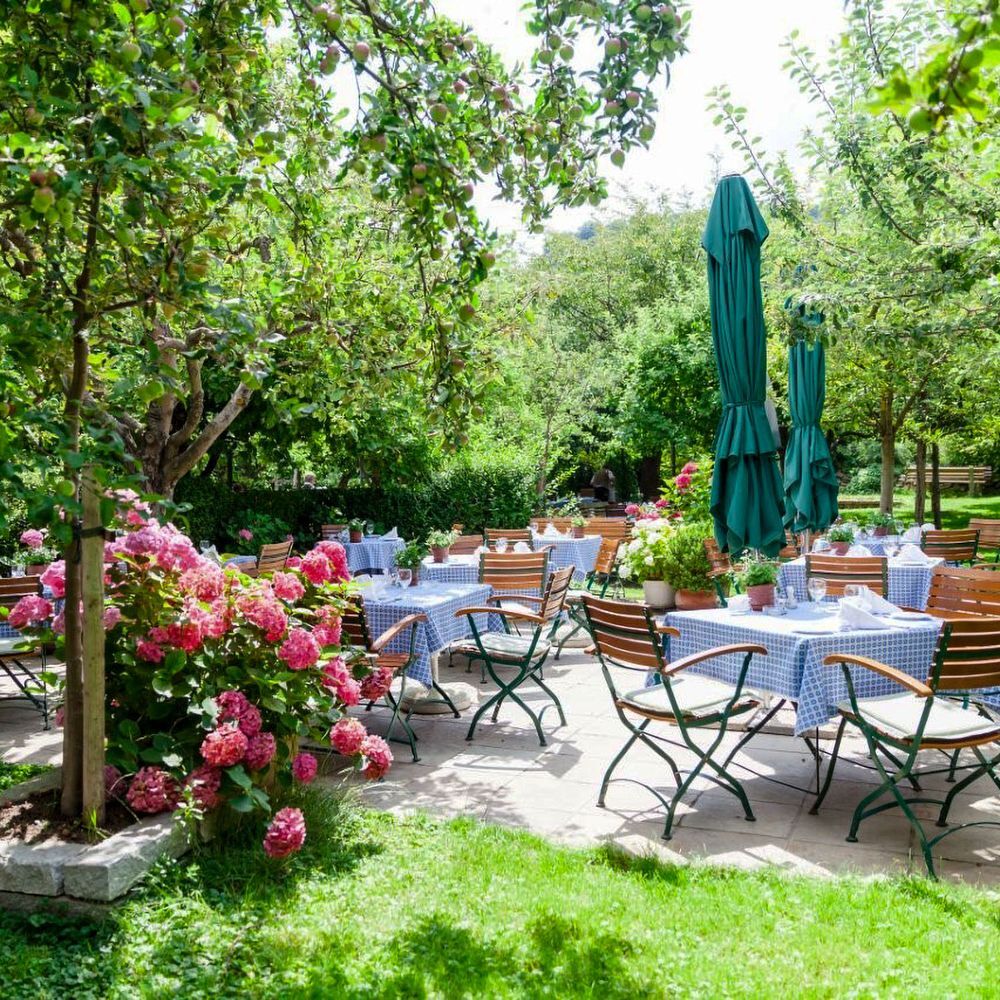
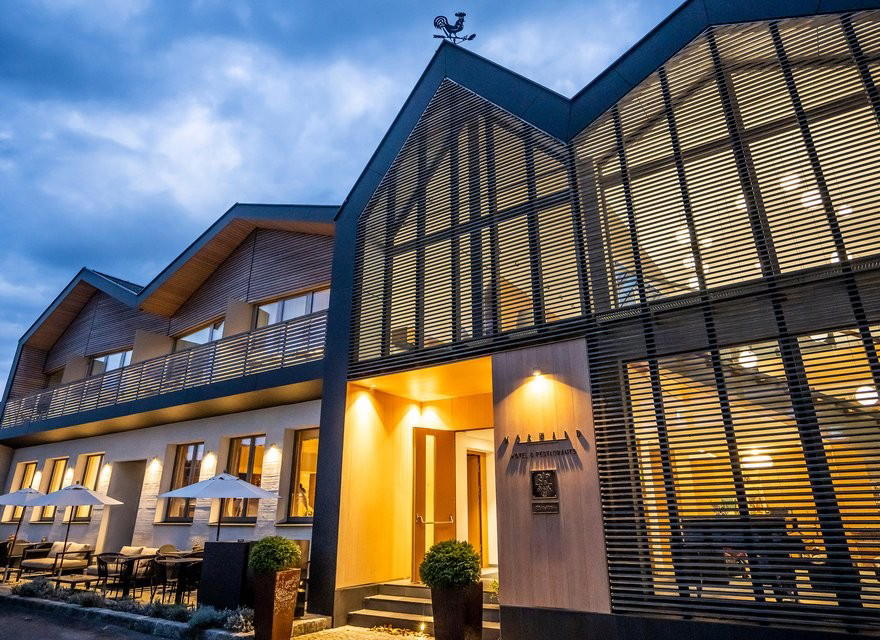
The Heurigen tradition changes how wine is understood. Instead of a sterile counter and a timed flight, the format folds local food, family recipes and young estate wine into a social setting. At Bio Winzerhof Pöchlinger, that means a rustic Wachau atmosphere, homely Heurigen-style dining, a cozy vinothek, and outdoor seating across the garden and terrace. The room is casual by design, with conversation-level noise and a format suited to families, groups, couples and solo wine drinkers who want the region without ceremony.
Food pairing is part of the visit, not a luxury add-on. Traditional dishes from family recipes sit naturally beside Grüner Veltliner, Riesling or rosé because this is how the region has long matched wine to appetite: salt, bread, spreads, cold plates and seasonal farm products rather than elaborate restaurant choreography. The estate’s apricot products sharpen that sense of place. In the Wachau, apricot does not read as a souvenir flavor; it is a second crop with its own cultural standing.
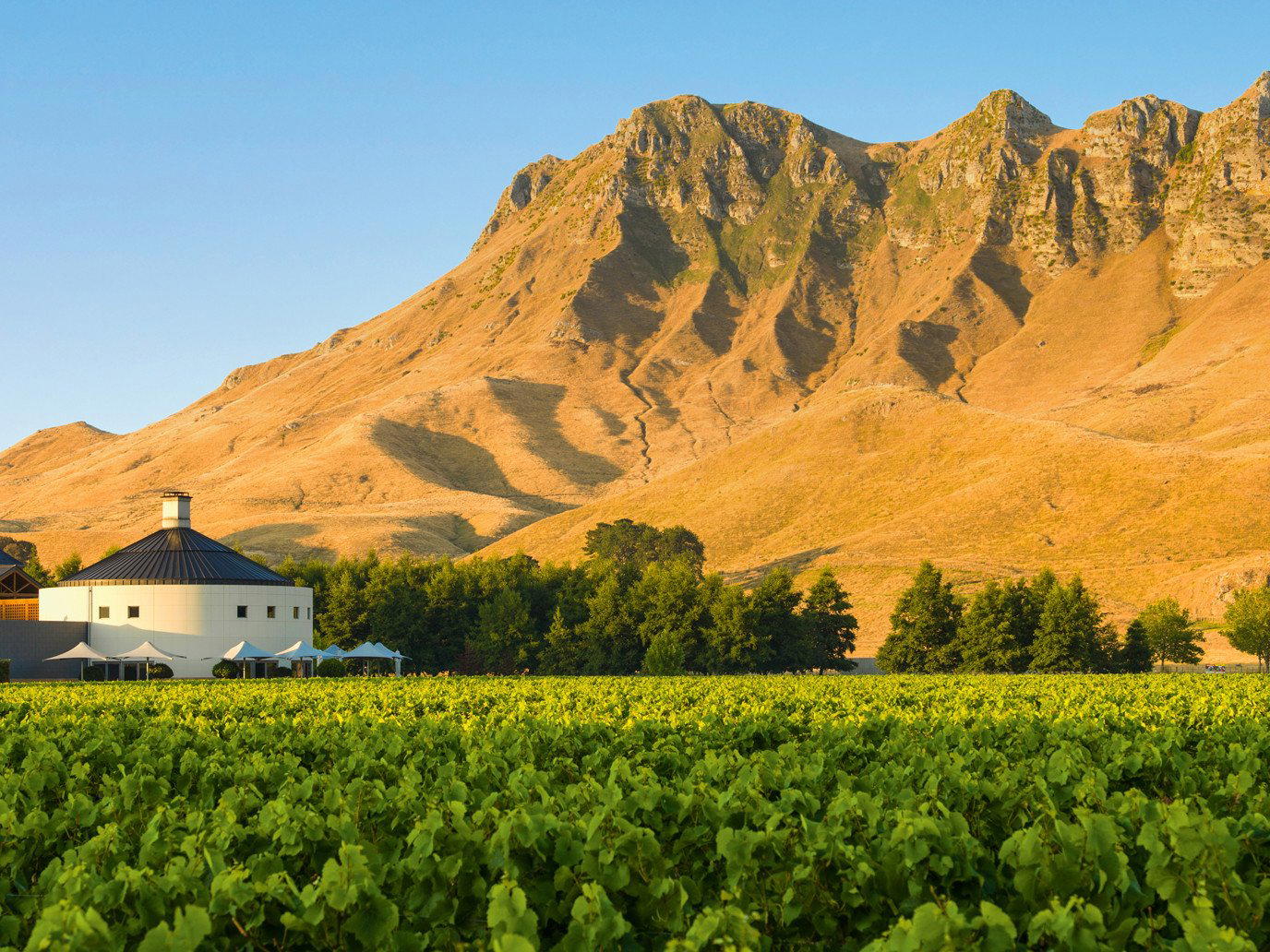
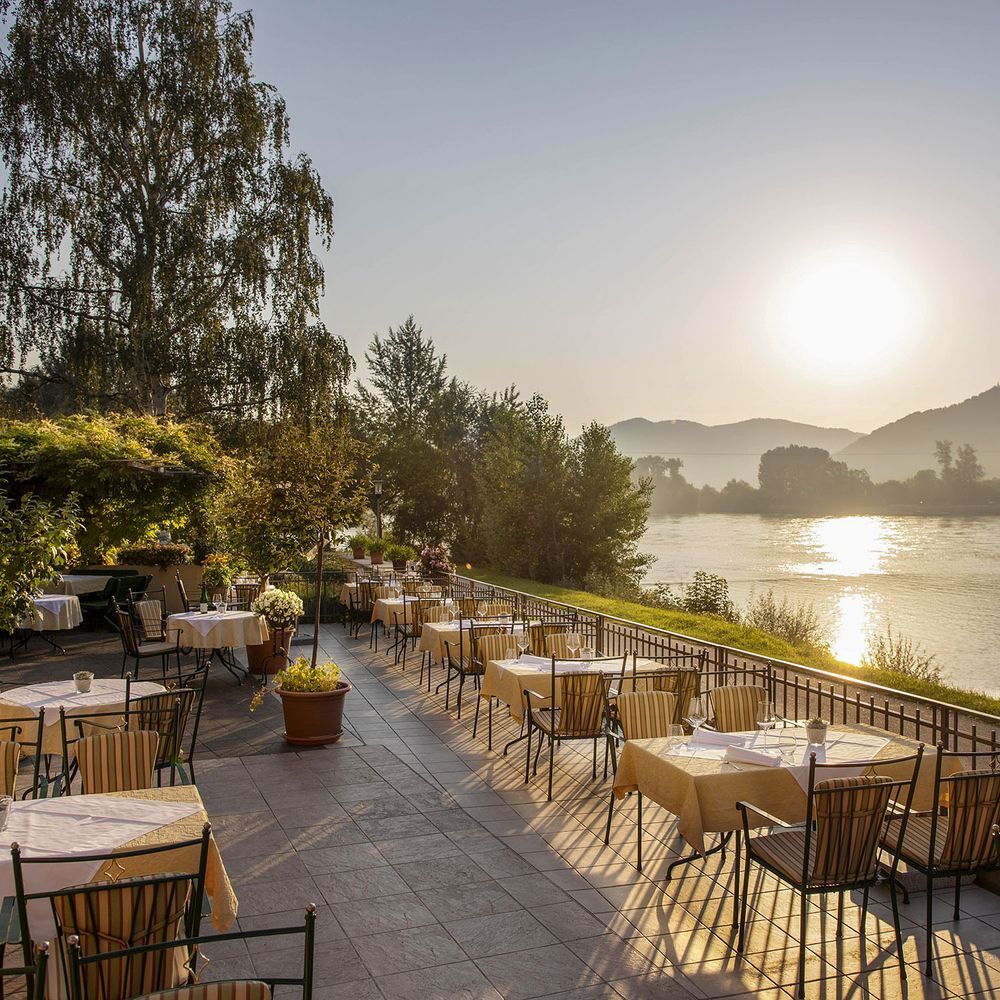
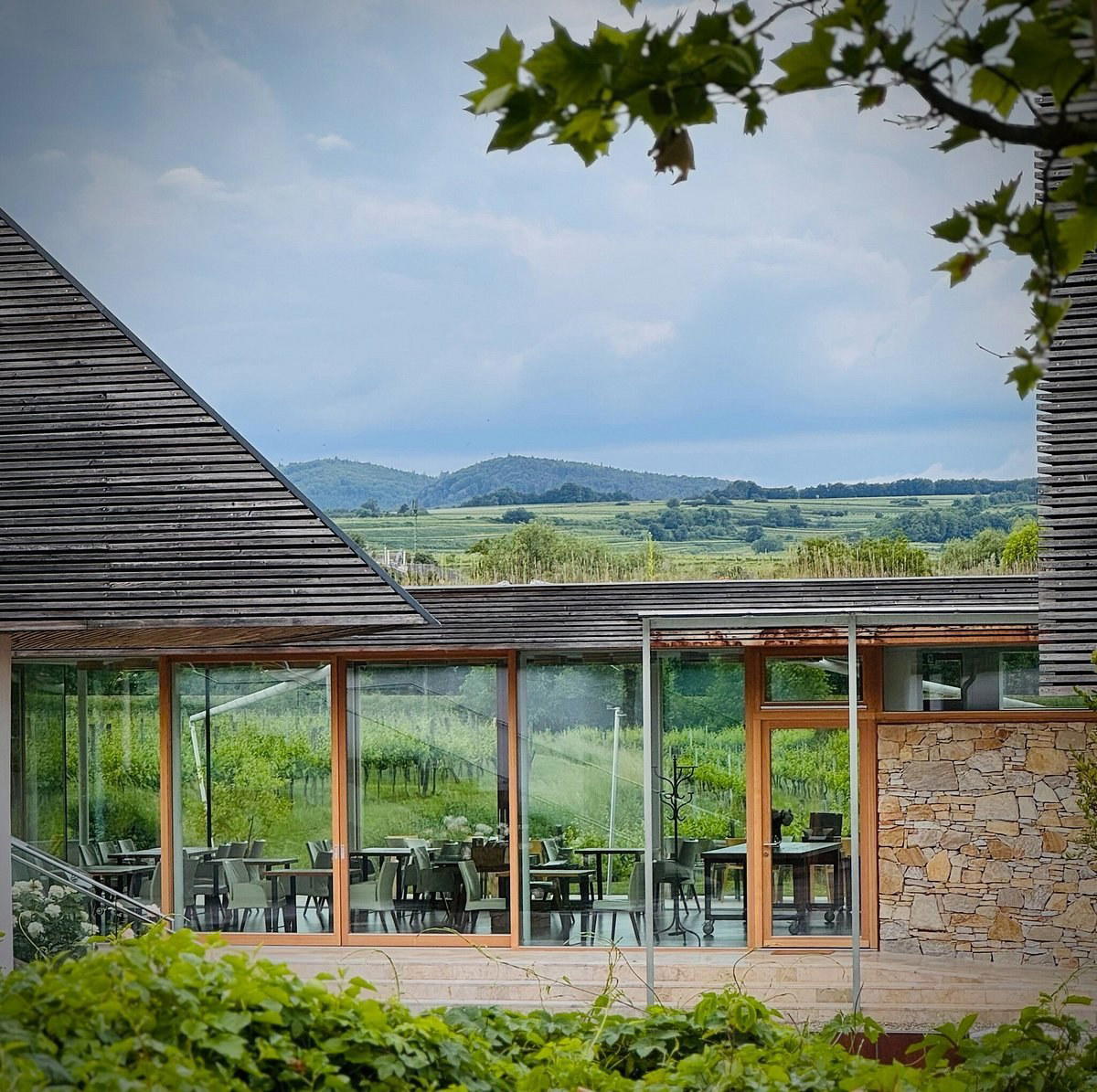
The setting also does editorial work. A hill position at the edge of the wine village gives the terrace and garden views over vineyards, the Danube valley and toward Spitz. That matters because Wachau wine is inseparable from the visual grammar of the valley: river, slope, village, orchard, stone and vine. The experience is relaxed and romantic without needing white-tablecloth theatre, and the casual dress code fits the agricultural frame.
How to place it within a Mitterarnsdorf wine day
For planning, the useful distinction is format. This is a small organic winery with a vinothek and Heurigen-style food, not a large estate built around high-volume tourism. Reservations are recommended, especially when the Heurigen is operating, and on-site parking and accessible parking make the visit easier for travelers moving through the Wachau by car. Payment options include cash, credit card, debit card and contactless payment. The allocation status is open, and wine club membership is not part of the model.
Readers building a wider Mitterarnsdorf itinerary can use nearby editorial pages as context rather than as a ranked list: Glück Johannes, Gästehaus & Weinbau Pammer, Von der Vogelwaide, Weinbau Josef und Helga Lagler and Weingut Bergkirchner. Broader city planning sits in our full Mitterarnsdorf wineries guide, with separate guides for Mitterarnsdorf restaurants, Mitterarnsdorf hotels, Mitterarnsdorf bars and Mitterarnsdorf experiences.
For a wider wine-reading trail beyond the village, EP Club also covers »der Steiner« Hans Steiner in Podersdorf am See, ®walzer in Gneixendorf Bei Krems, 1516 Brewing Company Distillery in Vienna, & Handwein in Mannheim and 00 Wines in Carlton. Bio Winzerhof Pöchlinger is strongest as a terroir-led Wachau stop: small scale, organic farming, Danube-side fruit, Heurigen hospitality and enough practical ease to make the countryside feel accessible rather than performative.
Frequently asked questions
What's the atmosphere like at Bio Winzerhof Pöchlinger?
Expect a relaxed, rustic Wachau setting: a cozy vinothek, garden and terrace, and Heurigen-style dining on the hill above Mitterarnsdorf. The view reaches across the Danube valley, and the pace fits a casual lunch or an unhurried tasting.
What's the price range for Bio Winzerhof Pöchlinger?
Pricing at Bio Winzerhof Pöchlinger is listed as $$.
What's the address for Bio Winzerhof Pöchlinger?
Bio Winzerhof Pöchlinger is located at Mitterarnsdorf, Wachau, Lower Austria, Österreich, Mitterarnsdorf.
What should I know about Bio Winzerhof Pöchlinger before I go?
This is a small, organic family winery in Mitterarnsdorf, Lower Austria, with about 6.5 hectares of vineyards and 1 hectare of apricot orchards. The price level is $$, the dress code is casual, and the estate accepts cash, credit card, debit card, and contactless payment.
How hard is it to get in to Bio Winzerhof Pöchlinger?
It is set up for walk-ins, but the reservation policy is recommended, which is useful for a small-capacity estate. On-site parking and accessible parking are available, and the terrace seating can make timing matter on busy days.
Recognition history
Dated appearances from independent guides and award organizations, with the underlying list record or original source where available.
Falstaff Winery - Listed
Falstaff
Request a visit to Bio Winzerhof Pöchlinger
Tell us when you would like to go and how many people, and we put the request to the estate and reply to you by email.
Continue exploring
More in Mitterarnsdorf
Wineries in Mitterarnsdorf
All wineries in Mitterarnsdorf →
Bars in Mitterarnsdorf
Browse all →
Details
- Scenic
- Cozy
- Rustic
- Romantic
- Group Outing
- Family
- Romantic Getaway
- Wine Education
- Celebration
- Solo Exploration
- Terrace
- Garden
- Panoramic View
- Estate Grounds
- Waterfront
- Organic
- Sustainable
- Waterfront
- Garden
- Vineyard
- Grüner Veltliner
- Riesling
- Muskateller
- Zweigelt Rosé
- Sweet Wines
- Still White
- Still Rosé
- Still Red
- Dessert
- Tasting Room
- Heuriger/food With Tasting
Relaxed and rustic Wachau winery atmosphere with a cozy vinothek, a beautiful garden and terrace, and homely heurigen-style dining featuring traditional dishes from family recipes, all overlooking the Danube valley.