
We're Smart World 1 Radish
Our verdict
Positioned just inside the medieval gate of Monticchiello, Osteria La Porta serves the kind of ingredient-driven Tuscan cooking that larger restaurant circuits rarely sustain. Seasonal vegetables dressed in local olive oil, forest-foraged porcini fried to order, and an atmosphere that reads as genuinely homely rather than performed, this is a village osteria working at the pace and scale the format demands.

Pearl is the En Primeur Club membership app, where members save venues, book tables and use the concierge.
The menu
What to order
- Pici all'aglione
- Bistecca alla Fiorentina
- Beef cheeks
- Pappardelle with wild boar
- Gnocchi al pomodoro
- Ravioli with pumpkin
A Village Gate and What It Signals About the Food Inside
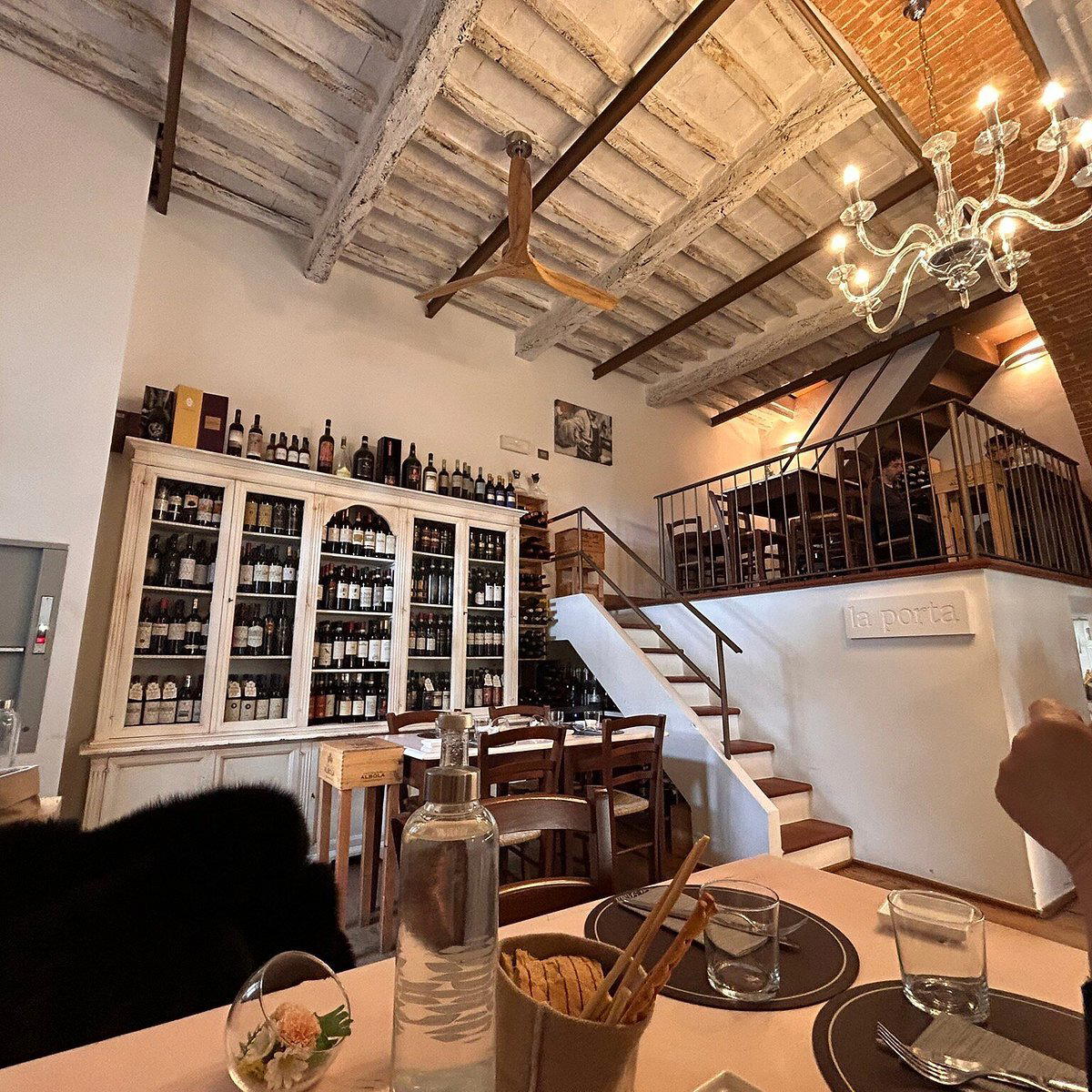
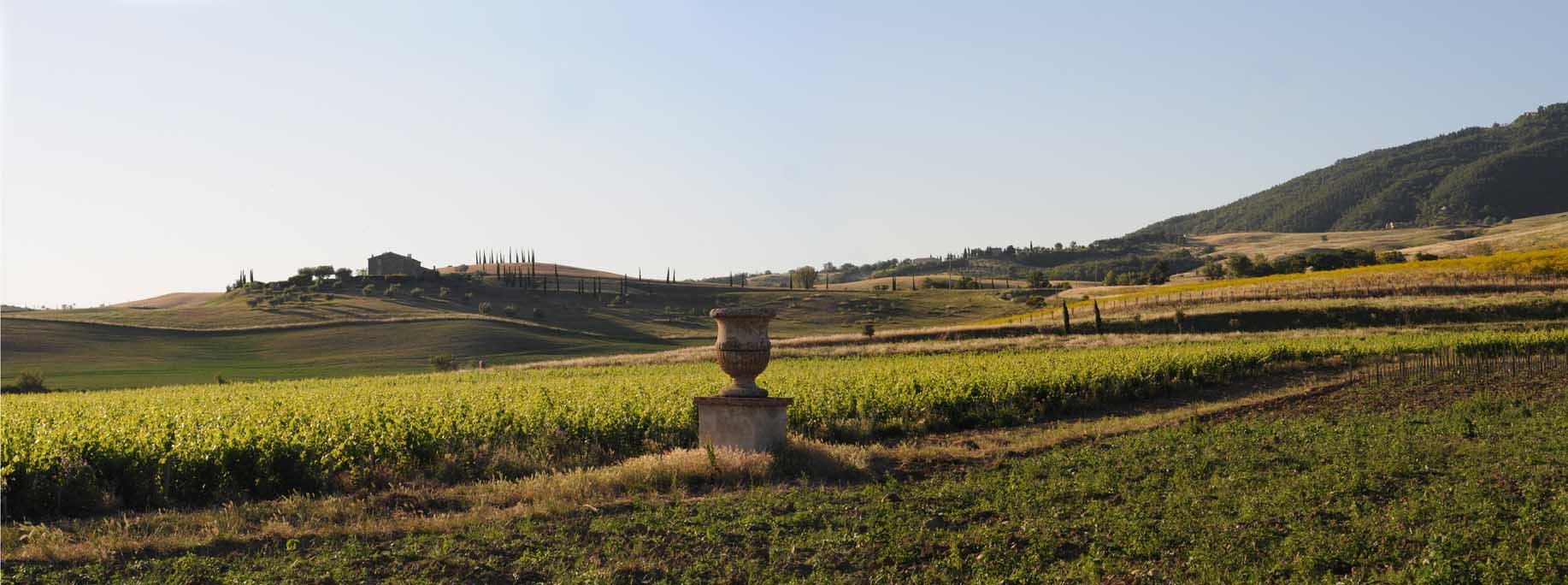
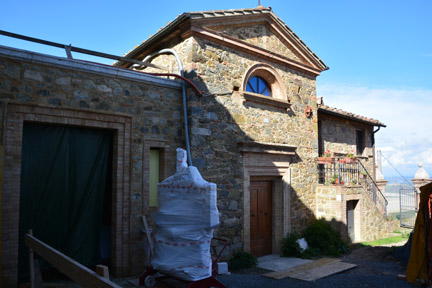
The approach to Osteria La Porta tells you something before you sit down. The restaurant sits directly beside the entrance gate of Monticchiello, a hill village in the Val d'Orcia whose stone walls and near-vertical lanes have changed little in five centuries. In Tuscany, geography of this kind tends to produce one of two dining outcomes: a venue that performs rusticity for passing visitors, or one that genuinely operates within the agricultural rhythms of its surroundings. Osteria La Porta belongs to the second category. The atmosphere is homely and hospitable in the way that requires no design intervention, it comes from a room that has absorbed decades of local use rather than weeks of interior styling.
That distinction matters more than it might seem. The Val d'Orcia sits within one of Italy's most scrutinised food regions, where Pienza is known for its sheep's milk pecorino, the surrounding hills supply some of Tuscany's leading olive oil, and the forests beyond the village walls produce porcini of a quality that neighbouring towns actively trade on. A kitchen that can draw directly from this supply chain without the mediation of wholesale distribution is operating with a structural advantage that most restaurants, including several of Italy's most celebrated, cannot replicate. For context, the kind of ingredient access that places like Dal Pescatore in Runate or Reale in Castel di Sangro have built entire tasting-menu architectures around is, at Osteria La Porta, simply the default condition of being here.
The Sourcing Logic Behind Simple Dishes
Italian osteria cooking at its most considered operates on a principle that can look like restraint but is really confidence: when the raw material is strong enough, transformation should be minimal. The seasonal vegetables with olive oil that define the kitchen's output here are not a concession to simplicity, they are a direct argument about provenance. Val d'Orcia olive oil carries Protected Designation of Origin status, produced from groves whose fruit ripens at altitude and is cold-pressed within hours of harvest. When a dish is built around that oil and a vegetable pulled from the season's peak, the absence of complication is the technique.
The fried porcini from nearby forests represent the same logic applied to a different ingredient category. Porcini from the forests around Monticchiello and the wider Crete Senesi area are harvested at elevation, typically between late summer and autumn, and the window for serving them freshly foraged rather than preserved is narrow. Restaurants in Florence or Siena working with the same fungi are almost always working with product that has travelled and spent time in cold storage. Here, the supply chain is a short walk. That is not a sentimental point, it is a technical one, and it shows in the texture and flavour intensity of the finished dish in a way that distance genuinely cannot replicate.
The vegetable side dishes follow the same sourcing discipline. Tuscan cucina povera has always been less about poverty of ambition than about the intelligence of using what is available at its finest moment. The cuisine that emerged from this tradition, ribollita, panzanella, the various preparations of cavolo nero and fagioli, carries the logic of the calendar rather than the menu. An osteria operating within that tradition in a village of this size and agricultural richness is not doing anything nostalgic. It is doing what the tradition actually requires.
Where This Sits in the Broader Italian Dining Picture
Italy's most discussed restaurants in recent years have moved decisively toward progressive and creative formats. Osteria Francescana in Modena, Le Calandre in Rubano, Piazza Duomo in Alba, and Enrico Bartolini in Milan all operate in a tier where tasting menus run well into the €€€€ range and the kitchen's intellectual framework is as much a part of the offer as the food itself. That tier is genuinely impressive and worth seeking out, see also Enoteca Pinchiorri in Florence, Atelier Moessmer Norbert Niederkofler in Brunico, and Uliassi in Senigallia for further reference points across the peninsula.
But the osteria format operating at the village level represents a separate and equally serious tradition. These are not lesser versions of fine dining, they are expressions of a different set of priorities, where the sourcing geography, the seasonal calendar, and the continuity of place carry the argument that tasting-menu restaurants carry through their chefs' stated philosophies. Osteria La Porta works within that tradition and, by the accounts of those who have eaten there, does so with authenticity rather than nostalgia. For the full picture of what Monticchiello di Pienza offers across dining formats, consult our full Monticchiello di Pienza restaurants guide.
Planning Your Visit
Monticchiello is a small village, and Osteria La Porta operates at a scale that reflects that. Arriving without a reservation, particularly in the high summer and autumn harvest seasons when the Val d'Orcia draws visitors from across Europe, is a risk that is easy to avoid and unnecessary to take. The porcini season specifically, running roughly from late August through October, represents the period when the kitchen's sourcing advantages are most visibly expressed, and tables fill accordingly.
The setting and format suit families with children: the atmosphere is genuinely hospitable rather than formally controlled, and the food is ingredient-forward rather than technique-obscured, which tends to suit younger palates. For visitors planning a wider stay in the area, our Monticchiello di Pienza hotels guide covers accommodation options, and the wineries guide, bars guide, and experiences guide map what else the village and surrounding Val d'Orcia offer. The address is Via del Piano 1, Monticchiello di Pienza, immediately beside the medieval entrance gate, which makes it direct to locate on foot from any point in the village.
Frequently asked questions
Is Osteria La Porta okay with children?
The setting is homely and informal, which suits families. The menu leans on simple, produce-driven dishes, seasonal vegetables, olive oil, fried porcini, with nothing that requires initiation into elaborate tasting formats. That said, Monticchiello is a small, quiet village, so the pace here is unhurried rather than child-entertainment-focused.
What kind of setting is Osteria La Porta?
The restaurant sits directly beside the entrance gate of Monticchiello, a steep-sided medieval village in the Val d'Orcia. The atmosphere is described as homely and hospitable, the kind of room where the food is the point, not the décor. It reads as a working osteria rather than a destination-dining production.
What's Osteria La Porta known for in terms of accolades?
Osteria La Porta has received recognition including: This fantastic restaurant is located just next to the entrance gate of the pit-steep medieval Monticchiello. The atmosphere is homely, authentic Italian and hospitable. The dishes are simple and the product speaks for itself. We remember th….
What do regulars order at Osteria La Porta?
The fried porcini, sourced from forests near Monticchiello, is the dish most frequently cited. Seasonal vegetable plates dressed with olive oil and simple vegetable side dishes also feature prominently, straightforward preparations where the quality of the raw ingredient is the entire argument.
Where is Osteria La Porta located?
Osteria La Porta is located at Via del Piano 1, 53026 Monticchiello di Pienza, Italy, Monticchiello di Pienza.
Do I need a reservation for Osteria La Porta?
Monticchiello draws steady visitor traffic despite its small size, and Osteria La Porta operates at a scale that fits the village. Arriving without a booking in peak season, spring through autumn, carries real risk of no available table. Reserving ahead is the practical approach.
What's the signature at Osteria La Porta?
Fried porcini from the forests surrounding Monticchiello is the dish most closely associated with the kitchen. Beyond that specific preparation, the broader signature is restraint applied to excellent local produce: seasonal vegetables with olive oil, cooked with enough confidence to let the ingredient carry the plate without intervention.
Fast Comparison
Comparable venues nearby, for context on price, style, and recognition.
| Venue | Cuisine | Price | Awards | Notes |
|---|---|---|---|---|
| Osteria La PortaThis venue (the venue you are viewing) | Traditional Tuscan Trattoria | $50–100 | We're Smart World 1 Radish | Not listed |
| FIVE | Contemporary Italian Mediterranean | $30–50 | Not listed | Porta Venezia |
| Osteria delle Tre Panche | Tuscan Trattoria with Truffles | $50–100 | Not listed | Santo Spirito |
| La Bottega di Parigi | Modern Tuscan with Southern Italian Influences | $50–100 | Star Wine List | Castello |
| C ucina | Tuscan Italian Trattoria & Pizzeria | $50–100 | Michelin Plate · Wine Spectator Award of Excellence | Cortona |
| Albergo Il Giglio | Traditional Tuscan Trattoria | $30–50 | Not listed | Scorgiano |
Recognition history
Dated appearances from independent guides and award organizations, with the underlying list record or original source where available.
We're Smart World 1 Radish
We're Smart World
Continue exploring
More in Pienza
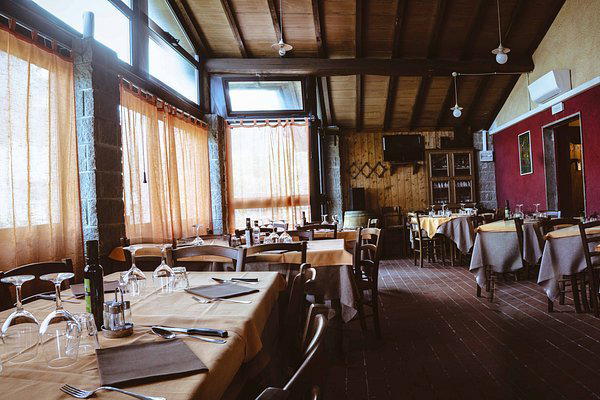
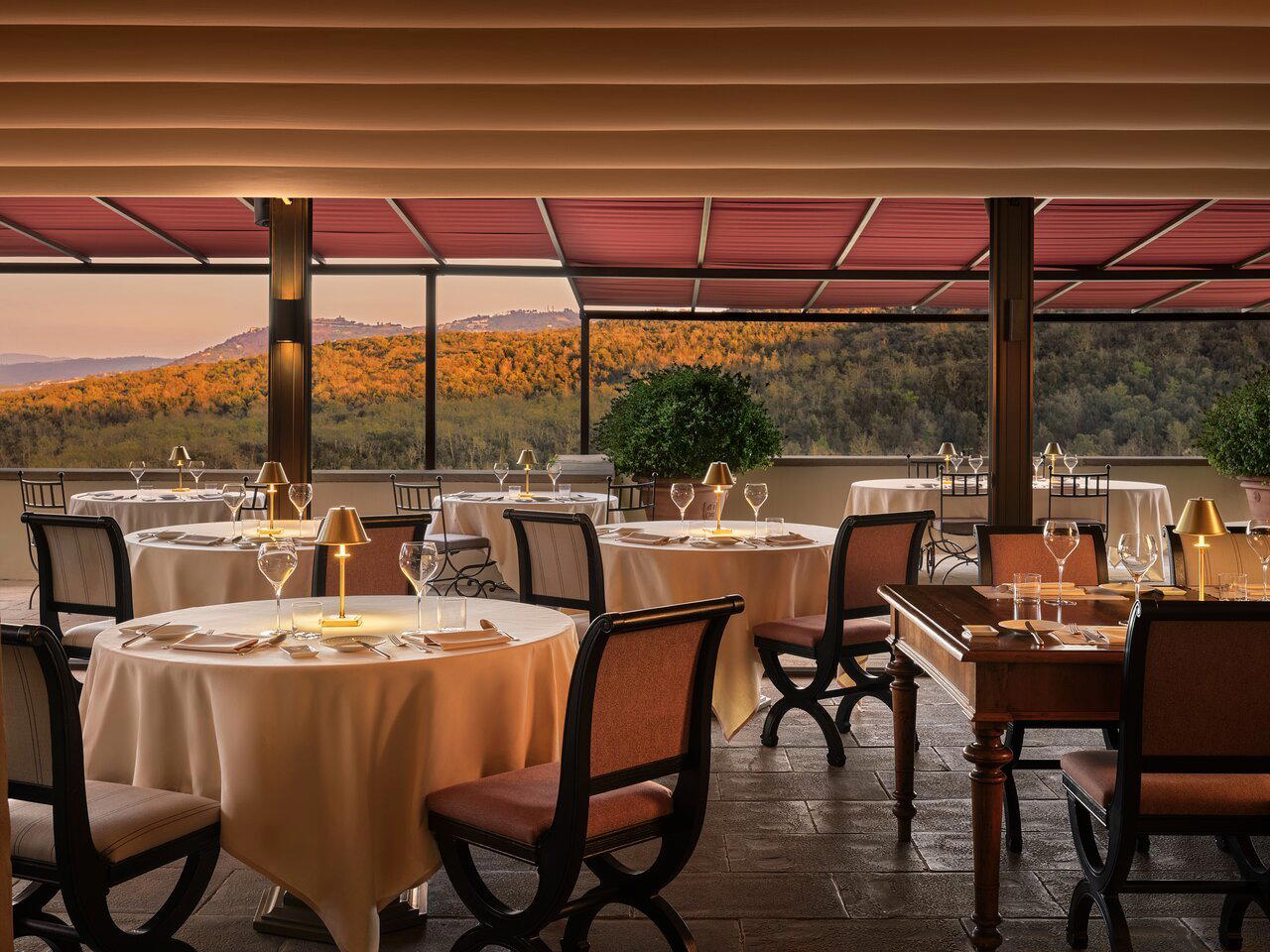
Restaurants in Pienza
All restaurants in Pienza →
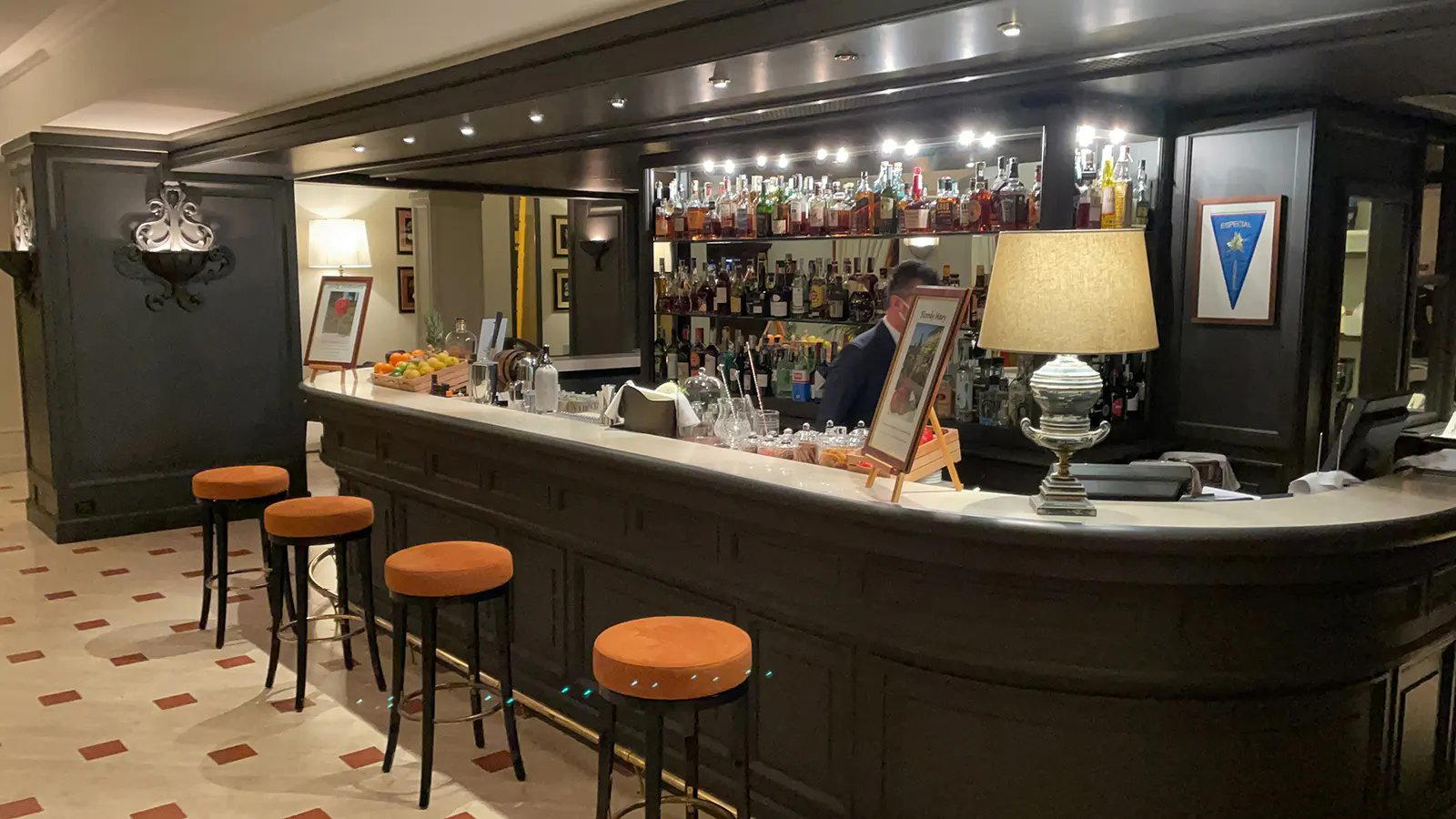
Bars in Pienza
All bars in Pienza →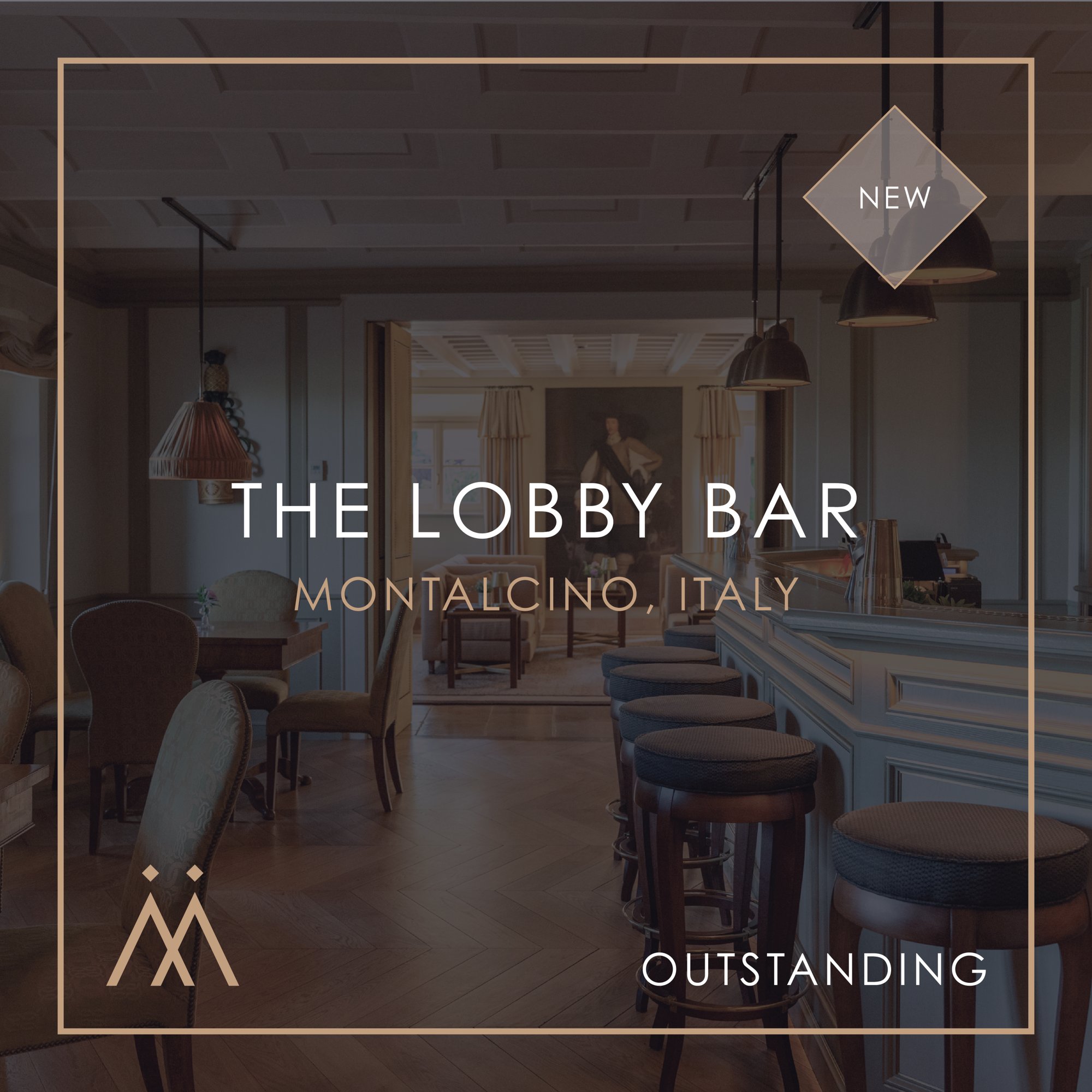

Details
- Romantic
- Scenic
- Cozy
- Elegant
- Rustic
- Date Night
- Special Occasion
- Celebration
- Group Dining
- Terrace
- Panoramic View
- Historic Building
- Standalone
- Extensive Wine List
- Beer Program
- Local Sourcing
- Farm To Table
- Mountain
- Vineyard
- A La Carte
- Family Style
- Montepulciano Wines
- Montalcino Wines
- Val D'orcia Producers
- Vegetarian Friendly
- Gluten Free Options
- Allergy Accommodating
Current opening hours
- Monday
- 12–3 PM, 7–10 PM
- Tuesday
- 12–3 PM, 7–10 PM
- Wednesday
- 12–3 PM, 7–10 PM
- Thursday
- 12–3 PM, 7–10 PM
- Friday
- 12–3 PM, 7–10 PM
- Saturday
- 12–3 PM, 7–10 PM
- Sunday
- 12–3 PM, 7–10 PM
Hours can change for holidays and private events. Hours as of .
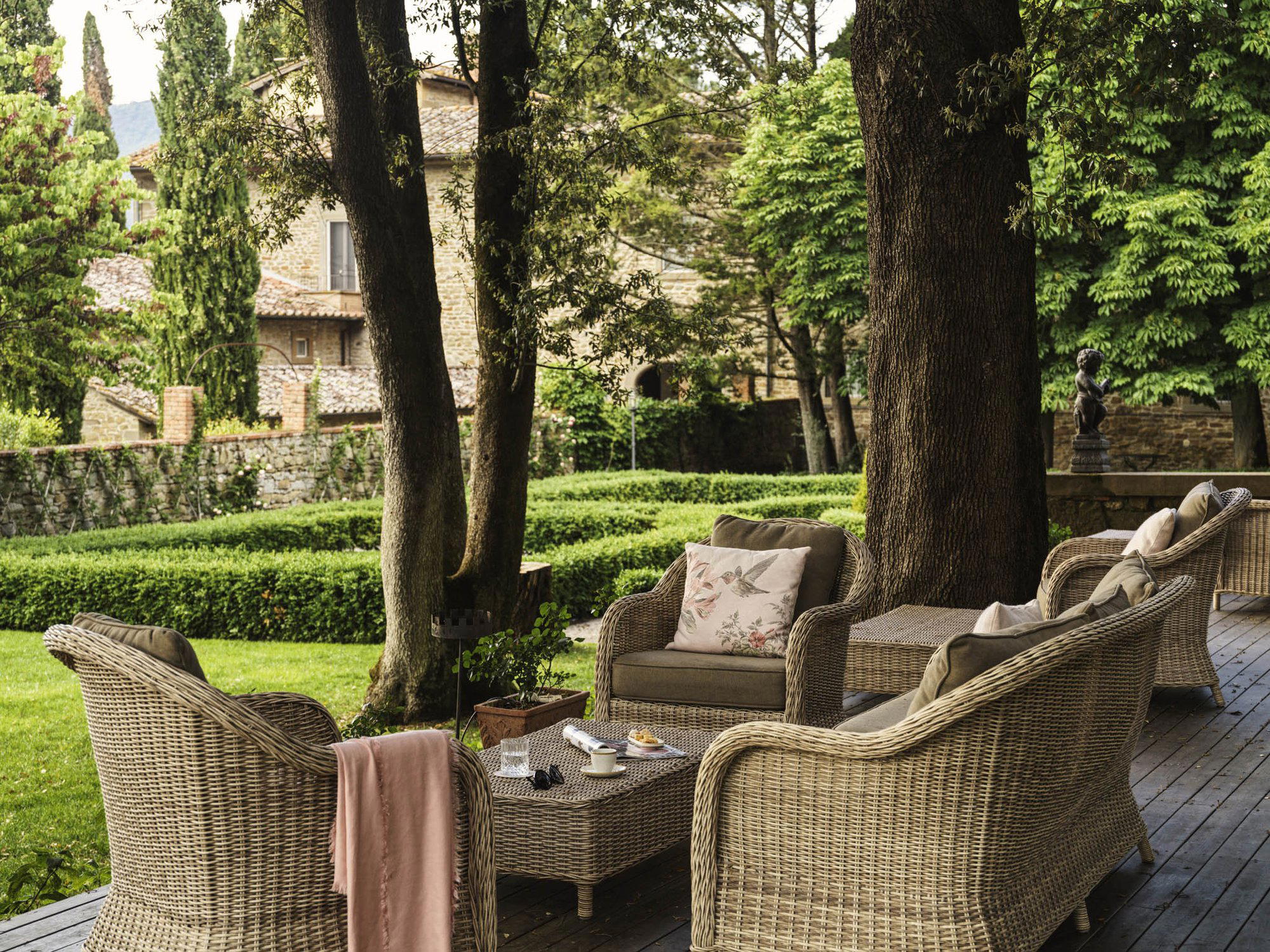
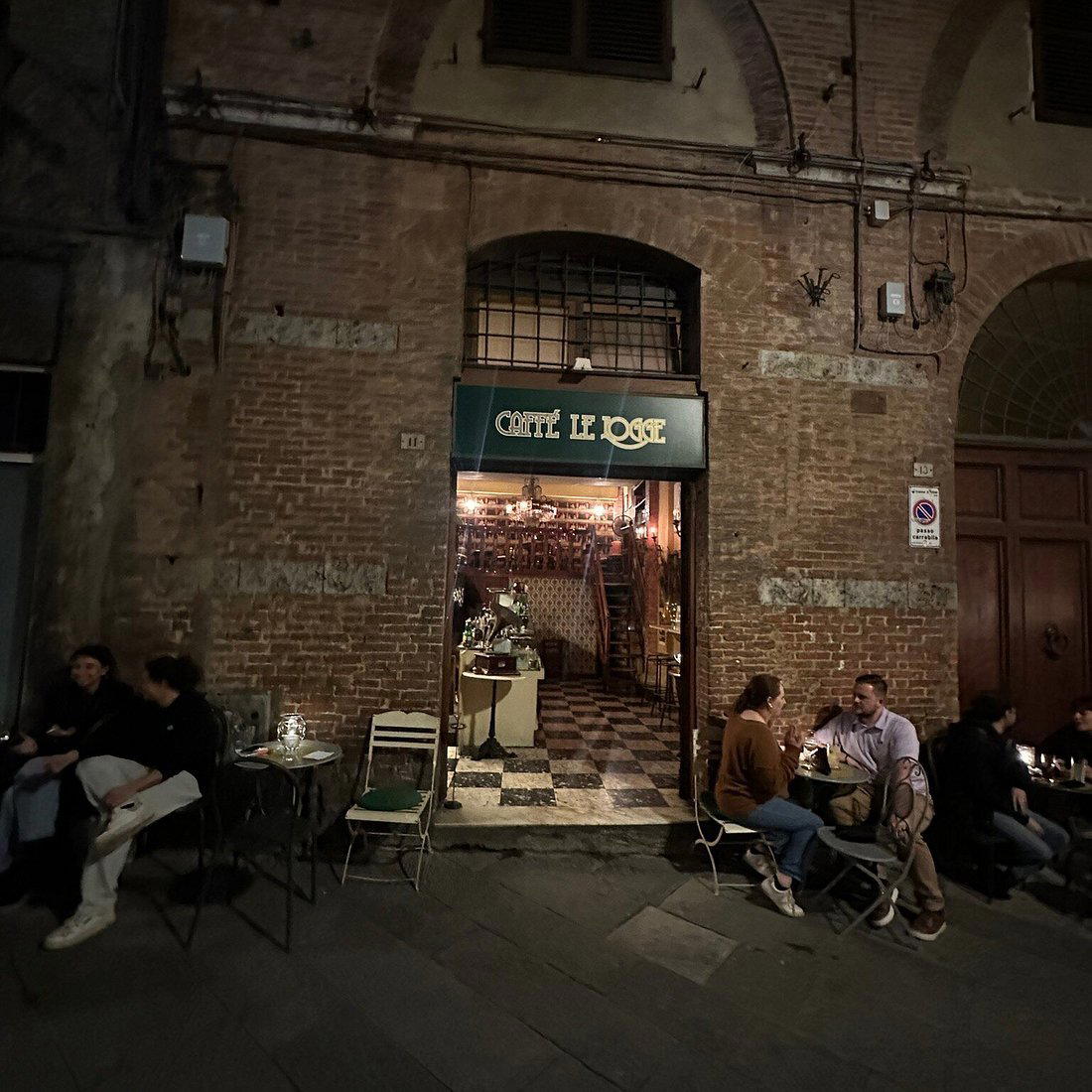
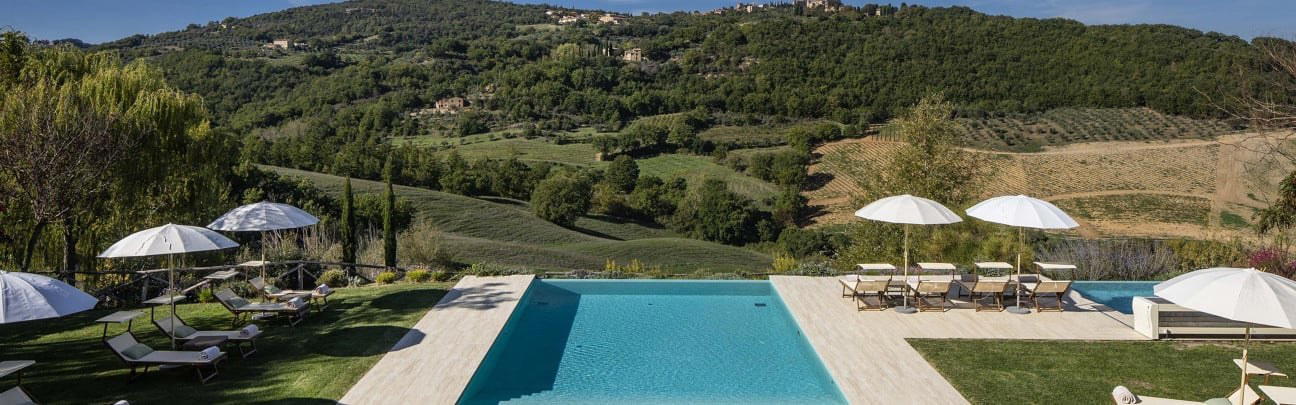
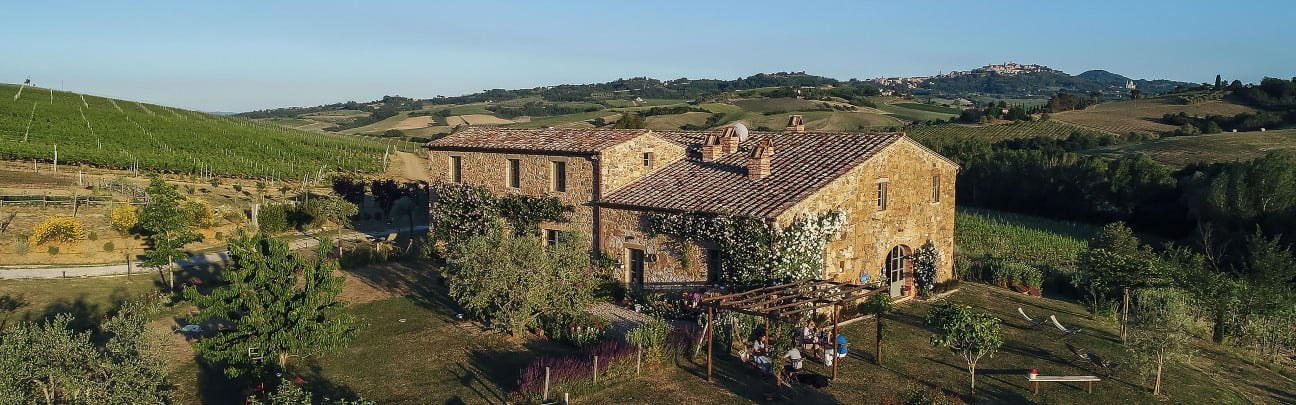
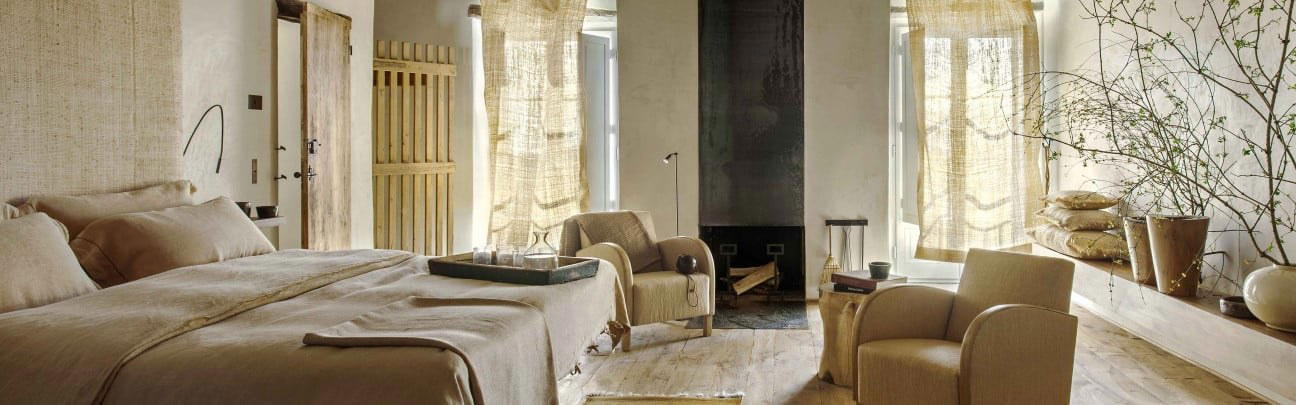
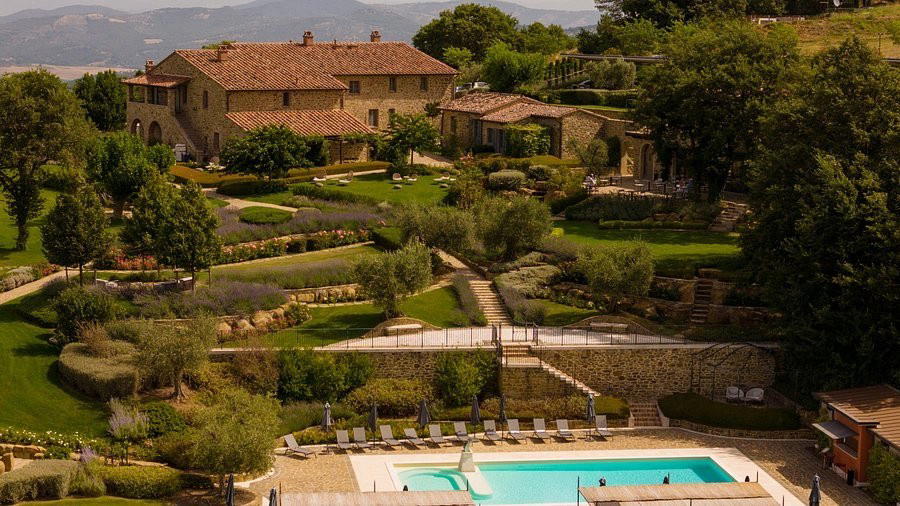
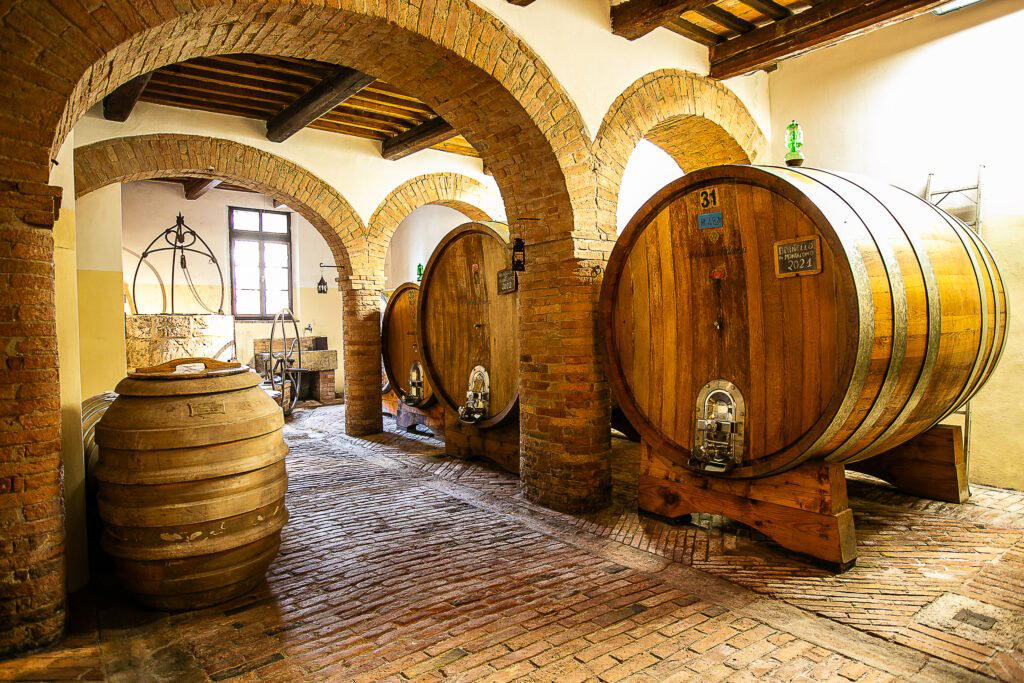
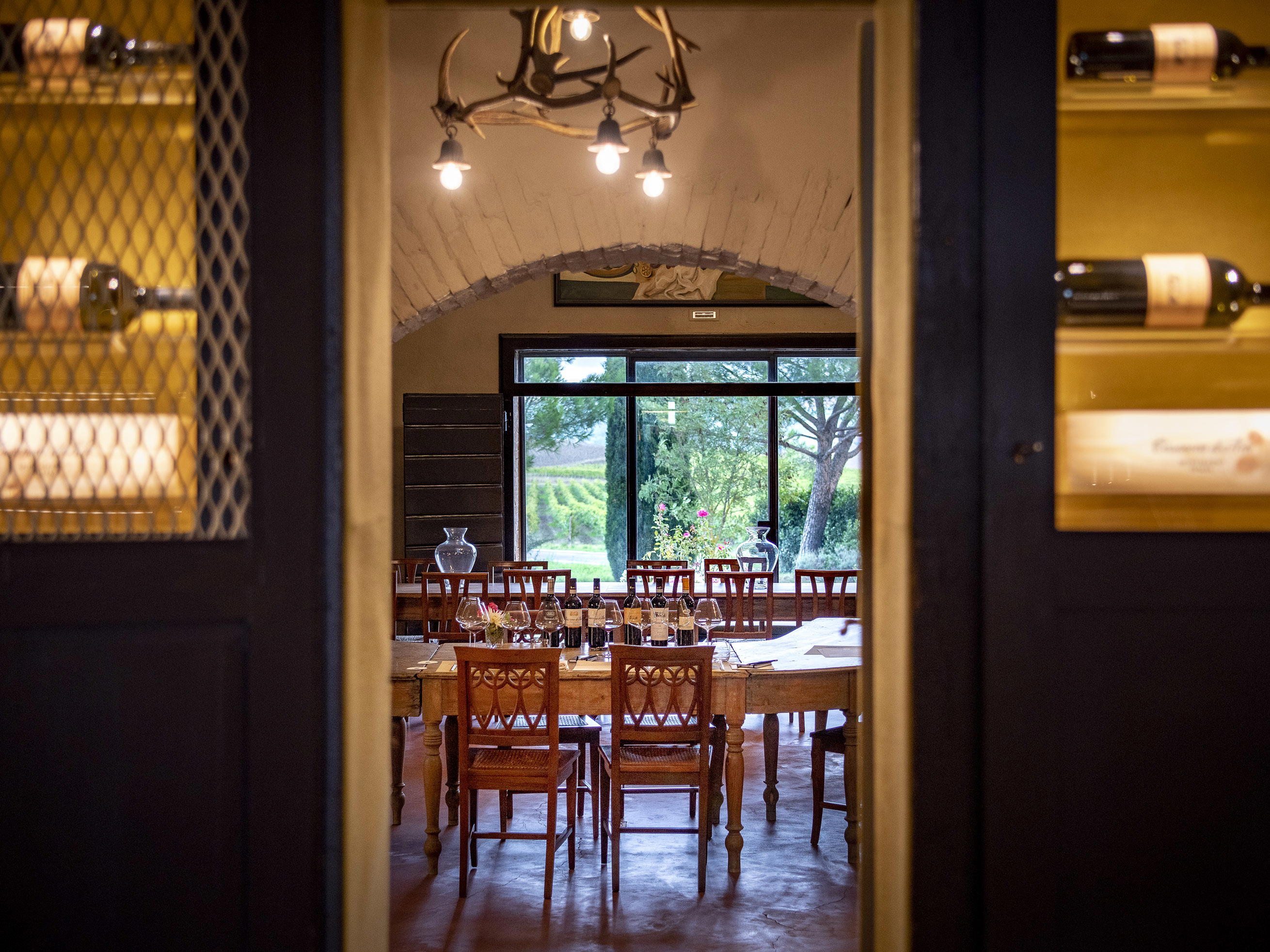
Warm and inviting with cozy Tuscan-style furnishings; candlelit terrace at sunset with far-reaching valley views; intimate indoor seating within the historic castle gateway.