Alto Wine Estate

Alto Wine Estate sits on the Helderberg mountain slopes above Stellenbosch, where steep granite and decomposed shale soils have long shaped the estate's red-focused identity. A Platters 2 Star Prestige award in 2025 positions it among a recognised tier of Stellenbosch producers. The estate is a reference point for those tracing how terroir-driven viticulture plays out on the warmer, south-facing flanks of the Helderberg.
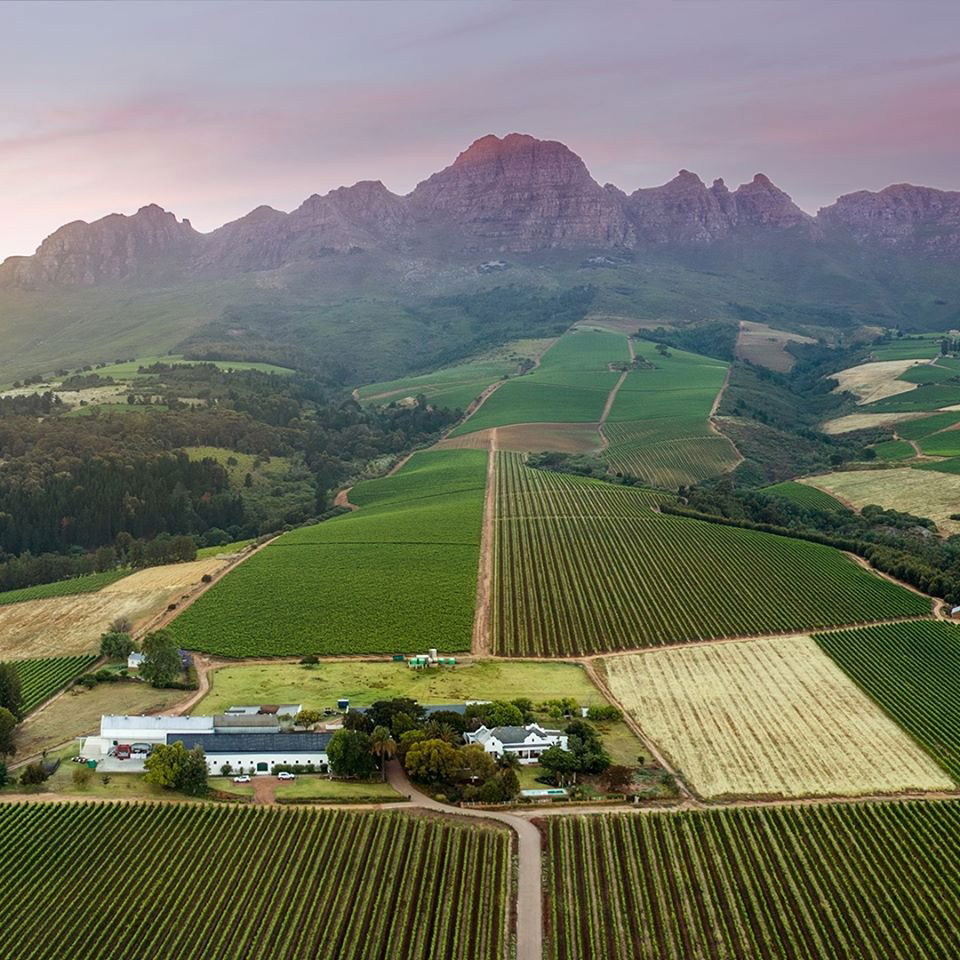
The Helderberg Slope and What It Does to Red Wine
On the south-facing flanks of the Helderberg mountain, the soils tell you what kind of wine to expect before you open a bottle. The granite outcrops and decomposed shale that define this portion of the Stellenbosch appellation impose natural stress on the vine, limiting yields and concentrating flavour in a way that no winemaking intervention fully replicates. Alto Wine Estate sits within this geological register, and its wines are leading understood as expressions of that particular patch of mountain rather than as products shaped primarily by cellar decisions.
This is a meaningful distinction in the Stellenbosch context. The appellation covers a broad sweep of terroir types, from the deep alluvial soils of the valley floor to the weathered sandstone and granite of the mountain foothills. Estates positioned higher on the slopes, where soils are thinner and the diurnal temperature swing more pronounced, tend toward structured, age-worthy reds with tighter fruit profiles. Alto occupies that upper-slope tier, which places it in a specific conversation about what Stellenbosch Cabernet-dominant wines can achieve when the land does the heavy lifting.
A 2025 Platters Recognition and What It Signals
Alto Wine Estate holds a Platters 2 Star Prestige rating for 2025, the John Platter South African Wine Guide being the most widely referenced annual assessment of the country's wine output. A two-star Prestige designation from Platter's indicates wines that have passed consistent critical scrutiny across multiple vintages, placing Alto in a mid-to-upper recognition tier rather than at the entry level. For context, Stellenbosch holds a high concentration of Platter-recognised estates, so the rating situates Alto within a competitive peer set that includes Delaire Graff Estate, Neethlingshof Estate, and Tokara Winery, all operating within the same appellation but across varying terroir profiles and stylistic orientations.
The distinction matters because Platters ratings function as a shorthand for the trade and for informed collectors. A 2 Star Prestige result implies that the estate's wines hold up to comparative tasting rather than excelling only in a narrow house-style context. For a visitor deciding where to allocate time on a Stellenbosch itinerary, it is a credible signal that the tasting experience will reward attention.
Terroir as the Central Argument
Stellenbosch's winemaking identity has long been Cabernet-anchored, with the appellation producing some of the Cape's most structurally ambitious red blends. The Helderberg ward within Stellenbosch carries a particular reputation for Cabernet Sauvignon and Shiraz, partly because the combination of warm days, cool nights, and well-drained mountain soils produces fruit with natural phenolic structure. Estates on this side of the mountain frequently show tannins with more grip and a fruit character that skews toward darker berries and graphite rather than the softer, more plush profiles that emerge from warmer valley-floor sites.
Alto's position within this ward means its wines participate in that broader conversation about mountain-influenced versus valley-floor expression. Visitors who have tasted across multiple Stellenbosch producers will recognise the signature: a firmness in the mid-palate, a certain austerity in younger vintages, and the kind of structural bones that reward cellaring. This is not a style designed for immediate accessibility at all price points; it is a style that reflects where the vines grow and what the soil withholds as much as what it gives.
For comparison, estates like Spier Wine Farm and Asara Wine Estate operate on different terrain within the broader Stellenbosch area, with their own distinct soil profiles. Travelling further afield, the comparison extends to Babylonstoren in Franschhoek and Constantia Glen in Cape Town, two properties that illustrate how differently the Cape's mountain ranges express themselves depending on aspect, altitude, and proximity to ocean influence. Creation Wines in Hermanus pushes the comparison further still, where Walker Bay's maritime climate produces a cooler-climate profile that sits at the opposite end of the spectrum from the Helderberg's sun-drenched slopes.
Arriving at Alto and Planning Your Visit
Alto Wine Estate is located on Annandale Road, Stellenbosch, positioned on the mountain slopes above the town. The road itself runs through a concentration of estate properties, making it a logical anchor point for a focused tasting itinerary through the Helderberg foothills. Phone and website details are not listed in publicly available records at the time of writing, so visitors are advised to verify current tasting hours and booking requirements through direct contact or via third-party reservation platforms before travelling. Given the estate's recognition profile, booking ahead rather than arriving speculatively is the prudent approach, particularly during the Cape summer season from November through February when visitor numbers across Stellenbosch climb sharply.
For those building a broader visit around Alto, the full picture of what Stellenbosch offers is covered in our full Stellenbosch wineries guide, with complementary resources in our full Stellenbosch restaurants guide, our full Stellenbosch hotels guide, our full Stellenbosch bars guide, and our full Stellenbosch experiences guide. For those extending the trip internationally, the estate-focused model Alto represents has parallels in Abadía Retuerta in Sardón de Duero, where a single large estate similarly dominates its local terroir conversation, and more loosely in Aberlour in Aberlour, where place-name and production identity are tightly fused.
Frequently Asked Questions
- How would you describe the overall feel of Alto Wine Estate?
- Alto sits in the focused, terroir-serious tier of Stellenbosch producers rather than in the large-scale visitor-attraction category. The Helderberg slope setting gives it a distinct physical character, and the 2025 Platters 2 Star Prestige recognition confirms it operates at a level where the wines themselves, rather than peripheral amenities, are the primary draw. Visitors who come specifically to taste mountain-influenced Stellenbosch reds will find the visit purposeful rather than recreational in the resort sense.
- What's the must-try wine at Alto Wine Estate?
- Without current verified tasting notes or a confirmed current range in the public record, specific bottle recommendations would be speculative. What the terroir data and Platters recognition do indicate is that Alto's red wines, shaped by Helderberg granite and shale soils, are the estate's strongest argument. The appellation's Cabernet Sauvignon and red-blend tradition is where the estate's mountain-slope position has historically expressed itself most clearly, and that is the logical starting point for any tasting visit.
- What's Alto Wine Estate leading at?
- Alto's established identity within the Stellenbosch appellation centres on mountain-slope red wine production, where the combination of Helderberg terroir and the Platters 2 Star Prestige rating for 2025 positions it as a reference point for structured, site-driven reds. Within Stellenbosch's competitive peer set, the estate's strongest suit is that it offers a clear, legible expression of what upper-slope Helderberg viticulture produces rather than a broad multi-category portfolio.
- Do they take walk-ins at Alto Wine Estate?
- Current booking policy details are not available in verified public records. Given Alto's recognition level and Stellenbosch's high visitor volumes during the November-to-February summer season, contacting the estate in advance is advisable. Arriving without a confirmed booking during peak periods carries genuine risk of unavailability, particularly at Platters-recognised properties where tasting capacity is often limited.
- How does Alto Wine Estate's Helderberg location differ from other Stellenbosch estates?
- Stellenbosch covers multiple wards with meaningfully different soil and climate profiles. The Helderberg ward, where Alto sits, is characterised by granitic and shale-derived soils on refined slopes with significant diurnal temperature variation, conditions that produce structurally firmer reds than those from warmer, lower-altitude valley-floor sites elsewhere in the appellation. That geological specificity is what the 2025 Platters 2 Star Prestige recognition reflects: a consistent house style shaped by a particular place rather than by flexible production across multiple site types.
Quick Comparison
A short peer set to help you calibrate price, style, and recognition.
| Venue | Cuisine | Price | Awards | Notes |
|---|---|---|---|---|
| Alto Wine Estate | Pearl 2 Star Prestige (2025) | This venue | ||
| Delaire Graff Estate | ||||
| Neethlingshof Estate | ||||
| Spier Wine Farm | ||||
| Tokara Winery | ||||
| Asara Wine Estate |
Access the Cellar?
Our members enjoy exclusive access to private tastings and priority allocations from the world's most sought-after producers.
Access the Concierge