Alder Springs Vineyard
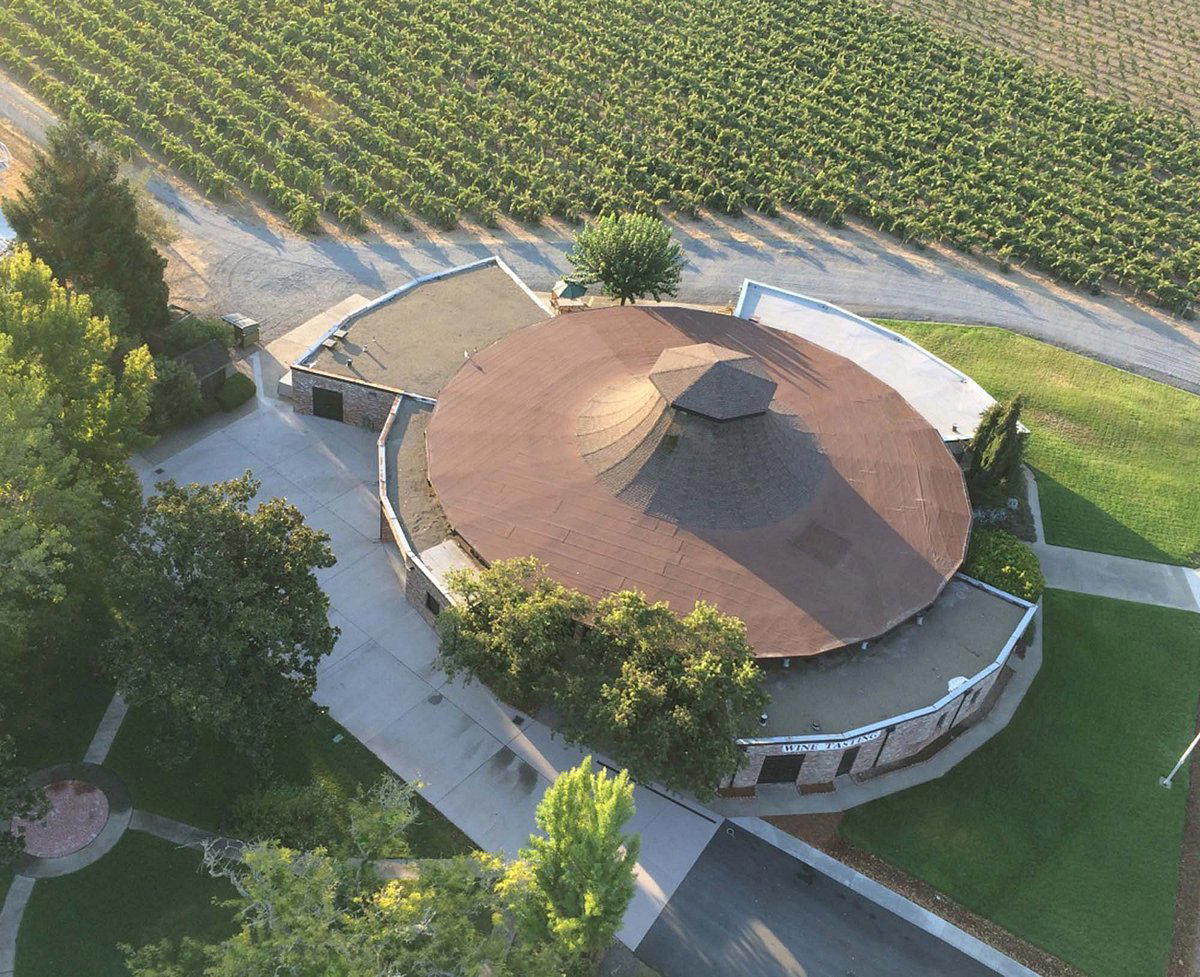
Alder Springs Vineyard sits in Mendocino County's remote interior, farming at elevations and latitudes that set it apart from the coast-facing appellations California wine drinkers know best. For visitors willing to make the drive to Laytonville, the reward is access to a wine growing context with few direct parallels in the state.
Pearl is the En Primeur Club membership app — saves, bookings, and concierge access live there. Same editors, same standards.
- Address
- Alder Springs, CA 95939
- Phone
- +17079848970
- Website
- alderspringsvineyard.com
- Directions
- Get directions
 Saves & bookings on Pearl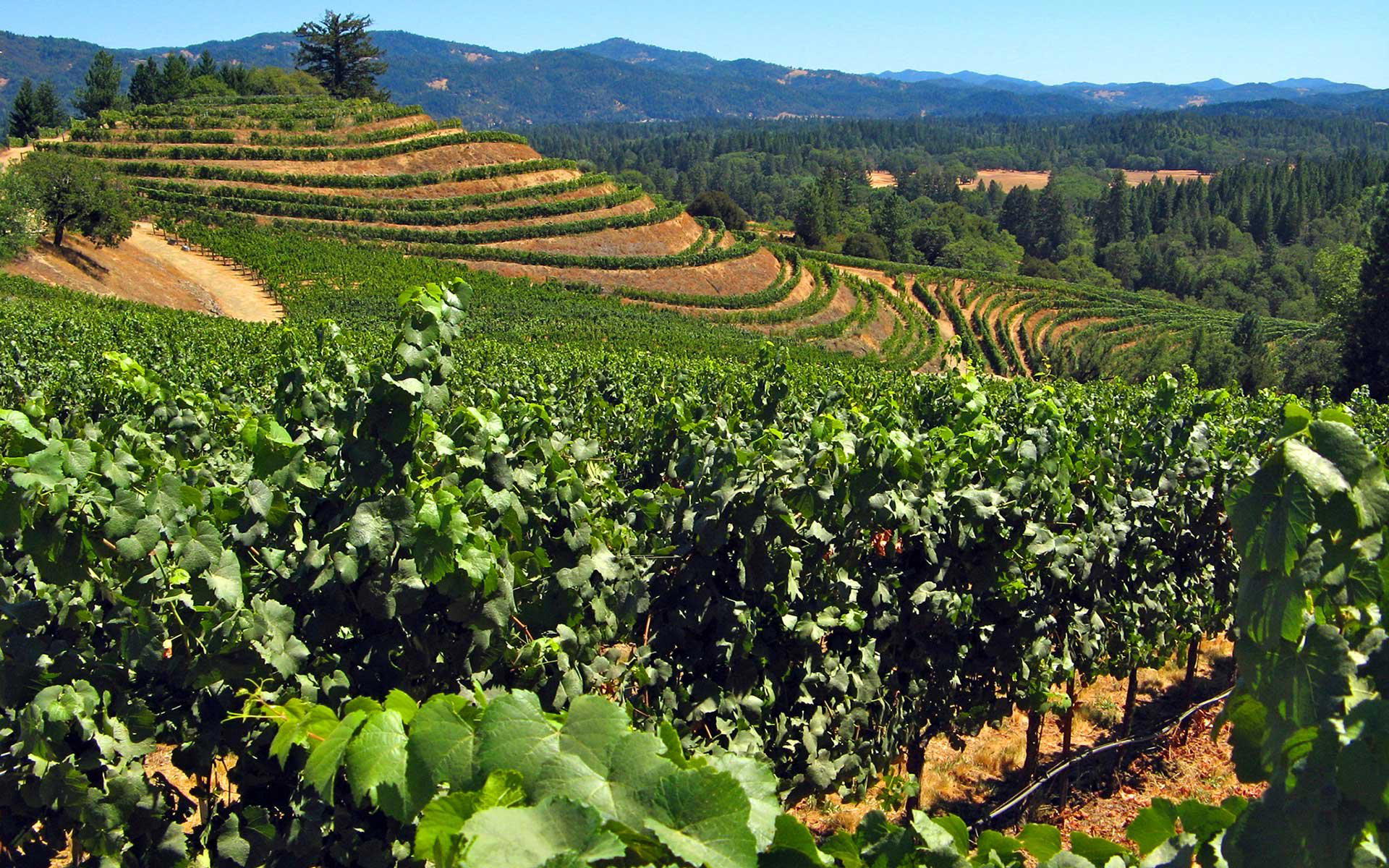
Elevation, Latitude, and the Case for Mendocino's Interior
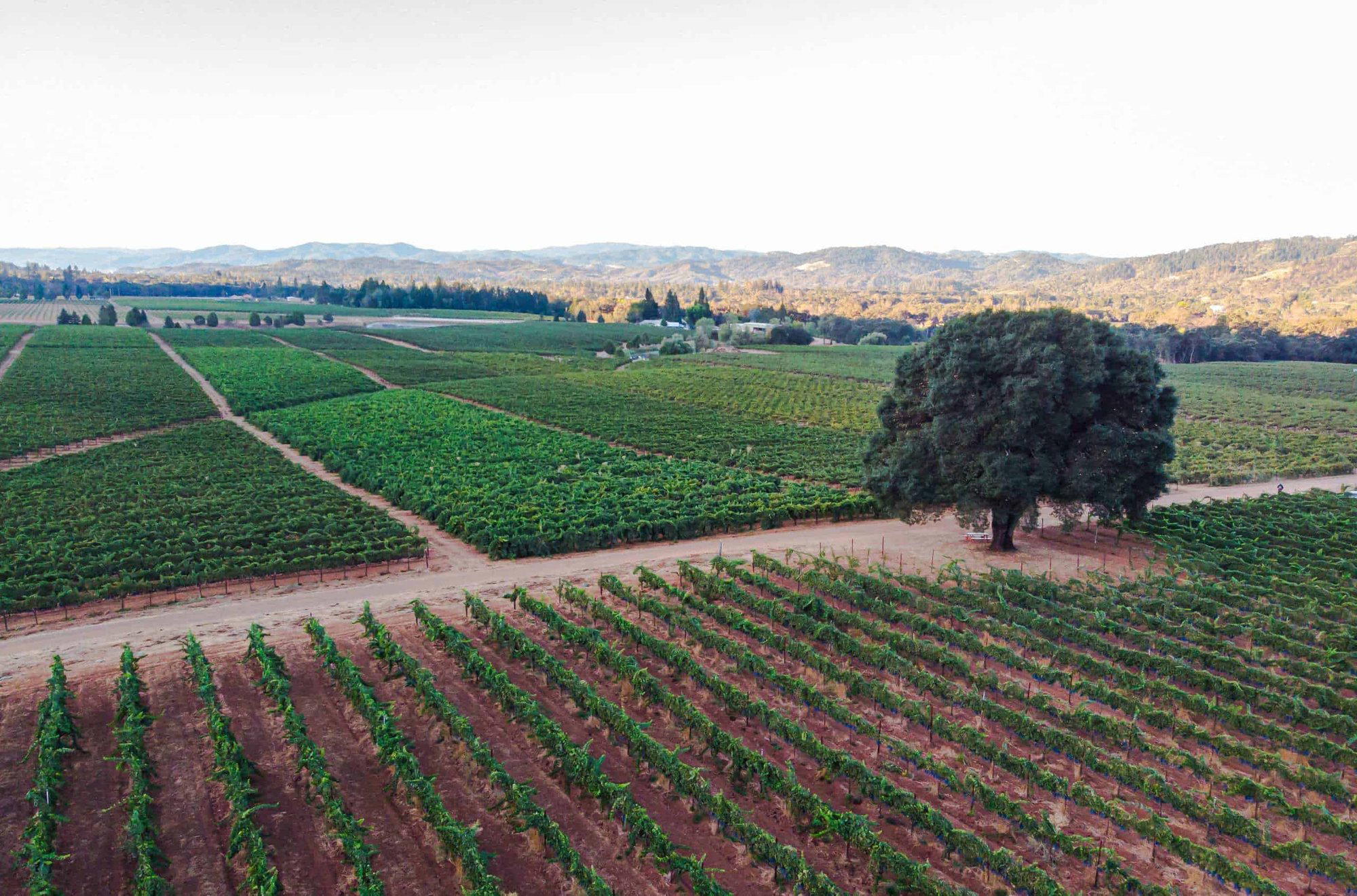
Most California wine geography is organised around two coordinates: proximity to the Pacific and distance south of the Oregon border. Mendocino County satisfies both, but its interior, the ridgelines and river drainages east of Highway 101, above the fog line, operates on different terms. Here, the Pacific's moderating influence arrives indirectly, funnelled through mountain passes rather than rolling off the water. Diurnal temperature swings are wider. Elevations are higher. The vine, confronted with cooler nights and a shorter growing window than valley-floor sites to the south, responds accordingly: slower ripening, longer hang time, more complex acid structure at harvest. Alder Springs Vineyard, located near Laytonville in this inland Mendocino terrain, is a winery in California's remote Mendocino interior.
What the Land Is Actually Doing
The terroir argument for inland Mendocino is not a romantic abstraction. The geology here is ancient and varied, serpentine intrusions, sedimentary uplift, volcanic remnants, producing a patchwork of soil types within short distances. Where many celebrated California appellations sit on relatively uniform alluvial fans or benchland clay-loams, the interior Mendocino ridgelines present the vine with genuine complexity underfoot. Water drainage is sharp on steep exposures, forcing root systems deeper than their coastal counterparts typically need to go. The result, across a range of varieties, tends toward wines with structural tension rather than generous mid-palate weight as the defining register. That tension is a function of place, not winemaking intervention, which is precisely the terroir expression argument that earns a property sustained critical notice over time.
For comparative context, California's other high-altitude, cool-interior sites, think the mountain vineyards of Santa Cruz, or the upper reaches of Paso Robles' Adelaida district, where Adelaida Vineyards works a limestone-heavy soil profile, share some of Alder Springs' logic of place. The Rhône-focused program at Alban Vineyards in Arroyo Grande similarly makes a case for how California's less-obvious geographies can produce wines with a structural identity that flatlands and bay-influence zones rarely achieve. Alder Springs sits within that broader argument, but on terms specific to Mendocino's northern latitude.
The Recognition Tier and What It Implies
This recognition helps place the property within California wine production. The Mendocino interior does not generate the saturated press coverage of Napa Valley, where properties like Accendo Cellars in St. Helena or Alpha Omega in Rutherford operate within one of the world's most scrutinised appellations, so external validation carries more interpretive weight. A prestige-tier rating here is not a product of a well-funded PR operation or appellation familiarity. It reflects the wine itself.
That relative anonymity is, for many collectors, an asset. Properties in less-trafficked appellations that achieve awards recognition tend to offer allocation access and direct purchasing relationships that are structurally impossible at comparable quality tiers in Napa or the Sonoma Coast. Aubert Wines in Calistoga, for instance, operates on a long waiting list for allocation. The mechanics of demand at Alder Springs, given Laytonville's profile, are likely to be different, though precise booking and purchasing details are best confirmed directly with the vineyard before any visit is planned.
Getting There and What to Expect
Laytonville sits on US-101 roughly midway between Ukiah and Leggett, in a stretch of Mendocino County that most Bay Area visitors pass through en route to the Lost Coast rather than stop in deliberately. The drive north from San Francisco runs approximately three to four hours depending on traffic through Marin and the Cloverdale corridor. The address at Alder Springs, CA 95939, places the property in a rural area. This is an appointment-only vineyard, so visits should be arranged in advance. Visit by appointment only.
The practical comparison that helps calibrate expectations: Adelsheim Vineyard in Oregon's Willamette Valley offers a model of how a respected, rurally-sited property can manage visits thoughtfully without compromising the agricultural integrity of the site.
Placing Alder Springs in the California Context
California wine has a tendency to organise itself into legible clusters: the Napa Valley hierarchy of AVAs, the Sonoma Coast Pinot conversation, the Central Coast's Rhône and Burgundian poles. Mendocino's inland sites occupy a genuine gap in that organisation, too far north for the Central Coast narrative, too remote for the Sonoma press circuit, too high in elevation for the valley-floor Mendocino story. Properties like Andrew Murray Vineyards in Los Olivos have demonstrated that working outside the dominant appellation narrative is sustainable when the wine quality justifies the positioning. Au Bon Climat in Santa Barbara built a decades-long reputation on Burgundian varieties in a county that was not, at the time, an obvious address for that style. Alder Springs belongs to a similar tradition of place-first viticulture that precedes, and often outlasts, appellation fashion cycles.
For readers building a California winery itinerary that moves beyond the established circuit, properties like Alexander Valley Vineyards in Geyserville or Artesa Vineyards and Winery in Napa offer accessible entry points on the way north. B.R. Cohn Winery in Glen Ellen and Babcock Winery and Vineyards in Lompoc round out the kind of multi-stop itinerary that serious wine travellers use to cross-reference California's stylistic range. Alder Springs, at the northern terminus of such a route, functions as a distinct data point: a high-elevation, inland Mendocino terroir.
Quick Comparison
Comparable venues nearby, for context on price, style, and recognition.
| Venue | Cuisine | Price | Notes |
|---|---|---|---|
| Alder Springs VineyardThis venue — the venue you are viewing | Pinot Noir, Chardonnay | Not listed | Not listed |
| Lolonis Winery | Zinfandel, Chardonnay | $$ | Redwood Valley |
| Albertina Wine Cellars | Cabernet Sauvignon, Merlot | $$ | Hopland |
| Sonoma County Distilling Company | Sonoma County | $$ | Rohnert Park |
| Paul Dolan Vineyards | Zinfandel, Cabernet Sauvignon | $$ | Ukiah |
| Valley of the Moon Winery | Winery | Not listed | Glen Ellen |
Continue exploring
More in Laytonville
At a Glance
- Rustic
- Scenic
- Quiet
- Wine Education
- Solo Exploration
- Vineyard Tour
- Estate Grounds
- Panoramic View
- Sustainable
- Mountain
- Vineyard
- Mendocino County
- Pinot Noir
- Chardonnay
- Syrah
- Grenache
- Mourvedre
- Viognier
- Vermentino
- Falanghina
- Marsanne
- Roussanne
- Still Red
- Still White
- Private Tasting
Rugged, pristine remote mountainous setting surrounded by towering redwoods with steep terrain fostering an intimate, natural atmosphere.