Paul Dolan Vineyards
Paul Dolan Vineyards operates out of Ukiah in California's Mendocino County, a region where organic and biodynamic viticulture have deep roots. For those tracing the state's sustainability-led wine movement, Ukiah's Parducci Road is a logical starting point.

Pearl is the En Primeur Club membership app — saves, bookings, and concierge access live there. Same editors, same standards.
- Address
- 501 Parducci Rd, Ukiah, CA 95482
- Phone
- (888) 362-9463
- Website
- pauldolanwine.com
- Directions
- Get directions
Mendocino's Organic Commitment, and What Ukiah Represents
California's wine story is usually told from Napa Valley or Sonoma County, but Mendocino County has been building a parallel narrative for decades, one organised around farming philosophy rather than price prestige. Ukiah sits at the southern end of the county, in a wide inland valley where warm days and cool nights give growers a long, even growing season. That climate has made it hospitable to a range of varieties, but the more important fact about this corner of Mendocino is ideological: the county holds more certified organic vineyard acreage than any other in California, and that distinction is not incidental to the wines produced here.
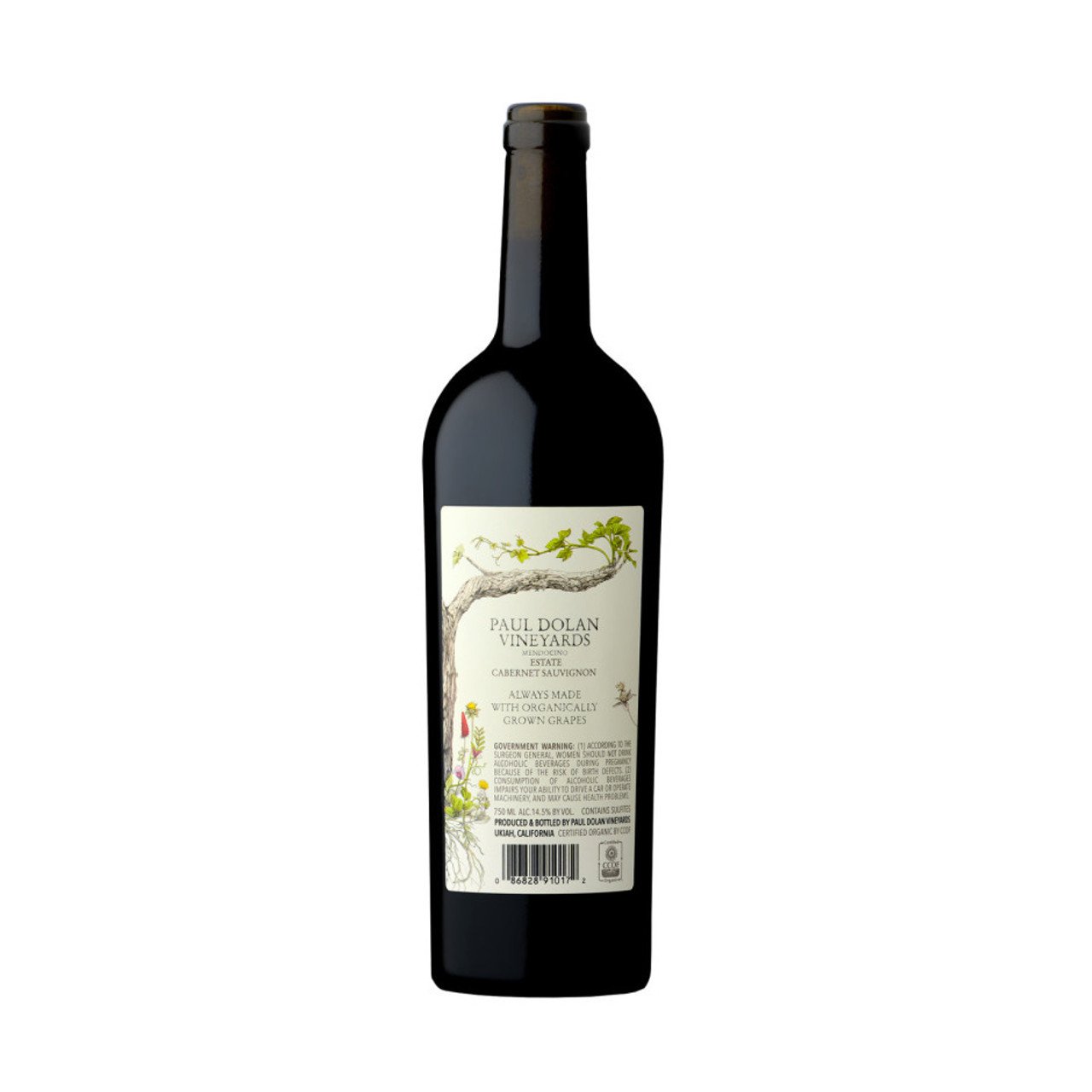
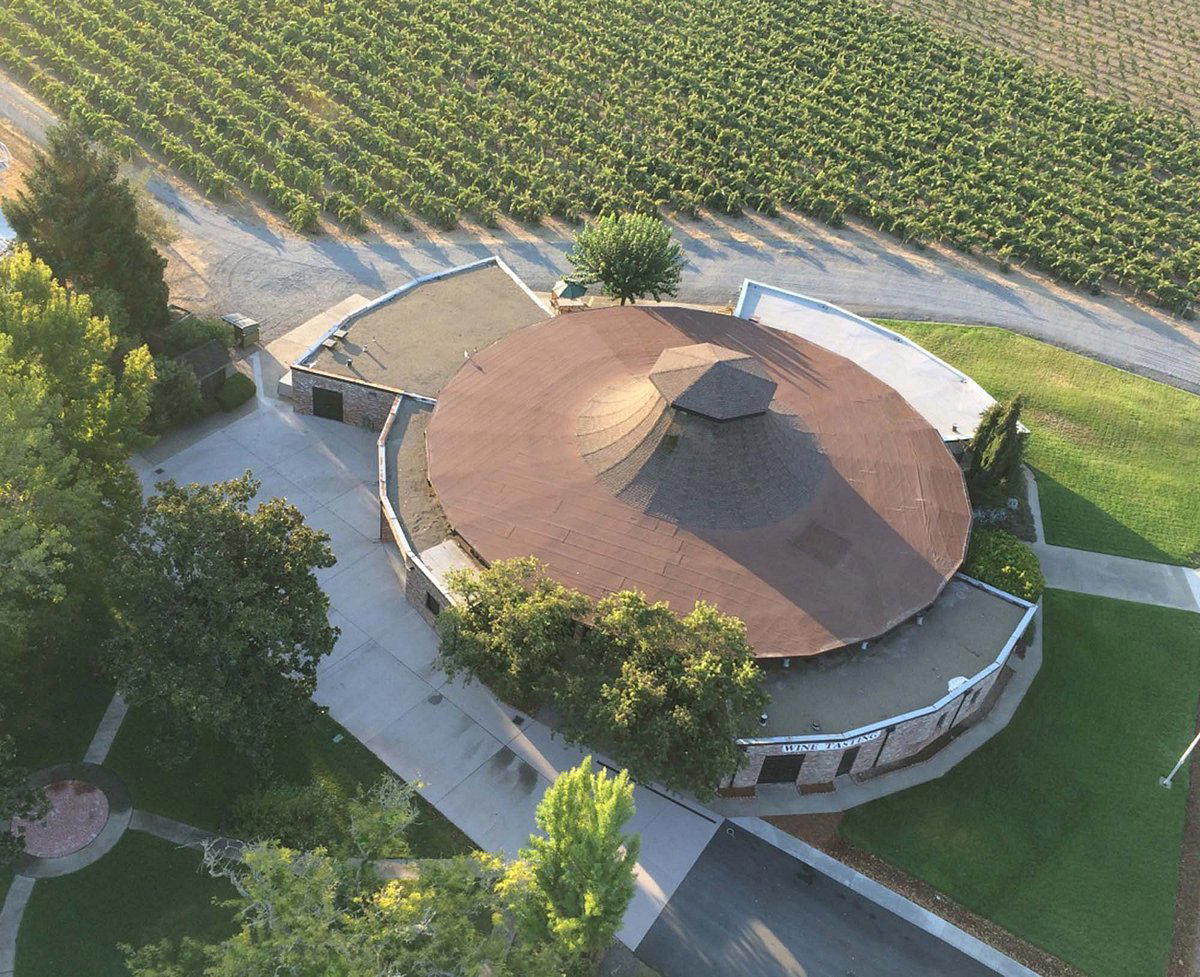
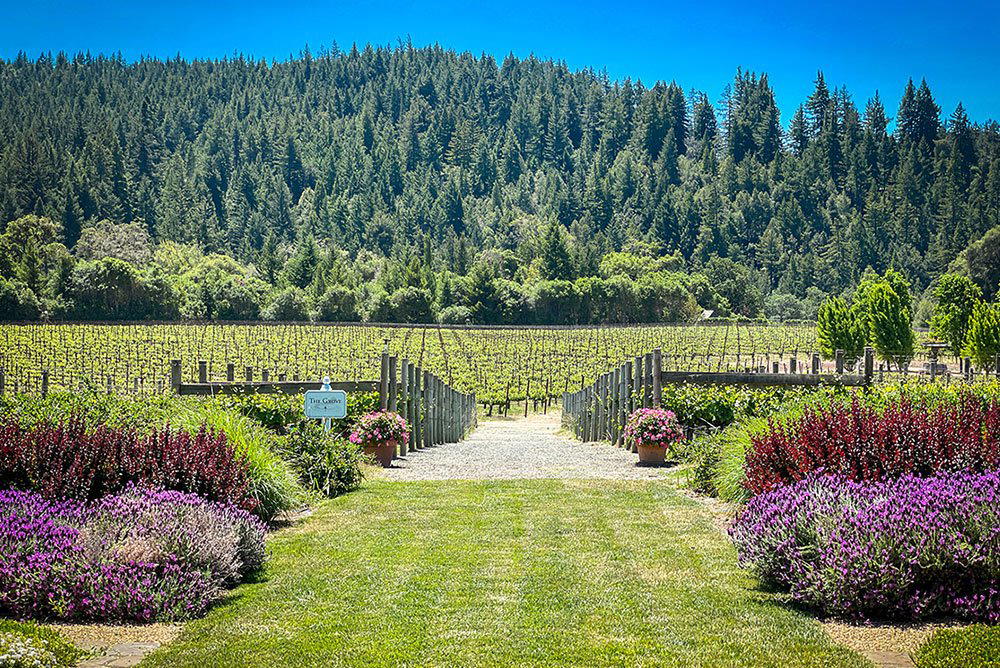
Paul Dolan Vineyards, at 501 Parducci Rd in Ukiah, sits within that organic tradition as one of its more consequential addresses. The surrounding landscape, once dominated by conventional farming, has shifted steadily toward biodynamic and organic certification over the past two decades, driven partly by the advocacy of producers in this immediate corridor. When you arrive along Parducci Road, the physical environment carries the quiet character of working farmland rather than hospitality theatre: no manicured topiary, no valet queue. The winery operates on the premise that what happens in the vineyard is the argument, and the tasting experience is built around that premise.
The Sourcing Logic Behind the Wines
The editorial angle that matters most for Paul Dolan Vineyards is not the label design or the hospitality format, but where the fruit comes from and how it is grown. Mendocino County's organic acreage concentration is the result of generational investment by a small group of growers who made certification decisions when conventional farming was still the path of least resistance. The vineyards that supply this address operate under that same discipline, which means the farming decisions, cover crop management, compost application, soil biology, and the avoidance of synthetic inputs are not recent marketing additions but structural to how the fruit develops.
Biodynamic and organic viticulture in this region produces grapes with a different profile than high-intervention conventional farming: lower yields, more textured skins from natural pest management, and a ripening curve that responds to the actual season rather than corrective chemistry. That farming reality translates into wines where vintage variation is legible, where a cooler year reads in the wine and a warmer one does too. For drinkers accustomed to the consistency-engineered wines that dominate retail shelves, this is a meaningful distinction.
Within Ukiah's producing community, Paul Dolan Vineyards occupies a position alongside other operations on the same road and in the same valley that have collectively shaped the county's organic identity. Nearby producers including Dunnewood Vineyards and Chiarito Vineyard contribute to the area's character as a working wine district rather than a tourism-first corridor. The contrast with Napa's estate-and-concierge model is deliberate and telling.
In a county where the organic credential is widespread, a quality distinction of this kind matters because it separates producers whose farming philosophy produces genuinely compelling wine from those for whom certification is primarily a marketing position.
The 2 Star Prestige placement puts Paul Dolan Vineyards in a recognisable peer tier alongside other California producers who have pursued sustainability without compromising on the quality of the finished product. For comparative reference, California's wine quality spectrum ranges from high-volume, appellation-generic production to small-allocation estate wines sold primarily through mailing lists. Paul Dolan sits in a mid-to-upper register that is accessible without requiring the allocation hustle that defines entry into, say, Accendo Cellars in St. Helena or Alpha Omega Winery in Rutherford, both of which operate in Napa's premium-restricted tier.
For context outside California, the commitment to place-driven, low-intervention production that defines Mendocino's leading producers parallels what Adelsheim Vineyard in Newberg has built in Oregon's Willamette Valley, or what Adelaida Vineyards in Paso Robles pursues in a warmer Central Coast setting. Each is operating from a specific farming philosophy rather than from appellation prestige alone.
Ukiah as a Wine Destination: The Honest Assessment
Ukiah is not a wine tourism town in the way that Healdsburg or Yountville are. There is no main street of wine bars, no boutique hotel district calibrated for weekend visitors arriving on allocated tastings. What Ukiah offers instead is access to working producers in a county that has made serious farming commitments over a long period. The tasting room experience here is typically direct and producer-focused: you are visiting a winery, not a hospitality concept.
That character suits a specific type of visitor: someone interested in the agricultural argument behind a wine rather than the lifestyle backdrop around it. For that reader, Ukiah rewards attention. The valley's other addresses extend the exploration logically. Lost In The Cellar adds a retail and curation angle to the local scene, while the spirits producers along the same corridor, including Charbay Distillery and Germain-Robin Distillery, reflect Mendocino's broader tradition of craft production that runs parallel to its wine identity.
For the broader California comparison, producers in Paso Robles such as Alban Vineyards in Arroyo Grande or Andrew Murray Vineyards in Los Olivos occupy a similar position of serious quality in a region that does not carry Napa's promotional weight. The pattern is consistent: California's most committed farming happens in places that are not yet fully on the tourism map, and that is part of what makes visiting them productive.
For context on producers outside North America who share a commitment to place and low-intervention farming, Achaia Clauss in Patras and Aberlour in Aberlour each represent the principle that long institutional commitment to a place produces a different kind of authority than recent investment in a fashionable region. The parallel is useful when framing what Paul Dolan Vineyards represents within California's longer wine history.
Planning a Visit
The winery is located at 501 Parducci Rd, Ukiah, CA 95482, in the southern Mendocino County wine corridor. Ukiah is approximately a two-hour drive north of San Francisco via US-101, making it a viable day trip from the Bay Area for visitors who want to cover the Parducci Road corridor in a single outing. For a fuller picture of what to do and drink in the area, the EP Club Ukiah guide maps the producing community in more detail. Pairing a visit to Paul Dolan with stops at Alexander Valley Vineyards in Geyserville on the drive north makes geographic sense and puts Mendocino's organic-forward character in useful contrast with Sonoma's Alexander Valley style.
Style and Standing
Comparable venues nearby, for context on price, style, and recognition.
| Venue | Cuisine | Price | Notes |
|---|---|---|---|
| Paul Dolan VineyardsThis venue — the venue you are viewing | Zinfandel, Cabernet Sauvignon | $20–30 | Not listed |
| McNab Ridge Winery | Cabernet Sauvignon, Zinfandel | Not listed | Hopland |
| Seebass Family Wines | Chardonnay, Syrah | Not listed | Ukiah |
| McBride Sisters Winery | Winery | Not listed | Ukiah |
| Dunnewood Vineyards | Merlot, Zinfandel | Not listed | Ukiah |
Continue exploring
More in Ukiah
Wineries in Ukiah
Browse all →
Details
- Rustic
- Scenic
- Classic
- Wine Education
- Group Outing
- Special Occasion
- Vineyard Tour
- Estate Grounds
- Terrace
- Organic
- Biodynamic
- Vineyard
- Mountain
- Zinfandel
- Cabernet Sauvignon
- Sauvignon Blanc
- Cabernet Franc
- Petit Verdot
- Still Red
- Still White
- Estate Tasting
- Vineyard Tasting
- English
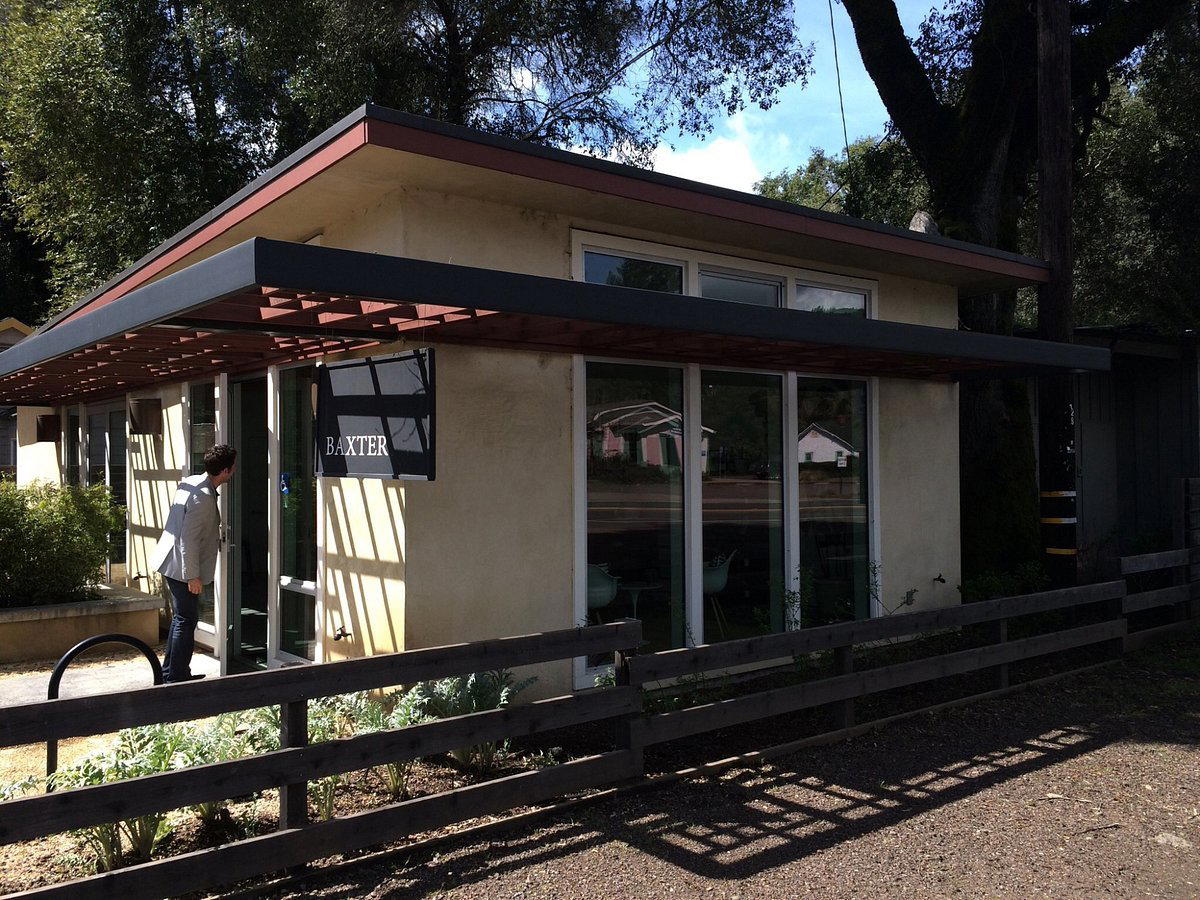
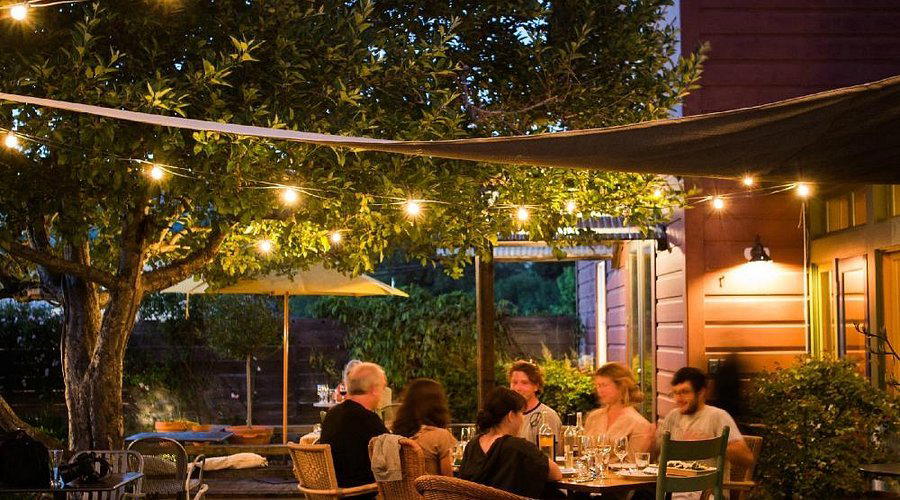
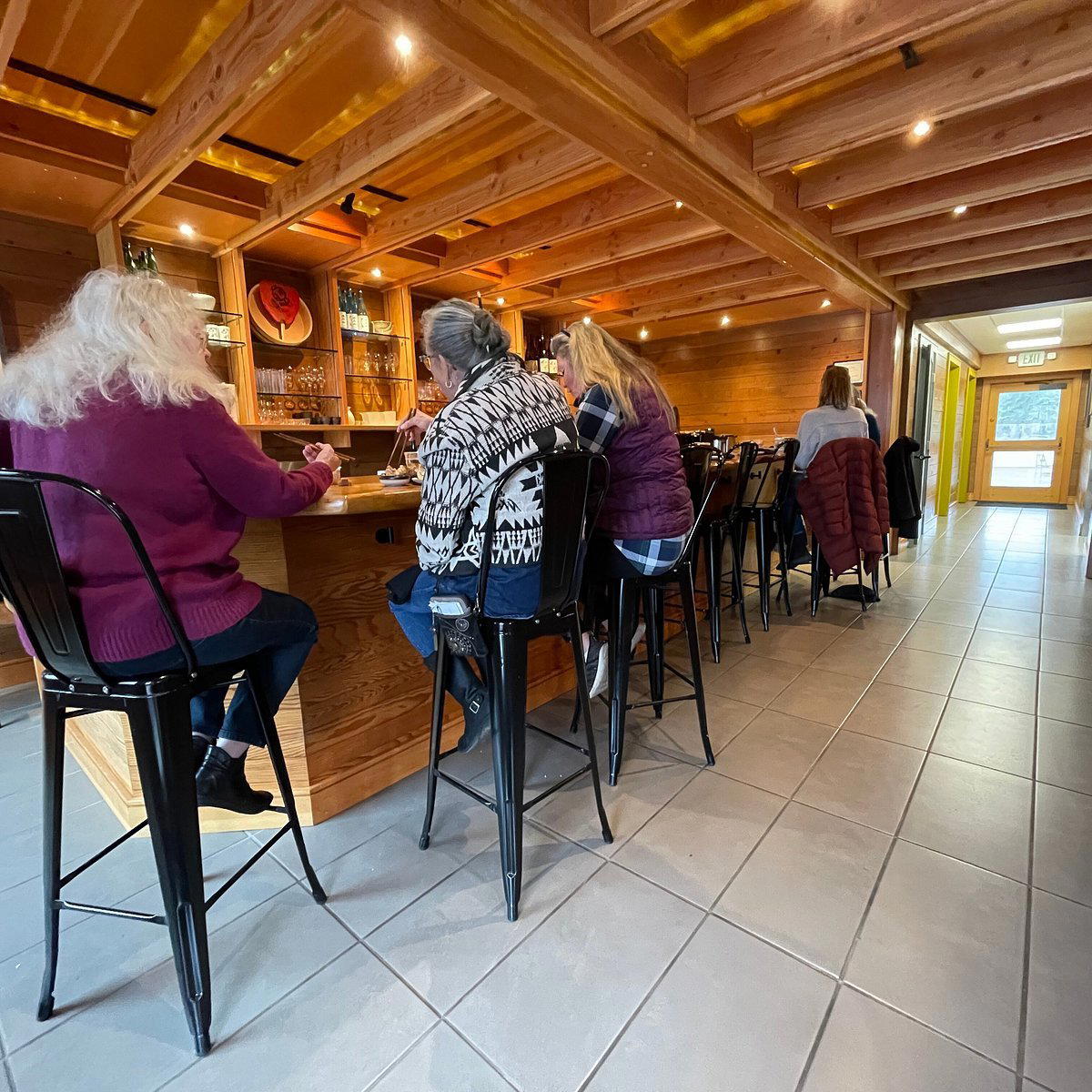
Rustic, heritage-focused tasting environment reflecting Mendocino County terroir and sustainable farming practices.