13th Vineyard
The address at White Cottage Road situates it within a cluster of properties where volcanic soils and mountain air do much of the winemaking argument for you.

Pearl is the En Primeur Club membership app — saves, bookings, and concierge access live there. Same editors, same standards.
- Address
- 150 White Cottage Rd S, Angwin, CA 94508
- Phone
- (707) 968-5747
- Website
- 13thvineyard.com
- Directions
- Get directions
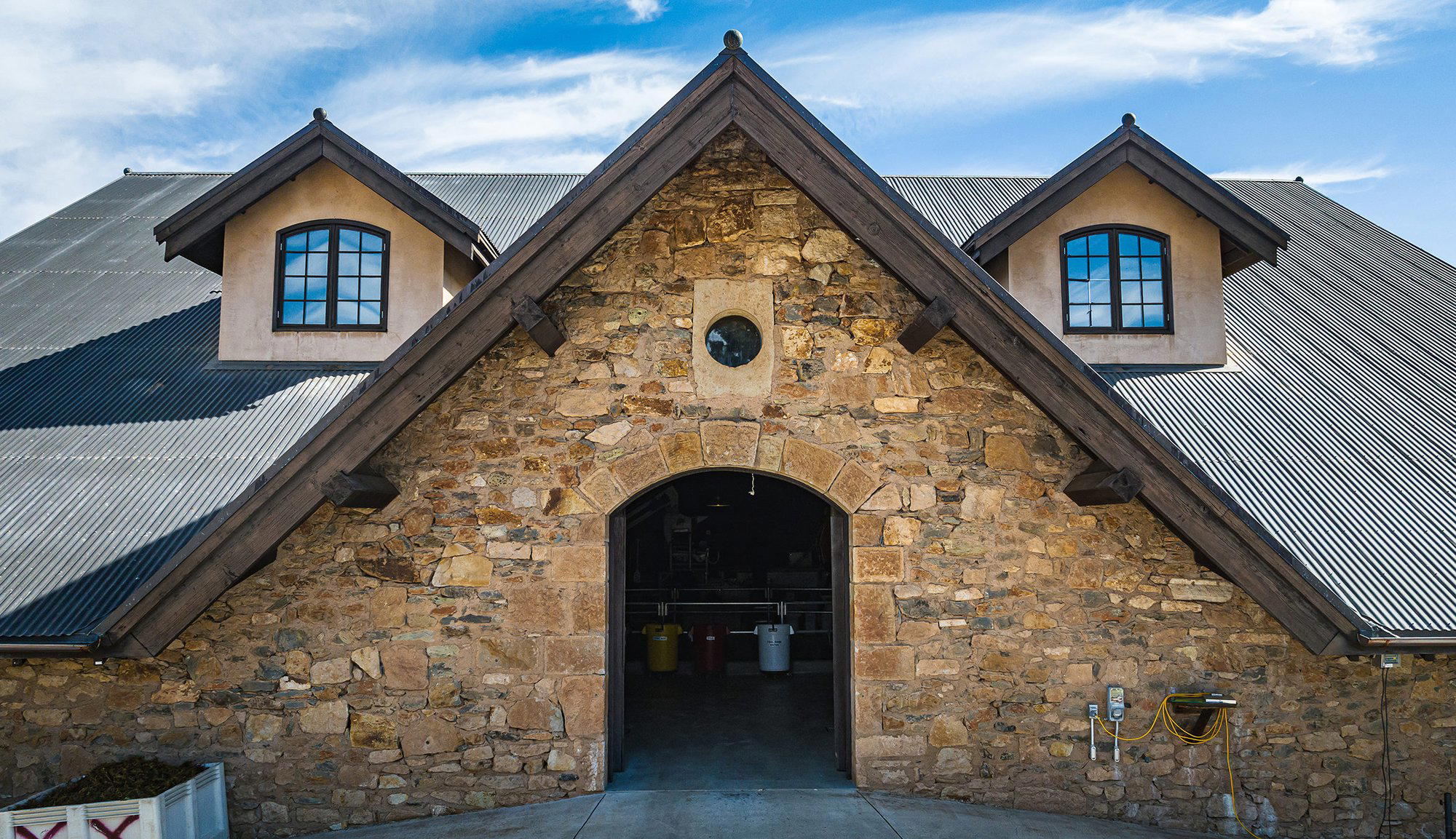
Howell Mountain and the Case for Elevation
Napa Valley's floor gets most of the headlines, but the mountain appellations have long made a different kind of wine. Howell Mountain, which earned its own AVA designation in 1984, sits above the fog line at roughly 1,400 feet and higher, where volcanic soils give way to red volcanic ash and rocky, well-drained ground that stresses vines in ways the valley floor cannot replicate. That stress is the point. Smaller berries, thicker skins, and concentrated color form naturally, without intervention, as a direct consequence of where the vines are planted. The wines that emerge from this terroir tend to be structured, slow to open, and built for time in the cellar rather than immediate gratification. 13th Vineyard, situated at 150 White Cottage Rd S in Angwin, belongs to this tradition.
The Angwin Cluster and What It Signals
Angwin functions as the quiet residential center of Howell Mountain, a tight community that happens to sit in one of California's most demanding wine-growing environments. The producers operating around it, including Arkenstone Winery, Outpost Wines, and Viader Vineyards and Winery, all work within the same volcanic terroir and face the same constraints: limited water-holding capacity in the soil, temperature swings between day and night that can exceed 40 degrees Fahrenheit, and yields that make producing large quantities economically difficult. These are not complaints. They are the conditions that separate Howell Mountain fruit from Napa floor fruit in the glass. 13th Vineyard sits within this geography and carries the same terroir argument into its wines. For full context on the wider Angwin wine scene, our full Angwin guide maps the regional picture.
Volcanic Soil as the Primary Author
The soils on Howell Mountain are classified as Aiken and Los Gatos series, both of volcanic origin, with low clay content and strong drainage. For Cabernet Sauvignon, the dominant variety across this mountain AVA, those soils translate into wines that arrive with firm, fine-grained tannins from the skin concentration and a mineral thread that the valley floor's alluvial silts rarely produce with the same definition. The high diurnal temperature variation preserves natural acidity through the growing season, which is what gives mountain Cabernet its length and structure rather than the plush, broad-shouldered texture associated with warmer Napa floor sites.
Comparable mountain-focused producers elsewhere in California offer useful frames of reference. CADE Estate Winery, also on Howell Mountain, operates at similar elevation and draws on the same volcanic soil base. Further south, Accendo Cellars in St. Helena and Alpha Omega Winery in Rutherford represent a different Napa tier, where valley-floor sites and blending programs produce wines oriented toward earlier accessibility. The contrast clarifies what mountain viticulture, and 13th Vineyard's position within it, is actually about: patience, structure, and the specific minerality that volcanic ground produces when it is asked to grow red Bordeaux varieties under stress.
California Comparisons Beyond Napa
The discipline that Howell Mountain imposes is echoed at select high-elevation or volcanic-soil sites elsewhere in California, though the specific expressions differ. Adelaida Vineyards in Paso Robles works with calcareous soils in the Adelaida Hills that also produce structured, age-worthy reds from a position of geographic isolation. Alban Vineyards in Arroyo Grande made its name on the argument that specific sites in California could produce Rhône varieties with the same seriousness as the Southern Rhône originals, which is a parallel logic to what Howell Mountain producers argue about Cabernet. Andrew Murray Vineyards in Los Olivos and Alexander Valley Vineyards in Geyserville operate in warmer, lower-altitude conditions where the terroir argument shifts toward ripeness management and site selection rather than elevation-driven structure. Understanding these contrasts places 13th Vineyard's mountain position in sharper relief: this is a producer whose context is defined almost entirely by altitude, volcanic geology, and the discipline those conditions require.
Within the wider world of rated California producers, benchmarks from operations like Artesa Vineyards and Winery in Napa and Adelsheim Vineyard in Newberg, Oregon, show how consistently awarded small-to-mid-scale producers tend to sit: at the intersection of specific terroir claims and production consistency over multiple vintages, rather than on the strength of a single exceptional year. The 2025 rating for 13th Vineyard is a data point, not a proclamation, but it reads as a credible signal for a producer operating in one of California's more demanding growing environments.
Planning a Visit
White Cottage Road South sits in the residential heart of Angwin, accessed most directly from the Howell Mountain Road turnoff after climbing from the valley floor via Deer Park Road or Pope Valley. The ascent itself is instructive: as elevation rises, the temperature drops, the vineyard character shifts, and the sense of remove from Napa's commercial corridor on Highway 29 becomes tangible. Current hours, tasting formats, and booking procedures for 13th Vineyard are not listed in public databases, and visiting without prior contact is inadvisable for any small Howell Mountain producer. Reaching out directly before any visit is the standard practice for this tier of mountain winery. For those building a broader Angwin itinerary, the surrounding producers offer complementary perspectives on the same volcanic-soil terroir, and the Angwin guide covers logistics and the full producer map in detail.
Frequently Asked Questions
Comparable Venues
Comparable venues nearby, for context on price, style, and recognition.
| Venue | Cuisine | Price | Awards | Notes |
|---|---|---|---|---|
| 13th VineyardThis venue — the venue you are viewing | Cabernet Sauvignon, Merlot | $200–300 | Not listed | Not listed |
| Dunn Vineyards | Cabernet Sauvignon | $100–150 | Falstaff Winery - Listed | Angwin |
| O'Shaughnessy Estate Winery | Cabernet Sauvignon, Cabernet Franc | Not listed | Not listed | Howell Mountain |
| Outpost Wines | Zinfandel, Cabernet Sauvignon | $50–100 | Not listed | Angwin |
| CADE Estate Winery | Cabernet Sauvignon, Sauvignon Blanc | $200–300 | Not listed | Angwin |
| Viader Vineyards & Winery | Cabernet Sauvignon, Cabernet Franc | $150–200 | Not listed | Angwin |
Continue exploring
More in Angwin
Wineries in Angwin
Browse all →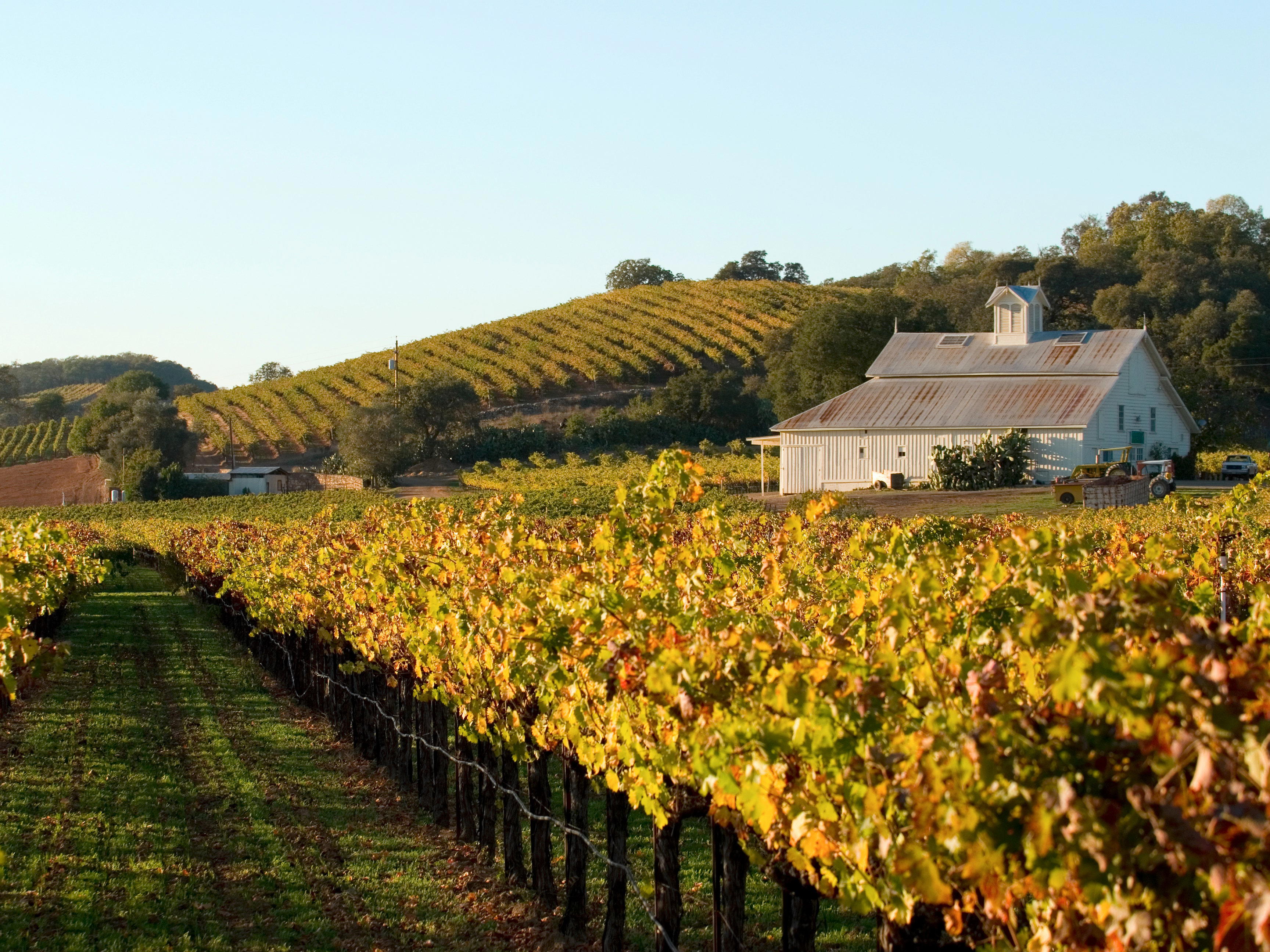
Bars in Angwin
Browse all →
Restaurants in Angwin
Browse all →
Details
- Elegant
- Rustic
- Scenic
- Intimate
- Historic
- Special Occasion
- Wine Education
- Cave Tasting
- Vineyard Tour
- Estate Grounds
- Garden
- Historic Building
- Organic
- Mountain
- Vineyard
- Garden
- Cabernet Sauvignon
- Merlot
- Petit Verdot
- Malbec
- Sauvignon Blanc
- Still Red
- Seated Tasting
- Private Tasting
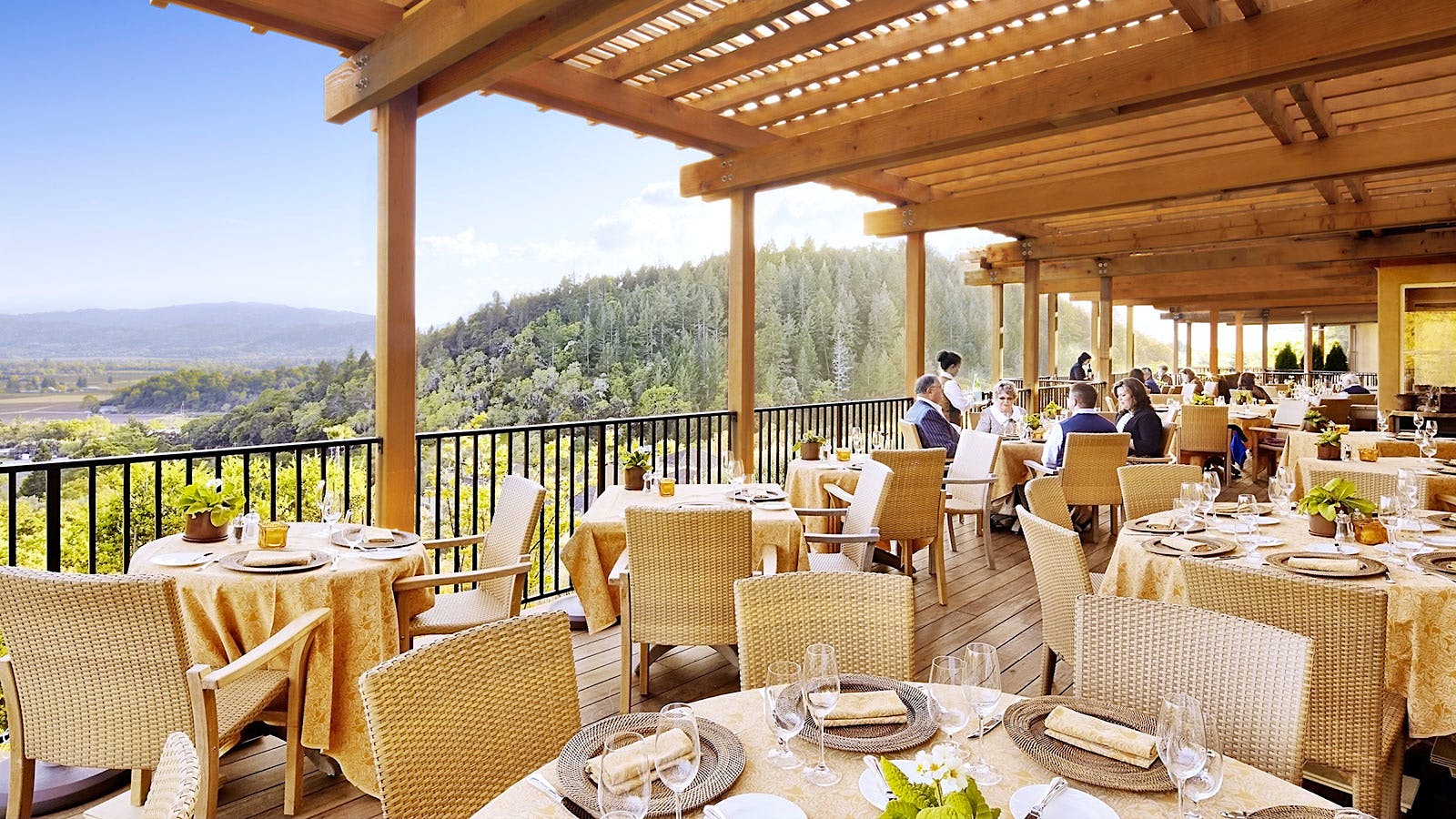
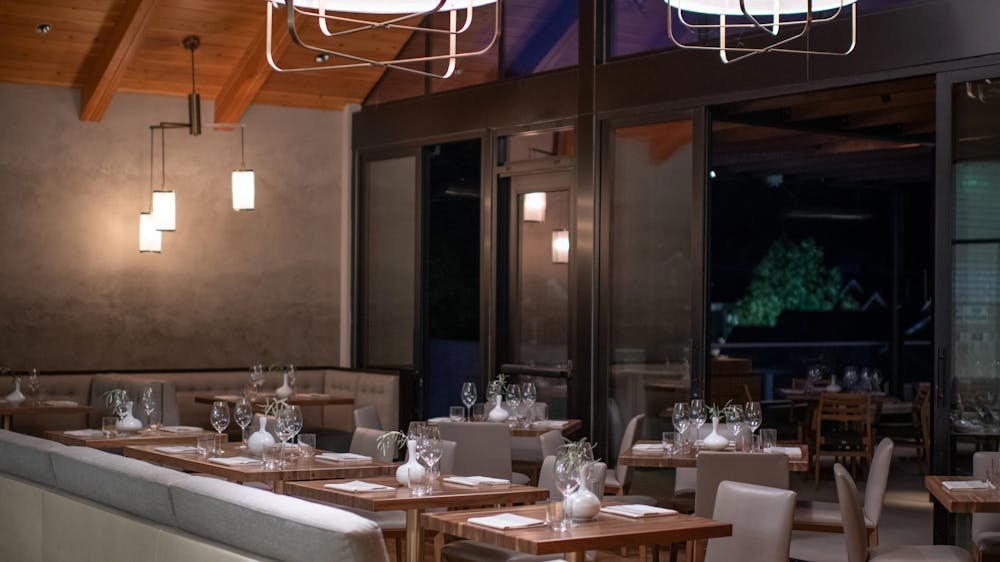
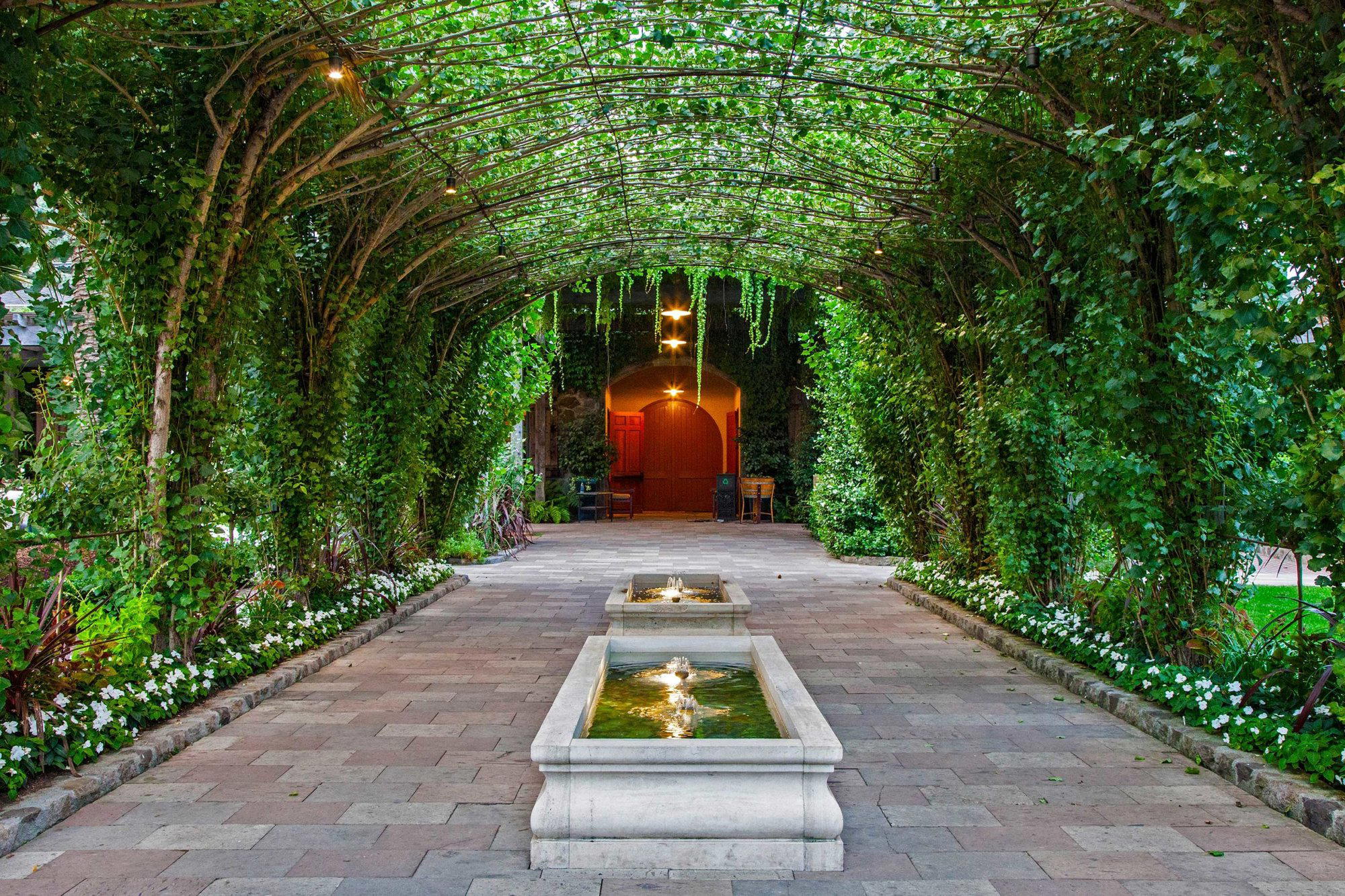
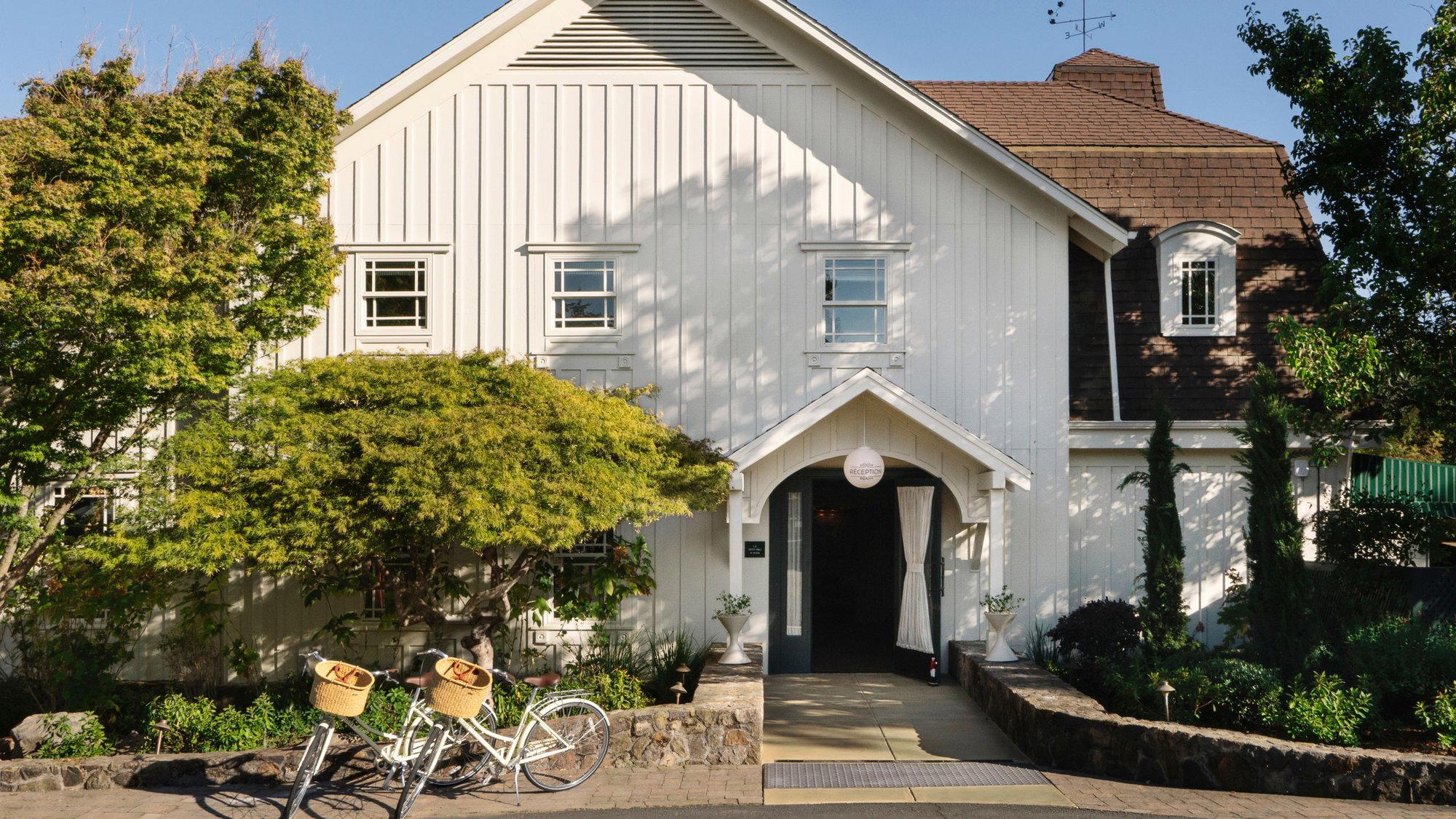
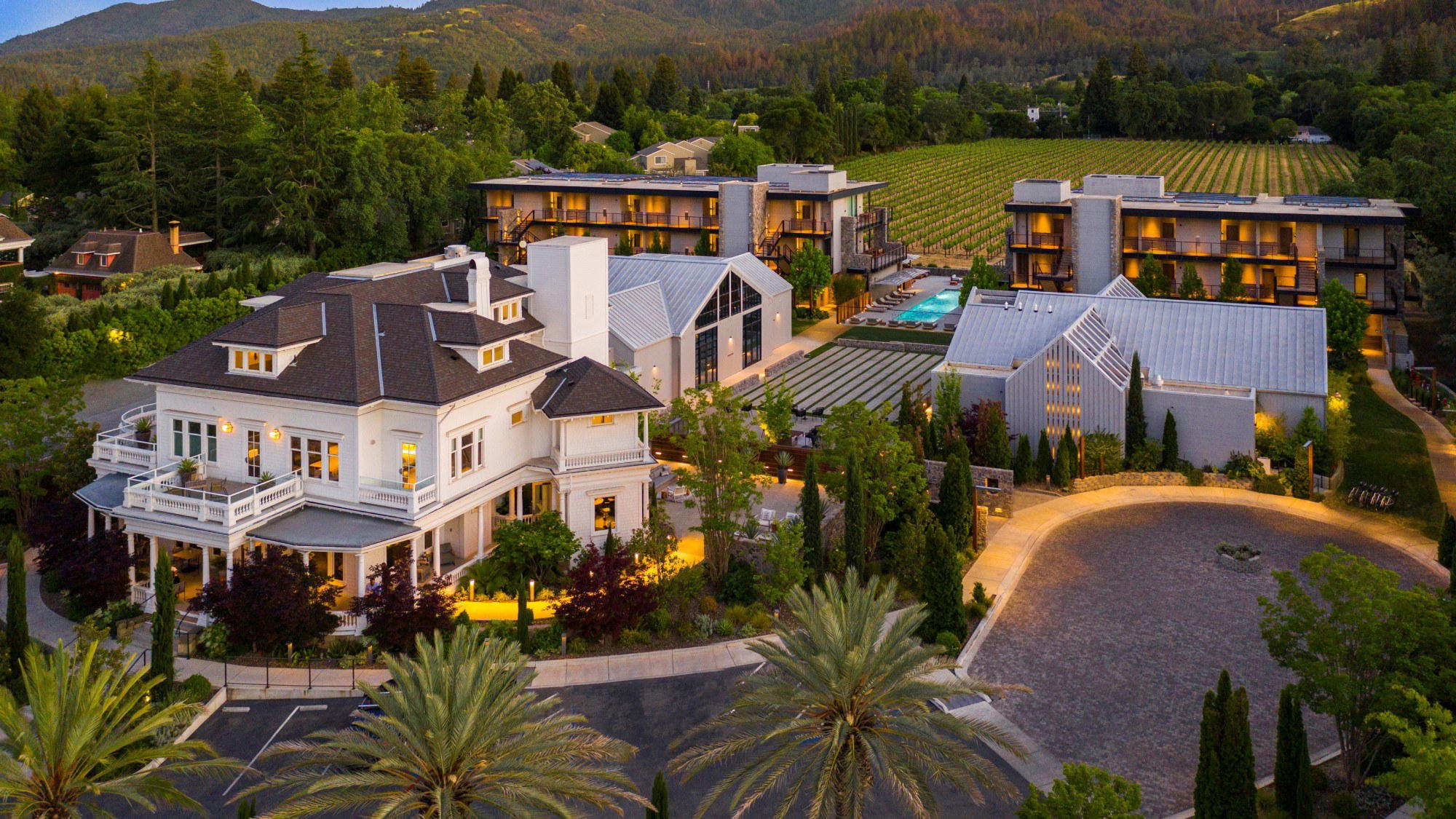
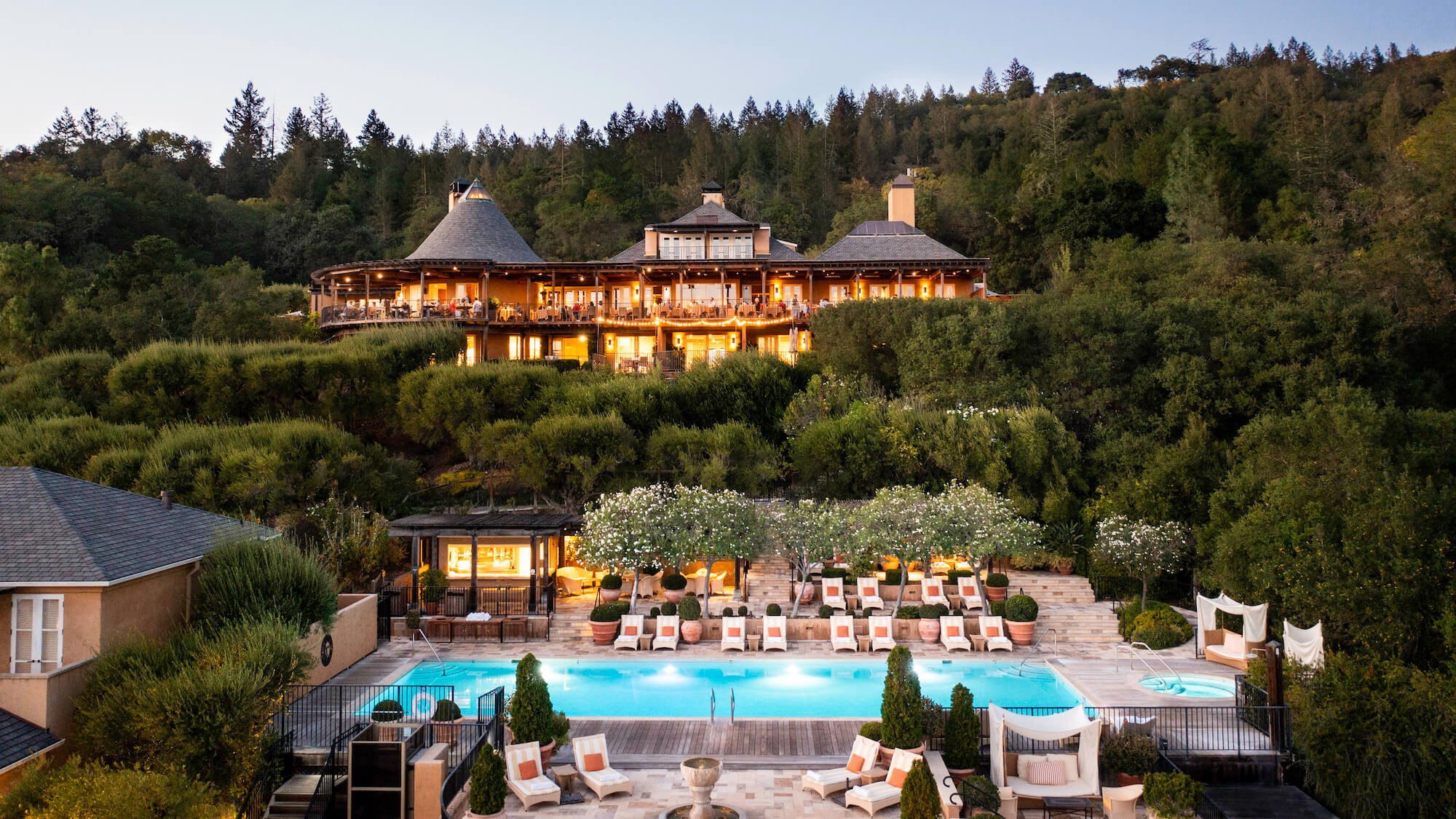
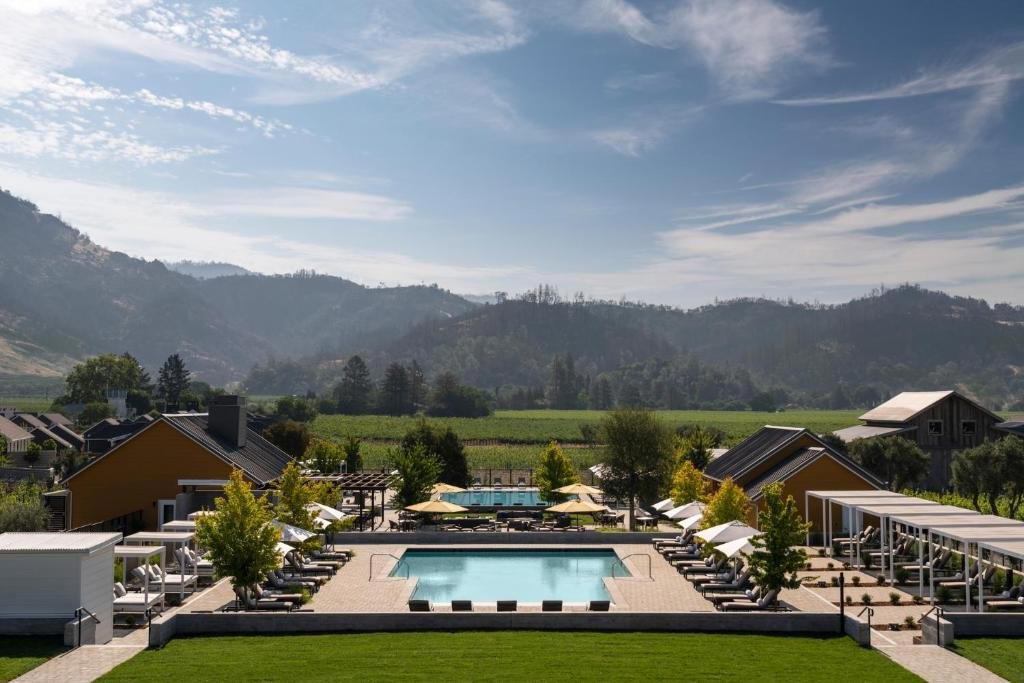
Sophisticated and serene with pre-poured wines in elegant place settings inside historic wine caves and amid beautifully landscaped gardens.