

Michelin Plate · Falstaff Restaurant - 93 Falstaff Points
Our verdict
Zuma holds a Michelin Plate recognition in Kitzbühel's top dining tier, placing international cuisine against a backdrop of Alpine ambience at Bichlstraße 5. For visitors working through Kitzbühel's dining options, it represents one of the more polished international choices in a town that skews heavily toward regional Austrian cooking.

Pearl is the En Primeur Club membership app, where members save venues, book tables and use the concierge.
The menu
What to order
- Shrimp and Cod Gyoza
- Miso Cod
- Zuma Deluxe Dessert Platter
- Seabass
International cooking in an Alpine town that defaults to tradition
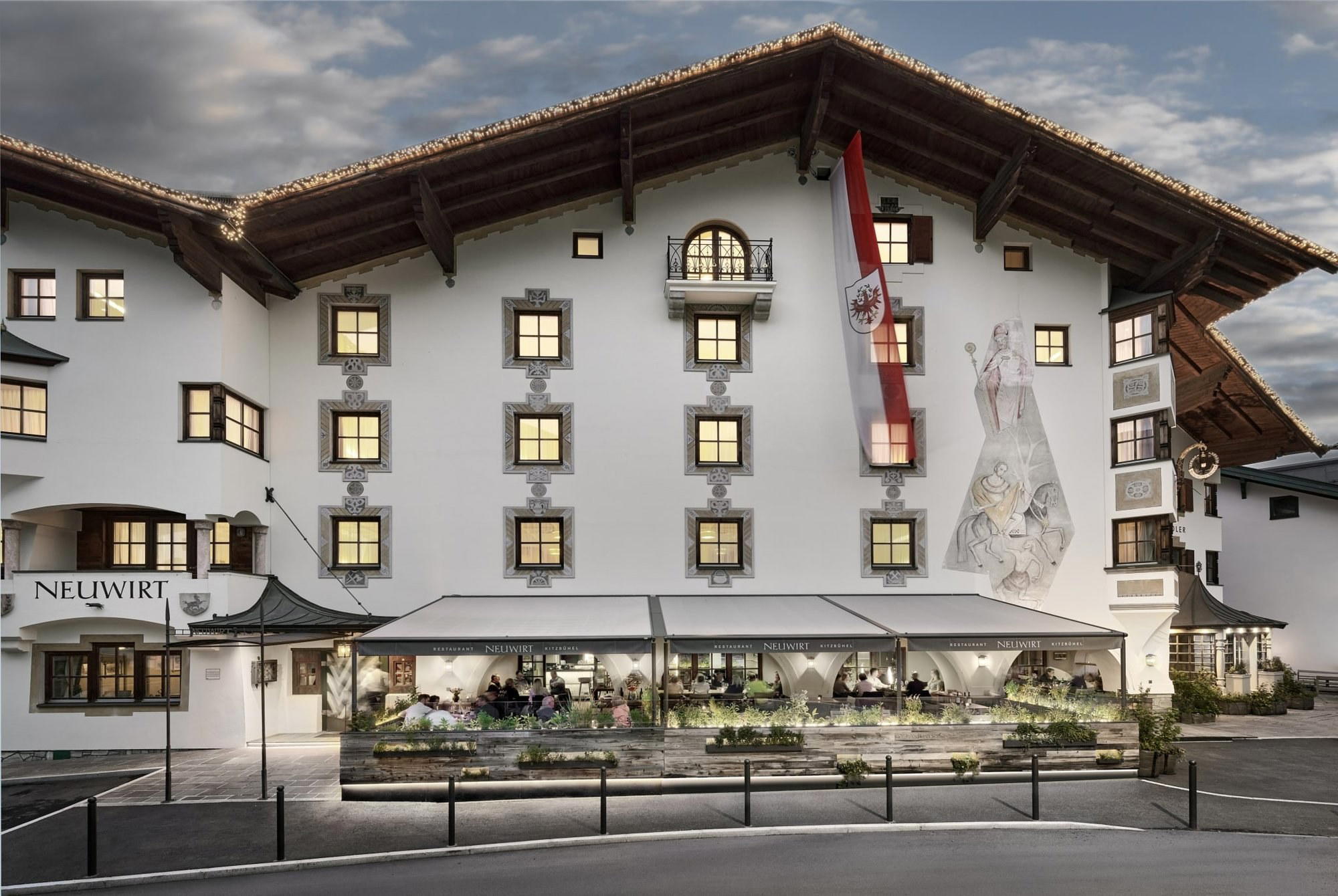
Kitzbühel's dining identity is built on Tyrolean stuben, roast meats, and the kind of menu that has changed little since the resort achieved its modern reputation decades ago. The town's most-visited tables still anchor themselves in regional convention, places like Mocking das Wirtshaus or Neuwirt hold the middle of the market with the familiar warmth of Austrian hospitality. Against that backdrop, a restaurant committed to international cuisine operates in a deliberately different register, and the small cohort of restaurants that do so form their own competitive tier. Zuma, at Bichlstraße 5, sits inside that tier, €€€€ pricing, a Michelin Plate in 2025, and an international menu that positions it away from the regional mainstream entirely.
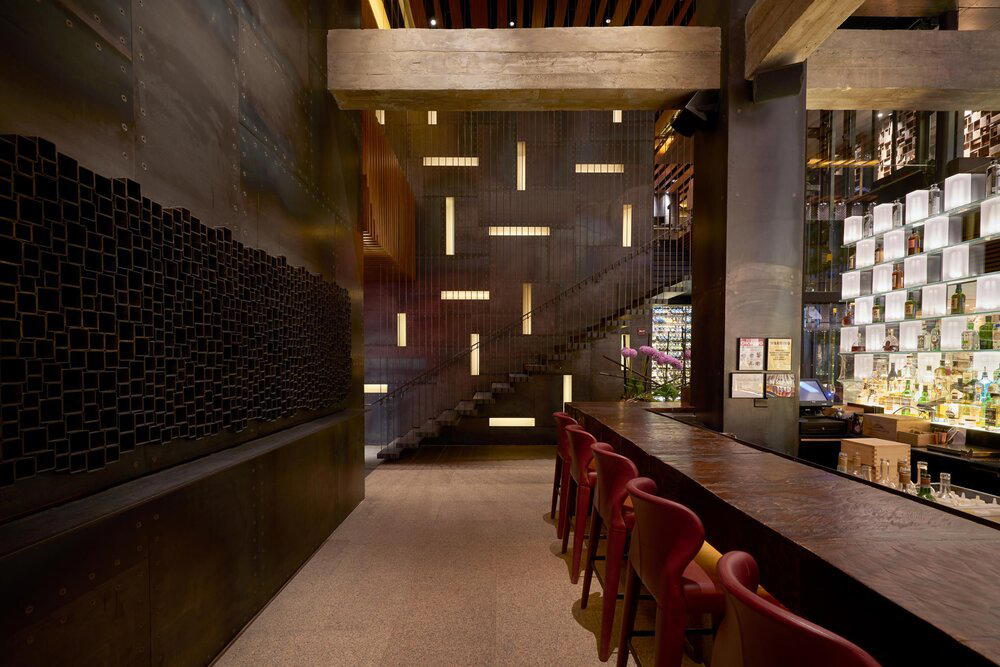
What the room signals before you eat
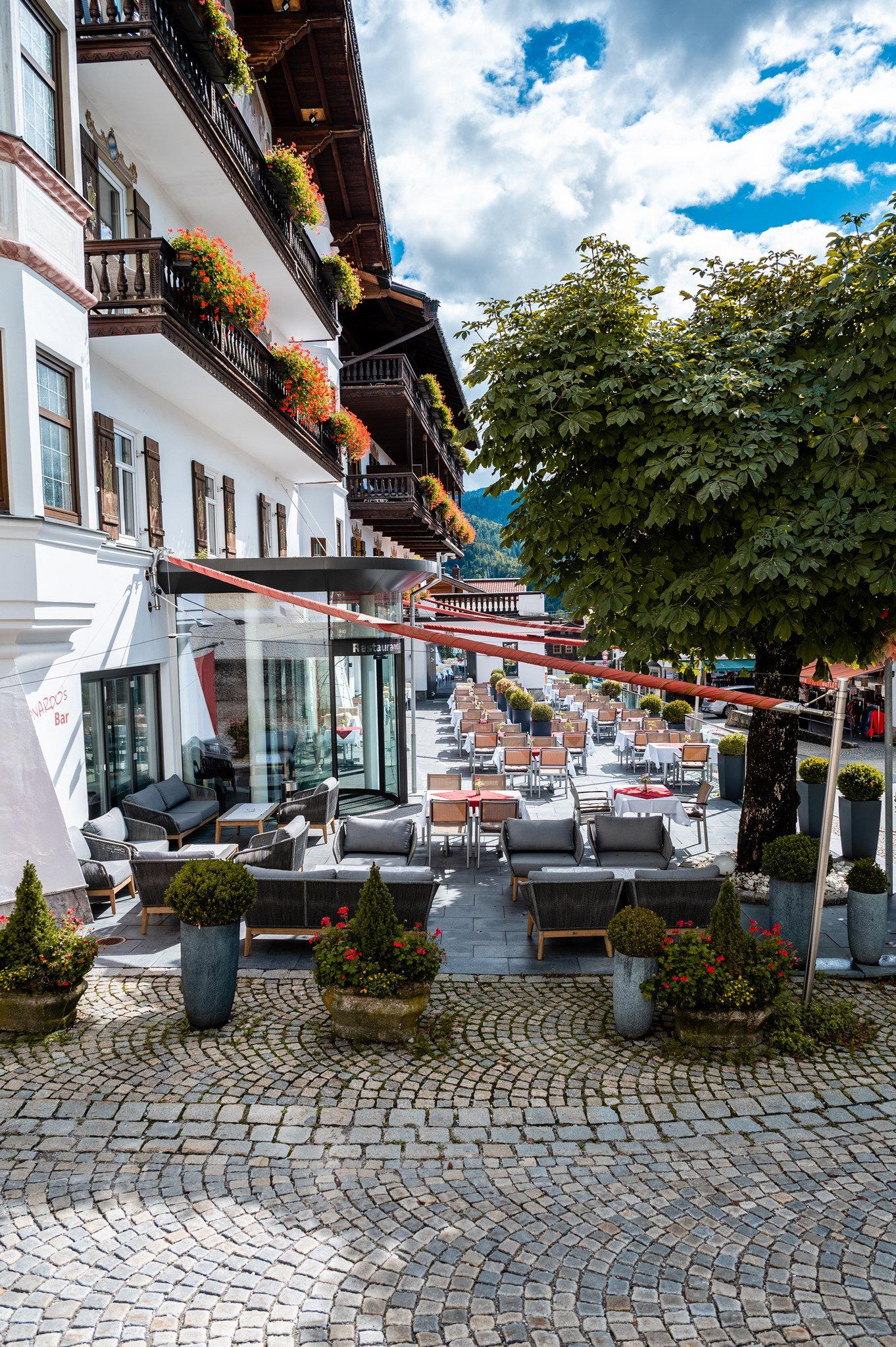
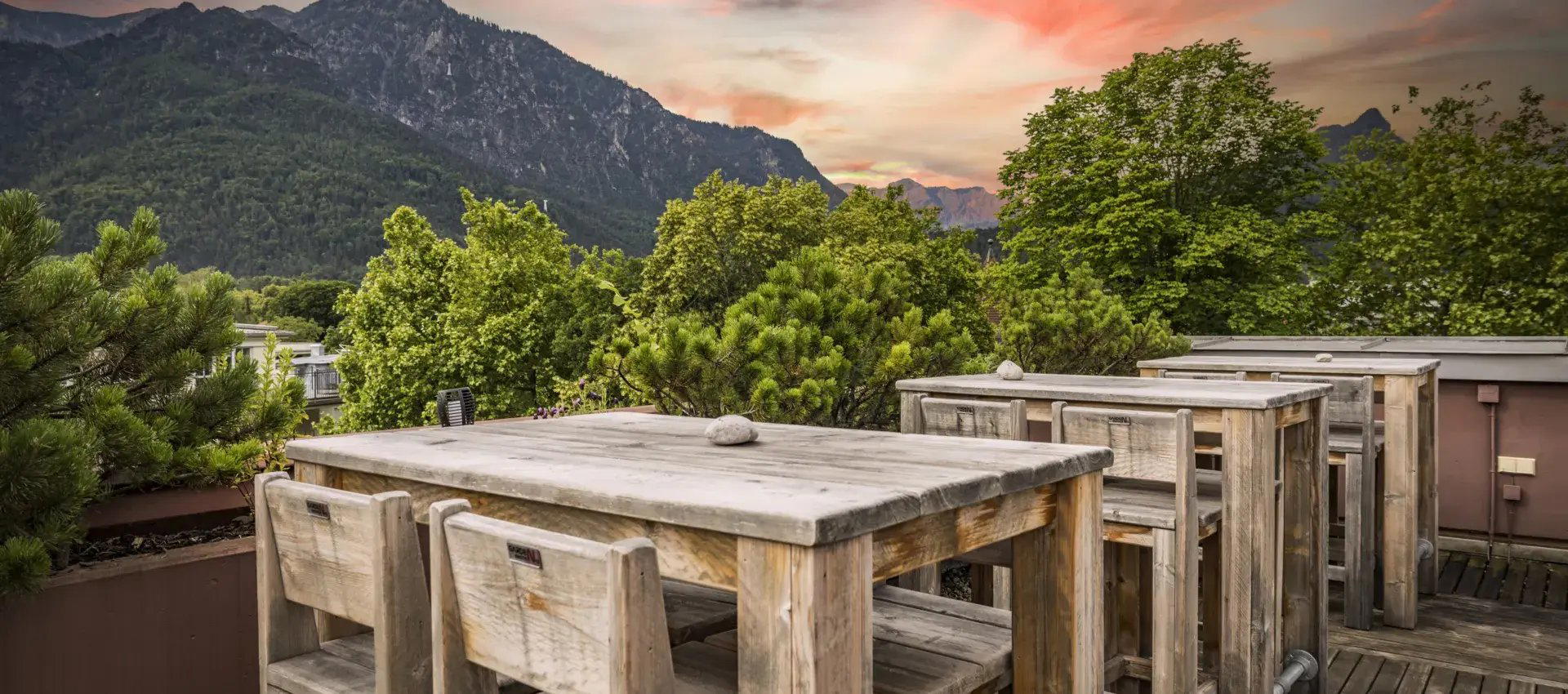
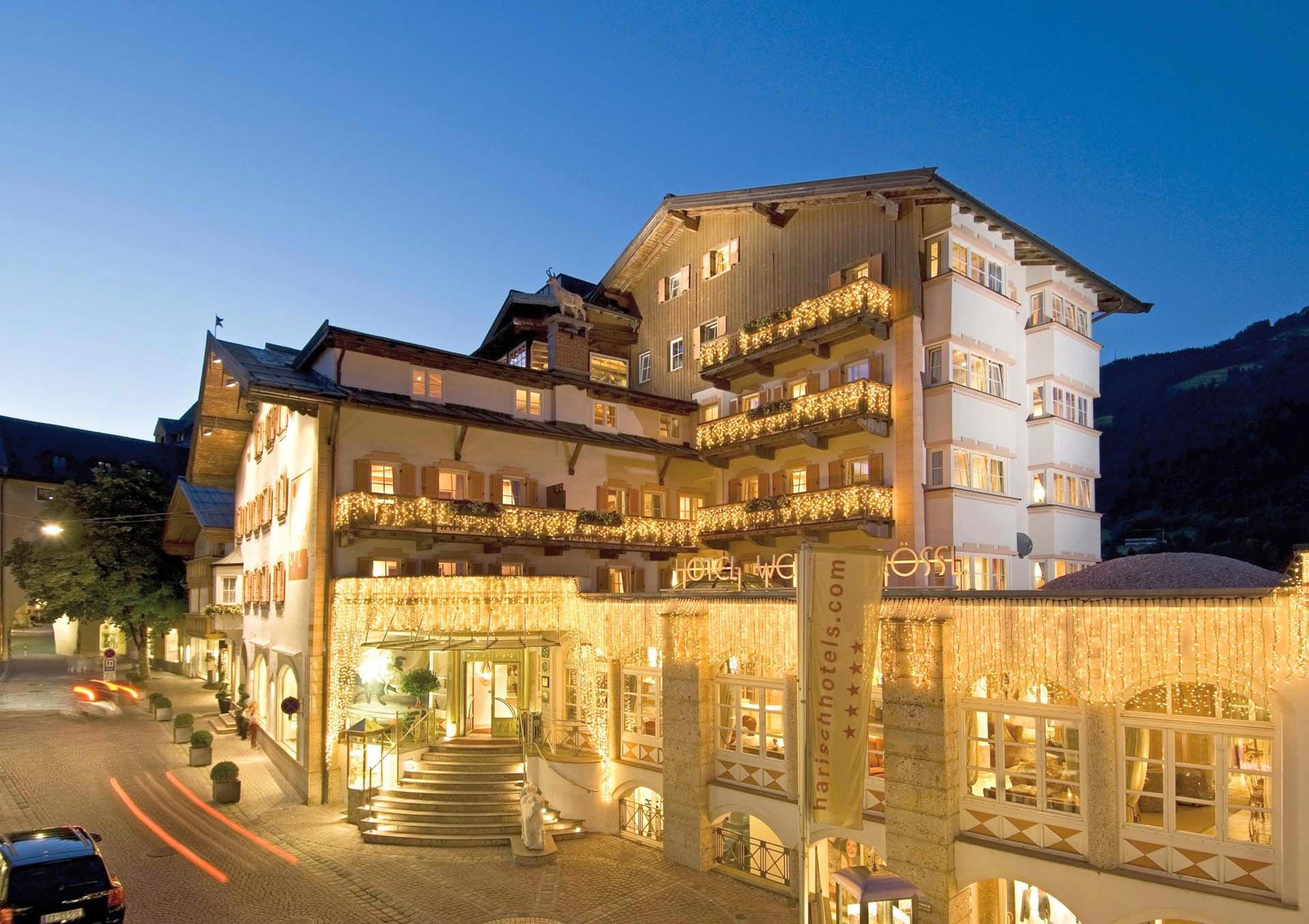
Alpine resort restaurants at the premium end face a structural tension: the setting almost always pushes toward the rustic, toward timber and candlelight and the visual language of mountain shelter, while the food increasingly pulls toward a more cosmopolitan register. How a room resolves that tension tells you something immediate about what the kitchen is trying to do. At the premium €€€€ level in Kitzbühel, shared by Berggericht at the same price point, a restaurant stakes a claim not just through its menu but through the physical environment it creates. The atmosphere before the first course arrives is itself a proposition: this is international dining in an Alpine setting, not Alpine dining with international flourishes.
That distinction matters in a town where seasonal visitors arrive with appetite shaped by altitude and cold. The sound in a Kitzbühel restaurant at the top of the market tends toward the convivial rather than the hushed, a mix of German, English, and the occasional Scandinavian accent that reflects the resort's broad European draw during ski season. The rhythm is different from the pressure-cooker service of a city fine-dining room: pacing opens up, the expectation is an evening rather than a booking slot, and the physical warmth of a mountain environment threads through everything.
The Michelin Plate and what it locates
The 2025 Michelin Plate is the guide's signal that a restaurant is producing food worth the detour, not yet a starred address, but identified as cooking with clear technical intention. In the Austrian Alpine dining context, that credential places Zuma in a conversation with restaurants across the region that have pursued recognition from the same evaluators. Gourmetrestaurant Tannenhof in Sankt Anton am Arlberg and Griggeler Stuba in Lech are the kind of addresses in the broader Alpine corridor that occupy different tiers of the same recognition system. Nationally, the conversation reaches addresses like Steirereck im Stadtpark in Vienna, Döllerer in Golling an der Salzach, and Ikarus in Salzburg, all operating within the same evaluation framework, all at different points on the trajectory. The Michelin Plate in Kitzbühel is an early signal, not a ceiling.
For an international restaurant in a resort town, that consistency across visitors with varied reference points is harder to achieve than it looks.
International cuisine in the Alpine resort context
The category of international cuisine covers considerable ground, and in Alpine resort settings it has come to mean something specific: food that draws from broader Mediterranean, Asian-influenced, or contemporary European traditions without anchoring to any single national identity. The resort restaurant model in Europe increasingly supports this approach because the clientele is already cosmopolitan, skiers and summer hikers arriving from across the continent and beyond bring expectations shaped by city dining habits, not just a desire for regional authenticity.
In Kitzbühel, the spectrum runs from the deeply regional to the fully international. Lois Stern works a fusion register at a lower price point; Les Deux Kitzbühel occupies the modern French tier at €€€. Zuma's €€€€ positioning puts it at the top of this international grouping, where the expectation shifts from casual cosmopolitanism to something more considered. For comparison across the broader German-language Alpine region, Haubentaucher in Rottach-Egern and Loumi in Berlin illustrate the range of registers that international cuisine can occupy, from lakeside informality to urban precision. The Kitzbühel address operates in its own resort-specific mode, where the setting does some of the atmospheric work that a city restaurant would need to manufacture.
Placing the visit in Kitzbühel's wider dining week
Kitzbühel rewards a considered rotation rather than a single-night visit. Spending a week in the town means moving across the full range, a regional evening at Mocking das Wirtshaus, the modern Austrian register at Neuwirt, and a premium international evening at Zuma. That sequencing lets the town's dining character reveal itself without any single meal carrying all the weight. For visitors planning more broadly, the full picture is in our full Kitzbühel restaurants guide, and the resort's hotels, bars, and experiences each carry their own context in our full Kitzbühel hotels guide, our full Kitzbühel bars guide, our full Kitzbühel wineries guide, and our full Kitzbühel experiences guide.
Zuma's address at Bichlstraße 5 places it within easy reach of the town centre. Reservations at this tier of the Kitzbühel market warrant advance planning, particularly during peak ski season when the premium restaurants fill quickly. The €€€€ price band means budgeting accordingly, this is not a casual mid-week dinner but a deliberate evening-length commitment.
For those building an Alpine dining itinerary beyond Kitzbühel, the regional conversation extends to addresses like Kräuterreich by Vitus Winkler in Sankt Veit im Pongau, where the approach to Austrian ingredients takes a different, herb-focused direction, a useful counterpoint to the international register that Zuma represents.
What people recommend at Zuma
The €€€€ price point and the 2025 Michelin acknowledgment suggest a kitchen working with deliberate technique across the menu. As no specific dish data is available from verified sources, the most reliable guide remains the awards record and the peer context: this is a restaurant that has drawn serious evaluator attention in a town where the competition skews toward regional rather than international cooking. For visitors whose reference points include Michelin-tracked addresses elsewhere in Austria, the Plate signals a kitchen worth the comparison.
Frequently asked questions
What's the pricing like at Zuma?
Pricing at Zuma is listed as €€€€.
How do I find Zuma?
Zuma is located at Bichlstraße 5, 6370 Kitzbühel, Austria, Kitzbühel.
What awards or recognition does Zuma have?
Zuma has received recognition including: Michelin Plate (2025).
What do people recommend at Zuma?
The international positioning in Kitzbühel carries weight precisely because most addresses in town stay within Tyrolean convention, so Zuma functions as a deliberate alternative for those spending several nights in the resort. At the €€€€ price tier, expectations around execution and sourcing run high, and the Michelin Plate suggests the kitchen is meeting them.
At-a-Glance Comparison
Comparable venues nearby, for context on price, style, and recognition.
| Venue | Cuisine | Price | Awards | Notes |
|---|---|---|---|---|
| ZumaThis venue (the venue you are viewing) | Contemporary Japanese Robata Grill | Not listed | Michelin Plate · Falstaff Restaurant - 93 Falstaff Points | Not listed |
| Berghaus Tirol | Tyrolean Alpine Home Cooking | $30–50 | Not listed | Hahnenkamm |
| Seebichl | Modern Tyrolean Regional | $50–100 | Not listed | Schwarzsee |
| Alpenhotel Kitzbühel am Schwarzsee | Austrian & Mediterranean Fine Dining | $50–100 | Not listed | Schwarzsee, Kitzbühel |
| Neuwirt | Modern Austrian Alpine Fine Dining | $100–150 | Michelin Plate | Kitzbühel |
| Römerhof Stüberl | Traditional Austrian & Tyrolean restaurant | $50–100 | Relais Chateaux Award | Not listed |
Recognition history
Dated appearances from independent guides and award organizations, with the underlying list record or original source where available.
Michelin Plate
Michelin
Falstaff Restaurant - 93 Falstaff Points
Falstaff
Full recognition history (3 entries)
Michelin Plate
Michelin
Continue exploring
More in Kitzbühel
Restaurants in Kitzbühel
All restaurants in Kitzbühel →
Bars in Kitzbühel
Browse all →
Details
- Elegant
- Modern
- Sophisticated
- Trendy
- Date Night
- Special Occasion
- Group Dining
- Open Kitchen
- Hotel Restaurant
- Craft Cocktails
- Sake Program
- A La Carte
- Tasting Menu
- Small Plates
- Sake Program
- Craft Cocktails
- Vegetarian Friendly
- Vegan Options
- Gluten Free Options
Current opening hours
- Monday
- 5 PM–1 AM
- Tuesday
- 5 PM–1 AM
- Wednesday
- 5 PM–1 AM
- Thursday
- 5 PM–1 AM
- Friday
- 5 PM–1 AM
- Saturday
- 5 PM–1 AM
- Sunday
- 5 PM–1 AM
Hours can change for holidays and private events. Hours as of .
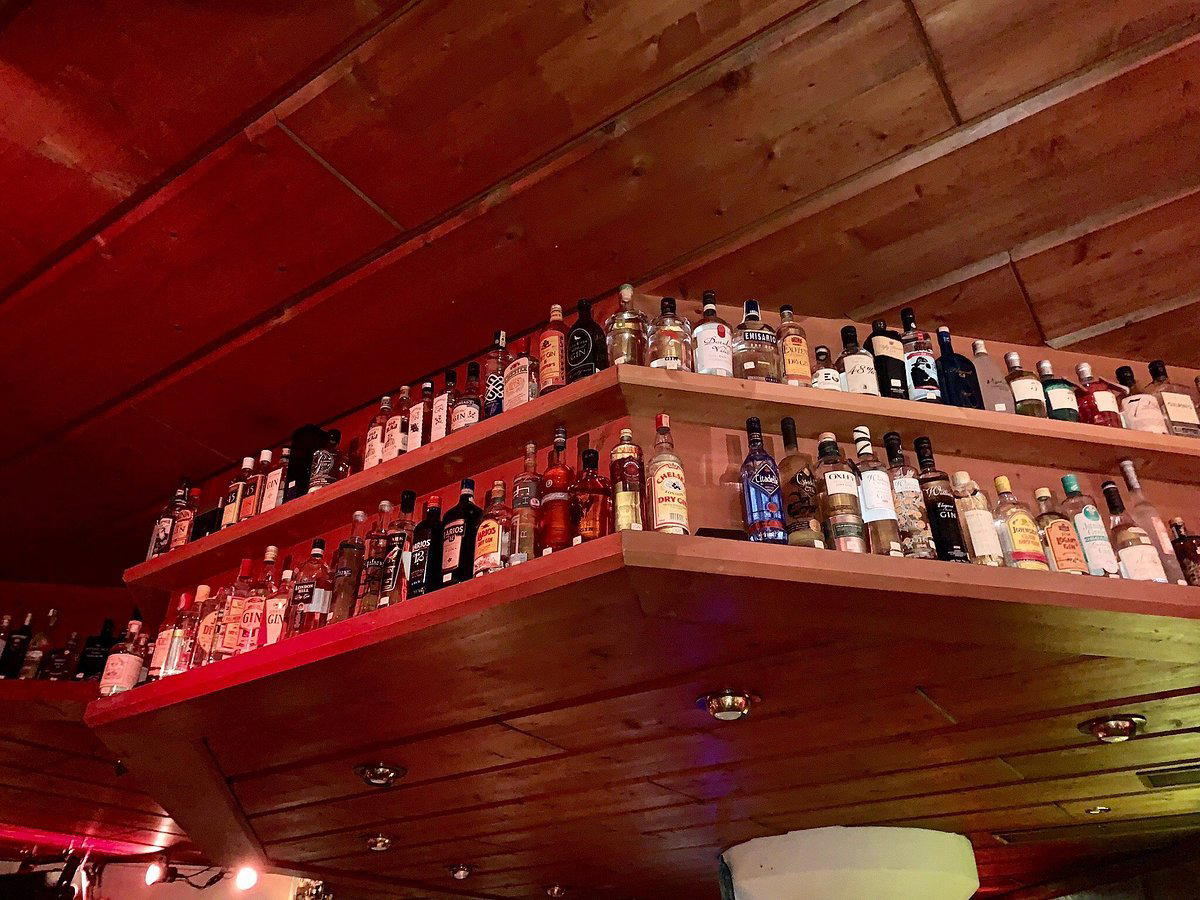
Chic and stylish with contemporary decor, dim lighting, and lively atmosphere enhanced by loud music.