
A two-time Michelin Plate recipient in the small Allgäu town of Scheidegg, Zum Hirschen & Gasthaus beim Stöckeler operates in the tradition of southern German country cooking, hearty, regionally grounded, and priced at the €€ tier that keeps it accessible to locals and visitors alike.
Pearl is the En Primeur Club membership app — saves, bookings, and concierge access live there. Same editors, same standards.
- Address
- Kirchstraße 1, 88175 Scheidegg, Germany
- Phone
- +49 8381 2119
- Website
- zumhirschenscheidegg.de
- Directions
- Get directions
 Saves & bookings on Pearl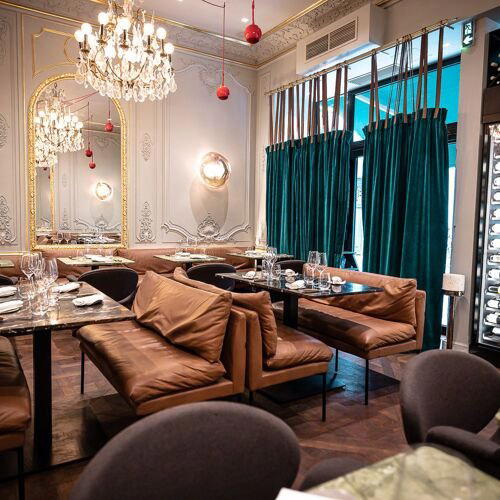
Country Cooking in the Allgäu: What Scheidegg Does Differently
The small towns of the Allgäu region occupy a specific place in the German dining imagination: they are where the country kitchen persists without apology. In larger Bavarian cities, traditional Wirtshausküche has been squeezed between international restaurant concepts and modernised brasserie formats. Out here, near the Austrian border and at the edge of the Bregenzerwald foothills, the kitchen logic runs in the opposite direction. Seasonal produce from nearby farms and dairies, preparations refined over decades rather than reinvented each season, and a price point that treats dinner as a local ritual rather than a special occasion, these are the signals that define the category. Zum Hirschen & Gasthaus beim Stöckeler, on Kirchstraße in central Scheidegg, serves Traditional German Regional Cuisine at a €€ price point and sits squarely within that tradition.
The address itself is instructive. Kirchstraße, church street, is the kind of address that places a gasthaus at the centre of civic life rather than on its edge. The physical setting of Scheidegg, a compact market town in the Westallgäu, is one where agriculture and small-scale commerce shape the food supply chain. That proximity to source material is not a marketing distinction here; it is simply the structure of how ingredients reach a kitchen in a town of this size. Dairy farms operate within the surrounding hills. The vegetable gardens and orchards of the broader Allgäu, long celebrated for their output, are close enough to make imported alternatives an unnecessary complication.
The Michelin Plate Signal in a Rural Context
Michelin Plate, awarded to Zum Hirschen & Gasthaus beim Stöckeler in both 2024 and 2025, signals consistent cooking worth attention. The designation marks a restaurant that Michelin's inspectors consider worthy of attention, good cooking, consistently delivered, without yet qualifying for star recognition. In major German cities, Michelin Plates are relatively numerous. In a small Allgäu town like Scheidegg, the designation is considerably less common, and it positions this gasthaus in a different peer conversation than its urban equivalents.
For context, Michelin-starred German restaurants at the higher end of the country's dining hierarchy, venues like Schwarzwaldstube in Baiersbronn, Aqua in Wolfsburg, or Vendôme in Bergisch Gladbach, operate at €€€€ price points with elaborate tasting menus and brigade kitchens built around technical precision. Zum Hirschen & Gasthaus beim Stöckeler operates at €€, which means its Michelin recognition is arriving via a completely different route: the consistency and integrity of traditional country cooking, not the technical ambition of contemporary fine dining. That distinction matters for a reader deciding what kind of meal they are booking.
Where the Ingredients Come From, and Why That Shapes the Plate
The Allgäu's culinary identity is built on a specific agricultural base. The region is one of Germany's primary dairy-producing areas, and its cheeses, particularly the various forms of Allgäuer Bergkäse and Emmentaler, carry protected designation of origin status under EU law. The milk quality that underpins those products does not disappear when it reaches a local kitchen. Country cooking in this region draws directly from that dairy surplus: cream, butter, and fresh cheeses are not luxury additions but standard working ingredients.
Beyond dairy, the Westallgäu's elevation and climate support a growing season that leans toward hardy vegetables, orchard fruits, and herbs that can handle cooler summers. The cooking that emerges from this environment tends toward depth rather than delicacy, braises, roasted meats, preparations that extract maximum flavour from what the surrounding landscape yields at any given time of year.
For direct regional comparisons at the country cooking tier, the approach at places like 21.9 in Piobesi d'Alba and Andrea Monesi - Locanda di Orta in Orta San Giulio shows how the same farm-to-table logic operates in northern Italian rural settings, a useful comparison point for understanding what ingredient proximity does to a menu across different regional traditions.
The Google Review Volume as a Trust Signal
A 4.7-star average across 1,190 reviews is a different kind of data point than a Michelin designation. Michelin inspections are infrequent and anonymous; the Guide's methodology weights a particular set of criteria. The volume here suggests the restaurant draws from a catchment area beyond the immediate locality, pulling in visitors to the Allgäu who are using the area as a base for hiking, cycling, or cross-border trips into Vorarlberg. At €€ pricing, the barrier to a first visit is low enough that the review pool reflects repeat custom as much as one-off tourism.
Planning a Visit to Scheidegg
Scheidegg sits in the Westallgäu, roughly between Lindau on Lake Constance and the Austrian border town of Bregenz, a positioning that makes it a plausible stop on a Bodensee itinerary or a base for the surrounding hiking trails. The town is accessible by regional rail, with connections through Lindau, and the area sees peak visitor traffic from August through November, aligning with the end of summer hiking season and the early Alpine autumn. That window also happens to correspond with the harvest rhythm that shapes the ingredient calendar for kitchens in this part of Germany.
The restaurant's address at Kirchstraße 1 places it in the town centre. For those who want to extend the trip further into rural southern Germany, ES:SENZ in Grassau represents the higher end of Allgäu-adjacent dining, while Schanz in Piesport, Waldhotel Sonnora in Dreis, Victor's Fine Dining by Christian Bau in Perl, and Bagatelle in Trier illustrate the range of recognised cooking across Germany's smaller towns and rural addresses.
Side-by-Side Snapshot
Comparable venues nearby, for context on price, style, and recognition.
| Venue | Cuisine | Price | Awards | Notes |
|---|---|---|---|---|
| Zum Hirschen & Gasthaus beim StöckelerThis venue — the venue you are viewing | Traditional German Regional Cuisine | $$ | Michelin Plate | Not listed |
| Lumperhof | Modern German Country Cooking | $$ | Michelin Plate | countryside |
| Bayerischer Hof | Traditional German Gasthaus Cuisine | $$ | Michelin Plate | Heiligenberg |
| Stubersheimer Hof | Traditional Swabian German | $$ | Michelin Plate | Stubersheim |
| Das Jagdhaus | Traditional Bavarian Regional Cuisine | $$ | Bib Gourmand | Oberstdorf |
| Mühlenhof | Classic Baden German | $$ | Michelin Plate | Friesenheim |
Recognition history
Dated appearances from independent guides and award organizations, with the underlying list record or original source where available.
Michelin Plate
Michelin
Michelin Plate
Michelin
Michelin Plate
Michelin
Continue exploring
More in Scheidegg
Restaurants in Scheidegg
Browse all →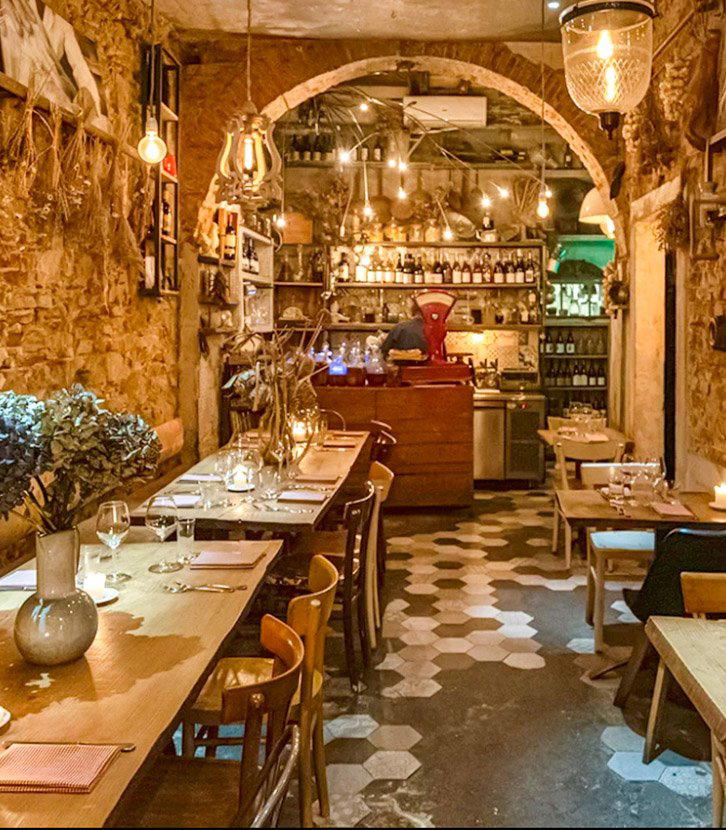
Bars in Scheidegg
Browse all →

Hotels in Scheidegg
Browse all →
Wineries in Scheidegg
Browse all →
At a Glance
- Rustic
- Cozy
- Classic
- Family
- Casual Hangout
- Terrace
- Private Dining
- Extensive Wine List
- Local Sourcing
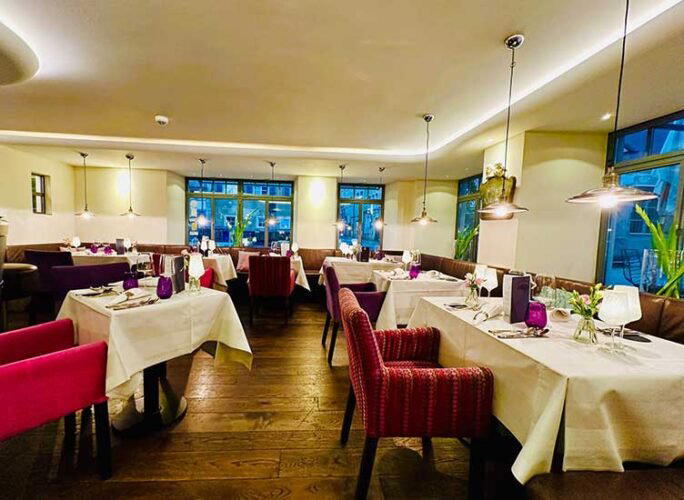
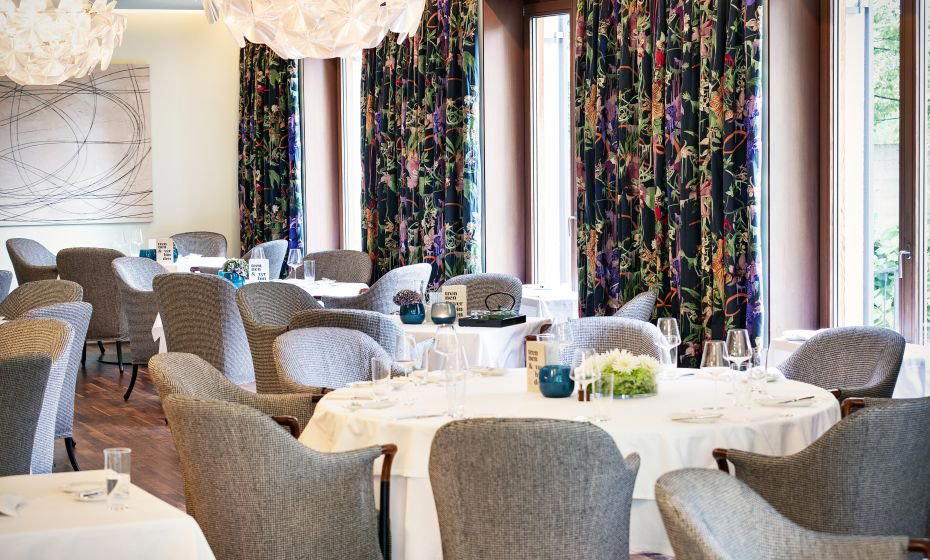
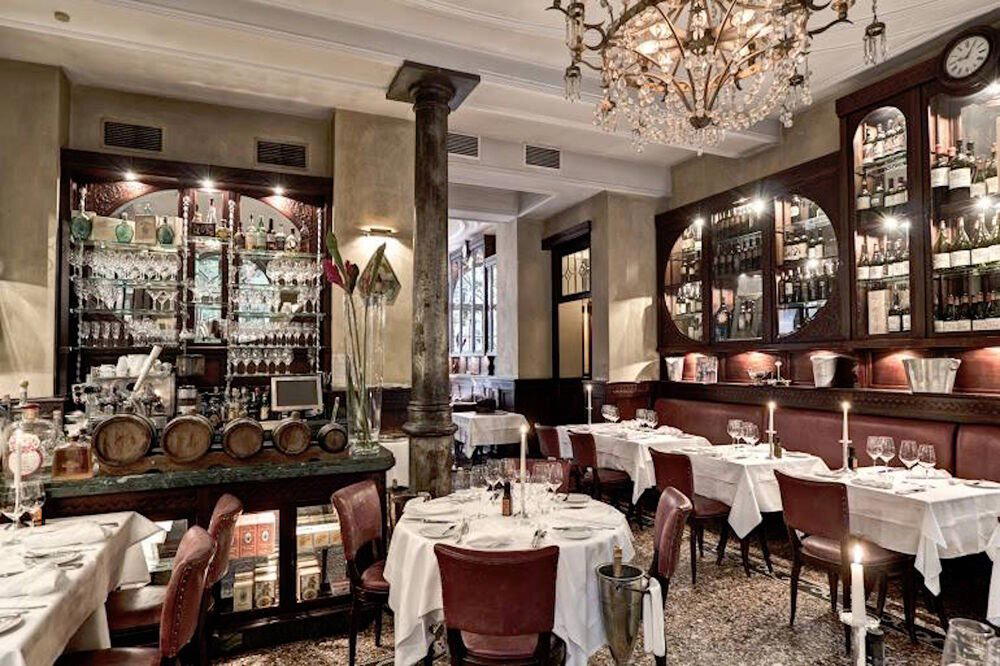
Cozy rustic dining rooms with warm wooden interiors creating a modern yet traditional atmosphere.