Zum Hirsch

A Michelin Plate-recognised address on Remchingen's main street, Zum Hirsch holds its ground in the tradition of German country cooking, hearty, ingredient-focused, and priced at a level that rewards regulars as much as visitors. It represents the backbone of regional dining in the Kraichgau: unfussy, consistent, and rooted in the local larder.
Pearl is the En Primeur Club membership app — saves, bookings, and concierge access live there. Same editors, same standards.
- Address
- Hauptstraße 23, 75196 Remchingen, Germany
- Phone
- +49 7232 79636
- Website
- hirsch-remchingen.de
- Directions
- Get directions
 Saves & bookings on Pearl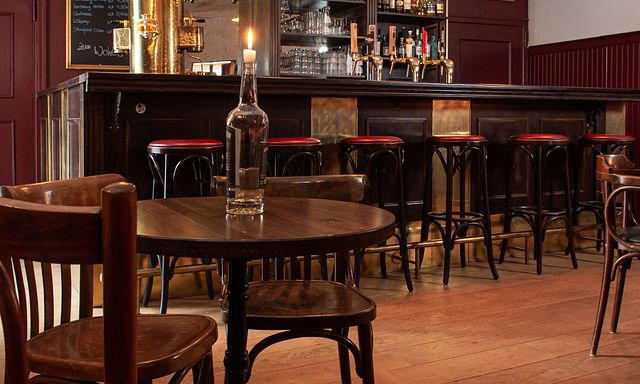
Where the Kraichgau Kitchen Shows Up on the Plate
Approach Hauptstraße 23 in Remchingen and the scene reads immediately: a traditional German Gasthaus on a village high street, the kind of address that has served the surrounding farming and forestry community for generations. There is no architectural statement, no signage designed to impress passing trade on a motorway. What pulls people in is a different kind of signal, the one that comes from a Michelin Plate appearing beside the name two consecutive years running, in 2024 and again in 2025, indicating food that meets the guide's standard for good cooking without yet reaching the starred tier. In the context of a small town in Baden-Württemberg's Kraichgau region, that is a meaningful distinction.
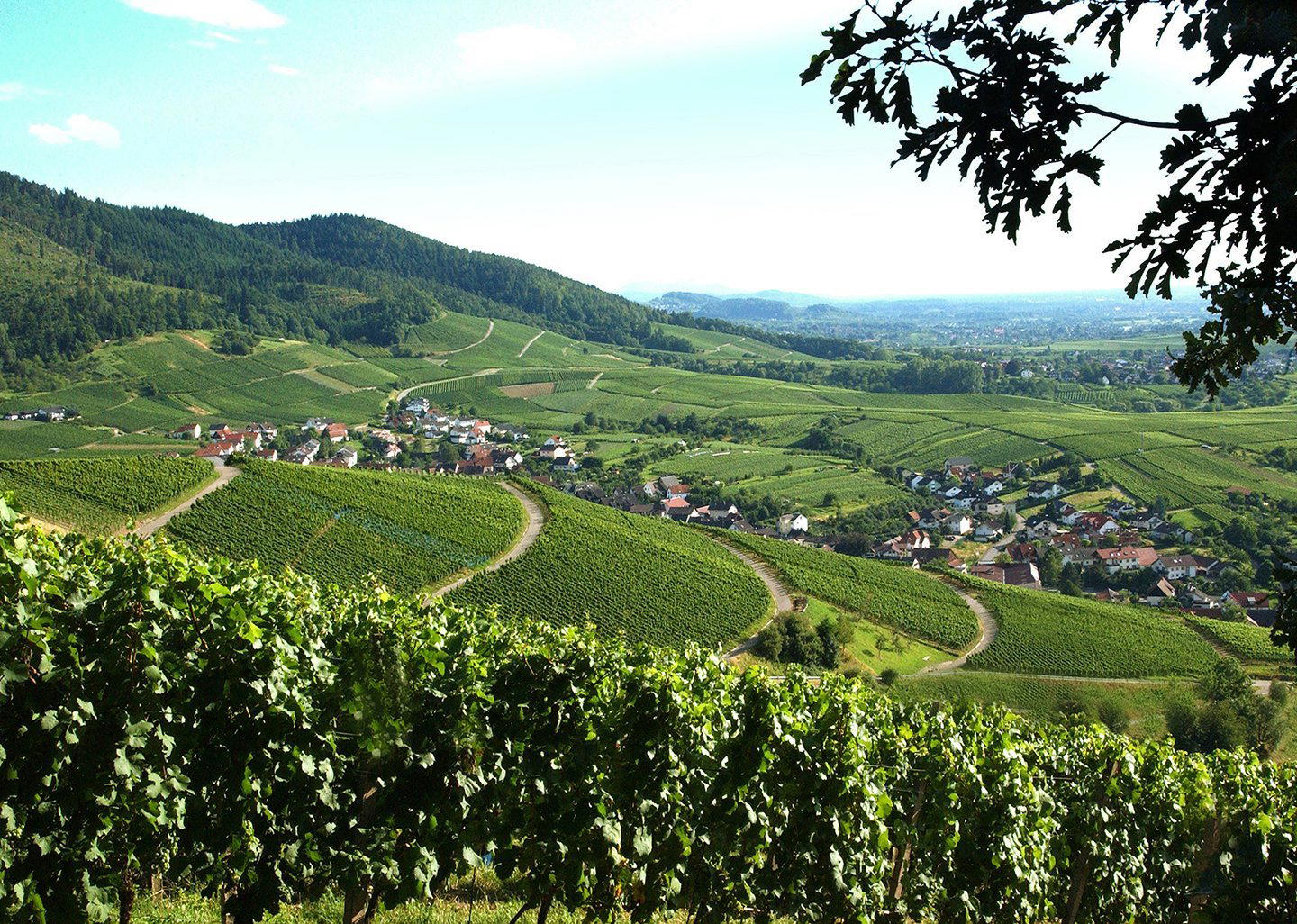
The Kraichgau sits between the Rhine plain to the west and the northern edge of the Black Forest to the south, a range of gentle hills, mixed agriculture, and small-scale livestock farming. It is not a destination region in the way that the Schwarzwald is, and that relative obscurity shapes how its restaurants operate. There is no tourist economy to cushion a menu with crowd-pleasing approximations of German food. The audience is largely local, the expectations are specific, and the cooking has to earn its place on a regular basis rather than once per trip. For our full Remchingen restaurants guide, Zum Hirsch sits at the reference point for what country cooking in this part of Germany actually looks like in practice.
The Logic of Country Cooking and Why Sourcing Is Everything
German country cooking, Landküche in its broadest sense, is often misread outside Germany as synonymous with portion size and heaviness. That reading misses the point. The tradition is fundamentally about proximity: meat from local butchers with traceable provenance, seasonal vegetables from market gardens, dairy from nearby farms, and game from the surrounding forests. The discipline is in the sourcing, not just the technique. When that supply chain is intact, the cooking carries an honesty that more technique-heavy formats cannot replicate.
This is the context in which a Michelin Plate at the €€ price tier carries weight. The Michelin Plate designation does not reward innovation or conceptual ambition, it rewards cooking that is done correctly, with appropriate ingredients handled well. At a €€ price point, the margin pressure on ingredient quality is real. Maintaining Plate recognition two years consecutively suggests a kitchen that has not cut corners on sourcing to protect those margins, which in a small-town Gasthaus requires a specific kind of operational discipline.
Compare this to the starred addresses elsewhere in the German southwest: Schwarzwaldstube in Baiersbronn operates at €€€€ with French-influenced techniques and a tasting menu format, while addresses like Aqua in Wolfsburg or Vendôme in Bergisch Gladbach sit in the creative, multi-starred bracket at the leading price tier. Zum Hirsch is not competing in that register. It occupies a different and more difficult position: delivering recognised quality in a format that the local community can actually afford to visit regularly. That is the harder commercial and culinary problem to solve.
For those exploring the full range of Germany's recognised dining addresses, the contrast with city-based creative formats is instructive. CODA Dessert Dining in Berlin and JAN in Munich represent the urban, concept-driven end of the Michelin spectrum. Zum Hirsch represents something more durable and in some respects more demanding: the sustenance of a culinary tradition in the place where that tradition was formed.
Who Eats Here and When It Makes Sense to Go
In a village setting, that distribution of reviews also suggests a mix of returning locals and occasional visitors, which is a more honest stress test than a tourist-heavy address where positive reviews tend to cluster around novelty rather than consistency.
Country-cooking addresses in this part of Baden-Württemberg follow the agricultural calendar more closely than urban restaurants. Game seasons, the asparagus window from April through late June, mushroom availability in autumn, these mark the kitchen's rhythm in ways that a city menu driven by distributor availability does not. Planning a visit around the seasonal calendar rather than convenience tends to reward the effort at addresses like this one. The surrounding region offers enough context to justify a longer trip: for accommodation options, our full Remchingen hotels guide covers the local range, and for context on bars and wineries in the area, our bars guide and our wineries guide are the relevant starting points.
The €€ price range places Zum Hirsch in the bracket where a full meal, including a glass of local wine, remains accessible rather than aspirational. This is a structural feature of the Gasthaus format, not an accident of positioning. The format was designed to serve community rather than occasion, and the restaurant operates within that design. Visitors approaching it with the expectations they would bring to a starred tasting menu will likely be recalibrating against the wrong benchmark. The right comparison is with other Landküche addresses in the region and in comparable German country-cooking traditions, places like 21.9 in Piobesi d'Alba or Andrea Monesi at Locanda di Orta in Orta San Giulio, both of which demonstrate how the country-kitchen tradition operates across northern Italian peers, grounding local produce in formats that serve a community first.
Zum Hirsch in the Regional Picture
The wider Kraichgau and northern Black Forest dining corridor contains several reference points worth understanding as a map. To the south and west, Michelin-starred addresses cluster in the Schwarzwald. To the north, the Kraichgau remains largely in the hands of family-run Gasthäuser and Wirtschaften with limited outside recognition. The restaurant's consecutive Plate listings make it one externally verified address in its immediate peer group, which is a direct statement of fact rather than a superlative claim. For those using Remchingen as a base for exploring the northern Kraichgau, our full Remchingen experiences guide provides context on what the region offers beyond the table.
For readers tracking Germany's broader Michelin geography, the range runs from the three-starred operations, addresses like Waldhotel Sonnora in Dreis, Victor's Fine Dining in Perl, or Schanz in Piesport, down through single-starred regional cooking to Bib Gourmand and Plate addresses. The restaurant occupies the Plate tier, a position that says: the cooking is correct, the ingredients are treated with respect, and the kitchen is doing what it says it does. In a village on a main street in the Kraichgau, that is a reasonable place to be, and for its regular audience, probably the right one.
The address is Hauptstraße 23, 75196 Remchingen. Bagatelle in Trier and Restaurant Haerlin in Hamburg represent the broader EP Club Germany coverage for those planning a wider itinerary across the country's dining regions, while ES:SENZ in Grassau covers the alpine Bavaria end of the regional spectrum.
Comparable Venues
Comparable venues nearby, for context on price, style, and recognition.
| Venue | Cuisine | Price | Awards | Notes |
|---|---|---|---|---|
| Zum HirschThis venue — the venue you are viewing | Traditional German Regional Cuisine | $$$ | Michelin Plate | Not listed |
| 959 | Modern Classic German | $$$ | Michelin Plate | Stadtgarten |
| Christians Restaurant | Contemporary German with Mediterranean Influences | $$$ | Michelin Plate | Neckargemünd |
| Tischlein Deck Dich by Lilly | Modern Seasonal German Cuisine | $$$ | Michelin Plate | Siebeldingen |
| Leopold | Modern Palatinate Country Cooking | $$$ | Michelin Plate | Deidesheim |
| Villa Hammerschmiede | Classic German Regional Fine Dining | $$$ | Michelin Plate | Söllingen |
Recognition history
Dated appearances from independent guides and award organizations, with the underlying list record or original source where available.
Michelin Plate
Michelin · 2026 Michelin Plate
Michelin Plate
Michelin
Michelin Plate
Michelin
Continue exploring
More in Remchingen
Restaurants in Remchingen
Browse all →
Bars in Remchingen
Browse all →


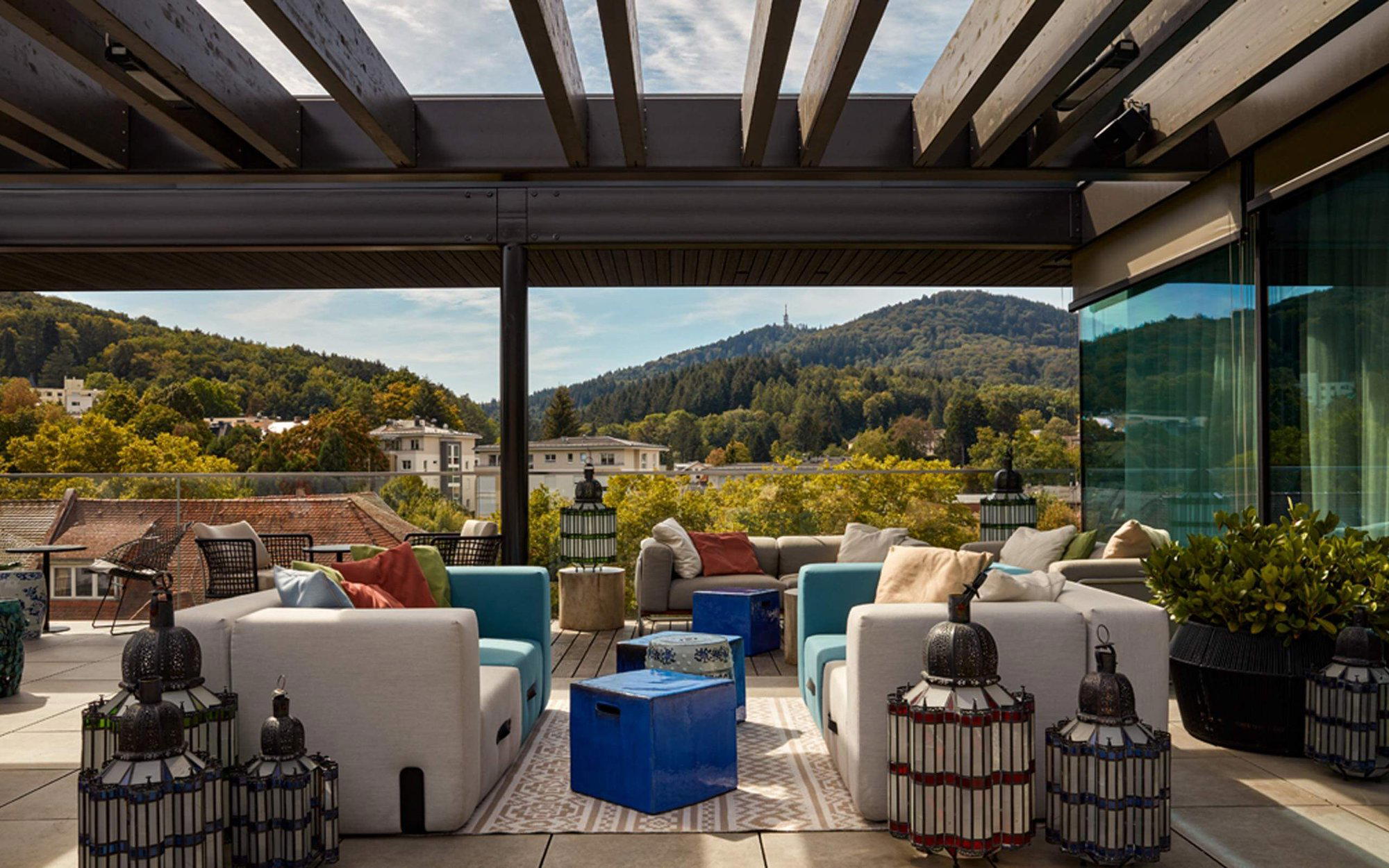
Hotels in Remchingen
Browse all →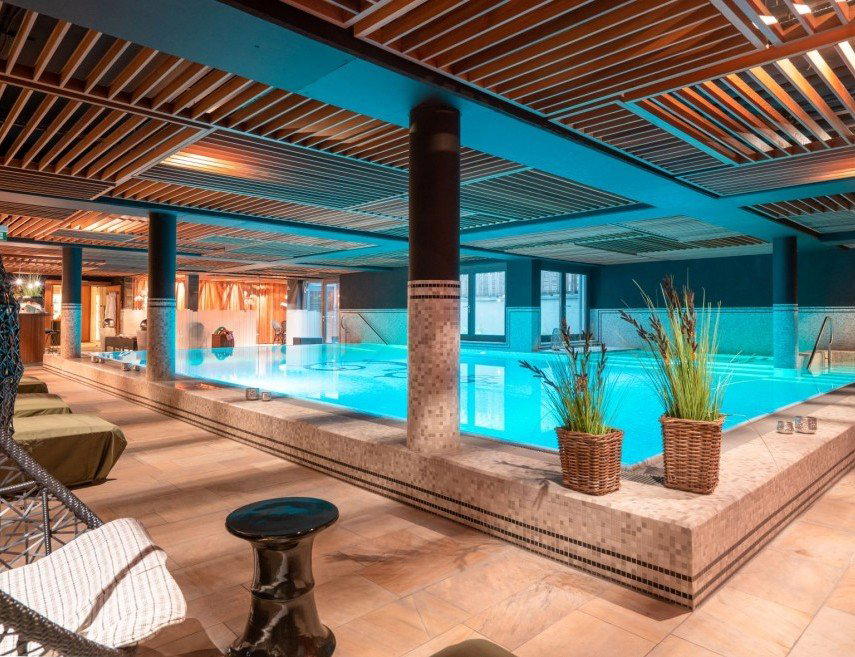
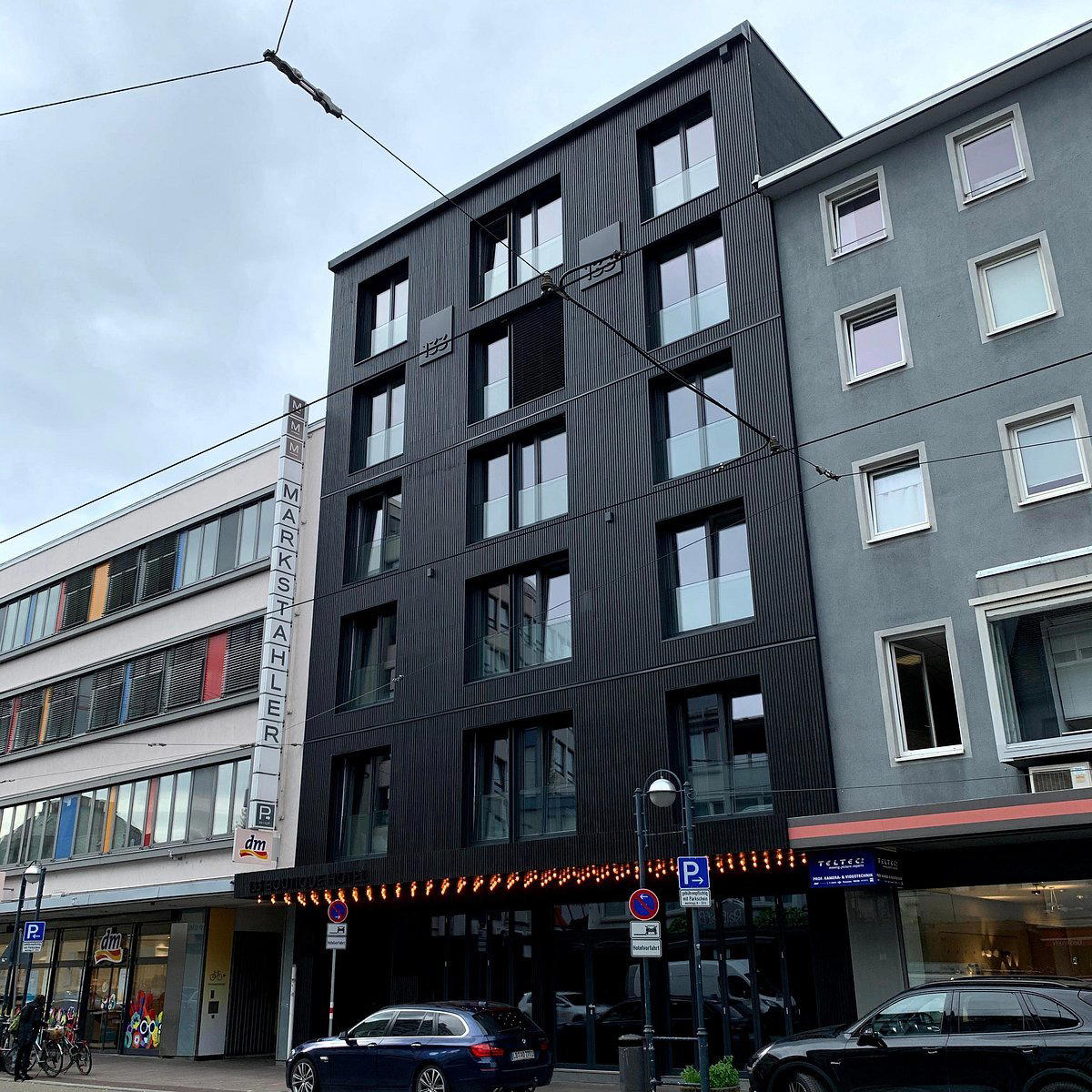
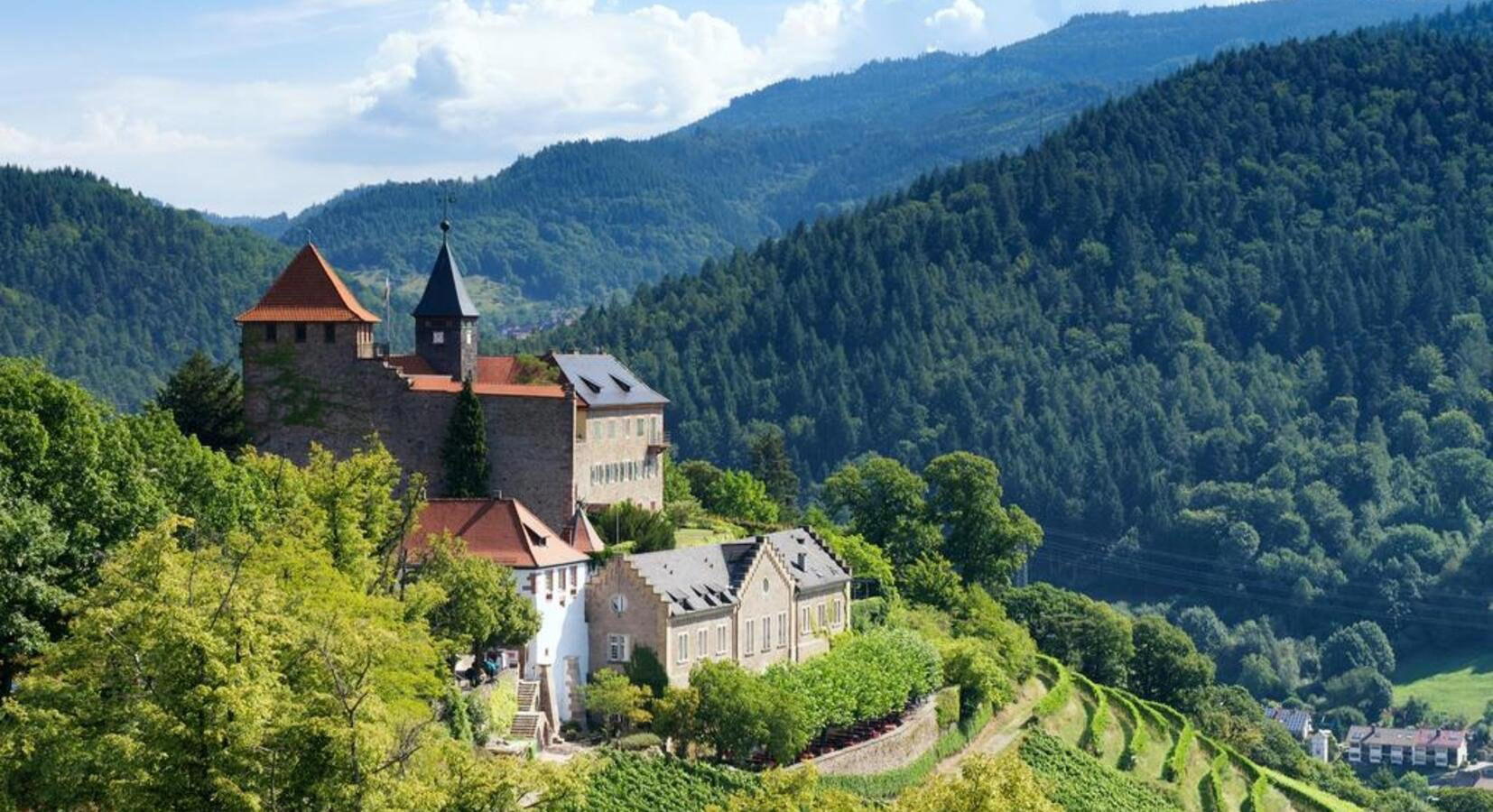
At a Glance
- Cozy
- Rustic
- Classic
- Intimate
- Date Night
- Special Occasion
- Terrace
- Historic Building
- Local Sourcing
- Garden
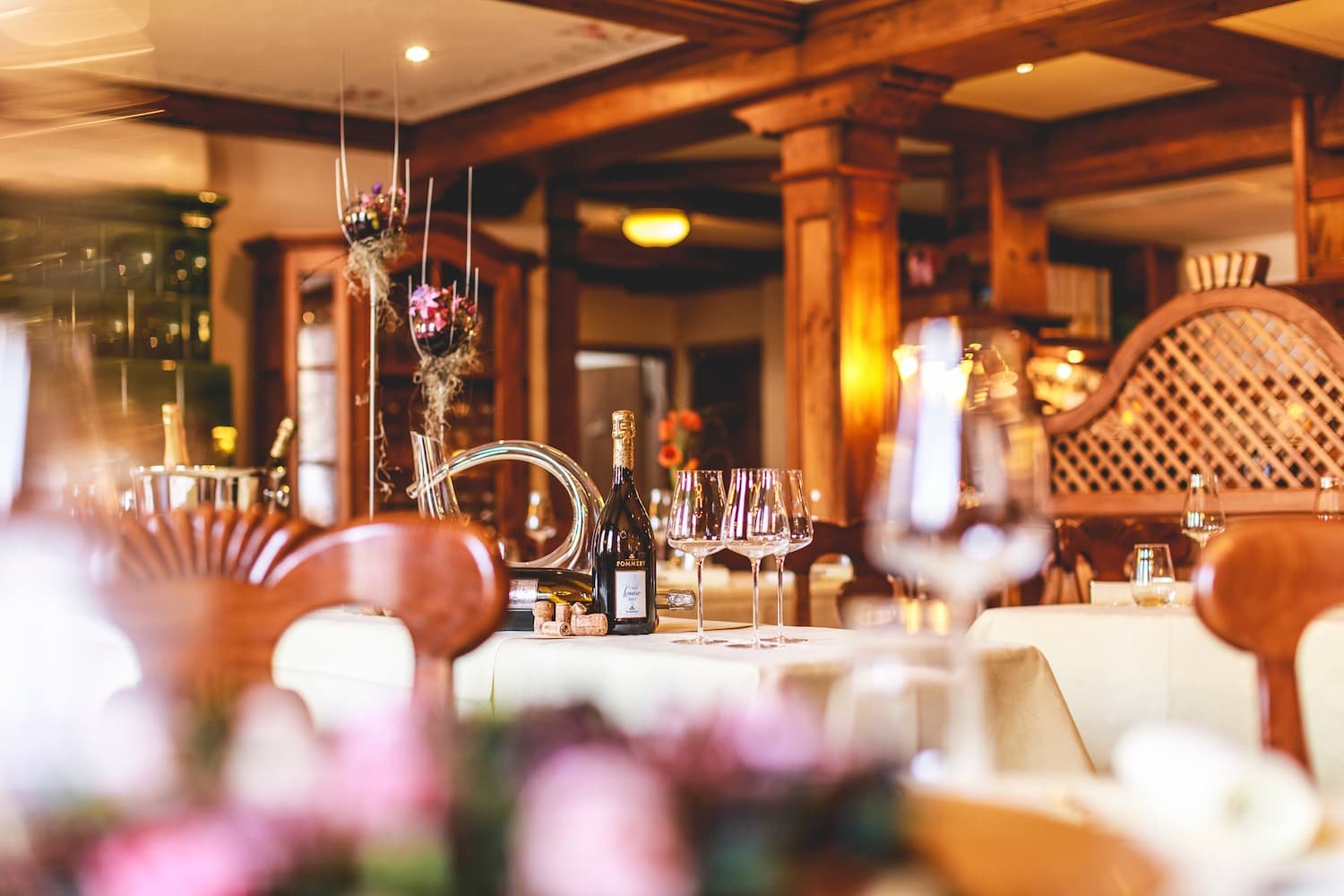
Pretty room dominated by fireplace in winter; attractive terrace overlooking garden in summer; cozy country inn atmosphere.