Zula Restaurant & Wine Bar
Zula Restaurant & Wine Bar sits on Race Street in Cincinnati's Over-the-Rhine district, where the city's dining scene has shifted toward serious wine programming and kitchen ambition over the past decade. The combination of restaurant and wine bar format positions it within a tier of Cincinnati venues where the glass and the plate are given equal weight. Reservations and planning details are best confirmed directly with the venue.

Race Street, the Room, and How the Evening Moves
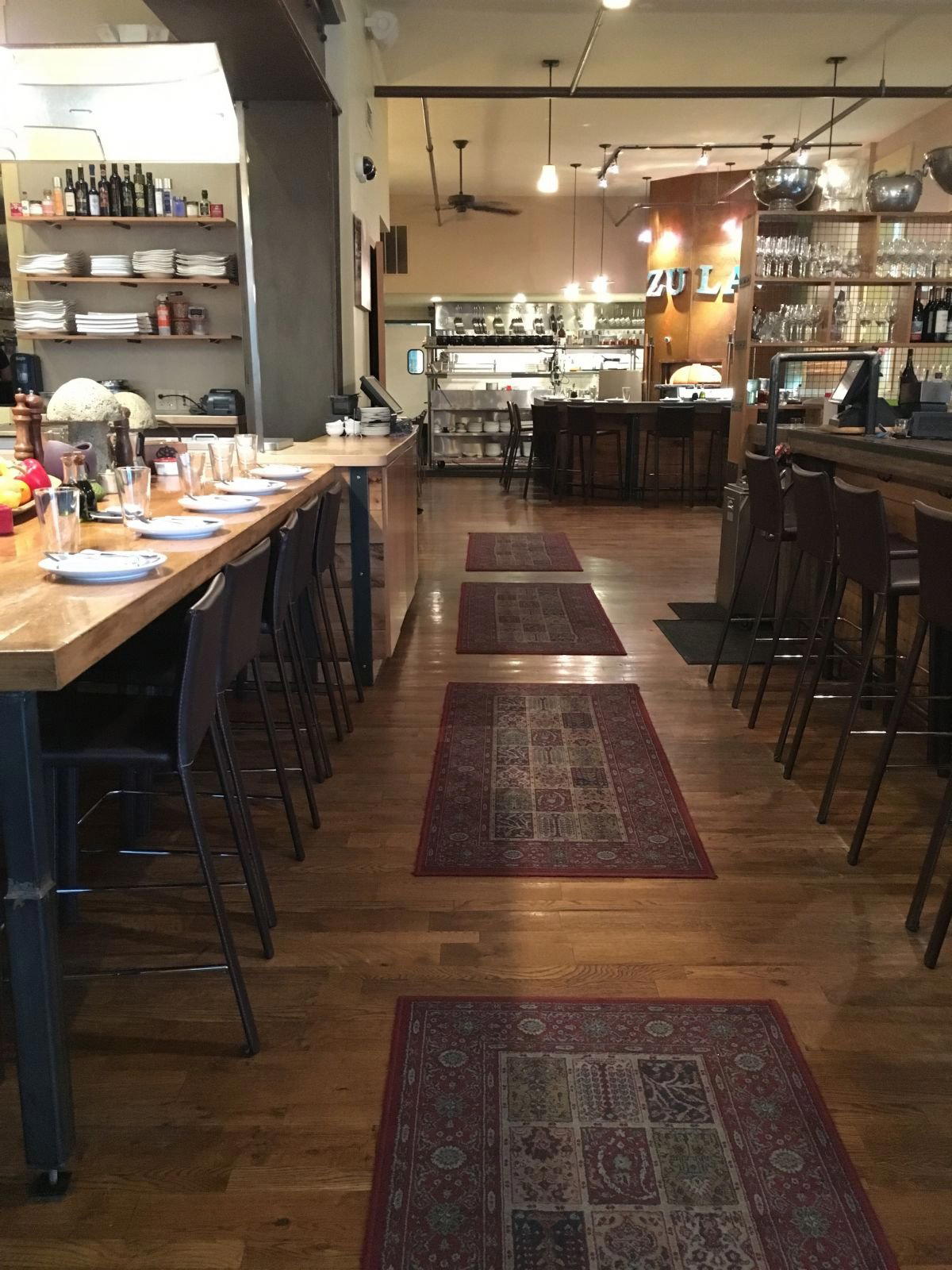
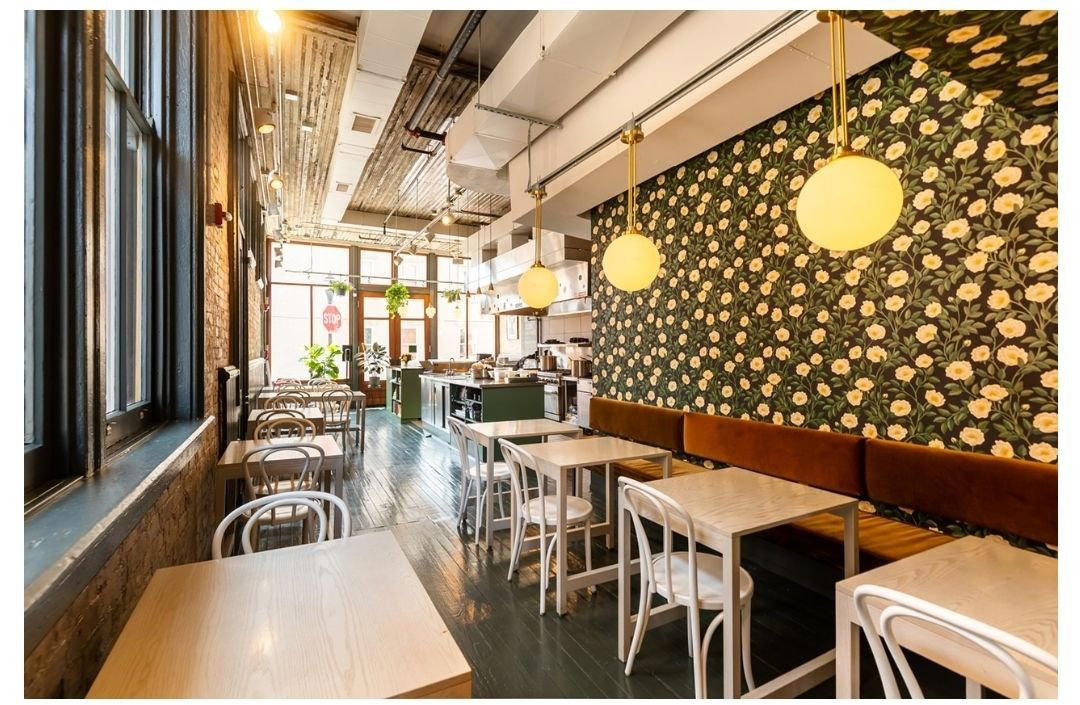
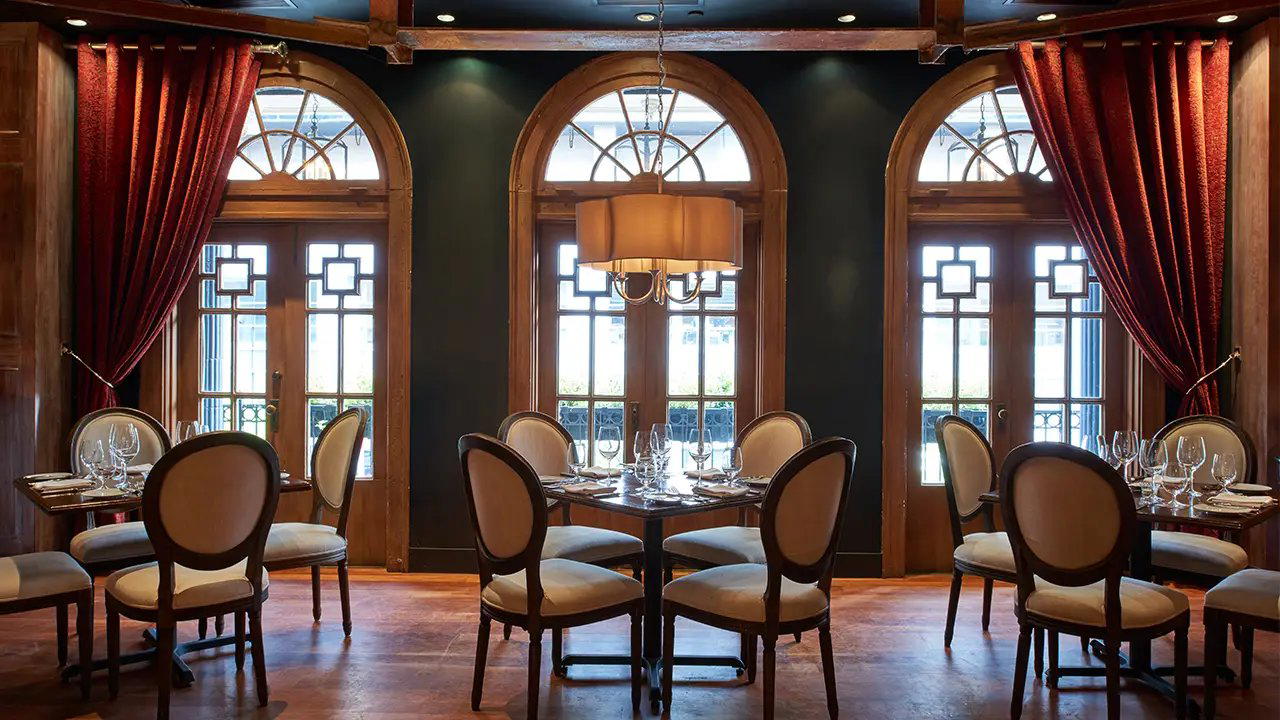
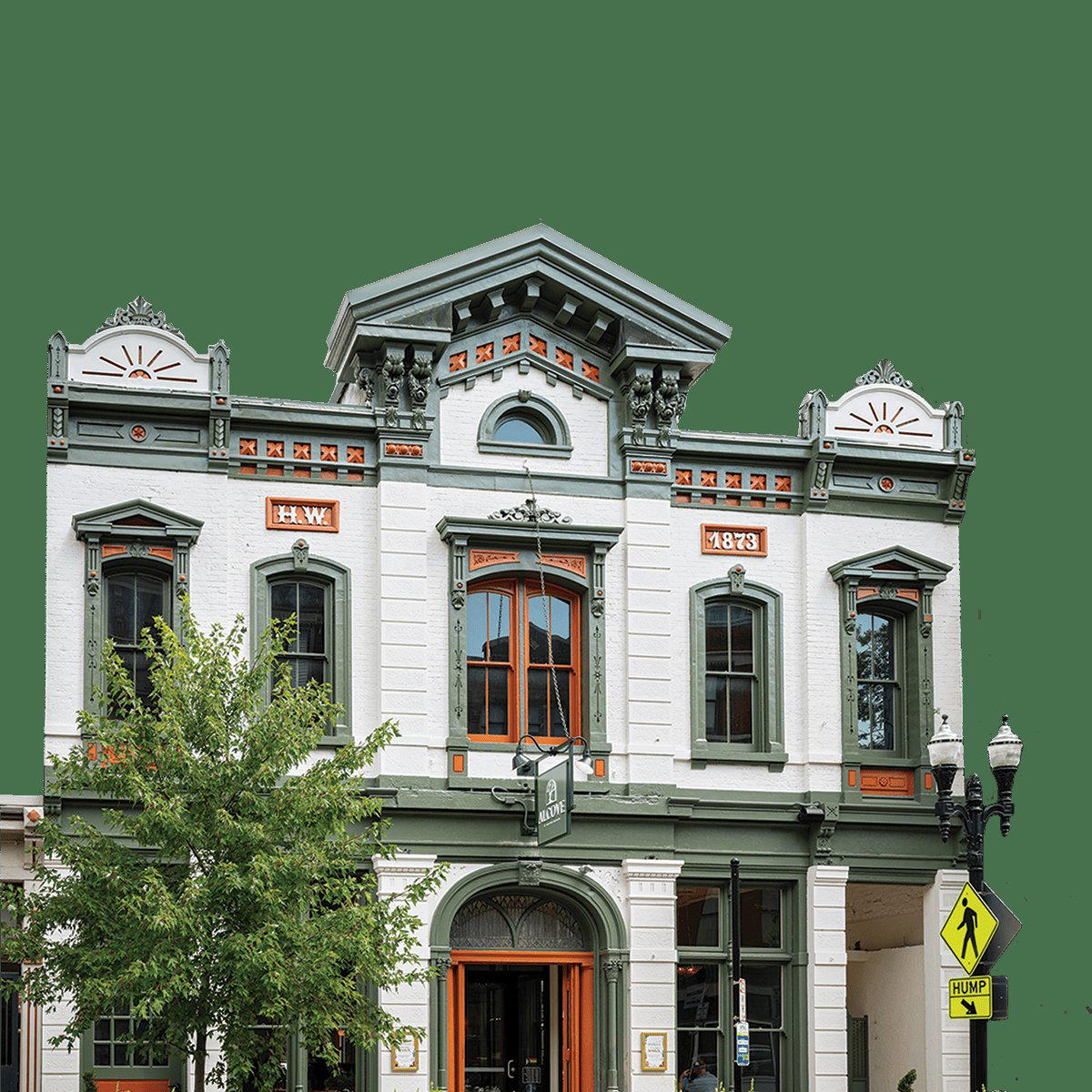
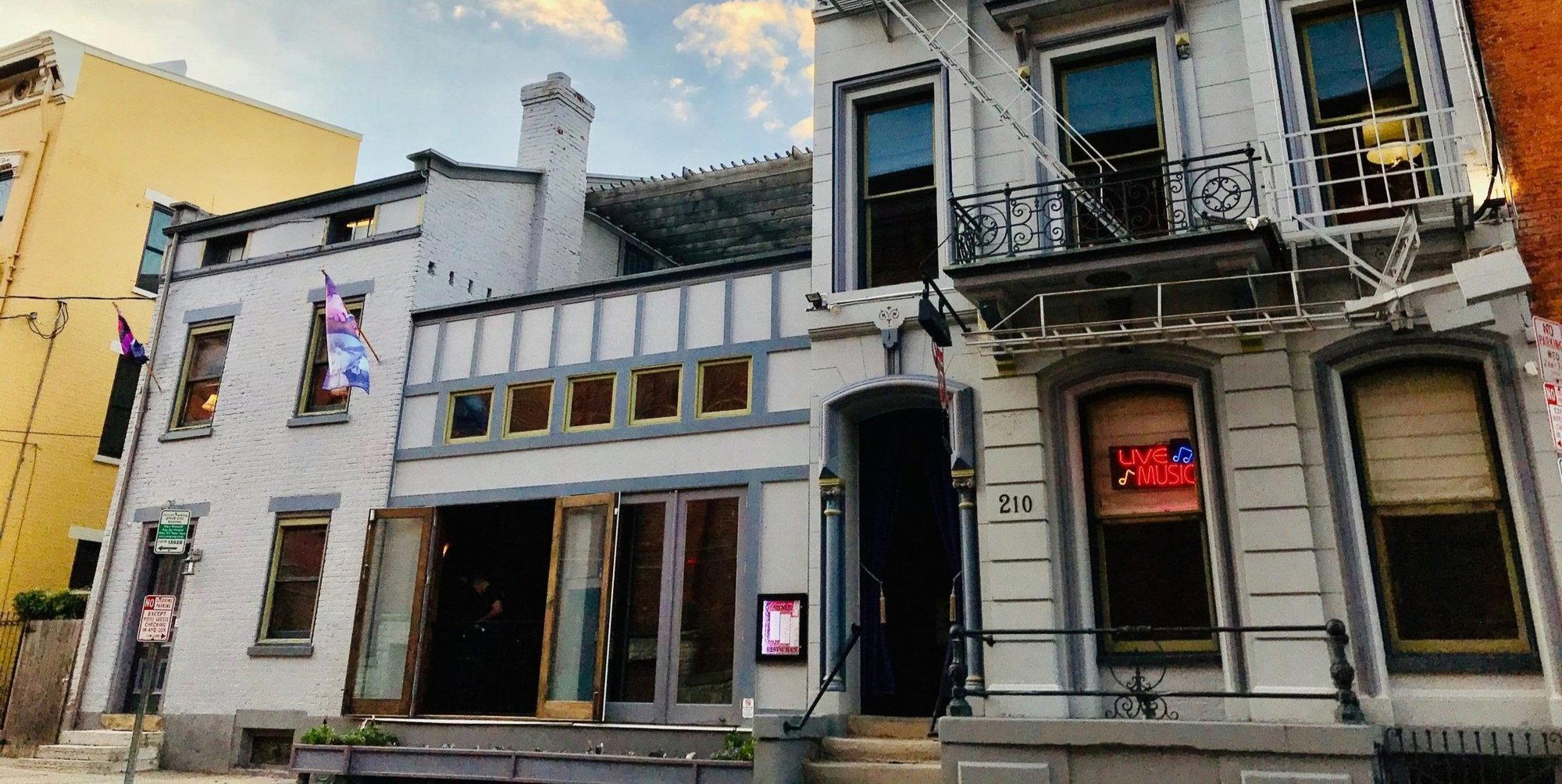
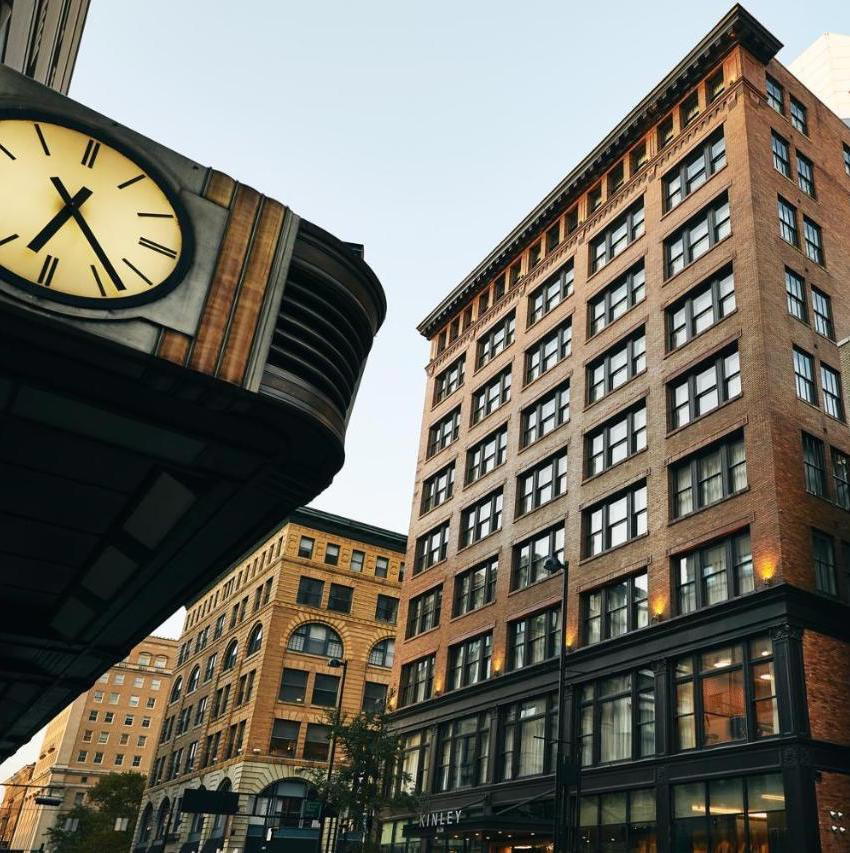
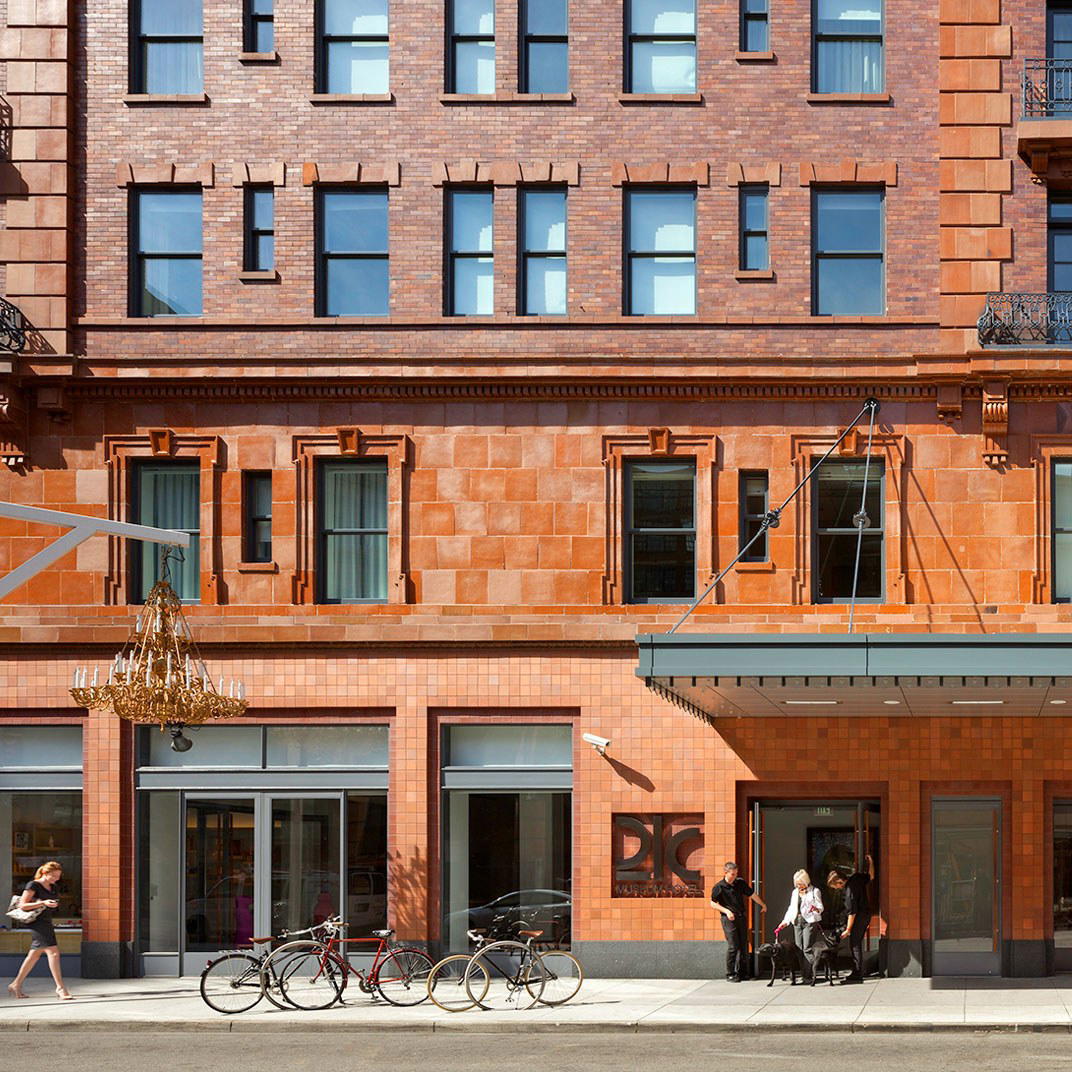
Over-the-Rhine has become the axis around which Cincinnati's serious dining scene rotates. The neighborhood's 19th-century German brewery architecture — cast-iron facades, tall windows, exposed brick — now frames a dining corridor that stretches along Race Street and its cross streets, where the format of choice has shifted from the old tavern to the wine-forward restaurant with genuine kitchen ambition. Zula Restaurant & Wine Bar, at 1400 Race Street, sits within that corridor and within that shift. The address alone places it in a competitive set that includes some of the city's most considered rooms.
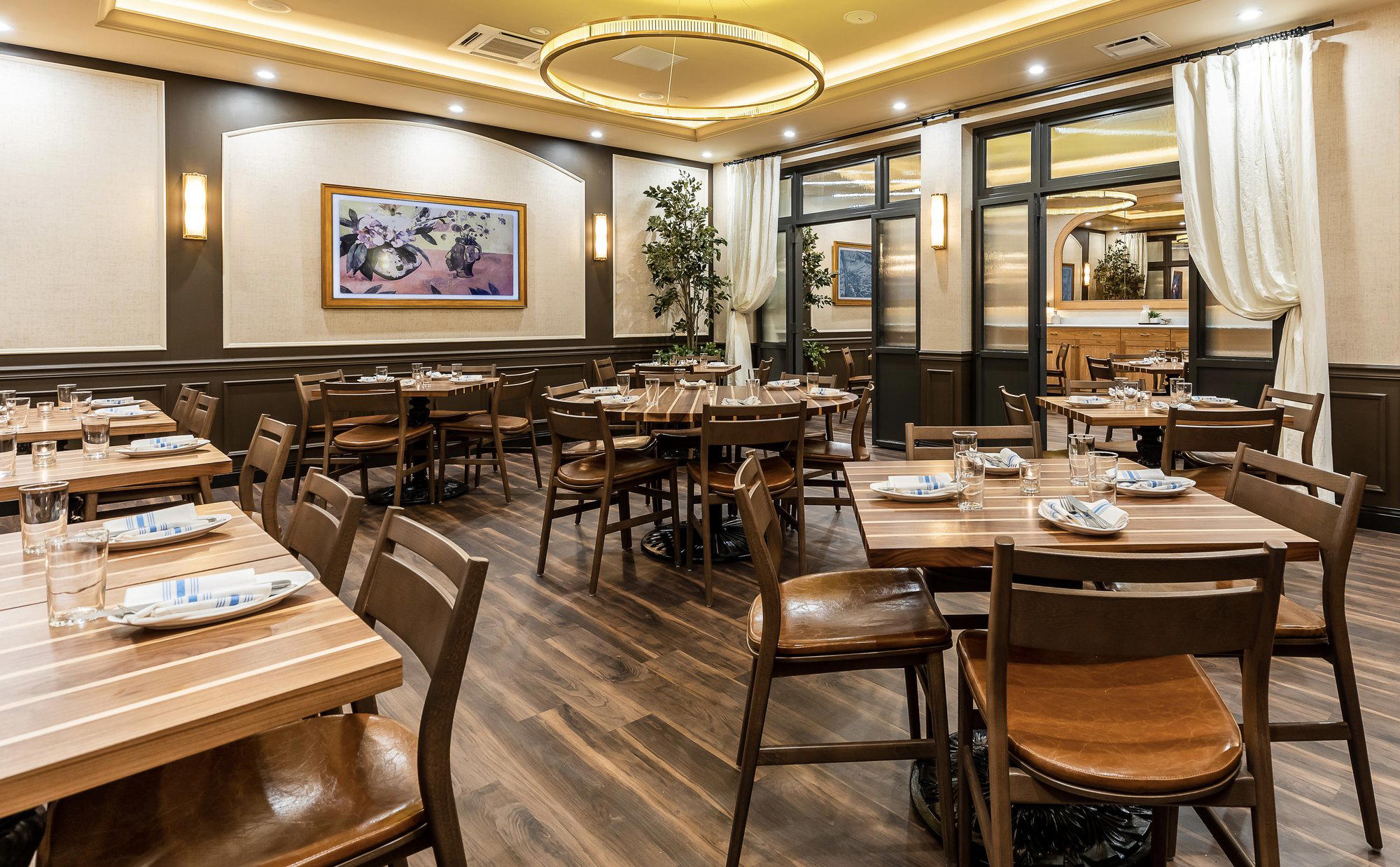
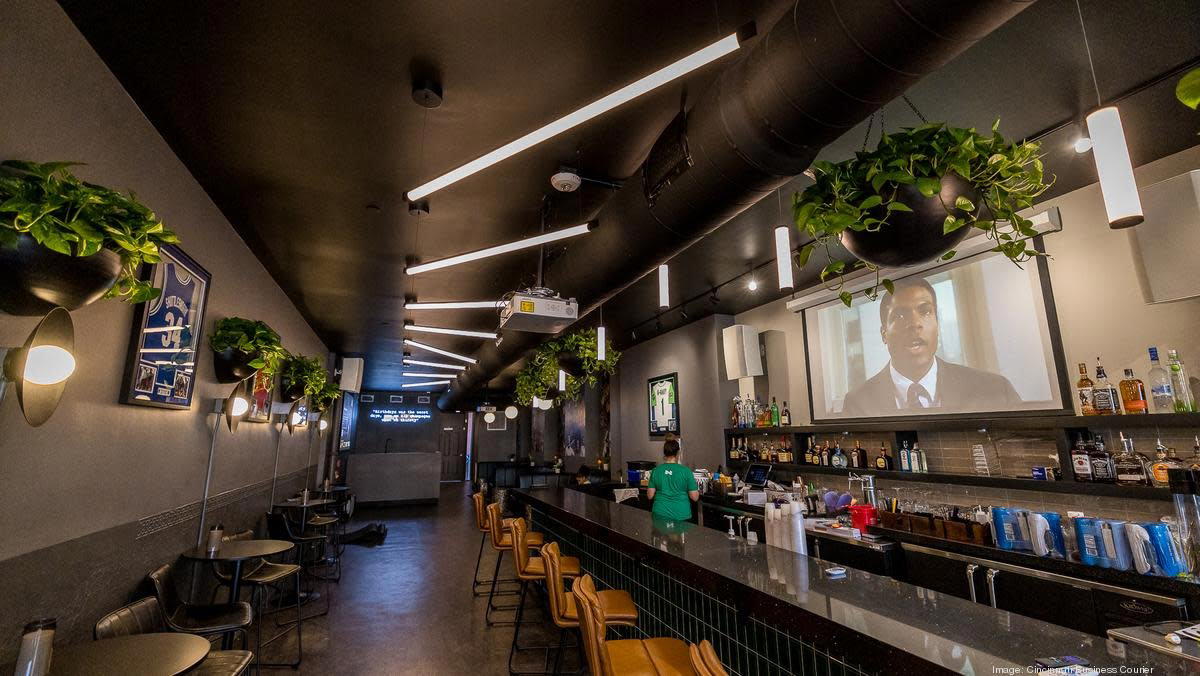
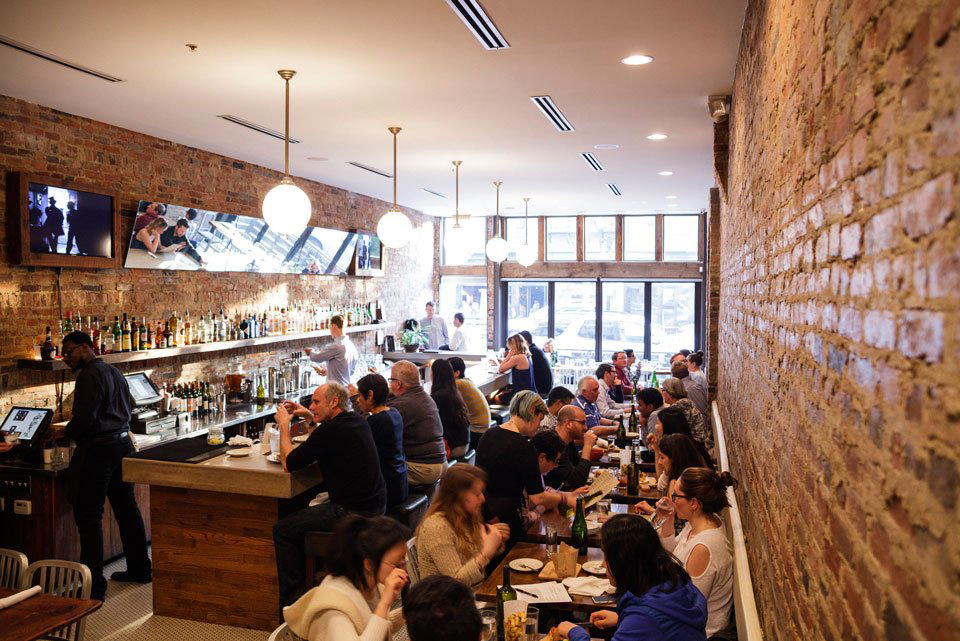
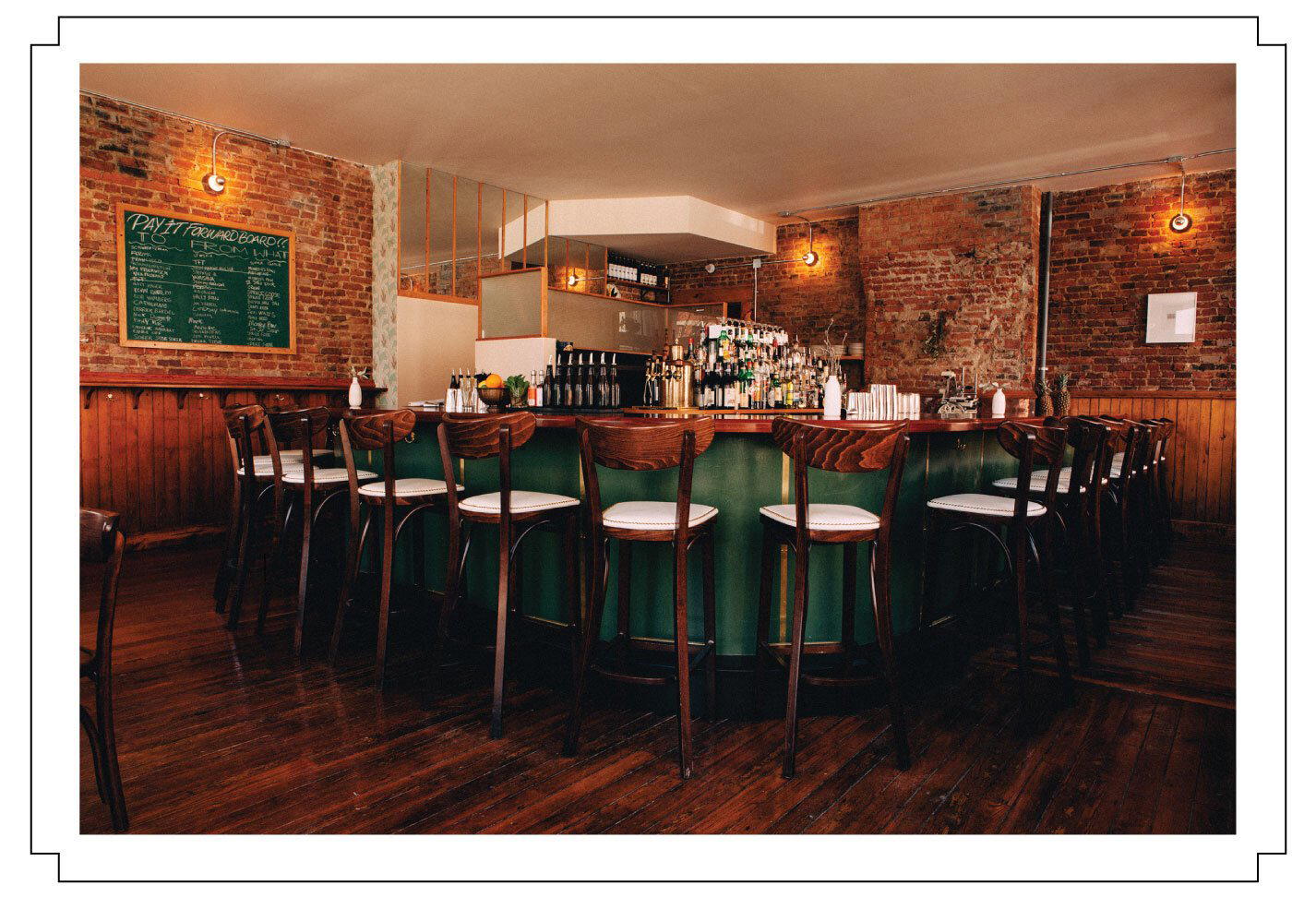
The dual identity , restaurant and wine bar , is the first thing worth understanding about how an evening at Zula is structured. In cities where this format has matured, the wine bar component is not a holding pen before a table opens; it is a distinct mode of engagement. You can commit to the full dining ritual, moving through courses with the kitchen setting the tempo, or you can anchor at the bar, order in a more fragmented way, and let the glass lead the meal rather than the plate. Both modes have their logic, and a room that supports both without forcing one on the other is doing something that requires architectural and programming discipline.
The Dining Ritual in a Wine-Forward Room
Cincinnati's better restaurants have increasingly taken their cues from what is happening in the national conversation around pacing and intentionality. The restaurants that have earned sustained attention , from Lazy Bear in San Francisco to Smyth in Chicago to Atomix in New York City , share a commitment to the meal as a sequence rather than a transaction. The guest is expected to arrive with some patience, and the kitchen and floor staff are expected to honor that patience with a corresponding level of craft and attention.
At venues operating in the restaurant-and-wine-bar format, the ritual tends to unfold differently depending on where you sit and how you approach the evening. A table in the dining room typically means you are handing some control to the kitchen and the floor: the pacing of courses, the recommendation of pours, the sequencing of the night. A seat at the bar returns more of that control to you. Neither is superior; they reward different kinds of diners. The leading wine-forward rooms in the country , including Blue Hill at Stone Barns in Tarrytown and Single Thread Farm in Healdsburg , have learned to make both modes feel equally considered, and that is the standard against which any serious wine-restaurant hybrid is measured.
Within Cincinnati, the comparison set is instructive. Boca operates in a fine-dining register with a formal kitchen structure. Bakersfield OTR leans into the casual end of the Over-the-Rhine spectrum. Zula's positioning, combining the wine bar's informal accessibility with a restaurant's kitchen seriousness, occupies a middle tier that is often the most interesting place to be in a city's dining ecology , neither precious nor perfunctory.
Wine Programming as the Organizing Principle
The wine bar designation is not decorative in rooms that take it seriously. It implies a list built with some editorial point of view, a floor staff capable of navigating that list with guests rather than simply reciting it, and a kitchen menu designed to function in dialogue with the glass rather than in spite of it. In cities where the restaurant-and-wine-bar model has been done well , from neighborhood rooms in Chicago to the more ambitious operations in Los Angeles, like Providence , the wine program is what gives the room its identity and attracts the returning guest.
Cincinnati's dining culture has historically been shaped by its German brewing heritage, its chili tradition (represented at its most dedicated by places like Camp Washington Chili), and its longstanding fondness for the steakhouse format. The emergence of wine-serious rooms in Over-the-Rhine represents a genuine structural change in what the city's diners are willing to engage with on a Tuesday night. That context matters when situating what Zula is doing: it is not operating in a vacuum, but in a neighborhood that has, over roughly a decade, created the audience and the infrastructure for this kind of programming.
For guests who want to understand how the wine list is organized before arriving, confirming the current selection directly with the venue is advisable. Lists in rooms like this change with the seasons and with what the program's buyer finds compelling, and a current read from the floor staff will be more useful than any static description.
OTR's Dining Ecosystem and Where Zula Sits Within It
Race Street and its immediate surroundings offer enough variety to structure a full evening or a multi-stop night. Agave & Rye Rookwood and Ambar India Restaurant represent the breadth of the neighborhood's current programming, and Aglamesis Brothers has provided the neighborhood with one of its most enduring culinary institutions. The ecosystem around Zula is dense enough that an evening can start or end elsewhere without losing coherence. For a fuller orientation to what the city offers across neighborhoods and price points, the full Cincinnati restaurants guide maps the current field.
Among the city's more formal options, The Refectory represents the French fine-dining register, and Nolia Kitchen brings Southern and Creole influence to the table. Zula's wine-bar-plus-restaurant format occupies a different lane: less ceremony than a white-tablecloth room, more intentionality than a casual bar, and a wine focus that gives the evening a specific organizing logic that the other formats do not.
Planning Your Visit
Zula Restaurant & Wine Bar is located at 1400 Race Street in Cincinnati's Over-the-Rhine neighborhood, within walking distance of the concentration of dining, drinking, and cultural venues that has made OTR one of the more densely programmed urban districts in the Midwest. Given the format , a room that draws both restaurant diners and wine bar guests , arriving with some flexibility about where you want to sit and how you want to pace the evening will serve you better than arriving with a fixed script. Booking details, current hours, and wine list information are leading confirmed directly with the venue before your visit, as operational specifics for this type of room shift more frequently than those of a conventional restaurant.
Frequently Asked Questions
Cuisine and Recognition
A compact peer snapshot based on similar venues we track.
| Venue | Cuisine | Awards | Notes |
|---|---|---|---|
| Zula Restaurant & Wine Bar | This venue | ||
| Camp Washington | Chili | Chili | |
| The Refectory | French | French | |
| Wildweed | Midwestern Farm-to-Table | Midwestern Farm-to-Table | |
| Nolia Kitchen | Southern/Creole | Southern/Creole | |
| Jeff Ruby's Steakhouse – Cincinnati |
Need a table?
Our members enjoy priority alerts and concierge-led booking support for the world's most difficult tables.
Get Exclusive Access