Zōtō
Our verdict
Zōtō brings a format rooted in Japanese culinary tradition to North Cattlemen Road, positioning itself within Sarasota's growing tier of destination dining. The name signals intention: a considered, ingredient-led approach that places it closer to the city's more serious tables than its address might suggest. For visitors working through the Gulf Coast's dining scene, it warrants attention.

Pearl is the En Primeur Club membership app, where members save venues, book tables and use the concierge.
A City Finding Its Culinary Register
Sarasota has spent the better part of a decade quietly assembling a dining scene that punches above its population weight. The city sits in a curious position on the American restaurant map: too small to attract the press cycles that land on Miami or Tampa, yet home to a resident and seasonal population with the spending habits and travel references of a major metropolitan market. The result is a local dining tier that has had to earn its keep on merit rather than media momentum. Zōtō, on North Cattlemen Road, enters that environment with a name drawn from Japanese tradition and a location that bypasses the downtown waterfront circuit entirely, a signal, in itself, about what kind of venue this intends to be.
In Japan, the concept of zōtō carries the weight of gift-giving as a social practice, of objects and gestures offered with care and specific intent. That cultural frame matters here. Japanese culinary philosophy has long treated the meal as a structured form of hospitality, not service in the transactional Western sense, but something closer to choreographed generosity. American restaurants that draw on that tradition have produced some of the country's most closely watched dining rooms: Atomix in New York City applies Korean fine dining codes through a similar lens of considered presentation, while Single Thread Farm in Healdsburg has built an entire hospitality philosophy around the Japanese concept of omotenashi. Zōtō's name places it in dialogue with that current, even at a Gulf Coast remove.
The Address and What It Tells You
North Cattlemen Road is not where you go looking for this kind of experience. The corridor runs through Sarasota's commercial north, among the kind of strip plazas and service businesses that most food critics drive past without stopping. That Zōtō has planted itself at 190 N Cattlemen Rd, Unit 5, rather than on Palm Avenue or near Southside Village, is either a statement of confidence or a practical calculation about rent and space, possibly both. Either way, it changes the arrival experience. There is no ambient waterfront glow, no parade of tourists providing social proof. The decision to come here is deliberate.
That dynamic has precedent in American dining. Some of the country's most serious tables are in locations that require commitment: Blue Hill at Stone Barns in Tarrytown asks guests to drive north of Manhattan to a working farm. The Inn at Little Washington in Washington, Virginia, built its reputation in a town of fewer than 200 people. Destination dining, at its most purposeful, strips away the convenience of foot traffic and asks the guest to show up on purpose.
Sarasota's Competitive Table
Understanding where Zōtō sits requires mapping the broader dining field. Sarasota's serious restaurant tier includes Italian-rooted addresses like 15 South by Napule and Amore Restaurant, Spanish-inflected cooking at Alma de España, and more eclectic formats at Arts & Central and 1592. The city is not short of European-lineage cooking. What it has historically lacked is a substantial Japanese or Japanese-influenced anchor at the upper end of the market.
That gap matters because Japanese technique has become one of the defining influences on American fine dining over the past two decades. The precision of knife work, the temperature discipline, the attention to umami and fermentation as structural elements rather than seasoning afterthoughts, these have moved from specialist to foundational. Restaurants like Le Bernardin in New York City and Providence in Los Angeles have absorbed Japanese sensibility into Western fine dining frameworks. Alinea in Chicago and Lazy Bear in San Francisco apply similar precision through different cultural lenses. Zōtō's position in Sarasota asks whether the Gulf Coast is ready for that register, and whether a city of this size can sustain the demand such a format requires.
For a fuller picture of the dining options across price points and cuisines in the area, the full Sarasota restaurants guide provides the necessary context alongside more casual alternatives like Arts & Central and neighbourhood staples such as Fork And Hen.
Planning Your Visit
Japanese-influenced fine dining in this tier typically operates on a reservation basis, with limited covers and service windows that do not accommodate walk-ins comfortably. Arriving without a booking at restaurants in this category, whether at Addison in San Diego or Emeril's in New Orleans, is rarely rewarded. The same logic applies here. Sarasota's tourist-heavy winter season, roughly November through April, compresses local reservation availability across all serious restaurants; if you are visiting during that window, early planning is advisable. Summer visits carry more flexibility, though the city's dining population thins considerably in the hottest months.
Comparable formats at venues such as 8½ Otto e Mezzo Bombana in Hong Kong price significantly above the mid-market, and Japanese-influenced fine dining in the US generally follows a similar trajectory, with tasting formats often starting well above $100 per person before beverage. Whether Zōtō operates at that level, or positions itself as a more accessible interpretation of the tradition, would require direct confirmation.
Frequently asked questions
What should I order at Zōtō?
Can I walk in to Zōtō?
What's the defining dish or idea at Zōtō?
Is Zōtō good for vegetarians?
Should I splurge on Zōtō?
How does Zōtō fit into Sarasota's broader Japanese dining scene?
Similar Picks
Comparable venues nearby, for context on price, style, and recognition.
| Venue | Cuisine | Price | Notes |
|---|---|---|---|
| ZōtōThis venue (the venue you are viewing) | Elevated Japanese Izakaya & Sushi | $50–100 | Not listed |
| Boca | Contemporary American with Seasonal Farm-to-Table Focus | $30–50 | Downtown |
| Sophie's Sarasota | Globally Influenced American | $50–100 | University Town Center |
| Mediterraneo | Contemporary Northern Italian | Not listed | Downtown |
| Selva | Latin Fusion with Peruvian Emphasis | $30–50 | Downtown Sarasota |
| Turmeric | Modern Indian | $20–30 | downtown |
Continue exploring
More in Sarasota
Restaurants in Sarasota
All restaurants in Sarasota →
Bars in Sarasota
All bars in Sarasota →
Details
- Modern
- Elegant
- Sophisticated
- Trendy
- Date Night
- Special Occasion
- Open Kitchen
- Chefs Counter
- Sake Program
- Craft Cocktails
- Extensive Wine List
- A La Carte
- Omakase
- Small Plates
- Sake
- Japanese Whisky
Current opening hours
- Monday
- 4–9:30 PM
- Tuesday
- 4–9:30 PM
- Wednesday
- 4–9:30 PM
- Thursday
- 4–9:30 PM
- Friday
- 5–10 PM
- Saturday
- 11:30 AM–2:30 PM, 5–10 PM
- Sunday
- 11:30 AM–2:30 PM, 5–10 PM
Hours can change for holidays and private events. Hours as of .
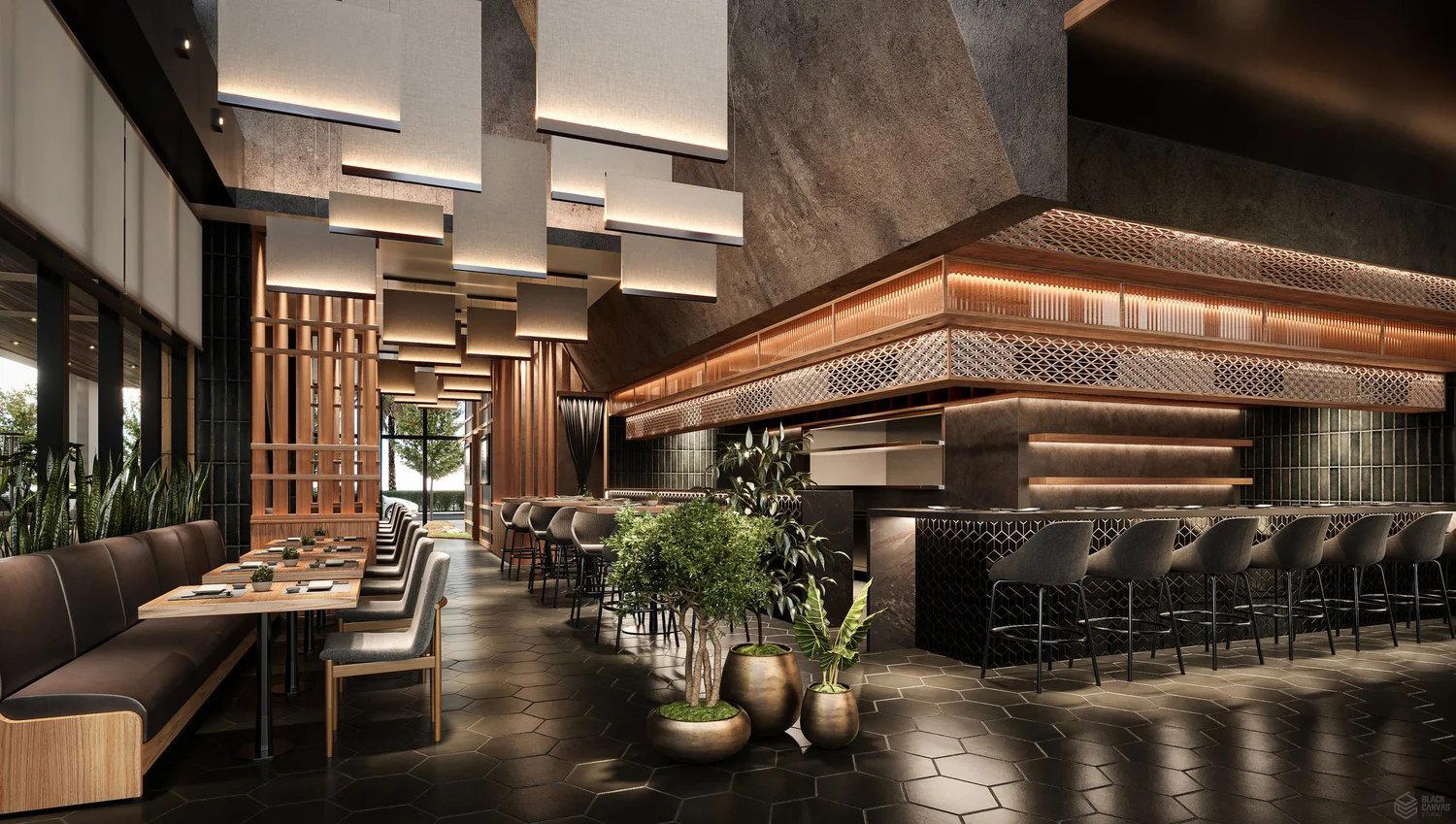
Polished dining room blending dark and light interiors with a glowing central bar and buzzy sushi bar in a sleek, relaxed setting.